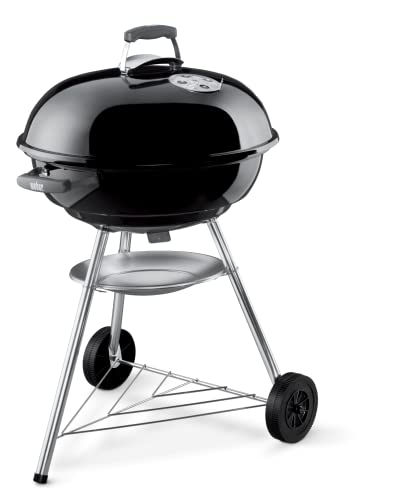
Choosing a smoker starts with the type. Electric smokers are the easiest, charcoal bullets and drums reward practice, offsets give classic barbecue flavor and pellet and kamado cookers sit somewhere in between. The best type of smoker is the one that matches how much effort you want to put in.
The six picks below each represent one type, so you can compare how they work rather than only how they look. We have not used these products ourselves, so confirm size, features and included accessories on the current listing before buying. Think about fuel, space and how often you plan to smoke.
As an Amazon Associate we earn from qualifying purchases. Links below are affiliate links, and they do not change the product information we give.
What to Look For
| Feature | Why it matters |
|---|---|
| Fuel | Electricity, charcoal, wood pellets and wood chunks each bring a different level of effort |
| Temperature control | Electric and pellet models hold steady, while charcoal and offset models need attention |
| Smoke flavor | Charcoal and offset smokers usually give stronger smoke than electric units |
| Capacity | Match rack count to the food you plan to smoke |
| Learning curve | Simple designs are friendlier to beginners |
| Cleanup | Water pans, ash catchers and grease trays decide how much work follows each cook |
In this guide
Specs at a Glance
| Model | Type | Size class | Notes |
|---|---|---|---|
| Masterbuilt Digital Electric Smoker | Electric | Mid to large | Digital controls |
| Weber Smokey Mountain Cooker | Charcoal bullet | Mid-size | Water pan design |
| Pit Barrel Cooker Classic | Charcoal drum | Mid-size | Hanging hooks |
| Oklahoma Joe Highland Offset | Offset | Large | Firebox and chamber |
| Camp Chef Woodwind | Pellet | Mid to large | Pellet fed |
| Char-Griller Akorn Kamado | Kamado style | Mid-size | Insulated steel body |
The 6 Best Smokers by Type

Top pickBest for beginners and apartments with outdoor space
1. Masterbuilt Digital Electric Smoker (30-inch)
An electric smoker with digital controls that heats a chamber and smokes wood chips from a tray. It is the easiest type for beginners because there is no fire to manage.
Suits: beginners and apartments with outdoor space. Strengths: simple operation and steady heat. Weaknesses: milder smoke flavor. Skip it if you want a strong bark and deep smoke.
View Masterbuilt Digital Electric Smoker (30-inch) on Amazon
Best for learners who want to understand fire
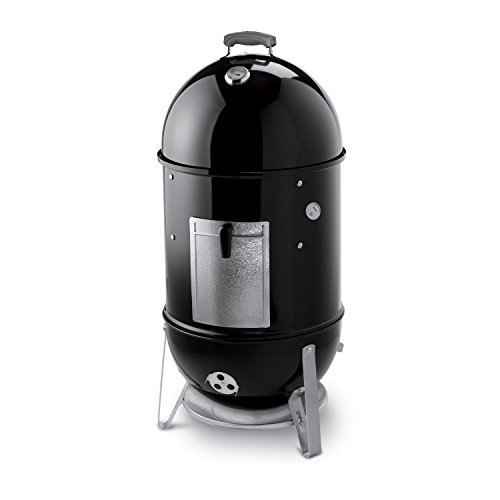
2. Weber Smokey Mountain Cooker (18-inch)
A charcoal bullet smoker with a water pan and vents for temperature control. It has a long reputation for turning out classic smoked food with a modest fuel supply.
Suits: learners who want to understand fire. Strengths: great value in the bullet type and a loyal following. Weaknesses: it needs regular tending. Skip it if you want a set-and-forget unit.
Best for fans of hands-off charcoal cooking
3. Pit Barrel Cooker Classic
A charcoal drum smoker where meat hangs from hooks and cooks above the coals. The design keeps things simple and holds consistent heat with little adjustment.
Suits: fans of hands-off charcoal cooking. Strengths: a simple design and good results. Weaknesses: hanging cooking takes some adjustment. Skip it if you want shelves for many racks.
View Pit Barrel Cooker Classic on Amazon

Best for enthusiasts who enjoy fire management
4. Oklahoma Joe Highland Offset Smoker
An offset smoker with a side firebox and a main cooking chamber. It is the classic barbecue design and takes the most skill to run well.
Suits: enthusiasts who enjoy fire management. Strengths: authentic smoke flavor and large capacity. Weaknesses: it needs constant attention. Skip it if you want an easy cook.

Best for people who want automation and smoke
5. Camp Chef Woodwind Pellet Grill
A pellet-fed smoker grill with an automated feeder and a smoke control setting. It offers wood flavor with an easy workflow.
Suits: people who want automation and smoke. Strengths: a controllable smoke level and pellet convenience. Weaknesses: it needs power and pellets. Skip it if you cook without electricity.
View Camp Chef Woodwind Pellet Grill on Amazon

Best for versatile smoking and grilling
6. Char-Griller Akorn Kamado Kooker
An insulated steel kamado-style cooker that smokes, grills and bakes. The thick body holds heat steadily and uses charcoal efficiently.
Suits: versatile smoking and grilling. Strengths: steady heat and flexible cooking. Weaknesses: a heavy body. Skip it if you want a lightweight model.

Care and Setup
- Clean old ash before each cook so air can flow.
- Season a new smoker according to the manual.
- Keep wood chips, chunks or pellets dry.
- Cover the smoker once cool to protect it from weather.
- Keep a basic probe thermometer on hand, since built-in lid gauges are often off.
Mistakes to Avoid
- Starting without enough fuel for the whole cook.
- Choosing a type that does not match your free time.
- Opening the lid again and again.
- Smoking without a reliable thermometer.
- Using too much wood for smoke, which can leave meat tasting bitter.
- Forgetting to let meat rest before slicing.
Match the Type to Your Effort and Experience
The biggest difference between smoker types is how much attention they need. Electric smokers hold a set temperature with a thermostat, so you load the wood, set the controls and check periodically. Pellet cookers automate fuel and airflow, which makes them similarly hands-off. Charcoal bullets, drums and kamados rely on vents and fuel management. They are more manual, but many cooks enjoy learning to read the fire. Offsets are the most demanding, since you manage a firebox, airflow and a separate cooking chamber.
Be honest about how you like to cook. If you want to start a long cook and do something else, a thermostat-controlled model is the more comfortable option. If you enjoy the process and do not mind adjusting vents or adding fuel, a charcoal design can be rewarding. If you are unsure, start with a forgiving type and move up as your skills develop.
- Low effort: electric and pellet designs.
- Medium effort: charcoal bullets, drums and kamados, which need vent control but little tending once settled.
- High effort: offsets, which need regular fire management and a good supply of fuel.
Time matters too. Fuel-fed fires can need preparation, lighting and cooldown. Check how long the manufacturer says the cooker takes to heat and what the process involves before you decide.
Fuel, Smoke Flavor and Running Costs
Fuel affects both taste and convenience. Wood chips or chunks in an electric smoker produce smoke from a heated tray, and the flavor is often described as milder than that from a live fire. Charcoal with wood chunks gives a stronger smoke character in many designs. Wood pellets burn cleanly and add flavor from the pellet type. Offsets burning split logs are known for traditional barbecue flavor, though results depend heavily on technique.
The wood you choose changes the flavor. Stronger woods suit beef and pork, and lighter fruit woods are often chosen for poultry, fish and milder cuts. Experiment in small steps and take notes. Avoid treated or painted wood, and use only fuel meant for cooking.
Think about running costs in general terms. Electric models need electricity and a supply of chips. Charcoal units need charcoal and wood. Pellet cookers need pellets and power. Offsets use a lot of wood or charcoal for long cooks. Fuel use depends on the cooker’s size, insulation, weather and how often you cook, so check the manual for guidance rather than relying on assumptions.
Also consider storage for fuel. Keep pellets dry, keep charcoal sealed from moisture and store wood where air can circulate. Poor storage affects performance and flavor.
Where You Will Put It: Space, Power and Safety
Before buying, picture the smoker in place. Measure the patio, deck or yard area, then check the width, depth and height listed for the cooker, allowing space for opening doors, adding fuel and moving around safely. A smoker should be on a level, stable, non-combustible surface, away from walls, railings, overhanging branches and anything flammable. Follow the manual for clearance distances.
Check utilities. Electric and pellet cookers need an outdoor-rated power supply, and you should keep cords away from heat and wet ground. Gas-fueled smokers, where you see them, need safe propane handling. Charcoal and wood units produce combustion gases, so they must be used outdoors in open air, never in a garage, tent, covered porch or indoors.
Think about neighbors and local rules. Smoke can drift, and some apartments, condominiums and communities restrict open flames or certain fuels. Check your lease, homeowner association rules and local fire guidance.
- Keep a fire extinguisher or a suitable safety method nearby as recommended by local guidance.
- Use heat-resistant gloves and long tools.
- Dispose of ash only after it is fully cold, and in a metal container.
- Keep children and pets away from the cooker.
Weight and mobility matter if you plan to move the smoker. Check wheels, handles and whether it can be moved by one person.
Capacity, Racks and Cooking Plans
Capacity is not just a number. A listing might mention total grate area or the number of racks, but what matters is whether your food fits with room for smoke to move. Think about the foods you want to smoke and how they are shaped. Racks of ribs, a whole brisket, a pork shoulder, whole chickens, sausages and fish all lie differently. Vertical designs offer stacked racks of smaller area, while horizontal designs offer wider surfaces for long cuts. Hanging designs suspend meat from hooks.
Plan for the usual crowd and the occasional large event. Buying a bit more space than you currently need can help, but a very large cooker uses more fuel and takes longer to heat. If you only cook for two, a mid-size model may be more efficient.
Consider accessories that affect capacity, such as extra racks, rib holders, hooks or a water pan. Check whether those are included or sold separately, and whether they are made for your model.
Ask yourself a few questions before buying. What will I smoke most often? How many people will I feed? Will I smoke year-round or only in summer? Do I need to smoke in cold weather? Do I want a smoker that can also grill or roast? The answers point toward a type, and they narrow the choice among models within the type.
Maintenance, Rust and Replacement Signs
All smokers need regular cleaning. Grease and ash accumulate, and built-up residue can cause off flavors, smoke problems and fire risk. After each cook, let the cooker cool, empty ash, scrape the grates and clean any drip tray or water pan according to the manual. A periodic deeper clean is useful for the interior and any removable parts. Some cooks like to season the interior of new metal smokers by following the maker’s instructions.
Protect against moisture and rust. Use a cover rated for outdoor use and fitted to your model, store the smoker under shelter when possible and touch up surface rust or paint where the manufacturer permits. Check seals and gaskets because gaps allow air leaks and make temperature control harder. Vents and dampers should move freely.
Consider these replacement signs.
- Rust that has eaten through the metal, especially in the firebox or base.
- Warped doors or lids that no longer seal.
- Failed heating elements, igniters, controllers or probes that are not replaceable.
- Cracked ceramic or damaged insulation, depending on the design.
- Parts that are no longer available for the model.
Before buying, check whether replacement parts, gaskets and accessories are available, and read the warranty details on the listing. A smoker with accessible parts is easier to maintain for years.
Smoker Vocabulary for Beginners
Smoking food has its own terms. A short glossary will help you follow guides and product pages.
- Low and slow: cooking at a low temperature for a long time.
- Smoke ring: a pinkish layer just beneath the surface of smoked meat.
- Bark: the dark, flavorful crust that forms on the outside of smoked meat.
- Stall: a long pause in the rise of internal temperature during a cook.
- Cold smoking: adding smoke flavor without cooking the food, which has its own food safety requirements.
- Offset: a smoker design where the firebox is beside the cooking chamber.
- Vertical or cabinet smoker: a tall unit with racks stacked above a heat source.
- Kamado: a thick-walled ceramic cooker that holds heat very well.
Terms are not always used consistently, so read how a maker describes its own product.
Matching a Smoker Type to Your Style
| Smoker type | Good fit when | Things to plan for |
|---|---|---|
| Electric | You want simple controls and steady heat | Power supply and weather protection |
| Pellet | You like convenience with real wood flavor | Pellet storage and power |
| Charcoal | You enjoy managing a fire | Fuel handling and airflow practice |
| Offset | You want to learn fire craft | Space, weight and time |
| Propane | You want easy lighting | Gas supply and safe connections |
| Kamado | You want one cooker for many tasks | Weight and handling |
Think about how much time you want to spend tending the cooker. Some types reward attention, while others lean on automation.
A Pre-Purchase Checklist
- Decide how often you will cook and for how many people.
- Measure the space, including clearance from walls and railings.
- Check your power source and fuel options.
- Look at the cooking area and rack heights for the cuts you cook.
- Read the maker’s guidance on weather use and covers.
- Plan for storage of fuel and tools.
- Check local rules for smokers and open flames.
This quick list helps you narrow down the type of smoker that fits your yard and your routine.
Reading a Smoker Listing Closely
Look at the cooking area, the number of racks and the interior height. Check the build material and thickness, and read what the maker says about insulation and seals. See what controls the smoker offers and whether it includes probes.
Check the fuel type, the capacity of the hopper, tray or firebox and the expected length of a cook. Look at the weight and any wheels, and read about assembly. Finally, read about support and replacement parts.
Where to Put the Smoker and How to Stay Safe
Place the smoker outdoors on a stable, non-flammable surface, away from walls, fences, overhanging branches and anything that can burn. Follow the maker’s clearance guidance and any local rules about open fires or smoke. Never use a smoker in a garage, tent or enclosed space.
Keep children and pets away from the hot unit. Have a suitable fire extinguisher or a source of sand nearby, and let the smoker cool fully before covering or moving it. Dispose of ash only when it is completely cool and in a metal container.
Food Safety and Good Habits
Follow official food safety guidance for cooking temperatures and holding times, and use a thermometer to check doneness. Keep raw and cooked foods apart, and wash hands and tools. Keep notes on each cook, including fuel, weather and the results, so that you can improve over time.
Comparing Fuel Handling and Flavor
Fuel shapes both the flavor and the effort of smoking. Wood and charcoal give a traditional smoky profile but call for airflow management and patience. Pellets offer wood flavor with automation, though they need electricity and dry storage. Electric and propane smokers are straightforward, and many cooks add wood chips or chunks to create smoke.
Think about what you enjoy. If you like the ritual of lighting and tending a fire, a charcoal or offset smoker may suit you. If you prefer to set a temperature and check in occasionally, a pellet or electric model may fit better. Keep in mind that every option still needs cleaning, attention and safe operation.
Consider storage too. Bags of pellets, charcoal and wood take space and should be kept dry. Check how much fuel a typical cook uses, and plan your supply. Read the maker’s guidance on approved fuels, and avoid using materials the manual does not allow.
Growing Into the Hobby
Many people begin with a simple smoker and learn the basics before upgrading. Practice with forgiving cuts, and learn how temperature, airflow and fuel affect results. Join local clubs or online communities for tips, and read your manual closely. As your skills grow, you will know which features you want in your next smoker.
How to Narrow Down the Picks for Types of smokers
With several strong options in this guide, the fastest way to a good decision is to stop comparing everything at once. Start by removing any pick whose basic format does not suit your space or routine, using the descriptions above. Then compare what remains on the two or three points that will affect you weekly, such as size in daily use, the controls you will touch every time and the cleaning the smoker will ask of you. Features you will use twice a year should never outvote the ones you will use twice a day.
Read the honest limitation in each review as carefully as the strengths. A limitation that touches something you rarely do is a fair trade; a strength that serves a habit you do not have is worth nothing to you. This is why the same guide can honestly serve different households with different answers. Your job is not to find the best smoker in the abstract, but the one whose strengths and weaknesses line up with your life with the fewest daily frictions.
Before you order, do a final reality check on the exact listing for the model you have chosen. Listings change, similar model names differ in small details, and the version in front of you is the one that will arrive. Confirm the dimensions, the requirements and what is included, and keep a note of what you checked. That five-minute habit prevents most disappointments, and it costs nothing but attention at the moment when attention matters most.
Matching the Smoker Type to the Cook
Each type of smoker makes a trade. Offset designs offer tradition and capacity at the cost of attention; pellet designs trade some of that involvement for consistency; vertical and bullet designs are economical with fuel and space; electric designs are calm and simple but different in character. None of these trades is a flaw. The right question is which trade suits your time, your space and the food you love. A beginner with little time will flourish with a forgiving, controlled design, while a cook who enjoys fire craft may find the same design unsatisfying. Read the picks in this guide as personalities rather than rankings, and choose the one whose daily reality, lighting, tending, cleaning and storing, you will still enjoy in its second year.
Choosing Types of smokers: The Details That Decide Daily Satisfaction
Choosing a smoker starts with the style of cooking you want to learn. Low, slow cooking with smoke is a patient craft, and each type in this guide asks something different of you in fuel, attention and space. Read the picks for how they generate and hold heat, then be honest about your weekends: a smoker that needs regular tending suits a cook who enjoys the process, while a more automated style suits someone who wants to prepare food, set the cook going and check in from time to time.
Temperature stability is the heart of the matter. Long cooks punish swings, because meat that races and stalls cooks unevenly and dries at the surface. Look for solid construction, a lid or door that seals, and controls you can adjust in small steps. Thick materials and a sensible shape hold heat through a breeze far better than thin, leaky construction. The listing details for each pick describe its build, so weigh those details more heavily than extra racks or novelty features.
Size the smoker to your real cooks. A large chamber costs more fuel to heat for a small meal and can be harder to keep steady when nearly empty, while a small chamber crowds food and blocks the airflow smoke needs. Think about the largest cook you do regularly, not once a year, and check that shelves or grates suit the shapes you cook, from long ribs to a whole bird. Fuel storage belongs in the same decision, because pellets, charcoal or wood must stay dry to burn cleanly.
Finally, consider the full routine: lighting, tending, resting the food, cleaning ash and grease, and storing the smoker under cover. A model that fits your garden, your storage and your patience will produce better food than a theoretically superior one you dread setting up. Smoking is a hobby as much as a method, and the right smoker is the one that keeps the hobby enjoyable month after month.
Real-Life Situations and How to Match Them
For brisket, ribs and pork shoulder, the smoker’s job is steadiness over many hours, and your job is preparation and patience. For shorter smokes such as chicken, sausages or fish, control at the gentler end and clean smoke matter more than marathon fuel capacity. If you plan both styles, a versatile mid-sized unit with responsive controls will serve you better than a specialist you only use twice a year.
Cooking for friends changes the rhythm. A smoker that is already lit and stable lets you add batches, rest finished food wrapped and warm, and serve in waves without panic. In a smaller garden, think about where smoke drifts and how neighbours are affected; a clean, well-managed fire produces thinner, pleasanter smoke than a smouldering one, so fuel quality and airflow are social considerations as well as cooking ones.
Beginners do best with forgiving cuts while learning a new smoker. Pork shoulder and chicken pieces tolerate small mistakes and teach you how your unit behaves in wind, cold and heat. Keep notes on fuel, weather, timing and results. After a handful of cooks those notes become a personal manual for your smoker in your garden, which is more useful than any general guide, including this one.
Setup, First Use and Building Good Habits
Place the smoker on level, firm ground outdoors, with generous clearance from buildings, fences, dry plants and anything overhead. Follow the maker’s instructions for the first burn or seasoning before food goes in, because new surfaces need preparing and you need a rehearsal. Learn the controls during that first run: adjust one vent or setting at a time and wait to see the effect before adjusting again.
On cook day, light the fire early and let the temperature settle before food goes on. Prepare and season the food while the smoker stabilises, arrange it with space for smoke to circulate, and then resist opening the door or lid out of curiosity. Every look releases heat and smoke and extends the cook. Check the food with a thermometer at sensible points rather than by appearance alone, and rest it properly before slicing or pulling.
Plan the end of the cook before you start: where the food will rest, how you will handle hot grates, and how ash will be disposed of once completely cold. Keep water, tools and fuel within reach so you are not leaving a live fire unattended while you search the house. A smoker session that starts and ends in an organised way is safer, calmer and far more likely to be repeated.
Cleaning, Care and Keeping It Working Well
Clean as you go and clean after every cook. Remove ash once it is fully cold, because damp ash corrodes metal and stale ash flavours the next fire. Scrape grates while they are warm, empty and wash grease collection, and wipe seals so they keep closing properly. Grease left to build up is a fire risk as well as a flavour problem, so treat degreasing as part of cooking rather than an occasional deep project.
Store fuel dry, sealed and off the ground. Pellets that have absorbed moisture swell and feed badly, charcoal that is damp lights poorly and smokes, and wood needs airy, dry storage to burn cleanly. The quality of your next cook is decided in the storage box as much as at the smoker. Check the unit at the start of each season for rust, loose fittings and tired seals, and deal with small issues before the first long cook of the year.
Cover the smoker only when it is clean and dry, and if it lives outside, make sure the cover itself sheds water rather than holding it against the metal. Before storing it for a long break, clean thoroughly and leave doors or vents as the maker advises so the interior stays fresh. A smoker that is put away properly lights easier, holds temperature better and tastes cleaner when the season returns.
Mistakes to Avoid and Problems Worth Knowing
The most common smoker mistake is impatience: opening the lid repeatedly, chasing the temperature with big adjustments and pulling food off by the clock instead of by its actual doneness. Smoke cooking runs on the food’s schedule, and cuts vary, so build extra time into your plans and let a thermometer decide. Rushing the end of a long cook undoes hours of good work in the final hour.
Dirty smoke is the second big fault. A fire starved of air or fed with damp fuel produces harsh, bitter smoke that coats food unpleasantly. Aim for a clean, steady fire and thin smoke rather than thick clouds. Finally, do not neglect grease and ash between cooks, do not cook on a slope or near anything flammable, and do not leave leftovers sitting out while the gathering continues. Care, cleanliness and patience are the whole craft.
Comparing the Picks in This Guide, One by One
Masterbuilt Digital Electric Smoker (30-inch) is worth a closer look when the strengths described in its review above line up with the job you do most often. Read its entry again with your own routine in mind rather than its position in the list, and ask whether its particular balance of size, style and upkeep suits your household. If the honest limitation mentioned in its review touches something you do daily, take that seriously and look again at the neighbouring picks before deciding.
With Weber Smokey Mountain Cooker (18-inch), the decision is about fit for your habits. Its review above sets out who it suits and where it falls short, so test those claims against your busiest week rather than your most ambitious one. A smoker that handles your ordinary days gracefully will satisfy you far more than one chosen for an occasional special case, and the limitation that matters least in your real life is the one you can happily accept.
Treat Pit Barrel Cooker Classic as the answer to a specific question: which household, cooking in which way, will be glad of this every week? Its entry above gives you the material to answer honestly. Compare its strengths with the pick before and after it in this guide, because the contrasts between neighbours are usually where the right choice reveals itself. Decide by the difference that will still matter to you in a year.
Oklahoma Joe Highland Offset Smoker rewards buyers who read its review for character rather than for a single standout point. Notice what it asks of you in return for its strengths, in space, attention or upkeep, and decide whether that exchange suits your home. Every pick in this guide makes such an exchange, and none of them is free. The buyers who end up happiest are the ones who chose their compromise deliberately instead of discovering it after delivery.
If Camp Chef Woodwind Pellet Grill is on your shortlist, do one final practical check before deciding: re-read its listing details for the exact version on offer, confirm the dimensions and requirements against your space, and picture it in place on an ordinary evening. That small discipline catches the mismatches that reviews cannot, because listings change and model variations differ in details that matter. A pick that survives that check has earned its place in your home.
For Char-Griller Akorn Kamado Kooker, weigh the everyday experience its review describes: how it will feel to load, clean, open, empty or operate when you are tired and the meal matters more than the appliance. First impressions fade quickly, but the daily experience repeats for years. Choose the pick whose daily experience you would recommend to a friend in your situation, and you will rarely go wrong with the final decision.
One habit improves results with almost any smoker: slow down at the decision points. Measure before you buy, prepare before you start, check before you assume something is finished, and clean before residue becomes a project. None of that requires talent or extra equipment. It is simply the difference between using an appliance and fighting it, and it shows in the results far more reliably than any single feature on a specification list.
Keep a small notebook, paper or digital, for the first month with a new smoker. Note what worked, what surprised you and what you would do differently, in a sentence or two each time. Memory is generous to itself and quietly rewrites early struggles, while honest notes stay accurate. By the end of the month you will own a personal guide to your own equipment and habits, which is the most useful manual you will ever read.
When something disappoints, change one variable at a time. A different position, a smaller batch, a longer rest, a cleaner surface: single changes teach you cause and effect, while changing everything at once teaches you nothing and usually wastes food or money. This patient, experimental approach is how experienced cooks and careful owners actually improve, and it works for every appliance and ingredient in this guide.
Teach the other people in your household the basics of any shared smoker. Most damage and most disappointing results come from someone who meant well but did not know the routine: the wrong setting, the wrong cleaner, the door left open, the part forced instead of fitted. A two-minute explanation and a note where it will be seen prevent more problems than any warranty, and they make the appliance a shared pleasure rather than one person’s responsibility.
Buy accessories and extras only after the basic routine is working. The right tray, tool or spare part, chosen to solve a problem you actually have, is money well spent. A drawer of hopeful gadgets bought on the first day is usually money parked. Live with the smoker for a few weeks, let its real needs reveal themselves in use, and then equip it deliberately. Restraint at the start almost always leads to a better-equipped kitchen in the end.
Seasonal changes affect kitchens more than most people expect. Summer heat, winter cold, holiday quantities and everyday term-time routines all ask different things of the same smoker. A quick review at the change of each season, checking cleanliness, storage, supplies and the habits that have drifted, keeps performance steady all year. It takes minutes, and it prevents the slow decline that owners often mistake for an appliance wearing out.
Finally, judge your choice by a fair standard after a month of real use. Not by the first attempt, which is always partly rehearsal, and not by the most ambitious occasion of the year, but by ordinary Tuesdays. If the smoker handles those with ease, fits your space and habits, and asks only for care you are happy to give, you chose well, whatever any list, including this one, ranked first.
Read the current listing for your chosen smoker one final time on the day you order, and save a copy of the details that decided you: the exact model name, the dimensions or size, what is included and the delivery and returns terms. Listings are edited, bundles change and similar versions sit side by side, so the version you checked is the version you should confirm. If anything has changed since your research, pause and re-check rather than assuming the difference is trivial.
Think about delivery and installation as part of the purchase, not as an afterthought. Who brings the smoker into the home, what access do they need, and what happens to the packaging and, where relevant, the old appliance? Preparing the space, the route and the paperwork before the day turns a stressful event into a routine one. Keep the delivery note and check the item carefully before signing anything, because damage and missing parts are easiest to resolve at the door.
If you are buying the smoker as a gift, choose for the recipient’s habits rather than your own taste, and include the receipt arrangements they would need for an exchange. A model that suits your kitchen, garden or routine may be entirely wrong for theirs. Practical gifts succeed when they fit the other person’s space and life, and a short conversation beforehand, however much it spoils the surprise, usually produces a gift that is used for years instead of stored for months.
Consider the end of the smoker’s life before the beginning. Appliances and tools eventually need parts, repair or responsible disposal, and brands differ in how easy those are to arrange. Keeping the manual and model details, registering a product if the maker offers it and knowing where your local recycling or disposal point is all belong to ownership. A purchase that can be maintained and eventually retired responsibly is a better purchase than one that cannot.
Smokers by Type FAQ
What type of smoker is easiest?
Electric and pellet smokers are the most hands-off, because they hold temperature automatically.
Which type gives the best flavor?
Charcoal and offset smokers are often praised for stronger smoke, but they need more practice.
Can I use more than one type of wood?
Yes. Choose a wood that suits your meat and follow the maker guidance for each smoker.
Is a kamado worth it?
It is versatile and fuel-efficient, though heavy. It suits cooks who want to grill and smoke on one unit.
Do I need a water pan?
Many bullet and electric designs use one to stabilize heat and add moisture. Follow the manual for your model.
Which type of smoker is best for apartments or small patios?
Rules vary, so check your lease and local regulations first. Electric and smaller compact designs take less space, but any smoker must be used outdoors with proper clearance.
Can a smoker also be used as a grill?
Some types, such as kamados and certain pellet cookers, are designed to do both. Check the listing and manual for the maker's stated uses.
How long does it take to learn a charcoal smoker?
It varies with the person and the design. Expect a few practice cooks to learn how vents, fuel and weather affect temperature, and start with forgiving cuts.
Do I need a thermometer for my smoker?
Yes, it is a good idea. Built-in lid thermometers can read differently from the temperature at the grate, so use a probe for the meat and consider a separate one for the cooking chamber.
Should I soak wood chips before smoking?
Advice differs and depends on the smoker type. Follow the instructions for your model, since some manuals suggest dry wood and others describe other methods.
What is the difference between an offset and a vertical smoker?
An offset has a separate firebox beside a horizontal cooking chamber, while a vertical design stacks racks above the heat source. Offsets give a classic look and need more attention.
How often should I clean my smoker?
Remove ash and grease after cooking as the manual advises, and do a deeper clean periodically depending on how often you use it.
Is a more expensive smoker always better?
Not necessarily. Price often reflects size, materials and features, but the best choice is the one that matches your cooking style, space and maintenance habits.
How do I get clean smoke instead of thick white smoke?
Build a proper fire with dry fuel and good airflow, and let it settle before food goes on. A fire that is starved of air or fed with damp fuel smoulders and produces harsh smoke, while a clean, steady fire gives the thin, gentle smoke that flavours food well. If the smoke looks thick and billowing, adjust the air and wait rather than adding food and hoping it clears.
What is the most forgiving meat for a first smoke?
Cuts with good fat and connective tissue forgive small mistakes: pork shoulder is the classic teacher, and chicken pieces are a quicker, gentler introduction. Both tolerate timing errors better than lean or expensive cuts. Keep notes on fuel, weather and results, and repeat the same cook a few times. Learning one cut properly teaches you your smoker faster than jumping between ambitious projects.
How do I stop food drying out during a long cook?
Start with the fire steady rather than hot, keep the lid closed so moisture and heat stay in, and avoid trimming away all the fat that bastes the meat as it cooks. Resting the food properly at the end matters just as much, because juices redistribute during the rest. If a particular cut keeps drying, look at temperature swings first; a calm cook is usually a juicy one.
Can I smoke in cold or wet weather?
Yes, with more fuel, more time and more shelter from wind where that can be done safely. Cold air and wind pull heat from the smoker, so expect the cook to run longer and the temperature to need closer watching. Keep fuel dry, position the smoker thoughtfully and build extra time into your plans. The food does not care about the weather as long as its temperature is managed.
How do I know when smoked food is done?
By its internal temperature, checked with a thermometer in the thickest part away from bone, together with how the food feels: many smoked cuts become tender in a way you learn by experience. Colour and bark are unreliable guides, because smoke darkens food long before the centre is ready. Cook to temperature and tenderness, not to the clock, and rest the food before serving.
What should I do while the food is in a stall?
Wait. During a long cook the temperature of the meat can pause for a considerable time, and panicking at that point, raising the heat sharply or opening the smoker repeatedly, makes things worse. Keep the fire steady, keep the lid closed and use the time to prepare sides. The stall passes, and the cooks who expect it stay calm while it does.
How do I keep smoke flavour from becoming bitter?
Use clean smoke, dry fuel and restraint. More smoke is not better flavour; a gentle, steady exposure over the cook gives a rounded result, while thick smoke deposits harsh flavours quickly. Keep the smoker clean as well, because old grease and residue smoke unpleasantly. If a cook tastes bitter, the fire and the cleanliness are the first places to look next time.
How should I store leftovers from a smoke?
Cool leftovers promptly, refrigerate them in covered containers and reheat them thoroughly when you use them. Smoked meats keep their flavour well and are excellent in sandwiches, beans, soups and fried rice over the following days. Slice or portion before refrigerating so you only reheat what you need. Good storage is the final stage of a good cook, not an afterthought.
The Short Version
For ease, the Masterbuilt Digital Electric. For a classic bullet, the Weber Smokey Mountain. For a hanging drum, the Pit Barrel Cooker. For offset smoke, the Oklahoma Joe Highland. For pellets, the Camp Chef Woodwind. For a kamado, the Char-Griller Akorn.