Disclosure: airfryerkitchensupply.com is reader-supported. When you buy through links on our site, we may earn an affiliate commission at no extra cost to you.
Where to buy
Collectible teapots sit at an awkward intersection of the tea market and the antiques market: the same pattern can be a current production piece on Amazon, a retired piece trading between collectors, or a reproduction trading on a famous name. The linked picks below are current, verified listings, checked against Amazon’s catalog data before inclusion, which matters more in this category than most — a collectible bought on a mistaken identity is worth a fraction of what was paid. For retired patterns and true antiques, specialist dealers and auction listings remain the right channel, and this guide says plainly which kinds of pieces belong there instead of in a shopping cart.
- Royal Albert Old Country Roses Teapot, Large (Best Overall Collectible) — check price on Amazon
- London Pottery Farmhouse Teapot, Union Jack Limited Edition, 2 Cup (Best Limited Edition) — check price on Amazon
- SILINE Artisan Yixing Clay Tea Set, Xishi Zhuni Red, 7.8 oz, with 2 Cups (Best Artisan Set) — check price on Amazon
- Handmade Yixing Zisha Teapot, Wrinkled Zhu Clay Xi Pot, 150cc, 9-Hole Outlet (Best for Serious Gongfu Collectors) — check price on Amazon
- London Pottery Bone China Teapot Set, Tea for One (Fox) (Best Giftable Collectible) — check price on Amazon
- YXHUPOT Yixing Qingshuini Clay Teapot, 10 oz / 320 ml (Best Entry-Level Yixing) — check price on Amazon
The best collectible teapots are not simply the prettiest pots on the shelf. A teapot earns collectible status through some combination of maker, material, craftsmanship, pattern history and scarcity — and the balance between those factors is completely different for a Royal Albert bone china pot in a pattern produced for decades than for a handmade Yixing clay pot shaped by a named artisan. This guide covers the six directions a new collector can sensibly buy today: classic English bone china, a genuine limited edition, artisan Yixing clay in two forms, and a giftable tea-for-one set that starts a collection without a serious commitment. It also explains, honestly, where Amazon is the wrong place to buy and a dealer is the right one.
One clarification before the picks: ‘collectible’ here means a teapot bought partly to keep, display and appreciate — not an investment asset. A small number of teapots do appreciate, but predicting which is closer to speculation than shopping, and no pick in this guide is recommended on the promise of rising value. Buy the pot you will enjoy owning and using or displaying; treat any future value as a bonus. Collectors who start with that mindset build better collections and regret fewer purchases.
The second clarification is about use. Some collectible teapots are fully functional brewing vessels; others — particularly small Yixing pots dedicated to a single tea type — are functional in a specialized way; and some display pieces should honestly never meet boiling water. Each review below states which kind of object you are buying, because the collector who brews daily and the collector who displays behind glass need different things from the same shelf.
In this guide
Quick Picks
Six collectible directions, six different kinds of value. Read the full reviews before buying — in this category, the difference between the genuine article and a lookalike is exactly what you are paying for.
- Royal Albert Old Country Roses Teapot, Large — Best Overall Collectible: The defining English bone china collectible: the Old Country Roses pattern has been in production for decades and anchors more china collections than any other teapot pattern. The large teapot is the centerpiece form. — Check on Amazon
- London Pottery Farmhouse Teapot, Union Jack Limited Edition, 2 Cup — Best Limited Edition: A hand-painted, limited edition version of London Pottery’s classic Farmhouse shape, in a 2-cup 600 ml size with infuser. Scarcity with a story, at an accessible scale for a first limited piece. — Check on Amazon
- SILINE Artisan Yixing Clay Tea Set, Xishi Zhuni Red, 7.8 oz, with 2 Cups — Best Artisan Set: A handmade Yixing zisha pot in the classic Xishi form, in Zhuni red clay, with two cups — a complete, credible entry into the world’s deepest teapot-collecting tradition. — Check on Amazon
- Handmade Yixing Zisha Teapot, Wrinkled Zhu Clay Xi Pot, 150cc, 9-Hole Outlet — Best for Serious Gongfu Collectors: A small 150cc handmade pot in wrinkled Zhu clay with a 9-hole outlet, attributed in its listing to a national-level artisan — the connoisseur’s pick for daily gongfu drinking and collection. — Check on Amazon
- London Pottery Bone China Teapot Set, Tea for One (Fox) — Best Giftable Collectible: A bone china tea-for-one set — teapot, cup and saucer — with an animal (fox) pattern. The charming, low-commitment way to start collecting or to give a collectible that will actually be used. — Check on Amazon
- YXHUPOT Yixing Qingshuini Clay Teapot, 10 oz / 320 ml — Best Entry-Level Yixing: A larger 10 oz Yixing pot in Qingshuini clay with hand-carved detail — the forgiving first Yixing for drinkers who want real zisha character without committing to tiny gongfu volumes. — Check on Amazon
How These Picks Were Chosen
Every linked pick was verified against Amazon’s catalog data: the listing identity, maker and product description were confirmed before a purchase link was added. In a category riddled with pattern confusion and inspired-by reproductions, that verification is the difference between a collectible and a souvenir. Two famous names that collectors often ask about — Burleigh and Denby stoneware teapots — could not be confirmed with a genuine US listing in that catalog data, so they are discussed honestly in prose in the buying guide rather than linked.
Selection balanced four collector criteria. Provenance: is the maker real, named and consistent? Craft: is the object handmade, hand-finished or a quality production piece, and is that stated accurately? Pattern and form significance: does this piece represent its tradition well? And condition security: a new, verified listing arrives intact and returnable, which is not a trivial advantage in a category where the alternative is second-hand breakage risk.
The list deliberately spans both great collecting traditions — English bone china and Chinese Yixing clay — because most collections eventually lean one way, and seeing the contrast early helps a new collector find their direction before spending seriously.
The 6 Best Collectible Teapots Reviewed
Each review identifies what kind of collectible the piece is, what gives it lasting interest, and its honest limitations — including where a specialist dealer, rather than this guide, is the better source.

1. Royal Albert Old Country Roses Teapot, Large — Best Overall Collectible
If one teapot pattern defines English bone china collecting, it is Old Country Roses. Introduced by Royal Albert in the early 1960s and produced ever since in evolving backstamps and production runs, it is the pattern that fills more display cabinets than any competitor — which is precisely its collectible logic. A large teapot is the anchor piece of any pattern collection: the form around which cups, saucers and serving pieces arrange themselves, and the piece visitors recognize. For a new collector who wants one safe, significant, enjoyable purchase, this is the default recommendation.
Strengths
- The most widely collected teapot pattern in English bone china, with a deep, liquid secondary market if you ever trade or extend the set
- Large teapot form is the true centerpiece of the pattern — the piece a collection is built around
- Fully functional as well as displayable, so it can anchor a working tea service, not only a shelf
Trade-offs
- Because the pattern has been produced for decades in different eras and factories, pieces vary; serious collectors care about backstamps and production periods, which a standard listing will not specify
- Its very popularity means it is a collectible of recognition rather than rarity — do not buy it expecting scarcity value
- Bone china requires hand-washing discipline and careful storage; it is not a knockabout kitchen pot
| Specification | Detail |
|---|---|
| Maker | Royal Albert |
| Pattern | Old Country Roses |
| Form | Teapot, large size (per listing) |
Understanding this pot’s place in a collection requires understanding how pattern collecting works. Collectors typically build outward from the teapot: cups and saucers first, then the sugar and creamer, then serving pieces, with each addition easier to source because the pattern was produced in volume for so long. That ecosystem — replacements available, matching pieces findable, a community of fellow collectors — is a genuine form of value that a rarer pattern cannot offer a beginner. The pot also brews a proper pot of tea, and many owners use theirs on occasions while keeping it displayed the rest of the year, which is a legitimate and satisfying way to collect.
The honest cautions are about expectations. Old Country Roses has been made in England and, in later periods, in other factories, and the collector market prices those eras differently; a current production listing should be bought as a beautiful, canonical piece, not represented to yourself as a vintage one. If your interest deepens into era-specific collecting — particular backstamps, early production — that hunt belongs with specialist china dealers who grade and describe pieces individually. This listing is the right front door into the pattern, not the final word on it.
Best for: new collectors who want the canonical English bone china centerpiece, and pattern collectors building a full service / Not suited for: rarity hunters and era-specific vintage specialists, who should buy through china dealers
Check the current price on Amazon.

2. London Pottery Farmhouse Teapot, Union Jack Limited Edition, 2 Cup — Best Limited Edition
Limited editions are where new collectors most often overpay for a certificate and underpay attention to the object. This London Pottery piece gets the balance right: the underlying pot is the company’s well-regarded Farmhouse shape — a proper, functional 2-cup teapot with an infuser — and the limited element is a hand-painted Union Jack finish. Hand-painting matters because it makes each piece genuinely individual in a way a transfer-printed ‘limited’ run is not, and the small 600 ml format keeps the piece displayable anywhere, from a kitchen shelf to an office desk.
Strengths
- Hand-painted finish makes each example an individual piece rather than an identical printed unit
- Built on a proven, functional Farmhouse teapot with infuser, so the collectible also brews
- 2-cup scale is easy to display and gift, and suits collectors with limited shelf space
Trade-offs
- A 2-cup pot is a small brewing vessel — collectors wanting a full-size service centerpiece should look at the Royal Albert instead
- Limited edition status from a current listing should be valued as charm and individuality, not assumed to guarantee future price growth
- Hand-painted ceramic still chips; display handling and storage need the usual care
| Specification | Detail |
|---|---|
| Maker | London Pottery |
| Capacity | 2 cup (600 ml) |
| Finish | Hand painted Union Jack, limited edition |
| Features | Infuser included (per listing) |
The Farmhouse shape underneath the paint is doing quiet work here. London Pottery’s globular Farmhouse design is a modern British classic — balanced pour, a lid that stays put, and proportions that look right on a shelf. Collectibles built on genuinely good forms age better as objects than novelty shapes with famous finishes, because the eye keeps enjoying the silhouette after the theme’s moment passes. The Union Jack finish also places the piece in a recognizable collecting niche — British commemorative and patriotic ceramics — that has a long history and an established community of collectors.
As with all limited editions, buy the story you can verify: hand-painted, limited, from a named maker with a real product line. What you should not do is pay a speculative premium for any limited piece, this one included, on the assumption that ‘limited’ automatically means ‘will appreciate.’ Most limited ceramics hold sentimental and display value rather than financial value. Priced as an individual, characterful, usable pot — which is how this guide positions it — it is a sound and enjoyable buy.
Best for: collectors who want a genuine limited, hand-finished piece with British character, and gift buyers / Not suited for: collectors building a large-format service or buying purely for expected appreciation
Check the current price on Amazon.
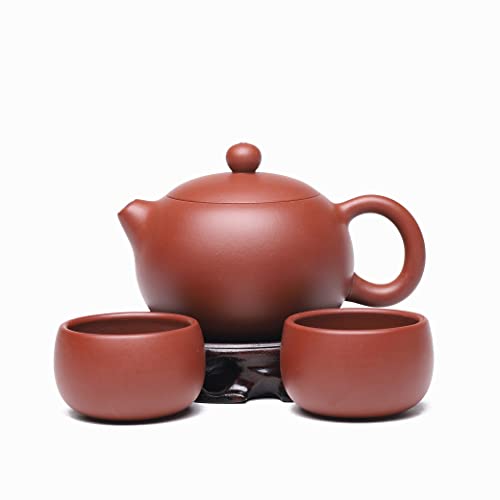
3. SILINE Artisan Yixing Clay Tea Set, Xishi Zhuni Red, 7.8 oz, with 2 Cups — Best Artisan Set
Yixing clay teapots, from Jiangsu province in China, are the most collected teapots on earth, with a connoisseur tradition centuries deep. This SILINE set is a serious entry point: a handmade zisha pot in the Xishi form — the round, soft-shouldered silhouette named for a classical beauty — in Zhuni red clay, accompanied by two cups. The listing describes genuine Yixing zisha refined by an official artist, which places it in the broad, honest middle of the Yixing market: real clay, handmade, artist-refined, and priced as a working artisan set rather than as a named-master investment piece.
Strengths
- Genuine Yixing zisha clay in Zhuni red — the clay tradition serious collectors actually collect
- Classic Xishi form makes it a representative example of its tradition, not a novelty shape
- Complete set with two cups, ready for gongfu brewing and display as a group
Trade-offs
- At 7.8 oz this is a gongfu pot for small, repeated infusions — it will not brew a Western-style family pot of tea
- Yixing pots are traditionally dedicated to one tea type, so it asks a small commitment from its owner
- It cannot be authenticated to a famous master at this level; collectors seeking named-master pots need specialist dealers and certificates
| Specification | Detail |
|---|---|
| Material | Yixing zisha clay, Zhuni red |
| Form | Xishi |
| Capacity | 7.8 oz |
| Set | Teapot with 2 cups |
| Construction | Handmade (per listing) |
To understand why collectors prize Yixing, you need the material science in one paragraph. Zisha — purple sand clay — is porous at a microscopic level. Over years of use, a pot absorbs the character of the tea brewed in it, and seasoned pots are said to deepen the flavor of their dedicated tea; this is why owners dedicate one pot to oolong, another to pu-erh. Zhuni, the red clay used here, is denser and smoother than the classic purple zini, prized for its fine finish and the way it develops a warm luster with handling and use. A handmade Xishi in Zhuni is, in other words, a small survey of everything the tradition values.
Care and use define ownership. Never wash a Yixing pot with detergent — rinse with hot water, let tea leaves dry out of it rather than in it, and store it aired. Brew one tea family in it consistently. Handled that way, the pot visibly improves over a year of use, developing the soft sheen collectors call its patina. That slow transformation — an object that records its own history — is the deepest pleasure Yixing collecting offers, and this set delivers it at an accessible level of commitment.
Best for: tea drinkers ready to enter Yixing collecting properly, and gongfu brewers who want a real clay set / Not suited for: buyers wanting a large Western-style pot, or investors seeking certified master pieces
Check the current price on Amazon.

4. Handmade Yixing Zisha Teapot, Wrinkled Zhu Clay Xi Pot, 150cc, 9-Hole Outlet — Best for Serious Gongfu Collectors
This is the most specialized object in the guide: a 150cc Yixing pot — barely five ounces — in wrinkled-texture Zhu clay, with a 9-hole outlet and an inner push-ball filter arrangement, described in its listing as made by a national-level artisan, Sun Jianfang, for daily drinking, collection and gifts. Small size in Yixing is not a limitation; it is the point. Gongfu brewing uses small pots and many short infusions to control extraction precisely, and 150cc is a classic solo-to-two-person gongfu volume. The wrinkled clay surface is a deliberate aesthetic — texture that rewards close handling, the opposite of factory-smooth production ware.
Strengths
- 150cc size is the classic gongfu format for controlled, repeated infusions of oolong and pu-erh
- 9-hole outlet and inner filter design pour cleanly without clogging on rolled-leaf teas
- Wrinkled Zhu clay texture and artisan attribution give it individual, hand-worked character
Trade-offs
- Far too small for Western tea service — anyone wanting mugs of tea should choose another pick entirely
- Artisan attributions on marketplace listings cannot be independently certified by the buyer; value it as a fine handmade pot, not as documented provenance
- Demands gongfu technique and single-tea dedication to show its best
| Specification | Detail |
|---|---|
| Material | Yixing zisha, Zhu clay, wrinkled finish |
| Capacity | 150cc |
| Outlet | 9-hole, with inner push spout filter (per listing) |
| Attribution | National-level artisan Sun Jianfang (per listing) |
Details separate connoisseur pots from souvenir pots, and this listing’s details are the right ones. A 9-hole outlet strains rolled oolongs effectively while pouring fast enough for gongfu timing — a single-hole pot clogs, and a slow pot over-extracts while it drains. The wrinkled surface is not a defect or a shortcut; achieving an even, organic wrinkle in Zhu clay without tearing the wall is a forming skill, and the texture changes how the pot catches light and how it feels in the hand, both of which matter in an object designed to be handled daily and examined closely.
A word of honesty about attribution, because this category demands it. Marketplace listings for Yixing pots routinely carry artisan names and titles that a distant buyer cannot verify, and the serious Yixing market runs on certificates, seals and dealer reputation. The correct way to buy this pot is as a well-specified handmade zisha pot in a desirable clay, size and form — which it is on the evidence of its own listing — and to enjoy the attribution as part of its story rather than as an appraised fact. Bought on those terms, it is the most interesting small pot in this guide.
Best for: gongfu practitioners and Yixing collectors who brew small and often / Not suited for: casual tea drinkers, large-pot brewers, and anyone buying primarily for certified provenance
Check the current price on Amazon.

5. London Pottery Bone China Teapot Set, Tea for One (Fox) — Best Giftable Collectible
Not every collectible needs to be solemn. The tea-for-one format — a small teapot that nests with its own cup and saucer — is a beloved British collecting niche in its own right, and this London Pottery bone china set with a fox pattern is its friendliest representative here. Tea-for-one sets are collected by pattern and theme the way others collect full services, and animal designs are among the most gathered themes. As a first collectible or a gift, it has a decisive advantage over grander pieces: it will be used, often, by exactly one happy person.
Strengths
- Complete tea-for-one format — teapot, cup and saucer — displays as a finished composition on any shelf
- Bone china construction gives it genuine material quality within its niche
- Animal pattern collecting is an established, enjoyable theme with room to grow the collection piece by piece
Trade-offs
- Serves one by design; it is not a hosting or family teapot
- Whimsical styling will not suit collectors building a formal or traditional cabinet
- Bone china is delicate — this is a hand-wash, careful-handling object
| Specification | Detail |
|---|---|
| Maker | London Pottery |
| Material | Bone china |
| Format | Tea for one: teapot, cup and saucer set |
| Pattern | Animal pattern, Fox (per listing) |
The tea-for-one deserves a defense as a serious collecting format, because it solves the collector’s eternal problem — space — better than any other teapot category. Each set is self-contained and small, so a shelf holds a dozen personalities instead of two grand pots, and each addition is an affordable, giftable event rather than a major purchase. Collectors of the format chase themes: animals, florals, seaside scenes, literary designs. A fox set is a natural foundation piece for the woodland-animal direction, one of the most charming and consistently produced themes in British ceramics.
Functionally, the format is better than its novelty reputation suggests. The pot brews a generous single serving, the cup-and-saucer pairing makes a small ritual of it, and bone china’s translucency and lightness genuinely improve the experience of drinking from it compared with thick stoneware. For a desk worker, a student in a small flat, or anyone whose tea drinking is a solitary pleasure, this set will be used weekly — and a collectible that gets used is a collectible that earns its shelf.
Best for: gift buyers, new collectors short on space, and solitary tea drinkers who love a ritual / Not suited for: hosts, family brewers, and formal-collection builders
Check the current price on Amazon.
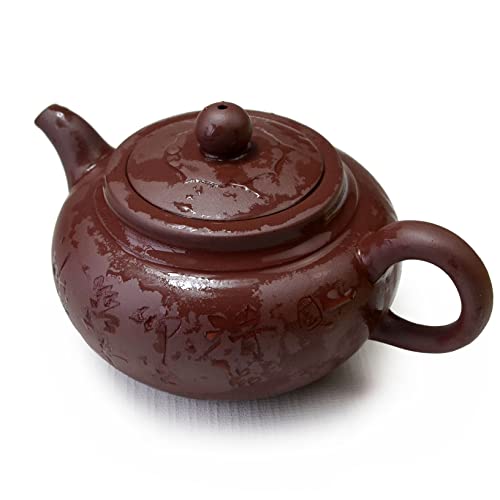
6. YXHUPOT Yixing Qingshuini Clay Teapot, 10 oz / 320 ml — Best Entry-Level Yixing
Many tea drinkers are Yixing-curious but not ready for a 150cc pot and a strict single-tea regime. This YXHUPOT pot is the bridge: genuine Yixing clay — Qingshuini, a red-brown zisha — in a more forgiving 10 oz / 320 ml size, with hand-carved decoration and an infuser arrangement for loose tea. It lets a Western-leaning drinker experience what clay does to tea — softening edges, rounding mouthfeel — at a volume that still fills a mug, before deciding whether to go deeper into the small-pot gongfu world represented by the SILINE and wrinkled Zhu clay picks.
Strengths
- Real Yixing Qingshuini zisha clay at an entry level of commitment and cost
- 10 oz capacity bridges gongfu and Western habits — small infusions or one generous mug
- Hand-carved detail gives it individual character beyond plain production ware
Trade-offs
- Purists will note that an infuser basket changes the traditional clay-contact brewing method
- At 10 oz it is large by strict gongfu standards, so extraction control is less precise than the 150cc pick
- Like all Yixing, it rewards single-tea dedication and no-detergent care, which not every owner will keep up
| Specification | Detail |
|---|---|
| Material | Yixing Qingshuini clay (zisha), red brown |
| Capacity | 10 oz / 320 ml |
| Detail | Hand-carved (per listing) |
| Use | Gongfu tea, loose leaf, with infuser (per listing) |
Qingshuini is a sensible first clay. It sits within the zisha family with a warm red-brown color that deepens attractively with use, and it is generally more forgiving in daily handling than the finest, thinnest-walled Zhuni work. The hand-carving matters for a first pot, too: a carved pot announces itself as a made object, and owners who feel that connection tend to keep up the care rituals — rinsing, airing, dedicating — that make Yixing ownership rewarding rather than burdensome. A plain pot bought on price alone often ends up in a cupboard; a pot with a face gets used.
Use it as an education. Brew the same oolong in this pot and in a porcelain or glass pot side by side, and the clay effect stops being folklore and becomes something you can taste and decide about for yourself. If the difference delights you, the natural next step is a smaller, dedicated gongfu pot from this guide. If it does not, you still own an attractive, functional 10 oz loose-leaf pot. That asymmetry — real upside, mild downside — is exactly what an entry-level collectible should offer.
Best for: Yixing-curious drinkers who want real clay character at a forgiving size / Not suited for: strict gongfu purists, who should choose the 150cc pick instead
Check the current price on Amazon.
Comparison Table
The table compresses the six directions. In collecting, the ‘best for’ column matters more than any specification: match the piece to the collection you actually want to build.
| Pick | Badge | Key spec | Best for |
|---|---|---|---|
| Royal Albert Old Country Roses Teapot, Large | Best Overall Collectible | Bone china pattern teapot, large form, Royal Albert | new collectors who want the canonical English bone china centerpiece, and pattern collectors building a full service |
| London Pottery Farmhouse Teapot, Union Jack Limited Edition, 2 Cup | Best Limited Edition | Hand-painted limited edition ceramic, 2 cup / 600 ml, with infuser | collectors who want a genuine limited, hand-finished piece with British character, and gift buyers |
| SILINE Artisan Yixing Clay Tea Set, Xishi Zhuni Red, 7.8 oz, with 2 Cups | Best Artisan Set | Handmade Yixing zisha, Zhuni red clay, Xishi form, 7.8 oz set | tea drinkers ready to enter Yixing collecting properly, and gongfu brewers who want a real clay set |
| Handmade Yixing Zisha Teapot, Wrinkled Zhu Clay Xi Pot, 150cc, 9-Hole Outlet | Best for Serious Gongfu Collectors | Handmade zisha Zhu clay, 150cc, 9-hole outlet, gongfu format | gongfu practitioners and Yixing collectors who brew small and often |
| London Pottery Bone China Teapot Set, Tea for One (Fox) | Best Giftable Collectible | Bone china tea-for-one set, fox animal pattern | gift buyers, new collectors short on space, and solitary tea drinkers who love a ritual |
| YXHUPOT Yixing Qingshuini Clay Teapot, 10 oz / 320 ml | Best Entry-Level Yixing | Yixing Qingshuini zisha, 10 oz / 320 ml, hand-carved | Yixing-curious drinkers who want real clay character at a forgiving size |
How to Choose a Collectible Teapot: Decide Your Tradition First
The single most useful decision a new collector can make is which tradition to collect in. English bone china collecting is pattern-based: value and pleasure live in the design, the maker and the completeness of a service, and the community trades in matching pieces. Yixing collecting is material-and-maker based: value lives in the clay, the form, the handwork and the pot’s seasoning over years of use. Japanese, studio-pottery and novelty-figure traditions each have their own logics again. A focused shelf in one tradition almost always looks better, teaches you more, and holds together as a collection in a way a random shelf of ‘nice pots’ does not.
Budget follows the same logic. In bone china, money goes toward the anchor pieces — the teapot first, then rare serving forms. In Yixing, money goes toward clay quality and handwork in small formats, and a modest pot in genuine zisha teaches more than a large decorative pot in ordinary clay. In both traditions, one good piece beats three mediocre ones, because collections are judged — by visitors and by your own eye — at the level of their weakest shelf.
Understanding Yixing Clay Without the Mystique
Strip away the folklore and three facts remain. First, zisha clay is genuinely distinctive: a mineral-rich clay from the Yixing region whose porous structure interacts with tea over time, which is why seasoning and single-tea dedication are real practices and not marketing. Second, the named clays differ: zini (purple) is the classic, Zhuni (red) is denser and finer, Qingshuini and other variants sit between, and each takes a different finish and patina. Third, the market is layered — factory pots, artisan pots, and certified master pots are different markets sharing one vocabulary — and a buyer should always know which layer a listing belongs to. The picks in this guide are honestly placed in the artisan layer.
Practical care follows from the material. Rinse with hot water only, never detergent, because the pores that season the pot will also hold soap. Dry the pot open and aired. Dedicate it to one tea family. And handle the seasoning claim with proportion: the effect is real but gradual and subtle, a deepening over months — anyone promising a transformed cup from the first brew is selling you a story, not a pot.
Bone China Patterns, Backstamps and Honest Expectations
For English china, the pattern is the collection. Old Country Roses, the anchor pick in this guide, has been produced across decades and production eras, and the collector market distinguishes those eras by backstamp — the printed or impressed mark under the base. When you buy a current listing, you are buying the pattern’s beauty and ecosystem: the ability to build and complete a service over time, replace a broken cup, and share a collecting language with thousands of others. That is a complete and sufficient reason to buy, and it does not need the borrowed glamour of vintage status.
Two famous English names deserve an honest note, because collectors ask about them constantly. Burleigh — the Staffordshire maker of Blue Calico — and Denby stoneware both produce teapots that collectors genuinely want, but neither could be confirmed with a genuine US listing in the catalog verification used for this guide, so neither is linked here. That is the verification system working as intended: in a category built on maker identity, an unconfirmed listing is not linked, and both makers are better bought through their official channels or specialist china dealers who can show you the actual piece.
Display, Storage and Insurance-Level Care
Most collectible teapot damage happens off the shelf, not on it: in washing up, in moves, and in the moment a lid is set down on a hard surface. Wash bone china by hand, one piece at a time, in a lined sink, and never stack pieces with lids on. Display on stable shelving away from door-slam vibration, with the most valuable pieces out of the reach of enthusiastic dusting. For Yixing, display aired and dry, lids ajar or off after use days, and never sealed damp — trapped moisture is the one thing that can genuinely ruin a seasoned pot’s interior.
Keep records from day one, even for modest pieces: maker, pattern or clay, where and when bought, and a photograph. A collection with records is easier to insure, easier to extend intelligently, and far easier to pass on or sell. Collectors consistently report that the record-keeping habit, started early, is what turns a shelf of purchases into a collection with a story — and the story, in the end, is most of what collecting is for.
How to Season and Care for a Yixing Teapot
Seasoning a new Yixing pot begins before the first drinkable brew. Rinse the pot inside and out with hot water to clear clay dust from making and shipping. Then place it in a clean pot of water — many owners add the tea they intend to dedicate the pot to — bring it gently to temperature and let it simmer briefly, or simply pour several rounds of boiling water and strong tea through it, discarding those first infusions. This opens the clay, removes any kiln or storage taste, and lays the foundation layer of the seasoning that years of brewing will build on.
Daily care is simpler than the mystique suggests. After each session, empty the leaves promptly — leaving wet leaves in the pot is the commonest owner error — rinse with hot water only, and dry the pot with its lid off or ajar until the interior is fully dry. Never use detergent, never scrub the interior, and never seal a damp pot in a box. Wipe the exterior with a soft cloth while the pot is warm from brewing; this gentle, regular polishing is what develops the soft luster collectors prize, far more than any product or treatment.
If a pot develops an off smell from a forgotten session, do not reach for soap. Repeated boiling-water rinses and a few discarded strong-tea infusions will clear most cases; a pot left for a long rest should simply be re-rinsed and re-warmed with fresh infusions before returning to service. The clay is patient, and nearly every mistake short of cracking or detergent is recoverable with hot water and time — which is, in miniature, the philosophy of the whole tradition.
Common Buying Mistakes
- Buying ‘collectible’ as an investment first: Most teapots, including most limited editions, hold display and sentimental value rather than appreciating. Buy what you love owning; treat any gain as luck.
- Trusting a famous name without verification: Pattern and maker confusion is endemic. A collectible bought on a mistaken identity is worth a fraction of the price — verify the listing, the maker and the form before paying.
- Washing Yixing with detergent: The porous clay absorbs soap as readily as tea. Hot water only, always, or the pot’s seasoning — and its taste — is compromised for months.
- Brewing everything in one Yixing pot: The tradition of dedicating a pot to one tea family exists because the clay genuinely carries flavor. Rotate teas through glass or porcelain; keep the clay pot loyal.
- Storing bone china stacked or lidded in a cupboard crush: Chips happen in storage more than in use. Store pieces separated, lids off or padded, on stable shelves.
- Ignoring the backstamp and era question: For long-produced patterns, era affects collector value. Know whether you are buying current production or a vintage piece, and pay for the one you are actually getting.
A final mistake is subtler: collecting without a direction until the shelves are full and nothing relates to anything else. The fix costs nothing — decide your tradition and your first theme before the third purchase, not after the thirtieth. A small, coherent collection of six pieces that belong together gives more pleasure, displays better, and teaches you more than thirty unrelated pots, and it leaves you somewhere to go next, which is the real engine of a collecting life.
Final Recommendation
If you buy one piece from this guide, make it the Royal Albert Old Country Roses large teapot: it is the canonical centerpiece of English china collecting, useful as well as displayable, and supported by the deepest pattern ecosystem in the category. If your taste runs to scarcity and story, the hand-painted London Pottery Union Jack limited edition is the characterful choice, and the fox tea-for-one is the gift that starts someone else’s collection.
If your taste runs to tea itself, go to Yixing and choose by commitment: the YXHUPOT Qingshuini pot to learn what clay does, the SILINE Xishi set for a complete artisan gongfu outfit, and the 150cc wrinkled Zhu clay pot when you are ready for the connoisseur’s format. Whichever tradition you choose, verify before you pay, keep records from the first piece, and buy the pot you will enjoy every time you pass the shelf.
Best Ceramic Teapots Best British Teapots Best Chinese Teapots Best Classic English Teapots Best Buy Teapots
Frequently Asked Questions
Do collectible teapots increase in value?
A small minority do — typically certified master Yixing pots and genuinely rare china — but most collectible teapots hold their value as beautiful, enjoyable objects rather than appreciating assets. Buy for ownership pleasure, display and use. This guide deliberately recommends no piece on a promise of investment return.
What makes a Yixing teapot collectible?
The clay (genuine zisha from the Yixing tradition, in named varieties such as zini, Zhuni and Qingshuini), the form (classic shapes such as the Xishi), the handwork (handmade construction, carved or textured detail), and, at the top of the market, a verifiable maker. At the artisan level sold in this guide, clay, form and handwork are what you are paying for.
Can I actually brew tea in a collectible teapot?
Yes — most picks in this guide are fully functional, and Yixing pots are meant to be brewed in; use improves them. The cautions are practical: dedicate Yixing to one tea family, hand-wash bone china, and consider keeping genuinely fragile or irreplaceable vintage pieces for display while a sturdier pot handles daily service.
How can I tell if a teapot listing is genuine?
Check that the maker, pattern or clay, and form in the listing are specific and consistent — vague listings trading on a famous name alone are the warning sign. Every linked pick in this guide was verified against Amazon’s catalog data for exactly this reason. For vintage and master-level pieces, buy through specialist dealers who provide photographs of the actual piece, backstamps or seals, and provenance.
Why are some famous makers not linked in this guide?
Burleigh and Denby teapots are genuinely collectible, but no genuine US listing for them could be confirmed in the catalog verification used here, so they are discussed in prose rather than linked. In a category where identity is the value, an unverified link would be a disservice; both makers are best bought through official or specialist channels.
What size Yixing pot should a beginner start with?
If you brew Western-style mugs, start around 10 oz, as with the Qingshuini pick here, and learn the clay effect at a forgiving volume. If you already brew gongfu-style — small cups, many infusions — a 150–250 ml pot is the classic format, and the smaller picks in this guide will suit you directly.


