A backyard oven gives you a reason to cook outside beyond burgers. Pizza, flatbread, roasted vegetables and baked sides all taste better when they come off a hot stone with a little smoke.
The six below mix portable ovens, a kit that turns a kettle grill into an oven, and an electric option for small yards. We have not used these products ourselves, so confirm the details on the current listing before you buy. Look at fuel, size and storage needs on each page before ordering.
As an Amazon Associate we earn from qualifying purchases. Links below are affiliate links, and they do not change the product information we give.
What to Look For
| Feature | Why it matters |
|---|---|
| Fuel | Wood adds flavor, gas adds speed, electric adds convenience |
| Footprint | Make sure it fits your table or stand |
| Weather care | Ovens left outdoors need a cover and a dry place for fuel |
| Accessories | A good peel and brush make daily use much easier |
| Heat-up time | A quick start makes weeknight backyard dinners realistic |
In this guide
Specs at a Glance
| Oven | Material | Size | Notes |
|---|---|---|---|
| Ooni Karu 16 | Stainless steel and stone | 16-inch class | Wood or charcoal; gas option |
| Bertello Outdoor Pizza Oven | Stainless steel and stone | Compact | Multi-fuel; stone |
| Forno Venetzia Pronto | Steel and stone | Compact | Portable; stone |
| KettlePizza Basic Kit | Stainless steel kit | Fits 22-inch kettles | Charcoal; kit only |
| Cuisinart Alfrescamore | Stainless steel and stone | Compact | Gas; thermometer |
| Ninja Woodfire Outdoor Oven | Steel and stone | Compact | Electric; pellet flavor |
The 6 Best Outdoor Ovens for Backyard Cooking
Top pickBest for regular backyard pizza nights
1. Ooni Karu 16 Multi-Fuel Pizza Oven
A multi-fuel oven that burns wood or charcoal and can run on gas with an added burner. It has a large stone and is aimed at people who cook outdoors often. Its larger stone suits families, and owners can switch between fuels depending on the occasion.
Suits: regular backyard pizza nights. Strengths: fuel flexibility. Weaknesses: heavier to move. Skip it if you want a tiny oven.

Best for curious first-time owners
2. Bertello Outdoor Pizza Oven
A compact multi-fuel pizza oven that can use wood, charcoal or pellets, with a gas burner sold separately in some versions. It is portable and easy to set up. It packs away easily, so it is simple to bring out for weekends and store when the season ends.
Suits: curious first-time owners. Strengths: simple and portable. Weaknesses: needs fuel tending. Skip it if you want a premium finish.
View Bertello Outdoor Pizza Oven on Amazon
Best for buyers shopping beyond the big names
3. Forno Venetzia Pronto Outdoor Pizza Oven
A portable outdoor pizza oven from Forno Venetzia, which also makes larger wood-fired ovens. Check which model the listing shows and its fuel type. Pizza fans who like to compare brands may want to check recent owner feedback before ordering.
Suits: buyers shopping beyond the big names. Strengths: a brand with oven variety. Weaknesses: less owner information online. Skip it if you want a famous brand.
View Forno Venetzia Pronto on Amazon

Best for weber kettle owners
4. KettlePizza Basic Pizza Oven Kit for 22 Inch Weber Kettle
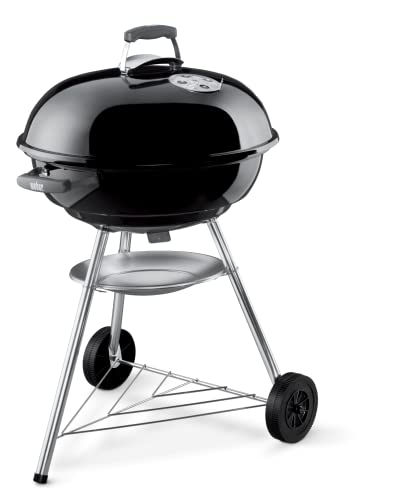
A stainless steel insert that sits on a 22-inch kettle charcoal grill and turns it into a pizza oven. It is a good fit if you already own a compatible kettle. It is a budget-friendly route to wood-fired flavor if you already have a kettle that fits.
Suits: Weber kettle owners. Strengths: uses a grill you already own. Weaknesses: fits only kettles of the right size. Skip it if you do not own a kettle.

Best for casual pizza makers
5. Cuisinart CPO-600 Alfrescamore Portable Outdoor Pizza Oven
A portable gas oven from a widely known kitchen brand, with a stone and temperature gauge. It is simple to use and aimed at newcomers. It has a straightforward start-up and is a useful way to learn how a stone oven behaves.
Suits: casual pizza makers. Strengths: simple controls. Weaknesses: less insulation than pricier ovens. Skip it if you want top heat retention.

Best for small yards
6. Ninja Woodfire Outdoor Oven OO101
An electric outdoor oven with a wood pellet flavor unit that suits patios and balconies. It offers several modes beyond pizza. It is quiet and clean, which makes it a good match for neighbors in close quarters.
Suits: small yards. Strengths: no gas or open fire. Weaknesses: needs power. Skip it if you prefer a live fire.

Care and Setup
- Let the oven cool completely before covering it.
- Brush the stone and avoid soaking it.
- Keep wood or pellets in a dry container.
- Check gas fittings before each season.
Mistakes to Avoid
- Cooking on an uneven table.
- Using sticky dough.
- Leaving the oven in rain.
- Forgetting to preheat the stone.
Fuel Choice and How It Shapes Your Cooking
The fuel is the biggest decision for a backyard oven because it controls convenience, flavor and where you can use it. Gas ovens, typically run on propane, light quickly, hold a steady temperature and need little attention. They suit people who want pizza on a weeknight. Wood-fired ovens burn logs or chunks and give a smoky flavor and a lively flame. They take longer to heat, need dry wood and ask you to tend the fire. Wood pellets sit between the two, with some ovens accepting them through a feeder. Electric ovens plug in and avoid open flame, which may suit balconies, patios with restrictions or anyone who prefers less hassle, though they depend on an outlet and a weather-safe setup.
Multi-fuel ovens let you switch between options, usually with added parts. That flexibility is attractive, but check what the listing includes. Some fuel attachments are sold separately.
- Gas: quick, steady, needs a tank and a regulator.
- Wood: flavor and ritual, more learning and cleanup.
- Electric: easiest, needs power nearby.
- Multi-fuel: flexible, check which parts are included.
Think about storage as well. Wood needs a dry place, and gas tanks should be stored outdoors in a ventilated area according to the manual and local rules. Check local fire rules and any restrictions where you live, especially if you are in a community with open-flame limits.
Size, Weight and Cooking Capacity
Backyard ovens range from compact portable units to large domes. The cooking floor sets the biggest pizza you can bake or the size of the pan you can use. A smaller oven heats faster and uses less fuel but limits you to one smaller pie at a time. A larger floor is better for sharing or for baking bread and roasting, though it takes more time and fuel to heat.
Look at the opening too. A low, wide mouth is good for pizza, since it keeps heat in and lets you turn the pie. A taller opening lets you fit cast iron pans or small roasts. Check the interior height if you want to bake things beyond pizza.
Weight affects how you use it. Portable ovens are often light enough to carry, which is handy if you want to take it to a friend’s house or store it in a shed. Heavy domes are more stable and hold heat better, but you will usually leave them in place, and they may need a strong stand.
- Check the cooking floor dimensions and opening height.
- Consider how often you will move or store the oven.
- Check the folded and unfolded sizes of portable models.
- Remember that bigger ovens need more fuel.
Choose the size that fits the number of people you usually cook for. Many households are well served by a mid-size oven that heats quickly.
Siting, Stands and Clearances
An oven that runs at high temperature must sit on a stable, non-flammable surface. A sturdy outdoor table rated for the weight, a purpose-made stand or a masonry base is the right setting. A flimsy folding table or a wooden deck rail is not. Check the oven weight on the listing and the load rating of any table you plan to use. The surface must also tolerate heat that radiates from the base, so ask whether the oven needs a heat shield or a gap.
Clearance is a safety rule. Keep the oven away from fences, walls, overhanging branches, awnings and anything flammable. The manual lists the minimum distances. Smoke and flame also matter, so place the oven downwind of seating and windows, and do not use it under a covered patio or in a garage.
Consider access to fuel and power. A gas oven needs room for the tank and hose without kinks. An electric one needs a weather-safe outlet and a cord that is not stretched. Plan a work surface close by for dough, toppings and hot tools.
- Level the surface so the stone and pans sit flat.
- Check wind direction before lighting.
- Keep children and pets away from the hot oven.
- Have a nearby spot for peels, trays and hot items.
If you plan a permanent build in an outdoor kitchen, check manufacturer guidance about built-in installation, as some ovens are not made to be enclosed.
Stone, Insulation and Heat Recovery
How an oven holds heat influences the food more than the headline temperature. The cooking stone absorbs heat and passes it to the base of the dough. Thicker stones hold heat longer, so the second and third pizzas cook as well as the first. Thin stones recover faster from cold but can lose heat quickly. Cordierite and other ceramics are common stone materials, and each has care rules about thermal shock and moisture.
Insulation keeps heat in the dome. Better-insulated ovens use less fuel and keep a steady temperature in cool or windy weather. A thin, single-wall steel oven may heat fast but lose heat in a breeze, and its outer surface gets very hot. Check how the listing describes the walls and whether a door or a chimney helps trap heat.
Heat recovery is a practical idea: after you take out a pizza, how quickly does the stone get back to temperature? For a family meal with several pies, a stone with good thermal mass and a strong burner or fire helps. Preheat for the time the maker suggests, and do not rush it.
- Preheat the stone fully before the first pie.
- Keep the stone dry, as moisture can cause cracks.
- Allow short pauses between pizzas to let the stone recover.
- Do not clean the stone with soap or water.
If a stone cracks, check the warranty and whether replacements are sold. Many ovens can still be used with a replacement stone.
What Else an Outdoor Oven Can Cook, and Accessories Worth Having
Pizza is the headline use, but a hot oven can do more. Flatbreads, naan-style breads and focaccia work well. Cast iron pans allow roasted vegetables, seared steaks, baked dips or desserts. Small roasts can be cooked in a pan, and some owners use the oven for baking bread when it settles down to a lower temperature after cooking. Check the maker’s guidance on what the oven is meant for and on temperature limits for pans and cookware.
A few accessories make cooking safer and easier. A long-handled peel helps to place and turn pizzas. A small turning peel lets you rotate the pie, which evens out the bake. A brush for cleaning the stone, heat-resistant gloves and an infrared thermometer help you check the stone. A cover keeps rain off between uses.
- Peel for loading and a smaller peel for turning.
- Heat-safe gloves rated for high temperatures.
- Cast iron or other oven-safe pans, checked against the oven maker’s limits.
- A fitted cover once the oven is cool.
Check what the listing includes. Some ovens come with a peel or a stand, and others sell them separately. When you compare budget tiers, look at what you need to add to get cooking, not just the oven.
Practice makes a difference. Start with simple dough and few toppings, learn how your oven heats, and expand as you gain confidence.
Fuel Types and What They Mean for Your Backyard
Backyard ovens burn different fuels, and the choice affects how you cook and what you need to store. The Ooni Karu 16 is described as multi-fuel, so it can use wood or charcoal and, with an accessory, gas. The Bertello and Cuisinart Alfrescamore are examples of portable ovens built around propane or wood options, depending on the model. The Forno Venetzia Pronto is a larger oven, the Ninja Woodfire uses a pellet and electric combination, and the KettlePizza kit adapts a Weber kettle grill.
| Oven | Fuel or format | Consider |
|---|---|---|
| Ooni Karu 16 Multi-Fuel | Wood, charcoal and optional gas | Learning fire management |
| Bertello Outdoor Pizza Oven | Portable multi-fuel style | Check which fuels the maker lists |
| Forno Venetzia Pronto | Larger oven format | Space and weight |
| KettlePizza Basic Kit for 22 Inch Weber Kettle | Insert for a charcoal kettle | Needs a compatible Weber kettle |
| Cuisinart CPO-600 Alfrescamore | Portable outdoor oven | Fuel type and setup |
| Ninja Woodfire Outdoor Oven OO101 | Electric with wood pellet flavor | Power source and cooking range |
A Site and Safety Checklist
- Place the oven on a stable, level, non-flammable surface, away from walls, fences and overhanging branches.
- Keep the oven well away from the house, deck rails and anything that can burn, as the maker specifies.
- Check local rules about open flames, especially during dry spells or fire restrictions.
- Keep a bucket of sand or a suitable extinguisher nearby, as local guidance recommends.
- Do not move or cover the oven until it has cooled completely.
- Store gas cylinders and fuel as the maker and local regulations advise.
Learning to Cook in an Outdoor Oven
Outdoor ovens reach high temperatures quickly, and food cooks fast, so attention matters. Prepare everything before lighting the oven, and keep tools like peels, brushes and thermometers within reach. Expect a learning curve while you find the right distance from the flame and how often to rotate the food. Practice with simple foods before cooking for guests.
Beyond pizza, many ovens can handle flatbreads, roasted vegetables, small cuts of meat, fish and baked dishes in cast iron. Check the maker’s guidance on temperature limits and recommended cookware. Always follow food safety guidance for internal temperatures.
Weather, Cleaning and Storage
Wind and rain affect outdoor cooking, so choose a sheltered spot and plan for weather. Let the oven cool, brush out ash and food debris, and wipe surfaces as the maker recommends. A fitted cover protects the oven between uses, and a dry storage location extends its life. Stone surfaces can crack from shock, so avoid placing cold, wet items on a very hot stone.
Common Mistakes
The first mistake is skipping the maker’s preheat or seasoning steps. The second is using too much fuel at once. The third is leaving the oven unattended. The fourth is forgetting to check the surrounding area for hazards. Take time to learn the oven before the first dinner party, and keep safety first.
Choosing a Fuel Without Regrets
The fuel choice affects convenience, cost of running and where you can place the oven. A model with an electric element is simple to start, but it needs an outdoor outlet and a dry location. A wood or charcoal oven needs space to store fuel and a way to build the fire. Make a list of what you can provide, then match it to the oven. If you are comfortable with fire management, a wood oven brings a distinctive flavor, and if you want fast, repeatable cooking, a gas model is easier to control.
Consider your surroundings as well. Apartment balconies and shared courtyards often have rules about fuel and open flames, and some local codes restrict certain appliances. Check with your landlord, building management or local authorities before buying. In dry climates, be aware of fire restrictions that can ban outdoor flames during certain seasons.
Think about the weight and portability of the oven. A small oven can be carried to a different spot or taken on a trip, while a larger one stays put. If you need to move it, check the listed weight and handle design, and ask for help when lifting. Make sure the oven has cooled completely before moving it, and follow the manual for packing it away.
Finally, look at accessories such as peels, covers, carrying bags and stands. Some are sold separately, so check what is included before you compare.
Siting, Safety and Living With an Outdoor Oven
Choose the oven’s home with the same care as its menu. It needs a stable, level, non-combustible surface, sensible clearance from fences, walls, furniture and overhanging branches, and a position where the cook can work without guests — especially children — crowding the hot opening. Think about the route from kitchen to oven as well: you will carry dough, toppings and finished pizzas along it many times in an evening, so a clear, well-lit path matters more than a picturesque corner at the far end of the garden.
Hot tools are part of the setup. A proper turning peel, heat-resistant gloves, and a safe place to set down a scorching peel between turns prevent the improvisations that cause burns and dropped pizzas. Keep a clear landing zone beside the oven — a board or tray that only ever receives finished food — and agree it with anyone helping, so raw and cooked items never share a surface.
When the session ends, let the oven cool completely before covering or moving it, and store it dry. Ash from wood-fired models must be fully cold before disposal into a metal container. Covers protect against weather, but trapping a damp oven under a cover invites corrosion, so dry first, cover second.
Choosing Between Ooni Karu 16 Multi-Fuel Pizza Oven and the Other Picks for Your Garden
Comparisons in this guide make most sense against your real pattern of entertaining. Ooni Karu 16 Multi-Fuel Pizza Oven leads the line-up for the reasons its review sets out, but capacity questions decide real satisfaction: how many people do you feed at once, how patient are they about eating in rounds, and how much garden or patio space can the oven honestly claim? A compact model that comes out weekly will serve a household better than a large one that feels like an event to set up.
Bertello Outdoor Pizza Oven and Forno Venetzia Pronto Outdoor Pizza Oven represent different answers to the fuel and portability questions. A model that travels to campsites, friends’ gardens or a holiday home lives a different life from a fixed centrepiece, and fuel choice shapes everything from flavour to how spontaneous a session can be — gas for weeknight ease, wood for ceremony and smoke. Neither is objectively better; they are better for different cooks.
Finally, factor in the accessories you will genuinely use: a stand, a cover, peels in the sizes the oven needs, and a thermometer. Budgeting for those alongside the oven, rather than discovering them afterwards, gives a fairer comparison between picks whose headline appeal may rest on different assumptions.
Building an Outdoor Oven Routine That Goes Beyond Pizza Night
Outdoor ovens earn their place in a garden when they cook more than the dish they were bought for. Pizza is the obvious starting point, and the reviews above cover that ground thoroughly, but the same retained heat that blisters a crust will roast vegetables with properly charred edges, bake flatbreads, sear steaks in a cast-iron pan, and finish a tray of nachos for a crowd. Thinking of the oven as a small, very capable outdoor hearth rather than a single-recipe appliance changes how often it gets used — and how quickly it justifies its footprint.
A practical way to broaden the repertoire is to cook in sequence as the oven’s heat evolves. While the temperature is at its peak, pizzas and flatbreads go in. As it settles, use the still-serious heat for roasting potatoes, peppers and onions, or for a cast-iron pan of sausages. Later, the gentler residual warmth will bake a crumble or keep dishes warm for serving. Planning a menu around that arc means one firing feeds a whole evening, which is both economical with fuel and a pleasure to host around.
That versatility is part of what separates the picks above. Ooni Karu 16 Multi-Fuel Pizza Oven may be the natural centrepiece for a household that cooks this way often, while Bertello Outdoor Pizza Oven could suit a garden where the oven comes out for gatherings rather than weekly use. Decide which household you are before you decide which oven you want.
Dough, Toppings and the Craft of a Better Outdoor Pizza
Great outdoor pizza is mostly decided before anything meets the heat. A dough given time to ferment develops flavour and stretches without fighting back; a dough rushed from mixing to oven tears, springs back, and bakes up bready rather than crisp. Let shaped dough rest until it relaxes, stretch it on a well-floured surface, and remember that a slightly thinner centre with a puffier rim gives the classic contrast of crisp base and soft, blistered edge.
Toppings reward restraint. Too much sauce soaks the base, too much cheese insulates it, and wet vegetables release water exactly where you want dryness. Use sauce sparingly, consider cooking down a watery sauce in advance, pat mozzarella and vegetables dry, and save delicate toppings — fresh herbs, cured meats that crisp quickly, a drizzle of good oil — for the moment the pizza comes out. The oven’s fierce heat does the rest in a very short time, which is why preparation, not oven heroics, is where quality is won.
Work in an assembly line if you are feeding several people: one person stretching, one topping, one watching the oven and turning pizzas as the reviews’ guidance for each pick suggests. Pizzas cooked one at a time and eaten straight away, sliced and shared as they emerge, beat a stack of finished pizzas going cold while the last one cooks.
Fuel, Fire and Heat Management Outdoors
Whether a pick above runs on gas, wood, pellets or a combination, the principle is the same: the oven needs time to become a heat store, not just a hot flame. The stone or cooking surface must be thoroughly heated through, because the base of a pizza cooks from the stone while the toppings cook from the air and flame above. Judging readiness by the surface temperature — with an infrared thermometer if you have one, or by the behaviour of a test pinch of dough or a dusting of flour — prevents the common disappointment of a charred top over a pale, soft base.
For wood-fired models, small dry pieces burn hotter and cleaner than large logs, and the fire should be established well before the first pizza so you are cooking over lively flame and embers rather than smoke. For gas models, the discipline is patience during preheat and restraint afterwards; turning the burner to maximum between every pizza can scorch toppings before bases catch up. In all cases, wind is the hidden variable: a sheltered position, used with proper clearances, keeps heat where it belongs and makes sessions far more predictable.
Between pizzas, give the stone a short recovery moment. Back-to-back pizzas draw heat out of the surface, and a brief pause — long enough to stretch and top the next base — lets the stone recharge so the fifth pizza cooks as well as the first.
Accessories That Matter and Accessories That Do Not
The short list of accessories that genuinely change outdoor oven cooking starts with peels: a larger one for launching and a smaller turning peel for rotating pizzas in the heat, sized to the oven you choose. An infrared thermometer removes the guesswork from judging the stone, and for many owners it is the single purchase that most improves consistency. Heat-resistant gloves, a long-handled brush for sweeping the stone, and a stand or stable table at a comfortable working height complete the working kit.
Beyond that, buy from experience rather than anticipation. A dough scraper and good storage boxes help anyone who makes dough in batches. Pizza screens, specialty cutters and elaborate serving boards are pleasures rather than necessities, and they earn their storage only once your routine is established and you know exactly which friction they would remove.
The accessory to be most careful with is the cover: buy the one made or sized for your oven, fit it only to a cool, dry oven, and check under it occasionally through winter so a small problem is found while it is still small.
What Your First Five Sessions Will Teach You
Treat your first sessions as tuition and they will repay you for years. The first teaches logistics: where everything should stand, how the dough behaves, and how long a firing really takes from lighting to first pizza. Cook something simple and forgive the results. The second teaches heat: how the stone’s readiness feels, how recovery between pizzas works on your model, and how wind changes the evening.
By the third session, turning and timing start to become rhythm rather than concentration, and you will notice your pizzas emerging more evenly. The fourth is the session to invite forgiving friends, because cooking for an audience while tending a fire is its own skill. The fifth is when most owners first cook beyond pizza — a roasted dish in the settling heat — and discover the second half of what they bought.
Keep brief notes after each session: what the weather did, what you would change, which topping combinations disappeared first. Five sessions of notes will teach you your own oven better than fifty pages of generic advice, including this guide.
Menus for Different Kinds of Gatherings
A family pizza night, a birthday in the garden and an evening built around a sporting event each ask different things of an outdoor oven. For families, set up a topping station with small bowls and let everyone build their own; the oven becomes entertainment as much as appliance, and children who have topped a pizza rarely refuse to eat it. Cook in a steady rhythm, slice each pizza as it emerges, and keep a simple salad and drinks flowing so nobody is hostage to the next base.
For a larger party, shift the format: a cook-and-serve station where pizzas come out continuously, cut into smaller slices for grazing, works better than attempting to seat everyone simultaneously. Offer two or three topping combinations rather than a free-for-all, which keeps the line moving and the quality consistent, and plan a substantial starter that does not need the oven, so the first pizzas are a pleasure rather than a rescue.
For a quieter evening of couples or close friends, use the oven’s full arc — pizzas at peak heat, a roasted dish as it settles, a baked dessert in the residual warmth — and eat in courses around the fire. The same appliance supports all three formats; what changes is the plan, and planning, as this guide keeps suggesting, is most of the craft.
Dough Management for a Crowd
Feeding more than four people from an outdoor oven is a dough logistics exercise. Make the dough the day before and let it ferment slowly in the fridge, which improves flavour and, just as importantly, moves the work off the day itself. Portion it into individual balls before chilling, stored in a lightly oiled tray or containers with room to expand, so that on the day you are shaping rather than dividing and rounding under pressure.
Bring dough to room temperature before stretching — cold dough fights back, tears, and bakes unevenly — but work through the batch in order, keeping unused balls covered so their surfaces do not dry and crack. If the evening runs long, the last balls will be the most relaxed and extensible; if it runs very long, a ball or two held back in the fridge covers the guest who arrives late or the pizza that meets with an accident.
Have a deliberate plan for surplus dough, because there is always surplus dough. It freezes well in balls for another day, or it can become garlic flatbreads, dough sticks for dips, or a simple focaccia in the oven’s residual heat, so nothing made with care goes to waste.
How Ooni Karu 16 Multi-Fuel Pizza Oven Fits Into a Thoughtful Final Decision
If Ooni Karu 16 Multi-Fuel Pizza Oven is on your shortlist, give it a fair final test on paper. Write down the three jobs you will ask of it most often, the space it will live in, and the care routine you are genuinely willing to keep. Then read its review above one more time, checking each of those points against what the review actually reports — its strengths, its handling, and its stated limitation. A pick that survives that exercise is rarely a disappointment, because the decision was made against your life rather than against an advertisement.
Do the same for one alternative — the pick whose limitation bothered you least or whose strengths matched your second priority — and compare the two written summaries rather than the two products in the abstract. If they still tie, decide on the practicalities: availability of parts and support, how the product fits your storage, and which one you would rather clean on a tired evening. Those tiebreakers sound mundane and decide real satisfaction.
Then commit. Endless comparison after a sound decision only manufactures doubt, and the cooks who enjoy their equipment most are the ones who buy carefully once and then get on with cooking.
A Short Pre-Purchase Conversation to Have With Your Household
The most underrated step in buying anything shared is a five-minute conversation with the people who will share it. Who will use it most? Who will clean it, honestly? Where will it live, and what gets moved to make room? Are there features one person loves that another will find fiddly every single day? Surfacing those answers before purchase prevents the quiet resentment of a product that suits one household member and burdens the rest.
Agree the care routine in the same conversation, while it is still theoretical and therefore easy to discuss. The routine in this guide is deliberately modest, but it only works if it belongs to everyone rather than to the person who happened to read the manual. Households that share the small tasks — the wipe-down, the check, the cover — keep equipment in better condition with less friction than households where care is one person’s invisible job.
And agree what success looks like: the meals, drinks or gatherings this purchase is really for. When the first of those happens and goes well, the purchase is justified; everything after that is dividend.
Long-Term Ownership: What Changes After the First Year With Your Choice
The first month with an outdoor oven is about novelty; the first year is about fit. By the end of it you will know which of the promises in the reviews above actually shaped your routine and which turned out to be decoration. Features that sounded minor at purchase — a handle that stays comfortable, a lid that is easy to store, a control that can be read at a glance — tend to become the reasons a product is still loved, while headline capabilities that did not match your habits quietly stop being mentioned. That is normal, and it is why this guide weighs everyday behaviour so heavily.
Year one is also when maintenance habits either settle or slip. The owners who are happiest at the two-year mark are rarely the most meticulous; they are the ones with a small routine attached to each use, so care never becomes a backlog. If your routine has slipped, the answer is a reset — one thorough clean and check, following the care guidance earlier in this guide — rather than guilt. Products recover remarkably well from a single honest reset, and the reset is a good moment to re-read the manual’s key pages with experienced eyes.
Finally, keep your proof of purchase and any registration details somewhere findable. Support, spare parts and warranty conversations all go faster with paperwork in hand, and the middle of a problem is the worst time to discover where yours went.
The Mistakes Experienced Owners Warn Beginners About
Ask experienced owners what they would tell their earlier selves and the same themes recur for an outdoor oven. The first is impatience at the start: rushing the first uses, skipping the setup and care steps in the manual, and judging the product on a debut performance that says more about the learning curve than about the equipment. The second is its opposite — neglect once the novelty fades, when small cleaning and checking tasks are postponed until they become big ones.
The third theme is buying twice: choosing on a single headline feature, discovering that everyday fit matters more, and replacing the product within a couple of years. The reviews in this guide are structured to prevent exactly that, by spending as much time on handling, care and honest limitations as on strengths. If you are wavering between two picks, re-read their limitation notes rather than their praise; the limitation you can live with happily is the better buy.
The fourth is ignoring the environment the product lives in — the space, the weather, the storage, the people who will also use it. Equipment does not fail in the abstract; it fails in a particular kitchen, garden or household, and most of those failures are visible in advance to a buyer who pictures real life honestly.
Backyard Oven FAQ
Is a portable oven fine for a backyard?
Yes. Portable ovens are easy to store, and many get hot enough for great pizza.
Can I turn my grill into an oven?
A kit such as a kettle insert can do that, though a dedicated oven is simpler.
How do I pick a fuel?
Choose gas for ease, wood for flavor, or electric if open flames are a worry.
Do I need a stand or table?
Most portable ovens need a sturdy heat-safe table or stand. Check whether one is included in the listing.
How long does it take to preheat a backyard oven?
It depends on the fuel, the model and the weather. Gas and electric models generally heat faster than wood, and thick stones take longer to heat fully. Follow the maker's guidance.
Can I use an outdoor oven in cold weather?
Many can be used, but cold and wind slow heating and use more fuel. A shelter from wind and a longer preheat help. Check the manual for any low-temperature warnings.
What wood is best for a wood-fired oven?
Use dry, seasoned hardwood that is cut to fit. Avoid treated, painted or resinous wood, and follow the maker's advice on fuel size and type.
Do I need a cover?
A cover protects the oven from rain and dust between uses. Make sure the oven is completely cool and dry before covering it.
Why is my pizza burning on the bottom?
The stone may be too hot or the pie left too long in one spot. Allow the stone to settle for a moment, turn the pizza and use a bit of flour or semolina instead of excess sugar in the dough.
Is it safe to use an outdoor oven on a wooden deck?
Only with proper protection and enough clearance, following the manual. Many makers advise against placing hot ovens on combustible surfaces without a heat barrier, so check first.
Why is the top of my pizza cooked but the base pale?
The stone was not heated through, even if the air felt fiercely hot. Give the oven a longer preheat, judge the stone rather than the flame, and allow the surface a short recovery between pizzas. Also check that the base is not overloaded with wet toppings, which cool the dough from above while it is trying to crisp from below.
Is wood-fired flavour noticeably different from gas?
Wood adds a gentle smokiness and the theatre of a live flame, which many cooks love, while gas offers push-button convenience and steadier heat that suits weeknights and beginners. At the very high temperatures these ovens reach, the cooking itself is fast either way, so choose based on the experience and routine you want, not on flavour alone.
What else can I cook in an outdoor oven besides pizza?
A great deal: flatbreads and garlic bread, roast vegetables, baked potatoes in the residual heat, steaks and chops seared in a cast-iron pan, traybakes, baked pasta dishes, and desserts such as crumbles or baked fruit once the fiercest heat has passed. Cooking in sequence as the oven cools turns one firing into a full menu.
How do I stop pizza bases sticking to the peel?
Use a light, even dusting of flour or fine semolina on the peel, build the pizza quickly once it is on the peel, and give the peel a gentle shake before launching to confirm the base moves freely. If it sticks at one spot, lift that edge and blow a little extra flour underneath rather than forcing it, which usually tears the dough.
Can an outdoor oven stay outside all year?
Most can live outdoors with a well-fitting cover, but they last longer stored dry and, where space allows, under shelter through the worst weather. Always let the oven cool and dry fully before covering, keep vents and burners clear, and check the cooking surface and fittings at the start of the season before the first firing.
How can I practise without wasting dough on a crowd?
Hold a few small solo sessions with a single batch of dough and no audience. Make two or three pizzas in a row, changing one thing each time — a longer preheat, a lighter hand with the sauce, a different moment to turn — and eat the evidence as you go. Solo practice removes the pressure to perform, lets you watch the stone and the flame closely, and builds the turning and launching rhythm that group sessions demand. By the time friends are invited, your hands will know the routine and you can enjoy the evening you are hosting.
The Short Version
For frequent use, the Ooni Karu 16. For easy portability, the Bertello. For another brand, the Forno Venetzia. For kettle owners, the KettlePizza. For beginners, the Cuisinart. For small yards, the Ninja Woodfire.