There are few true weather-proof electric ovens, so most outdoor cooks use a portable electric oven under cover. That might be a countertop oven in a patio kitchen, a roaster oven on a camp table or a dedicated outdoor oven. The best electric outdoor ovens plug in, heat quickly and can be wiped clean.
The six models below range from a Ninja outdoor oven to roaster ovens and countertop ovens. We have not used these products ourselves, so confirm the size, power rating and whether the maker approves outdoor use on the current listing before buying. Keep any appliance dry and covered.
As an Amazon Associate we earn from qualifying purchases. Links below are affiliate links, and they do not change the product information we give.
What to Look For
| Feature | Why it matters |
|---|---|
| Outdoor rating | Some ovens are made for outdoors; others are for covered patios only |
| Capacity | Roaster ovens fit a turkey; countertop ovens fit trays and pizzas |
| Power | A strong element helps in cooler weather |
| Controls | Simple dials survive outdoor use better than complex panels |
| Portability | Light bodies and sturdy handles help you move it |
| Cleanup | Removable pans and trays make washing outdoors easier |
In this guide
Specs at a Glance
| Oven | Type | Size class | Notes |
|---|---|---|---|
| Ninja Woodfire Oven | Dedicated outdoor oven | Pizza-size | Pellet flavor |
| Nesco 18-Quart Roaster | Roaster oven | 18-quart class | Removable pan |
| Hamilton Beach Roaster | Roaster oven | Large | Domed lid |
| Oster Roaster | Roaster oven | 18-quart class | Dial control |
| Breville Smart Oven Air Fryer Pro | Countertop oven | Large | Air fry and convection |
| Cuisinart TOA-60 | Countertop oven | Medium | Air fry and convection |
The 6 Best Electric Outdoor Ovens
Top pickBest for backyard pizza and roasting
1. Ninja Woodfire Outdoor Oven
An electric outdoor oven from Ninja that can add wood-fired flavor with pellets and is made for pizza, roasting and baking on a patio or deck.
Suits: backyard pizza and roasting. Strengths: a model designed for outdoor use. Weaknesses: a larger purchase than a basic oven. Skip it if you only want a roaster.

Best for holiday birds and potluck dishes
2. Nesco 18-Quart Roaster Oven
A classic roaster oven with a removable pan, a self-basting lid and a rack. It cooks turkeys, roasts and casseroles on a counter or outdoor table.
Suits: holiday birds and potluck dishes. Strengths: a roomy removable pan. Weaknesses: the lid is heavy and the body is large. Skip it if you want pizza-style heat.
View Nesco 18-Quart Roaster Oven on Amazon

Best for big gatherings
3. Hamilton Beach Roaster Oven
A large electric roaster oven from Hamilton Beach with a lift-out pan and a domed lid. It is a common pick for family gatherings.
Suits: big gatherings. Strengths: a spacious roasting pan. Weaknesses: a large footprint. Skip it if you have limited table space.

Best for simple roasting
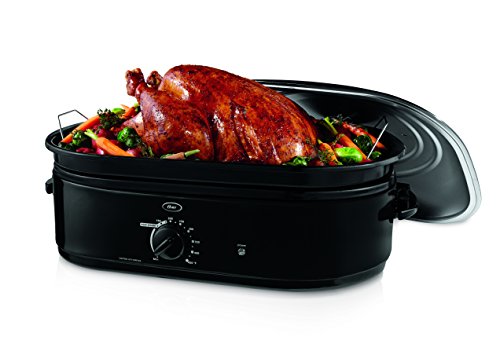
4. Oster Roaster Oven
A roaster oven from Oster with an enamel-style pan and a simple temperature dial, made for turkeys, hams and big casseroles.
Suits: simple roasting. Strengths: plain controls. Weaknesses: no extra modes. Skip it if you need air-fry features.

Best for covered outdoor kitchens
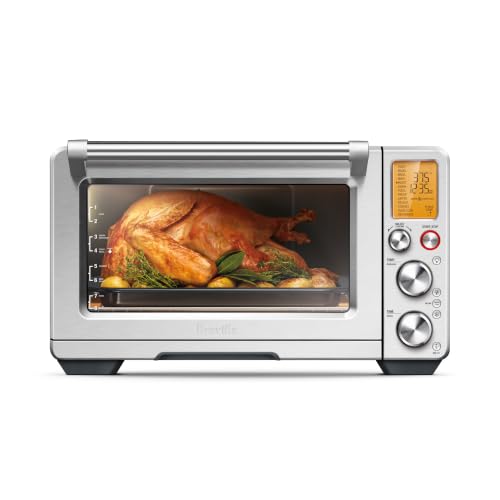
5. Breville Smart Oven Air Fryer Pro
A premium countertop convection oven from Breville with an air fry setting and many presets. It suits a covered patio kitchen with an outlet.
Suits: covered outdoor kitchens. Strengths: many cooking modes. Weaknesses: not built for open weather. Skip it if you want a rugged outdoor unit.

Best for smaller outdoor kitchens
6. Cuisinart Air Fryer Toaster Oven TOA-60
A well-known countertop oven from Cuisinart that combines toaster-oven, convection and air-fry functions in one box.
Suits: smaller outdoor kitchens. Strengths: compact multi-mode cooking. Weaknesses: small tray size. Skip it if you need to roast a whole turkey.

Care and Setup
- Place the oven on a stable, heat-safe surface under a cover or roof.
- Run an outdoor-rated cord and keep the plug away from water.
- Unplug and cool the oven before cleaning.
- Store it indoors when the weather turns wet or freezing.
- Wipe the exterior with a damp cloth and keep vents clear of debris.
Mistakes to Avoid
- Leaving an indoor oven in the rain.
- Setting the oven on a plastic or wooden table that can scorch.
- Using too long a cord that is not rated for the load.
- Ignoring the maker’s guidance on outdoor use.
Power Supply and Outdoor Cord Safety
Electricity outdoors calls for more care than a kitchen outlet. Before you pick an oven, work out where you will plug it in. The outlet should be protected by a ground fault circuit interrupter, which cuts power quickly if water gets into the circuit. If the outlet is not protected, a portable GFCI adapter is an option, but ask a qualified electrician if you are unsure.
Check the oven’s wattage on the label and match it to the circuit. Ovens draw significant current, and sharing a circuit with other appliances can trip the breaker. Use only an extension cord rated for outdoor use and suited to the load, and keep it as short as practical. A thin, long cord can overheat. Keep plugs and connections off the ground and away from standing water, and consider covering the connection with a weather-protected box.
Think about cord routing as well. Avoid running cords where people will trip on them, and do not run them under rugs or through doors that close on them. Unplug the oven when not in use and before cleaning. If you smell burning, see damaged insulation or notice the plug getting hot, stop using it. For outdoor kitchens that are permanent, a dedicated outdoor outlet installed by a professional is safer than a long run of extension cords.
Weather, Wind and Placement
Even a sturdy oven should not be exposed to rain, snow or heavy dew. Place it under a roof, awning or pergola, and keep it away from places where water can run or splash onto it. Wind can cool the oven and carry debris, so choose a sheltered spot. A stable, heat-safe surface is essential. Use a metal or stone table, not plastic or untreated wood that could scorch.
Leave clearance around the oven for ventilation. Heating elements and exteriors get hot, and blocking vents can cause overheating. Follow the maker’s clearance guidance and keep curtains, umbrellas and cushions away. Do not place the oven directly against a wall that could be marked by heat.
Temperature affects performance. In cold conditions, the oven may take longer to heat and may struggle to reach high temperatures, especially for models with thin walls. On hot days, the oven can still be used, but heat radiating from it makes the area uncomfortable. Think about foot traffic, children and pets, and keep the oven out of reach of both. Finally, have a plan to bring the oven inside or cover it when not in use, because moisture and temperature swings are tough on controls and seals.
What You Can Realistically Cook
Electric ovens suit a range of foods, but they differ from wood-fired or gas ovens. Roaster ovens are deep and covered, which makes them excellent for large birds, hams, roasts, casseroles and stews. They hold moisture well, so meat stays tender. They are less suited to crisp-skinned items or baking delicate pastries.
Countertop convection ovens handle trays of cookies, toast, small pizzas, roasted vegetables, fish and pastry. Air fry modes crisp snacks and chicken pieces. Pizza-specific outdoor ovens can bake at high heat for short times, giving a crisp crust, but they require space and have a learning curve. Check the maximum temperature of any model you consider, since pizza needs high heat to bake well.
Consider volume. A single oven can hold only so much, so plan your menu and batch sizes. For a gathering, you may need to cook in stages and keep food warm. Use a thermometer to check doneness since heat can vary. Be aware that cooking outdoors, flavors do not usually include smoke unless a model offers smoke or pellet features. Check the listing for what each model can do, and manage expectations. A realistic view of capabilities helps you choose between a roaster, a convection oven or a specialized pizza oven.
Size, Weight and Moving It Around
Portable ovens are often heavier than they look, and you may carry yours across a yard or up steps. Check the weight and dimensions in the listing, and think about how you will move it. Handles should be sturdy and positioned so they stay cool. If you will be lifting a full roaster with hot food, consider a model with a lift-out pan or large side handles.
Think about storage, too. A large roaster takes up cabinet or shed space, and a countertop oven needs shelf room. If you plan to transport the oven to a campsite, tailgate or relative’s house, make sure it fits in your vehicle and that you have a safe power source at the destination. Some people use a generator, but the generator must produce enough steady power for the oven, so check the specifications of both.
Look at the base. Non-slip feet help prevent the oven from sliding on smooth tables, and a stable footprint reduces tipping risk. Check the cord length and where it exits the oven. A short cord limits placement. Ask yourself whether you will leave the oven out for the season or put it away after each use, and choose a size and weight that you can manage comfortably. A heavy oven that is hard to lift quickly becomes one you do not use.
Cleaning After Outdoor Use
Outdoor cooking brings dust, pollen, insects and ash onto the oven. Let it cool completely after cooking, unplug it and then wipe the exterior. Remove racks, pans and trays and wash them according to the maker’s guidance. Many removable parts can go in the dishwasher, but check first.
The interior needs attention too. Grease and splatters bake on over time, so wipe them while the oven is warm but safe to touch, or use a damp cloth after cooling. Avoid soaking electrical parts or spraying cleaner into vents. Use mild detergent and a soft cloth on nonstick or coated surfaces, and avoid abrasive pads on finishes you want to keep.
Inspect the cord and plug each time you clean. Look for cracks, scorch marks or loose pins. Check door seals, hinges and controls for rust or stickiness. Dry the oven completely before storage to prevent corrosion, and keep it in a dry place. If you leave it outdoors under a covered area, use a fitted cover that allows airflow and does not trap moisture. Replace parts that are worn or damaged, and do not use the oven if there is any sign of electrical damage. Regular cleaning helps the oven last and keeps food tasting right.
What an Electric Outdoor Oven Is Good For
An electric outdoor oven brings oven-style cooking to a patio, a balcony or a camp kitchen without the need for fuel. You plug it in, set a temperature and cook. It suits roasting, baking and warming, and some models offer extra functions such as air frying or pizza. It is not a replacement for a smoker or a grill, but it can free up your kitchen on hot days or when you are hosting.
- Roasting chicken, vegetables and joints.
- Baking casseroles, bread and desserts.
- Keeping dishes warm for a party.
- Cooking large batches in roaster-style ovens.
- Cooking small meals in a compact unit.
Check the maker’s description of the intended use, and follow the manual on where the oven may be placed and whether it can stay outdoors.
Power, Outlets and Weather
Electric outdoor ovens need a safe power supply. Use an outlet made for outdoor use protected by a ground fault device, and follow the manual on cord length and extension cords. Do not use the oven in the rain or leave it outside unprotected unless the maker states it is suitable. Keep cords away from water, heat and foot traffic.
| Question | What to check |
|---|---|
| Outlet | Outdoor-suitable, protected by the right safety device |
| Cord | Length, and the maker’s rules on extension cords |
| Weather | Whether it can be used under cover, in light rain or not at all |
| Surface | A stable, heat-resistant table or stand |
| Wind | Shelter from gusts that cool the oven |
If you are unsure about your outdoor wiring, ask a licensed electrician. Never modify a plug or cord.
Roaster Ovens and Compact Ovens Compared
Two common formats are roaster ovens, which are large lidded pans with a heating element, and compact countertop ovens that look like toaster ovens. Roasters excel at big cuts, holiday meals and keeping food warm. Compact ovens suit baking small items and reheating. Think about what you cook for guests.
- Measure the largest dish you plan to cook.
- Compare with the interior size.
- Check the temperature range.
- Look at the controls and the display.
- Check that the handles and lids are safe to grip with mitts.
Cooking Tips for Outdoor Use
Outdoor temperatures affect cooking. Cold air and wind can lengthen cooking times, so preheat well and keep the lid closed. Use a thermometer to check food, and follow official guidance on safe internal temperatures. Keep food covered and safe from insects, and keep raw and cooked foods separate. Use mitts, since outer surfaces get hot.
Cleaning and Storage
Unplug and allow the oven to cool completely. Wipe the interior and the removable pan with warm soapy water, following the manual. Avoid abrasive pads on coated surfaces. Dry thoroughly. Store the oven indoors or in a dry covered place, and keep the cord coiled loosely. Check the cord and plug before each season, and replace damaged parts through the maker.
Safe Placement
Place the oven on a sturdy, level, heat-resistant surface, away from walls, railings and overhead structures. Keep children and pets away from hot surfaces. Do not use it under a low roof or awning that could trap heat. Keep flammable items well away, and never leave the oven unattended if the manual advises against it.
Outdoor Electric Oven Power and Placement Checklist
An electric oven on the patio needs a reliable power supply and a sheltered spot. Run through this list before you plug in.
- Check the outlet. Use an outdoor-suitable, weather-protected socket with the protection the local rules require. Do not run indoor extension leads through doors and windows.
- Check the power figure. Read the wattage on the label and confirm the circuit can handle it alongside other appliances.
- Pick a level, firm surface. A sturdy table or stand keeps the oven from tipping.
- Keep it dry. Place it under cover or bring it indoors when not in use, because electrical appliances and rain do not mix unless the maker says the unit is built for it.
- Leave space around it. The sides and back need clearance for heat to escape.
- Keep children and pets away. Outer surfaces can become hot.
Have a qualified electrician install or inspect any outdoor outlet, and follow the maker’s manual for use.
Electric Versus Gas or Wood for Outdoor Cooking
Electric ovens are one of several routes to cooking outside. Compare how they fit different situations.
| Point | Electric | Gas or wood-fired |
|---|---|---|
| Fuel | Mains power | Propane, natural gas or wood |
| Temperature control | Dial or digital steady setting | Needs adjusting by hand |
| Flavour | Little smoke character | Can add smoky notes |
| Setup | Needs a nearby outlet | Needs fuel storage and ventilation |
| Where it suits | Covered patios and balconies with power | Open yards away from buildings |
Balcony and apartment rules vary, so check building and local regulations before cooking outdoors. Clean the interior once it cools down, and wipe the exterior with a damp cloth. Unplug the oven before cleaning it.
Choosing a Electric outdoor oven Around How You Really Cook
Choosing a electric outdoor oven starts with where it will cook and what style you want from it . Dedicated pizza ovens concentrate their heat on the pizza, which is how they achieve the leopard-spotted crusts and fast bakes that enthusiasts chase. Outdoor ovens with a broader brief roast, bake, and sometimes smoke as well as making pizza. If pizza is a weekly ritual, the specialist earns its space. If you want one outdoor appliance that handles a chicken on Sunday and pizzas on Friday, the generalist design is the honest choice, and the picks above make clear which way each one leans.
Heat is the second consideration, and it shapes the crust more than any topping. High, fierce heat bakes a pizza quickly and gives the puffed, blistered edge associated with wood-fired styles. More moderate heat suits thicker bases, deep dishes, and topped family pizzas that need time for the centre to cook through. Think about the pizzas your household actually requests: a specialist at full tilt can overwhelm a heavily loaded family pizza, while a gentler oven will never quite blister a thin Neapolitan-style base. Match the heat character to your regular order.
Fuel and power logistics come next. Electric models need a suitable supply and give push-button consistency. Pellet and other fuel-burning outdoor ovens need dry fuel storage and a little more involvement. Consider where the oven will sit, how smoke or heat will affect neighbours and the house, and whether the surface beneath is stable and heat-safe. An oven that is easy to bring to temperature on a weeknight will be used on weeknights; one that feels like an expedition becomes a party piece.
Finally, size the oven by the pizza, not the promise. Check the pizza diameter each pick is described as handling, and whether your peels, trays, and stones match. A household of two making personal pizzas has different needs from a family feeding teenagers in rotation, where the speed between pizzas matters as much as the size of each one. Recovery time between bakes is a real specification of your evening, even when it is expressed in the listings only through design and heat descriptions.
Where a Electric outdoor oven Earns Its Keep
Friday-night family pizzas
The classic use case rewards a routine: dough made or bought ahead, toppings laid out, and pizzas baked in rotation so everyone eats roughly together. An oven that recovers heat quickly between pizzas keeps the rotation moving. Let each person build their own on a floured peel or parchment, and the cook’s job shrinks to launching, turning, and retrieving.
Neapolitan-style and artisan baking
Chasing blistered, airy crusts means high heat, a properly preheated stone or deck, and a dough made to suit. This is the territory of the specialist picks above. Expect a learning curve of several bakes while you learn your oven’s hot spots and timing, and keep notes, because the difference between good and great at these temperatures is measured in small turns and short intervals.
Roasting and baking beyond pizza
Outdoor ovens that hold moderate temperatures well can roast vegetables, bake flatbreads, finish cast-iron dishes, and cook desserts while the main kitchen stays cool in summer. If this broader role appeals, favour the picks whose descriptions emphasise versatility and temperature control over outright maximum heat, and plan the cookware the oven can physically hold.
Entertaining a crowd
Pizza is unusually good party food because guests participate and dietary preferences are easy to handle pizza by pizza. For a crowd, the bottleneck is preparation space and the rhythm of baking, so set up a topping station away from the oven, keep dough portions ready, and accept that the cook eats last or first. An oven with fast recovery turns this from chaos into a production line.
Setup, Placement and Safety Basics
Position your electric outdoor oven exactly as the manual directs: outdoors models need a stable, level, heat-safe surface, clearance from walls, fences, and overhanging branches, and a power or fuel arrangement that stays dry and untripped-over. Indoor electric pizza ovens need ventilation and clearance from cabinets, because the heat they produce is serious. Decide the spot before the first bake, and arrange a work surface beside it for peels, toppings, and finished pizzas, because pizza making is an assembly line that fails when the cook has nowhere to put things.
Assemble and season as instructed. Stones and decks sometimes need a first heating cycle, and electric models may produce a new-appliance smell on their first run, which is best burned off without food. Check that the door, if fitted, closes properly, and that any stone sits flat and fully supported. Keep the manual nearby for the first few sessions; the preheat guidance for your specific oven matters more than general advice, because deck material and insulation vary.
Gather the supporting kit before dough day: a peel that fits the oven opening, a turning tool if your style needs one, a brush for sweeping the deck, and trays or racks for finished pizzas. Flour or semolina for launching, an oven glove that protects the wrist, and a timer you can hear over conversation complete the setup. None of this is expensive, and all of it prevents the classic first-night failures.
Getting the Best From It Day to Day
Preheating the deck is non-negotiable. The stone or cooking surface needs to be thoroughly hot, not just the air inside, because the base cooks from the deck while the toppings cook from above, and a cold deck gives a pale, soft base under cooked toppings. Follow your oven’s preheat guidance, and between pizzas give the deck a short recovery rather than launching the next pizza immediately onto a chilled spot.
Launch technique decides whether dinner lands in the oven or folds onto the deck. Keep the dough lightly floured or semolina-dusted, build the pizza on the peel or on parchment if your oven allows it, and use a confident, short shuffle rather than a dramatic throw. Saucing lightly and distributing toppings evenly is not just about flavour: a heavy, wet centre is the main cause of both sticking and a soggy middle.
Watch and turn. In a hot oven a pizza changes quickly, and a turn partway through evens the bake between the hotter and cooler sides of the deck. Judge doneness by the base as much as the top: lift an edge and look for a set, coloured underside. Once out, give the pizza a brief rest on a rack rather than a solid board, so steam escapes and the base stays crisp while the cheese settles.
Cleaning, Care and Storage
Care for a electric outdoor oven is mostly about the deck and the residue. Brush crumbs and burnt flour from the stone or cooking surface once it has cooled enough to handle safely, and expect the stone to darken and mark with use; that is normal and not a defect. Never soak a pizza stone or shock it with cold water while hot, and follow the manufacturer’s cleaning method rather than improvised ones, because cracked stones are almost always the result of thermal shock or soaking.
Interior walls and doors collect baked-on splashes. Wipe them when the oven is cool with the products the manual allows, and keep water and cleaning sprays away from electrical elements and controls. For outdoor models, empty ash or residue as directed once completely cold, and store the oven covered and dry, with detachable electrical parts kept indoors where the design allows.
Check the parts that move and seal: door hinges, handles, and any gaskets take the heat cycles hardest. A door that no longer closes square will leak heat and lengthen every bake, so treat changes in baking behaviour as a prompt to inspect the fit. Keep the exterior clean enough that you can see the appliance’s condition at a glance, and store peels and stones dry so they are ready for the next dough day.
How the Picks in This Guide Compare
The six picks above are not six versions of the same idea, and comparing them well means comparing them against your own routine rather than against each other in the abstract. Work through them in the order presented, and for each one ask the same three questions: does its style and size fit my space, does the way it works fit the food I cook most, and would its cleaning and storage routine fit my patience? A electric outdoor oven that scores well on all three for your household is a better buy than one that wins on a single headline feature.
Consider the Ninja Woodfire Outdoor Oven. Its description above sets out who it suits and where its limits lie, so measure it against your biggest regular cooking occasion and your smallest everyday one. If it handles the big occasion comfortably but feels oversized for the everyday, decide which of those two days matters more to you, because that judgement, not the feature list, is what owners end up living with.
Consider the Nesco 18-Quart Roaster Oven. Its description above sets out who it suits and where its limits lie, so measure it against your biggest regular cooking occasion and your smallest everyday one. If it handles the big occasion comfortably but feels oversized for the everyday, decide which of those two days matters more to you, because that judgement, not the feature list, is what owners end up living with.
Consider the Hamilton Beach Roaster Oven. Its description above sets out who it suits and where its limits lie, so measure it against your biggest regular cooking occasion and your smallest everyday one. If it handles the big occasion comfortably but feels oversized for the everyday, decide which of those two days matters more to you, because that judgement, not the feature list, is what owners end up living with.
Consider the Oster Roaster Oven. Its description above sets out who it suits and where its limits lie, so measure it against your biggest regular cooking occasion and your smallest everyday one. If it handles the big occasion comfortably but feels oversized for the everyday, decide which of those two days matters more to you, because that judgement, not the feature list, is what owners end up living with.
Consider the Breville Smart Oven Air Fryer Pro. Its description above sets out who it suits and where its limits lie, so measure it against your biggest regular cooking occasion and your smallest everyday one. If it handles the big occasion comfortably but feels oversized for the everyday, decide which of those two days matters more to you, because that judgement, not the feature list, is what owners end up living with.
Consider the Cuisinart Air Fryer Toaster Oven TOA-60. Its description above sets out who it suits and where its limits lie, so measure it against your biggest regular cooking occasion and your smallest everyday one. If it handles the big occasion comfortably but feels oversized for the everyday, decide which of those two days matters more to you, because that judgement, not the feature list, is what owners end up living with.
If you are torn between two of the picks, choose by the routine you will repeat most often: the setup you will do weekly, the parts you will wash, and the space the electric outdoor oven will occupy when it is not in use. Features impress on the first day; routines decide satisfaction in the sixth month.
Problems Worth Knowing About
The base is soggy while the top is done
The deck was not hot enough, the sauce was too wet or too generous, or the pizza sat built and waiting while the dough absorbed moisture. Preheat longer, sauce lightly, build pizzas just before baking, and check that fresh mozzarella and vegetables are not flooding the base with liquid.
The crust burns before the centre cooks
Too much heat for the style is the usual cause, especially with thick or heavily topped pizzas. Lower the temperature for loaded pizzas, or par-bake a thick base before topping. In a very hot oven, thin pizzas are measured in moments, so stay present rather than setting a timer and walking away.
Pizzas stick to the peel or the deck
Flour or semolina the peel properly, keep the dough moving with a small shake as you build, and avoid letting a built pizza sit. A metal peel launches more easily for many people once the dough is on it, while a wooden peel suits building and launching in one. Practise the motion with a plain dough before guests arrive.
Results vary wildly between pizzas
Variation usually tracks the deck temperature: the first pizza meets a fully charged deck, later ones meet a deck drained by previous bakes. Build recovery pauses into your rhythm, rotate where each pizza lands, and keep notes on timing for your oven rather than chasing consistency by changing the recipe every time.
Two Habits That Make the Biggest Difference
Keep a pizza notebook for the first season: dough recipe, oven setting, preheat length, bake time, and a one-line verdict. Pizza ovens are personal instruments, and your own deck, dough, and climate produce timings that no chart can predict. After a dozen bakes the notebook turns guesswork into a repeatable Friday-night system.
If you are torn between a specialist pizza oven and a versatile outdoor oven from the picks above, count your likely menus honestly. Households that bake pizza weekly get full value from the specialist’s heat and speed. Households that roast and bake outdoors as often as they make pizza will use the generalist more across the year, and the appliance that gets used is always the right purchase.
A Slower, More Careful Way to Decide
There is a slower way to choose a electric outdoor oven that works better than comparing feature lists, and it starts with a week of honest observation. Notice what you cook, how many people you cook for, and where the friction appears: the pan that never fits, the breakfast that takes three batches, the cleanup that puts you off starting. Write those moments down, because they are the specification that matters. A electric outdoor oven chosen against your real friction points will satisfy you in a way that one chosen against an idealised version of your cooking never will, and the picks above can then be read as answers to specific problems rather than as a league table.
Next, walk the physical reality of your space with a tape measure and your phone camera. Record the dimensions, the position of sockets, the clearance above and around beside the oven, and anything that would complicate delivery or installation. Photograph the area where the deck, door and peel will need attention, because that is where ownership is won or lost: the part you must clean, fill, empty, or store decides whether the appliance stays pleasant. Compare those photographs and measurements against the descriptions in this guide before you order, and most of the classic disappointments in this category simply never happen.
Then think about the second year, not the first week. In the second year the novelty has gone, and what remains is the routine: how long setup takes when you are tired, whether spare parts and replacement pieces for the deck, door and peel are easy to obtain, and whether the appliance still suits a household that may have changed around it. Designs that age well share a pattern: few parts, obvious controls, cleaning that does not need special products, and a manual that answers questions plainly. When two picks above look equal, the one with the calmer second year is usually the right choice.
Making the First Sessions Count
For your first sessions, keep the stakes deliberately low and cook a simple cheese pizza rather than the most ambitious dish you know. The first outings teach you the appliance’s temperament: how it heats, how it responds when you adjust it, and what its normal sounds and smells are. Treat anything unexpected as information, check it against the manual, and adjust one thing at a time on the next attempt. Cooks who rush to a celebration meal on day one often blame the appliance for what is really unfamiliarity, while a couple of low-pressure practice runs turn the same appliance into a trusted tool.
Finally, build the small routine that keeps the appliance ready: a fixed home for it and its accessories, a two-minute tidy after each use rather than a monthly excavation, and a note of the settings and timings that worked for your regular dishes. Readiness is the hidden feature in this whole category. A electric outdoor oven that is clean, complete, and where you expect it to be gets used on ordinary Tuesdays, and ordinary Tuesdays are where good kitchen equipment quietly earns back its cost many times over.
Electric Outdoor Oven FAQ
Can I use any countertop oven outside?
Only if the maker permits it. Most are made for indoor use, so keep them dry and under cover.
Are roaster ovens good for camping?
They work where electricity is available, such as an RV site. They are bulky but easy to use.
Do these ovens bake pizza well?
A dedicated oven is best. Countertop models bake pizza fine on a stone or tray.
What is the difference between a roaster oven and a countertop oven?
A roaster oven is a deep covered pan on a heating base that suits large birds and stews. A countertop oven has trays and often convection or air frying for smaller dishes.
How should I store one for winter?
Clean it, dry it fully and keep it indoors in a dry spot. Cold and damp can damage controls and cords.
Do I need a GFCI outlet for an outdoor oven?
Outdoor outlets are typically required to have ground fault protection. If yours does not, ask a qualified electrician about a safe option.
Can I leave an electric oven outside all year?
Most are not made for that. Unless the maker says it is weatherproof, bring it indoors or cover it in a dry, sheltered spot when not in use.
What extension cord should I use?
Use a cord rated for outdoor use and for the oven's power draw, and keep it short. Check the oven's label and the cord's rating.
Will an electric oven give a smoky flavor?
Not by itself. Some models offer pellet or smoke features, so check the listing if flavor matters.
Can I use a generator to power it?
Possibly, if the generator supplies enough steady power. Compare the oven's wattage with the generator's rating and follow both manuals.
How do I keep food warm for guests?
Many ovens have a warm setting. Otherwise, lower the temperature and cover dishes, and check food safety guidance for holding temperatures.
Is it safe to use near wooden furniture?
Keep it on a heat-safe surface with clearance from wood and fabric. The oven's exterior and vents can get very hot.
How long should I preheat a pizza oven?
Until the cooking surface itself is fully hot, which takes longer than the air temperature settling and varies by design. Follow the preheat guidance in the manual for your model, and judge readiness by consistent results on the base of the first pizza rather than by the clock alone.
Can I bake other foods in a pizza oven?
Many models handle flatbreads, roasted vegetables, and cast-iron dishes well, especially those designed as broader outdoor ovens. Stay within the temperatures and cookware the manufacturer describes, and remember that a fiercely hot pizza oven is a specialist tool that needs adapting for gentler jobs.
Why does my dough tear or shrink back?
Dough that fights you is usually too cold or has not rested enough after shaping. Let portioned dough lose its chill and relax before stretching, handle it gently to keep the air in the edges, and avoid over-flouring, which makes the base tough and dry.
Do I need a pizza stone if the oven has a deck?
The deck of a dedicated pizza oven is the cooking surface and serves the stone’s role. For ovens without a purpose-built deck, a stone or steel, where the manufacturer supports one, improves the base. Follow the guidance for your model rather than adding accessories it was not designed around.
How do I keep the oven from smoking out the garden?
Burnt flour and residue on the deck are the usual smoke source, so brush the deck between pizzas and avoid excessive flour. Position the oven with regard to wind and neighbours, and keep toppings off the deck, since spilled cheese smokes far more than a baking pizza.
What is the best first pizza to make in a new oven?
A simple margherita-style pizza with a light hand on sauce and cheese. It teaches you the oven’s heat, timing, and turning needs without hiding the base under heavy toppings, and it is the benchmark every later pizza can be judged against.
How long should a electric outdoor oven last?
That depends far more on use and care than on the badge. Appliances in this category that are cleaned as the manual directs, used within their intended job, and stored dry and complete generally serve for years, while neglected ones fail early regardless of quality. Treat the care routine in this guide as part of the purchase, and judge any pick above by whether you will actually keep that routine.
What should I do on the first day I use my new electric outdoor oven?
Read the manual’s setup and safety pages, wash the parts it identifies, and run the simplest version of the job the appliance exists for. Keep the session short, note what surprised you, and resist judging the purchase on a single first attempt. Familiarity over the next few sessions is a fairer test, and most early frustrations turn out to be technique that a little practice fixes.
The Short Version
For pizza and roasting, the Ninja Woodfire. For a classic roaster, the Nesco. For big gatherings, the Hamilton Beach. For a plain dial roaster, the Oster. For a premium countertop oven, the Breville. For a smaller multi-mode oven, the Cuisinart.