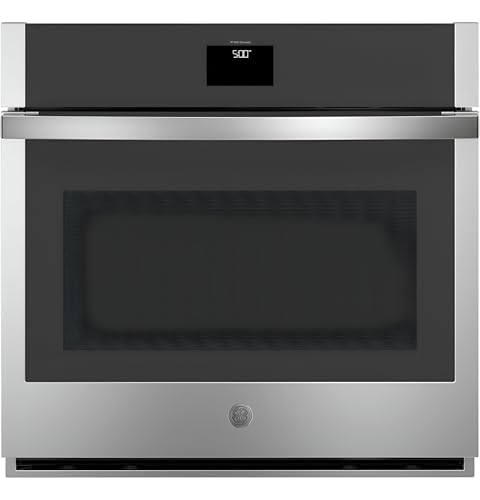
Disclosure: airfryerkitchensupply.com is reader-supported. When you buy through links on our site, we may earn an affiliate commission at no extra cost to you.
Where to buy
Read this first if you are shopping for the best convection microwave wall ovens: this is a dealer-channel category. Built-in microwave wall oven combinations — a microwave or speed oven stacked over a convection wall oven in one cutout — are sold mainly through appliance dealers, and Amazon’s own catalog, checked, carries very few verifiable listings. This guide links the three combination units we could verify end-to-end, and covers the other major lines in prose so you can shortlist them honestly at a dealer. Check the current price on Amazon for the linked units, and treat every other name here as a showroom assignment, not a checkout.
- Frigidaire Gallery 27-Inch Electric Built-In Wall Oven and Microwave Combination with Total Convection (Best Overall) — check price on Amazon
- GE Profile Microwave Wall Oven Combination Line (Best Dealer-Channel Alternative) — unlinked pick, no purchase link (see review)
- Samsung NQ70M7770DS 7.0 Cu. Ft. Combination Electric Wall Oven (Best for Smart-Feature Shoppers) — check price on Amazon
- LG Microwave Wall Oven Combination Line (Best for Cross-Shopping Value) — unlinked pick, no purchase link (see review)
- KitchenAid Microwave Wall Oven Combination Line (Best for Serious Home Cooks) — unlinked pick, no purchase link (see review)
- Bosch 800 Series 30-Inch Built-In Combination Wall Oven with Microwave (Best European-Style Alternative) — check price on Amazon
The best convection microwave wall ovens solve a specific kitchen equation: one cutout, two ovens, no counter space surrendered to a microwave. The lower oven is a full convection wall oven for roasts, bakes, and holiday loads. The upper unit is a microwave — in some lines a speed oven that adds convection or broiling elements of its own — handling the daily traffic of reheating, defrosting, vegetables, and second-dish duty. In a kitchen short on wall space, or in a remodel replacing a double oven where the second cavity honestly spent its life as storage, the combination is the intelligent layout, and it is the layout this guide is about.
Now the honesty this category demands. When we verified products for this guide — the same process behind every other guide in this programme — three built-in microwave wall oven combinations could be matched to live Amazon listings with confidence: the Frigidaire Gallery unit reviewed first below, plus — in a supplementary verification pass on 2026-11-21 — the Samsung NQ70M7770DS and the Bosch 800 Series 30-inch combination. The other famous lines in this category (GE Profile, LG, KitchenAid) sell through dealers with little or no verifiable Amazon presence, and were searched twice in that pass without producing a combination listing, so they are covered here as unlinked shortlist entries: what each line represents, who should look at it, and what to verify in the showroom. No model numbers, capacities, or specifications are printed for them, because none could be verified — and a guide that invents specifications for built-in appliances is worse than no guide at all.
In this guide
Quick Picks
Three verified picks with purchase links, three unlinked lines to shortlist at a dealer. The badges reflect each line’s role in the category, and the unlinked status is stated in every review, not hidden.
- Frigidaire Gallery 27-Inch Electric Built-In Wall Oven and Microwave Combination with Total Convection — Best Overall: The one combination unit verified with a live Amazon listing — a 27-inch built-in pairing a microwave upper with a Total Convection lower oven in smudge-proof stainless. — check price on Amazon
- GE Profile Microwave Wall Oven Combination Line — Best Dealer-Channel Alternative: Unlinked: GE’s Profile line is the first name most dealers will put in front of a combination buyer — shortlist it in the showroom and verify the specific model’s cutout, upper-oven type, and convection details in person. — unlinked pick (see review)
- Samsung NQ70M7770DS 7.0 Cu. Ft. Combination Electric Wall Oven — Best for Smart-Feature Shoppers: The model buyers cross-shop when connected features and modern styling lead the brief — a 7.0 cu. ft. stainless combination unit verified on Amazon in our supplementary pass; still verify the cutout against your cabinetry before committing. — check price on Amazon
- LG Microwave Wall Oven Combination Line — Best for Cross-Shopping Value: Unlinked: LG’s built-in cooking line is the value-conscious cross-shop in this category — the quote that keeps the premium lines honest, verified model by model at a dealer. — unlinked pick (see review)
- KitchenAid Microwave Wall Oven Combination Line — Best for Serious Home Cooks: Unlinked: the line cooking-led households shortlist for the lower oven’s baking and roasting credentials — judge it in the showroom on the convection system and cavity, not the badge. — unlinked pick (see review)
- Bosch 800 Series 30-Inch Built-In Combination Wall Oven with Microwave — Best European-Style Alternative: The European-style entry in the category — Bosch’s 800 Series 30-inch built-in combination with convection lower oven and microwave upper, verified on Amazon in our supplementary pass; still verify trim and cutout fit at a dealer. — check price on Amazon
How These Picks Were Chosen
The method was the programme’s standard one, and its result is this guide’s headline finding. We searched the Amazon catalog for built-in microwave wall oven combinations and matched returned titles to products. The verified shortlist for true built-in combinations contained three units — the Frigidaire Gallery 27-inch combination with Total Convection, the Samsung NQ70M7770DS combination and the Bosch 800 Series 30-inch combination — against a background of countertop combination microwaves, which are a different product for a different guide and were excluded here rather than passed off as wall ovens. The Frigidaire was verified from the programme cache; the Samsung and Bosch were confirmed in a supplementary Amazon listing data pass on 2026-11-21, after connection resets during the original batch had blocked fresh searches. The GE Profile, LG and KitchenAid lines were each searched twice in that pass and produced no combination listing, so rather than guess, we cover those three lines in clearly-labelled prose.
Judgement criteria for the category itself are consistent throughout: the lower oven’s convection quality leads, because it does the serious cooking; the upper unit’s type comes second — a plain microwave upper and a speed-oven upper are different appliances wearing similar doors — and the installation contract comes third, because a combination unit is a cutout-and-circuit commitment measured in decades. The unlinked lines are ordered by their prominence in this category’s real market, and each review states plainly what a buyer should verify in person, since that verification is now the buyer’s job at a dealer rather than ours at a link.
The Best Convection Microwave Wall Ovens: Three Verified Picks and the Lines to Shortlist

Frigidaire Gallery 27-Inch Electric Built-In Wall Oven and Microwave Combination with Total Convection — Best Overall
Begin with the only pick in this guide you can click through and buy, because in this category that distinction is the story. The Frigidaire Gallery combination stacks a microwave over a built-in electric wall oven with the maker’s Total Convection system, in a 27-inch format with a smudge-proof stainless steel finish, and its listing was returned and matched — title, format, and convection claim all as the maker states them. Twenty-seven inches is the classic replacement size: a large installed base of older double ovens and combinations lives in 27-inch cutouts, and a unit that fits the existing hole without cabinet surgery is worth a premium in any remodel.
Strengths
- The only listing-verified built-in microwave combination with a buyable Amazon listing in this guide
- Total Convection in the lower oven — the cavity that does the serious cooking
- 27-inch format suits the huge installed base of replacement remodels; smudge-proof finish suits family service
Trade-offs
- 27 inches is not 30 — buyers with a 30-inch cutout or a new build should weigh the wider dealer lines below
- A single verified listing means seller and availability should be checked carefully at purchase
- Combination uppers are microwave-first; cooks wanting a true second convection oven should consider a double wall oven instead
| Specification | Detail (as listed) |
|---|---|
| Format | 27-inch electric built-in wall oven and microwave combination (as listed) |
| Convection | Total Convection (as listed) |
| Finish | Smudge-proof stainless steel (as listed) |
| Line | Frigidaire Gallery (as listed) |
The case for the combination layout is written in how kitchens actually cook. The lower convection oven handles the week’s one or two serious sessions — the roast, the bake, the holiday bird — with fan-assisted evenness that a basic thermal oven cannot match. The upper microwave absorbs the other ninety percent of oven-adjacent life: reheats, defrosts, steamed vegetables, melted butter, the second side dish held warm. In the Frigidaire’s Gallery positioning, you are buying the maker’s mainstream-premium tier, with the parts and service network that a built-in appliance needs across a fifteen-year life — the ownership argument that matters most for anything installed into cabinetry.
Buy it if your cutout is 27 inches, your remodel values a verified, orderable unit over a showroom tour, and your cooking fits the combination pattern. Verify the listing’s stated cutout and electrical requirements against your kitchen before ordering, as with every built-in in this programme. It is Best Overall here not by default but by being simultaneously the category’s verified representative and a genuinely well-aimed product for the replacement market that dominates this category.
Best for: 27-inch replacement remodels wanting a verified, orderable combination unit / Not suited for: 30-inch cutouts or new builds, which should shortlist the wider dealer lines
Check the current price on Amazon
GE Profile Microwave Wall Oven Combination Line — Best Dealer-Channel Alternative
Unlinked entry — no listing-verified Amazon listing was matched for this line during this batch, so no purchase link, model number, or specification is printed. What follows is shortlist guidance, and the specific model you consider must be verified at the dealer.
GE Profile is, for many North American buyers, the default combination shortlist: a mainstream-premium line with deep dealer coverage, sold in the standard built-in widths, and positioned where most replacement remodels actually shop. If your kitchen project has a dealer in it at all — and built-in projects usually should — a Profile combination will likely be among the first units quoted to you. That prominence is exactly why it belongs in this guide despite its unlinked status: a shortlist that omitted it would not describe the real market.
Strengths
- Deep dealer and service coverage — the practical backbone of built-in ownership
- A mainstream-premium line aimed squarely at replacement remodels
- The line most likely to be quoted, stocked, and installable on a normal project timeline
Trade-offs
- Not verifiable through this guide’s Amazon process in this round — the showroom does the verifying
- Dealer pricing and availability vary by region and must be compared in person
- Upper units vary across the line between microwave and speed-oven formats — confirm which you are quoted
The questions to take to the showroom are the category’s three: what exactly is the upper unit — a microwave, or a speed oven with its own heating elements, because the cooking difference is real; what convection system does the lower oven use, and is it a true fan-with-element arrangement; and what are the cutout and electrical requirements against your existing opening, in writing. A Profile quote that answers all three cleanly, from a dealer who will also install and service, is the benchmark the other lines in this guide must beat.
Choose this line as your first showroom stop if your project is a like-for-like replacement and your priority is a smooth, supported installation over any single feature. It is listed for final-review verification in this guide’s sources, and if a verifiable listing is confirmed in a later pass, this entry will gain the link and specifications it currently, honestly, lacks.
Best for: replacement remodels working through a dealer who installs and services / Not suited for: buyers who need an online, self-serve purchase today — take the Frigidaire
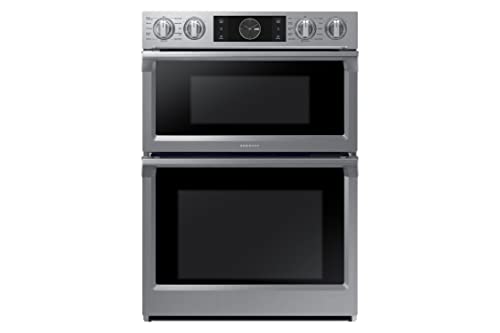
Samsung NQ70M7770DS 7.0 Cu. Ft. Combination Electric Wall Oven — Best for Smart-Feature Shoppers
Verified entry — a supplementary Amazon listing data pass on 2026-11-21 matched this line to a live Amazon listing for the Samsung NQ70M7770DS, a 7.0 cu. ft. stainless combination electric wall oven, so this pick carries a purchase link. Details below stay at the level that listing supports; verify cutout and circuit requirements for your kitchen before ordering.
Samsung’s presence in built-in cooking is the modern-styling, connected-feature presence, and its combination wall ovens are the units buyers most often cross-shop against GE Profile when the brief leads with design and smart functions rather than with the dealer relationship. In a contemporary kitchen project — handleless schemes, dark finishes, appliances expected to join the home’s connected ecosystem — Samsung’s line is the natural second quote, and the comparison between the two quotes is where most combination purchases are actually decided.
Strengths
- The design-and-connectivity-led alternative in this category’s mainstream
- A natural second quote against GE Profile in most dealer markets
- Suits contemporary kitchen schemes where appliance styling is a first-order decision
Trade-offs
- One specific model is verified here — other Samsung combination variants still need dealer confirmation
- Connected features age faster than ovens — weigh them below convection quality and fit
- Service coverage for built-ins varies by region; confirm your local arrangement before buying
The discipline this guide recommends for smart-featured built-ins is ordering: fit first, oven systems second, connectivity last. A combination unit will be in your wall for fifteen years; its app ecosystem will be revised beyond recognition in five. So the showroom questions remain the category’s three — upper unit type, lower convection system, cutout and circuit — asked of the Samsung quote exactly as of the GE one, with the styling and connected features allowed to break a tie rather than make the decision.
Shortlist this line if your kitchen’s design brief is contemporary and the connected features will genuinely be used by the household — remote preheating and monitoring are real conveniences for the families who use them weekly, and shelf ornaments for those who will not. Verify locally, compare the installed price against the Profile quote, and let the ovens, not the screens, decide.
Best for: contemporary kitchens whose households will actually use connected features / Not suited for: buyers ranking fifteen-year service simplicity above features
Check the current price on Amazon
LG Microwave Wall Oven Combination Line — Best for Cross-Shopping Value
Unlinked entry — no listing-verified Amazon listing was matched for this line during this batch, so no purchase link, model number, or specification is printed. Verify any specific model at a dealer.
Every category has the line whose quote disciplines the others, and in built-in combinations that role often falls to LG. Its wall oven line competes aggressively on the balance of features against installed price, which makes it the quote a careful buyer obtains before signing anything — both because it may win outright, and because a dealer holding a competing line suddenly finds flexibility when a credible LG number is on the table. That is a market role, not a consolation prize, and it earns the line its place in a buyer’s guide that aims to describe how this category is actually bought.
Strengths
- The value-disciplining quote in most combination shortlists
- A full built-in line from a major global appliance maker
- Feature-forward positioning at the category’s competitive edge
Trade-offs
- Unlinked here: no LG model could be verified for this guide’s process
- Installed price, not unit price, is the comparison — insist on complete quotes
- Confirm local service arrangements for built-ins before committing, as with all dealer lines
The method for using this line well is the complete-quote method. Built-in projects hide their costs in delivery, installation, trim kits, and electrical work, and a unit-price advantage can evaporate or multiply depending on how a dealer packages them. Ask LG’s dealer and the competing dealer for the same thing: the unit, fitted, connected, trimmed, and warranted, in writing. Compare those two numbers and the two answers to the category’s three questions — upper type, convection system, cutout fit — and the value question answers itself.
Shortlist LG if your project is price-aware but not price-captive: the household that wants the combination layout done properly and is willing to make three dealers compete for the privilege. In this guide’s honest accounting, that buyer is common, and this line is their leverage.
Best for: price-aware buyers running a competitive dealer shortlist / Not suited for: buyers who want a single verified online purchase — that is the Frigidaire’s role
KitchenAid Microwave Wall Oven Combination Line — Best for Serious Home Cooks
Unlinked entry — no listing-verified Amazon listing was matched for this line during this batch, so no purchase link, model number, or specification is printed. Verify any specific model at a dealer.
KitchenAid’s built-in line trades on a cook’s reputation: this is the brand of the stand mixer on a million counters, and its wall ovens are shortlisted by households whose brief is led by the baking and roasting itself. In a combination, that reputation stands or falls on the lower oven — its convection system’s evenness across racks, its cavity’s behaviour with a full load of sheet pans, its temperature honesty at pastry settings. Those are showroom-and-review questions about specific models, and this guide prints none of their answers unverified; what it can say is that for cooking-led buyers, this line belongs on the shortlist beside the verified Frigidaire.
Strengths
- The cooking-led shortlist entry — the lower oven is the audition
- A major line with the dealer presence built-in ownership requires
- Suits households for whom the combination’s oven half is a primary tool, not an appliance of convenience
Trade-offs
- Unlinked here: no model-level claims are made or implied
- Premium positioning within the category — the installed quote will reflect it
- As with every dealer line, upper-unit type varies and must be confirmed per model
The showroom test for a cooking-led combination is refreshingly concrete. Ask how the lower oven’s convection is implemented and what the maker claims for multi-rack evenness, then ask what the cavity fits: your largest roasting pan and your standard sheet pan, measured, not assumed. Ask whether the upper unit is a microwave only or adds convection of its own, because a cooking-led household is exactly the one that will exploit a speed-oven upper for weeknight second dishes. The line that answers those questions best in your market is the line to buy, and KitchenAid’s is built to be asked them.
Shortlist it if the oven half of the combination will work as hard as a range oven in your house. Pair the visit with the verified Frigidaire’s listing if your cutout is 27 inches, and you will have covered the category’s cooking-led options honestly.
Best for: cooking-led households judging the combination by its lower oven / Not suited for: feature-led or price-led briefs, better served by the Samsung and LG lines

Bosch 800 Series 30-Inch Built-In Combination Wall Oven with Microwave — Best European-Style Alternative
Verified entry — a supplementary Amazon listing data pass on 2026-11-21 matched this line to a live Amazon listing for the Bosch 800 Series 30-inch built-in combination: a smart electric convection wall oven with self-clean and a built-in microwave, in stainless steel, so this pick carries a purchase link. Details below stay at the level that listing supports; verify cutout and trim fit for your kitchen before ordering.
Bosch represents the European school in this category: built-ins designed around compact, integrated kitchen schemes, with speed ovens — compact units combining microwave speed with conventional heating — playing a larger role in the line’s thinking than plain microwave uppers do in the American mainstream. For design-led projects, smaller kitchens working to European formats, and households drawn to that school’s styling and control philosophy, Bosch’s combination offerings are the shortlist’s necessary diversity: the quote that tests whether the mainstream lines’ assumptions fit your kitchen at all.
Strengths
- The European design school’s representative — a genuinely different format philosophy
- Speed-oven thinking suits households that will use the upper unit as a real second oven
- Compact-format experience suits smaller, integrated kitchen schemes
Trade-offs
- One specific model is verified here — other Bosch combination formats still need dealer confirmation
- European-format units demand extra care on cutout and trim compatibility in American cabinetry
- Dealer coverage is thinner in some regions — confirm before shortlisting seriously
The speed-oven question is this line’s real contribution to a buyer’s thinking. A speed oven in the upper position changes the combination’s arithmetic: weeknight cooking gains a fast, small, true oven for portions, gratins, and second dishes, at the cost of the plain microwave’s simplicity and usually some cavity size. Households that roast small and reheat large should stay mainstream; households that cook small and often should take the speed-oven idea seriously, and Bosch’s line is where that idea is most at home.
Verify format compatibility with unusual care here: bring your cutout’s measurements and your cabinetmaker to the same conversation as the dealer, because European-format built-ins reward precision and punish assumption. Do that, and this line closes the shortlist as its design-led, format-questioning entry — present in this guide, like the other prose lines, because the real market contains it and a guide should say so without inventing its specifications.
Best for: design-led and smaller kitchens open to speed-oven formats / Not suited for: mainstream replacement projects wanting the deepest local dealer coverage
Check the current price on Amazon
Comparison Table
| Pick | Badge | Key spec | Best for |
|---|---|---|---|
| Frigidaire Gallery 27-Inch Electric Built-In Wall Oven and Microwave Combination with Total Convection | Best Overall | 27-inch built-in combo, Total Convection | 27-inch replacement remodels wanting a verified, orderable combination unit |
| GE Profile Microwave Wall Oven Combination Line | Best Dealer-Channel Alternative | Dealer line — verify model in showroom | replacement remodels working through a dealer who installs and services |
| Samsung NQ70M7770DS 7.0 Cu. Ft. Combination Electric Wall Oven | Best for Smart-Feature Shoppers | 7.0 cu. ft. combination electric wall oven, stainless (per listing) | contemporary kitchens whose households will actually use connected features |
| LG Microwave Wall Oven Combination Line | Best for Cross-Shopping Value | Dealer line — verify model in showroom | price-aware buyers running a competitive dealer shortlist |
| KitchenAid Microwave Wall Oven Combination Line | Best for Serious Home Cooks | Dealer line — verify model in showroom | cooking-led households judging the combination by its lower oven |
| Bosch 800 Series 30-Inch Built-In Combination Wall Oven with Microwave | Best European-Style Alternative | 30 in. built-in combination, convection + microwave, self-clean (per listing) | design-led and smaller kitchens open to speed-oven formats |
This table is deliberately uneven, and the unevenness is the information: one row is a verified, buyable product with its maker’s stated format, and five rows are dealer lines whose specific models must be verified in person. Any guide that filled those five rows with confident specifications it could not verify would be lying to you in a table.
How to Choose the Best Convection Microwave Wall Ovens for Your Kitchen
Start with the hole in your wall. Combination units are bought to a cutout — its width class, 27 or 30 inches in the mainstream, and its height and depth as the maker specifies — and the cutout eliminates most of the market before features get a vote. Replacement buyers should measure the existing opening and shop to it; the verified Frigidaire in this guide serves the 27-inch installed base, while the dealer lines cover the widths between them. New-build buyers have the luxury of choosing the cutout, and should choose it around the shortlist, not before it.
Second, decide what the upper unit must be. A microwave upper is a reheating and convenience appliance — perfect if that is the traffic it will carry. A speed-oven upper, which adds conventional heating to the microwave, is a genuine small second oven, and it changes what the combination can do on a weeknight. The price and complexity differ accordingly, and the honest question is autobiographical: in the last month, how often did you need a small hot oven, and how often a fast reheater? Buy the upper your month describes.
Third, judge the lower oven as an oven, full stop: convection implementation, cavity size against your largest pans, rack positions, and temperature range. It will do the cooking your household remembers. Features, finishes, and connectivity rank below those three decisions in that order — a discipline that will still be serving you in year twelve, when the app has changed beyond recognition and the oven has not.
Combination wall oven or double wall oven: which layout is right?
The double wall oven is the combination’s only real rival, and the choice between them is a census of your cooking. Two full ovens win when both cavities regularly run hot at once — holiday cooking for a crowd, a household bakery, the two-temperature dinner party. The combination wins when the second cavity’s honest log is reheats, defrosts, steaming, and keeping things warm, because then the double oven’s second cavity is an expensive cupboard and the combination’s microwave is the hardest-working unit in the kitchen.
There is a middle truth worth stating: many households overbuy the double oven for two days a year and underuse it for the other 363, while combination owners occasionally rent the second-oven problem on those two days with a countertop oven. Neither is wrong; they are different wagers about the same calendar. This guide exists for the combination wager, and its picks — the verified Frigidaire and the dealer lines — are the layout’s honest representatives.
Why are built-in combinations so hard to buy online?
Because the category never moved online the way countertop appliances did, and understanding that saves buyers a frustrating search. Built-in combinations are heavy, freight-shipped, trim-sensitive, and usually sold with installation attached — a transaction structure that suits dealer showrooms and has resisted the marketplace model. The practical consequences are the ones this guide is built around: thin verifiable online selection, pricing that lives in quotes rather than listings, and specifications that must be confirmed per model in person because the online record is too sparse to trust.
The buyer’s defence is the complete-quote method from this guide’s LG entry, applied everywhere: same questions, same written installed price, every dealer. Add the discipline of measuring your own cutout rather than trusting a predecessor’s paperwork, and the dealer channel becomes navigable. And keep the verified Frigidaire in view throughout: for the 27-inch replacement buyer, it is the market’s one clean online answer, and its listing is the yardstick the showroom quotes must beat.
What does living with a combination unit actually change?
Owners consistently report the same discovery: the microwave’s location changes the kitchen’s traffic. A microwave at wall-oven height, in the appliance wall rather than over the range or on the counter, removes the two worst microwave placements in one move — no reaching over hot pans, no counter surrendered — and puts reheating at the same ergonomic height as the oven it serves. In family service, that means children old enough to reheat can do so without climbing or crossing the cooking zone, and the cook’s triangle stops including a detour.
The second change is subtler: the lower oven gets used more, not less. Households often assume a combination means the big oven idles, but the opposite is common — with the microwave absorbing the small jobs instantly, the lower oven is reserved, preheated, and used deliberately for food that deserves it, instead of being pressed into reheating duty it performs badly. A combination kitchen tends to cook more intentionally, which is a strange benefit to attribute to an appliance layout, but it is the one owners mention.
How long should a combination wall oven last, and what should you budget around it?
Built-in wall appliances are fifteen-year-class purchases, and a combination unit’s ownership maths should be run on that horizon. The lower convection oven is mechanically conventional and ages like any quality wall oven. The upper unit — microwave or speed oven — contains the components most likely to need attention first, which is one more reason the dealer’s service arrangement, confirmed before purchase, is part of the product. A combination from a line your local trade services confidently is worth more across fifteen years than a marginally richer feature set from a line nobody nearby will touch.
Budget honestly around the unit as well: installation, possible electrical work, trim, and the eventual service visits are the category’s real costs, and they are the reason this guide keeps returning to the complete installed quote. Run on that basis, the combination is one of the soundest layouts in the modern kitchen — one cutout, two appliances, and a decade and a half of service from a single, well-chosen installation.
A closing note on trim kits and the finished look
One practical detail separates combination installations that look built-in from those that look inserted: the trim. Makers offer trim kits and filler arrangements to close the gap between a unit and its cabinetry, and the time to specify them is with the original quote, not after the installer has left and the gap has become the kitchen’s most visible feature. Bring the cabinetmaker and the appliance dealer into the same conversation — ideally the same room — before the unit is ordered. It is a small, unglamorous step, and across fifteen years of looking at the result, it may be the highest-value hour in the whole project.
One more consideration: ventilation and the over-range question
Choosing a combination wall oven quietly answers another kitchen question — the microwave leaves the range wall, and with it goes the over-range microwave that so many kitchens use as a reluctant vent hood. That is usually an upgrade in disguise: the range gains a proper hood, chosen for capture rather than for having a microwave attached to it, and the combination handles the microwaving from the appliance wall. Projects should simply make the decision consciously, hood and combination planned together, rather than discovering at installation that the old microwave was also the old vent.
How to Measure and Plan for a Combination Wall Oven Installation
Step 1: Measure the cutout like an installer. Width, height, and depth of the existing opening, plus the cabinet’s interior clearance behind it. Record the numbers in millimetres and carry them to every conversation; nominal sizes are how wrong ovens get ordered.
Step 2: Confirm the electrical contract. Built-in combinations are hardwired appliances with requirements the maker’s documentation states per model. Have an electrician confirm your supply matches the shortlisted model’s stated requirement before the unit is ordered, not on installation day.
Step 3: Decide the upper unit’s identity. Microwave or speed oven — settle it from your actual cooking month, as the buying guide above describes, because it changes both the shortlist and the budget.
Step 4: Collect complete installed quotes. Unit, delivery, installation, trim, electrical work, and warranty terms, in writing, from at least two dealers. Compare the totals and the answers, never the unit prices alone.
Step 5: Plan the swap day. A built-in replacement touches cabinetry, power, and a heavy appliance in one operation. Confirm who removes the old unit, who owns surprises found behind it, and what the kitchen’s backup plan is if the new unit needs a trim adjustment.
Step 6: Commission both cavities. On day one, run the lower oven through a convection bake and the upper through its core modes. Register the warranty, photograph the model plate, and file the paperwork with the kitchen’s documents — the fifteen-year appliance deserves a fifteen-year file.
Common Buying Mistakes
Shopping by nominal width alone. A ’30-inch’ combination from one maker does not fit every 30-inch hole. Cutout height and depth decide; measure all three.
Paying for a speed oven you will use as a microwave. The upper unit’s identity is the category’s biggest price lever. Buy the one your cooking month describes.
Comparing unit prices instead of installed quotes. Delivery, fitting, trim, and electrical work routinely exceed the gap between rival units. The written installed total is the only honest number.
Trusting unverified online specifications. This category’s online record is sparse and error-prone — the reason this guide links three products and labels the rest. Confirm every specification that matters against the maker’s own documentation for the exact model.
Forgetting the second-oven days. If two hot cavities at once is your weekly reality, a combination is the wrong layout and a double wall oven is the right one. Buy for your calendar, not your aspirations.
Final Recommendation
The verified answers are the Frigidaire Gallery 27-inch combination — a well-aimed pick for the replacement market — the Samsung NQ70M7770DS for design-and-connectivity-led briefs, and the Bosch 800 Series combination for the European-format case: the three best convection microwave wall ovens purchases that this guide can hand you as links. For the remaining lines, treat this category as a showroom project: take the three questions — upper unit type, lower convection system, cutout fit — to GE Profile first for the mainstream benchmark, then price the discipline of an LG quote and the cook’s case of KitchenAid, and buy the installed quote that answers best. That process, not any single model, is the recommendation.
For the neighbouring guides, see Best Combination Ovens Microwave Convection for the countertop combination field in full, Best Convection Microwave Ovens Countertop if counter space is an option after all, Best 27 Inch Wall Convection Ovens for the 27-inch wall oven field, Best Convection Wall Ovens For New Home for new-build planning, and Best Convection Ovens Broiling Ability for the broiling-focused roundup.
Shop the top picks: Frigidaire Gallery 27-Inch Electric Built-In Wall Oven and Microwave Combination with Total Convection, Samsung NQ70M7770DS 7.0 Cu. Ft. Combination Electric Wall Oven and Bosch 800 Series 30-Inch Built-In Combination Wall Oven with Microwave — check the current price on Amazon for each before you decide.
Frequently Asked Questions
What is a convection microwave wall oven combination?
A single built-in appliance for one cutout: a microwave — or in some lines a speed oven — in the upper position, stacked over a full convection wall oven below. The lower oven does the serious baking and roasting with fan-assisted heat; the upper handles reheating, defrosting, and fast everyday cooking without taking counter space.
Why does this guide link only three products?
Because verification is this programme’s rule. Every linked product must be matched to a live listing, and for built-in combinations that process confirmed three units — the Frigidaire Gallery, the Samsung NQ70M7770DS and the Bosch 800 Series in this guide, the latter two in a supplementary pass on 2026-11-21. The other major lines (GE Profile, LG, KitchenAid) are sold mainly through dealers and produced no combination listing in two searches each, so they are covered honestly in prose instead of being given invented links or specifications.
Is a speed oven upper better than a microwave upper?
It is different, not simply better. A speed oven adds conventional heating to microwave speed, making the upper a genuine small second oven for portions and gratins. A plain microwave upper is simpler and usually roomier for reheating. Households that cook small and often benefit from the speed oven; households that reheat large and often should stay with the microwave.
Can a combination unit replace a double wall oven?
For most households, yes — if the second oven’s real workload is reheating and convenience cooking, the combination does that work better. If you regularly run two hot ovens at once for crowds or baking, the double oven remains the right layout. The honest census of your last month of cooking decides it.
What size cutouts do combination wall ovens come in?
The mainstream widths are 27 and 30 inches, with the verified Frigidaire in this guide serving the 27-inch replacement market. Cutout height and depth vary by model, which is why this guide insists on measuring your actual opening and confirming it against the exact model’s stated requirements before ordering.
Are combination wall ovens a good choice for a new home?
They are an excellent one where wall space is precious or the second-oven workload is mostly microwave work, freeing budget and space for the rest of the kitchen. New builds should choose the cutout around a shortlist — using the complete installed-quote method in this guide — rather than inheriting a builder’s default without the comparison.