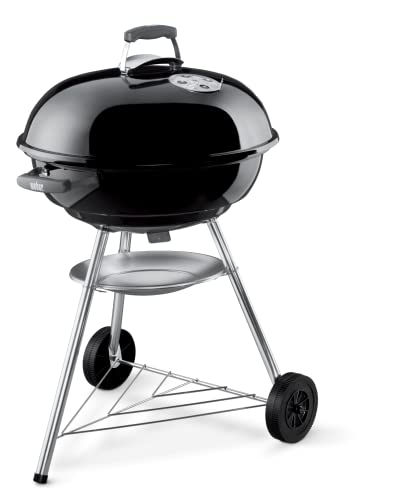
A kamado grill cover protects a ceramic cooker from rain, sun and dirt, which helps hardware, felt gaskets and metal parts last longer. A good cover fits the egg-shaped body, stays put in wind and lets moisture escape.
The six covers below mix brand-matched options and universal heavy-duty covers. We have not used these products ourselves, and fit depends on the exact grill model, so confirm the size and compatibility on the current listing before buying.
As an Amazon Associate we earn from qualifying purchases. Links below are affiliate links, and they do not change the product information we give.
What to Look For
| Feature | Why it matters |
|---|---|
| Fit | Match the cover to your grill size and whether it has a cart or side shelves |
| Material | Water-resistant fabrics with a UV coating handle sun and rain |
| Venting | Vents or breathable panels help reduce trapped moisture |
| Straps | Buckles or drawstrings keep the cover in place in wind |
| Care | A cover that wipes clean saves effort |
In this guide
Specs at a Glance
| Cover | Fits | Material | Notes |
|---|---|---|---|
| Kamado Joe Classic Cover | Kamado Joe Classic | Fabric | Brand-matched fit |
| Kamado Joe Big Joe Cover | Kamado Joe Big Joe | Fabric | Larger size class |
| Big Green Egg Large Cover | Big Green Egg Large | Fabric | Brand-matched fit |
| Char-Griller Akorn Cover | Char-Griller Akorn | Fabric | Brand-matched fit |
| Unicook Kamado Cover | Multiple kamado sizes | Heavy-duty fabric | Check size chart |
| Stanbroil Kamado Cover | Multiple kamado sizes | Weather-resistant fabric | Check size chart |
The 6 Best Kamado Grill Covers

Top pickBest for classic Joe owners
1. Kamado Joe Classic Joe Grill Cover
A cover made for the Kamado Joe Classic series, sold by the grill maker. Cart and shelf designs differ across Classic models, so check the compatibility note on the listing, especially if your grill sits on a cart with shelves.
Suits: Classic Joe owners. Strengths: a brand-matched shape. Weaknesses: limited use with other grills. Skip it if you own a different brand.


Best for big Joe owners
2. Kamado Joe Big Joe Grill Cover
A cover sized for the larger Kamado Joe Big Joe series. The Big Joe is much bigger than the Classic, so confirm the cover is listed for your grill, since the shape and height differ a lot.
Suits: Big Joe owners. Strengths: a size-specific fit. Weaknesses: too large for smaller grills. Skip it if you own the Classic size.


Best for large EGG owners
3. Big Green Egg Large EGG Cover
A cover designed for the Large Big Green Egg in its nest or table setup. Other sizes are sold separately, so confirm the model on the page, and check whether it fits a nest or a table.
Suits: Large EGG owners. Strengths: a fit made for the EGG. Weaknesses: it is size specific. Skip it if you have another size.


Best for akorn owners
4. Char-Griller Akorn Grill Cover
A cover sold for the Char-Griller Akorn kamado-style cooker. Fit can vary between the Akorn and the Akorn Jr, so check which one the listing covers and what the cart adds to the width.
Suits: Akorn owners. Strengths: a matched shape. Weaknesses: different from Jr size. Skip it if you own another brand.

Best for owners of mixed-brand grills
5. Unicook Heavy Duty Kamado Grill Cover
A heavy-duty waterproof cover from Unicook sold in several sizes for round and egg-shaped grills. Use the size chart to match your grill before ordering, and measure the grill with the lid closed.
Suits: owners of mixed-brand grills. Strengths: size choices and weather coverage. Weaknesses: needs careful measuring. Skip it if you want a brand-made cover.
View Unicook Kamado Cover on Amazon
Best for outdoor storage
6. Stanbroil Kamado Grill Cover
A weather-resistant cover from Stanbroil, a maker of grill accessories, offered in sizes for kamado grills. Check the listing for the size options, the straps and any vents.
Suits: outdoor storage. Strengths: a simple fit and coverage. Weaknesses: fit varies by size. Skip it if you need an exact brand match.
View Stanbroil Kamado Cover on Amazon
Care and Setup
- Let the grill cool fully before covering it.
- Brush off dirt and leaves before putting the cover on.
- Dry the cover completely before folding.
- Check the straps and vents once a season.
- Store the cover indoors in a dry place in heavy storms.
Mistakes to Avoid
- Ordering by brand name without checking the size.
- Covering a hot grill.
- Ignoring cart and shelf dimensions.
- Using a cover without vents in wet climates.
- Leaving the cover loose in windy spots.
Measuring a Kamado for a Proper Fit
A cover that does not fit is either a flapping nuisance or a tight, strained fabric that tears. Begin with the facts about your grill. Note the brand and model, the size class and whether it sits in a cart, a nest or a table. Then measure the height from the ground to the top of the handle or vent, the widest diameter of the body and the width including side shelves if they are fixed.
Write down whether the shelves fold down, since covers that fit shelves up may differ from those made for shelves down. Check the cover’s listed dimensions rather than relying on a size name, because sizes vary across makers. Leave a little room so the cover can slip on and off over the vent and hinge.
- Measure height, diameter and total width with shelves in their usual position.
- Include any chimney cap, thermometer or add-on that sticks out.
- Compare against the listing’s stated dimensions and compatibility notes.
If your measurements fall between sizes, think about whether you prefer a snug fit that resists wind or a looser one that is easier to put on. Check the listing for the seller’s return policy in case the fit is off.
Fabric Layers, Coatings and UV Protection
The fabric of a cover determines how long it lasts outdoors. Heavy polyester and similar fabrics are common, often with a coating on the underside to repel water. Terms such as waterproof, water-resistant and weatherproof are used loosely, so read the description to see what the maker claims. A cover that blocks rain but traps moisture underneath can cause rust or mold, which is why breathability matters.
Sun is as damaging as rain. Ultraviolet light breaks down fabrics and coatings, causing them to crack and fade. A UV-resistant treatment helps, though results depend on the material and the climate. Lighter colors may reflect more heat, but dark colors may hide stains. Consider your local weather, including strong sun, heavy rain, snow or wind.
Stitching and seams are weak points. Double stitching or taped seams can help keep water out and make the cover last longer. Check for reinforced corners, an elastic hem and a handle that allows you to lift the cover. A thicker fabric may feel stiffer and harder to fold, so think about how often you will handle it. Brand-matched covers often follow the shape of the grill, while universal covers may be more generic.
Keeping the Cover Secure in Wind
A cover that blows off does no good, and a flapping cover can also scratch the grill or fly into the yard. Look for features that hold the cover in place. Adjustable straps with buckles pull the fabric snug around the body. Drawstrings or elastic hems tighten the bottom edge, and some covers have grommets to attach cords or clips.
Vents help wind pass through the fabric instead of lifting it like a sail. Placement matters, and vents should be shielded so rain does not enter. If your grill sits in an exposed spot, a snug fit and a strap that goes under the cart or between legs is especially useful.
You can also reduce wind problems by choosing a sheltered location, using a heavier fabric and storing the cover when winds are forecast. Check that the cover does not rub on rough surfaces, which wears the fabric. Pay attention to how the cover sits on the ground. A hem that touches wet soil can wick moisture upward, so a slightly higher hem or a cart with wheels may be better.
Using a Cover Around Heat and Moisture
Never place a cover on a hot grill. Fabric and coatings can melt, and trapped heat can damage the cover and create a safety hazard. Wait until the kamado has cooled fully, which can take considerable time because ceramic holds heat. Check by touching the surface carefully or using a thermometer before covering.
Moisture is a bigger problem than many owners expect. A ceramic body is durable, but metal bands, hinges and the felt gasket can suffer from damp. Covering a wet grill traps moisture and encourages rust and mold. Let the grill dry after rain, and shake or wipe water off the cover before putting it on.
Vented covers allow air exchange, which reduces condensation. Some owners keep the top vent partly open under the cover as the manual allows, but follow the grill maker’s guidance. In humid climates, check inside the grill periodically for mildew and clean it as needed. Remove ash before covering, because ash absorbs moisture and can corrode metal. A dry grill under a dry cover lasts longest.
Cleaning, Storing and Replacing the Cover
A cover needs care to last. Brush off leaves and dirt and rinse off bird droppings promptly. For deeper cleaning, use mild soap and water, and check the care label, since harsh detergents can damage waterproof coatings. Let the cover dry completely, ideally hung in the shade, before storing or putting it back on the grill.
When not in use, such as in the off-season or during storms, fold the cover and store it in a dry place. Avoid folding it while wet, which can cause mildew and odors. If it has a storage bag, use it. Store the cover away from rodents and sharp objects that might tear it.
Know when to replace the cover. Signs include cracked or peeling coating, faded and brittle fabric, torn seams, broken buckles and visible leaks. A worn cover may still keep dust off, but it will not protect the grill during heavy rain. Replacing it before it fails protects metal parts and the felt gasket. When you replace, use your earlier experience to choose a better fit, stronger straps or a more suitable fabric for your climate.
Measuring Your Kamado Grill for a Cover
A cover only protects well if it fits, and kamado grills have shapes that confuse a quick look at a size label. The body is round, but many models sit in a cart with shelves, handles and a tall chimney vent, and each of these adds to the dimensions a cover must handle. Measure carefully before you choose.
| Measurement | How to take it | Why it matters |
|---|---|---|
| Overall height | Ground to the top of the vent cap, with the lid closed | The cover must clear the highest point |
| Widest diameter | Across the widest part, including the handle or hinge | The cover must fit around the bulge |
| Cart width | Side to side including shelves, folded or extended | Side shelves change the fit |
| Depth | Front to back of the cart or base | Matters for covers with a fitted shape |
Write these down and compare them with the dimensions on each cover listing. If your numbers fall between sizes, choose the larger one, but avoid a cover so large that it flaps in the wind.
Fabric, Seams and Weather Resistance in Plain Words
The material and the construction of a cover decide how long it lasts. Look for a heavy woven fabric with a coating on the outer face, and check how the seams are finished. Taped or sealed seams resist moisture better than plain stitching. Description words such as water-resistant and waterproof are used loosely, so read the details to see how the maker defines them.
- Fabric weight or denier, where listed, gives an idea of thickness.
- UV protection helps if the grill sits in direct sun.
- A lining or soft inner surface helps protect finishes from scratches.
- Vents let moisture escape, reducing the chance of mildew.
- Drawstrings, buckles or straps help hold the cover in wind.
No cover can stop every kind of weather damage, so use common sense. In harsh winters or storms, consider moving the grill to a sheltered spot.
Cooling Down Before Covering
Never cover a hot grill. A kamado holds heat for a long time, and a cover placed over hot ceramic or metal can melt, discolor or become a fire hazard. Close the vents, let the grill cool fully according to the maker instructions, and remove any ash or leftover charcoal as the manual advises before you cover it.
Check that the surface is dry too. Trapped moisture under a cover encourages rust, mold and unpleasant smells. If the grill is wet from rain, wipe it down and let it air dry first. Make this part of your closing routine every time you cook, and your grill will stay in better condition.
Wind, Straps and Keeping the Cover in Place
Wind is the enemy of a loose cover. A cover that flaps can wear at the seams, scratch the finish, or blow away. Look for covers with adjustable hem cords, buckles that fasten under the cart, or elastic edges. If your cover has no such features, a few simple add-ons such as bungee cords or clips can help, provided they do not damage the fabric or the grill.
Place the grill where it is partly shielded, such as against a wall or under an overhang, but keep it well away from flammable surfaces and follow the safety clearances from the maker. Check the cover now and then in windy seasons to make sure it is still secure and seated correctly.
Cleaning, Drying and Storing the Cover Itself
A cover that is dirty can pass grime back to your grill. Brush off leaves and debris, and wipe the cover with a mild soap solution and a soft cloth when it needs cleaning. Rinse and let it dry fully before putting it back. Avoid machine washing or strong cleaners unless the care label allows it.
When you do not use the grill for a long time, such as in the off season, store the cover in a dry spot and cover the grill with a breathable alternative, if possible. Inspect the cover for tears, worn seams and faded fabric once a year, and replace it before it fails.
When to Choose the Maker Cover and When Not To
Some grill makers sell covers designed for their models, which can offer a precise fit. Third-party covers cover a range of shapes and sizes at varied quality. Weigh the fit, the fabric and the warranty rather than relying on a brand name alone. If your grill has unusual accessories, such as a rotisserie or a side table, check whether the cover accommodates them.
Seasonal Storage and Winter Habits
If you stop grilling during the coldest months, a little preparation helps the grill survive until spring. Clean the grates and remove ash and food residue, since leftover scraps attract pests and moisture. Check the gasket and hinge hardware, and follow the maker advice on storing the ceramic body. Heavy ceramic can crack if water gets in and freezes, so keep the vents closed and the lid covered when the grill is not used.
Brush snow off the cover rather than letting it build up, and lift the cover now and then to check for damp. If you have a garage or shed that is dry and safe, ask the maker whether moving the grill indoors is recommended, and follow guidance on fuel and ventilation. Never store a grill with hot coals or in an enclosed space with fuel.
A Quick Pre-Purchase Checklist for Covers
- Write down your height, width and cart measurements.
- Compare the numbers with the dimensions on the listing, not just the size name.
- Check the fabric description and the seam finish.
- Look for vents, straps and hem cords.
- Check whether the cover covers the side shelves and the lower cart.
- Read the care instructions and the warranty terms.
A short list like this keeps you from choosing a cover on color or appearance alone. The best cover is the one that fits well, resists your local weather and takes seconds to put on, so that you actually use it every time you cook.
Choosing Kamado grill covers: The Criteria That Matter Most in Daily Use
Listings for kamado grill covers tend to lead with headline features, but the details that decide whether you stay happy with a purchase are usually quieter ones. Start with fit. Measure the space where the product will live, including the room needed to open doors, lift lids, pull out parts, or stand in front of it comfortably, and compare those measurements with the dimensions on the listing before anything else. A model that looks perfect on a product page can become a daily irritation if it crowds a walkway, blocks a cabinet, or leaves no sensible place for the accessories you use with it.
Next, think honestly about capacity and workload. Households tend to buy for the biggest gathering they can imagine rather than the meals and routines they repeat every week, and that mismatch cuts both ways. Too small, and you end up working in batches, reheating, or improvising workarounds that erase the convenience you paid for. Too large, and you give up storage, counter room, or yard space to a product that runs half empty most of the time and takes longer to clean. The right size for kamado grill covers is the one that handles your ordinary week with a little headroom, not the one built for a once-a-year event.
Materials and construction deserve a slower look than they usually get. Where listings describe the body, finish, hinges, handles, seals, or cooking and contact surfaces, read those notes as clues about cleaning and longevity rather than as decoration. Surfaces you touch every day should wipe down easily and tolerate the cleaners you already own. Parts that move, fold, latch, or bear weight should feel like the maker’s priority, because those are the points that loosen, stain, or wear first. If a listing is vague about a part you know you will handle constantly, treat that vagueness as information and compare it with a listing that explains the same part clearly.
Controls and everyday ergonomics matter just as much. Ask yourself how the product behaves in imperfect real conditions: wet or greasy hands, low light, a crowded room, a rushed weeknight. Controls you can understand at a glance, markings you can read without leaning in, and parts that go back together in only one obvious way all reduce small mistakes. For kamado grill covers, the best choice is rarely the one with the longest feature list. It is the one whose way of working matches your habits so closely that using it correctly feels like the path of least resistance.
Kamado grill covers in Real Life: Four Situations Worth Picturing Before You Buy
Picture an ordinary weeknight first. You are tired, time is short, and the product has to earn its place without a long setup ritual or a complicated cleanup afterward. In that moment, the qualities that matter are fast readiness, predictable results, and parts that can be dealt with in a few minutes at the sink or with a cloth. When you compare the picks in this guide, ask which one you would still choose on your most tired evening, because that answer usually predicts long-term satisfaction better than any feature comparison made in a relaxed weekend mood.
Now picture the bigger occasion: guests, a family gathering, or a weekend project where the product runs longer, gets used back to back, or has to handle more than usual. This is where headroom, stability, and heat or airflow management show their value. A model that is perfectly adequate for two people can feel stretched when the pace picks up and there is no pause between rounds. You do not need to buy purely for this scenario, but it is worth knowing which pick in the list gives you the most graceful step up when the workload grows, and which one is really a smaller-scale specialist.
A third situation is the small or shared space: a compact kitchen, a narrow patio, an apartment balcony, or a room that has to serve several purposes. Here, footprint, storage, noise, and how the product behaves around other people matter as much as raw performance. Think about where it will sit when it is not in use, whether it can be moved by one person, and how much clearance it needs around it to work safely and comfortably. Many returns and regrets with kamado grill covers come not from poor quality but from a product that never had a natural home in the space it was bought for.
Finally, picture the routine a few months from now, when the novelty has worn off. The filters, seals, trays, grates, baskets, or surfaces that needed attention will have needed it several times. The storage spot you chose will have been used dozens of times. The shortcut you discovered will have become your habit. Buying well means choosing the model whose maintenance rhythm and everyday handling you can live with on that ordinary future day, not just the one that excites you on delivery day. A product that stays pleasant to live with is the one that keeps getting used, and regular use is what turns a purchase into value.
Setup and First Use: Getting Kamado grill covers Off to a Good Start
When your choice arrives, resist the urge to put it straight to work. Unpack it where you have room to lay everything out, check each part against the maker’s parts list, and look over seams, edges, and fittings before anything gets hot, wet, plugged in, or filled. Small shipping damage and missing accessories are far easier to sort out before first use than after. Keep the packaging until you have run the product once and confirmed that everything works as described, and photograph the unboxing if anything looks questionable, so you have a clear record if you need to contact the seller.
Placement is the next decision, and it deserves more care than it usually gets. Follow the maker’s guidance on clearance, ventilation, level surfaces, and distance from walls, curtains, cabinets, or other heat and moisture sources, because those instructions are written around how the product actually behaves. Check that cords, hoses, vents, or doors can move the way they need to without being pinched or forced. If the product will live somewhere different from where it is used, walk that route once with your hands full in mind, and make sure the move is realistic rather than a chore you will start avoiding.
Most kamado grill covers benefit from a gentle first run before you rely on them for an important meal or occasion. Read the manual’s first-use steps, wash or wipe the parts the maker says to prepare, and run the product through a simple, low-stakes task so you can learn its sounds, smells, timing, and handling without pressure. This is also the moment to note the small things: how the display or markings read in your light, how parts align when you reassemble them, and where drips, steam, crumbs, or ash tend to collect in your particular setup. Ten unhurried minutes now prevent most first-week frustrations.
Keep a simple note of what works during your first few uses: settings you chose, quantities, timing, and the result. It sounds old-fashioned, but a short record on your phone turns guesswork into a pattern surprisingly quickly, especially with products where small adjustments change the outcome. Within a few sessions you will know your own defaults instead of relearning them each time. You will also have a useful baseline if performance ever changes later, because you can compare what the product does now with what it did when it was new and working exactly as expected.
Cleaning, Care and Storage for Kamado grill covers
Regular light cleaning beats occasional heroic cleaning with almost every product in this category. After each use, once things have cooled or settled as the maker directs, remove loose residue, wipe the surfaces that collected splashes or dust, and let parts dry fully before you close, cover, or put anything away. Trapped moisture is a quiet cause of odors, staining, and corrosion, and it usually comes from storing a product that looked dry on the outside while seams, seals, and undersides were still damp. A few extra minutes of air drying protects both hygiene and finish.
Schedule a deeper clean around how often you actually use the product rather than by the calendar alone. Heavy users may need to descale, degrease, empty, brush out, or wash removable parts far more often than occasional users, and the maker’s manual is the right guide for which cleaners and tools are safe. Avoid abrasive pads, harsh chemicals, or soaking any part the maker does not clearly describe as washable, and never use water around electrical parts beyond what the instructions allow. When in doubt, a soft cloth, warm water, and patience will handle most jobs without risking the finish or the seals.
Storage is part of care, not an afterthought. Keep kamado grill covers in a dry place where air can circulate, with cords loosely coiled rather than tightly wound, small accessories kept together so they are not lost, and covers or cases used only on a clean, fully dry product. If the product lives outdoors or in a garage, check it after long gaps: look for pests, dust buildup, stiff or cracked seals, and anything that has shifted since you last used it. A quick inspection before a busy cooking day is far better than discovering a problem with guests already on their way.
Learn the early signs that something needs attention. New noises, slower performance, uneven results, lingering odors, loose fittings, or controls that feel different from before are all messages, and they are cheapest to act on early. Start with the simple checks the manual lists: correct assembly, clean filters or vents where fitted, clear passages, and parts seated properly. Many apparent faults are really maintenance asking to be done. If a problem persists after those checks, contact the maker with your notes about when it started and what changed, because that detail helps support teams help you faster.
How the Picks Above Compare When You Live With Them
The picks in this guide are not ranked by a single score, because the differences that matter most only appear in use. Take Kamado Joe Classic Joe Grill Cover and Kamado Joe Big Joe Grill Cover, the first two options above. On paper they may look close, but the descriptions point to different priorities: one leans toward buyers who want the most established or fully featured route, while the other suits people who prefer a simpler or more focused tool for the same job. Neither reading is wrong. The useful question is which set of strengths you will actually exercise every week, and which weaknesses you are genuinely willing to live with rather than hoping you will not notice.
Move down the list and the pattern continues. Big Green Egg Large EGG Cover makes its case in the guide through a particular strength described in its section above, and that strength matters most if your cooking or routine regularly creates the situation it is built for. Char-Griller Akorn Grill Cover, by contrast, is the kind of pick whose appeal grows on buyers who value straightforward day-to-day handling over standout features. When two descriptions sound similar, reread the suits and skip-it notes in each section: those short lines are the most honest summary in the whole guide of who each product is really for.
If your shortlist includes Unicook Heavy Duty Kamado Grill Cover or Stanbroil Kamado Grill Cover, compare them on ownership rather than on first impressions. Think about the size of load each will usually carry in your home, the space each needs, and how much cleaning each design implies after a typical session. A pick that looks like the exciting option today can become the one you avoid if its upkeep does not fit your routine, while a plainer pick that is quick to clean and easy to store quietly becomes the household favorite. The guide’s per-product notes on strengths and limitations are written to help exactly this comparison, so weigh them more heavily than the order the products happen to appear in.
A practical way to decide is to score your own priorities before you look at the list again. Write down your top three: perhaps capacity, easy cleaning, compact storage, simple controls, or suitability for a particular kind of cooking. Then read only the sections of the two or three picks that match those priorities and see which description sounds most like your household. Buyers who decide this way rarely regret the choice, because the product was selected against their real life rather than against an abstract idea of the best. If two picks still tie, choose the one whose everyday handling you prefer, since you will repeat that handling hundreds of times.
Buying Mistakes That Lead to Returns and Regrets
The most common mistake with kamado grill covers is measuring once, casually, or not at all. Doorways, counter depth, cabinet height, patio gates, and storage cupboards all have a say in whether a product works in your home, and listings cannot know any of them. Measure the space, measure the route the product takes to reach it, and leave honest clearance rather than planning for a perfect squeeze. The second most common mistake is buying for features instead of habits: paying for capacity, programs, or accessories that sound appealing in a listing and then go untouched for the life of the product.
A third mistake is ignoring the unglamorous requirements. Some products in this category need ventilation, a particular kind of outlet or fuel, a level surface, drainage, headroom, or a safe distance from things that heat, steam, or splashes can damage. These requirements are in the manual and usually hinted at in the listing, but they are easy to skim past when you are focused on the headline features. Check them before you order, not while the box is open on your floor. Discovering a basic mismatch after delivery turns a good product into a bad purchase through no fault of its own.
- Skipping the manual’s setup and first-use steps, then judging the product on a poor first result.
- Choosing by headline features alone instead of by cleaning, storage, and daily handling.
- Forgetting to check what is included in the box, and assuming accessories from photos are standard.
- Placing the product somewhere convenient rather than somewhere that meets its clearance and ventilation needs.
- Waiting until a special occasion to use a new product for the first time.
None of these mistakes is about intelligence; they are about pace. Listings are designed to move you quickly, while good ownership decisions are made slowly, with a tape measure, the manual, and an honest picture of your own routine. Give this purchase that slower half hour. With kamado grill covers, the difference between a product you recommend to friends and one you quietly stop using is almost always decided before the order is placed, in the fit between the product and the life it is about to join.
Living With Kamado grill covers Over the Long Term
Ownership changes character after the first few months. Routines settle, shortcuts appear, and you learn which of the product’s qualities you lean on and which you barely touch. That knowledge is useful beyond this one purchase: it tells you what to prioritize if you ever replace or add to what you own, and it helps you advise friends honestly instead of repeating listing language. If a feature you paid for has gone unused all season, note it without regret and let it sharpen the next decision rather than souring this one.
Seasons also change what you ask of kamado grill covers. Heavy-use periods reward the preparation habits described earlier in this guide: a clean, inspected, correctly placed product at the start of a busy stretch prevents most mid-season problems. Quieter periods are the right time for the deeper clean, the accessory sort-out, and the honest check of seals, fittings, and surfaces while there is no pressure to use the product that day. Treating the off-season as maintenance time, rather than forgetting the product entirely, is one of the simplest ways owners extend useful life without spending anything.
Finally, keep the paperwork and your own notes together: the manual, proof of purchase, and the short record of settings and routines that worked for you. If you ever contact the maker, sell the product on, or hand it to someone else in the household, that small bundle answers most questions immediately. Good ownership of kamado grill covers is mostly this kind of quiet administration: nothing dramatic, just a product that is ready when you reach for it, season after season, because someone paid attention at the unglamorous moments.
Kamado Grill Cover FAQ
Do I need a cover for a ceramic grill?
Ceramic is tough, but metal parts, the gasket and the hinge benefit from protection.
Are universal covers good enough?
They can work well if the size matches. Brand-made covers tend to fit more exactly.
Will a cover fit with a side table?
Only if the cover is designed for your cart layout. Check the listing dimensions.
How do I stop wind from blowing the cover off?
Use the straps or buckles and choose a cover sized snugly.
Do I need a cover if my kamado is ceramic?
The ceramic body is sturdy, but metal bands, hinges, vents and gaskets can be damaged by moisture and sun. A cover helps protect these parts and keeps the grill clean.
What does breathable mean for a cover?
It means the fabric or vents allow some air and moisture to escape, so condensation does not build up underneath. It helps reduce rust and mildew. Check the listing for how the maker describes it.
Can I use a universal cover instead of a brand-made one?
Often yes, if the dimensions match your grill. Use the size chart, measure your grill carefully and check the return policy in case the fit is off.
How do I stop a cover from fading?
A UV-resistant fabric helps, but all covers age in strong sun. Keep the cover clean, store it during off-seasons and replace it when it becomes brittle.
Should the grill vent stay open under the cover?
Follow your grill's manual. Some makers suggest leaving vents slightly open to let air circulate, while others prefer them closed. Make sure the grill is cool and dry first.
Can I wash the cover in a washing machine?
Check the care label. Many covers are best cleaned by hand with mild soap, since machines and strong detergents can damage the coating.
More Questions About Kamado grill covers
How long should kamado grill covers last with normal home use?
Longevity depends far more on care and frequency of use than on any single feature. Products in this category that are cleaned regularly, stored dry, and used within the maker’s guidance generally serve a household for many seasons, while neglected seals, vents, and surfaces shorten that life considerably. Follow the manual’s maintenance schedule, deal with small issues early, and check the listing and maker’s pages for the current warranty terms, since those details can change and are the authoritative source if you ever need support.
What should I check first if results are disappointing?
Start with setup rather than assuming the product is at fault. Confirm that everything is assembled and seated as the manual describes, that vents, filters, or passages are clean, and that placement gives the product the clearance it needs. Then repeat a simple task you know well, changing only one variable at a time, and note the result. Many disappointing first results trace back to a rushed first use, an overloaded load, or a skipped preparation step, and they improve quickly once the routine settles.
Are accessories and replacement parts easy to get?
It varies by maker, so check before you buy if accessories matter to you. Established brands usually list compatible accessories and common replacement parts on their own pages, while lesser-known models may rely on generic alternatives. Look at what is included in the box as described on the listing, note which extras the photos show that are sold separately, and factor the accessories you genuinely need into your comparison rather than discovering the extra purchases after delivery.
Can I use kamado grill covers in a small home or apartment?
Often yes, provided you choose with the space in mind. Measure carefully, consider where the product will be stored as well as where it will be used, and pay attention to noise, steam, heat, or odors if you share walls or live in an open-plan layout. Smaller or simpler picks in this guide may suit compact homes better than the largest options. Also check any building or lease rules that apply to the kind of product you are considering, since those rules, not the product itself, occasionally decide the question.
What is the best way to clean kamado grill covers after a messy session?
Let everything cool or settle as the maker directs, remove loose residue first, then wash or wipe parts in the order the manual recommends, working from the least soiled areas to the dirtiest. Use only cleaners and tools the maker approves for the surfaces involved, rinse or wipe away cleaner residue, and dry every part fully before reassembly or storage. If a stain or odor survives a normal clean, repeat a gentle clean rather than reaching for something abrasive that could damage the finish and make the next mess stick harder.
How do I decide between two very similar picks in this guide?
Reread the two sections and list the differences that would still matter after a month of ownership: size in your space, how each is cleaned, how each is stored, and the specific strength each description claims. Ignore differences you would only notice on the first day. Then choose based on your most common routine rather than your most ambitious one. If the tie persists, the pick whose handling, controls, or upkeep sounds simpler in its description is usually the one that gets used more, and used more is what makes it the better buy.
The Short Version
For a brand-matched Classic cover, the Kamado Joe Classic Cover. For a larger Big Joe cover, the Kamado Joe Big Joe Cover. For a brand-matched EGG cover, the Big Green Egg Large Cover. For an Akorn-specific cover, the Char-Griller Akorn Cover. For a heavy-duty universal cover, the Unicook Kamado Cover. For a weather-resistant universal cover, the Stanbroil Kamado Cover.