A countertop ice maker plugs into a normal outlet, draws water from a reservoir and drops fresh ice into a basket in under fifteen minutes. There is no plumbing or installation, which makes it a practical answer for apartments, RVs, parties and kitchens with a small freezer. Because the machine makes ice as you need it, you also skip the habit of emptying and refilling trays every morning.
The six machines below are well-known portable models from established and popular brands. We have not used these products ourselves, so confirm the ice shape, daily output, reservoir size and cleaning features on the current listing before buying. Allow ventilation space, since the compressor needs airflow, and plan a spot near an outlet with room to lift the lid for refills.
As an Amazon Associate we earn from qualifying purchases. Links below are affiliate links, and they do not change the product information we give.
What to Look For
| Feature | Why it matters |
|---|---|
| Ice shape | Bullet ice is quick and common; nugget ice is softer and chewable |
| Daily output | Higher output suits entertaining; lower output suits a household |
| Reservoir | A larger tank means fewer refills during a party |
| Self-cleaning | A cleaning cycle simplifies upkeep and limits odors |
| Noise | Compressors and falling ice make sound, so consider the room |
In this guide
Specs at a Glance
| Machine | Ice type | Standout feature | Notes |
|---|---|---|---|
| Frigidaire EFIC189 | Bullet ice | Self-cleaning function | Compact; check the listing for output |
| Igloo ICEB26HNBK | Bullet ice | Small footprint | Check the listing for size |
| Euhomy countertop ice maker | Bullet ice | Fast ice in minutes | Check the model on the listing |
| hOmeLabs portable ice maker | Bullet ice | Handle for carrying | Check the model on the listing |
| Magic Chef MCIM22 | Bullet ice | Simple controls | Compact size |
| Ecozy countertop ice maker | Bullet ice | Quick start | Check the listing for output |
The 6 Best Countertop Ice Makers
Top pickBest for everyday home use
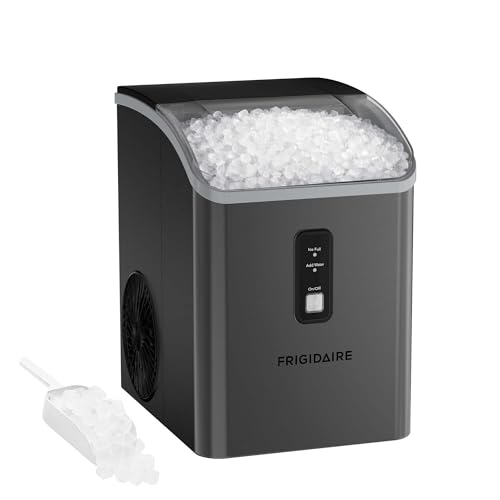
1. Frigidaire EFIC189 Countertop Ice Maker
A compact Frigidaire machine that makes bullet-shaped ice and includes a self-cleaning function. It is a common recommendation for people who want a trusted appliance name on the counter, and the basket and scoop are easy to remove for washing.
Suits: everyday home use. Strengths: a known brand and self-cleaning feature. Weaknesses: the basket holds a limited amount. Skip it if you need large amounts for a party.
View Frigidaire EFIC189 Countertop Ice Maker on Amazon
Best for small spaces
2. Igloo ICEB26HNBK Countertop Ice Maker
A small Igloo ice maker designed for tight counters, with a basket that fills as ice drops. Igloo has long made coolers and portable cooling gear, so the design leans practical, with a basket that is easy to reach and a lid that lifts out of the way.
Suits: small spaces. Strengths: a compact size and a familiar name. Weaknesses: a smaller reservoir. Skip it if you want nugget ice.
View Igloo ICEB26HNBK Countertop Ice Maker on Amazon
Best for freezer-light households
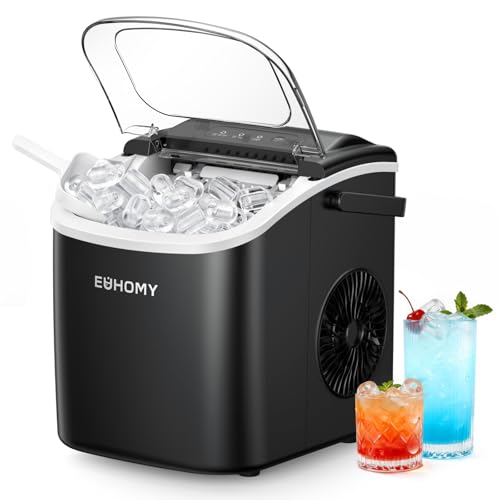
3. Euhomy Countertop Ice Maker
A popular countertop bullet ice machine that makes its first batch of ice in minutes. It is aimed at households that want a steady supply without freezer trays, and it works well for parties when you refill the tank between batches.
Suits: freezer-light households. Strengths: fast batches and a simple operation. Weaknesses: noise during production. Skip it if you want an established appliance maker.

Best for rVs, patios and small kitchens
4. hOmeLabs Portable Ice Maker
A portable ice maker with a carrying handle and a front-facing basket. It suits kitchens, RV trips and patios where an outlet is available.
Suits: RVs, patios and small kitchens. Strengths: portability and easy access. Weaknesses: water must be refilled by hand. Skip it if you want a plumbed unit.

Best for dorms and offices
5. Magic Chef MCIM22 Portable Ice Maker
A simple Magic Chef portable ice maker with straightforward controls. It is built for dorms, offices and small kitchens where a basic machine is enough.
Suits: dorms and offices. Strengths: simple controls and a small size. Weaknesses: fewer extras than premium models. Skip it if you want a self-cleaning feature.
View Magic Chef MCIM22 Portable Ice Maker on Amazon

Best for drinks and gatherings
6. Ecozy Countertop Ice Maker
A compact countertop ice maker that starts producing bullet ice quickly after a short startup. It is aimed at buyers who want fast ice for drinks.
Suits: drinks and gatherings. Strengths: quick startup. Weaknesses: check size and output on the listing. Skip it if you want a premium brand.

Care and Setup
- Empty the reservoir if the machine will sit unused.
- Clean the interior and basket on the maker’s schedule.
- Use fresh water each time you fill the tank.
- Leave a few inches of clearance for airflow.
- Wipe the exterior with a damp cloth, and let the lid stay open briefly after cleaning so the interior dries.
Mistakes to Avoid
- Using the machine in a spot with no ventilation.
- Leaving old ice in the basket for days.
- Overfilling the reservoir above the line.
- Ignoring the cleaning cycle.
- Expecting the basket to stay frozen without power, since melted ice drains back into the reservoir.
Bullet Ice and What It Is Good For
Countertop machines like the ones in this guide produce bullet-shaped ice, sometimes called bullet or cylinder ice. It forms when a metal prong chills in water and a layer of ice builds up around it, then the prong warms briefly so the ice drops into a basket. The pieces are usually small, hollow or partly hollow, and a little cloudy, with a slightly rounded shape.
This shape works well for cold drinks because it fits in glasses and bottles, chills quickly and is easy to scoop. It also suits party use, since you can fill pitchers and coolers with a steady supply. The hollow center means the pieces melt faster than solid, dense cubes, so drinks cool quickly but ice may not last as long in a warm glass. If you want ice that lasts a long time in a drink, you may notice the difference.
Bullet ice is different from nugget ice, which is softer and chewable, and from clear cubes. Nugget machines make a softer, chewable ice, so check what type a listing describes before ordering. Do not expect bullet ice to be crystal clear, as the freezing method traps tiny air bubbles. For cocktails that rely on large clear cubes, a different method is used. For everyday drinks, smoothies, coolers and camping trips, bullet ice does the job and arrives quickly after you press the button.
Output Expectations and Realistic Planning
Daily output figures can sound generous, but they represent what a machine can produce over a full day of continuous operation under ideal conditions, not what sits in the basket at any moment. The basket holds only a limited amount, and in many machines the ice must be removed to make room for the next batch. If you let it fill, the machine stops making ice. So the number that matters for a party is how much ice you can collect over several hours with someone emptying the basket.
Plan ahead for an event. Start the machine several hours before guests arrive, and transfer the ice to a cooler or a freezer bag as it is made. Ice stored in the machine’s basket melts, because the basket is not a freezer, and the water drains back into the reservoir to be reused. A freezer or an insulated cooler is the place to build up a stockpile.
Room temperature affects output. A hot kitchen or poor ventilation makes the machine work harder and may reduce production. Water temperature matters too; starting with cool water can help. Listings give output figures from the maker, and real results vary with conditions. If you know you will need a certain amount of ice for gatherings, consider that a countertop machine may not match a freezer full of bagged ice, so plan for supplementing. For daily household use, such as filling drinks and lunch coolers, countertop output is often more than enough. Compare the listed numbers carefully, and check whether they refer to a day, an hour or a batch.
Water Quality, Descaling and Hygiene
Ice machines recirculate water, so water quality has a direct effect on the ice and the machine. Minerals in hard water leave scale on the prongs and in the reservoir, which can slow production, make the machine noisier and affect taste. Filtered or softened water can reduce scale, but check the manual, since some makers have specific instructions about water type.
Replace the water regularly. Leaving stagnant water in the reservoir for days can encourage slime or bacteria, and ice made from it may taste off. Empty the reservoir if the machine will sit unused, dry the interior and leave the lid slightly open. Wash the basket and scoop with mild soap and warm water, rinse thoroughly and dry. Some machines have a self-cleaning cycle, which uses water and, in some cases, a cleaning solution recommended by the maker.
Descaling intervals depend on your water and how often you use the machine. Use a descaler or solution the maker approves, such as a diluted vinegar or citric acid mix, and follow the steps, including rinsing the machine several times so no residue is left. Do not use harsh chemicals unless the maker says so. Wipe the exterior with a soft damp cloth, and clean the air vents so dust does not build up. Discard old ice before it develops off-flavors or freezer burn. If you notice discoloration, a musty smell or slimy surfaces, clean the machine thoroughly before using it again.
Placement, Noise and Ventilation
Where you place the machine affects how well it works and how pleasant it is to live with. The compressor needs airflow to shed heat, so leave a few inches of clearance on the sides and back, as the manual advises. Do not place it in a tight cabinet, next to a stove or in direct sunlight. A stable, level, heat-resistant counter near an outlet is the right choice. Make sure the lid can open fully, and that you can reach the water reservoir for refills.
Noise is part of the package. Ice machines produce a hum from the compressor and pump, gurgling from water and a clatter when ice drops into the basket. Machines in an open-plan home or a small apartment will be heard. Consider where you sleep and work. A soft mat under the machine can reduce vibration noise on hard counters. Some people place the machine in a kitchen corner or on a sturdy cart in a utility area.
Think about where you will drain or empty it. Many countertop models have a drain plug or a drain hole, and you will need a sink or a pan to catch water. Carrying a full reservoir can be awkward, so leave a path. If you will move the machine often, check the weight and the presence of a handle. Keep it away from the edge of the counter, and keep the cord out of the way. Let the machine rest upright for the time the manual recommends after transporting it, so the cooling system can settle. Check that your outlet can handle the load.
Signs of Trouble and When to Replace
Like any small appliance, an ice maker can develop problems, and many are simple to solve. If the machine stops producing ice, first check the water level, the basket position and whether the basket is full. Sensors may stop the cycle if the basket is full or the lid is not closed properly. Make sure the machine is level and has adequate ventilation, and let it rest if it has overheated.
If ice comes out small, thin or irregular, scale buildup or a low water level may be the cause. Clean and descale the machine, and use fresh water. If you hear unusual grinding, rattling or loud clicking, turn it off and check that nothing is blocking the mechanism. Leaks usually come from a loose drain plug, a cracked reservoir or condensation. Check seals and fittings.
Consider repair or replacement when problems persist after cleaning, when the machine takes much longer than it used to, or when you see damage such as cracked parts, a damaged cord or rust. Check the warranty and keep your receipt. Replacement parts like baskets and scoops are sometimes available, but a failing compressor or electronic part is often not worth fixing in a small appliance. Unplug the machine before inspecting it, never open sealed refrigeration components yourself and contact the maker or a qualified technician for anything beyond basic care. If the unit begins to smell of burning, unplug it immediately.
Bullet Ice, Nugget Ice and What to Expect
Countertop ice makers are not all aiming at the same result. Most portable models make small, bullet-shaped pieces that are hollow in the middle. They freeze quickly, which is why a batch can appear in under fifteen minutes, but the pieces melt faster than solid cubes. If you mainly fill drinks for a gathering, that is usually fine. If you want ice to linger in a cooler for hours, size and density matter more.
| Ice style | Typical use | Trade-off |
|---|---|---|
| Bullet | Cold drinks, parties, quick refills | Melts faster than dense cubes |
| Nugget (chewable) | Soft drinks, iced coffee | Usually larger machines with more upkeep |
| Clear cube | Cocktails and slow-melting pours | Slower output per hour |
Read the listing to see which style a given model makes, since the product title may only say “ice maker” and leave the shape to the photos.
Water Handling and Daily Care
Most countertop machines have a manual water reservoir. You pour water in, the machine freezes it, and melted ice recirculates back to the tank. That means the water sits there between batches, and the tank needs regular attention. Follow the maker’s instructions for how often to empty, rinse and wipe the interior, and for which cleaning products are acceptable.
- Empty the tank when you finish for the day, or before you travel.
- Leave the lid ajar so the inside can dry out.
- Do not store ice in the bin for long; it will melt and refreeze into clumps.
- Descale if the manual says hard water may leave buildup.
- Keep the unit level, since a tilted base can confuse the sensors.
Some models include a self-cleaning cycle. It is convenient, but it does not replace a periodic hand wipe.
Placement and Power Questions
Ice makers give off heat on the rear or side while they run, so give the vents room as described in the manual. A spot near a sink makes refilling easier, and a stable, level counter keeps the machine from rattling. Check how loud the compressor is described to be if the kitchen is open to the living area, because freezing cycles can be audible.
It also helps to ask what you really need. Output per day is often quoted in pounds, but that figure assumes the machine is running nonstop and the bin is emptied. In real life, you wait for the next batch. A machine that makes a small batch quickly often suits casual use better than one with a large stated capacity but a long cycle. Match the machine to your busiest day, not your average one.
Portable Use, Travel and Storage
One appeal of these machines is that they can move with you: to a patio, a camper or a picnic table. Before you carry one, drain the tank and bin completely so no water sloshes into the mechanism. Let the interior dry, and pack the unit upright with the cord wrapped loosely rather than tightly.
When you plug in at a new spot, give the machine a little time to settle on a flat surface, as the maker may advise, before switching it on. Outdoors, keep it shaded and out of rain, since the electronics are not designed for wet conditions. If the unit will sit unused for a season, clean it, dry it thoroughly and store it with the lid slightly open. These steps take only a few minutes and spare you from musty smells when you bring it back out.
Countertop Ice: The Appliance That Lives in Bursts
A countertop ice maker has a peculiar life: ignored for days, then asked to perform like a professional the moment the sun comes out or friends announce a visit. Choosing one is therefore less about average use and more about how it behaves in those bursts: how quickly the first batch lands, how steadily it keeps cycling, and how gracefully it fits onto a counter that must also hold everything else a kitchen does. The picks in this guide are all variations on that bargain between speed, size and noise, and the right one is the one whose burst behaviour matches your household’s.
Counter space is the true price of these machines. Measure the footprint with the lid’s opening arc and the ventilation clearance included, and stand where you will stand to scoop: if reaching the bin means leaning over a hot hob or moving the machine each time, it will irritate you weekly. Consider where it lives between bursts as well. A machine that must be lifted down from a high cupboard, filled and plumbed with attention each time will be used less than its specification promises, while one with a permanent, sensible home gets switched on without thought.
Noise belongs in the decision for open-plan homes. Compressors hum, fans run, and finished ice drops into the bin with a small clatter that becomes part of the room’s soundtrack. In a separate kitchen this barely matters; beside a sofa or a desk it can matter a great deal. If your counter is in your living space, weigh the quieter-running end of this guide’s range and think about when the machine will do its work: many households run it in the afternoon, bank the ice in the freezer, and switch it off before the evening needs quiet.
Finally, be realistic about the ritual. These machines reward a light routine: fresh water, a scoop kept clean, ice moved to the freezer as the bin fills, a drain and dry when the burst is over. Households that enjoy that small rhythm get years of faithful service. Households that want ice to appear with literally no involvement should look at plumbed options instead, and this guide’s countertop picks should be judged kindly but honestly against that preference.
Choosing an Ice Maker Around Shape, Output and Storage
Ice is not one thing. Bullet ice is fast and soft-centred, good for blended drinks and coolers; nugget ice is chewable and soaks up flavour, loved in soft drinks; clear cubes melt slowly and suit spirits and cocktails where dilution should be gentle; crescent and full cubes from plumbed machines are the all-rounders of everyday home use. Start by naming the drinks and jobs you actually serve most weeks, because shape decides more about satisfaction than any other specification. A machine that makes the wrong shape quickly is still the wrong machine, however impressive its daily output figure sounds in a listing.
Output figures need translating into your life. Makers are described by how much ice they can produce across a full day of continuous running, but households use ice in bursts: a morning smoothie, drinks with dinner, a bag’s worth for a party cooler. What matters is how fast the first batch arrives, how much the bin holds at once, and whether the machine keeps up during your busiest hour. A modest maker with a bin you empty into the freezer through the day can serve a party better than a large maker nobody started until guests arrived. Plan the rhythm, not just the number.
Storage behaviour surprises many first-time owners. Most countertop machines do not keep ice frozen; the bin is insulated, not refrigerated, so ice slowly melts and the meltwater is recycled into new batches. That is normal, not a fault, but it means ice left overnight will be smaller and wetter by morning, and the freshest ice is always the ice made closest to serving. Plumbed and undercounter machines vary, so read how a given model stores ice before assuming it behaves like a freezer. If you like to stockpile, plan to bag finished ice into the freezer, where it keeps properly.
Water is the ingredient nobody lists. Ice tastes of the water it came from and of the machine it sat in, so fill with water you would happily drink, and expect hard water to leave scale that clouds ice and slows the machine. Some owners prefer filtered water for clearer, cleaner-tasting ice; others are content with tap water and a stricter cleaning rhythm. Either can work. What does not work is neglecting the water side entirely and then blaming the machine for cloudy, odd-tasting cubes that were predictable from the first fill.
Using an Ice Maker Well: A Daily and Weekly Routine
Set the machine on a level, ventilated surface with the clearances the manual specifies, away from ovens and direct sun, because a maker that breathes hot air makes ice slowly. Fill the reservoir to its line with fresh water, switch on, and discard the first batch or two from a new or freshly cleaned machine, since those batches flush the system. During use, scoop with the scoop provided or a clean utensil kept outside the bin, never with hands or with the glass you are filling, which can chip, contaminate the ice and crack in the cold.
Through the day, move finished ice to the freezer in a clean bag or box if you are building a store for the evening, and let the machine keep cycling. Top up the reservoir before it runs dry rather than after, and wipe splashes around the lid and bin as you notice them; the area around an ice maker is permanently damp, and a quick wipe is the difference between a fresh-smelling corner and a musty one. At the end of the day, if you will not use the machine for a while, drain it as the manual directs rather than leaving water standing in the reservoir.
For gatherings, start early and think in batches. Begin the machine well before guests arrive, transfer ice to the freezer as the bin fills, and keep back-up plans simple: a bag of bought ice in the freezer is not a defeat, it is how hosts avoid serving drinks with three cubes each. Serve ice from a bowl or bucket with tongs or a scoop, set on a tray to catch melt, and refresh it rather than topping a stale bowl. Drinks taste of the last hour’s ice, so small, fresh servings beat a grand bowl slowly turning to water.
Cleaning, Descaling and Keeping Ice Tasting Clean
An ice maker is a food appliance, and it needs the cleaning rhythm of one. Follow the manual’s cleaning cycle and interval, using the solution it specifies, and run clean water through afterwards as directed, discarding the first ice after cleaning. Between deep cleans, empty and wash the bin and scoop in warm soapy water, rinse and dry them, and wipe the exterior and the seals around the lid or door. The reservoir, the water lines you can reach and the surfaces ice touches are the priority; neglect shows up first as a faint odour, then as flavour in the ice itself.
Descaling matters wherever water is hard. Scale coats the evaporator and pump parts, slowing production, shrinking cubes and eventually stopping the machine. Signs include longer cycles, thinner or hollow ice, new noises and a machine that seems to work harder for less. Descale with the maker’s recommended solution at the interval your water demands, which may be more often than the manual’s general guidance if your kettle furs up quickly. Keep a note of the date; scale returns silently, and a calendar note beats a breakdown.
Drainage and idle care protect the machine between uses. Plumbed and undercounter models need their drain arrangements kept clear and their filters, where fitted, changed on schedule. Any model left unused should be drained, cleaned, dried with the lid or door ajar, and stored or left open so the interior cannot turn musty. Before returning it to service, run a cleaning cycle and discard the first batches. If ice develops a persistent chemical or plastic taste after thorough cleaning, or the machine leaks, trips power or stops mid-cycle repeatedly, stop and contact the maker rather than serving ice from a machine you no longer trust.
Mistakes That Make Ice Makers Disappoint
The most common mistake is buying by headline output alone, then discovering the bin is small, the shape is wrong for the drinks served, or the machine is louder than a kitchen or bar corner tolerates. The second is siting: a maker wedged under a low cabinet with its vents blocked, beside a hot oven, will always underperform its listing. The third is hygiene drift: scooping with glasses, leaving water standing for weeks, skipping descaling until the machine slows, and then concluding the model was poor when the routine was.
Owners also expect countertop ice to keep like freezer ice, and are disappointed by melting bins that are working exactly as designed. Bag ice into the freezer if you want a store. Finally, many people run a new machine and serve the very first batch, plastic taste and all, to guests. Flush, discard early batches, clean on schedule and match the shape to the glass, and an ice maker becomes one of those appliances a household quietly reorganises itself around.
Putting the Picks Side by Side
With six options in this guide, the fastest way to narrow the field is to match each pick to the job described in its review above, rather than chasing the longest feature list. Every pick here earned its place for a different kind of buyer, and the review sections spell out who each one suits, what it does well and where its limits sit. The notes below simply restate that positioning in one place, so you can compare the ice makers for countertop options without scrolling back and forth. Nothing here adds new claims about any model; it is a map of what the guide already says, organised around the decision you are actually making.
The Frigidaire EFIC189 Countertop Ice Maker is positioned in this guide for everyday home use. If that description sounds like your household, it deserves a close look; if it does not, its strengths are unlikely to matter much in daily use, however appealing they look on a listing. Re-check its review above for the stated strengths and the honest limitation, and confirm the current details on the listing itself, because included accessories and exact configurations can change over time.
The Igloo ICEB26HNBK Countertop Ice Maker is positioned in this guide for small spaces. If that description sounds like your household, it deserves a close look; if it does not, its strengths are unlikely to matter much in daily use, however appealing they look on a listing. Re-check its review above for the stated strengths and the honest limitation, and confirm the current details on the listing itself, because included accessories and exact configurations can change over time.
The Euhomy Countertop Ice Maker is positioned in this guide for freezer-light households. If that description sounds like your household, it deserves a close look; if it does not, its strengths are unlikely to matter much in daily use, however appealing they look on a listing. Re-check its review above for the stated strengths and the honest limitation, and confirm the current details on the listing itself, because included accessories and exact configurations can change over time.
The hOmeLabs Portable Ice Maker is positioned in this guide for RVs, patios and small kitchens. If that description sounds like your household, it deserves a close look; if it does not, its strengths are unlikely to matter much in daily use, however appealing they look on a listing. Re-check its review above for the stated strengths and the honest limitation, and confirm the current details on the listing itself, because included accessories and exact configurations can change over time.
The Magic Chef MCIM22 Portable Ice Maker is positioned in this guide for dorms and offices. If that description sounds like your household, it deserves a close look; if it does not, its strengths are unlikely to matter much in daily use, however appealing they look on a listing. Re-check its review above for the stated strengths and the honest limitation, and confirm the current details on the listing itself, because included accessories and exact configurations can change over time.
The Ecozy Countertop Ice Maker is positioned in this guide for drinks and gatherings. If that description sounds like your household, it deserves a close look; if it does not, its strengths are unlikely to matter much in daily use, however appealing they look on a listing. Re-check its review above for the stated strengths and the honest limitation, and confirm the current details on the listing itself, because included accessories and exact configurations can change over time.
Two habits help when you compare the ice makers for countertop picks. First, decide your non-negotiables before you compare anything else: the space you have, the people you cook for and the one job this appliance must do well. Second, treat every other feature as a bonus rather than a reason to buy. A pick that fits your space, your habits and your cleaning tolerance will serve you better than a more elaborate model that fights your routine. When two picks both fit, choose the one whose stated limitation bothers you least, because limitations are what you live with every day, while strengths are what you notice in the first week.
More Practical Notes Before You Decide
Think about the second location your ice supply serves. Many households discover the machine they bought for the kitchen becomes the hero of a garden party, a garage workshop’s drinks fridge corner, or a holiday rental’s busiest appliance. If that roaming life sounds familiar, weight portability, a robust handle arrangement and a drain that is easy to use away from your own sink. A machine that travels well and sets up in minutes multiplies its value across the year without costing anything at the shelf.
Ice etiquette in a shared home is a small system worth setting once: the scoop lives in or beside the bin, never loose in the ice; hands stay out; the bag in the freezer is sealed and dated in spirit if not in writing; and the person who finishes the stored ice starts the machine. These micro-rules take a week to become automatic and they are the difference between ice everyone trusts and ice that guests quietly avoid. Print them on a card if the household includes teenagers.
When you compare the picks in this guide, give a vote to the unglamorous details: how the lid opens in your space, whether the reservoir lifts out or fills in place, how the drain plug is reached, and whether the bin slides or tips. You will perform those actions thousands of times, while the headline production figure will be tested perhaps twice a year. Ownership is made of repeated small actions, and the machine that makes them pleasant is the machine that is still in daily use in its third summer.
Whatever you choose from this guide, give the unboxing and first setup the same care as the purchase. Check the appliance over before anything is plugged in, read the manual’s safety and setup pages properly rather than skimming for the quick-start, and keep the packaging until the first successful uses are behind you, in case a return is needed. Register the product if the maker offers it, and keep the receipt and the model details together in one place. These small acts take minutes and are the difference between a smooth first week and an avoidable argument with a retailer.
Measure your space one final time before ordering, and measure the route as well as the destination: doorways, cupboard openings, the turn into the kitchen and the shelf or counter where the appliance will live. More good purchases are defeated by a centimetre at a doorway than by any flaw in the product. If the appliance will share a circuit with other heavy loads, note that too, and plan which appliances will take turns. A purchase that arrives to a prepared home starts its life being used; one that arrives to surprises starts its life in a corner.
Build the appliance’s care into an existing routine rather than inventing a new one. The wipe that happens while the kettle boils, the check that happens when the bins go out, the descale or filter change tied to a date you already mark: habits attached to habits survive, while special rituals fade by the second month. Decide now which existing moment will carry this appliance’s small regular tasks, and write the first occurrence on the calendar before the appliance arrives. Ownership is mostly this: tiny attentions, reliably repeated.
Keep expectations in their proper order across the first month. The first uses teach you the appliance; the next uses teach you your own routine with it; only after that does it become the effortless background help you bought. Judging any appliance in this guide by its first outing is like judging a pan by its first egg. Give the learning curve its few sessions, keep notes where the cooking has variables, and let the verdict form over weeks. Most disappointments in this category are premature verdicts, not poor products.
Finally, remember that the best appliance in any of these guides is the one that fits the household that actually exists: its space, its habits, its patience for cleaning and its real menu. Specifications are a way of describing fit, not a substitute for it. If a pick’s described strengths match your life and its stated limitation does not touch anything you care about, you have found your appliance, whatever its position in the running order. Buy it, set it up carefully, learn it properly, and let it get on with the quiet work of feeding the household well.
Countertop Ice Maker FAQ
How fast do countertop ice makers work?
Most make the first batch within a few minutes, though output per day varies by model, so check the listed number against how much ice you really use.
Does the ice stay frozen in the basket?
Not for long. These machines make ice on demand and the basket is not a freezer.
Are they loud?
They hum and the ice drops with a clatter, so placement matters in a quiet kitchen.
Can I use any water?
Filtered or fresh water gives cleaner ice and reduces scale buildup.
How long does it take to get the first ice?
Many machines start producing within several minutes, but the time varies. Check the listing and the manual for your model.
Can I use tap water?
Many manuals allow it, but hard water may cause scale. Filtered water can help, so follow the maker's advice.
How often should I clean the machine?
Follow the manual's schedule. A common habit is to empty and dry it when not in use and to clean it regularly.
Why is the ice melting in the basket?
The basket is not a freezer, so ice melts over time. Move ice to a freezer or cooler if you want to store it.
Can I put the machine in a cabinet?
Usually not. It needs ventilation, and a closed space can cause overheating. Follow the clearance guidance in the manual.
Is the ice clear?
Bullet ice is often slightly cloudy because of the way it forms. For clear ice, other methods are used.
Can I take the machine on a trip?
Portable models are designed to be moved, but you need an outlet and should let the machine rest after transport, as the manual advises.
Why does my ice taste of the freezer or the machine?
Ice absorbs odours from the air and water around it, and it picks up flavours from a machine that needs cleaning. Store finished ice covered in the freezer, away from strong-smelling foods, fill the machine with water you would happily drink, and keep the cleaning and descaling rhythm the manual sets. If a taste survives a thorough clean and fresh water, run and discard a few batches; a taste that still survives is a reason to contact the maker.
Is it normal for ice in the bin to melt and shrink?
On most countertop machines, yes. The bin is insulated rather than refrigerated, so ice melts slowly and the water is reused for new batches. Ice is therefore at its best made close to when it is served. If you want a store, move finished ice into the freezer in a covered bag or box, where it keeps properly. Plumbed and undercounter models vary, so check how your own machine stores ice before judging it against freezer behaviour.
How often should I clean and descale an ice maker?
Follow the manual’s stated rhythm as the minimum, and shorten it if your water is hard or the machine works daily. Kettles are a useful guide: if yours furs up within weeks, your ice maker is scaling on a similar clock. Visible clues include slower cycles, smaller or hollow ice and new noises. Cleaning the bin, scoop and water-contact parts matters as much as descaling, because ice is food and should be made in a food-clean machine.
Can I leave the machine running all the time?
Many households do, and plumbed machines are built for it, but a countertop machine left running needs its reservoir kept filled and its bin managed, and it will keep recycling meltwater into new ice whether anyone is home or not. For most homes, running the machine for the hours it is wanted, then draining and resting it, is the better pattern. If you leave it running through an absence, follow the manual and return to a clean-and-discard-first-batches routine.
Why has production slowed down even though the machine runs?
Heat and scale are the usual culprits. Check that the vents have their clearance and the room is not unusually hot, that the water is at the right level, and that the machine is level. Then descale and clean as the manual directs, because scale on the working surfaces slows every cycle. If production does not recover after cleaning, ventilation and a level surface, the machine needs the maker’s attention rather than longer hours.
The Short Version
For a trusted name with self-cleaning, the Frigidaire EFIC189. For tight counters, the Igloo ICEB26HNBK. For fast ice, the Euhomy. For portability, the hOmeLabs. For simple controls, the Magic Chef MCIM22. For a quick startup, the Ecozy.