Hot tub water needs three jobs done on a regular basis: a sanitizer to control germs, a shock to break down buildup, and balancers to keep pH and alkalinity in range. Small volumes of warm water use up chemicals faster than a pool, so the right product mix keeps the tub clear and comfortable on the skin.
The six products below cover the main jobs: chlorine, bromine, mineral, non-chlorine shock and a few helpers. We have not used any of them ourselves, and chemical labels change, so read the current listing and the label for dosing and safety before you buy or use anything.
As an Amazon Associate we earn from qualifying purchases. Links below are affiliate links, and they do not change the product information we give.
What to Look For
| Feature | Why it matters |
|---|---|
| Sanitizer type | Chlorine, bromine and mineral systems should not be mixed carelessly |
| Form | Granules, tablets and liquids dose differently and store differently |
| Shock type | Non-chlorine shock lets you soak sooner, but follow the label wait time |
| Hot tub labeling | Choose products made for spas, not full-size pools |
| Storage | Keep chemicals sealed, dry and apart from each other |
In this guide
Specs at a Glance
| Product | Job | Form | Notes |
|---|---|---|---|
| SpaGuard Chlorinating Concentrate | Chlorine sanitizer | Granules | Made for spas |
| Leisure Time Renew | Non-chlorine shock | Granules | Spa oxidizer |
| FROG @Ease Mineral Cartridge + SmartChlor | Mineral sanitizer | Cartridges | Listed for certain spa brands; CYA free |
| In The Swim bromine tablets | Bromine sanitizer | Tablets | Used with a floater or feeder |
| Leisure Time Defender | Algae control | Liquid | Spa algaecide |
| SpaGuard pH Increaser | Balancer | Granules | Raises pH |
The 6 Best Hot Tub Chemicals

Top pickBest for chlorine-based routines
1. SpaGuard Chlorinating Concentrate
A granular chlorine sanitizer packaged for hot tubs. It is a conventional choice for owners who prefer chlorine over bromine and want a product made for spa-sized water.
Suits: chlorine-based routines. Strengths: a spa-specific label. Weaknesses: chlorine smell if overdosed. Skip it if your tub is set up for bromine.


Best for weekly shocking
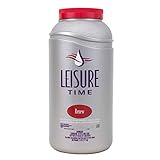
2. Leisure Time Renew Non-Chlorine Shock
An oxidizing shock that does not rely on chlorine. People use it after heavy use to freshen the water and break down organics, then wait the time stated on the label.
Suits: weekly shocking. Strengths: a shorter wait before soaking. Weaknesses: does not sanitize by itself. Skip it if you want a single product to do everything.

Best for owners of the spa brands named in the listing
3. FROG @Ease Mineral Cartridge + SmartChlor
A FROG @Ease sanitizing system that pairs a mineral cartridge with SmartChlor cartridges. The listing names Marquis, Caldera, Artesian and Hot Springs spas and describes it as a CYA-free hot tub sanitizer.
Suits: owners of the spa brands named in the listing. Strengths: a cartridge-based routine in place of loose chemicals. Weaknesses: made for specific spa models, and cartridges need replacing. Skip it if your spa is not on the compatibility list.

Best for bromine tubs
4. In The Swim Bromine Tablets
Slow-dissolving bromine tablets, the usual choice for tubs that stay hot and are used often. Bromine tends to hold up better than chlorine in warm water.
Suits: bromine tubs. Strengths: stable in heat. Weaknesses: needs a feeder or floater. Skip it if you use chlorine.
View In The Swim Bromine Tablets on Amazon
Best for outdoor tubs
5. Leisure Time Defender Spa Algaecide
A liquid made to prevent algae growth between sanitizer doses. It is a supporting product, so think of it as insurance rather than the main treatment.
Suits: outdoor tubs. Strengths: easy to dose by the capful. Weaknesses: can add foam if overused. Skip it if your water stays clear.
View Leisure Time Defender on Amazon

Best for routine balancing
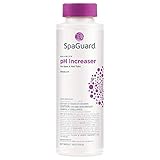
6. SpaGuard pH Increaser
A balancer that raises pH when readings run low. Balanced pH keeps sanitizer working and protects the shell and equipment.
Suits: routine balancing. Strengths: a simple granular product. Weaknesses: needs careful dosing. Skip it if your pH runs high.
Care and Setup
- Test the water first, then dose by the label.
- Add chemicals with the jets running and the cover open.
- Never mix different chemicals together in a bucket.
- Store everything sealed, dry and out of children’s reach.
Mistakes to Avoid
- Switching between chlorine and bromine without draining first.
- Overdosing shock and soaking too soon.
- Using pool-size doses in a spa.
- Ignoring pH, which weakens every sanitizer.
Water Balance Basics: pH, Alkalinity and Hardness
Sanitizer gets most of the attention, but balance decides how well it works. Three readings matter most. Total alkalinity acts as a buffer that keeps pH from swinging. pH shows how acidic or basic the water is, and it affects both comfort on the skin and how effective the sanitizer is. Calcium hardness describes how much dissolved mineral is in the water, and it affects scale and corrosion.
A sensible order is to test, fix alkalinity first, then adjust pH, then deal with sanitizer. Adjusting alkalinity first makes pH more stable, so you chase it less. Target ranges differ slightly by spa maker and product line, so use the numbers in your spa manual or on your test kit instead of a general figure from the internet.
Low pH can irritate eyes and corrode metal parts, and high pH can cloud water and let scale form on the heater. Hard source water can leave white deposits, and very soft water can be aggressive to equipment. If your fill water is unusual, ask the local water utility for its numbers. Small, frequent corrections work better than large doses, since a spa holds only a few hundred gallons and reacts quickly to additions.
Building a Testing Routine You Will Keep
The best product mix fails if you never test. Strips are quick and good for day-to-day checks, while liquid drop kits and digital testers take more time and give finer readings. Many owners use strips for routine checks and a liquid kit when the water looks off or after a refill.
Test at the same point each time, such as before use, and take samples from elbow depth away from jets and the surface. Keep strips in a sealed container, away from heat and humidity, and check expiry dates, since old reagents give misleading results. Write readings in a notebook or phone note so you can see trends.
A basic rhythm might look like this: check sanitizer and pH before each soak or every few days, check alkalinity weekly, check hardness after a fill, and test for metals or total dissolved solids if the water looks off. When results are unclear, many pool and spa stores will test a water sample, which is useful as a cross-check. Remember that heavy use, hot weather, rain and fresh fills all shift the balance, so test more often after those events.
Dosing Safely and Accurately
Hot tub chemicals are concentrated, so careful dosing matters. First confirm your spa volume from the manual, since guessing leads to over- or underdosing. Use a dedicated measuring scoop or cup for each product and never swap them. Add chemicals one at a time, with the jets running and the cover open, and wait the interval on the label before adding another or retesting.
Never mix products together in a bucket, and never add water to concentrated chemicals in a way the label does not describe. Pour granules slowly near a jet or return line so they dissolve, and avoid leaning over the container, where dust or fumes can irritate. Wear gloves and eye protection if the label advises it.
Keep a log of what you add. This makes it easier to spot patterns, such as pH that always drifts up, which can point to a source-water issue or heavy use. If you overshoot, the usual fix is to dilute by draining some water and refilling, not to add more chemicals. Keep the cover open and the spa unused until readings return to range, following the wait times printed on the label.
Troubleshooting Cloudy, Foamy or Smelly Water
Most water problems trace back to a few causes. Cloudy water often points to weak sanitizer, poor filtration, high pH or heavy bather load. Test first, then correct the balance, rinse or clean the filter, and shock if the label directs. A filter that is overdue for cleaning is a frequent hidden cause.
Foam usually comes from body oils, lotions, detergent left in swimwear and too much algaecide. An anti-foam product can help temporarily, but the lasting fix is to rinse before soaking, wash swimwear without strong detergent and refresh the water on schedule. Strong chemical smells are often not from too much sanitizer. They can signal used-up sanitizer that has combined with contaminants, which shock is meant to address.
Green or slimy water suggests algae, usually from low sanitizer or poor circulation. Scrub surfaces, clean the filter, balance the water and treat according to the label. If problems keep returning, the cure may be a full drain, a plumbing cleaner and a fresh fill. Skin rashes or itching after soaking deserve attention: stop using the spa, test the water and see a doctor if symptoms continue.
When to Drain, Refill and Replace Parts
Even with perfect chemistry, water does not last forever. As chemicals and bather residue build up, they can pile up as dissolved solids, which make water harder to balance. Many spa makers suggest a drain and refill every few months, but the right interval depends on use, tub size and sanitizer type, so check your manual.
A good drain routine includes cleaning the shell with a spa-safe cleaner, flushing the lines with a plumbing cleaner if the manual recommends it, cleaning or replacing filters and refilling with a hose filter if your water is hard or carries metals. Rinse thoroughly before refilling so no cleaner residue stays behind.
Filters need regular care. Rinse cartridges every week or two and deep clean them on a schedule using a filter cleaner, then let them dry. Replace a cartridge when pleats are flattened, frayed or no longer come clean. Likewise, replace test strips, floaters and feeders that are cracked or clogged. Store extra chemicals only in the quantities you will use within the product’s shelf life, and discard anything that is clumped, discolored or has an unreadable label, following local rules for disposal.
A Simple Weekly Spa Care Checklist
Consistency matters more than any single product. A short routine, done on the same day each week, keeps the water easier to manage and reduces the chance of a surprise. Use this list as a template and adjust it to match your spa maker’s instructions and the directions printed on each container.
- Check that the filter is seated properly and the water is circulating normally.
- Use a strip or liquid kit to read sanitizer, pH, and alkalinity.
- Adjust one item at a time, following the label for dose size and waiting time.
- Rinse the filter cartridge with a hose and check for debris or discoloration.
- Wipe the waterline with a cloth made for spas to catch oils and residue.
- Leave the cover off briefly after adding treatments if the label says to, then secure it.
- Write the readings in a notebook so you can spot trends.
Notice that the list asks you to change only one thing at a time. When you add several products at once, it becomes hard to know which one solved a problem or caused a new one.
Common Handling Errors to Avoid
Chemical care is mostly about habits. The mistakes below come up again and again in spa owner discussions, and each can be sidestepped with a little patience.
- Mixing products in a bucket. Never combine different treatments yourself. Labels warn against it for good reason.
- Guessing the volume of the tub. Dose sizes depend on gallons or liters, so confirm your capacity in the owner’s manual.
- Adding product while people are in the water. Follow the label’s wait time before anyone soaks.
- Storing containers in a hot, damp shed. Heat and moisture can degrade contents and create hazards. Keep lids tight and follow the maker’s storage guidance.
- Ignoring expiry or old stock. Open containers lose strength over time. If a product looks clumped or smells unusual, replace it.
- Skipping gloves and eye protection when the label calls for it. Read the safety section on every container before opening.
When you are unsure about a hazard, contact the product maker or your local pool and spa supplier for official guidance rather than improvising.
Sanitizer Types Compared in General Terms
Spas use a few families of sanitizing approaches, and each comes with its own habits. The table keeps things general; always follow your tub’s manual, since some surfaces and cartridges are made for specific systems.
| Feature | Chlorine-based | Bromine-based | Mineral cartridge systems |
|---|---|---|---|
| Typical form | Granules or concentrate | Tablets or granules | Cartridge plus a small supplemental dose |
| Dose rhythm | Regular small additions | Slow release, topped up | Cartridge swapped on a schedule |
| Smell | Can be noticeable | Different, often milder | Usually subtle |
| Switching later | Check the manual first | Check the manual first | Follow the cartridge instructions |
Whichever route you choose, stay with it for a while before judging results. Constant switching confuses water chemistry and wastes product.
Terms You Will Meet on Labels
Total alkalinity
A measure of how well the water resists pH swings. Labels often describe the target range for your product.
Calcium hardness
The amount of dissolved calcium. Very soft water can be harsh on equipment, while very hard water can leave scale.
Shock
A larger one-time dose used to oxidize built-up contaminants. Read the container for waiting times before use.
Sequestrant
An ingredient that helps hold metals in solution so they do not stain surfaces.
Cartridge
A replaceable insert that sits in the filter housing or floating dispenser and releases a treatment over time.
Keeping a small glossary handy makes it easier to compare product descriptions with the maker’s manual and to ask better questions at a spa supply shop.
Reading a Chemical Product Listing Carefully
Shopping for spa treatments online can be confusing because many containers look alike while serving very different jobs. Begin with the product name and the first line of the description: is it a sanitizer, a shock, a balancer that raises or lowers pH, an algaecide, a clarifier, or a cleaner for the filter? Those are separate purposes, and a bottle meant for one job will not do another.
Next, check the net contents and the dose guide. A large container is only a good value if you will use it before it ages, and many labels give a shelf life or advise using opened product within a certain time. Look for wording that says the formula is made for spas and hot tubs specifically, since directions for large swimming pools involve very different volumes.
Then look at compatibility. Some products are intended for use with particular sanitizer systems, and the label may warn against pairing them with others. When the listing is vague, open the maker’s own page or safety data sheet, which describes handling, storage, and first-aid steps in more detail than a shopping page can.
Lastly, read the safety statements on the label images. If a listing hides the back of the container, treat that as a prompt to look further before ordering. Having the full instructions in hand makes safe dosing much easier.
Who Should Call a Professional
Most routine care is straightforward, but some situations deserve expert help. If the water stays discolored after you have followed the label steps, if you notice a persistent odd odor, or if skin reactions keep recurring among people who use the tub, speak with a licensed spa technician or your local pool supplier. The same goes for anything involving electrical parts, heaters, or pumps: the owner’s manual and a qualified technician decide what is safe, not a forum thread. Also consult official local guidance on draining and disposing of spa water, since rules differ by area.
Choosing With More Care: The Details That Decide Satisfaction
Choosing hot tub chemicals well starts with knowing which system your spa actually uses and what job each product is meant to do. Sanitising, balancing, clarifying and cleaning are separate tasks, and no single bottle does all of them despite what a crowded label might imply. Before buying anything new, list what you already own, note what each one is for, and fill only the genuine gaps. A small, understood set of products beats a cupboard full of overlapping bottles nobody dares to use.
Safety and storage belong in the buying decision, not as an afterthought. These are household chemicals: they need a cool, dry, ventilated place away from children, pets and food, kept in their original labelled containers. Check that you have somewhere suitable before ordering larger quantities, and prefer sizes you will use within a sensible period over bulk that sits open for years. If a product requires handling you are not comfortable with, that is a legitimate reason to choose a different approach and follow professional guidance.
Matching Your Choice to Real Life
Think about the situations that actually arise in your spa. Fresh fills need a different routine from weekly maintenance, heavy use after guests needs a response, and water left while you are away needs a plan for your return. Matching products to those real moments, and knowing in advance what you will test and adjust in each one, turns surprises into routine. The goal is calm, measured responses rather than urgent shopping with cloudy water waiting at home.
Your source water shapes your routine too. Water from different supplies behaves differently once heated and treated, and a spa kept outdoors faces leaves, dust and sunlight that an indoor tub avoids. Rather than copying a neighbour routine exactly, use testing as your guide: measure, adjust one thing at a time, and note what worked. A short written log beside the tub, recording dates and what you added, quickly becomes the most useful water-care tool you own.
Using It Well From the First Day
Testing before treating is the habit that separates easy water care from guesswork. Test the water as the product directions describe, in the conditions they describe, and let the result decide what, if anything, you add. Adding products on a fixed hunch, or several at once to save time, makes it impossible to know what helped and can push the water further from balance. Patience between steps, allowing the water to circulate as directed, is part of using these products correctly.
Handling deserves the same care every time. Read the label of the specific product in your hand, even if you think you know it, because concentrations and instructions differ between brands. Keep products dry, close containers straight after use, never mix different chemicals together, and add products to water as directed rather than the other way round. Wash your hands afterwards, keep your face away from open containers, and store everything upright where it cannot spill into other bottles.
Care, Cleaning and Keeping It at Its Best
Caring for the products themselves keeps them effective and safe. Moisture is the enemy of many spa chemicals: a container left open beside a steamy tub, or a scoop left damp inside, can ruin the contents and create clumps that tempt people to improvise. Use clean, dry measures for each product, keep lids tight, and wipe spills up promptly following label guidance. If a container is damaged or its label becomes unreadable, treat that as a prompt to replace it safely rather than guessing at the contents.
Your wider cleaning routine supports the chemistry. Filters, covers and surfaces that are cleaned on schedule place less demand on sanitiser and balancing products, because there is simply less in the water for them to deal with. Rinse filters as the maker directs, wipe the waterline before film builds up, and keep the cover clean so debris is not washed back in at every use. Chemistry works best as the last step of a tidy routine, not as a substitute for one.
How the Picks in This Guide Compare
The picks in this guide, SpaGuard Chlorinating Concentrate, Leisure Time Renew Non-Chlorine Shock, FROG @Ease Mineral Cartridge + SmartChlor, In The Swim Bromine Tablets, Leisure Time Defender Spa Algaecide and SpaGuard pH Increaser, were chosen to cover the situations most buyers actually face rather than to repeat the same idea several times over. Read their individual reviews above side by side and you will notice that each one leans towards a different strength: a different balance of comfort, practicality, ease of care and suitability for a particular setting. That spread is deliberate, and it means the best choice for you depends less on which pick is strongest in the abstract and more on which strength matches the job waiting for it in your home.
A useful way to compare them is to hold your main scenario steady and test each pick against it. Picture the same ordinary day, the same room, the same people and the same weather, and ask of each option in turn how it would cope. The pick that handles your ordinary day gracefully will almost always serve you better than the one that shines only in an ideal scenario. Where two picks seem close, let the care routine decide: the one whose cleaning, storage and upkeep fit your real habits is the one that will still please you in a year.
It also helps to decide in advance what would make you return or replace a purchase, because that reveals your real priorities. If the answer is about fit, measure twice and order once. If it is about upkeep, re-read the care sections of the reviews above before choosing. If it is about how the pick suits a particular person, involve that person in the decision now rather than after delivery. Clear priorities turn a long shortlist into a short decision, and they protect you from being swayed by whichever listing you happened to read last.
Reading Listings and Product Pages Critically
Reading listings for hot tub chemicals calls for attention to what the product is, not what it promises. Identify its job in your routine, the system it is made for, and the form it takes, then check that against what your spa maker recommends. Bold claims about effortless water deserve a raised eyebrow: good products still need testing, correct dosing as directed and a clean filter behind them. A listing that states its purpose and limitations plainly is usually the more trustworthy one.
Also check the practical details: how the container seals, whether you will need a separate measure, and how the directions are written. Products you understand are products you will use correctly, and correct use matters more than marginal differences between reputable options. If a listing leaves you unsure what the product does or how it fits your system, pause and clarify before ordering rather than experimenting on your own water.
Mistakes That Only Appear After a Few Weeks
The classic mistake is treating cloudy or unpleasant water by adding a bit of everything. Each extra product changes the picture, and the water often ends up further from where it should be, with no way to tell which addition caused what. The disciplined response is to test, address the most likely single cause as directed, circulate, wait and test again. It feels slower, but it reaches clear water faster and teaches you what your spa actually needed.
Another mistake is neglecting the unglamorous basics while chasing the chemistry: a clogged filter, a cover dropping debris into the water, or weeks without any testing at all. By the time products are asked to fix all of that at once, they are being set up to fail. Small, regular attention, a filter kept clean, water tested on a rhythm and minor corrections made early, is the real secret behind spas that always seem ready to use.
Building a Routine That Lasts
A weekly rhythm suits most home spas: test the water, make any small corrections the results call for, check the filter and give the waterline a quick wipe. Tie the routine to a fixed day so it happens without deliberation, and keep the products, test supplies and a notebook together near the tub. After heavy use or guests, an extra test is a sensible addition. None of this needs to take long once the habit is set, and it prevents the long rescue sessions that put people off owning a spa.
Seasonal changes deserve a place in the routine too. Warmer weather, more frequent use and longer daylight all change what the water asks of you, while a quieter winter pattern changes it again. At each change of season, review your supplies, replace anything that has been open too long or stored badly, and re-read the directions of the products you rely on. A short reset like this keeps the routine matched to real conditions instead of last season habits.
When to Repair, Replace or Rethink
Replace products when they have been stored badly, contaminated, left open to damp, or kept well beyond the period the maker suggests, even if the container still looks full. Old or compromised chemicals can behave unpredictably, and water care depends on predictable responses. The same applies to test supplies, which quietly expire and then mislead every decision built on them. Checking dates and storage conditions a few times a year is cheap insurance for the whole routine.
When something in your routine changes, review the products rather than automatically reordering. A different spa, a switch in sanitising approach, or new guidance from your spa maker can all make an old favourite the wrong choice. Reorder only what your current system needs, in quantities your storage suits, and let the log you have kept show you which products earned their place and which sat untouched.
A Practical Decision Worksheet
Start by writing your requirements down before you look at another listing. Divide a page into three short lists: what the purchase must do, what would be nice, and what you know you do not need. Be specific in the first list, because vague wishes produce vague purchases. Include the room or situation, the people involved, the surfaces and conditions it will face, and the care effort you can honestly sustain. Then read the reviews in this guide once more, scoring each pick only against your first list. Picks that fail a must-have leave the shortlist immediately, however appealing their extras, and what remains is usually a choice between two or three genuinely suitable options.
Now test that shortlist against the least convenient day, not the best one. Imagine the purchase in use when you are tired, rushed, short of space or dealing with guests, bad weather or a spill, because that is when design weaknesses stop being theoretical. Ask where it will be stored on that day, who else will handle it, and what could go wrong that a little planning would prevent. This unglamorous exercise is where experienced buyers earn their reputation: they do not buy for the photograph, they buy for the Tuesday evening when everything else is going wrong as well.
Planning Around Seasons and Household Changes
Seasons change what a home asks of its contents, and a wise purchase anticipates the change rather than discovering it. Think about the wettest, hottest, busiest and quietest times of your year and how this choice behaves in each. Some purchases work hardest in one season and rest in another, which is fine as long as storage and care for the resting months are planned. Others are asked to perform identically all year, which raises the bar for durability and for a care routine you can keep up when motivation dips in the middle of winter.
Households change too, sometimes gradually and sometimes overnight. Children grow, relatives visit or move in, pets arrive, jobs change the shape of the day, and a purchase that fits this year may be tested by next year circumstances. You cannot plan for everything, and you should not try, but favouring adaptable, forgiving choices over narrow, precious ones gives your home room to evolve. When you read the picks above, give a quiet bonus to the option that would still make sense if your household looked a little different in two years time.
Troubleshooting and the Long View
When something disappoints after purchase, troubleshoot before you replace. Most disappointments have a simple layer underneath: the wrong position, the wrong routine, the wrong pairing with another item, or expectations set by a photograph rather than by the job at hand. Change one variable at a time and live with the change for a few days before judging it, because several changes at once teach you nothing. Keep notes if the problem is subtle. A surprising share of purchases are rescued by a mat, a hook, a different wash, a moved shelf or a clearer house rule.
Finally, keep the long view. The purchases that serve a home best are rarely the most exciting ones; they are the ones still quietly working years later, maintained by habits so small they feel like nothing. Judge your shortlist by asking which option you would be happiest to clean, repair, store and rely on in three years, with its novelty long gone and its usefulness proven daily. That question cuts through presentation faster than any other, and it is the question this guide was written to help you answer well.
Hot Tub Chemicals FAQ
Should I use chlorine or bromine?
Both work. Bromine holds up better in heat, while chlorine is cheaper and more common. Pick one and stay with it.
What does non-chlorine shock do?
It oxidizes contaminants without adding chlorine, so the wait before use is usually shorter. It does not replace a sanitizer.
How often do I add chemicals?
Sanitizer is added regularly and shock weekly or after heavy use. Follow each label.
Do I need to drain the tub before switching sanitizers?
Going from chlorine to bromine, or the reverse, is easiest after draining and refilling. Leftover sanitizer can interfere with the new product and confuse test results, so start with fresh water and a clean filter when you change.
How should I store hot tub chemicals?
Keep each container tightly closed, in a cool, dry, ventilated spot away from heat, children and pets. Store oxidizers away from other products, and never reuse a measuring cup between them.
What order should I add chemicals in?
Test first, then adjust alkalinity, then pH, then sanitizer. Add one product at a time with the jets running and wait the label interval between additions.
Why does my hot tub water keep turning cloudy?
Common causes are low sanitizer, high pH, a dirty filter or heavy use. Test the water, clean the filter and correct the balance before adding more products.
How long should I wait before using the tub after adding chemicals?
It depends on the product, so read the label. Shock with chlorine usually needs a longer wait than non-chlorine shock, and you should confirm readings are in range before soaking.
Can I use pool chemicals in my hot tub?
Only if the label says it is suitable for spas. Dosing and concentration differ from pools, and some pool products dissolve too slowly or add stabilizer you do not want.
How do I know my spa volume?
Check the owner's manual or the maker's spec page. If you cannot find it, ask the dealer or manufacturer instead of guessing, since doses depend on volume.
Should I wear gloves when handling hot tub chemicals?
Many labels advise gloves and eye protection. Follow the label for each product, work in fresh air and wash your hands after handling.
One More Consideration Before You Decide
The value question deserves a calm answer, because the most expensive option is rarely the one with the highest ticket and the cheapest is rarely the one bought twice. Think in terms of cost per year of good service: how long this purchase will realistically last in your home, how much effort it asks of you each week, and how likely you are to still be pleased with it once the novelty has gone. A choice that fits your routine so well that you stop thinking about it has usually earned whatever it cost, while a bargain that fights your habits charges you a small toll of annoyance every single day.
Accessibility is easy to overlook until it matters. Consider everyone who will use this purchase, including visitors, older relatives and anyone recovering from an injury or managing tired joints, and ask whether the choice works for them as well as for you. Height, weight, grip, balance and the amount of bending or reaching involved all change the experience for different bodies. A purchase that the whole household can use confidently is worth more than a slightly finer one that quietly excludes somebody.
Keep the paperwork and the proof. Save the maker instructions, the care guidance and your order details somewhere you can find them in a year, because the moment you need them is never the moment you expect. A note of when you bought the item, what you chose it for and any lesson from the first weeks turns future decisions, replacements, spare parts, cleaning questions and warranty conversations into simple lookups instead of guesswork. Households that keep this small record rarely repeat a buying mistake, because the evidence of the last one is sitting in the drawer.
Share what you learn with the people who share your home. A purchase used by several people succeeds when everyone knows the simple rules around it: where it lives, how it is cleaned, what it should never be asked to do and who to tell when something seems wrong. Two minutes of explanation at the start prevents the slow damage done by well-meaning misuse, and it turns care from one person burden into a household habit. Write the essentials on a card kept nearby if the routine has more than a couple of steps.
Give the decision a night to settle if you can. A shortlist that still looks right the next morning, checked once more against your must-have list and your least convenient day, is very unlikely to disappoint you. Urgency is usually a property of the listing, not of your life, and the few purchases that genuinely cannot wait are obvious. Calm, measured choosing is the whole method behind this guide, and it works just as well for the next purchase as it does for this one.
Finally, think about the footprint of the choice in your home and beyond it. Prefer the option you will keep for years over the one you will replace quickly, keep packaging only until you are sure the purchase is right, and pass on or recycle what you retire where you can. Durable, well-matched purchases are the simplest form of sustainability available to a household: fewer deliveries, fewer returns, less clutter, and a home filled with things that were chosen once and chosen well.
More Questions Buyers Ask
How do I know which product my water needs right now?
Test first and let the result decide. Each product in a water-care routine has a specific job, and adding one without knowing the state of the water is guesswork. Follow the test directions carefully, compare the result with the guidance for your system, and make one correction at a time so you can see its effect before doing anything else.
Can I mix products to save time?
Do not mix chemicals together, and do not add several products at once unless the directions for your system specifically say so. Mixing concentrates can be dangerous, and adding everything together makes it impossible to know what worked. Add products separately, as directed, allowing the water to circulate between steps, and wash your hands and any measures between different products.
Where is the best place to store spa chemicals?
Somewhere cool, dry and ventilated, away from children, pets, food and anything that could fall into or contaminate the containers. Original labelled containers, upright with lids tight, are the rule. Beside the hot tub itself is usually a poor choice because of heat and steam. If your only storage is outdoors, choose a sheltered, lockable spot that stays dry.
What should I do if I add too much of a product?
Stop adding anything else, let the water circulate, and test again after the period the directions suggest. Many over-corrections settle with circulation and time. If the water remains far from where it should be, or anyone feels unwell, keep people out of the spa and seek advice from the product maker or a local spa professional rather than trying to cancel the mistake out with another chemical.
Why does my water go wrong soon after I balance it?
Look beyond the bottles. A dirty filter, debris from the cover, heavy recent use or a long gap in testing can all pull water off balance quickly. Work through the physical causes first, clean what needs cleaning, then test and correct. If the pattern keeps repeating despite a tidy routine, a professional water test from a local dealer can reveal something home testing has missed.
Are stronger products always better?
No. What matters is the right product for your system, used in the amount and way its directions specify. A stronger concentrate used carelessly is worse than a standard product used correctly, and it raises the handling and storage demands on you. Choose products you understand fully and can store safely, and let testing, not strength, drive your decisions.
The Short Version
For chlorine, SpaGuard Chlorinating Concentrate. For shock, Leisure Time Renew. For minerals, Spa Frog. For bromine, In The Swim tablets. For algae prevention, Leisure Time Defender. For pH, SpaGuard Increaser.