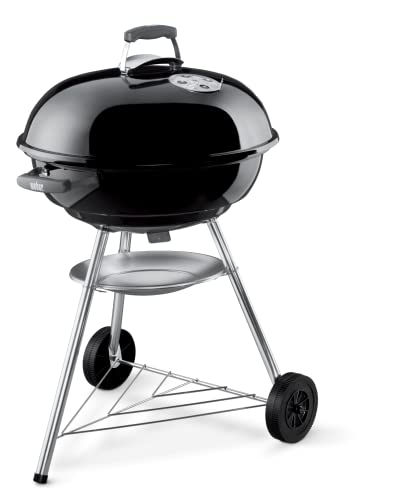
Gravity feed smokers drop charcoal from a hopper into the fire as it burns, so the temperature stays steady for long cooks. They are popular with people who want charcoal flavor but do not want to feed a fire every half hour. Many also grill and sear, so one cooker can cover weeknight burgers and weekend briskets.
The first five picks below are gravity feed smokers from Masterbuilt and Char-Griller. The sixth is a drum smoker that works differently, included for comparison. We have not used these products ourselves, so confirm size, controls and included accessories on the current listing before buying.
As an Amazon Associate we earn from qualifying purchases. Links below are affiliate links, and they do not change the product information we give.
What to Look For
| Feature | Why it matters |
|---|---|
| Hopper capacity | A larger hopper means longer cooks between refills |
| Digital control | A fan and controller hold the temperature you set |
| Size | Match grate space to the cuts you cook most |
| Build | Heavier steel holds heat better and lasts longer |
In this guide
Specs at a Glance
| Product | Style | Size class | Notes |
|---|---|---|---|
| Masterbuilt Gravity Series 800 | Gravity feed, digital | Mid size | Fan and controller |
| Masterbuilt Gravity Series 560 | Gravity feed, digital | Smaller | Fan and controller |
| Masterbuilt Gravity Series 1050 | Gravity feed, digital | Larger | Fan and controller |
| Char-Griller Gravity Fed 980 | Gravity feed | Mid to large | Hopper design |
| Masterbuilt Gravity Series XT | Gravity feed, digital | Larger | Upgraded features |
| Pit Barrel Cooker Classic | Drum smoker | Mid size | Hanging cook |
The 6 Best Gravity Feed Smokers
Top pickBest for family cooks
1. Masterbuilt Gravity Series 800 Digital Charcoal Grill and Smoker
A mid-size gravity feed model with a hopper, a fan and a digital controller. It is a flexible pick for a typical family. The hopper holds a generous load of charcoal, which suits long cooks like pork shoulder, and the controller lets you set a target temperature and leave it.
Suits: family cooks. Strengths: balanced size. Weaknesses: a large footprint. Skip it if your patio is small.
View Masterbuilt Gravity Series 800 Digital Charcoal Grill and Smoker on Amazon
Best for small spaces
2. Masterbuilt Gravity Series 560 Digital Charcoal Grill and Smoker
A compact member of the line with the same hopper and digital control. It suits small backyards and fewer mouths. It keeps the same convenience as bigger models, which makes it a gentle way to learn charcoal smoking.
Suits: small spaces. Strengths: compact size. Weaknesses: limited capacity. Skip it if you host big groups.
View Masterbuilt Gravity Series 560 Digital Charcoal Grill and Smoker on Amazon

Best for big gatherings
3. Masterbuilt Gravity Series 1050 Digital Charcoal Grill and Smoker
A big gravity feed smoker with a wide grate area for large cooks and gatherings. Expect to dedicate real patio space and plan on a sturdy surface.
Suits: big gatherings. Strengths: lots of room. Weaknesses: size and weight. Skip it if you have little space.

View Masterbuilt Gravity Series 1050 Digital Charcoal Grill and Smoker on Amazon
Best for brand comparison
4. Char-Griller Gravity Fed 980 Charcoal Grill and Smoker
A hopper-fed charcoal cooker from a long-established grill brand. Confirm the controller details on the listing. It is a useful way to compare brands before you decide, especially for support and parts.
Suits: brand comparison. Strengths: a large cooking area. Weaknesses: features differ. Skip it if you want app control.
View Char-Griller Gravity Fed 980 Charcoal Grill and Smoker on Amazon
Best for buyers who want more
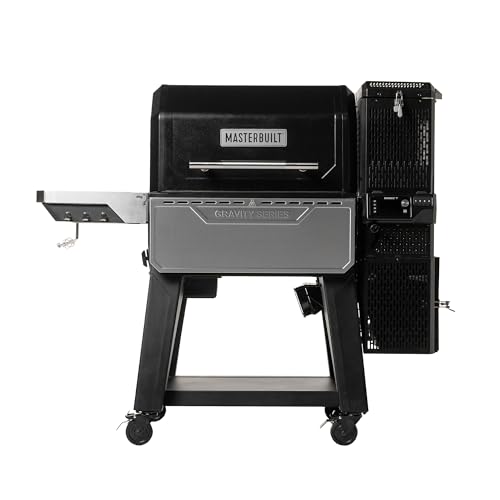
5. Masterbuilt Gravity Series XT Digital Charcoal Grill and Smoker
An upgraded gravity feed model with extra features. Check the current listing for size and the feature list. Model names and versions change, so match the exact product to your needs.
Suits: buyers who want more. Strengths: added features. Weaknesses: listings vary. Skip it if you prefer simple.

View Masterbuilt Gravity Series XT Digital Charcoal Grill and Smoker on Amazon
Best for simple smoking
6. Pit Barrel Cooker Classic
A straightforward drum smoker that hangs meat over the coals. It is not gravity feed, but it is a simple, well-known alternative for hands-off smoking. It uses a simple hanging setup that many beginners find forgiving, though you give up fan control.
Suits: simple smoking. Strengths: an easy design. Weaknesses: limited space. Skip it if you want a digital controller.
View Pit Barrel Cooker Classic on Amazon
Care and Setup
- Keep charcoal dry so it feeds consistently.
- Remove ash regularly.
- Clean the grates after each cook.
- Use a cover when the smoker is cool.
- Check the lid gasket and seals for wear now and then.
Mistakes to Avoid
- Using damp charcoal.
- Letting ash block airflow.
- Opening the lid too often.
- Skipping a burn-in run.
- Using lighter fluid in a hopper-fed cooker.
How the Hopper, Fan and Controller Work Together
In a gravity feed smoker, a tall hopper holds charcoal that slides down by gravity into a burn area as the lower coals turn to ash. A fan, run by a digital controller, blows air to raise or lower the fire, while a temperature probe feeds readings back to the controller. You set a target temperature, and the fan adjusts to hold it. This arrangement gives a steady cook with far less tending than a traditional charcoal smoker, which is why it is popular for long cooks.
Understanding the pieces helps with troubleshooting. If the temperature runs low, the cause may be a clogged ash area, a weak fan, wet charcoal, or a hopper that has bridged, meaning coals have jammed and stopped sliding. If the temperature overshoots, the cause may be too much airflow or a leaky seal. Many controllers include alarms or error messages, so keep the manual handy to interpret them.
Power is part of the equation. The fan and controller require electricity, so you need an outdoor-rated outlet or extension cord nearby. Plan the position of the cord so it does not touch hot surfaces or create a trip hazard. Some models offer wi-fi or app control, but features vary and listings should state what is included. Treat connectivity as a convenience rather than a necessity, and consider whether you will use it before paying for it.
Charcoal Type, Loading and Fire Management
Fuel quality shapes both flavor and performance. Lump charcoal burns hot and clean with little ash, but pieces vary in size, which can cause gaps in the hopper. Briquettes are uniform and burn steadily, though some brands include binders and fillers; the bag should say what is in them. Choose the type recommended in your manual, and keep it dry, since damp charcoal burns poorly and produces more smoke and ash.
Load the hopper thoughtfully. Fill it to the level that suits your cook length, and avoid packing it so tightly that coals cannot slide. Break up oversized lumps and remove dust at the bottom of the bag, which can choke airflow. Tap the hopper lightly if you suspect a jam. For short cooks, a partially filled hopper saves fuel. For long cooks, top up before you start, and monitor the level.
Add wood for smoke flavor. Chunks placed near the lit area give a steady flavor, while chips burn faster. Mild fruit woods are a good starting point, and stronger woods like hickory should be used sparingly. Light the fire according to the manual, often using a fire starter, and allow the smoker to come to temperature before adding food. Watch the smoke: thin, pale smoke is the goal. Avoid lighter fluid unless the maker approves it, as it can taint the food. Keep the lid closed as much as possible so the controller can do its job.
Grate Layout, Capacity and Searing Options
Many gravity feed cookers double as grills, so look at how the cooking surface is arranged. Cast iron grates hold heat and sear well but need seasoning and care. Porcelain-coated grates are easier to clean but may chip. Some models include a second rack or a warming rack, which adds capacity for ribs or sides. Check the listed dimensions, and compare them with the cuts you cook. A rack of ribs, a full brisket or a pair of pork shoulders each need a certain amount of space.
Searing is a separate matter. Gravity feed cookers can reach high temperatures, which allows searing steaks or burgers, but the process uses more fuel and may stress the controller. Some models offer a direct-flame option or a way to move the fire closer to the grate. Read the manual for the recommended temperature range and any cautions. Remember that grease flare-ups are more likely at high heat.
Think about capacity in terms of how you cook. A smaller cooker suits a family and saves fuel. A larger one is better for gatherings, but it takes more charcoal to heat and needs more space. Check the weight, the wheel design and how easy it is to move on your patio. Consider shelves, hooks and storage for tools. A grease management system, such as a drip tray or a removable pan, reduces cleanup and flare-ups. Look at the lid hinge and handle too, since a heavy lid can be awkward.
Planning Long Cooks and Using Probes
Gravity feed smokers excel at long cooks, but planning still pays off. Estimate your cook time, including the time to preheat and the time to rest the meat. Large cuts can take many hours, and the temperature may stall during the cook as moisture evaporates. Build in a buffer so dinner is not rushed. If you want to serve at a specific time, start early, since you can hold cooked meat wrapped in a cooler for a while.
Use probes wisely. The controller’s probe measures the air temperature near the grate, and it may differ from the temperature at the meat. A separate meat thermometer gives the internal temperature of the food, which is what determines doneness and safety. Place the probe in the thickest part of the cut, away from bone and fat. Check official guidance for minimum safe temperatures for different meats, and use tenderness as a guide for large cuts like brisket.
Weather affects the cook. Wind, cold and rain change fuel use and temperature stability. A windbreak helps, and so does a lid kept closed. Check the hopper level on long overnight cooks, and consider setting alarms to remind you. Keep a record of each cook: weather, fuel, temperature and result. These notes help you repeat success and avoid mistakes. For safety, never leave a smoker unattended for extended periods without a plan, and keep a fire extinguisher nearby.
Ash Cleanout, Grease and Long-Term Care
A gravity feed smoker produces ash that can restrict airflow if it builds up. Clean out the ash after every cook or two, once the unit has cooled fully. Most models have an ash pan or a removable cleanout door. Dispose of ash only when it is completely cold, in a metal container away from anything flammable. Do not use a household vacuum on ash unless it is rated for it, as embers can remain.
Grease needs equal attention. Scrape grates while warm, and empty or replace drip trays and liners. Built-up grease is a fire risk and creates smoke that tastes bitter. Wipe the interior lightly, but do not scrub away the dark seasoning that builds up on interior walls, which helps protect the metal. Check the fan, the controller cable and any electrical connections for dirt or damage, and keep them dry. Never spray water on the controller.
Protect the smoker from the weather with a fitted cover, but only after it has cooled. Check for rust and touch up with high-heat paint as the manual allows. Inspect gaskets, hinges and fasteners, and tighten or replace them as needed. Store charcoal in a dry, sealed container. At the end of the season, give the unit a thorough clean, and check the manual for storage guidance. If the controller fails or the temperature swings wildly, contact support, as many issues are covered by the warranty. Keep the manual and receipt so you can get help quickly.
A Checklist for Choosing a Gravity-Feed Smoker
Gravity-feed smokers use a charcoal hopper that feeds the fire as it burns, with an electric fan to control the temperature. That blend raises a few particular questions.
- How long do you want to cook without refilling, and how big is the hopper?
- How many racks or how much grate area do you need for your usual meals?
- Is there an outlet nearby for the controller and the fan?
- Where will it sit, and how much clearance is there around the cooker?
- How easy is it to clean out ash and to reach the firebox?
- Do you want a cooker you can also use for high-heat grilling?
Power is a point to settle early. If your patio has no suitable outlet, consider how you will supply the controller safely and what the maker permits.
Also think about weight and wheels. A tall cabinet cooker can be difficult to move on rough ground, so check the casters and the base.
Comparing Gravity-Feed With Other Smokers
Each smoker family balances effort and control differently.
| Type | Fuel | Consider |
|---|---|---|
| Gravity-feed | Charcoal and wood chunks | Needs power for the fan and controller |
| Pellet | Wood pellets | Needs power and dry pellets |
| Offset | Wood and charcoal | Needs more fire tending |
| Kamado | Lump charcoal | Heavy, with a smaller grate for its size |
Gravity-feed cookers appeal to those who like charcoal flavor but want steadier temperature control.
Fire Management and Safety Basics
Follow the manual for lighting the hopper, loading fuel and shutting down. Use the fuel and fire lighters the maker approves, keep the hopper door closed during the cook and watch for flare-ups. Let the cooker cool completely before you remove ash, and store ash in a metal container as local guidance recommends.
Keep the smoker on a stable, non-combustible surface away from walls, fences and overhead branches. Use a probe thermometer for food and follow official guidance on safe internal temperatures.
Reading a Gravity-Feed Smoker Listing
Look at the hopper capacity, the cooking area and the number of racks. Check the controller description, the power requirements and the materials of the body. See what the listing says about insulation, door seals and the ash removal system.
Read about included items such as probes, covers and racks, and check the warranty terms for the controller and the fan.
Mistakes to Avoid With a Charcoal Hopper Cooker
- Overfilling the hopper. Leave room for the fuel to settle.
- Ignoring ash. Clear it so airflow stays steady.
- Opening the door constantly. The temperature will swing.
- Skipping the cover. Protect the electronics from rain.
A Short Glossary for Charcoal Hopper Cookers
These cookers borrow terms from several traditions, so a plain guide helps.
- Hopper: the tall chamber that holds charcoal and lets it slide down to the fire as it burns.
- Firebox: the area at the base where the fuel burns.
- Controller: the electronic unit that runs a fan to raise or lower the temperature.
- Water pan: a tray that holds liquid in the cooking chamber to help moderate heat.
- Wood chunks: pieces of hardwood added to the fuel for smoke flavor.
- Draft: the flow of air that feeds and shapes the fire.
When you read a listing or a guide, check which of these parts the cooker includes. Not every model has a water pan or a built-in probe port, and the details change how you cook.
It is wise to learn the fuel habits too. Different charcoal types burn at different speeds, and the maker may suggest particular brands or forms. Use only what the manual recommends, and store fuel in a dry spot.
Take notes on the first few cooks. Record the setpoint, the weather, the amount of fuel and the results. Over time, you will learn how your cooker responds on windy days or in cold weather.
Finally, remember that ash and grease are maintenance tasks. Clean them out on a schedule, so airflow stays steady and the cooker lasts.
How Gravity Feeding Changes the Smoking Day
A gravity fed cooker changes the smoker’s day because the charcoal sits in a hopper and feeds the fire as it burns, with a controller and fan responding to the temperature inside the cooking chamber. Instead of adding fuel piece by piece and chasing swings, the cook loads the hopper, sets a target and checks in as the cook progresses. That does not remove skill from smoking. The cook still chooses the charcoal, prepares the meat, watches bark and tenderness, and decides when to wrap and when to rest. What changes is where attention goes: less time is spent coaxing the fire and more time can go to the food itself. When you compare the models in this guide, keep that trade in mind, because the value of the format is steadiness over many hours.
Charcoal Choice and Smoke Flavour
Charcoal is both fuel and flavour in this style of cooker, so the choice matters more than it first appears. Lump charcoal and briquettes behave differently in a hopper, in how they light, how they ash and how steadily they feed, and the maker’s guidance for each model should decide what you load. Wood added for smoke should be used in the way the manual describes for that cooker, in modest amounts that season the food rather than overwhelming it. A clean, well managed fire gives a lighter, sweeter smoke than a smouldering one, so give the cooker time to settle before the food goes on. If a cook tastes harsh, the cause is more often fire management and timing than the recipe, and adjusting those habits usually improves the next cook more than buying another accessory.
Planning Capacity Around Real Meals
Capacity only matters in relation to the meals you actually cook. A single brisket for a family dinner, several racks of ribs for friends, and a mixed load of poultry and sides all ask different things of the cooking chamber, the grate layout and the hopper. Think in terms of whole cooks rather than headline size: how food is arranged, whether air and smoke can move around each piece, and whether you need to open the door often to rearrange. Crowding a chamber slows cooking and steams surfaces that should be building bark. Choosing a model with room to spread food out in a single layer, with space left between pieces, usually gives a better result than filling every corner of a larger cooker just because the space is there.
Comparing the Picks in This Guide, Side by Side in Practice
Specifications alone do not tell you how the choices in this guide to gravity feed smokers differ in a real kitchen or on a real patio. The notes above already record, for each pick, who it suits, where it is strong and where it falls short. The most useful comparison is to lay those judgements against your own routine, one pick at a time, and notice which strengths keep mattering to the meals you actually cook. The paragraphs below walk through the list in that spirit, without adding claims beyond what the guide has already set out.
Consider Masterbuilt Gravity Series 800 Digital Charcoal Grill and Smoker through the lens of how it fits the space and equipment you already own. Go back to its entry above and read the suits, strengths and weaknesses lines as a short verdict, then ask whether that verdict describes your household. If the strength speaks to your weekly cooking and the weakness concerns an occasional case, it is a strong candidate. If the reverse is true, keep moving down the list, because another pick in this same guide was included precisely to cover a different kind of cook, kitchen or budget of effort.
Consider Masterbuilt Gravity Series 560 Digital Charcoal Grill and Smoker through the lens of how much setup and cleanup it asks of you on an ordinary day. Go back to its entry above and read the suits, strengths and weaknesses lines as a short verdict, then ask whether that verdict describes your household. If the strength speaks to your weekly cooking and the weakness concerns an occasional case, it is a strong candidate. If the reverse is true, keep moving down the list, because another pick in this same guide was included precisely to cover a different kind of cook, kitchen or budget of effort.
Consider Masterbuilt Gravity Series 1050 Digital Charcoal Grill and Smoker through the lens of how well its strengths match the meals you repeat most often. Go back to its entry above and read the suits, strengths and weaknesses lines as a short verdict, then ask whether that verdict describes your household. If the strength speaks to your weekly cooking and the weakness concerns an occasional case, it is a strong candidate. If the reverse is true, keep moving down the list, because another pick in this same guide was included precisely to cover a different kind of cook, kitchen or budget of effort.
Consider Char-Griller Gravity Fed 980 Charcoal Grill and Smoker through the lens of whether its noted limitation touches something you care about or something you rarely do. Go back to its entry above and read the suits, strengths and weaknesses lines as a short verdict, then ask whether that verdict describes your household. If the strength speaks to your weekly cooking and the weakness concerns an occasional case, it is a strong candidate. If the reverse is true, keep moving down the list, because another pick in this same guide was included precisely to cover a different kind of cook, kitchen or budget of effort.
Consider Masterbuilt Gravity Series XT Digital Charcoal Grill and Smoker through the lens of how naturally it would slot into the routine you already have. Go back to its entry above and read the suits, strengths and weaknesses lines as a short verdict, then ask whether that verdict describes your household. If the strength speaks to your weekly cooking and the weakness concerns an occasional case, it is a strong candidate. If the reverse is true, keep moving down the list, because another pick in this same guide was included precisely to cover a different kind of cook, kitchen or budget of effort.
Consider Pit Barrel Cooker Classic through the lens of how it fits the space and equipment you already own. Go back to its entry above and read the suits, strengths and weaknesses lines as a short verdict, then ask whether that verdict describes your household. If the strength speaks to your weekly cooking and the weakness concerns an occasional case, it is a strong candidate. If the reverse is true, keep moving down the list, because another pick in this same guide was included precisely to cover a different kind of cook, kitchen or budget of effort.
Putting It to Work: Three Everyday Situations
First, the ordinary weeknight. Time is short, ingredients are whatever is on hand, and the best equipment is the equipment that is already set up, heats or prepares without fuss and cleans down quickly afterwards. Judge every pick for gravity feed smokers against that tired Tuesday test, because that is where most cooking actually happens. Second, the weekend session, when there is time to try a new recipe, cook for a few more people and enjoy the process itself. Here, capacity, control and comfort matter more than raw speed, and a choice that feels slightly large on a weeknight may come into its own. Third, the gathering, when timing and flow decide whether the cook enjoys the day. Equipment that lets you prepare ahead, cook in calm batches and serve without a last minute scramble earns its place in that third situation, even if it is not the one you reach for daily. A pick that handles two of these three situations well is usually a better buy than one that excels at a single rare occasion.
There is also a fourth, quieter situation worth considering: teaching and sharing. If children, partners or friends join you in the kitchen or at the patio, clear controls, forgiving behaviour and simple cleanup make the experience welcoming rather than stressful. Equipment that a second person can understand at a glance gets shared, and shared equipment gets used more, maintained better and enjoyed longer. Keep that in mind if your cooking is social, because the best choice for a household is not always the best choice for a solo specialist.
Keeping Records That Actually Help
A few brief notes after notable cooks will improve your results faster than memory alone. Record what you cooked, the setup you used, anything you changed, and one thing you would do differently, in whatever notebook or phone note you will actually keep. Over time those notes reveal your own patterns: the portions your household really eats, the settings you return to, the timing that works in your space with your equipment. They also stop you repeating an experiment that already failed and help you repeat a success on purpose for guests. Keep the habit light, a line or two at a time, because a simple record kept consistently beats a detailed log abandoned after a week.
A Simple Routine for the First Few Cooks
The first few sessions with anything in this guide set the habits that follow, so keep them deliberately simple. Choose familiar food, allow more time than you think you need, and pay attention to how the equipment behaves rather than chasing a perfect result. Notice where heat gathers, how controls respond, how cleaning feels while things are still warm, and what you wish you had within reach. Write nothing down if that feels like a chore, but do repeat the same meal once or twice, because repetition is what turns first impressions into reliable judgement. By the third or fourth cook, the setup, timing and cleanup will already feel more natural, and you will know which accessories or adjustments would genuinely help, rather than buying solutions to problems you do not have.
Making Cleanup Part of the Cook
Cleanup goes better when it is planned as the last stage of cooking rather than discovered afterwards. While food rests or is being served, deal with the surfaces and tools that are easiest to clean while still warm, following the maker’s care guidance for the materials involved. Keep a dedicated spot for used utensils, a way to carry hot or greasy items safely, and a routine for cooling, washing, drying and putting things away dry. Drying matters as much as washing for metal tools and cooking surfaces, because stored moisture is what invites rust and stale smells. A tidy reset also means the next cook starts calmly, with everything findable and ready, which is a quiet but real part of enjoying outdoor and countertop cooking alike.
Adapting the Same Equipment to Different Seasons
Cooking equipment earns more of its keep when it adapts across the year. In warmer months, outdoor setups invite larger gatherings, longer sessions and foods that benefit from open air and generous space. In cooler months, the same habits shift toward smaller, quicker cooks, sheltered spots and meals that make the most of stored heat and covered cooking. Storage and protection matter more in the off season, when equipment may sit for weeks between uses, so a clean, dry, covered rest is part of seasonal care. Planning a few dishes for each season, rather than repeating one menu, keeps skills fresh and spreads use across the year, which is the simplest way to get full value from a considered purchase.
How to Judge Value Without Chasing Numbers
Value in this category rarely comes from the longest feature list. It comes from how often the item is used, how well it fits the equipment and space you already have, and how gracefully it handles ordinary wear. A simple, well made choice that suits your routine will outlast and outperform a complicated one that fights your habits. Think about cost of ownership in practical terms: replacement parts, consumables, storage, and the time each cook takes to set up and clean down. When two picks in the guide seem close, choose the one whose strengths match your most common meals and whose weaknesses fall on the things you do least, because that alignment is what you will feel every time you cook.
Cooking for a Crowd Without Losing Your Calm
Feeding more people is mostly a logistics problem, and the equipment in this guide helps when you plan the flow before the first item hits the heat. Prepare ingredients in the order they will cook, group portions so they can go on and come off together, and keep a clear landing area for finished food that is separate from raw ingredients. Cook in relaxed batches rather than filling every space at once, because crowded surfaces cook unevenly and create a backlog of half finished items. Hold finished food warm in a low oven or a covered spot as the maker of your equipment allows, and communicate simply with anyone helping. A calm sequence, even a slower one, serves better food than a rush, and it leaves the cook able to enjoy the gathering too.
Checking Details on the Listing Before You Decide
Listings change, bundles change and included extras change, so the final check before buying should always be the current product page for the exact option you intend to order. Confirm what is included, the size or version, the materials where they are stated, any care instructions the maker gives, and what is not included that you might have assumed. Look at the questions and answers section for practical points about fit and compatibility, and treat photographs as a guide to shape rather than proof of scale. This habit takes a few minutes and prevents most mismatches, whether the item is for your own kitchen or a gift for someone else. If a detail that matters to you is not stated clearly, choose the option whose details you can confirm.
Teaching a Beginner on Your Setup
If someone new will use this equipment, a short, friendly introduction prevents most accidents and most disappointing results. Show them where the heat is strongest, how to tell when a surface is ready, which tools belong with which surface, and how cleaning is done while things are still warm. Let them handle a forgiving food first, something with clear visual cues for doneness, and stay nearby without taking over. Beginners often press, poke and move food too much, so explain the value of leaving things alone to develop colour. A good first experience builds a second cook who wants to help again, which over a season is worth more than any single accessory.
One More Consideration for Gravity Feed Smokers
It is worth pausing on how a choice for gravity feed smokers will feel after the novelty has worn off, because that settled, everyday feeling is the true measure of a purchase. In the first week, almost anything new is interesting. By the second month, what matters is whether it has found a natural home in your space, whether its care routine has become automatic, and whether you reach for it without thinking twice. Choices that demand a special effort every time slowly drift to the back of a cupboard or the corner of a patio, whatever their merits on paper. Choices that fit your habits disappear into the routine in the best possible way, doing their job quietly each time. As you make a final decision among the picks above, trust the option you can most easily picture yourself using on an ordinary day, in your own kitchen or outdoor space, with the people you usually cook for. That picture, more than any feature comparison, predicts whether you will still be glad of the decision a year from now, and it is the standard this guide’s notes on who each pick suits were written to help you apply.
Gravity Feed Smoker FAQ
What does gravity feed mean?
Fuel is stored in a hopper above the fire and slides down by weight as the lower charcoal burns.
Is a gravity feed smoker good for beginners?
Yes. Digital control and a big hopper take much of the guesswork out of long cooks.
How is it different from a drum smoker?
A drum smoker hangs meat over a single basket of coals and has no fan or controller, while a gravity unit feeds fuel and adjusts airflow.
How long can the hopper run?
Run time depends on the model, the fuel and the temperature you set. Check the maker guidance on the listing, and fill the hopper before long cooks.
Can I use wood chunks in a gravity feed smoker?
Usually yes. Chunks placed near the burn area add smoke flavor. Check your manual for recommended wood types and placement.
Why won't my gravity feed smoker reach temperature?
Likely causes include damp charcoal, a clogged ash area, a jammed hopper or a weak fan. Clean out ash, check the fuel and make sure the lid seals well.
Do I need electricity to run it?
Yes. The fan and controller need power, so plan for an outdoor-rated outlet or extension cord. Check the manual for the power requirements.
How much charcoal do I need for a long cook?
It depends on the model, temperature and weather. Fill the hopper to suit the length of the cook and keep extra on hand. Note your usage for future planning.
Can I use it in the rain?
Some people do, but moisture and electrical parts require care. Check the manual, keep the controller dry and use a safe covered area with plenty of ventilation and clearance.
Is lump charcoal or briquettes better?
Lump burns hot with less ash, while briquettes are uniform and steady. Choose what your manual recommends and keep it dry.
How often should I clean it?
Clear the ash every cook or two and scrape the grates after each use. Give the unit a deeper clean at regular intervals, especially after greasy cooks.
How do I choose between the picks in this guide?
Start with the meal or job you repeat most often, then read the strengths and limitations noted for each pick against that routine. The right choice is usually the one whose strengths serve your common cooks and whose weaknesses affect only things you rarely do. Confirm size, version and included items on the current listing, and favour the option that fits the space and equipment you already have, because a good fit gets used far more than a theoretically better option that is awkward to store or set up.
What should I check before the first use?
Read the maker’s instructions that come with the item, wash or prepare parts exactly as directed, and check that everything included is present and undamaged. Do a gentle first use with familiar food rather than an ambitious meal for guests, and pay attention to heat, fit and cleanup. If anything smells, fits or behaves in a way the manual does not describe, stop and check the maker’s guidance rather than improvising, because early care sets up both safety and the life of the product.
How do I clean and store this properly?
Follow the maker’s care instructions for the specific materials, clean while residue is easiest to remove, and dry everything thoroughly before storage. Store pieces where air can circulate and where they will not be knocked, stacked under heavy items or left damp. Metal cooking surfaces generally benefit from the light protective care their makers describe, while fabrics and covers should be clean and fully dry before they are put away. A consistent five minute routine after each use prevents most of the rust, odours and damage that shorten a product’s life.
What is the most common mistake buyers make?
The most common mistake is choosing by headline size or bundle count instead of by fit for real routines. Buyers picture the biggest gathering of the year and end up with equipment that is heavy, awkward or oversized for ordinary weeks, so it gets used less. Picture your typical cook first, then check how the item stores, cleans and works with what you already own. That order of thinking, routine first and features second, leads to purchases that feel right long after the first use.
How do I know whether it will work with my existing setup?
Compare the details stated on the listing with your own equipment: dimensions, fuel or power type, materials and any compatibility notes the maker gives. Measure your space rather than estimating it, including clearance and storage, and look at what you already use successfully, because similar shapes and materials usually behave similarly. If a compatibility point is not stated clearly, treat it as unconfirmed and choose an option whose fit you can verify, rather than hoping a mismatch will work out in practice.
When does it make sense to replace rather than keep using an older item?
Replace when wear affects safety, performance or hygiene in ways cleaning and simple care cannot restore: damaged surfaces, unreliable parts, warped fits or materials that no longer clean properly. Cosmetic marks from honest use are not a reason by themselves. If an older item still does its job safely and you enjoy using it, keeping it and adding one missing piece from a guide like this one is often the sensible path. When you do replace, pass on, recycle or dispose of the old item responsibly as local guidance allows.
Can I use this for cooking beyond the obvious dishes?
Usually yes, within the maker’s intended use. Equipment in this category tends to be more versatile than its headline dish suggests, because the underlying skills, heat control, spacing, timing and resting, transfer across many foods. Start with foods that have clear doneness cues, keep portions modest while you learn how a new dish behaves, and adjust one variable at a time. Stay within the fuels, temperatures and placements the maker describes, and let your own notes from each attempt guide the next one.
How can I get more consistent results over time?
Consistency comes from controlling the few variables that matter most: preparation done before cooking starts, even portions, a properly heated surface, sensible spacing, and the same cleanup and storage routine afterwards. Change one thing at a time when you experiment, and keep brief notes on what worked. Most disappointing results trace back to rushing one of those basics, such as starting before the surface is ready or crowding too much food on at once, rather than to the equipment itself.
The Short Version
For a family size, the Masterbuilt 800. For small spaces, the 560. For big cooks, the 1050. For another brand, the Char-Griller 980. For extras, the Gravity Series XT. For a simple drum, the Pit Barrel Cooker.