A backyard pizza oven can stay on the patio all season, so size, build and weather resistance matter more than they do for a travel oven. Gas models are popular here because they light quickly and hold a steady flame while you entertain.
The six ovens below favor roomy stone floors and dependable fuel setups. We have not used these ovens ourselves, and we are not quoting numbers we cannot confirm. Check the current listing for dimensions, fuel hookup, stand requirements and accessories before you buy.
As an Amazon Associate we earn from qualifying purchases. Links below are affiliate links, and they do not change the product information we give.
What to Look For
| Feature | Why it matters |
|---|---|
| Stone size | Larger floors cook bigger pies and more of them in a row |
| Build | Insulated, weather-ready shells hold heat and last outdoors |
| Fuel setup | Look for a clear regulator and hose, or a dual-fuel kit |
| Footprint | Measure the patio space and the stand or table |
| Cover | A fitted cover protects the oven between uses |
In this guide
Specs at a Glance
| Oven | Fuel | Style | Notes |
|---|---|---|---|
| Gozney Dome | Propane or wood | Domed, insulated | Dual-fuel option; large footprint |
| Ooni Karu 16 | Multi-fuel | Larger stone floor | Gas burner sold separately |
| Bull Outdoor Products Bull Pizza Oven | Propane | Built-in or cart | Stainless steel build |
| Ooni Koda 16 | Propane | Larger stone floor | One-piece gas body |
| Camp Chef Italia Artisan | Propane | Stove-top oven | Needs a compatible stove |
| Gozney Roccbox | Propane | Compact, insulated | Light enough to move |
The 6 Best Gas Pizza Ovens for Backyards
Top pickBest for entertaining cooks
1. Gozney Dome Pizza Oven
A domed, heavily insulated oven made for permanent backyard use, offered in dual-fuel versions that can burn wood or gas. It is a larger and heavier choice than portable models, and it makes sense for a fixed spot on the patio.
Suits: entertaining cooks. Strengths: excellent heat retention and a roomy chamber. Weaknesses: weight and size. Skip it if you want to move it often.
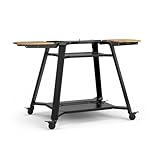
Best for groups who like options
2. Ooni Karu 16 Multi-Fuel Pizza Oven
A bigger multi-fuel oven that burns wood or charcoal and can take a gas burner. Make sure the gas kit is part of the listing you pick, because the oven body alone does not run on propane.
Suits: groups who like options. Strengths: a larger stone and fuel choice. Weaknesses: gas parts may cost extra. Skip it if you want gas only.

Best for outdoor kitchen builds
3. Bull Outdoor Products Bull Pizza Oven
A stainless steel propane oven from an outdoor kitchen brand, often sold in a cart or built-in style. Specifications differ between versions, so read the listing closely before ordering.
Suits: outdoor kitchen builds. Strengths: a steel body made for outdoor use. Weaknesses: varied versions and sizes. Skip it if you want a compact oven.

Best for larger households
4. Ooni Koda 16 Gas Pizza Oven
A propane oven with a wide stone floor and a simple dial, suited to bigger pies and entertaining. It is still portable, although larger than the smaller Koda version.
Suits: larger households. Strengths: a roomy stone and ease of use. Weaknesses: less portable than small ovens. Skip it if you have little storage space.
View Ooni Koda 16 Gas Pizza Oven on Amazon
Best for camp Chef owners
5. Camp Chef Italia Artisan Pizza Oven
A stone-floor oven that sits over a Camp Chef stove or stand and uses its burner. It makes sense if you already own that gear and want to add pizza to your outdoor setup.
Suits: Camp Chef owners. Strengths: a stone and temperature gauge. Weaknesses: it needs a compatible base. Skip it if you want a stand-alone oven.
View Camp Chef Italia Artisan Pizza Oven on Amazon
Best for small patios
6. Gozney Roccbox Portable Pizza Oven
A compact insulated oven that is light enough to move yet sturdy enough for the patio. It sits at the small end of this list and works well when space is limited.
Suits: small patios. Strengths: heat retention and portability. Weaknesses: a compact stone. Skip it if you want large pies.

Care and Setup
- Season and preheat the stone as the maker advises.
- Keep a fitted cover on the oven when not in use.
- Brush the stone clean once it is cool.
- Check hoses for wear at the start of each season.
Mistakes to Avoid
- Placing the oven on a flammable surface.
- Ignoring the clearance around the oven.
- Skipping the regulator check on a new tank.
- Buying a size that does not fit your stand.
Stone, Steel and Insulation: How Heat Is Held
A pizza oven cooks through three kinds of heat: the hot floor beneath the dough, the hot air around it and radiant heat from the roof and the flame. The balance among them gives the crust its char and the toppings their finish. Stone floors, usually made from cordierite or similar ceramic, store heat and release it into the dough. They are good at crisping crusts but can crack under sudden temperature swings, so follow the maker’s preheating and cooling instructions. Steel floors conduct heat quickly and can give very fast bottom cooking, though they react differently to cold dough.
Insulation decides how well the oven holds temperature in a breeze or when you open the door. Well-insulated ovens heat evenly, recover quickly between pizzas and use less fuel. Thin-walled ovens can still make excellent pizza but may be affected more by wind and cold air. Look at the construction: double-wall steel, ceramic fiber insulation and thick domes are all signs of heat retention, though the listing and manual are the places to confirm what is used.
Dome shape affects airflow. A low dome pushes flame and hot air across the top of the pizza, which helps cook toppings and blister the crust edge. A taller dome gives more room for larger items. Mind the opening height as well: a low door helps hold heat but limits what you can cook. For a backyard oven used frequently, durable materials and good insulation usually matter more than extra accessories.
Gas Hookup, Regulators and Fuel Supply
Gas ovens connect to propane through a hose and regulator, and getting this right is essential. Check that the oven is supplied for propane rather than natural gas, or that the correct conversion kit is available. Read the listing for the regulator type and hose length. A short hose limits where the cylinder can go, while a long one can be a trip hazard. Place the cylinder on a stable surface, upright, and away from the oven’s hot surfaces.
Consider whether you want a standard portable cylinder or a larger tank. Portable cylinders are easy to swap and carry, but a busy pizza night can use a lot of fuel. Having a backup cylinder avoids interruptions. Some owners connect to a permanent gas line, which needs a qualified installer and compliance with local codes. Do not attempt to convert an appliance unless the manufacturer provides an approved kit and instructions.
Perform a leak check at the start of each season and whenever you change a cylinder. Brush soapy water on connections with the gas on but the burner off; bubbles show a leak. Inspect hoses for cracks or rubbing. Never use a flame to test for leaks. Light the oven according to the manual, and keep the lid or door open as instructed when igniting. If you smell gas, shut off the supply at the cylinder, move away and ventilate the area. Replace old regulators and hoses according to the maker’s schedule.
Placement, Weatherproofing and Wind Management
A backyard oven must sit on a stable, heat-safe surface that can carry its weight. Check the listed weight and the stand or table requirements. Use a non-flammable base, such as a metal stand, a stone surface or a purpose-built cart, and keep the oven well away from fences, walls, overhanging branches and anything that can burn. Maintain clearance for ventilation and for working around the oven. Never use it in a garage, under a low roof or on a wooden deck without confirming that it is safe and allowed.
Wind affects gas ovens significantly. A gust can push the flame away or cool the chamber. Orient the oven so that its back, rather than its opening, faces the prevailing wind, or provide a non-flammable windbreak nearby. In cold weather, expect longer preheating and higher fuel use, and let the oven reach a stable temperature before you cook. In rain, keep the stone dry; moisture on a hot stone can lead to cracking.
Think about weather protection when the oven is not in use. A fitted cover protects against rain, dust and sun, but only put it on when the oven is fully cool. Elevate the oven off wet ground, and check that water cannot pool around the base. Some ovens are built to stay outside year-round; others are better stored in a dry place during winter. Check the manual for guidance, and inspect for rust and wear at the start of each season.
Launching, Turning and Timing Pies
Good technique makes any oven better. Preheat fully, using the time the maker recommends, so the stone is hot enough. Use a lightly floured peel for launching, and keep toppings modest, since overloaded pizzas stick and cook unevenly. Shake the peel gently to check that the dough moves freely before you slide it into the oven. If it sticks, lift the edge and add a little flour or semolina underneath.
Turn the pizza regularly. Gas ovens have a hot spot near the burner, so rotate the pie every short interval for an even bake. A smaller turning peel makes this easier. Watch the flame and the crust color rather than a clock alone, since cooking time depends on temperature, dough and toppings. Between pies, give the stone a moment to recover, especially when making several in a row.
Dough matters as much as the oven. A well-rested dough is easier to stretch and bakes with more flavor. Keep it at room temperature before stretching, and avoid pressing out all the air at the edge. Use fewer, drier toppings, since wet ingredients can make a soggy center. Grate cheese rather than slicing it, and add delicate herbs after baking. Keep a brush or scraper for cleaning the stone once it has cooled. Keep children and guests back from the opening, and use long-handled tools and heat-resistant gloves.
Cleaning, Cover Use and Seasonal Care
Cleaning a gas pizza oven is mostly about the stone and the exterior. After cooking, let the oven cool completely, then brush off loose debris from the stone. Do not use water or soap on a pizza stone, which can absorb moisture and crack when heated. Dark stains are normal and do not harm performance. Stubborn residue can be scraped off gently with a plastic or wooden scraper. For the exterior, a damp cloth with mild soap usually removes grease and soot; dry thoroughly.
Check the burner and ignition regularly. Spider webs and debris can block the burner, causing uneven flames, so inspect the burner opening and the venturi tube, and clear them carefully when the oven is cool and the gas is off. Replace the igniter battery when the spark weakens. Look at fasteners and legs for looseness, and tighten them as needed. Inspect the door and any gaskets for wear.
At the end of the season, clean the oven, remove the cylinder, and store the fuel in a safe, ventilated place. If the oven stays outdoors, cover it and protect it from moisture. Before the first use of the new season, inspect hoses and regulators for cracks, test for leaks, and do a short preheat to burn off dust. Keep a log of any repairs or unusual behavior, since it helps when you contact support. Replace parts that show corrosion, cracks or damage, rather than risking an unsafe or inconsistent oven.
A Backyard Pizza Oven Checklist Before You Order
A gas pizza oven is a bigger decision than most patio gadgets. Work through this list and you will avoid the most common regrets.
- Measure your space. Check the footprint, the height with the chimney and the clearance the maker specifies around the oven.
- Confirm the gas source. Some models use a standard portable cylinder, others connect to a natural gas line. The listing should state which.
- Check the weight. A heavy oven needs a sturdy, level table or stand, and you may need two people to move it.
- Find the maximum pizza size. A 12 inch oven and a 16 inch oven serve very different crowds.
- Look at the stone material. Cordierite and similar stones are common, but follow the maker’s care notes.
- Plan storage. A fitted cover helps if the oven stays outside, but always check the maker’s weather guidance.
Portable Versus Built-In: A Side-by-Side Look
Gas ovens come in two broad families, and the choice affects cost, space and how you entertain.
| Type | Advantages | Trade-offs |
|---|---|---|
| Portable tabletop | Moves between patio, camp and storage | Needs a stable table and cannot hold as many pizzas |
| Freestanding with stand | Work surface included, stays put | Takes floor space and is harder to relocate |
| Built-in or masonry style | Permanent outdoor kitchen centerpiece | Needs planning, and professional installation for the gas |
Think about how often you will cook. A once-a-month dinner suits a portable unit, while a weekly ritual might justify something fixed in place.
When to Read the Manual and When to Call a Professional
Gas appliances are one area where improvising is a mistake. Follow the maker’s instructions for connecting the cylinder or hose, checking fittings and lighting the burner. Keep the manual somewhere easy to find, because the steps for relighting and shutting down matter on every use.
Jobs that call for a licensed professional
If your plan involves a natural gas line, a permanent installation or modifying an outdoor kitchen, hire a licensed gas fitter or installer. Local codes cover clearances from walls, roofs and combustible materials, and they differ by area. A professional can also confirm that your outdoor surface is suitable.
Jobs you can do yourself
Wiping the exterior, brushing the stone when cool and storing the cover are routine tasks. Replace anything the maker lists as a consumable according to the care guide.
A Simple Gear List for Pizza Nights
The oven is only part of the setup. A short list of accessories makes the evening far smoother.
- Peel: a wooden or metal paddle to slide pizzas in and out. Having one for launching and a smaller one for turning is handy.
- Infrared thermometer: useful for reading the stone surface if the maker suggests this.
- Heat-resistant gloves: for moving the oven parts or adjusting hot fittings.
- Dough scraper and bench flour: to shape and move dough balls.
- Wire cooling rack: so pizzas do not steam on a solid plate.
- Soft brush: to clear the stone once the oven has cooled.
Only buy what you will actually use. Many cooks begin with a peel and a good tray, then add the rest as habits form.
Planning Your First Pizza Night Without Stress
Prep ahead so the oven is the only thing you watch. Portion dough into balls well in advance, set out toppings in small bowls and keep a peel, a turning tool and a plate within reach. Add one or two toppings per pizza and keep them light so the base cooks through.
Leave plenty of time for the oven to come up to heat as directed, and keep children and pets away from the hot surfaces. Let the oven cool completely before covering it. A calm, organized setup turns a first attempt into a satisfying evening.
Choosing a gas pizza oven Around How You Really Cook
The picks above give you the shortlist. This section slows the decision down and looks at the criteria that separate a gas pizza oven you will enjoy for years from one that quietly annoys you — the checks experienced buyers make before they commit. Because this guide focuses on backyard set-ups, the advice below leans towards siting, weather and cooking for people gathered outside.
Stone size and pizza diameter
Match the stone to the pizzas you actually make, remembering you also need room to launch and turn the pizza with a peel. Start with measurements rather than features. Write down the space you actually have, including the clearances the maker asks for, and compare those figures with the dimensions and diagrams on the current listing and in the installation guide. A model that fits on paper but leaves no room to work, open a door fully, or reach the controls comfortably will frustrate you every day. If you are replacing an older unit, measure the existing opening instead of assuming the new one matches it, because sizes and cut-outs change between generations of products.
Heat-up and recovery between pizzas
Back-to-back cooking depends on how quickly the stone and chamber recover after a cold pizza goes in, not just on the peak heat reached once. Judge this by the cooking you do most weeks, not by the most demanding meal of the year. Think about the largest pan, tray or batch you handle regularly and whether the layout gives it room without crowding everything else. Headline numbers on a listing only tell part of the story; how evenly heat spreads, how quickly the unit recovers after you add cold food, and how steadily it holds a gentle setting usually matter more in daily use than a single maximum figure quoted out of context.
Flame and stone balance
Good results need the base cooking at the same pace as the top; a fierce flame over a cool stone gives leopard-spotted tops on pale bottoms. Controls are the part you touch every single time you cook, so they deserve more attention than they usually get. They should be reachable without leaning across heat, readable at a glance, and positive enough that a setting does not drift when you brush past. If other people in the household cook too, ask whether the layout makes sense to someone who did not read the manual. Markings that wipe away, knobs that feel loose, or a display you cannot read in bright light are small annoyances that grow with use.
Peel access and turning space
A wide, unobstructed opening makes launching and rotating pizzas far easier, especially while you are learning. Start with measurements rather than features. Write down the space you actually have, including the clearances the maker asks for, and compare those figures with the dimensions and diagrams on the current listing and in the installation guide. A model that fits on paper but leaves no room to work, open a door fully, or reach the controls comfortably will frustrate you every day. If you are replacing an older unit, measure the existing opening instead of assuming the new one matches it, because sizes and cut-outs change between generations of products.
Cleaning and ash-free upkeep
Gas ovens stay cleaner than wood-fired ones, but flour, cheese and toppings still burn onto the stone and need the right routine. Be honest about the parts you will handle every week. Grease, crumbs and spills are guaranteed; the question is whether the surfaces, seams and removable parts let you deal with them quickly or turn cleaning into a project you postpone. Smooth surfaces wipe down faster than textured ones, removable parts are easier to soak than fixed ones, and tight corners collect residue that hardens over time. Check what the manual says about cleaning products, because harsh scouring or the wrong chemicals can damage coatings and finishes that are expensive to restore.
How the Picks Above Compare in Everyday Terms
Specifications only take you so far. Here is the same shortlist viewed through the lens the reviews above already use — who each pick suits, what it does best, and the trade-off you accept with it — so you can match a model to your own cooking rather than to a ranking.
Gozney Dome Pizza Oven. The review above positions this pick for entertaining cooks. Its headline strength there is excellent heat retention and a roomy chamber, and the honest limitation to accept is weight and size. Treat that pairing as the decision: if the strength matches the cooking you do most — Neapolitan-style pizzas, flatbreads, roasted vegetables and baked dishes — and the limitation touches something you rarely need, it is a good match. As the review notes, skip it if you want to move it often.
Ooni Karu 16 Multi-Fuel Pizza Oven. The review above positions this pick for groups who like options. Its headline strength there is a larger stone and fuel choice, and the honest limitation to accept is gas parts may cost extra. Treat that pairing as the decision: if the strength matches the cooking you do most — Neapolitan-style pizzas, flatbreads, roasted vegetables and baked dishes — and the limitation touches something you rarely need, it is a good match. As the review notes, skip it if you want gas only.
Bull Outdoor Products Bull Pizza Oven. The review above positions this pick for outdoor kitchen builds. Its headline strength there is a steel body made for outdoor use, and the honest limitation to accept is varied versions and sizes. Treat that pairing as the decision: if the strength matches the cooking you do most — Neapolitan-style pizzas, flatbreads, roasted vegetables and baked dishes — and the limitation touches something you rarely need, it is a good match. As the review notes, skip it if you want a compact oven.
Ooni Koda 16 Gas Pizza Oven. The review above positions this pick for larger households. Its headline strength there is a roomy stone and ease of use, and the honest limitation to accept is less portable than small ovens. Treat that pairing as the decision: if the strength matches the cooking you do most — Neapolitan-style pizzas, flatbreads, roasted vegetables and baked dishes — and the limitation touches something you rarely need, it is a good match. As the review notes, skip it if you have little storage space.
Camp Chef Italia Artisan Pizza Oven. The review above positions this pick for Camp Chef owners. Its headline strength there is a stone and temperature gauge, and the honest limitation to accept is it needs a compatible base. Treat that pairing as the decision: if the strength matches the cooking you do most — Neapolitan-style pizzas, flatbreads, roasted vegetables and baked dishes — and the limitation touches something you rarely need, it is a good match. As the review notes, skip it if you want a stand-alone oven.
Gozney Roccbox Portable Pizza Oven. The review above positions this pick for small patios. Its headline strength there is heat retention and portability, and the honest limitation to accept is a compact stone. Treat that pairing as the decision: if the strength matches the cooking you do most — Neapolitan-style pizzas, flatbreads, roasted vegetables and baked dishes — and the limitation touches something you rarely need, it is a good match. As the review notes, skip it if you want large pies.
Notice that none of the picks is best at everything, and that is normal in this category. The right choice is the one whose compromises land where you feel them least. If two picks still tie, decide on the practicalities — fit in your space, ease of cleaning, and parts support — because those are what you live with long after the first cook’s novelty fades.
Use Cases: Matching the Choice to Your Routine
Most buyers are really choosing between routines, not products. Find the scenario below closest to your life and weight the criteria in that direction; it is a more reliable method than comparing feature lists in the abstract.
Friday pizza nights for the family
Recovery between pizzas and a stone sized to your usual base decide whether the fourth pizza is as good as the first. In practice that means prioritising the criteria above that serve this pattern of cooking, and being willing to trade away capacity or features aimed at cooks unlike you. It also means thinking about frequency: a gas pizza oven used this way several times a week justifies more care in the choice — and more spent on the details you touch daily — than one used a few times a season.
Learning Neapolitan-style baking
You will turn pizzas often and judge doneness by eye, so visibility, access and even flame matter more than extra features. In practice that means prioritising the criteria above that serve this pattern of cooking, and being willing to trade away capacity or features aimed at cooks unlike you. It also means thinking about frequency: a gas pizza oven used this way several times a week justifies more care in the choice — and more spent on the details you touch daily — than one used a few times a season.
Entertaining a crowd
A rhythm of stretching, topping and baking in rotation keeps pizzas flowing; a slightly larger stone lets one bake while the next is dressed beside it. In practice that means prioritising the criteria above that serve this pattern of cooking, and being willing to trade away capacity or features aimed at cooks unlike you. It also means thinking about frequency: a gas pizza oven used this way several times a week justifies more care in the choice — and more spent on the details you touch daily — than one used a few times a season.
More than pizza
Roasted vegetables, flatbreads, baked fish and skillet dishes all love fierce, dry heat, and widen the oven’s usefulness beyond one night a week. In practice that means prioritising the criteria above that serve this pattern of cooking, and being willing to trade away capacity or features aimed at cooks unlike you. It also means thinking about frequency: a gas pizza oven used this way several times a week justifies more care in the choice — and more spent on the details you touch daily — than one used a few times a season.
Cleaning, Care and Storage in More Detail
Pizza stones clean themselves with heat more than with water: most residue burns to ash at full temperature and brushes away once cool. The parts that matter are the pizza stone, the interior floor and walls, the burner area, and the exterior and chimney or vent. Work through them on a rhythm rather than in a panic before guests arrive: a light routine after cooking, a slightly deeper one weekly or monthly depending on use, and a proper inspection at the start and end of the main season of use.
After each cook, deal with the fresh residue while it is still easy — the exact method follows the manual, but the principle is universal: fresh grease and food wipe, soak or scrape away in moments, while the same deposits a week later need force that damages surfaces. Let hot parts cool to a safe temperature first, use the cleaning products and tools the maker allows, and dry everything before it is stored or covered, because trapped moisture causes more corrosion and odour than cooking itself.
On the deeper routine, remove what is designed to be removed and clean it at the sink, check seals, hinges, burners, filters or moving parts as they apply, and look for early wear — perished seals, cracked hoses or cords, damaged coatings, loose fittings. These small checks are the real secret to longevity in this category. Products rarely fail without warning; they fail after months of small warnings nobody looked for. Finish by reassembling carefully, confirming everything seats as it should, and running the unit briefly if the manual recommends it after cleaning.
Storage follows the same logic. Clean and dry beats covered and damp, every time. Keep small parts, tools and the manual together in one place so the next use starts smoothly, and if the product lives outdoors or in a garage, use the cover or storage position the maker intends, with fuel or power disconnected as directed.
Setup and First Uses: A Sensible Sequence
However straightforward the product looks, give the setup an unhurried hour. Unpack and inspect everything against the parts list, read the manual’s safety and installation pages fully, and only then position, connect or assemble. For anything involving gas, water or fixed electrical work, that sequence includes a qualified installer where the brief sections above and the manual require one — this is not the place for improvisation.
Before the first real cook, run the checks the manual specifies: connections secure, parts seated correctly, controls responding as described, and any initial cleaning, seasoning or empty heating cycle completed. This dry run is where you discover a missing fitting or a misunderstood control, calmly and without hungry people waiting. Keep the packaging until the unit has cooked successfully once, in case an exchange is needed.
Then cook something you know well. Familiar food turns the first uses into a fair test: you can judge how this gas pizza oven heats, responds and cleans against a result you already understand. Make notes — settings used, timings, anything surprising — because the first half-dozen cooks teach you the unit’s character, and written notes beat memory. Most early disappointment in this category is unfamiliarity rather than a faulty product, and it passes quickly when the first cooks are treated as practice.
Finally, register the product if the maker offers it, file the receipt with the manual, and note where spare parts and consumables for your exact model come from. Doing this while the details are fresh takes five minutes and can save days if you ever need support.
Troubleshooting: Small Problems, Sensible Responses
Most problems with a gas pizza oven announce themselves as changes: results that drift, sounds that were not there before, controls that feel different, smells that linger. Work from the simple causes outward. Is it clean where cleanliness affects performance? Is everything seated, connected and set as the manual shows? Has anything changed — new cookware, different fuel supply, a move to a new position, colder weather? A surprising share of faults trace back to one of those.
Keep a short log when a problem appears: what happened, what you were cooking, and what you tried. Patterns in that log are gold for a support line or technician, and they often reveal the cause to you first — an issue that only follows a deep clean, for instance, usually means a part went back slightly wrong. Never defeat a safety device, bypass a control, or continue using the product through a symptom the manual tells you to stop for. Persistent ignition or heating failures, damage to fuel or electrical parts, and anything involving a gas smell are professional jobs, full stop.
It also helps to know what normal looks like. New products smell faintly on their first heats, temperatures cycle around a setting rather than pinning to it, and results vary with load and weather. Comparing today’s behaviour with your early cooking notes — rather than with a memory of perfection — keeps you from chasing faults that are not there, and sharpens your eye for the changes that genuinely matter.
Safety and Good Practice Worth Repeating
Site a gas pizza oven outdoors on a stable, non-combustible surface with the clearances the maker specifies, away from fences, awnings and overhanging branches. The stone and interior reach extreme temperatures and stay hot long after the gas is off, so treat the oven as hot until you have verified otherwise, and keep children and pets back. Check the hose and connections before each season and after moving the oven, never leave it unattended while lit, and let it cool completely before covering or storing it.
Beyond the specifics, three habits cover most incidents in this category: read the manual’s safety pages before the first use rather than after the first surprise; keep the area around the product clear, dry and organised while it is hot or running; and stop and reassess the moment something behaves unexpectedly instead of pushing through a cook. Confidence with cooking equipment should come from routine and attention, not from ignoring the small warnings it gives you.
Final Checks Before You Decide
Measure twice, decide once
Before you order, walk through the physical journey the product will take: through the door, along the hallway or garden path, and into its final position. Many returns and exchanges happen not because a product was wrong but because it could not get into the room, or because the space left around it was too tight to use it comfortably. Photograph the spot, note anything fixed that cannot move, and keep those notes beside you while you compare the picks above. Ten minutes with a tape measure prevents most of the expensive mistakes in this category.
Read the manual before the first cook
The manual for this kind of product is more useful than most people expect. It covers the clearances, fuel or power requirements, cleaning products to avoid, and the small assembly or seasoning steps that decide whether the first use goes well. Read it before the first cook rather than after something goes wrong, and keep it somewhere you can find it again. If the listing offers a downloadable copy, save it when you order so you can plan the space and any extra parts while you wait for delivery.
Keep a simple cooking notebook
A short note after each of the first dozen cooks — what you made, the setting you used, how long it took, and what you would change — shortens the learning curve dramatically. Every unit in this guide behaves a little differently, and your own notes become a more reliable guide than generic timings written for someone else’s equipment and ingredients. The notebook also helps when something changes months later: if results slip, you can compare against your early notes and spot whether the food, the weather, or the equipment is the variable that moved.
Gas Pizza Ovens for Backyards FAQ
Is a bigger oven always better?
Not always. A larger stone suits groups, but a small oven heats faster and needs less gas.
Can I leave the oven outside?
Many are built for outdoor use, but a cover is still wise. Follow the maker’s guidance.
Do I need a stand?
Some come with legs, some need a table, and some need a stand. Check the listing.
Which fuel is best for entertaining?
Gas is the simplest, because it lights fast and keeps a steady flame during a long evening.
How long should I preheat a gas pizza oven?
It depends on the model and conditions. Follow the maker's instructions and check that the stone is fully hot before cooking. Cold or windy weather can extend the time.
Why is my pizza burning on the bottom?
The stone may be too hot, or the pie may stay in one spot too long. Turn the pizza more often, allow the stone to recover between pies and consider lowering the flame if the oven allows it.
Can I wash my pizza stone?
Avoid soap and water, which the stone can absorb. Brush off debris once cool and scrape gently if needed. Stains are normal.
What size pizza will fit?
It depends on the stone and opening size, which you should check on the listing. Leave room to turn the pizza, since a pie that fills the stone edge to edge is hard to rotate.
Do I need a special propane cylinder?
Many ovens use standard propane cylinders with a regulator and hose, but check the listing and manual for the exact setup and any adapter needs.
How do I stop dough from sticking to the peel?
Use a light dusting of flour or semolina, build the pizza quickly and avoid letting it sit. Check that the dough moves before adding toppings.
What should I do if the flame goes out?
Turn off the gas, wait for any gas to clear and relight following the manual. Check for wind, a blocked burner or low fuel, and clear the cause before restarting.
How do I stop pizza sticking to the peel?
Dust the peel lightly with flour or semolina, build the pizza quickly once it is on the peel, and give it a small shake before launching to confirm it slides. A wet, heavily topped pizza left sitting will glue itself down, so sauce and toppings should be ready before the base is stretched. Metal and wooden peels behave slightly differently; practice the launch with a plain base until the motion is confident.
Why is the base pale while the top is done?
The stone was not fully saturated with heat, or the pizza went in before the oven recovered from the previous one. Allow a proper preheat and a short recovery between pizzas, and rotate the pizza so each side spends time near the flame. Very wet toppings also cool the base; go lighter on sauce and drain watery vegetables and fresh mozzarella before topping.
How often should I turn the pizza?
Turn it when the side nearest the flame has coloured enough — in a hot oven that can be well under a minute. Use a small turning peel if you have one, work briskly, and avoid dragging the base across the stone, which can tear it. With practice the turn becomes a single confident motion; early on, it is fine to pull the pizza out briefly to reposition it.
Can I use the oven for other foods?
Yes — the fierce, dry heat suits flatbreads, roasted vegetables, whole fish, chicken pieces and skillet-baked dishes, provided your cookware is rated for the temperatures involved and the maker permits it. Avoid sealed containers and anything that could boil over onto the burner. Remember the stone flavours nothing but does scorch spills, so trays under messy dishes keep later pizzas tasting clean.
Should the stone be washed?
Generally no. Water can crack a hot stone and soak into a cold one, so the usual care is to burn off residue at full heat, let everything cool, and brush away the ash. For stubborn spots, follow the stone maker’s guidance exactly. Never use detergents on a porous stone, and never put a hot stone into water or onto a cold surface.
The Short Version
For a premium dome, the Gozney Dome. For multi-fuel, the Ooni Karu 16. For an outdoor kitchen, the Bull. For a roomy gas oven, the Ooni Koda 16. For a stove-based oven, the Camp Chef Italia Artisan. For a compact pick, the Gozney Roccbox. Confirm details on each listing first.