A gas pizza oven fires with propane, so it lights fast, holds a steady flame and needs far less tending than a wood-burning oven. Most models use a stone floor that crisps the crust in a few minutes once the oven is hot.
The six ovens below span compact portable designs, multi-fuel units and a stovetop option. We have not used these ovens ourselves, and we are not quoting numbers we cannot confirm. Check the current listing for fuel hookup, pizza size, accessories and assembly before you buy.
As an Amazon Associate we earn from qualifying purchases. Links below are affiliate links, and they do not change the product information we give.
What to Look For
| Feature | Why it matters |
|---|---|
| Pizza size | Match the stone width to the pies you want to make |
| Fuel setup | Check whether a hose, regulator or adapter is included |
| Heat control | A dial or burner control helps you manage the stone |
| Portability | A compact body helps if you store the oven between uses |
| Included tools | A peel and thermometer save extra purchases |
In this guide
Specs at a Glance
| Oven | Fuel | Style | Notes |
|---|---|---|---|
| Ooni Koda 12 | Propane | Compact, stone floor | Folding legs; one-piece body |
| Solo Stove Pi Prime | Propane | Compact, stone floor | Gas-only oven; portable |
| Gozney Tread | Propane | Portable, stone floor | Built for travel and small spaces |
| Pizzeria Pronto Stovetop | Home stove burner | Stovetop dome | Sits on a gas burner |
| Ooni Karu 12 | Multi-fuel | Compact, stone floor | Gas burner sold separately |
| Ooni Koda 16 | Propane | Larger stone floor | Fits bigger pies |
The 6 Best Gas Pizza Ovens
Top pickBest for first-time buyers
1. Ooni Koda 12 Gas Pizza Oven
A small propane pizza oven with a stone baking board and a single-dial control. It is made for personal-size pizzas and has folding legs, so it stores easily between uses.
Suits: first-time buyers. Strengths: fast heat-up and simple controls. Weaknesses: a smaller pizza size. Skip it if you want large pies.
View Ooni Koda 12 Gas Pizza Oven on Amazon
Best for patio cooks
2. Solo Stove Pi Prime Gas Pizza Oven
A propane pizza oven from a brand known for fire pits, with a stone floor and a flame that wraps the chamber. It is aimed at backyard users who want a tidy design and straightforward cooking.
Suits: patio cooks. Strengths: a clean design and easy handling. Weaknesses: it runs on gas only. Skip it if you want a wood-burning option.

Best for people with tight storage
3. Gozney Tread Portable Pizza Oven
A gas pizza oven made for travel and small spaces, from a brand that also makes the Roccbox and Dome. Check the listing for fuel hookup and accessories, since those vary by bundle.
Suits: people with tight storage. Strengths: a portable shape and a respected brand. Weaknesses: the stone is compact. Skip it if you want a roomy interior.

Best for apartment cooks
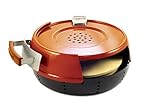
4. Pizzeria Pronto Stovetop Pizza Oven
A dome that sits over a gas stove burner and bakes using the heat from your range. It is a low-effort option for people who want to try pizza at home without buying a tank.
Suits: apartment cooks. Strengths: no extra fuel to buy. Weaknesses: less heat than a purpose-built oven. Skip it if you want restaurant-style crust.
Best for flexible cooks
5. Ooni Karu 12 Multi-Fuel Pizza Oven
A compact oven that burns wood or charcoal and can accept a separate gas burner. Check that the gas burner is in your bundle, because the base oven does not always include it.
Suits: flexible cooks. Strengths: a choice of fuels. Weaknesses: gas parts may cost extra. Skip it if you want gas only.

Best for families and entertainers
6. Ooni Koda 16 Gas Pizza Oven
A larger propane oven with a wider stone, built for bigger pies and groups. Its size makes it harder to move than smaller models, but it keeps the same simple gas control.
Suits: families and entertainers. Strengths: a roomy interior. Weaknesses: less portable. Skip it if you need a travel oven.
View Ooni Koda 16 Gas Pizza Oven on Amazon
Care and Setup
- Preheat the stone fully before the first pizza.
- Dust the peel with flour or semolina to help the dough slide.
- Let the oven cool before you move or cover it.
- Disconnect the propane tank during storage.
Mistakes to Avoid
- Launching a pizza onto a cold stone.
- Using too much sauce, which can steam the crust.
- Skipping the leak check on new hose connections.
- Leaving the oven uncovered in rain.
Stone Floor, Flame Layout and Heat Distribution
A pizza oven cooks in three ways at once: heat from the stone floor, hot air that circulates in the chamber and radiant heat from the roof and flame. A good gas oven balances all three so the base crisps while the top blisters. Where the burner sits and how the flame travels through the chamber affect how evenly the pizza cooks, and some ovens need the pizza turned regularly because one side runs hotter.
The stone floor stores heat and releases it quickly into the dough, which is why the base can cook in a few minutes. A thicker stone holds heat longer between pizzas but takes longer to come up to temperature. A thinner one heats faster but can drop in temperature after a few pies. Check the listing for the stone material and whether it can be replaced if it cracks.
Opening size matters too. A wide, low opening makes it easier to launch and turn pizzas but lets more heat escape. A narrower opening holds heat better but gives you less room to move a peel. If you often cook for a group, think about how quickly the oven recovers its heat between pizzas, a detail that listings rarely quantify, so look to the maker’s description and user guidance.
Propane Connections, Regulators and Leak Checks
Most gas pizza ovens run on a standard propane cylinder through a hose and regulator, but the details vary by model and country. Confirm that the oven’s fitting matches the tank you plan to use, and whether the regulator and hose come in the box or are sold separately. If you want to switch between a small camping cylinder and a larger tank, check whether an adapter is needed.
Always inspect hoses for cracks before use, connect the regulator firmly and test for leaks with soapy water before lighting. Bubbles at a joint signal a leak, and you should turn off the gas and tighten or replace the part. Light the oven with the lid or door open as the manual directs, and never use a tank that is damaged, rusty or past its inspection date.
Keep the tank upright, on a stable surface and away from the flame and from direct sun. Position the oven in a ventilated outdoor area, away from walls, awnings, overhanging branches and anything flammable. Never use a gas pizza oven in a garage, tent or enclosed space, since carbon monoxide and gas build-up are real risks.
Dough and Launch Technique for Gas Ovens
The oven can be excellent and the pizza still disappoint if the dough and the launch are wrong. High heat favors thin, well-hydrated dough that has fermented properly. A dough that is too wet sticks to the peel, and one that is too dry turns hard. Let dough come to room temperature before stretching, and stretch by hand rather than rolling so the edge stays airy.
Build the pizza on a lightly floured or semolina-dusted peel, working quickly so the dough does not stick. Shake the peel gently before sliding the pizza in to confirm it moves freely. Use a light hand with toppings, because wet ingredients and heavy sauce create steam and a soggy center.
- Use a metal peel for launching and a smaller turning peel for rotating.
- Turn the pizza a quarter turn at intervals, since the flame side cooks faster.
- Lower the flame a little between pizzas if the floor gets too hot and starts to burn the base.
Practice with a few simple pies first. Your first pizza often serves as a test of temperature and timing.
Portability, Storage and Weather Considerations
Portable ovens vary from lightweight units you can carry to the picnic table to heavier models that stay on a patio stand. Check the weight and the folding design on the listing, and think about where you will store the oven. If you plan to carry it often, look at handles, folding legs and how the hose and regulator pack away.
Outdoor weather matters for both the oven and its performance. Wind can blow out the flame or cool the chamber unevenly, so a sheltered location helps. Rain and humidity can affect the stone and metal parts, so a fitted cover is useful if the oven lives outside. Always let the oven cool fully before covering it or moving it.
Stovetop-style ovens and compact designs differ from full burner units in how they are used. Make sure the format fits your cooking space and whether you want a stand or a tabletop position. Choose a stable, heat-resistant surface. Never place the oven directly on a wooden table or deck without the protection the manual specifies.
Cleaning and Maintaining a Gas Oven
Gas pizza ovens need less cleanup than wood-fired ones, but they still need care. After cooking, let the oven cool, then brush loose flour and crumbs off the stone with a dry brush. Do not soak the stone or use soap, since it absorbs liquids and flavors. Stains on the stone are normal and do not harm performance. Wipe exterior panels with a damp cloth and mild cleaner as the manual advises.
Check the burner periodically for blockages, since spiders and debris can obstruct small gas ports, leading to uneven flames. Inspect hoses and fittings each season. Store the oven dry and covered, and disconnect the cylinder when the oven is not in use for long periods.
Signs that parts need replacing include a cracked stone, a flame that will not stay lit, a damaged hose or regulator, or rusting that affects structural parts. Check whether the maker sells replacement stones and parts before buying, since that extends the life of the oven.
A Short Glossary of Pizza Oven Terms
Pizza oven listings use a mix of cooking and equipment words. Here is what the common ones mean, so the specification lists make sense.
- Cooking stone: the thick baking surface, often cordierite or a similar ceramic, that stores heat and crisps the base of the pizza.
- Preheat time: how long the maker says the oven needs before it reaches cooking temperature.
- Propane regulator: the part that controls gas pressure between the cylinder and the oven. Use only the regulator and hose specified by the maker.
- Peel: a flat paddle used to slide pizzas in and out of the oven. Metal peels slide under a pizza easily, and wooden ones are good for launching dough.
- Hot spot: an area of the stone that runs hotter than the rest, requiring you to turn the pizza.
- Multi-fuel: an oven that can burn more than one fuel, such as gas and wood or charcoal, with the right accessories.
- Stovetop oven: a compact dome or chamber that sits on a household burner rather than using its own gas supply.
When you see a term that is not on this list, check the maker’s product page and manual before relying on it.
Mistakes to Avoid With a Gas Pizza Oven
Gas ovens are forgiving once you know their habits, but a few slips cause most of the early disappointment.
- Launching on an under-heated stone. A stone that has not been given enough preheat time may leave the base pale and floppy.
- Using too much flour on the peel. Extra flour can scorch and taste bitter. Use only enough to let the dough slide.
- Overloading toppings. A heavily loaded pizza can stick to the peel or cook unevenly. Fewer toppings usually work better.
- Not rotating the pizza. Many ovens have a hotter back or side. A turn every few seconds keeps the crust even.
- Ignoring wind. A breeze can blow out a flame or change heat distribution. Place the oven in a sheltered spot, following the maker’s guidance on safe location.
- Setting up in a cramped space. The oven needs clear space around it. Follow the manual’s clearance guidance.
Your first few pizzas are practice. Keep notes on dough hydration, bake time, and how the oven behaved so you can repeat the successes.
Portable Gas Against Multi-Fuel and Stovetop: A Table
The picks in this guide include different formats. The table lays out general differences, and each maker’s own page has the exact details.
| Point | Dedicated gas oven | Multi-fuel oven | Stovetop oven |
|---|---|---|---|
| Fuel | Propane | Gas plus optional wood or charcoal | Your cooktop burner |
| Where it works | Patio, garden, camp | Outdoors | Indoors on a suitable cooktop |
| Convenience | Simple to light and control | More options, more to manage | Very simple, limited capacity |
| Flavor character | Clean heat | Can add smoky notes with wood | Depends on your burner |
| Learning curve | Moderate | Higher | Low |
The Ooni Koda 12 and Gozney Tread suit the dedicated gas column, the Ooni Karu 12 fits the multi-fuel one, and the Pizzeria Pronto belongs on the stovetop side.
Gas Safety: Following the Manual and Calling a Professional
Pizza ovens use propane and produce very high heat, so official instructions are not optional.
- Read the whole manual before lighting the oven, and follow every instruction for connecting the cylinder and regulator.
- Use only the hose and regulator the maker specifies, and check the connections as the manual describes.
- Use the oven outdoors only, unless the maker states a specific model is suitable for another setting.
- Keep the oven on a stable, heat-resistant surface and away from walls, overhangs, and anything flammable.
- If you smell gas, or the connections look damaged, stop using the oven and follow the manual and local gas safety advice.
- For a permanent installation or a natural gas conversion, use a licensed gas professional.
Cylinder storage and transport are also governed by local rules, so consult official guidance or your gas supplier.
Planning Your First Pizza Night
- Choose a spot outdoors on a level, heat-resistant surface, sheltered from wind.
- Prepare the dough in advance so it has time to rest and is easy to stretch.
- Gather your peel, a small brush for the stone, tongs, heat-resistant gloves, and a cutting board.
- Light and preheat the oven as the manual describes.
- Bake a plain pizza first to learn how the oven behaves, then try more elaborate versions.
- Let the oven cool fully before you cover or move it, following the maker’s instructions.
Keep children and pets away from the oven while it is hot and while it cools, because surfaces stay hot for a long time.
A Decision Guide by Situation
A small patio or balcony
Check the building rules about propane and open flames first. Then consider a compact, portable model whose size fits the space with clearance.
Camping or tailgating
Choose a light, folding model that packs down and is simple to set up.
Cooking for a crowd
Look for a larger stone and quick recovery time between pizzas, so the line keeps moving.
No outdoor space at all
A stovetop format may be the only option. Confirm the maker states it suits your type of cooktop.
The right oven is the one that fits your space, your habits, and your comfort with gas equipment, not the one with the longest feature list.
Dough and Topping Habits That Suit a Hot Oven
High-heat ovens bake quickly, so dough and toppings need to be ready before you light up. Wet toppings such as fresh mozzarella and tomatoes release water and can leave a soggy center, so drain or pat them dry first. Keep the sauce thin and the cheese modest. Stretch the dough gently on a floured surface and handle it as little as possible, because overworked dough tears and springs back.
Pre-assemble everything within reach, since a pizza that waits on the peel begins to stick. A few seconds of delay can mean a torn base, so shake the peel lightly to confirm the pizza moves freely before you slide it in.
Choosing a gas pizza oven Around How You Really Cook
The picks above give you the shortlist. This section slows the decision down and looks at the criteria that separate a gas pizza oven you will enjoy for years from one that quietly annoys you — the checks experienced buyers make before they commit.
Stone size and pizza diameter
Match the stone to the pizzas you actually make, remembering you also need room to launch and turn the pizza with a peel. Start with measurements rather than features. Write down the space you actually have, including the clearances the maker asks for, and compare those figures with the dimensions and diagrams on the current listing and in the installation guide. A model that fits on paper but leaves no room to work, open a door fully, or reach the controls comfortably will frustrate you every day. If you are replacing an older unit, measure the existing opening instead of assuming the new one matches it, because sizes and cut-outs change between generations of products.
Heat-up and recovery between pizzas
Back-to-back cooking depends on how quickly the stone and chamber recover after a cold pizza goes in, not just on the peak heat reached once. Judge this by the cooking you do most weeks, not by the most demanding meal of the year. Think about the largest pan, tray or batch you handle regularly and whether the layout gives it room without crowding everything else. Headline numbers on a listing only tell part of the story; how evenly heat spreads, how quickly the unit recovers after you add cold food, and how steadily it holds a gentle setting usually matter more in daily use than a single maximum figure quoted out of context.
Flame and stone balance
Good results need the base cooking at the same pace as the top; a fierce flame over a cool stone gives leopard-spotted tops on pale bottoms. Controls are the part you touch every single time you cook, so they deserve more attention than they usually get. They should be reachable without leaning across heat, readable at a glance, and positive enough that a setting does not drift when you brush past. If other people in the household cook too, ask whether the layout makes sense to someone who did not read the manual. Markings that wipe away, knobs that feel loose, or a display you cannot read in bright light are small annoyances that grow with use.
Peel access and turning space
A wide, unobstructed opening makes launching and rotating pizzas far easier, especially while you are learning. Start with measurements rather than features. Write down the space you actually have, including the clearances the maker asks for, and compare those figures with the dimensions and diagrams on the current listing and in the installation guide. A model that fits on paper but leaves no room to work, open a door fully, or reach the controls comfortably will frustrate you every day. If you are replacing an older unit, measure the existing opening instead of assuming the new one matches it, because sizes and cut-outs change between generations of products.
Cleaning and ash-free upkeep
Gas ovens stay cleaner than wood-fired ones, but flour, cheese and toppings still burn onto the stone and need the right routine. Be honest about the parts you will handle every week. Grease, crumbs and spills are guaranteed; the question is whether the surfaces, seams and removable parts let you deal with them quickly or turn cleaning into a project you postpone. Smooth surfaces wipe down faster than textured ones, removable parts are easier to soak than fixed ones, and tight corners collect residue that hardens over time. Check what the manual says about cleaning products, because harsh scouring or the wrong chemicals can damage coatings and finishes that are expensive to restore.
How the Picks Above Compare in Everyday Terms
Specifications only take you so far. Here is the same shortlist viewed through the lens the reviews above already use — who each pick suits, what it does best, and the trade-off you accept with it — so you can match a model to your own cooking rather than to a ranking.
Ooni Koda 12 Gas Pizza Oven. The review above positions this pick for first-time buyers. Its headline strength there is fast heat-up and simple controls, and the honest limitation to accept is a smaller pizza size. Treat that pairing as the decision: if the strength matches the cooking you do most — Neapolitan-style pizzas, flatbreads, roasted vegetables and baked dishes — and the limitation touches something you rarely need, it is a good match. As the review notes, skip it if you want large pies.
Solo Stove Pi Prime Gas Pizza Oven. The review above positions this pick for patio cooks. Its headline strength there is a clean design and easy handling, and the honest limitation to accept is it runs on gas only. Treat that pairing as the decision: if the strength matches the cooking you do most — Neapolitan-style pizzas, flatbreads, roasted vegetables and baked dishes — and the limitation touches something you rarely need, it is a good match. As the review notes, skip it if you want a wood-burning option.
Gozney Tread Portable Pizza Oven. The review above positions this pick for people with tight storage. Its headline strength there is a portable shape and a respected brand, and the honest limitation to accept is the stone is compact. Treat that pairing as the decision: if the strength matches the cooking you do most — Neapolitan-style pizzas, flatbreads, roasted vegetables and baked dishes — and the limitation touches something you rarely need, it is a good match. As the review notes, skip it if you want a roomy interior.
Pizzeria Pronto Stovetop Pizza Oven. The review above positions this pick for apartment cooks. Its headline strength there is no extra fuel to buy, and the honest limitation to accept is less heat than a purpose-built oven. Treat that pairing as the decision: if the strength matches the cooking you do most — Neapolitan-style pizzas, flatbreads, roasted vegetables and baked dishes — and the limitation touches something you rarely need, it is a good match. As the review notes, skip it if you want restaurant-style crust.
Ooni Karu 12 Multi-Fuel Pizza Oven. The review above positions this pick for flexible cooks. Its headline strength there is a choice of fuels, and the honest limitation to accept is gas parts may cost extra. Treat that pairing as the decision: if the strength matches the cooking you do most — Neapolitan-style pizzas, flatbreads, roasted vegetables and baked dishes — and the limitation touches something you rarely need, it is a good match. As the review notes, skip it if you want gas only.
Ooni Koda 16 Gas Pizza Oven. The review above positions this pick for families and entertainers. Its headline strength there is a roomy interior, and the honest limitation to accept is less portable. Treat that pairing as the decision: if the strength matches the cooking you do most — Neapolitan-style pizzas, flatbreads, roasted vegetables and baked dishes — and the limitation touches something you rarely need, it is a good match. As the review notes, skip it if you need a travel oven.
Notice that none of the picks is best at everything, and that is normal in this category. The right choice is the one whose compromises land where you feel them least. If two picks still tie, decide on the practicalities — fit in your space, ease of cleaning, and parts support — because those are what you live with long after the first cook’s novelty fades.
Use Cases: Matching the Choice to Your Routine
Most buyers are really choosing between routines, not products. Find the scenario below closest to your life and weight the criteria in that direction; it is a more reliable method than comparing feature lists in the abstract.
Friday pizza nights for the family
Recovery between pizzas and a stone sized to your usual base decide whether the fourth pizza is as good as the first. In practice that means prioritising the criteria above that serve this pattern of cooking, and being willing to trade away capacity or features aimed at cooks unlike you. It also means thinking about frequency: a gas pizza oven used this way several times a week justifies more care in the choice — and more spent on the details you touch daily — than one used a few times a season.
Learning Neapolitan-style baking
You will turn pizzas often and judge doneness by eye, so visibility, access and even flame matter more than extra features. In practice that means prioritising the criteria above that serve this pattern of cooking, and being willing to trade away capacity or features aimed at cooks unlike you. It also means thinking about frequency: a gas pizza oven used this way several times a week justifies more care in the choice — and more spent on the details you touch daily — than one used a few times a season.
Entertaining a crowd
A rhythm of stretching, topping and baking in rotation keeps pizzas flowing; a slightly larger stone lets one bake while the next is dressed beside it. In practice that means prioritising the criteria above that serve this pattern of cooking, and being willing to trade away capacity or features aimed at cooks unlike you. It also means thinking about frequency: a gas pizza oven used this way several times a week justifies more care in the choice — and more spent on the details you touch daily — than one used a few times a season.
More than pizza
Roasted vegetables, flatbreads, baked fish and skillet dishes all love fierce, dry heat, and widen the oven’s usefulness beyond one night a week. In practice that means prioritising the criteria above that serve this pattern of cooking, and being willing to trade away capacity or features aimed at cooks unlike you. It also means thinking about frequency: a gas pizza oven used this way several times a week justifies more care in the choice — and more spent on the details you touch daily — than one used a few times a season.
Cleaning, Care and Storage in More Detail
Pizza stones clean themselves with heat more than with water: most residue burns to ash at full temperature and brushes away once cool. The parts that matter are the pizza stone, the interior floor and walls, the burner area, and the exterior and chimney or vent. Work through them on a rhythm rather than in a panic before guests arrive: a light routine after cooking, a slightly deeper one weekly or monthly depending on use, and a proper inspection at the start and end of the main season of use.
After each cook, deal with the fresh residue while it is still easy — the exact method follows the manual, but the principle is universal: fresh grease and food wipe, soak or scrape away in moments, while the same deposits a week later need force that damages surfaces. Let hot parts cool to a safe temperature first, use the cleaning products and tools the maker allows, and dry everything before it is stored or covered, because trapped moisture causes more corrosion and odour than cooking itself.
On the deeper routine, remove what is designed to be removed and clean it at the sink, check seals, hinges, burners, filters or moving parts as they apply, and look for early wear — perished seals, cracked hoses or cords, damaged coatings, loose fittings. These small checks are the real secret to longevity in this category. Products rarely fail without warning; they fail after months of small warnings nobody looked for. Finish by reassembling carefully, confirming everything seats as it should, and running the unit briefly if the manual recommends it after cleaning.
Storage follows the same logic. Clean and dry beats covered and damp, every time. Keep small parts, tools and the manual together in one place so the next use starts smoothly, and if the product lives outdoors or in a garage, use the cover or storage position the maker intends, with fuel or power disconnected as directed.
Setup and First Uses: A Sensible Sequence
However straightforward the product looks, give the setup an unhurried hour. Unpack and inspect everything against the parts list, read the manual’s safety and installation pages fully, and only then position, connect or assemble. For anything involving gas, water or fixed electrical work, that sequence includes a qualified installer where the brief sections above and the manual require one — this is not the place for improvisation.
Before the first real cook, run the checks the manual specifies: connections secure, parts seated correctly, controls responding as described, and any initial cleaning, seasoning or empty heating cycle completed. This dry run is where you discover a missing fitting or a misunderstood control, calmly and without hungry people waiting. Keep the packaging until the unit has cooked successfully once, in case an exchange is needed.
Then cook something you know well. Familiar food turns the first uses into a fair test: you can judge how this gas pizza oven heats, responds and cleans against a result you already understand. Make notes — settings used, timings, anything surprising — because the first half-dozen cooks teach you the unit’s character, and written notes beat memory. Most early disappointment in this category is unfamiliarity rather than a faulty product, and it passes quickly when the first cooks are treated as practice.
Finally, register the product if the maker offers it, file the receipt with the manual, and note where spare parts and consumables for your exact model come from. Doing this while the details are fresh takes five minutes and can save days if you ever need support.
Troubleshooting: Small Problems, Sensible Responses
Most problems with a gas pizza oven announce themselves as changes: results that drift, sounds that were not there before, controls that feel different, smells that linger. Work from the simple causes outward. Is it clean where cleanliness affects performance? Is everything seated, connected and set as the manual shows? Has anything changed — new cookware, different fuel supply, a move to a new position, colder weather? A surprising share of faults trace back to one of those.
Keep a short log when a problem appears: what happened, what you were cooking, and what you tried. Patterns in that log are gold for a support line or technician, and they often reveal the cause to you first — an issue that only follows a deep clean, for instance, usually means a part went back slightly wrong. Never defeat a safety device, bypass a control, or continue using the product through a symptom the manual tells you to stop for. Persistent ignition or heating failures, damage to fuel or electrical parts, and anything involving a gas smell are professional jobs, full stop.
It also helps to know what normal looks like. New products smell faintly on their first heats, temperatures cycle around a setting rather than pinning to it, and results vary with load and weather. Comparing today’s behaviour with your early cooking notes — rather than with a memory of perfection — keeps you from chasing faults that are not there, and sharpens your eye for the changes that genuinely matter.
Safety and Good Practice Worth Repeating
Site a gas pizza oven outdoors on a stable, non-combustible surface with the clearances the maker specifies, away from fences, awnings and overhanging branches. The stone and interior reach extreme temperatures and stay hot long after the gas is off, so treat the oven as hot until you have verified otherwise, and keep children and pets back. Check the hose and connections before each season and after moving the oven, never leave it unattended while lit, and let it cool completely before covering or storing it.
Beyond the specifics, three habits cover most incidents in this category: read the manual’s safety pages before the first use rather than after the first surprise; keep the area around the product clear, dry and organised while it is hot or running; and stop and reassess the moment something behaves unexpectedly instead of pushing through a cook. Confidence with cooking equipment should come from routine and attention, not from ignoring the small warnings it gives you.
Final Checks Before You Decide
Measure twice, decide once
Before you order, walk through the physical journey the product will take: through the door, along the hallway or garden path, and into its final position. Many returns and exchanges happen not because a product was wrong but because it could not get into the room, or because the space left around it was too tight to use it comfortably. Photograph the spot, note anything fixed that cannot move, and keep those notes beside you while you compare the picks above. Ten minutes with a tape measure prevents most of the expensive mistakes in this category.
Read the manual before the first cook
The manual for this kind of product is more useful than most people expect. It covers the clearances, fuel or power requirements, cleaning products to avoid, and the small assembly or seasoning steps that decide whether the first use goes well. Read it before the first cook rather than after something goes wrong, and keep it somewhere you can find it again. If the listing offers a downloadable copy, save it when you order so you can plan the space and any extra parts while you wait for delivery.
Keep a simple cooking notebook
A short note after each of the first dozen cooks — what you made, the setting you used, how long it took, and what you would change — shortens the learning curve dramatically. Every unit in this guide behaves a little differently, and your own notes become a more reliable guide than generic timings written for someone else’s equipment and ingredients. The notebook also helps when something changes months later: if results slip, you can compare against your early notes and spot whether the food, the weather, or the equipment is the variable that moved.
Gas Pizza Ovens FAQ
How long does a gas pizza oven take to heat?
Many reach cooking heat in a short time, but the exact figure varies. Follow the maker’s guidance.
Can I bake other foods?
Yes, within limits. Flatbreads and small roasts work, but the stone floor suits pizza best.
Do I need a special regulator?
Some ovens include one. Check the listing, because needs differ by model.
Is gas better than wood?
Gas is easier and more consistent. Wood adds flavor but takes more skill and cleanup.
What size pizza can I cook?
It depends on the stone width and opening, so check the listing for the stated pizza size. A smaller oven is fine for personal pies, while a bigger one suits larger pizzas or several at once.
Why is the bottom burning but the top is pale?
The stone may be too hot compared with the roof. Turn the flame down a little, let the oven recover between pizzas and turn the pizza more often so the top catches up.
Can I use a gas pizza oven on a balcony?
Check local rules and building regulations, since many restrict propane use on balconies and near structures. Always follow the manual's clearance guidance.
Do I need to season the stone?
Many makers recommend a first burn-in or heat-up before the first pizza. Follow the manual, and do not oil the stone, since it can smoke.
How do I stop the dough sticking to the peel?
Use a light dusting of flour or semolina, build the pizza quickly and shake the peel before launching. Wet toppings and slow assembly are common causes of sticking.
Can I leave the propane tank attached?
Many people disconnect it after cooking, especially for storage. Follow the manual and local safety guidance.
How do I stop pizza sticking to the peel?
Dust the peel lightly with flour or semolina, build the pizza quickly once it is on the peel, and give it a small shake before launching to confirm it slides. A wet, heavily topped pizza left sitting will glue itself down, so sauce and toppings should be ready before the base is stretched. Metal and wooden peels behave slightly differently; practice the launch with a plain base until the motion is confident.
Why is the base pale while the top is done?
The stone was not fully saturated with heat, or the pizza went in before the oven recovered from the previous one. Allow a proper preheat and a short recovery between pizzas, and rotate the pizza so each side spends time near the flame. Very wet toppings also cool the base; go lighter on sauce and drain watery vegetables and fresh mozzarella before topping.
How often should I turn the pizza?
Turn it when the side nearest the flame has coloured enough — in a hot oven that can be well under a minute. Use a small turning peel if you have one, work briskly, and avoid dragging the base across the stone, which can tear it. With practice the turn becomes a single confident motion; early on, it is fine to pull the pizza out briefly to reposition it.
Can I use the oven for other foods?
Yes — the fierce, dry heat suits flatbreads, roasted vegetables, whole fish, chicken pieces and skillet-baked dishes, provided your cookware is rated for the temperatures involved and the maker permits it. Avoid sealed containers and anything that could boil over onto the burner. Remember the stone flavours nothing but does scorch spills, so trays under messy dishes keep later pizzas tasting clean.
Should the stone be washed?
Generally no. Water can crack a hot stone and soak into a cold one, so the usual care is to burn off residue at full heat, let everything cool, and brush away the ash. For stubborn spots, follow the stone maker’s guidance exactly. Never use detergents on a porous stone, and never put a hot stone into water or onto a cold surface.
The Short Version
For a beginner-friendly oven, the Ooni Koda 12. For a neat patio design, the Solo Stove Pi Prime. For travel, the Gozney Tread. For a stovetop option, the Pizzeria Pronto. For fuel choice, the Ooni Karu 12. For bigger pies, the Ooni Koda 16. Confirm details on each listing first.