A party pizza oven has one job: turn out pie after pie without a long wait between them. That means quick heat-up, a roomy baking floor and a fuel that is easy to keep going while you talk to guests.
The six ovens below lean toward speed and volume, from gas models to an electric one and a flexible multi-fuel pick. We have not used these ovens ourselves, so confirm sizes, fuel and included accessories on the current listing before buying. Speed claims are the makers’ own.
As an Amazon Associate we earn from qualifying purchases. Links below are affiliate links, and they do not change the product information we give.
What to Look For
| Feature | Why it matters |
|---|---|
| Pizza size | A wider floor lets you bake a bigger pie or two smaller ones |
| Recovery | How fast the stone regains heat decides the pace of a party |
| Fuel | Gas is the least fuss; wood needs a person tending the fire |
| Footprint | You need a table or stand with room beside it for prep |
| Safety | A guarded body or cool-touch shell helps around guests |
In this guide
Specs at a Glance
| Oven | Fuel | Style | Notes |
|---|---|---|---|
| Ooni Koda 16 | Propane | Portable gas | Wide mouth for large pizzas |
| Gozney Roccbox | Propane or wood options | Portable, insulated | Silicone outer jacket |
| Ooni Karu 12 | Wood, charcoal or gas option | Portable | Smaller floor; good for rounds of pies |
| Ninja Woodfire Outdoor Oven | Electric with wood pellet smoke | Countertop | Doubles as a general outdoor oven |
| Gozney Arc | Propane | Compact portable | Cut-down body for small spaces |
| Ooni Volt 12 | Electric | Indoor or outdoor | No gas or wood to manage |
The 6 Best Pizza Ovens for Backyard Parties
Top pickBest for big groups
1. Ooni Koda 16 Gas Pizza Oven
A propane oven with an L-shaped burner and a wide opening, made for sixteen inch pizzas. It is one of the usual picks for hosts who want volume.
Suits: big groups. Strengths: large floor and a simple gas start. Weaknesses: needs a gas tank. Skip it if you prefer a wood fire.

Best for hosts who want a safe-feeling body
2. Gozney Roccbox Portable Pizza Oven
A well-known insulated oven with a silicone outer layer and a built-in thermometer. It runs on propane, with a separate wood burner sold for some versions.
Suits: hosts who want a safe-feeling body. Strengths: insulated shell and a quick turnaround. Weaknesses: smaller floor than the biggest ovens. Skip it if you need a sixteen inch pie.


Best for wood fire fans
3. Ooni Karu 12 Multi-Fuel Pizza Oven
A compact dome that burns wood or charcoal and can be paired with a gas burner. It heats up fast and fits easily on a patio table.
Suits: wood fire fans. Strengths: real fire flavor at a small size. Weaknesses: needs tending between pies. Skip it if you want a hands-off gas oven.

Best for mixed menus
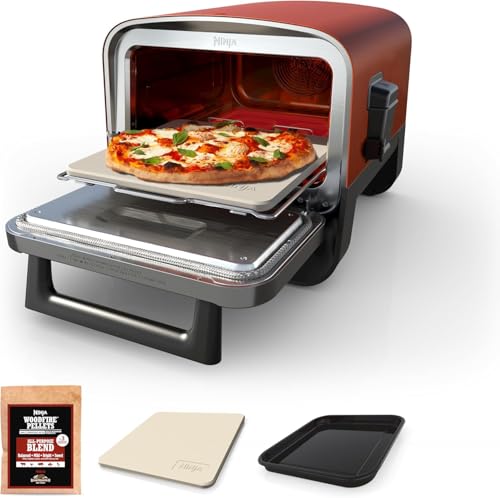
4. Ninja Woodfire Outdoor Oven
An electric countertop oven that adds wood pellet smoke for flavor. It bakes pizza and also roasts and bakes other foods, so the party menu can stretch beyond pie.
Suits: mixed menus. Strengths: electric power with some smoke flavor. Weaknesses: not as hot as a gas dome. Skip it if you want true wood-fired char.


Best for tight outdoor spaces
5. Gozney Arc Pizza Oven
A compact gas oven from a respected maker, with a cut-down body and a quick heat-up. It suits a small deck or balcony where space is tight.
Suits: tight outdoor spaces. Strengths: small footprint and good build. Weaknesses: fewer pies at once. Skip it if you cook for a crowd.


Best for parties with no gas access
6. Ooni Volt 12 Electric Pizza Oven
An electric oven for both indoor and outdoor use, with no fuel to carry. You plug it in and control the heat with dials.
Suits: parties with no gas access. Strengths: simple power and steady heat. Weaknesses: needs a power outlet nearby. Skip it if you cook far from an outlet.

Care and Setup
- Preheat early so the first pizza is not the test pie.
- Keep a spare fuel supply close by before guests arrive.
- Brush crumbs from the stone once it has cooled.
- Wipe the outer shell with a damp cloth, never the hot stone.
Mistakes to Avoid
- Starting the oven when guests are already hungry.
- Overloading the peel and tearing the dough.
- Leaving the oven unattended near children.
- Forgetting a second peel or a pizza cutter.
Planning the Flow of a Pizza Night
A party oven is only as fast as the station around it. Before choosing a model, picture how guests will actually eat. Most hosts bake one pie at a time and cut it into slices, which keeps people moving and lets the cook focus. Others set out dough balls and toppings and let guests build their own, which is fun but slows the line and needs more table space. Decide which style you want, because it affects how wide the oven floor needs to be and how many hands you need.
Think in rounds rather than total pies. A small oven that bakes one pizza quickly can feed a surprisingly large group if the cook has the next pie ready to launch the moment the previous one comes out. The weak point is usually preparation, not the oven. Stretch dough, top it lightly and keep a second peel or a flat board ready.
Plan who does what. One person can run the oven while another cuts and serves, and a third handles drinks and sides. If you are cooking alone, serve starters first so guests are not hungry while you work. Keep a tray or rack nearby for resting finished pies so the crust stays crisp. Make a simple order for pies, such as plain ones first and loaded ones later, since heavy toppings take longer and cool the stone more. Check the listing for the recommended pizza size and plan your dough balls to match it.
Dough, Toppings and Prep for Speed
High-heat pizza ovens reward simple, well-prepared ingredients. Dough that has rested and come to room temperature stretches easily and tears less, which matters when you are working under pressure. If you make your own, plan it a day ahead, and if you buy it, follow the maker’s advice on handling. Keep dough covered so it does not dry out, and dust the peel lightly with flour or semolina so the pie slides off without sticking.
Keep toppings light. Wet toppings such as fresh mozzarella, tomatoes or vegetables release water and can leave a soggy middle. Pat them dry, slice thinly and use less than you would in a home oven. Pre-cook heavy items like sausage or large vegetables so they are ready by the time the crust is done. Pre-grate or slice cheese and lay out everything in small bowls, close to the peel, so each pie takes less than a minute to assemble.
A few practical tools make service smoother. A pizza peel with a thin edge helps slide pies in, a turning peel helps rotate them, and a rolling pizza cutter or large knife speeds up slicing. Keep a wet cloth or a damp brush for stray crumbs, and a heat-resistant glove or long tongs for safety. Prepare a bowl of semolina or flour close to the work area. Test a first pie before guests arrive to confirm the heat, timing and your own routine.
Fuel Choices and Heat Recovery Between Pies
Fuel affects pace, flavor and how much attention the oven needs. Gas ovens light quickly, hold heat steadily and let you adjust the flame, so they suit hosts who want to chat. Wood and charcoal ovens give a real fire taste and a fun show, but they need feeding and a bit of skill, and the heat can swing between pies. Multi-fuel models let you pick, though they come with their own setup steps. Electric ovens need an outlet and no fuel at all, and they heat steadily, though they may not reach the same intensity or fire flavor as a gas or wood dome.
Recovery is the important idea for parties. Each pie takes heat from the stone, and the oven needs time to bring it back. A thicker stone, good insulation and a strong burner help recovery, but the listing rarely gives a precise figure, so rely on the maker’s description and owner notes rather than assuming. Waiting a short moment between pies and turning the flame up slightly are common habits that help.
Plan your fuel supply early. Keep a spare propane tank, extra wood or enough charcoal on hand, and do not wait until the middle of the party to find out you are low. If the oven uses pellets or logs, store them dry. Check whether the oven needs a hose, regulator or adapter, and confirm that these are included in the listing or sold separately.
Surfaces, Spacing and Guest Safety
A hot pizza oven needs a stable, heat-safe surface. Use a sturdy table or stand that the maker says can hold the oven’s weight, and keep it on level ground. Do not place an oven on a plastic table, a wooden deck rail or a surface that could scorch. Leave open space around it so heat can escape, and keep it away from walls, fences, awnings and overhanging branches. For gas models, set it up outdoors in a well-ventilated area and follow the manual’s guidance.
Guests, especially children and pets, will gather around something that looks fun, so create a simple boundary. A small table in front, a rope or a clear line on the ground helps keep people back from the hot opening. The outer shell of some ovens stays cooler than others, but you should assume that any part can be hot until the manual says otherwise. Keep long sleeves and loose clothing away from the flame.
Think about wind and weather. A breeze can push flame off course or cool the oven, and rain can damage electronics or shorten the life of some surfaces. A sheltered corner of the patio, away from open flames and from main walkways, is usually the best spot. Keep a fire extinguisher nearby, and let the oven cool fully before covering or moving it.
Choosing by Budget and Questions to Ask First
Lower-tier ovens tend to be simple dome or box designs with thinner materials and a basic burner, and they may include few accessories. Mid-tier ovens usually add insulation, better temperature control and extras such as a built-in thermometer or a carry cover. Premium ovens offer thicker stones, stronger construction and more cooking options. More money does not guarantee more pizzas per hour, so match the design to your actual guest count and your patience for tending a fire.
Ask yourself a few questions before you buy. How many people do I usually feed? Do I want hands-off gas, a wood fire or an outlet-powered oven? Where will it sit, and is there a safe surface? Is a peel, a cover or a gas hose included, or do I need to buy them? How heavy is it to move and store? What does the warranty cover, and are replacement stones and parts available?
Signs that an oven needs attention include a stone that cracks badly, uneven heating that does not improve after cleaning, a burner that will not stay lit, a gas smell, a rusted or warped shell, or a door or seal that no longer closes. If you smell gas, turn off the supply and follow the maker’s guidance. For wear that is only cosmetic, a wipe and a cover will often keep the oven working for many seasons.
A Party Checklist for Backyard Pizza Ovens
Pizza ovens turn a yard gathering into an activity. A little planning keeps the evening smooth and lets you enjoy it too.
- Check the maximum pizza size and how many pies the oven can bake per hour according to the maker.
- Decide on a fuel, and make sure you have enough for the whole party.
- Set up a sturdy prep table with a floured surface, peels and toppings in bowls.
- Place the oven away from guests, children and flammable items, with clearance as the maker states.
- Plan drink and seating areas away from the hot zone.
- Gather tools: a long peel, a turning peel, a brush, towels and heat resistant gloves.
Choose an oven that heats quickly and holds temperature between bakes, since waiting for the stone to recover can stall the line.
Small, Medium and Large Ovens Compared
| Size | Good for | Consider |
|---|---|---|
| Small, 12 inch | Family nights and small gatherings | One personal pizza at a time, more turns |
| Medium, 16 inch | Parties of around ten to fifteen guests | Larger pies, a roomier oven opening |
| Large or dual chamber | Big crowds and catering style cooking | More fuel, more space and more weight |
Decide whether you want guests to build their own pizzas or prefer to prepare them yourself. A build-your-own bar is fun but takes more space and more time at the oven.
Keeping the Line Moving
Pre-portion dough balls and let them come to room temperature. Keep toppings light so pizzas cook through quickly, and pre-cook heavy items like raw sausage. Cut each pie as soon as it comes out and serve it right away. If several people help, split the roles so one person shapes dough, one dresses pies and one handles the oven.
Weather, Wind and Ground Surfaces
Choose a spot sheltered from strong wind, and place the oven on a firm, level, non-flammable surface. Check the maker advice about decking, grass and patio furniture, and have a cover ready in case of rain. If the weather turns, bring tools and food inside.
Oven Safety With Guests Around
Hot surfaces stay hot for a long time. Keep a clear zone around the oven, let it cool fully before moving it and keep fire safety tools nearby as local guidance suggests.
Mistakes That Slow Down a Pizza Party
The most common slip is launching a pizza that sticks to the peel. Wet toppings, too much sauce or dough that sits too long all cause problems. Use a light dusting of flour or semolina, shake the pie before you slide it and work quickly once it is topped. Another mistake is cooking a pizza before the stone has fully recovered from the last bake. Give it a short rest between rounds, and use the temperature reading the maker suggests.
Overloaded pizzas are a third trap. Heavy toppings cool the center and leave a soggy middle, so keep them light and spread evenly. Finally, avoid leaving the oven unattended. Bakes finish in minutes and can burn quickly, so stay close and turn the pizza often.
For crowds, make a few spare dough balls and a simple sauce ahead of time. If something goes wrong with a pie, you can still keep the line moving without panic.
Stocking Toppings for a Crowd
Offer a mix of classic and creative choices, such as tomato sauce, mozzarella, basil, olives, peppers, mushrooms and cooked meats. Cut everything small and dry off wet ingredients. Keep cheese chilled until you use it, and cover bowls to protect them from bugs and sun. Follow official food safety guidance on keeping perishable toppings cold and discarding anything left out too long.
Cooling Down and Cleaning Up
Allow the oven to cool completely, brush the stone, empty ash if you used wood and cover the oven once it is cool to the touch.
What This Shortlist Is Really Solving
Guides to pizza ovens for backyard parties often read like a catalogue, but the decision underneath is personal: how you cook, how much space you can give the equipment, and how much involvement you want while food is on. This shortlist was built around that decision. The opening picks, including Ooni Koda 16 Gas Pizza Oven, Gozney Roccbox Portable Pizza Oven, Ooni Karu 12 Multi-Fuel Pizza Oven, represent the directions most buyers in this category actually take, and the sections below are written to help you recognize which direction is yours before you commit.
Read the product descriptions above once for features, then read them again for fit. A model whose strengths match your ordinary week, rather than your most ambitious imagined weekend, is almost always the one that stays in service for years. The extra guidance that follows digs into the criteria, routines and small mistakes that decide satisfaction long after the first cook, and it applies whichever of these picks you choose.
Reading the Picks Side by Side
The full line-up here is: Ooni Koda 16 Gas Pizza Oven; Gozney Roccbox Portable Pizza Oven; Ooni Karu 12 Multi-Fuel Pizza Oven; Ninja Woodfire Outdoor Oven; Gozney Arc Pizza Oven; Ooni Volt 12 Electric Pizza Oven. Rather than ranking them by a single number, compare them in pairs against the job you have in mind. The first pick in the list is the guide’s general answer for pizza ovens for backyard parties; the picks that follow trade emphasis, leaning toward particular sizes, styles or kinds of cook. Where two descriptions sound similar, the deciding detail is usually in how each one handles the ordinary work: setup, control during a real cook, cleaning afterward and the support behind it.
A useful exercise is to write one sentence about your typical session, including who is eating and how hands-on you want to be, then read each description and ask whether that sentence sounds easy or effortful with that model. The pick that makes your sentence sound easy is rarely the wrong choice. Keep that sentence in mind through the sections below, because every criterion that follows is really a way of testing the same fit from a different angle.
Heat Is Only Half the Story: Stone, Flame and Timing
Great pizza is a balancing act between the heat hitting the top of the pie and the heat stored in the stone or deck beneath it. An oven can roar impressively and still bake unevenly if the stone is underheated, because the crust needs that stored energy the moment the pizza lands. When you compare the picks above, read how each design delivers heat: some rely on a rolling flame over the dome, some on a burner beneath or behind the stone, and indoor models on carefully managed electric elements. Each approach can produce excellent pizza once you learn its rhythm of preheating, launching and turning.
Build a simple routine around that rhythm. Preheat until the stone is properly hot, not just the air, checking with an infrared thermometer if you have one. Launch the pizza decisively, then leave it alone for the first stretch so the base sets before you attempt a turn. Turn in small increments for even color, and watch the rim rather than the clock. Between pizzas, give the stone a short recovery pause so the next base crisps instead of steaming. These habits matter more than small differences between ovens, and they transfer to every model in this list.
Dough Choices That Make Any Oven Look Good
Most disappointing pizza nights are dough problems wearing an oven costume. A dough that is too cold tears and bakes up dense; one that is over-proofed collapses and sticks. Let your dough come to room temperature before stretching, handle it gently to keep the air in the rim, and use just enough flour or semolina on the peel to let the pizza slide. Stretch on the counter rather than with a rolling pin when you can, because the pin crushes the very bubbles you waited hours to grow.
Match hydration and topping weight to your oven’s heat. Very hot ovens reward lean toppings and a restrained hand with sauce and cheese, since a loaded pie steams before it crisps. Wetter toppings such as fresh mozzarella benefit from a quick drain or a pat dry. Keep a house dough recipe you trust and change one thing at a time: a longer cold ferment for flavor, a touch more oil for tenderness, a different flour blend for chew. A consistent dough turns your oven into a reliable instrument instead of a weekly experiment.
Launching, Turning and Retrieving Without Drama
The launch is the moment beginners fear, and it is mostly technique. Assemble the pizza on a lightly dusted peel, give the peel a short shake to confirm the pie moves freely, then commit: angle the peel, touch the far edge down and pull back smoothly while the pizza slides forward. Hesitation folds more pizzas than heat ever ruins. If a pie does stick, lift an edge, add a pinch of flour beneath and try again rather than forcing it.
Turning keeps the bake even because the side nearest the flame colors faster. A small turning peel lets you rotate the pizza in place without dragging it out of the oven and losing heat. Work in small turns, watch the rim puff and spot, and pull the pizza when the base is set and the top is bubbling with light char at the edges. Rest the finished pie on a rack for a brief moment so steam escapes from beneath the crust, then slice. A rack rest is a tiny step that keeps the bottom crisp on the plate.
Placement, Fuel and Care for Outdoor and Indoor Models Alike
Where the oven sits shapes how often you use it. Outdoor models need a stable, heat-safe surface, sensible clearance from walls and overhangs, and a spot sheltered enough that wind does not bully the flame. Indoor models need counter depth, ventilation awareness and a home for their heat near an outlet. In both cases, follow the manual’s placement guidance exactly, keep children and pets clear of hot surfaces, and never move an oven until it has cooled fully.
Care is refreshingly simple. Brush the stone while warm and let spills bake off and brush away rather than soaking or soaping the stone, which absorbs water and detergents. Empty ash or check burners as the maker directs, keep gas connections and pellets dry and correctly stored, and cover outdoor ovens once cold. Wipe exteriors with a damp cloth and inspect the ignition and hoses or cords periodically. A clean, dry, covered oven lights reliably and tastes of pizza rather than of last month’s spills.
From First Pie to a Signature Style
Every pizza oven owner develops a signature, usually by accident first and by design later. The accident stage is the first dozen pies, where you learn your oven’s true preheat time, its hot side and the exact moment a base is ready to turn. The design stage begins when you start choosing: a preferred dough style, a house sauce, two or three topping combinations your household requests by name. Keeping a few notes per bake, even just dough, timing and one observation, is what moves you from one stage to the other.
Resist the urge to change dough, sauce and technique in the same week. Pizza has many variables and only one dinner to judge them by, so change one thing, bake twice and then decide. Owners who work this way end up with a small set of pies they can produce on demand at gathering quality, which is a more satisfying outcome than a large repertoire of unpredictable experiments. Your oven’s personality, learned patiently, becomes part of the recipe.
Entertaining With a Pizza Oven Without Losing the Evening
A pizza oven can anchor a gathering or consume its host, and the difference is preparation. Set the oven where guests can gather near it without crowding the launch zone, and arrange a simple topping station so people can build their own pies while you run the oven. That division of labor turns the cooking into the entertainment: guests participate, pies emerge in a steady rhythm, and nobody waits long with an empty plate.
Pace the bakes deliberately. Small pizzas cook quickly and keep the rhythm lively, while a constant queue of large, heavily topped pies slows everything and stresses the stone’s recovery. Bake a plain or simple pie first as a warm-up for both oven and cook, keep a finished pie on the table at all times if you can, and let the last bake be the experimental one. When the evening ends, the routine is simple: let the oven cool fully, brush the stone and cover or store it as the maker directs, while the compliments are still fresh.
Troubleshooting Bakes That Miss the Mark
When a pizza disappoints, the evidence is printed on the crust. A pale, soft base with a done top means the stone was not ready, whatever the air temperature claimed. A burnt rim with a raw center suggests the pie sat too long near the flame without turning, or the dough was too cold and thick in the middle. Cheese that separates and oils off usually met too much heat for too long, or simply too much cheese. Read the pie before you eat the evidence, and the next bake improves.
Change one variable per bake and keep the sequence honest. Preheat longer, launch a leaner pie, turn earlier, stretch thinner: each correction isolates a cause. Pizza punishes cooks who change everything at once, because improvement arrives anonymously and cannot be repeated. Methodical bakers look like talented bakers within a month, purely because their successes are documented well enough to happen again on purpose.
Bread, Roasts and the Oven’s Second Life
A hot pizza oven is wasted on pizza alone. Flatbreads bake in moments and teach heat management deliciously. Cast iron pans turn the oven into a searing station for steaks, chops and vegetables, with the intense top heat finishing what the pan starts. As the oven cools after a pizza session, it passes through perfect temperatures for roasting and then for baking, and many owners plan a tray of vegetables or a dessert to ride that falling heat.
Respect the equipment’s limits while exploring: use cookware rated for the temperatures involved, follow the maker’s guidance on what may go inside, and remember that residual heat lingers far longer than intuition suggests. A pair of good gloves and a plan for where hot pans land are part of every recipe. Used this way, the oven stops being a single-dish appliance and becomes the hardest-working heat source in your outdoor kitchen.
Practical Details Worth a Second Look
Flour choice is a quiet lever on texture. Bread flour gives chew and structure, while softer flours bake up tender. Many home bakers blend flours or add a small amount of whole grain for flavor. Whatever you choose, weigh ingredients when you can; consistent dough makes your oven’s behavior readable, and readable behavior is how good pizza becomes repeatable pizza.
Keep the first bakes simple on a new oven. A plain cheese pizza shows you the stone’s hot spots, the flame’s reach and the true preheat time without hiding anything under toppings. Take notes on timing and turns. Two or three plain pies teach more than a month of elaborate recipes cooked blind, and the notes become your setup sheet for every future pizza night.
Safety around very hot ovens is mostly about choreography. Decide who launches and who turns, keep handles pointed away from traffic, use heat-resistant gloves where the maker recommends them and give the oven a clear cooling zone afterward. Announce hot peels the way kitchen staff announce hot pans. A relaxed routine keeps the focus on the food.
Vegetables behave differently at pizza heat. Thin slices of onion, pepper or mushroom cook through happily, while thick or watery vegetables need a head start in a pan or a very thin cut. Roasted leftovers make superb toppings because their moisture is already gone. Matching topping prep to the oven’s speed prevents the raw-center, burnt-edge combination that frustrates new owners.
When a bake disappoints, diagnose in order: stone heat, dough condition, topping load, then oven settings. Most problems live in the first three. Resist changing everything at once, because one calm correction per pizza night builds real skill. Keep the notes, trust the routine and remember that even the imperfect pies from a home oven are usually very good eating.
Cheese strategy deserves the same attention as dough. Low-moisture mozzarella melts evenly and browns without flooding the pie, while fresh mozzarella brings a milky richness that needs draining and a lighter hand. Blend in a harder grating cheese for a salty edge. Add delicate cheeses after baking when their flavor would be lost to the heat, and let the oven’s intensity decide how much topping a pie can carry.
Sauce is seasoning, not soup. A thin, even layer leaves room for the crust to bake and the cheese to do its work. Whether you prefer a raw crushed-tomato sauce or a briefly cooked one, keep it spread to near the rim and resist pooling in the center. A soggy middle almost always traces back to sauce, wet toppings or an underheated stone rather than to the oven itself.
Plan pizza nights like a small production line. Dough balls resting, sauce ready, toppings prepped and portioned, a landing zone for finished pies and a clear path between counter and oven. When several people are eating, bake in a steady rhythm and serve pies as they come out rather than holding them; fresh from the stone is the whole point, and guests happily eat in waves.
Weather changes outdoor pizza cooking more than beginners expect. Cold air chills the stone between pies, wind disturbs exposed flames and rain makes for miserable launches. Give the oven longer to recover between pizzas on cold nights, shelter it within the manual’s clearances and keep dough and toppings indoors until the moment they are needed. A calm setup produces calm results.
Leftovers reheat best with dry heat. A hot pan or a short return to a hot oven revives the crust, while a microwave softens everything it touches. If you know some pizza will be saved, underbake the final pie very slightly so its second heat finishes it gently. Cool leftovers promptly, refrigerate them in a sealed container and reheat until steaming.
Keep the packaging and paperwork until the equipment has survived a few real cooks. Manuals hide genuinely useful details in their later pages, including care schedules, troubleshooting charts and the exact names of replaceable parts. A folder, physical or digital, with the manual and your purchase record turns any future question into a five-minute answer instead of an afternoon of searching.
Households cook together, so let the other cooks vote. The person who will clean the equipment, carry supplies or cook on the nights you are away has practical knowledge no comparison table holds. A short conversation about routines and pet peeves before buying prevents the slow resentment that builds when a well-reviewed machine fits only one person’s habits.
Seasonality is worth a thought as well. Equipment bought for summer may be asked to perform in autumn rain or winter cold, and storage space that is free in June may be precious in December. Reading the picks above with the whole year in mind, rather than the current month, quietly improves the odds that the choice still feels right in every season.
One underrated step before buying is to picture the second month of ownership, not the first weekend. Novelty carries the early cooks; routine carries the rest. Ask where the equipment will stand, where its supplies will live, and which ten minutes of setup or cleaning you will repeat every time. If those ten minutes sound pleasant with the pick you are leaning toward, you have probably found the right one.
Friends and family will ask which model you chose, and the honest answer worth giving is the reason, not the name. When the reason is a routine you actually keep, a size that fits your space, or a style of cooking your household loves, the recommendation helps them. When the reason is only that a chart ranked it first, it helps nobody. This guide has tried to give you reasons of the first kind for every pick on the list.
Before the first serious use, read the manual once with the equipment in front of you, touching each control and part as it is named. Ten unhurried minutes at that moment prevents most of the confusion that otherwise arrives mid-cook, when hands are full and patience is spoken for. Keep the manual somewhere the whole household can find it, because the person who needs the troubleshooting page is rarely the person who filed it.
There is also pleasure in restraint. A category like pizza ovens for backyard parties invites collecting, upgrading and second-guessing, yet the cooks who enjoy their equipment most tend to settle, learn and cook. Let the first season be about meals rather than modifications. If a genuine limitation appears again and again in your notes, address it then, with evidence. Until it does, the equipment you have is almost certainly enough.
Finally, take a moment after the first successful session to set up the habits that protect all the later ones: supplies stored properly, tools back in their places, a note made of anything you would change, and the equipment left clean and ready. Future you, arriving home tired on a weeknight and finding everything ready to cook, will be grateful for that small act of housekeeping more than for any feature on the original listing.
A Simple Decision Path
If you are still torn after the detail above, decide in this order. First, eliminate any pick whose size or setup does not fit your space, using the descriptions and your own measurements. Second, eliminate any pick whose routine, cleaning or fuel and supply needs you know you will not keep up. Third, among what remains, choose by the cook you will make most often, not the most impressive one you can imagine. That order works because the first two filters remove the choices that fail in daily life, leaving only models you would genuinely be happy using.
It is also fine to let the end of the list make the case: Ooni Volt 12 Electric Pizza Oven earned its place by serving a particular kind of buyer well, and if that description sounds like you, a later position in the list means nothing. Shortlists are maps, not podiums. The right outcome of this guide is not the most popular model for pizza ovens for backyard parties; it is the model whose strengths you will still be appreciating, cook after cook, long after the comparison charts are forgotten.
More Questions Buyers Ask
How long should I preheat the oven?
Until the cooking stone or deck is fully heat-soaked, which takes longer than the air temperature suggests. Follow the maker’s guidance and, if you have one, confirm the stone with an infrared thermometer. An underheated stone is the most common cause of a pale, soft base.
Why does my pizza stick to the peel?
Usually too little dusting flour, a wet dough left sitting on the peel, or slow assembly that lets moisture soak through. Dust the peel lightly, build the pizza quickly, and shake the peel gently to confirm the pie moves before you walk to the oven.
How often should I turn the pizza?
Turn once the base has set enough to move without tearing, then in small increments to even out the color. The side nearest the flame or element cooks fastest. Watch the rim and the base rather than a timer, since every oven and dough behaves a little differently.
Can I cook other foods in a pizza oven?
Most pizza ovens happily roast vegetables, bake flatbreads, sear steaks in a cast iron pan and finish casseroles. Respect the maker’s guidance on cookware and placement, and remember the intense top heat browns food quickly, so check earlier than a conventional oven recipe suggests.
What should I do with a cracked or stained stone?
Stains are cosmetic and normal; burnt-on spills usually bake off and brush away. A crack matters if it catches the peel or shifts during cooking, so follow the maker’s advice on replacement. Never soak a hot stone in water, and let it cool gradually to avoid thermal shock.
How do I keep the crust crisp after baking?
Rest the pizza briefly on a wire rack instead of a solid board so steam escapes from underneath, then slice and serve promptly. Avoid stacking hot pizzas or covering them, which traps steam and softens the base you worked to crisp.
Party Pizza Oven FAQ
How many pizzas can I make per hour?
It depends on the oven and your pace. Gas models with a roomy floor usually keep up best.
Is gas or wood better for a party?
Gas is easier because you do not tend the fire. Wood adds flavor but needs more attention.
Do I need a table?
Most portable ovens need a sturdy, heat-safe table or stand, plus extra space beside it for dough, toppings and a cutting board. Plan the layout before guests arrive so nobody crowds the hot oven.
How many guests can one pizza oven serve?
It depends on the oven size, the pizza size and how fast you prep. A single oven can feed a group if you bake in steady rounds and keep the next pie ready. For very large parties, plan to start early or serve other food alongside.
Can I prepare dough ahead of the party?
Yes, many cooks make dough a day ahead so it is rested and easy to stretch. Keep it covered and bring it to room temperature before shaping, following your recipe or the dough maker's instructions.
Should I preheat the oven before guests arrive?
Yes. Preheat according to the manual, then bake a test pie to check the heat and your timing. This avoids the first guest pie being the practice one.
Is an electric oven good for parties?
It can be, especially if gas or wood is not allowed or convenient. It needs a nearby outlet and may not give the same char or fire flavor as a gas or wood dome, so check what the listing says.
What should I do if the oven gets too hot and the crust burns?
Lower the flame or let the stone recover for a moment, and turn the pie more often. Thin pies cook quickly, so watch them closely. Your manual may give heat guidance for your model.
How do I keep finished pizzas warm?
Slice and serve them quickly, since pizza is best fresh. A wire rack or a covered tray can hold a pie for a short time without making the crust soggy, but do not stack pies or wrap them.
Can I use the oven in the rain?
Most outdoor ovens are not meant for wet weather, and moisture can damage the stone or electronics. Use it under a safe, ventilated cover or wait for dry conditions, following the manual.
The Short Version
For volume, the Ooni Koda 16. For an insulated body, the Gozney Roccbox. For real fire, the Ooni Karu 12. For mixed menus, the Ninja Woodfire. For small spaces, the Gozney Arc. For no gas, the Ooni Volt 12.