An outdoor ice maker keeps drinks cold at pool parties and barbecues without runs to the store. Some are built into outdoor kitchens and rated for weather. Others are countertop machines that sit on a covered patio table.
The six below mix both kinds, so you can choose according to your space. We have not used these products ourselves, so confirm the details on the current listing before you buy. Pay attention to whether the unit is actually rated for outdoor use, since many countertop machines are meant for covered areas only.
As an Amazon Associate we earn from qualifying purchases. Links below are affiliate links, and they do not change the product information we give.
What to Look For
| Feature | Why it matters |
|---|---|
| Outdoor rating | Built-in units need a rating for outdoor installation |
| Ice type | Bullet, nugget and cube ice behave differently in drinks |
| Drain needs | Some require a drain line; others recycle water |
| Storage | Bigger bins hold more for long parties |
| Production speed | Faster machines refill the bin sooner during a party |
In this guide
Specs at a Glance
| Ice maker | Material | Size | Notes |
|---|---|---|---|
| GE Profile Opal 2.0 | Plastic and metal | Countertop | Nugget ice; bin included |
| Frigidaire EFIC189 | Plastic body | Countertop | Portable; self-cleaning cycle |
| Euhomy Countertop Ice Maker | Plastic and stainless | Countertop | Bullet ice; scoop included |
| Kalamera Outdoor Ice Maker | Stainless steel | Undercounter | Clear ice; drain pump option |
| EdgeStar Outdoor Ice Maker | Stainless steel | Narrow undercounter | Built-in; storage bin |
| NewAir Portable Ice Maker | Plastic and stainless | Countertop | Portable; basket |
The 6 Best Outdoor Ice Makers
Top pickBest for ice lovers
1. GE Profile Opal 2.0 Nugget Ice Maker
A countertop nugget ice maker that produces soft, chewable ice and has Wi-Fi control. It is popular for covered patios and outdoor kitchens that offer power and shelter. Many owners like that the ice is soft enough to chew and picks up the flavor of a drink well.
Suits: ice lovers. Strengths: soft nugget ice. Weaknesses: countertop design, not for rain exposure. Skip it if you want a built-in unit.
View GE Profile Opal 2.0 on Amazon
Best for small gatherings
2. Frigidaire EFIC189 Compact Ice Maker
A portable countertop ice maker with a bullet-style ice shape and a small footprint, a longtime option for picnics and patio use. It is a handy option for picnics, pool decks and small kitchens that have no freezer space to spare.
Suits: small gatherings. Strengths: compact and easy to move. Weaknesses: makes ice in small batches. Skip it if you cook for a large party.

Best for casual use
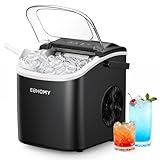
3. Euhomy Countertop Ice Maker Machine
A budget-friendly countertop machine that makes bullet ice quickly. It is a handy choice for covered porches and tailgating on trips with power. Plan to empty and refill the water tank regularly, and keep it away from rain and direct sun.
Suits: casual use. Strengths: quick output. Weaknesses: tank refills are needed. Skip it if you need a weatherproof unit.
Best for built-in outdoor kitchens
4. Kalamera Outdoor Ice Maker, Stainless Steel
An undercounter-style ice maker with a stainless exterior, sold for indoor and outdoor kitchens. Confirm the clearances and drainage requirements on the page. Check the listing for outdoor installation details, including ventilation space, drainage and power needs.
Suits: built-in outdoor kitchens. Strengths: stainless build and bigger bin. Weaknesses: requires a drain. Skip it if you want a portable unit.
View Kalamera Outdoor Ice Maker on Amazon
Best for narrow cabinet openings
5. EdgeStar Outdoor Ice Maker
EdgeStar sells built-in ice makers meant for outdoor kitchens, including narrow versions. Check which model the listing is for. Look closely at the dimensions of the cabinet opening before you pick a built-in model.
Suits: narrow cabinet openings. Strengths: built-in design. Weaknesses: installation planning needed. Skip it if you want plug-and-play simplicity.
View EdgeStar Outdoor Ice Maker on Amazon
Best for small parties
6. NewAir Portable Ice Maker
A countertop machine that produces ice in a short time and stores it in a built-in basket. It suits covered patios and indoor-outdoor entertaining. Because the basket is compact, you may need to refill it between rounds of drinks.
Suits: small parties. Strengths: fast batches. Weaknesses: bin is small. Skip it if you need to serve a crowd.

Care and Setup
- Clean the reservoir and bin on a regular schedule.
- Run any cleaning cycle that the maker recommends.
- Empty water and dry the interior before long storage.
- Keep vents clear of dust and leaves.
Mistakes to Avoid
- Putting a countertop machine in the rain.
- Skipping drainage planning for a built-in.
- Leaving old water in the tank for days.
- Ignoring the need for outlets and ventilation.
Outdoor-Rated or Just Portable
The word outdoor on a listing can mean very different things. A built-in unit rated for outdoor kitchens is designed to handle weather exposure, temperature swings and humidity, with materials and sealing intended for that environment. A portable countertop machine may be fine on a covered patio but is not built to stand in rain, direct sun or freezing temperatures. Do not assume that a machine marketed for parties or picnics is suitable for being left outside.
Look for specific wording in the manual or specifications about outdoor use and the allowed operating temperature range. Ice makers rely on compressors and electronics that struggle in very high heat, because the machine has to dump heat to the surrounding air. A machine in direct sun on a hot day may produce less ice or shut down. Conversely, cold weather can cause freezing in water lines and damage components if the machine is not designed for it.
If the unit is not outdoor-rated, use it only in a sheltered spot, with a dry, level surface and a protected outlet, and bring it inside when not in use. Even for outdoor-rated units, shade and ventilation help. When in doubt, ask the maker for written confirmation of the intended use. A rating on the listing is more reliable than a general claim. Also verify whether the warranty covers outdoor installation, because some makers exclude it.
Clear Cubes, Bullet Ice and Nugget Ice Compared
Ice type affects drink quality and how fast the bin empties. Bullet ice, shaped like small cylinders with a hollow center, is produced quickly and works well for soft drinks, water and general party use. It tends to melt faster than dense cubes, so it chills quickly but dilutes sooner. Many compact portable machines make this type.
Nugget ice is soft and chewable, which many people enjoy in sodas and iced coffee. It cools drinks rapidly and absorbs flavor, but it is usually made by more complex machines and can be less common in built-in outdoor units. Nugget machines can be sensitive to water quality and cleaning, so consider upkeep.
Clear cubes or crescent-shaped ice from undercounter units are denser and melt more slowly, making them popular for cocktails and spirits. They look good in a glass and hold up in heat longer, which suits long outdoor gatherings. Production is often slower than bullet ice, but bins are larger. Think about what you serve and how long drinks sit in the sun. If your guests drink mostly water and soda, bullet or nugget ice may do. If you pour cocktails and want ice that lasts, clear cubes are a better match. Check the listing for the ice shape and size.
Drainage, Water Supply and Power Planning
Built-in and undercounter models usually need three things: water, drainage and power. Water often comes from a dedicated supply line with a shutoff valve. Drainage may be gravity-based, which requires the drain to sit lower than the unit’s outlet, or use a pump to lift water to a higher drain. Check the listing and manual for which method the unit supports. If your outdoor kitchen was built without a drain nearby, a pump option or a different location may be necessary.
Power needs a protected outdoor circuit with proper grounding. Outdoor outlets typically require weather-resistant covers and ground-fault protection, and local codes may specify details. A licensed electrician and plumber should handle the installation for permanent units. Plan routes for lines and ensure the unit can be serviced without removing the whole cabinet.
Portable countertop machines are simpler. They typically use a manual fill tank and recycle water, so no plumbing is needed, but they still need an outlet and a spot where the cord is safe. Do not run an extension cord across a walkway or through water. Plan how you will fill the tank, where you will empty melt water, and how you will store the machine when not in use. For both types, keep in mind that lines and tanks can freeze in cold climates, so winterize according to the manual. Take measurements and draw a simple plan before choosing a unit.
Sizing for the Guest List and the Heat
A party in hot weather uses much more ice than an indoor dinner. Think about how many guests you usually host, how long the event lasts, and what you are chilling. Drinks poured over ice, bottles chilling in tubs and coolers all draw from the same supply. A machine that makes ice slowly may not keep up with demand, while a large bin can store a buffer.
Production and storage are separate issues. A machine might have a high daily output but a small bin, so it stops making ice once the bin is full and cannot stockpile for a big event. Conversely, a large bin with slow production can serve a short, busy party if you start early. Starting the machine many hours before guests arrive builds up a reserve. Some people move ice into a separate insulated cooler to free the bin for more production.
Heat affects performance. In high ambient temperatures, the machine works harder and bin ice melts faster, so it is wise to place the machine in shade and keep the lid closed. Check whether the bin is insulated and whether it drains melt water, since pooled water can degrade ice. If you host often, consider a unit with a larger bin and a drain. If only occasionally, a portable machine plus bagged ice as backup may be enough. Match the capacity to your busiest event rather than an average day.
Cleaning, Winterizing and Pest Prevention
Outdoor ice makers face dust, pollen, insects and leaves, so cleaning is more important than indoors. Follow the maker’s cleaning schedule, which usually involves emptying the bin, washing surfaces with a food-safe cleaner and running a sanitizing or descaling cycle. Wash the scoop and rinse everything thoroughly. Keep the scoop in a clean container rather than inside the bin, and never use glass to scoop ice.
Check the vents and condenser area for debris. Leaves, webs and dust reduce airflow and can cause overheating. Clean grills and filters as instructed. Inspect water lines, fittings and drain connections for leaks, and look for mineral buildup. If your water is hard, consider a filter approved by the maker.
Prepare for cold weather. If temperatures drop below freezing, drain the water lines, bin and reservoir as described in the manual, and shut off the supply valve. Leave the door slightly open to prevent mildew. Portable units should be emptied, dried and stored indoors. Protect against pests by keeping the area clean and sealing gaps where possible. Replace gaskets that crack, and watch for corrosion on metal parts, especially near coastal areas. If ice develops an odor or taste, if production declines after cleaning, or if the unit leaks repeatedly, it is time to consult the maker or consider replacement.
Built-In, Freestanding or Portable: Choosing the Format
Outdoor ice makers come in a few formats, and the right one depends on how permanent your setup is. Built-in models slide into an outdoor kitchen cabinet and are designed with front venting, so they can sit flush with surrounding counters. Freestanding units can be placed anywhere that has power and drainage access. Portable countertop machines make ice quickly but typically need manual filling and emptying.
Outdoor use brings extra demands compared with an indoor kitchen. Wind, dust, humidity, heat and rain all stress an appliance, so look for models the maker explicitly describes as suitable for outdoor placement and read the conditions it lists. A model made for indoor kitchens may not be intended for a covered patio, let alone an open one.
Also think about the plumbing. Some machines connect to a water line and a drain, while others use a reservoir that you fill. A fixed connection is convenient for regular entertaining, but installation of water and drain lines is best left to a licensed plumber unless the manual clearly walks you through a simple hookup. Electrical supply should follow the maker’s directions and local code.
Ice Shapes and What They Are Good For
| Ice type | Typical look | Common use |
|---|---|---|
| Clear cubes | Dense, slow melting | Cocktails and whisky |
| Crescent or half-moon | Curved and cloudy | Everyday drinks |
| Nugget or chewable | Soft, small pieces | Soft drinks and blended iced beverages |
| Crushed | Fine pieces | Cooling food displays and tall glasses |
Not every maker offers every type, so check the listing for the exact shape the machine produces. Production rates are quoted as a daily amount, but real output depends on room temperature and water temperature, so treat the figure as a ceiling rather than a certainty.
Placement, Ventilation and Cleaning Routine
An ice maker needs breathing room. Follow the manual for clearance around the unit, keep vents free of leaves and debris and avoid putting it next to a grill or other heat source. Direct sun can raise the working temperature and reduce output.
- Clean the interior on the schedule the maker gives.
- Use the cleaning products the manual allows and rinse thoroughly.
- Replace water filters when advised.
- Empty and dry the machine if you will not use it for a long period.
Regular cleaning keeps flavors fresh and helps with consistent performance.
Seasonal Storage and Covers
In regions with freezing weather, ask what the maker advises for winterizing. Water lines and reservoirs can be damaged if left full in the cold, so draining may be required. A fitted cover protects the exterior between seasons, but ventilation and moisture still matter, so keep the machine dry. If the unit sits on a covered patio, check that rain and splash zones are limited.
Planning for Party Demand
Estimate how many guests you host and how fast drinks disappear. A bin that holds a few pounds will run out quickly at a big gathering, so make extra ice earlier in the day and store it in a cooler. Knowing your peak need helps you pick a capacity that matches your habits.
Questions to Settle Before You Order
Outdoor ice machines look similar on the surface, yet a few early decisions separate a happy purchase from a annoying one. Run through the following points while comparing models.
- Where will it live? Covered patio, open yard and enclosed outdoor kitchen each place different demands on the machine, and the maker’s description of suitable locations is the guide to follow.
- How will water arrive and leave? A line and drain give you hands-free refills, while a manual reservoir gives you flexibility but more chores.
- How much ice do you truly use? Look at the bin capacity as well as the daily production figure. A big bin helps if guests arrive all at once.
- Does the door and hinge suit the space? Check the swing direction and handle position, especially in a built-in cabinet.
- Can you reach the filter and drain easily? Maintenance gets skipped when parts are awkward to reach.
- What does the warranty cover? Outdoor use sometimes has special conditions, so read the fine print.
Answering these questions on paper prevents impulse decisions. Once you have a shortlist, compare the manuals side by side, since they reveal installation requirements that listings rarely mention.
If you entertain only a few times a year, a modest machine paired with a good cooler may serve you better than a large built-in unit that sits idle most of the time.
Hosting With Nugget Ice: A Practical Runbook
For a gathering, work backwards from the first guest. Start the machine well ahead of time so the bin is full before anyone arrives, and pre-chill the drinks themselves so the ice is finishing the job rather than doing all of it. Keep a cooler or insulated bucket beside the machine for overflow: as the bin fills, move finished ice into the cooler, where it keeps well and frees the machine to keep producing. That simple rotation turns a countertop maker into a steady supply for a whole evening.
Set up a self-serve station away from your main cooking space, with the maker, a scoop, glasses and mixers in one place so guests are not crossing your prep area. Put a small towel under the scoop rest and a tray beneath the machine to catch drips, because nugget ice melts into puddles wherever it is served. If children are part of the party, expect the ice itself to be treated as a snack — one of the charms of the chewable texture — and plan output accordingly.
At the end of the night, resist leaving a full bin to sit for days. Use what you can, discard the rest, wipe the bin dry and leave the lid ajar so the interior airs out. Ten unhurried minutes then prevents the musty start that greets owners who simply switch the machine off and walk away.
Comparing GE Profile Opal 2.0 Nugget Ice Maker, Frigidaire EFIC189 Compact Ice Maker and Euhomy Countertop Ice Maker Machine in Real Use
The differences that matter between the picks in this guide rarely show up in the first hour; they show up in the third week. Consider noise across a whole day: a maker that is unobtrusive during a morning of occasional cycles may still intrude if it sits beside a desk or an open-plan living space, so weigh the noise notes in the reviews above against where your machine will actually live. Consider, too, how each model handles the melt-and-remake cycle — nugget bins are storage, not freezers, so ice slowly melts and the water returns to the reservoir, and designs differ in how gracefully they manage that loop.
Refilling is the other daily friction. A side tank, a top-fill design or a simple lift-out reservoir changes how often you think about water at all, and for heavy users that convenience can outweigh a modest difference in output. Cleaning access matters in the same way: the easier a machine is to drain, wipe and descale, the more likely the routine described earlier in this guide actually happens.
If you are choosing between two favourites, list your last ten occasions of wanting ice and ask which machine would have served each one better. That grounded exercise cuts through specification comparisons and usually produces a clear winner for your household.
Troubleshooting Slow, Soft or Noisy Production
Most performance complaints trace back to a handful of causes. Slow production often means warm surroundings, warm starting water, or vents that cannot breathe; move the machine away from an oven or a sunny window, start with cold water, and check the clearances described in the placement section. Soft or wet-looking ice usually means the bin has been full for a while and the bottom layer is melting — use ice from the top, improve rotation, and remember that the bin preserves ice rather than freezing it hard.
Unusual noise deserves a calm check before alarm. Confirm the machine sits level, that nothing touches its sides, and that the reservoir is seated properly. A change in sound after several months of use often signals mineral build-up, which a proper descale addresses. Ice that tastes off points back to water and cleaning: empty the system, clean it as described earlier in this guide, and restart with fresh filtered water, discarding the first batch if the cleaning guidance suggests it.
What you should not do is open panels, bypass sensors or run the machine dry in an attempt to force it back to life. Persistent faults after the basics — correct placement, clean water, a full cleaning cycle — are a job for the manufacturer’s support route, with your proof of purchase and a note of what you have already tried.
Planning a Day Around Nugget Ice, Not Just a Party
Nugget ice makers are usually bought for gatherings, but the households that get the most from them use them daily. Think through an ordinary day: iced coffee in the morning, water bottles filled for work or school, a soft drink at lunch, smoothies after exercise, and iced tea or cocktails in the evening. Nugget ice suits all of those because the small, chewable pieces chill a drink quickly and are gentle on teeth compared with large hard cubes. Mapping that daily demand honestly is the best way to judge whether the output figures discussed in the reviews above match your life, or whether you will regularly empty the bin by mid-afternoon.
Daily use also changes where the machine should live. A maker bought for parties can hide in a cupboard between events; one used every day needs a permanent home with easy access to water, a comfortable height for lifting the bin or scoop, and enough clearance for the vents described in the placement section above. Decide that spot before you buy, and measure it, including the space needed to open the lid fully and to slide the machine out for cleaning.
Seen through that daily lens, the line-up above separates naturally. GE Profile Opal 2.0 Nugget Ice Maker suits households whose demand is steady through the day, while Frigidaire EFIC189 Compact Ice Maker may fit a smaller routine of drinks for one or two people. The best choice is the one whose rhythm — making, storing and melting ice — matches the rhythm of your kitchen, not simply the one with the most impressive headline output.
Water Quality, Taste and the Habits That Keep Ice Fresh
Ice is frozen water, so anything in your water shows up in the glass. If your tap water carries a noticeable chlorine or mineral taste, your nugget ice will too, and it will become more obvious as the ice melts into a drink. Using filtered water from a jug or an in-fridge filter is the simplest upgrade most owners ever make, and it also slows the mineral build-up that clouds internal parts and slows production over time. The reviews above note where a pick makes filling and refilling easier, which matters more than it sounds when you are topping up a tank every day.
Stagnant water is the other enemy of fresh taste. Ice sitting in a bin slowly absorbs odours from the room and from the machine itself, and melted ice that refreezes into the next batch can carry a stale flavour. A good routine is to use the oldest ice first, discard ice that has sat for several days, and let the machine make a fresh batch for guests rather than serving ice of unknown age. Scoop with the scoop provided — never a glass, which can chip, and never hands — and store the scoop outside the bin or in its holder if one is provided.
Cleaning cadence ties all of this together. The deep-cleaning guidance earlier in this guide covers the full routine; the short version is that a machine which is descaled and wiped on schedule makes better-tasting ice, works more quietly, and is far less likely to develop the slimy film that warm, damp reservoirs can grow when they are ignored.
Accessories and Small Upgrades That Improve Daily Use
A nugget ice maker needs very little company, but a few considered additions smooth daily life considerably. A simple water filter jug, if your tap water needs it, improves both taste and the machine’s internal health. A dedicated scoop rest or small tray keeps the scoop out of the bin and catches drips before they reach the worktop. Insulated bottles and a modest cooler extend the ice’s usefulness away from the machine, turning a morning batch into cold drinks at a desk, in a car, or at the side of a sports pitch.
For households that entertain, a second storage solution is the upgrade that matters most: bags or a lidded container in the freezer, filled steadily as the machine produces, convert a countertop appliance into party-scale supply without buying a bigger machine. A small label with the date on each bag keeps rotation honest, so the oldest ice is used first and nothing lurks for months losing flavour.
What you can safely skip are novelty moulds and elaborate gadgets that promise to improve on the nugget itself. The appeal of this ice is its texture and convenience; the machine plus a sensible storage habit already delivers both.
Ice for Health, Recovery and Everyday Comfort
Some households buy a nugget maker for reasons that have nothing to do with parties. Chewable ice is a long-standing comfort for people who find it soothing, and soft nuggets are widely used in homes where someone is recovering from dental work or an illness and needs cold comfort that is gentler than hard cubes — always following the guidance of their own clinician where that applies. Parents often find that children who resist plain water will happily drink it over nugget ice, which makes hydration at home a smaller battle.
Athletes and physical workers are another quiet constituency: a big glass of nugget ice water after training or a shift is genuinely restorative, and the ice is kind to sports bottles because the small pieces pour easily and melt at a useful pace. Keeping a batch ready in the freezer extends that convenience to early starts when the machine has not yet been switched on.
In all of these uses, the hygiene habits from earlier in this guide matter doubly: clean water, a clean scoop, regular descaling, and discarding old ice. Ice is food, and treating it with the same respect as anything else you serve is the whole of the rule.
Understanding the Melt-and-Remake Cycle
New owners are often puzzled that a nugget maker’s bin is not a freezer. The bin is insulated storage; the ice inside slowly melts, the meltwater returns to the reservoir, and the machine remakes it into fresh nuggets. That cycle is a feature — it keeps ice tasting fresh rather than freezer-burned — but it shapes expectations. Ice left overnight will be a smaller, wetter batch by morning, and the machine will spend part of its day remaking what melted rather than adding new supply.
Working with the cycle rather than against it is simple. For a big event, harvest finished ice into the freezer as described earlier in this guide, so melting in the bin never eats into your reserves. For daily use, let the machine run during the hours you are home and using ice, and do not judge its output by a bin checked first thing after a long idle night.
The cycle also explains why placement matters: a bin in a hot room melts faster, the machine remakes more often, and both noise and energy use rise. A cooler spot is not a luxury for these appliances; it is part of how they are designed to live.
A Simple Buying-Day Checklist You Can Actually Use
On the day you decide, run through a short, practical list. Measure the intended spot, including lid clearance and vent space. Count the people who will use the machine daily and the largest gathering you realistically host. Decide where harvested ice will live in your freezer, and be honest about whether that space exists. Check how the model you favour is filled, drained and cleaned, picturing yourself doing each task on a busy evening rather than a free afternoon.
Then revisit the reviews above with those answers in hand. Output figures mean one thing to a household of two and another to a family that fills sports bottles every morning. Tank arrangements that look like minor details in a specification list become daily pleasures or daily irritations. The checklist takes ten minutes and prevents the most common outcome in small-appliance buying: a good machine in the wrong kitchen.
Finally, keep the manual, note the cleaning schedule somewhere you will see it, and put the first descale date in your calendar before the machine has even made its first batch. Ownership habits set in the first week tend to be the ones that last.
Long-Term Ownership: What Changes After the First Year With Your Choice
The first month with a nugget ice maker is about novelty; the first year is about fit. By the end of it you will know which of the promises in the reviews above actually shaped your routine and which turned out to be decoration. Features that sounded minor at purchase — a handle that stays comfortable, a lid that is easy to store, a control that can be read at a glance — tend to become the reasons a product is still loved, while headline capabilities that did not match your habits quietly stop being mentioned. That is normal, and it is why this guide weighs everyday behaviour so heavily.
Year one is also when maintenance habits either settle or slip. The owners who are happiest at the two-year mark are rarely the most meticulous; they are the ones with a small routine attached to each use, so care never becomes a backlog. If your routine has slipped, the answer is a reset — one thorough clean and check, following the care guidance earlier in this guide — rather than guilt. Products recover remarkably well from a single honest reset, and the reset is a good moment to re-read the manual’s key pages with experienced eyes.
Finally, keep your proof of purchase and any registration details somewhere findable. Support, spare parts and warranty conversations all go faster with paperwork in hand, and the middle of a problem is the worst time to discover where yours went.
The Mistakes Experienced Owners Warn Beginners About
Ask experienced owners what they would tell their earlier selves and the same themes recur for a nugget ice maker. The first is impatience at the start: rushing the first uses, skipping the setup and care steps in the manual, and judging the product on a debut performance that says more about the learning curve than about the equipment. The second is its opposite — neglect once the novelty fades, when small cleaning and checking tasks are postponed until they become big ones.
The third theme is buying twice: choosing on a single headline feature, discovering that everyday fit matters more, and replacing the product within a couple of years. The reviews in this guide are structured to prevent exactly that, by spending as much time on handling, care and honest limitations as on strengths. If you are wavering between two picks, re-read their limitation notes rather than their praise; the limitation you can live with happily is the better buy.
The fourth is ignoring the environment the product lives in — the space, the weather, the storage, the people who will also use it. Equipment does not fail in the abstract; it fails in a particular kitchen, garden or household, and most of those failures are visible in advance to a buyer who pictures real life honestly.
How GE Profile Opal 2.0 Nugget Ice Maker Fits Into a Thoughtful Final Decision
If GE Profile Opal 2.0 Nugget Ice Maker is on your shortlist, give it a fair final test on paper. Write down the three jobs you will ask of it most often, the space it will live in, and the care routine you are genuinely willing to keep. Then read its review above one more time, checking each of those points against what the review actually reports — its strengths, its handling, and its stated limitation. A pick that survives that exercise is rarely a disappointment, because the decision was made against your life rather than against an advertisement.
Do the same for one alternative — the pick whose limitation bothered you least or whose strengths matched your second priority — and compare the two written summaries rather than the two products in the abstract. If they still tie, decide on the practicalities: availability of parts and support, how the product fits your storage, and which one you would rather clean on a tired evening. Those tiebreakers sound mundane and decide real satisfaction.
Then commit. Endless comparison after a sound decision only manufactures doubt, and the cooks who enjoy their equipment most are the ones who buy carefully once and then get on with cooking.
A Short Pre-Purchase Conversation to Have With Your Household
The most underrated step in buying anything shared is a five-minute conversation with the people who will share it. Who will use it most? Who will clean it, honestly? Where will it live, and what gets moved to make room? Are there features one person loves that another will find fiddly every single day? Surfacing those answers before purchase prevents the quiet resentment of a product that suits one household member and burdens the rest.
Agree the care routine in the same conversation, while it is still theoretical and therefore easy to discuss. The routine in this guide is deliberately modest, but it only works if it belongs to everyone rather than to the person who happened to read the manual. Households that share the small tasks — the wipe-down, the check, the cover — keep equipment in better condition with less friction than households where care is one person’s invisible job.
And agree what success looks like: the meals, drinks or gatherings this purchase is really for. When the first of those happens and goes well, the purchase is justified; everything after that is dividend.
Outdoor Ice Maker FAQ
Which ice type is best for drinks?
Nugget ice is soft and chewable, bullet ice melts quicker, and clear cubes look best in cocktails.
Do I need a drain for an outdoor ice maker?
Many built-in models do. Countertop models usually recycle water and need a regular empty.
Can countertop ice makers go outside?
Only under cover. Check the listing for any outdoor claim.
How much ice do I need for a party?
A common rule is about a pound or two of ice per guest, so a bin that refills quickly helps.
How much ice should I plan per guest?
Needs vary with weather and drinks, so plan generously for hot days. Consider both drinks and chilling bottles, and keep a backup supply for large events.
Can I plug an outdoor ice maker into any outlet?
Use a properly protected outdoor outlet with ground-fault protection and a weather cover. Ask an electrician if you are unsure.
Why does my ice melt so quickly outside?
Heat and a warm bin accelerate melting. Shade the unit, keep the lid closed and ensure the bin drains melt water.
Do I need a water filter?
It can improve taste and reduce scale, especially with hard water. Use filters approved for your model.
How do I winterize an ice maker?
Follow the manual: turn off the supply, drain all water, and dry the unit. Store portable units indoors.
Can I install an undercounter unit in an outdoor cabinet?
Only if it is rated for outdoor installation and has the required clearance, drainage and ventilation. Check the listing.
How often should I clean the unit?
Follow the maker's schedule, and clean more often if you use it heavily or it is exposed to dust and pollen.
Should I turn the machine off at night?
That depends on your routine. If you like ice ready first thing, leaving it running keeps the bin topped up as ice melts and remakes. If your household is away or asleep for long stretches and morning ice is not a priority, switching off saves energy and gives the interior a rest; just empty and dry the bin if it will sit unused for several days.
What drinks suit nugget ice best?
It shines anywhere fast chilling and a soft chew are welcome: iced coffee and tea, soft drinks, lemonade, cocktails that benefit from slight dilution as you drink, and flavoured waters. It is less ideal where very slow dilution is the goal, such as a spirit served over a single large cube, where nugget ice will melt through more quickly.
How do I store spare nugget ice for a big event?
Move finished batches into bags or a lidded container in your freezer as the machine produces them, building a reserve over a day or two. Break up any pieces that have frozen together with a gentle tap before serving, and return the reserve to the counter in a cooler so the machine’s bin stays free to keep producing during the event itself.
Can I use nugget ice in a blender for smoothies?
Yes, and it is one of the kindest ices you can feed a blender. The small, relatively soft pieces break down quickly and evenly, which is easier on blades and motors than large hard cubes. Add the liquid ingredients first so the ice has something to move in, and you will usually get a smoother result with less stopping and scraping down the sides.
Why does my ice maker produce less in summer?
Warm rooms and warm tap water both slow the freezing cycle, so output naturally dips in hot weather. Keeping the machine out of direct sun, away from the oven, and filled with cold water recovers much of the difference. Good vent clearance matters even more in summer, when the machine is working hardest to shed heat.
The Short Version
For nugget ice, the GE Profile Opal 2.0. For a compact portable, the Frigidaire. For a casual choice, the Euhomy. For a built-in, the Kalamera. For narrow openings, the EdgeStar. For fast batches, the NewAir.

