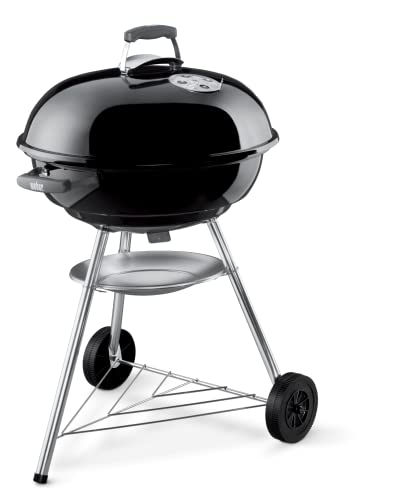
A pellet grill burns small wood pellets fed by an auger, while electric controls run the fan and igniter and hold the set temperature. That makes it part smoker, part grill and part outdoor oven. The best electric pellet grills are easy to start, steady in heat and reasonable to clean.
The six picks below cover well-known brands and sizes. We have not used these products ourselves, so confirm the hopper size, cooking area and Wi-Fi features on the current listing before buying. All of them need an outdoor outlet and a bag of pellets.
As an Amazon Associate we earn from qualifying purchases. Links below are affiliate links, and they do not change the product information we give.
What to Look For
| Feature | Why it matters |
|---|---|
| Temperature range | A wider range lets you smoke low and sear hotter |
| Hopper size | A bigger hopper means fewer refills on long cooks |
| Controls | Digital controllers and Wi-Fi let you monitor from afar |
| Cooking area | Match it to how many guests you cook for |
| Build | Thick steel and good seals hold heat and last longer |
| Warranty | Check what the listing says about parts coverage and support |
In this guide
Specs at a Glance
| Grill | Size class | Control | Notes |
|---|---|---|---|
| Traeger Pro 575 | Mid-size | Digital with Wi-Fi | Auto-feed hopper |
| Pit Boss 700FB | Mid-size | Digital | Flame broiler slide |
| Camp Chef Woodwind 24 | Mid-size | Digital with Wi-Fi | Smoke boost |
| Z Grills 700 | Mid-size | Digital | Large hopper |
| Recteq RT-700 | Mid-size | Digital with Wi-Fi | Heavy build |
| Weber SmokeFire EX4 | Mid-size | Digital with Wi-Fi | Sear-friendly |
The 6 Best Electric Pellet Grills
Top pickBest for first-time pellet owners
1. Traeger Pro 575 Pellet Grill
A mid-size pellet grill from Traeger with Wi-Fi control, a digital controller and an auto-feed hopper. It is among the best-known names in pellet cooking.
Suits: first-time pellet owners. Strengths: app control. Weaknesses: a premium brand cost. Skip it if you want the cheapest entry.
View Traeger Pro 575 Pellet Grill on Amazon
Best for searing and smoking
2. Pit Boss 700FB Pellet Grill
A mid-size pellet grill from Pit Boss with a flame-broiler slide for direct searing and a sturdy steel body. It has a large cooking area for its class.
Suits: searing and smoking. Strengths: a flame-broiler feature. Weaknesses: the grill is heavy. Skip it if you want a compact grill.
View Pit Boss 700FB Pellet Grill on Amazon

Best for cooks who like extra smoke
3. Camp Chef Woodwind WiFi 24 Pellet Grill
A pellet grill from Camp Chef with a smoke-boost feature, Wi-Fi control and a pellet cleanout designed to make flavor swaps easier.
Suits: cooks who like extra smoke. Strengths: a smoke setting. Weaknesses: more features than a basic grill. Skip it if you prefer a simple dial.

Best for budget-friendly pellet cooking
4. Z Grills 700 Series Pellet Grill
A value-focused pellet grill from Z Grills with a digital controller and a large hopper. It is known for offering plenty of cooking area for the price tier.
Suits: budget-friendly pellet cooking. Strengths: plenty of space. Weaknesses: simpler build quality. Skip it if you want premium extras.
View Z Grills 700 Series Pellet Grill on Amazon
Best for dedicated cooks
5. Recteq RT-700 Pellet Grill
A steel-built pellet grill from Recteq with Wi-Fi control and a reputation among serious backyard cooks for steady temperatures.
Suits: dedicated cooks. Strengths: a steady, sturdy build. Weaknesses: a higher spend. Skip it if you want a basic grill.
View Recteq RT-700 Pellet Grill on Amazon
Best for fans of Weber design
6. Weber SmokeFire EX4 Pellet Grill
A pellet grill from Weber with a familiar Weber build, a digital controller and a sear-friendly design. It brings a major brand to the pellet category.
Suits: fans of Weber design. Strengths: a trusted maker. Weaknesses: a newer entry in the pellet field. Skip it if you want the largest hopper.
View Weber SmokeFire EX4 Pellet Grill on Amazon
Care and Setup
- Use dry food-grade pellets and keep the bag sealed.
- Clean out ash from the firepot as the manual recommends.
- Empty and wipe grease trays after cooking.
- Cover the grill to keep the hopper dry.
- Check the manual for the right way to shut the grill down after a cook.
Mistakes to Avoid
- Letting damp pellets clog the auger.
- Skipping the first burn-in.
- Opening the lid too often during a smoke.
- Plugging into a shared circuit with other heavy tools.
- Leaving pellets in the hopper for weeks in damp weather.
How a Pellet Grill Actually Cooks
Understanding the mechanics helps you judge what matters. When you set a temperature, the controller turns on an igniter, then runs an auger that feeds pellets from the hopper into a small firepot. A fan feeds air to the fire and circulates heat and smoke through the cooking chamber. The controller adds or slows pellet feed to hold the target temperature. That is why these grills are described as set-and-forget compared with charcoal.
The design has consequences. Smoke flavor from pellets tends to be milder than from a charcoal or offset fire, because the fire is small and well supplied with air. Many models have a low “smoke” setting that feeds pellets slowly to produce more smoke at low temperatures. Searing is less natural, because the heat comes from indirect airflow rather than a direct flame. Some models add a slide-open plate or a direct flame zone to address this.
Power use is small compared with the heat produced, but the grill still needs an outlet for the igniter, fan, auger and controller. If power cuts out mid-cook, the fire may go out and the temperature will fall, so keep a plan for finishing the meal in an oven. Read the manual about restarts and cleaning out the firepot after a flameout.
Pellet Types and Flavor Choices
Fuel quality has more impact on results than most buyers expect. Look for pellets labeled food-grade and made from hardwood without added oils or binders beyond what the maker lists. Check that the bag is intact and dry when you buy it. Pellets that have absorbed moisture swell, crumble and can jam the auger.
Flavor varies by wood. Hickory and mesquite are usually described as strong and well suited to beef and pork. Oak is often called balanced and versatile. Apple and cherry are commonly described as milder and slightly sweet, which suits poultry, fish and pork. Blends combine several woods for a general-purpose profile. These are general descriptions; taste is personal, so start with a blend and adjust.
Some grill makers recommend their own pellets or warn that other brands may affect performance or warranty coverage. Check the manual and the warranty terms before switching. Store pellets in a sealed, weatherproof container off the ground, and avoid leaving a full hopper unused in damp weather. If you cook infrequently, buy smaller bags so you use them while fresh. When changing flavors, run the hopper down or use the cleanout feature if your grill has one, so old pellets do not mix with the new ones.
Temperature Control and Smoke Features
A controller that holds steady matters more than extra gadgets. Look at how the grill measures temperature and whether the listing mentions a built-in probe or support for meat probes. Probes let you monitor the internal temperature of a brisket or roast without opening the lid, which keeps heat in the chamber. Wi-Fi or app control is convenient for checking progress from the kitchen or adjusting settings, but it depends on your home network and the app’s stability, so treat it as a convenience rather than a necessity.
Smoke features come in a few forms: a low smoke setting, a smoke boost mode or a separate smoke tube accessory. If you want a pronounced smoke ring and flavor, these are worth looking for. If you mostly want a convenient outdoor oven, you can skip them.
Look at the chamber design too. A well-sealed lid, thick walls and an insulating blanket option help the grill hold temperature in cold weather. A heat deflector and drip pan distribute heat and protect the firepot from grease. Variation between zones is common, with hotter spots near the fire, so learn your grill by rotating items or placing thicker cuts where the manual suggests. Preheating with the lid closed for the time in the manual helps stabilize the chamber.
Size, Hopper and Portability
Cooking area and hopper capacity pair together. A bigger chamber lets you cook ribs, multiple chickens or a large brisket, while a bigger hopper reduces refills on long cooks. A small hopper in a large grill can force you to top off mid-cook, which interrupts the cycle. Check the listed hopper capacity and think about the longest cook you plan to do.
Portability is the other trade-off. Compact tabletop models travel to a campsite or tailgate but offer less space. Full-size grills with legs and wheels roll around a patio, but they are heavy and need room. Look at wheel quality, handle placement and whether shelves fold down for storage. A side shelf is practical for trays and tools.
Measure your space carefully. Pellet grills need clearance from walls, railings and overhangs because they produce heat and smoke. Rain exposure is also worth thinking about, since the controller and hopper dislike moisture. Choose a spot with solid, level ground and a nearby outlet. If you plan to move the grill each time you cook, test the weight and balance before buying. For apartments, check building rules, since many restrict smoke-producing cookers on balconies.
Maintenance, Warranty and Longevity
A pellet grill’s lifespan depends on routine upkeep. Ash buildup in the firepot can choke the fire, and grease in the drip tray and on the heat deflector is a fire risk if neglected. Develop a rhythm: wipe the grates after each cook, empty and line the grease catch regularly, and vacuum ash from the firepot and the base of the chamber as the manual describes. A small shop vacuum is a common tool for this.
Inspect the parts that wear. The igniter, fan, auger and temperature sensor can fail over time. Check the listing or manual to see which are user-replaceable and how replacement parts are ordered. A grill with good parts availability is easier to keep running than one where small parts are hard to find. Look at the warranty length and what it covers, and read the terms for exclusions such as rust or use of non-recommended pellets.
Think about paint and finish. Powder-coated steel resists heat and weather better than thin paint, but any exposed metal can rust over time. A fitted cover and a sheltered spot extend life. Signs it is time to replace include rust that has eaten through the firebox, a controller that no longer holds temperature despite cleaning and new parts, or an auger that repeatedly jams. When buying, ask yourself whether the available parts and service will still be there in a few years.
How a Pellet Grill Controls Its Own Fire
A pellet grill uses small compressed wood pellets as fuel. A hopper holds the pellets, an auger feeds them into a fire pot at a controlled rate, an igniter lights them and a fan keeps the fire supplied with air. The controller watches a temperature sensor and adjusts the feed to hold the number you set. That is why pellet grills have a reputation for set-and-forget convenience, closer to using an oven than tending a traditional fire.
The word electric in the product title refers to the electronics rather than the fuel. The grill still burns wood pellets for heat and flavor, but it needs a power supply for the auger, the fan and the controller. This means you need an outlet within reach, and an outdoor extension cord only if the manual allows one. Follow the maker’s instructions for power and keep cords and plugs away from water and heat.
Because the system relies on moving parts and electronics, it also has its own weak points. Keep the hopper lid closed so pellets stay dry, since damp pellets swell and can jam the auger. Store pellets in a sealed container in a dry place, and use only pellets the maker permits for your model.
Pellet Grill Versus Charcoal Versus Gas
| Question | Pellet | Charcoal | Gas |
|---|---|---|---|
| Temperature control | Automatic, dial or digital | Manual vent adjustments | Knobs, instant response |
| Smoke flavor | Mild to moderate, depends on the pellet | Strong, classic | Little unless you add a smoke box |
| Searing power | Varies, some models have direct-flame options | High | High on many models |
| Learning curve | Gentle | Steeper | Gentle |
| Needs electricity | Yes | No | Usually no, apart from ignition |
Pellet grills shine for long, steady cooks. If your main love is a hard sear, check how the model handles high heat before buying.
Features That Affect Daily Use
Hopper size decides how long you can cook before refilling. A larger hopper suits overnight cooks. Check the cooking area in square inches and look at the number of racks. Digital controllers with probe ports let you monitor meat temperature on the display, and some models connect to an app for remote checks. These are convenient extras, but they do not replace good judgment, and you should always confirm doneness with a food thermometer and official guidance.
- A grease management system that is simple to reach saves cleaning time.
- A pellet purge or hopper cleanout port makes switching flavors easier.
- Sturdy wheels and a firm base help when moving the grill.
- Side shelves give you workspace for trays and tools.
Cleaning and Keeping It Safe
Pellet ash and grease are the two main cleaning tasks. Empty ash from the fire pot regularly, because too much can restrict airflow and make lighting unreliable. Scrape grease from the drip tray and the barrel interior on the schedule the maker gives, since grease buildup is a fire risk.
Always place the grill on a level, non-combustible surface at a safe distance from walls, railings and overhanging branches, and never use it in an enclosed space. Let the grill complete its cooldown cycle before covering it. For any electrical fault, stop using the unit and contact the maker or a licensed professional.
Seasoning and First Cook
Most makers advise a first burn-in with an empty grill to remove manufacturing residue and cure the paint. Follow the exact steps in the manual, including how long and at what temperature, and then try a simple first cook to learn how your grill behaves before attempting a long project.
Choosing Pellets and Understanding Flavor
Pellets are made from hardwoods such as oak, hickory, apple, cherry and mesquite, and some are blends sold as all-purpose or competition mixes. Each type gives a slightly different character, so many cooks keep two or three bags and match them to the meat. Lighter woods suit poultry, pork and vegetables, while stronger woods are popular with beef and robust cuts. Reading the bag helps, because some products are pure wood and others contain filler.
Look for pellets made for cooking rather than heating, and avoid anything the maker of your grill warns against. Store the bag sealed and dry, and do not leave pellets sitting in the hopper for months, since moisture and dust cause feeding problems. If you switch flavors, run the hopper low first so the flavors do not mix unexpectedly. Keep a small scoop and a bucket nearby for clean emptying.
Weather and Placement Notes
Wind, cold and rain affect pellet grills just like any outdoor cooker. A sheltered spot helps hold temperature and protects electronics. A fitted cover keeps moisture out between cooks, but only after the grill has cooled completely. In cold weather you may use more pellets and need extra time, so plan accordingly. Keep the power cord clear of hot surfaces and standing water, and use a protected outlet as the manual describes.
Choosing a Electric pellet grill Around How You Really Cook
Choosing a electric pellet grill starts with the style of smoking you want to do . Cabinet-style electric smokers hold temperature with a heating element and burn wood chips or similar fuel in small amounts for flavour. Pellet models burn compressed wood pellets and feed them automatically, which makes them behave more like an outdoor oven that also grills. Kamado-style egg smokers use charcoal in an insulated ceramic body. All three produce genuinely smoked food, but they ask different things of you: chips need topping up on long cooks, pellets need a dry supply and a hopper kept reasonably full, and charcoal needs fire management skill. Match the style to how involved you want to be.
Capacity is the second decision, and it should be based on the biggest cook you do regularly, not the biggest you can imagine. A whole brisket, several racks of ribs, or a pair of chickens all need shelf space and airflow around them. The picks above describe rack layouts and cooking areas in their own terms, so compare those descriptions against the cuts you actually buy. Remember that a smoker packed edge to edge cooks unevenly, because smoke and heat need room to circulate. A slightly larger unit used comfortably beats a smaller one crammed full every weekend.
Temperature control is where electric models earn their keep. Digital controls generally hold a set temperature with less attention than analogue dials, and some models add probes or app connections as described in their listings. Treat extra connectivity as a convenience rather than a necessity: what matters is that the smoker recovers temperature sensibly after the door opens and holds steady through wind and cold. If you plan overnight or winter cooks, insulation and build quality matter more than another digital feature.
Finally, think about where the smoker will live and how you will feed it. Electric models need a suitable outdoor outlet within cord reach, and extension lead use should follow the manufacturer’s guidance. Pellet models need dry pellet storage, because damp pellets swell and jam feed systems. Chip and chunk smokers need a modest stock of wood in flavours you enjoy. None of this is difficult, but planning it before the first cook turns a new electric pellet grill from a novelty into a routine.
Where a Electric pellet grill Earns Its Keep
Weekend brisket and large cuts
Long cooks are the classic test of any smoker. For brisket, plan the whole day around the meat rather than the clock: start earlier than you think, keep the door closed, and judge doneness by tenderness rather than time alone. A electric pellet grill with steady temperature control makes these cooks far less stressful, because you are managing the food instead of constantly managing the fire.
Ribs, chicken, and weeknight-friendly cooks
Not every session needs to run all day. Ribs, chicken pieces, sausages, and fish take smoke in shorter sessions that fit an afternoon. This is where a smaller or simpler model shines, since it heats up without ceremony and cleans down quickly. Many owners find these shorter cooks are what they do most often, so weigh them honestly against the occasional holiday brisket when you compare capacities.
Beginners learning the craft
If you are new to smoking, an electric model removes fire management from the learning curve so you can concentrate on seasoning, timing, and resting. Start with forgiving foods such as chicken thighs or a small pork shoulder, keep notes on wood type and cooking time, and change one thing at a time. The notes matter: after a few cooks you will know exactly what your electric pellet grill does with your favourite cuts.
Gatherings and batch cooking
When friends or family are coming, smokers reward planning. Cook larger cuts ahead, rest them properly, and use the smoker’s holding warmth or a low oven to keep food safe until serving. Smoke also suits batch cooking for the week: a shoulder becomes sandwiches, salads, and tacos. Just be realistic about refrigerator space for the results before you load the racks to capacity.
Setup, Placement and Safety Basics
Set up your electric pellet grill outdoors on a level, stable surface away from walls, fences, and anything flammable, following the clearances in the manual. Electric smokers need weather awareness: the unit may be built for outdoor use, but the connection to the power supply should stay dry, and cooking in heavy rain or standing water is a bad idea with any mains-powered appliance. Give yourself working room on at least one side for trays, tongs, and a resting board, because brisket day improvisation around a hot smoker is how accidents happen.
Before the first real cook, run the seasoning or burn-in process the manufacturer describes. New smokers carry manufacturing residues on interior surfaces, and a seasoning run burns those off and coats the interior lightly. This is also your chance to learn the controls without food at stake: watch how the temperature settles, how much smoke the unit produces with a normal load of wood, and how the door or lid seals. Note any hot spots by observing where the smoke and heat move, not by cooking an expensive cut as an experiment.
Assemble your supporting kit at the same time. You will want heat-resistant gloves, long tongs, a reliable food thermometer, foil or butcher paper for wrapping, a spray bottle if you like to spritz, and a tray big enough for your largest cut. None of these need to be fancy, but having them ready before the smoker is loaded turns a long cook into a calm routine instead of a series of trips back to the kitchen.
Getting the Best From It Day to Day
Good smoked food is mostly patience and restraint. Keep the door or lid closed as much as possible, because every look lets heat and smoke escape and adds time to the cook. Load the wood as the design intends: chips, chunks, bisquettes, or pellets each behave differently, and overloading the smoke source produces bitter, acrid flavours rather than more of the gentle smoke you want. Thin, clean-smelling smoke is the goal; thick white billows usually mean the wood is smouldering badly or the load is too large.
Manage the meat, not just the machine. Season in good time, let very cold meat lose its deep chill before it goes in if your routine calls for it, and place cuts so air can move around them. Use a water pan if your model provides one and your style of cooking benefits from the humidity. When you wrap a cut partway through, wrap it tightly and return it promptly so the smoker recovers temperature quickly.
Resting is part of the technique, not dead time. Large cuts continue to relax and redistribute juices after they leave the heat, and slicing too early loses that moisture onto the board. Rest on a tray in a warm, draft-free spot, loosely tented or wrapped as your method dictates, and keep food safety in mind: cooked food should not sit out indefinitely. A calm, planned rest is the difference between good brisket and great brisket more often than any secret rub.
Cleaning, Care and Storage
Cleaning a electric pellet grill is about managing grease and ash before they manage you. After each cook, once everything has cooled, remove and wash the racks and drip components as the manual directs, empty the grease management parts, and wipe down interior surfaces that collect residue. Ash from pellet or charcoal models should be completely cold before it is removed and disposed of safely in a metal container, never in household rubbish while there is any doubt about embers.
Between cooks, protect the unit from the weather. A cover helps, but only over a clean, dry smoker; trapping moisture against a dirty interior invites mould and rust. Check the door seal or gasket for wear and food buildup, since a poor seal leaks heat and smoke and makes temperature control harder than it should be. Pellet owners should vacuum the fire pot area periodically as the manual advises and keep pellets dry in a sealed container.
Electrical parts deserve a gentle hand. Keep water away from control panels and elements when you clean, and never pressure-wash the inside of an electric smoker. Inspect the power cord for damage before each season, store the unit where the cord will not be crushed, and if the smoker has been unused for months, run it empty briefly to drive off moisture and confirm the controls behave before committing a brisket to it.
How the Picks in This Guide Compare
The six picks above are not six versions of the same idea, and comparing them well means comparing them against your own routine rather than against each other in the abstract. Work through them in the order presented, and for each one ask the same three questions: does its style and size fit my space, does the way it works fit the food I cook most, and would its cleaning and storage routine fit my patience? A electric pellet grill that scores well on all three for your household is a better buy than one that wins on a single headline feature.
Consider the Traeger Pro 575 Pellet Grill. Its description above sets out who it suits and where its limits lie, so measure it against your biggest regular cooking occasion and your smallest everyday one. If it handles the big occasion comfortably but feels oversized for the everyday, decide which of those two days matters more to you, because that judgement, not the feature list, is what owners end up living with.
Consider the Pit Boss 700FB Pellet Grill. Its description above sets out who it suits and where its limits lie, so measure it against your biggest regular cooking occasion and your smallest everyday one. If it handles the big occasion comfortably but feels oversized for the everyday, decide which of those two days matters more to you, because that judgement, not the feature list, is what owners end up living with.
Consider the Camp Chef Woodwind WiFi 24 Pellet Grill. Its description above sets out who it suits and where its limits lie, so measure it against your biggest regular cooking occasion and your smallest everyday one. If it handles the big occasion comfortably but feels oversized for the everyday, decide which of those two days matters more to you, because that judgement, not the feature list, is what owners end up living with.
Consider the Z Grills 700 Series Pellet Grill. Its description above sets out who it suits and where its limits lie, so measure it against your biggest regular cooking occasion and your smallest everyday one. If it handles the big occasion comfortably but feels oversized for the everyday, decide which of those two days matters more to you, because that judgement, not the feature list, is what owners end up living with.
Consider the Recteq RT-700 Pellet Grill. Its description above sets out who it suits and where its limits lie, so measure it against your biggest regular cooking occasion and your smallest everyday one. If it handles the big occasion comfortably but feels oversized for the everyday, decide which of those two days matters more to you, because that judgement, not the feature list, is what owners end up living with.
Consider the Weber SmokeFire EX4 Pellet Grill. Its description above sets out who it suits and where its limits lie, so measure it against your biggest regular cooking occasion and your smallest everyday one. If it handles the big occasion comfortably but feels oversized for the everyday, decide which of those two days matters more to you, because that judgement, not the feature list, is what owners end up living with.
If you are torn between two of the picks, choose by the routine you will repeat most often: the setup you will do weekly, the parts you will wash, and the space the electric pellet grill will occupy when it is not in use. Features impress on the first day; routines decide satisfaction in the sixth month.
Problems Worth Knowing About
Temperature swings up and down
Some swing is normal as elements cycle, but wild swings suggest a cause: a door opened too often, a poor seal, strong wind, or a very cold day overwhelming an uninsulated cabinet. Check the seal and placement first, shelter the unit from wind, and confirm the temperature with a separate thermometer before blaming the controller.
Food tastes bitter or acrid
Bitter smoke flavour usually means too much wood, dirty smoke from smouldering fuel, or heavy residue inside the cooking chamber. Use less wood, let the smoke settle to a clean, thin stream before loading food, and clean the interior surfaces that drip old grease onto new cooks.
Pellets stop feeding or the fire goes out
On pellet models, damp or low-quality pellets, an empty hopper, or ash buildup in the fire pot are the usual suspects. Keep pellets dry, keep the hopper reasonably full on long cooks, and follow the manual’s cleaning routine for the burn area. Never reach into a hot feed system; switch off, cool down, then investigate.
Meat finishes much later than expected
Large cuts are individuals: two briskets of the same weight can finish hours apart because of fat distribution and the well-known stall as moisture evaporates. Start earlier than the recipe suggests, judge by tenderness and internal temperature together, and build resting and holding time into your plan so a slow cook is an inconvenience rather than a disaster.
Two Habits That Make the Biggest Difference
Keep a simple cook log for your first season: the cut, its weight, the wood you used, the weather, and how long everything took. Smoking has enough variables that memory alone blurs them together, and two lines of notes per cook will teach you more than any single tip. Within a few months the log becomes your personal manual for your own smoker, your own cuts, and your own tastes, which is something no product listing can give you.
When comparing the picks above, weigh the cost and effort of the fuel system as well as the machine itself. A smoker that uses fuel you can buy locally and store easily will be used more often than one that depends on supplies you have to plan around. Convenience is not a compromise in smoking; it is what turns an occasional project into a habit your household actually enjoys.
A Slower, More Careful Way to Decide
There is a slower way to choose a electric pellet grill that works better than comparing feature lists, and it starts with a week of honest observation. Notice what you cook, how many people you cook for, and where the friction appears: the pan that never fits, the breakfast that takes three batches, the cleanup that puts you off starting. Write those moments down, because they are the specification that matters. A electric pellet grill chosen against your real friction points will satisfy you in a way that one chosen against an idealised version of your cooking never will, and the picks above can then be read as answers to specific problems rather than as a league table.
Next, walk the physical reality of your space with a tape measure and your phone camera. Record the dimensions, the position of sockets, the clearance above and around the patio, and anything that would complicate delivery or installation. Photograph the area where the racks, drip tray and fuel supply will need attention, because that is where ownership is won or lost: the part you must clean, fill, empty, or store decides whether the appliance stays pleasant. Compare those photographs and measurements against the descriptions in this guide before you order, and most of the classic disappointments in this category simply never happen.
Then think about the second year, not the first week. In the second year the novelty has gone, and what remains is the routine: how long setup takes when you are tired, whether spare parts and replacement pieces for the racks, drip tray and fuel supply are easy to obtain, and whether the appliance still suits a household that may have changed around it. Designs that age well share a pattern: few parts, obvious controls, cleaning that does not need special products, and a manual that answers questions plainly. When two picks above look equal, the one with the calmer second year is usually the right choice.
Making the First Sessions Count
For your first sessions, keep the stakes deliberately low and cook a pork shoulder or a tray of ribs rather than the most ambitious dish you know. The first outings teach you the appliance’s temperament: how it heats, how it responds when you adjust it, and what its normal sounds and smells are. Treat anything unexpected as information, check it against the manual, and adjust one thing at a time on the next attempt. Cooks who rush to a celebration meal on day one often blame the appliance for what is really unfamiliarity, while a couple of low-pressure practice runs turn the same appliance into a trusted tool.
Finally, build the small routine that keeps the appliance ready: a fixed home for it and its accessories, a two-minute tidy after each use rather than a monthly excavation, and a note of the settings and timings that worked for your regular dishes. Readiness is the hidden feature in this whole category. A electric pellet grill that is clean, complete, and where you expect it to be gets used on ordinary Tuesdays, and ordinary Tuesdays are where good kitchen equipment quietly earns back its cost many times over.
Electric Pellet Grill FAQ
Do pellet grills need electricity?
Yes. The fan, auger and controller run on household power, so you need an outlet.
Can they sear a steak?
Many can, especially those with a direct-flame slide. Others are better at smoking and roasting than hot searing.
Which pellets should I buy?
Hardwood pellets such as hickory, oak and apple are common. Match the flavor to the meat.
Do I need a special cover?
A fitted cover is a good idea. It keeps rain off the controller and the hopper, and it extends the life of the grill.
Can I use a pellet grill in winter?
Many can, though cold wind slows heating and burns more pellets. A windbreak and a closed lid help hold the temperature steady.
How often should I clean the grill?
Wipe the grates after each cook, empty the grease tray often and clear the firepot ash regularly. A tidy grill lights and runs more reliably.
Do pellet grills taste as smoky as charcoal or offset smokers?
Pellet smoke is usually milder because the fire is small and well ventilated. A low smoke setting, a smoke tube accessory or longer low-temperature cooks can increase the flavor.
What happens if the power goes out mid-cook?
The fan and auger stop, so the fire can go out and the temperature will fall. Keep a backup plan such as finishing in a kitchen oven, and follow the manual's steps for restarting.
Can I use a pellet grill in the rain?
Moisture is hard on pellets and electronics. Use a sheltered spot, keep the hopper covered and never leave pellets sitting in a wet hopper.
Do I need a meat probe?
Not strictly, but a probe lets you track the internal temperature without lifting the lid. Many grills include one or accept one, so check the listing.
How do I switch from one pellet flavor to another?
Run the hopper down or use the cleanout feature if the grill has one. Then add the new pellets so the old ones do not mix.
Can pellet grills be used as ovens?
Yes, many can roast and bake at moderate temperatures, although heat can be uneven. Learn your grill's hot spots and use a thermometer.
Is it safe to leave a pellet grill running unattended?
Short cooks may be fine, but follow the maker's safety guidance. Keep the area clear, stay within reach of the grill and shut it down as the manual directs.
Do I need to preheat an electric smoker?
Yes. Bringing the smoker up to temperature and letting the smoke settle before the food goes in gives you a stable environment and cleaner smoke flavour. Loading food into a cold, smoky start-up usually produces harsher results.
How much wood should I use?
Less than most beginners expect. Smoke flavour builds over the whole cook, and the meat takes on smoke most readily early on. Follow the loading guidance for your model, start modestly, and add more next time if you want a stronger flavour rather than overwhelming the first cook.
Can I use my smoker in cold or windy weather?
You can, but expect longer preheats and more fuel or energy use, and position the unit out of the worst of the wind. Insulated models cope better with winter cooking. Keep the power connection dry and follow the manufacturer’s outdoor-use guidance in all weather.
Should I use a water pan?
Many smokers include one, and it can help stabilise temperature and add humidity that keeps surfaces from drying during long cooks. It is a tool rather than a rule: try your regular cooks both ways, keep notes, and settle on the approach your household prefers.
How do I know when smoked meat is done?
Use both internal temperature and texture. Large cuts are done when a probe slides in with little resistance, not simply when a number is reached, and poultry and other meats should always reach the safe temperatures described in reliable food safety guidance. A good instant-read thermometer is the most valuable accessory you can own.
Can I leave a smoker running overnight?
Treat it as you would any heat-producing appliance: follow the manufacturer’s guidance, keep the area around it clear, ensure the fuel or pellet supply is adequate, and check in periodically. Many owners prefer to start very early instead, or to hold finished food safely, rather than sleep through an entire cook.
How long should a electric pellet grill last?
That depends far more on use and care than on the badge. Appliances in this category that are cleaned as the manual directs, used within their intended job, and stored dry and complete generally serve for years, while neglected ones fail early regardless of quality. Treat the care routine in this guide as part of the purchase, and judge any pick above by whether you will actually keep that routine.
What should I do on the first day I use my new electric pellet grill?
Read the manual’s setup and safety pages, wash the parts it identifies, and run the simplest version of the job the appliance exists for. Keep the session short, note what surprised you, and resist judging the purchase on a single first attempt. Familiarity over the next few sessions is a fairer test, and most early frustrations turn out to be technique that a little practice fixes.
The Short Version
For app control, the Traeger Pro 575. For a flame-broiler slide, the Pit Boss 700FB. For smoke boost, the Camp Chef Woodwind. For great value, the Z Grills 700. For a steady build, the Recteq RT-700. For a Weber name, the Weber SmokeFire.
Related Guides
- 6 Best Grills for Small Patios: Compact Gas, Electric, Pellet
- 6 Best Smoker Grills: Pellet, Charcoal, Electric and Offset
- 6 Best Pellet Smokers for Beginners: Easy Set-and-Smoke Picks
- 6 Best Mid-Range Electric Smokers and Pellet Grills (2026)
- 6 Best Smokers for Sausage: Electric and Cold Smoke (2026)