Countertop cookers are plug-in appliances that cook food without using the stove, from pressure cookers to rice cookers, slow cookers and induction burners. The best countertop cookers do one or two jobs well and save space and time in the kitchen.
The six picks below span multi-cookers, a rice cooker, slow cookers, an induction burner and a roaster. We have not used these products ourselves, so please confirm the exact model, size class and functions on the current listing before you buy.
As an Amazon Associate we earn from qualifying purchases. Links below are affiliate links, and they do not change the product information we give.
What to Look For
| Feature | Why it matters |
|---|---|
| Function | Decide whether you want pressure, rice, slow cook or plain heat, and avoid paying for functions you will not use |
| Capacity | A bigger pot feeds more but takes more counter and cupboard space, so match the size to your household |
| Controls | Presets and timers save you from watching the pot, which helps on busy evenings |
| Cleanup | Removable nonstick pots and dishwasher-safe lids speed cleanup, so check the listing for what is washable |
In this guide
Specs at a Glance
| Cooker | Type | Size class | Notes |
|---|---|---|---|
| Instant Pot Duo Plus Multi-Cooker | Multi-cooker | Several sizes | Pressure and more |
| Zojirushi Neuro Fuzzy Rice Cooker | Rice cooker | Small to mid | Fuzzy logic |
| Crock-Pot Programmable Slow Cooker | Slow cooker | Several sizes | Stoneware pot |
| Breville Fast Slow Pro Multi-Cooker | Multi-cooker | Mid to large | Pressure and slow |
| Duxtop Portable Induction Cooktop | Induction burner | Single burner | Magnetic pans |
| Nesco 18-Quart Roaster Oven | Roaster oven | 18 qt class | Removable pan |
The 6 Best Countertop Cookers
Top pickBest for busy households
1. Instant Pot Duo Plus Multi-Cooker
A multi-cooker from Instant Pot that pressure cooks, slow cooks, makes rice and more. It is the best-known name in this category, and the listing shows the sizes and functions of each version.
Suits: busy households. Strengths: a long function list. Weaknesses: learning curve for new users. Skip it if you only need a rice cooker.
View Instant Pot Duo Plus Multi-Cooker on Amazon
Best for rice lovers
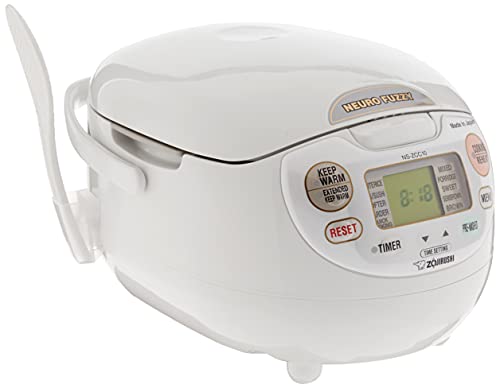
2. Zojirushi Neuro Fuzzy Rice Cooker (NS-ZCC10)
A micom-controlled rice cooker from Zojirushi, a Japanese maker known for rice cookers. It adjusts cooking based on its sensors, and it keeps rice warm afterward. Check the listing for the cup capacity.
Suits: rice lovers. Strengths: reliable rice results. Weaknesses: a premium rice cooker. Skip it if you want pressure cooking.
Best for stews and roasts
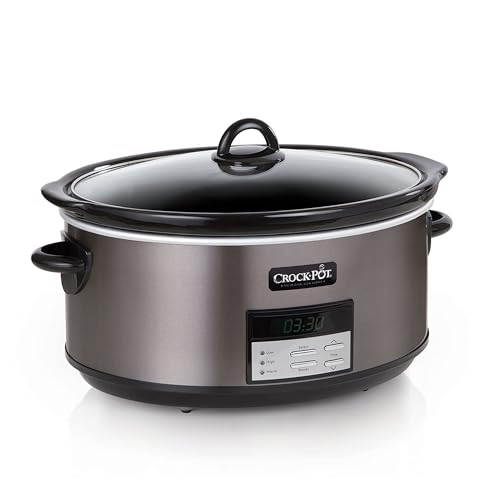
3. Crock-Pot Programmable Slow Cooker
A classic slow cooker from Crock-Pot, with a removable stoneware pot and programmable timer in many versions. It is a reliable family tool for stews and roasts. The listing shows the size class and the controls on your version.
Suits: stews and roasts. Strengths: a long-running design. Weaknesses: slow cooking only. Skip it if you want fast cooking.


Best for detail-minded cooks
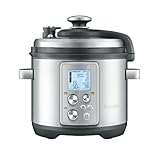
4. Breville Fast Slow Pro Multi-Cooker
A pressure and slow cooker from Breville with a polished design and a focus on control. It aims at cooks who want precision from a multi-cooker. The listing explains the pressure settings and the pot material.
Suits: detail-minded cooks. Strengths: a refined design. Weaknesses: a premium option. Skip it if you want the lowest price.
Best for small kitchens and extra burners
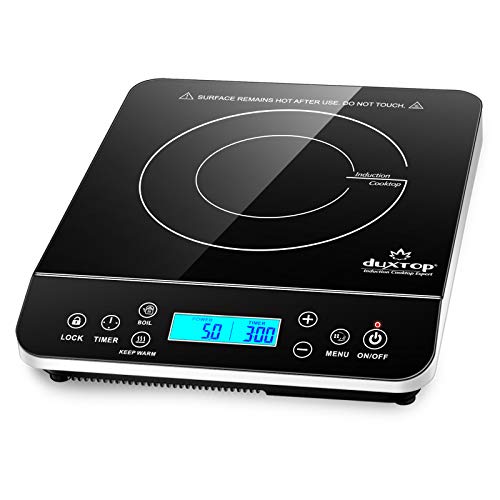
5. Duxtop Portable Induction Cooktop (9100MC)
A single-burner induction cooktop that plugs into a standard outlet and works with magnetic cookware. It is handy for small kitchens or extra heat, and it works well as a second burner at a holiday meal.
Suits: small kitchens and extra burners. Strengths: fast, controlled heat. Weaknesses: needs induction-ready pots. Skip it if your cookware is not magnetic.
Best for large gatherings
6. Nesco Roaster Oven (18-Quart)
A countertop roaster oven that bakes and roasts large foods, such as a turkey, when the main oven is busy. It is common at holidays, and it frees the main oven for side dishes. Check the listing for the pan size and lid details.
Suits: large gatherings. Strengths: a big cooking space. Weaknesses: it needs storage room. Skip it if you cook for one.
View Nesco 18-Quart Roaster Oven on Amazon
Care and Setup
- Wash removable pots and lids after every use.
- Wipe the base and cord, but never immerse the appliance in water.
- Keep sealing rings and vents clean on pressure cookers.
- Store with the lid off so smells do not linger, and air the pot out before you put it away.
Mistakes to Avoid
- Filling a pressure cooker past the maximum line.
- Using non-magnetic cookware on an induction burner.
- Leaving a cooker running unattended without reading the manual.
- Using metal tools on nonstick inner pots, which can scratch the coating over time.
Matching a Cooker Type to the Way You Cook
Countertop cookers overlap, but each type does a particular job best. A pressure cooker raises the boiling point of water by sealing the pot, which cuts the time for beans, tough cuts of meat and stocks. A slow cooker holds a low, steady heat for many hours, which suits stews, pulled meats and soups that you can start in the morning and leave to cook. A rice cooker focuses on grains, with sensors or timers that stop the cycle when the water is absorbed. An induction burner adds a fast, controllable heat source for stovetop-style cooking, and a roaster oven works as a small oven for large pieces of food.
Ask which meals you actually make. If you eat rice several times a week, a dedicated rice cooker will give more consistent results than a multi-function pot. If you like to come home to a ready dinner, a programmable slow cooker is hard to beat. If time is the problem and you cook dried beans or braises, pressure cooking is useful. Households that host often may enjoy an extra burner or a roaster to free up the oven.
Multi-cookers appeal because they combine several functions in one body, which saves space. The tradeoff is that one pot is rarely the best at everything. The sealing ring, lid mechanism and pot shape all affect results. If you already own a good stovetop pot and a decent oven, think carefully before buying a cooker that duplicates what you can already do.
Capacity, Household Size and Counter Space
Capacity is stated differently across cooker types. Pressure and slow cookers use quarts or liters, rice cookers use cups of uncooked rice, and roasters use quarts of total volume. Remember that you cannot fill a pressure cooker to the brim. Most have a maximum fill line, often lower for foods that foam or expand, such as beans, rice and pasta. A pot that holds six quarts may only be usable for four quarts of food in practice.
For one or two people, a small or mid-size pot is often enough, and it saves space. For a family of four or more, a larger size lets you cook once and have leftovers. Very large pots can struggle with small amounts of food, since a small quantity spreads thinly across a wide base and may cook unevenly or scorch. If your household size varies, choose a mid-range capacity and check the minimum fill levels in the manual.
Counter and cabinet space are real limits. Measure the height with the lid open, the depth with the cord, and the clearance under cabinets, since steam vents upward. Heavy cookers with stoneware inserts are hard to lift, so consider where you will store them. Many cooks leave one cooker on the counter and keep the others in a cabinet. Check the cord length and where the outlet is, and avoid extension cords for heating appliances unless the manual allows them.
Safety Habits for Pressure and High-Heat Cookers
Modern electric pressure cookers have safety features, but good habits still matter. Read the manual before the first use, and do a water test if the maker suggests one. Always check the sealing ring is seated properly, the steam release valve is clean and set correctly, and the pot is within the fill line. Never force a lid open while the cooker is under pressure. Wait for the pressure indicator to drop or use the release method the manual describes.
Release methods affect food. A natural release lets pressure fall gradually and keeps foamy foods and large cuts from splattering. A quick release is faster but can spray hot liquid from starchy or full pots. Keep your hands and face away from the steam outlet. Do not cover the vent, and keep the cooker away from walls and cabinets where steam could damage surfaces.
Other cookers carry their own cautions. Slow cookers and roasters get hot on the outside and should sit on a heat-resistant surface away from the edge of the counter, with the cord out of reach of children. Induction burners need magnetic cookware, a flat pan and clear vents. Do not immerse any base in water, and unplug appliances before cleaning. If a cooker emits an unusual smell, leaks steam from the sides or shows damage to the cord, stop using it and contact the maker.
Inner Pots, Lids and Accessories
The inner pot is the part that touches your food, so its material affects cooking and cleaning. Stainless steel is durable and does not rely on a coating, but food can stick if there is too little liquid or oil. Nonstick coatings release food easily but can wear with metal utensils or abrasive scrubbing. Stoneware, common in slow cookers, holds heat well but is heavy and can crack with sudden temperature changes, such as placing a hot insert on a cold or wet surface.
Check if replacement inner pots and sealing rings are sold for the model. Rings can absorb odors over time, and some cooks keep separate rings for savory and sweet dishes. Lids vary: some are removable and washable, while others have built-in parts that should be wiped but not submerged. Glass lids on slow cookers let you check progress without lifting, which helps retain heat.
Accessories can be useful but are not essential. Steamer racks or trivets lift food above the liquid, and baskets help with rice, eggs or vegetables. Silicone mitts and tongs keep your hands safe. Before you spend extra, check what comes in the box. If you plan to bake in a pot, make sure the dishes you buy fit the interior and are rated for the cooker’s temperature range. Keep the manual in a drawer, because recipes and timing charts are often printed there.
Cleaning, Storage and When to Replace
Wash inner pots and removable lids after each use, and let them dry fully. Wipe the base with a damp cloth, taking care around the controls, and clean the heating plate once it cools. Pressure cookers need extra attention: remove the sealing ring, wash it, check for cracks or stretching, and clean the steam valve so it moves freely. Descale the pot if mineral deposits build up, using the method the maker recommends.
Store cookers with the lid off or ajar so odors do not build up. Coil the cord loosely and do not wrap it tightly around the base. Keep accessories together in the pot. For induction burners, keep the glass surface clean and avoid dropping hard objects on it.
Signs of wear include a sealing ring that no longer holds pressure, a coating that is peeling or flaking, a pot with a warped base that rocks, a cord with exposed wire, and a heating plate that does not heat evenly. Slow cookers that take much longer to reach temperature, or rice cookers that burn rice, may also be wearing out. Replace parts that are available and cheap, such as rings, but retire the whole unit when safety parts fail. Check recall notices for your model if you are unsure about an older appliance.
A Checklist for Choosing a Countertop Cooker
Countertop cookers cover a wide field, from rice cookers to multi-function units, so clarify your needs before you compare.
- What do you want it to do: rice, steaming, slow cooking, sauteing, baking or several of these?
- How many servings do you cook at one time?
- How much counter and cabinet space can you spare?
- Do you want simple dials or programmable settings?
- Can the inner pot go in the dishwasher, or does it need hand washing?
- Where will you plug it in, and is the cord long enough for that spot?
Choose a unit that handles the dishes you make weekly. A model with many features may sit unused if the controls feel complicated.
Consider the lid design and the steam vent. Where steam escapes affects where you can safely place the cooker under a cabinet.
Comparing Common Countertop Cooker Types
Each type has a particular strength.
| Type | Good for | Consider |
|---|---|---|
| Rice cooker | Grains and simple one-pot meals | Less flexible for other methods |
| Slow cooker | Long, gentle cooking | Takes hours and needs planning |
| Multi-cooker | Several functions in one unit | More controls to learn |
| Electric skillet | Frying and braising on the counter | Large footprint |
| Steamer | Vegetables, fish and dumplings | Limited to steaming tasks |
Think about the dish you cook most, and choose accordingly.
Using a Countertop Cooker Sensibly
Read the manual before the first use, and follow the minimum and maximum fill lines. Place the cooker on a heat-tolerant, level surface with space around it for steam and heat. Keep the cord away from the edge of the counter, and unplug the unit when you are done.
For food safety, follow official guidance for cooking temperatures, holding times and leftovers. Let the appliance cool before cleaning, and wash removable parts as the maker describes. Do not immerse the base in water.
Reading a Cooker Listing
Check the capacity in quarts or cups and see how the maker defines it. Look at the list of functions, the controls and the materials of the inner pot. See whether the listing mentions a timer, a keep-warm mode or a delay timer, and read the notes on included accessories.
The dimensions, weight and cord length are worth comparing with your counter. A warranty summary and the availability of spare parts, such as lids and seals, complete the picture.
Mistakes to Avoid With Countertop Cookers
- Overfilling the pot. Foods that expand need room.
- Blocking the steam vent. Keep it clear of cabinets and walls.
- Using metal tools on a coated pot. Choose soft utensils.
- Skipping the seal check. Make sure lids and rings are seated.
- Leaving food in the warm mode for too long. Follow official food-safety guidance.
Store the cooker with the lid slightly ajar or removed, so the inside dries and stays fresh.
A Short Glossary of Countertop Cooker Terms
Product pages for these appliances use a few terms that are easy to mix up.
- Keep-warm mode: a low heat setting that holds food at serving temperature after cooking.
- Inner pot: the removable bowl that holds the food, often coated or made of metal.
- Fuzzy logic: a maker’s term for a controller that adjusts time and heat based on sensor readings.
- Steam basket: a slotted insert that lifts food above the water.
- Sear or saute function: a higher heat setting for browning before slow cooking.
- Delay timer: a feature that begins cooking at a later time.
Terms like these are used loosely, so read the maker’s description and the manual for what each setting really does.
It is also helpful to know that many cookers have a minimum liquid requirement. Foods that rely on steam need enough water in the pot, while dry heat functions may need less. Follow the instructions for each mode.
When you try a new recipe, keep a note of the setting, the quantity and the time that suited your cooker. Appliances of the same type can behave a little differently, and your own notes are the most reliable guide.
Finally, keep the manual with the appliance. A quick look at the troubleshooting page often solves a puzzling error code.
Choosing Countertop cookers: What Actually Matters
Countertop cookers cover a wide family, from multi-cookers and rice specialists to compact units built around one job, so the first criterion is honesty about the job. List the three meals you would actually make in it weekly, and judge every model against those. Capacity should be measured in portions you serve and in how full the pot can safely be for the foods you cook, since most countertop cookers perform best neither nearly empty nor filled to the brim. A mid-size pot that matches your household beats a cavernous one that heats unevenly for small amounts and lives in a cupboard because it dominates the counter.
Look closely at the cooking functions you will use and how directly you can reach them. A clear display, a knob or buttons that make sense without the manual, and the ability to adjust time and temperature mid-cook matter more than a long menu of programs you will never open. The inner pot deserves attention: its coating or material decides how food releases, how it cleans, and how carefully you must treat it. Lids, seals, and valves should come apart in a way that makes cleaning realistic on a weekday evening, because a cooker that is fiddly to wash loses its convenience advantage quickly.
Think about where the cooker sits in your kitchen’s workflow. It needs a stable surface, clearance for steam when the lid opens or a vent releases, and a socket it can reach without the cord crossing water or heat. If you plan to use it for slow, unattended cooking, consider how its footprint fits a corner where it will not be knocked, and whether its keep-warm behavior suits your schedule. A cooker is a background appliance: it should simmer away safely while you do other things, and everything about its placement and controls should support that calm, set-and-check rhythm.
How Countertop cookers Fit Real Routines
Set-and-forget weeknight mains
The classic countertop cooker win is a main dish that cooks while you do everything else. Stews, curries, braised meats, and bean dishes reward the sealed, steady environment, deepening in flavor while needing no attention beyond an occasional check. Build the habit of preparing ingredients before you start the cooker rather than during, keeping raw and cooked tools separate, and giving dense items like root vegetables a smaller cut so they finish with the rest. When the cooking ends, rest the dish briefly and adjust seasoning at the end, because long cooking concentrates flavors and salt behaves differently than in a quick stove-top meal.
Grains, sides, and meal-prep staples
Many households quietly use their countertop cooker most for staples: rice, grains, steamed vegetables, boiled eggs, and big batches of soup or stock that anchor the week’s cooking. A cooker that handles these reliably frees the hob and removes the watched-pot problem entirely. For meal prep, cook plain staples in the cooker while you season and finish portions differently through the week, which keeps variety without extra effort. Label and date what goes into the fridge, cool cooked food promptly and safely, and the cooker becomes the engine of a calmer weekday kitchen.
One-pot meals for small households
For one or two people, a countertop cooker can replace a whole wash-up cycle of pans. One-pot pastas, risotto-style grains, and saucy chicken dishes cook and serve from the same vessel, and leftovers reheat in it the next day. The trick is proportion: small quantities still need enough liquid and enough contact with the pot’s heat, so follow the maker’s minimum guidance rather than scaling a big recipe down to a token amount. Cooking for one well is a genuine skill, and a right-sized cooker is one of the best tools for it.
Setup, Daily Use, and Getting the Best Results
When the cooker arrives, wash the pot, lid parts, and accessories as the manual directs, and run a simple first cook, plain water or a basic pot of rice, to learn its sounds, smells, and timing before trusting it with dinner. Check how the lid seals, how steam releases, and how hot the exterior gets, so nothing surprises you later. Position it where steam can rise without bathing the underside of your cabinets in moisture every day; many owners slide the cooker forward on the counter during use and back for storage, a small habit that protects cabinet finishes.
Learn the liquid logic of your cooker early, because sealed cooking loses far less moisture than an open pan. Recipes written for the stove often need less added liquid, and sauces come out thinner if you copy quantities exactly. Start conservatively, note results, and adjust. Brown ingredients when the cooker offers a sauté function and the recipe benefits, but do not crowd the pot while browning or the food steams instead of searing. Layer flavors in the order the cooker cooks them: aromatics first, liquids to deglaze, delicate items last or stirred in at the end.
Keep the small parts in a system. Seals, valves, condensation collectors, and measuring accessories are easy to lose and annoying to replace, so give them a home in one drawer or box near the cooker. Note the model’s details somewhere you will find them if a seal needs replacing in two years. Wipe the rim and lid area after each use, because a film of starchy residue on a sealing surface is the usual cause of a lid that suddenly seems not to close properly. Small tidiness keeps a sealed cooker sealing.
Care, Cleaning, and Keeping It Working Well
Cleaning a countertop cooker is mostly about the lid and seal, which is where flavors linger. Wash removable parts in warm soapy water, let seals air-dry fully before reassembling, and occasionally check the steam path and valves for starch or food residue following the manual’s method. The inner pot should be treated according to its surface: nonstick wants soft sponges and no metal tools, while stainless can take more vigorous cleaning. Never immerse the main body or run water over electrical parts; wipe the exterior and the heating well with a damp cloth once cool and unplugged.
Watch for the signs that parts need replacing rather than deeper cleaning. A seal that has stretched, hardened, or holds odors despite washing will eventually affect cooking and should be renewed. A pot whose coating is damaged should leave service for food contact. If cooking times drift longer for familiar dishes, check first for simple causes: a seal seated incorrectly, residue on the lid, or a vent partially blocked. Most countertop cookers are mechanically simple and long-lived; the parts that age are the soft parts, and renewing them restores the machine almost completely.
Common Mistakes and How to Avoid Them
Overfilling is the classic countertop cooker mistake. Sealed cookers need headspace for food to expand and for steam to circulate, and starchy or foamy foods need more room still. Respect the maximum fill markings, especially for beans, grains, and porridge-style dishes. The second mistake is impatience with sealed lids: forcing a lid or vent before pressure or heat has settled as the manual describes is both a safety and a quality issue. Third, treating the cooker as a storage vessel for leftovers in the fridge invites odor and seal problems; transfer food to containers and wash the pot.
Recipe mistakes are quieter. Copying stove-top liquid quantities makes watery results; adding dairy or delicate herbs at the start of a long cook dulls or splits them; skipping the step of cutting dense vegetables to size leaves them firm when everything else is done. The fixes are simple habits: reduce liquid slightly for sealed cooking, stir dairy and fresh herbs in at the end, and cut ingredients by density, small for slow items, larger for fast ones. A notebook of two or three adjusted family recipes will teach you your cooker’s character faster than any general guide.
How the Picks in This Guide Compare
Comparison only makes sense against your own priorities, so use this section as a decision exercise rather than a ranking. The picks above were chosen to cover different needs within countertop cookers: different sizes, styles, and strengths for different kitchens. Read across them with your space measurements, your regular recipes, and your cleaning tolerance in hand, and the shortlist usually narrows itself to one or two. What follows revisits each pick in turn and frames the question you should ask of it.
Instant Pot Duo Plus Multi-Cooker earns its place in this line-up for the role set out in its review above. When you weigh it against the neighbouring picks, compare what the reviews themselves say about what it does well, where its limits are, and the kind of cooking it suits. The right choice is rarely the most elaborate option; it is the one whose strengths match your weekly routine rather than your most ambitious day, and whose handling and care you will be happy with long after the novelty fades.
Zojirushi Neuro Fuzzy Rice Cooker (NS-ZCC10) is the pick to study closely if its purpose in this guide matches the job you most need done. Read its section alongside the picks either side of it, and notice the trade-offs the guide describes: every design in this category gives something to get something. If the compromise it makes is one you would happily make too, that is a strong signal. If its strengths answer a problem you do not have, a simpler pick further down the list will probably serve you better.
With Crock-Pot Programmable Slow Cooker, the decision is about fit for your household rather than rank. Its review above explains the cooking it is built for; your task is to be honest about how often that cooking happens in your kitchen. A pick used three times a week at the centre of your routine is worth more than a technically broader one used monthly. Check also the practicalities the review raises, size, handling, and care, because those are the details still shaping your satisfaction a year from now.
Breville Fast Slow Pro Multi-Cooker represents one answer to the question this guide is asking, and the other picks represent others. Compare them by the criteria that opened this article: how they fit your space, how they behave in the cooking you repeat, and how they clean and store afterwards. If you find yourself torn between this pick and another, choose by the tie-breaker of daily friction: the one that will be easier to reach for, easier to wash, and easier to live with usually wins the year, whatever wins the afternoon.
Duxtop Portable Induction Cooktop (9100MC) earns its place in this line-up for the role set out in its review above. When you weigh it against the neighbouring picks, compare what the reviews themselves say about what it does well, where its limits are, and the kind of cooking it suits. The right choice is rarely the most elaborate option; it is the one whose strengths match your weekly routine rather than your most ambitious day, and whose handling and care you will be happy with long after the novelty fades.
Nesco Roaster Oven (18-Quart) is the pick to study closely if its purpose in this guide matches the job you most need done. Read its section alongside the picks either side of it, and notice the trade-offs the guide describes: every design in this category gives something to get something. If the compromise it makes is one you would happily make too, that is a strong signal. If its strengths answer a problem you do not have, a simpler pick further down the list will probably serve you better.
More Practical Notes on Countertop cookers
Judge a countertop cooker by your third month with it, not the first weekend. The honeymoon dishes always work; the real test is whether it has absorbed your ordinary Tuesday cooking. If it has taken over grains, soups, and one reliable braise, it has earned its counter space. If it only emerges for elaborate weekend projects, a simpler or smaller model might have served you better. This is worth knowing before you buy accessories or a second pot: expand around proven habits, not around the meals you imagine cooking in a different life.
Accessories make sense in a strict order. A spare inner pot lets one batch cool or store while another cooks, and a spare seal solves the odor problem elegantly. Steamer baskets and racks earn their place if you genuinely steam weekly. Beyond that, most add-ons duplicate what ordinary kitchen tools already do. Buy for the friction you actually feel during your regular cooking, and stop when the friction is gone. A cooker with three well-used accessories beats a cooker buried under twelve forgotten ones, in both results and cupboard space.
Finally, treat the manual as a recipe-development partner. Its fill limits, liquid guidance, and timing tables are written for your exact machine’s power and shape, and they explain most early disappointments when read closely. Combine that with a few notes of your own, what you cooked, how full the pot was, and what you would change, and within a dozen cooks you will have something better than a general cookbook: instructions calibrated to your cooker, your ingredients, and your taste. That is when a countertop cooker stops being an appliance and becomes part of how your kitchen runs.
Where countertop cookers sit in the kitchen deserves the same care as the purchase itself. Appliances earn their keep when they are reachable at the moment of need, with a clear landing space beside them and a socket they do not share with a tangle of other demands. Before committing to a position, walk through the task the appliance serves, from fetching ingredients to setting down something hot, and check the route for obstacles and crossings. Five minutes of this rehearsal prevents the daily irritations, a door that opens against a wall, a cord across the sink, that quietly turn a good appliance into a resented one.
Read the manual once, properly, before the appliance’s first week is out. Manuals are unfashionable and irreplaceable: they hold the clearances, the cleaning products to avoid, the error signals, and the small capabilities the marketing never mentioned. Keep it, or its digital copy, where the household can find it, and note the model and serial details in the same place. When something behaves oddly in year three, the answer is usually in those pages, and the household that can find its manuals solves problems in minutes instead of weekends.
Energy and water habits around countertop cookers are unglamorous and cumulative. Run appliances at their efficient loads rather than in dribs and drabs where the design allows, keep seals, filters, and vents clean so the machine does not labor against its own neglect, and switch off at the socket where the design expects it rather than leaving everything in standby forever. None of this asks for sacrifice; it asks for rhythm. The households that get the lowest bills and the longest appliance lives are rarely the most frugal, just the most consistent.
Teach the whole household the appliance’s few rules and its ordinary routine. Shared appliances fail at the boundaries between users: one person’s shortcut becomes another’s mystery fault. A short conversation, or a note on the fridge door covering what goes in, what never does, and what to do when a cycle ends, aligns everyone. Children old enough to use countertop cookers are old enough to learn their care, and guests are happier with a sentence of guidance than with anxious hovering. An appliance the whole house understands is an appliance that lasts.
Keep a small log for the first season: what you cooked or processed, the settings that worked, and the one thing you would change. Appliances have personalities, and published guidance is written for an average kitchen that is not yours. Your own notes, rack positions, timings, doses, and quantities for your regular tasks, become the real manual within a dozen uses. This is the least technological advice in this guide and the most valuable: the difference between owners who love their appliances and owners who tolerate them is usually a page of notes.
Accessories should be bought in the order your frustration dictates. Live with countertop cookers for a month first, and let real friction, the missing rack, the awkward jug, the pan that does not fit, tell you what to buy. Each accessory should remove a named annoyance from a task you perform weekly; anything bought for an imagined task will join the drawer of good intentions. And when you do buy, measure first and buy once, because the accessory that fits properly and is used daily is cheaper at any price than the almost-right one replaced twice.
Plan for the appliance’s whole life in your home, including its end. Keep the packaging only if storage is free and returns are plausible; register the warranty; note where spare parts and consumables for your model are sold. When performance drifts, work through the simple causes in order, cleanliness, loading, settings, placement, before assuming failure, because most appliance misery is maintenance wearing a disguise. A well-kept machine, honestly assessed, will tell you clearly when it is done; until then, steady care beats anxious replacement.
Consider how countertop cookers interact with the rest of your kitchen’s cast. The best kitchens are ensembles: each appliance covers the others’ weaknesses, and tasks flow to the tool that does them best rather than the newest one. Let the appliance in this guide take the jobs it is genuinely best at, and resist forcing it to be universal. That division of labor is what makes a kitchen feel calm at the busiest hour, and it is the real destination of every comparison and criterion in this guide: the right tool, in the right place, doing its best work.
Countertop Cooker FAQ
What is a multi-cooker?
It combines pressure cooking, slow cooking and other functions in one pot.
Which countertop cooker should I get first?
A multi-cooker suits most households. A rice cooker is better if you eat rice often.
Are these safe to leave on?
They are made for unattended use in many cases, but always follow the maker’s guidance for each device and never leave a pressure cooker venting without checking it.
Do I need special pots for induction?
Yes. Induction burners need magnetic cookware, so test your pans with a magnet.
Can a multi-cooker replace a rice cooker?
It can cook rice, but dedicated rice cookers often give more consistent results for frequent rice eaters. Decide based on how often you cook rice.
Why does food burn on the bottom of my pot?
Too little liquid, a thick sauce or too much sugar can scorch. Add enough thin liquid and layer thick ingredients on top without stirring them in.
How full can I fill a pressure cooker?
Stay at or below the maximum line, and use a lower fill for foods that foam or expand, such as beans and rice. Check your manual.
Is a slow cooker safe to leave on while I am out?
Many are designed for long unattended cooking, but follow the maker's guidance and keep the unit on a stable, heat-resistant surface.
Can I cook frozen meat in a slow cooker?
Food safety guidance generally advises against it because the food may stay in unsafe temperatures too long. Thaw it first and check trusted guidance.
How do I remove odors from the sealing ring?
Wash it with soap and warm water, and let it air out. Some cooks use a vinegar soak or a dedicated spare ring, depending on the maker's advice.
Do all induction burners work with any pan?
No. They need magnetic cookware with a flat base, so test pans with a magnet and check the burner's pan size guidance.
Can I cook a whole turkey in a roaster oven?
Roasters are often used for large birds, but check the size and weight limits in the manual and use a food thermometer to confirm doneness.
How full can I fill a countertop cooker?
Stay within the maximum fill line marked on the pot, and leave extra headspace for foods that expand or foam, such as beans, grains, and porridge. Overfilling risks uneven cooking and messy venting. If you regularly cook for a crowd, a larger pot used within its limits gives better results than a small pot pushed past them.
Why did my sauce come out thinner than on the stove?
Sealed cooking traps moisture that an open pan would evaporate, so the same recipe yields a looser sauce. Reduce added liquid a little next time, or finish the dish with the lid off for a short simmer if your cooker allows it. Also remember that vegetables release their own water during long cooking.
Can I leave a countertop cooker unattended?
Cookers designed for slow, timed cooking are built to run without constant watching, but follow the manual: place the cooker on a stable, heat-safe surface away from edges, keep the area around it clear, and be sensible about how long food sits on keep-warm. When in doubt, be present for the first run of any new recipe.
How do I stop the lid seal from holding smells?
Wash the seal after strongly flavored dishes, dry it thoroughly, and store the lid ajar or upside down so air circulates. A spare seal, one for savory and one for mild dishes, is a trick many regular users swear by. If an odor survives washing and airing, the seal is probably ready for replacement.
Can I cook frozen meat in a countertop cooker?
Follow your model’s manual and general food safety guidance: some cooking methods handle frozen ingredients safely if cooking times are extended and the food reaches a safe temperature throughout, while others require thawing first. Use a thermometer for thick pieces, and when guidance is unclear, thaw in the fridge first. It is the safest default for even results.
Why does my cooker take longer than the recipe says?
Starting temperature of ingredients, how full the pot is, and your model’s power all shift timing. A very full pot or fridge-cold ingredients extend the cook, and sealed cookers also spend time coming up to their working state before the countdown some recipes assume. Note your own times for repeat dishes; your cooker’s pattern will be consistent even if it differs from a book.
The Short Version
For a multi-cooker, the Instant Pot Duo Plus or the Breville Fast Slow Pro. For rice, the Zojirushi Neuro Fuzzy. For slow cooking, the Crock-Pot. For an extra burner, the Duxtop. For large roasts, the Nesco.