Charcoal grills and smokers cook over burning charcoal and wood, whether you sear steaks at high heat or hold a low temperature for hours. Some cookers are dedicated smokers, while others are built to do both jobs, with offset fireboxes, drums and bullet designs. These cookers cost more time than a gas grill, but the flavor and control reward the patience.
The six cookers below include offset, bullet, drum and combination styles from familiar makers. We have not used these products ourselves, and we avoid exact sizes and capacities. Models change often, so confirm details on the current listing before buying, including the cooking area and included accessories.
As an Amazon Associate we earn from qualifying purchases. Links below are affiliate links, and they do not change the product information we give.
What to Look For
| Feature | Why it matters |
|---|---|
| Style | Offsets, bullets and drums each have a learning curve |
| Cooking area | More racks hold more food at once |
| Steel thickness | Thicker steel holds heat better |
| Temperature gauge | An accurate gauge helps with long cooks |
| Dual use | Some designs grill as well as smoke |
In this guide
Specs at a Glance
| Cooker | Style | Size class | Notes |
|---|---|---|---|
| Oklahoma Joe’s Highland Reverse Flow | Offset smoker | Large | Reverse-flow design with a firebox |
| Weber Smokey Mountain Cooker 18 | Bullet smoker | Mid | Water pan; two grates |
| Pit Barrel Cooker Classic | Drum smoker | Mid | Hanging hooks |
| Dyna-Glo Vertical Offset Charcoal Smoker | Vertical offset | Large | Multiple racks |
| Royal Gourmet Charcoal Grill with Offset Smoker | Barrel with offset | Large | Grill and smoker combo |
| Oklahoma Joe’s Bronco | Drum smoker | Mid | Barrel-style build |
The 6 Best Charcoal Grills and Smokers

Top pickBest for brisket and ribs
1. Oklahoma Joe’s Highland Reverse Flow Offset Smoker
A large offset smoker with a reverse-flow design intended to pull smoke and heat across the cook chamber evenly. It is a classic starter for a backyard pitmaster, with a side firebox and room for several large cuts.
Suits: brisket and ribs. Strengths: a roomy cook chamber. Weaknesses: needs tending. Skip it if you want set-and-forget.

Best for beginners to experts
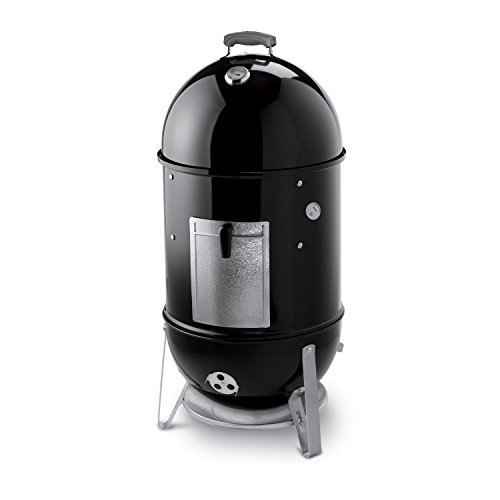
2. Weber Smokey Mountain Cooker 18
A popular vertical bullet smoker with a water pan, two cooking grates and a lid thermometer. It runs on charcoal and wood and holds steady temperatures once set up.
Suits: beginners to experts. Strengths: a steady, forgiving design. Weaknesses: limited for searing. Skip it if you want a grill.
Best for simple smoking
3. Pit Barrel Cooker Classic
A drum-style cooker that hangs meat from hooks above the coals. The design is simple, with few controls, and is known for easy setup.
Suits: simple smoking. Strengths: few things to adjust. Weaknesses: limited grate space. Skip it if you want a flat grill top.
View Pit Barrel Cooker Classic on Amazon
Best for larger loads in tight spaces
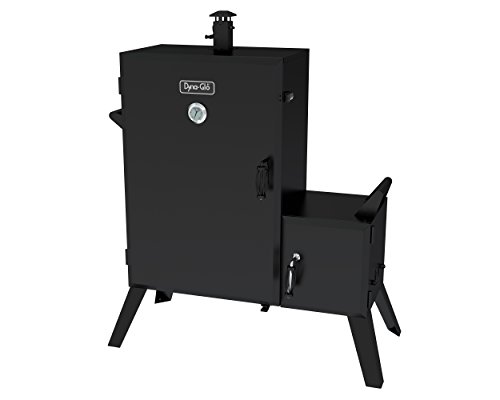
4. Dyna-Glo Vertical Offset Charcoal Smoker
A vertical offset smoker with stacked racks and a side firebox. It is made to give a lot of racks in a small floor space. Check the listing for the version and rack count.
Suits: larger loads in tight spaces. Strengths: many racks. Weaknesses: leaks heat unless sealed. Skip it if you want precise control.

Best for trying both methods
5. Royal Gourmet Charcoal Grill with Offset Smoker
A barrel charcoal grill with an offset firebox, built to grill and smoke in one unit at a budget-friendly level. Model numbers vary, so check the listing before ordering.
Suits: trying both methods. Strengths: two functions in one. Weaknesses: lighter steel. Skip it if you want heavy-duty construction.


Best for drum smoking
6. Oklahoma Joe’s Bronco Drum Smoker
A drum-style charcoal smoker with a barrel build and adjustable air intake, meant to hold a steady temperature for slow cooks. Check the listing for rack and hook details.
Suits: drum smoking. Strengths: a compact footprint. Weaknesses: limited capacity. Skip it if you cook large cuts.

Care and Setup
- Season a new smoker by burning it empty with a little oil on the interior.
- Clear the ash between cooks.
- Keep it covered when idle.
- Check seals and doors for gaps.
- Keep a spare probe thermometer, since built-in gauges can read off.
- Store wood chunks dry so they smoke cleanly.
Mistakes to Avoid
- Using too much wood, which can make food bitter.
- Opening the lid too often.
- Trusting only the built-in gauge.
- Skipping the seasoning step.
- Buying an offset smoker without planning for the time it takes to tend the fire.
- Using damp or green wood, which makes harsh smoke.
Offset, Bullet, Drum and Barrel Compared
The main decision with a charcoal cooker is the style, since each one asks for a different kind of attention. An offset smoker has a firebox on the side that feeds heat and smoke through a long chamber. It gives a roomy cooking space and classic flavor, but it needs regular fire tending and some skill to hold a steady temperature. A reverse-flow version routes the smoke along the chamber to even out the heat.
A bullet smoker stacks the fire, a water pan and the grates vertically. Because heat rises straight through the food, it tends to hold temperature steadily with little attention, which makes it friendly for beginners. The trade-off is limited space and little use for direct grilling.
A drum cooker hangs meat above the coals, and it is known for simplicity, with few controls to adjust. It suits people who want to load it, set the vents and leave it alone. Grate space is limited, and it is less versatile for grilling.
A barrel grill with an offset firebox tries to do both jobs, grilling over coals and smoking from the side. It is flexible and often budget-friendly, but thinner steel and gaps around the lid can make low-temperature smoking harder.
- Want to learn fire craft: offset.
- Want steady and simple: bullet or drum.
- Want one cooker for both jobs: a combination barrel, with modest expectations for smoking.
Steel Thickness, Seals and Build Quality
Build quality shows up in how well a cooker holds heat and how long it lasts. Thicker steel absorbs heat and releases it evenly, so the temperature swings less when you add fuel or open the lid. Thin steel heats up faster but loses heat quickly, and it can warp over time. Listings sometimes give a gauge or thickness, though numbers vary in how they are measured, so treat them as a rough comparison and read the description.
Leaks are the other big factor. Gaps around the lid, the firebox joint and the doors let air escape and enter uncontrolled, which makes it harder to hold low heat and burns more fuel. Look for tight-fitting doors, a lid that sits flush and a firebox that joins the chamber cleanly. Some owners add high-temperature gasket material to close gaps, but check that it is made for the job and compatible with the cooker.
Examine the details too. Sturdy hinges, solid legs or a stable base, and handles that stay cool all matter in daily use. Check the grates, which can be coated, cast or bare steel, and note how easy they are to clean. Look at how the cooker is shipped and assembled. Many arrive flat and require patience, so check for clear instructions and for how many people are needed.
Heat Control, Vents and Thermometers
Temperature control in a charcoal cooker comes from airflow. More air means a hotter, faster fire, and less air means a cooler, slower one. Intake vents at the base or on the firebox control how much air feeds the fire, and the exhaust vent or stack controls how it leaves. The golden rule is to make small changes and wait, because the cooker takes time to respond.
Good vents move smoothly and hold their position, with no loose or wobbly dampers. A cooker whose vents cannot be closed tightly will be hard to shut down and may burn on after you finish.
Built-in thermometers are convenient, but they are often inaccurate, and they measure near the lid rather than at the grate. Many cooks add a probe at grate level and another in the meat. A cooker with a port for a probe makes this easier. A thermometer that you can trust is worth more than any single feature.
Learn how your cooker behaves by doing a few practice cooks with cheaper cuts. Note where hot spots are, how long it takes to stabilize and what the vents do. Wind and weather change everything, so adjust and keep a log.
Fuel, Wood and Fire Management
The fuel you choose affects both flavor and effort. Briquettes burn consistently and are easy to predict, making them popular for long, steady cooks. Lump charcoal burns hotter and cleaner, but it varies by bag. Whichever you pick, keep it dry in a sealed container, since damp charcoal is hard to light and burns poorly.
Wood adds the smoke. Chunks burn longer than chips and suit long cooks. Use moderate amounts, since heavy smoke can make food bitter, and avoid damp or green wood, which produces harsh smoke. Aim for thin, pale smoke rather than thick white clouds.
Start with a manageable fire. Many cooks light a small amount of charcoal and add it to unlit fuel, which lets the fire spread slowly. This method, sometimes called a minion-style burn, can give long, steady burns in some cookers, but check what suits yours.
- Light fuel in a chimney, not with lighter fluid.
- Let the cooker stabilize before adding food.
- Keep extra fuel ready for long cooks.
- Do not open the lid unless you need to.
For offset cookers, tend the firebox with small, regular additions of split wood or charcoal and avoid letting the fire die or flare. Patience is the central skill here.
Seasoning, Rust Prevention and Long-Term Care
A new steel cooker needs seasoning before you cook on it. This means coating the interior with a thin layer of cooking oil and burning the cooker for a while, so the oil bakes into a protective layer. Follow the maker’s instructions, because methods differ. Seasoning helps protect the metal from rust and removes factory residue.
After each cook, let the cooker cool, then remove ash and grease. Ash holds moisture and promotes rust, so do not leave it sitting. Scrape or brush the grates, and wipe drip pans or water pans. Grease buildup can catch fire and taste unpleasant, so clean it regularly.
Protection from weather is key. Use a fitted cover, and store the cooker under shelter if possible. Check for chipped paint and touch up with high-heat paint to keep rust at bay. Oil bare steel surfaces lightly when you store the cooker for a season.
Inspect seals, hinges, bolts and legs each season, since heat and weather loosen things over time. Replace worn gaskets and rusty hardware. Signs that it is time to replace the cooker include holes in the steel, a firebox that has burned through, or a structure that is no longer stable. Surface rust can usually be cleaned, but structural rust is a reason to retire a unit.
Charcoal Grilling Terms Explained
Charcoal cooking has a vocabulary of its own, and listings for grills and smokers assume you know it. The glossary below covers the words you will meet most often, so you can compare models on how they work instead of on their marketing.
- Lump charcoal and briquettes: the two main fuel types. Lump is made from charred wood pieces, while briquettes are pressed to a uniform shape. They burn and behave differently, so check what the maker recommends.
- Direct and indirect heat: direct means food sits right above the coals, while indirect means coals are to the side so food cooks gently without flames beneath it.
- Vents or dampers: openings that control airflow. More air means a hotter fire, and less air cools it down.
- Ash catcher: a tray or pan that collects ash, making cleanup easier and helping airflow.
- Charcoal basket or rails: accessories that hold coals to one side for indirect cooking.
- Kettle, barrel and cabinet styles: common body shapes, each with its own cooking area and ways of managing heat.
- Chimney lighter: a metal cylinder used to light coals without lighter fluid.
Choosing a Style by How You Cook
You grill burgers, sausages and vegetables on weeknights
A kettle style grill is simple, versatile and quick to set up. Pay attention to the grate size and how easily the vents move.
You like long, slow cooks for ribs and shoulders
Look for a smoker or a grill with a tight lid and good temperature control. Thick walls help hold steady heat, and a water pan or offset firebox may suit the style of cooking you want.
You cook for a crowd
A larger cooking area gives you room for several items. Check the grate dimensions and consider whether a second level or rack is available.
You tailgate or camp
A portable grill with a compact footprint and a sturdy latch is easier to transport. Look at the weight and whether it has handles that stay cool, as the maker describes.
Grill and Smoker Designs Compared
| Design | Strengths | Things to consider |
|---|---|---|
| Kettle grill | Versatile, familiar, easy to move | Smaller cooking area |
| Barrel or drum | Large grate, good for gatherings | Takes more space and fuel |
| Offset smoker | Classic low and slow setup | Needs attention and practice |
| Vertical cabinet | Compact footprint with several racks | Less direct searing |
Safety, Placement and Fuel Handling
Charcoal fires are hot, produce smoke and create carbon monoxide, so use the grill outdoors only, in an open, well-ventilated place. Set it on a stable, non-flammable surface, away from walls, fences, eaves and overhanging branches, and keep children and pets at a distance. Never use a charcoal grill in a garage, tent, porch or any enclosed space. Follow the maker’s instructions for lighting, and avoid adding fluid to a lit fire.
Store unused charcoal in a dry place, and let ash and coals cool fully before disposal, following local guidance on how to dispose of them safely. Keep a bucket of sand or an approved extinguisher nearby, and check local rules on open fires, which can differ by area and season.
Reading a Charcoal Grill Listing Closely
Look at the cooking area, the construction materials and the way the lid fits. Check the vents, the handle and any thermometer, and see how the ash is collected. Read what is included in the box, such as a grate, an ash catcher or a cover. Check the assembly details and the weight, since heavier grills can be difficult to move. Look for notes about cleaning, and the warranty summary. Finally, look at the return terms, which matter for bulky items.
Keep in mind that any claim about temperature range or heat retention is general. Real results depend on the fuel, the weather and your technique. A good listing gives plenty of dimensions and descriptions that you can compare calmly.
Learning to Control Your Fire
Charcoal grilling rewards patience. Light the coals with a chimney lighter, wait until they are covered in a light gray ash, and then spread them as the recipe requires. Pile them to one side for a two-zone setup, so you have a hot area for searing and a cooler area for finishing. Keep the lid on whenever possible, and open the vents a little more or less to adjust the temperature. Over a few sessions, you will learn how your grill responds, and your results will improve steadily.
Finally, keep a simple cleaning habit. Brush the grate while it is still warm, empty the ash once it is fully cool and wipe the exterior with a mild cleaner. A little attention after each cookout keeps the vents working and the grill ready for the next one.
Choosing Charcoal Grills And Smokers With Confidence: A Deeper Look
The reviews above give you the short version of each pick: what it is, who it suits and where it compromises. This added section slows down and looks at charcoal grills and smokers the way ownership actually feels — choosing between close options, setting up well, building a routine, cleaning and caring for what you buy, and avoiding the mistakes that make good products disappoint. Nothing here changes the reviews themselves; it is the thinking that helps you choose between them and get the best from whichever one comes home with you.
Heat control is a skill the design either supports or fights
A charcoal cooker lives or dies by airflow. Look closely at how the intake and exhaust vents are described in the guide above, how the fire grate can be raised, lowered or banked, and how easily you can add fuel mid-cook without losing all your heat. Designs that let you make small, repeatable adjustments reward patience, while designs that only offer wide-open or fully closed settings demand constant attention. Neither is automatically better. What matters is whether the level of involvement matches the way you actually like to cook on a weekend, not the way you imagine cooking in theory.
Capacity should be counted in real meals, not headline area
Grate area on a listing tells you very little until you translate it into the meals you cook most. Picture your most common cook: burgers for the family, two racks of ribs, a whole chicken with vegetables around it, or a long smoking session where food cannot sit directly over the coals. A cooker that fits your usual meal comfortably, with room to move food away from flare-ups, will feel generous even if its headline area looks modest. A cooker bought for the one large party you host each year will feel oversized, hungry for fuel and slow to heat the rest of the time.
Fuel behaviour changes the whole experience
Briquettes and lump charcoal behave differently, and the cooker you choose should suit the fuel you can buy easily and store dry. Briquettes tend to burn steadily and predictably, which helps when you are learning temperature control. Lump tends to light quickly and respond fast to vent changes, which suits shorter, hotter cooks. Think about ash as well: every session produces it, and a design that makes ash removal simple will be cleaned more often, which in turn protects the metal and keeps airflow working the way it should.
Build quality shows up in the second year, not the first week
With steel charcoal cookers, the ownership story is mostly about moisture, heat cycles and storage. Heavier construction generally shrugs off knocks and holds heat more calmly, but it also makes the cooker harder to move and slower to cool. Thinner construction is lighter and cheaper to replace, but asks more of you in covering, cleaning and touch-up care. Judge the picks above by how much routine care you are honestly willing to give, because a well-kept lighter cooker will outlast a neglected heavier one almost every time.
Moving, storing and living with the cooker
Measure the space where the cooker will live, not just the space where it will cook. Consider the path from storage to cooking spot, steps, door widths, and whether the lid opens fully without hitting a wall, fence or low branch. Wheels, handles and folding shelves sound like minor details until you are moving a hot-adjacent, ash-dusted cooker in fading light. The guide above notes which designs lean portable and which lean stationary; take those notes seriously, because a cooker that is awkward to position tends to be used less, whatever its cooking merits.
Charcoal Grills And Smokers in Day-to-Day Life
For weeknight family cooking, the best choice is usually the cooker that lights quickly, settles at a useful temperature without fuss and cleans down in a few minutes. That points towards designs with simple vent controls, a manageable fire size and grates that are easy to lift and brush. A huge cooking chamber is wasted on six burgers, and the extra fuel and waiting time quietly discourage midweek use.
For low-and-slow weekend cooking, the priorities reverse. You want a cooker that can hold a gentle fire for hours, accept small fuel additions without drama and keep food away from direct heat. That is where offset layouts, insulated designs and generous internal height earn their keep. Plan the cook around the cooker: start earlier than you think, keep the lid closed, and judge progress by tenderness and internal temperature rather than by the clock alone.
For entertaining, the deciding factor is workflow rather than peak capacity. You need a hot zone for finishing, a holding zone where cooked food stays warm without drying, and enough elbow room to turn food without reaching across flames. Cooking in waves — vegetables and breads last, sturdy items first — lets a mid-sized cooker feed a crowd gracefully, while a poorly arranged large cooker can still feel chaotic.
For small patios, balconies and shared spaces, smoke and footprint matter as much as cooking results. A compact cooker used confidently, with the lid on and the fire kept clean, produces far less nuisance smoke than a large cooker run with a smouldering, starved fire. Check local rules for your building or community before buying, store fuel somewhere dry and ventilated, and keep a metal container with a lid for ash that has cooled completely.
Getting Set Up and Into a Routine
Begin with assembly on a flat surface, with the manual open and every part laid out before you tighten anything. Steel panels and lids align more easily when fasteners are left slightly loose until the whole frame is together, then tightened in sequence. Keep children and pets away from the build area, check that legs, wheels and handles are secure, and position the cooker on a stable, non-combustible surface with clear space around it before any fuel appears.
The first fire should be a seasoning and learning fire, not a meal. Follow the maker's guidance on curing oils or protective coatings, watch how the vents respond, and note how long the cooker takes to heat and to cool. This is the cheapest lesson the cooker will ever give you: you learn its personality — how fast it climbs, where its hot spots sit, how it behaves when the lid is lifted — without dinner depending on the outcome.
Build a simple routine for every cook that follows. Light the fuel in one consistent way, arrange a two-zone fire unless the recipe truly needs uniform direct heat, let the grates heat before food goes on, and keep a small kit nearby: tongs, a heatproof glove, a brush, a spray-free way to move coals, and a thermometer you trust. Consistency in the routine is what turns temperature control from guesswork into habit over the first season.
Cleaning, Care and Keeping It at Its Best
Clean while the cooker is still warm but safe to handle. Brush the grates, let the ash cool fully in place, then move it to a metal container with a lid and store that container away from anything combustible. Ash left sitting in a firebox absorbs moisture from the air and holds it against the steel, which is the single most common reason otherwise sound cookers rust from the inside out.
After cleaning, look the cooker over the way you would a bicycle before a long ride. Check vent movement, lid fit, grate condition and any spots where the finish has chipped. A small area of bare metal touched up early, following the maker's guidance, is a five-minute job; the same area ignored for a wet season becomes a repair. Wipe exterior surfaces, dry everything thoroughly, and only fit a cover once the cooker is completely cool and dry, since a cover over a damp cooker traps the moisture you are trying to avoid.
Store fuel as carefully as the cooker itself. Charcoal that has absorbed humidity lights reluctantly, burns unevenly and produces the kind of thick smoke that makes neighbours complain. Keep bags or bins sealed, off the ground and under cover. At the end of the season, deep-clean the firebox, oil the grates lightly if the maker recommends it, and store the cooker somewhere it will stay as dry as possible until spring.
How the Picks in This Guide Compare With Each Other
Read side by side, the six picks in this guide are less a ranking than a set of answers to different questions. Each review above names a role, a strength and a reason to skip, and those three things together are the honest comparison. The notes below restate that positioning in one place, so you can match each pick against the situations described earlier in this section and see which answer sounds like your household.
Oklahoma Joe’s Highland Reverse Flow Offset Smoker. A large offset smoker with a reverse-flow design intended to pull smoke and heat across the cook chamber evenly. In the review above, it is presented as suiting brisket and ribs. Come back to this one after reading the rest of the list; its value usually becomes clearer in contrast. Several picks in this guide will look similar at first glance, and the differences that matter are the ones this review names — role, strengths and the reason you might skip it.
Weber Smokey Mountain Cooker 18. A popular vertical bullet smoker with a water pan, two cooking grates and a lid thermometer. In the review above, it is presented as suiting beginners to experts. Shortlist this one if that description matches your household, and check the current listing for the details that decide fit — dimensions, what is included and the care it needs — because versions under similar names can differ in ways that matter once the box is open.
Pit Barrel Cooker Classic. A drum-style cooker that hangs meat from hooks above the coals. In the review above, it is presented as suiting simple smoking. Where this pick earns its place is in that specific role; where it asks for compromise, the review above is candid about it. Weigh the compromise against how often you will actually use it that way, rather than against an ideal product that does not exist at any point in this guide.
Dyna-Glo Vertical Offset Charcoal Smoker. A vertical offset smoker with stacked racks and a side firebox. In the review above, it is presented as suiting larger loads in tight spaces. If you are torn between this pick and the next one, decide by the meal or task you repeat most often. The right answer is the one that makes your most common day easier, not the one that wins on the day you cook for the most people or buy the most ambitious ingredients.
Royal Gourmet Charcoal Grill with Offset Smoker. A barrel charcoal grill with an offset firebox, built to grill and smoke in one unit at a budget-friendly level. In the review above, it is presented as suiting trying both methods. Treat the description above as the promise and the current listing as the contract: confirm the version, the included parts and the maker's guidance there before ordering, and this pick should behave exactly as the review leads you to expect.
Oklahoma Joe’s Bronco Drum Smoker. A drum-style charcoal smoker with a barrel build and adjustable air intake, meant to hold a steady temperature for slow cooks. In the review above, it is presented as suiting drum smoking. This is also the pick to measure your space against most carefully, because its strengths only count if it fits your counter, your storage or your routine without a daily workaround. A tape measure and five honest minutes now prevent the most common disappointment in this whole category.
Putting It Together: How Different Readers Decide
Abstract criteria become clearer when they are attached to real situations. The examples below take situations described earlier in this section and pair them with the picks in this guide that the reviews position for them. Use them as starting points rather than verdicts: your space, your habits and your tolerance for upkeep still have the final say, but a concrete starting point beats staring at six similar options.
Starting point 1. For weeknight family cooking, the best choice is usually the cooker that lights quickly, settles at a useful temperature without fuss and cleans down in a few minutes. In the reviews above, the first is presented as suiting brisket and ribs, while the second is presented as suiting beginners to experts. If that sounds like your household, compare Oklahoma Joe’s Highland Reverse Flow Offset Smoker and Weber Smokey Mountain Cooker 18 first, reading both reviews again with your own space and routine in mind. Notice which compromise you would mind less after a month of ownership, because that instinct — checked against the details on the current listing — is a better guide than any ranking. These picks were positioned for different households, and choosing well means matching the position to your life, not crowning an overall winner.
Starting point 2. For low-and-slow weekend cooking, the priorities reverse. In the reviews above, the first is presented as suiting simple smoking, while the second is presented as suiting larger loads in tight spaces. If that sounds like your household, compare Pit Barrel Cooker Classic and Dyna-Glo Vertical Offset Charcoal Smoker first, reading both reviews again with your own space and routine in mind. Notice which compromise you would mind less after a month of ownership, because that instinct — checked against the details on the current listing — is a better guide than any ranking. These picks were positioned for different households, and choosing well means matching the position to your life, not crowning an overall winner.
Starting point 3. For entertaining, the deciding factor is workflow rather than peak capacity. In the reviews above, the first is presented as suiting trying both methods, while the second is presented as suiting drum smoking. If that sounds like your household, compare Royal Gourmet Charcoal Grill with Offset Smoker and Oklahoma Joe’s Bronco Drum Smoker first, reading both reviews again with your own space and routine in mind. Notice which compromise you would mind less after a month of ownership, because that instinct — checked against the details on the current listing — is a better guide than any ranking. These picks were positioned for different households, and choosing well means matching the position to your life, not crowning an overall winner.
Final Checks Before You Order
Work through these checks in order, for the one or two picks that survived the comparison above. They revisit the criteria from the start of this section as questions to verify, because the gap between a good decision and a disappointing one is usually a detail that could have been confirmed in five minutes before ordering.
Heat control is a skill the design either supports or fights. A charcoal cooker lives or dies by airflow. Write your answer down next to the other candidates you are comparing, in plain words rather than scores. A shortlist compared on the same few honest questions produces a decision you can defend to yourself later, and it stops a single eye-catching feature from outweighing the qualities you will live with every day.
Capacity should be counted in real meals, not headline area. Grate area on a listing tells you very little until you translate it into the meals you cook most. If two picks still tie after this check, choose the one whose demands you are more willing to meet — the cleaning, the storage, the routine, the installation — because ownership is mostly demands met happily or resented quietly. The product itself rarely changes after purchase; your willingness is the variable that decides whether it feels like a good buy.
Fuel behaviour changes the whole experience. Briquettes and lump charcoal behave differently, and the cooker you choose should suit the fuel you can buy easily and store dry. Revisit this after reading the comparison section below, not before. The reviews give each pick a role, and this criterion means something different for each role: what is essential for one kind of household is optional for another. Judged in context, the right priority usually becomes obvious without forcing it.
Build quality shows up in the second year, not the first week. With steel charcoal cookers, the ownership story is mostly about moisture, heat cycles and storage. Finally, check this point against the version actually being sold today. Products in this category are revised, bundled and renamed more often than their listings suggest, and the gap between the reviewed version and the delivered version is where most avoidable disappointment begins.
Moving, storing and living with the cooker. Measure the space where the cooker will live, not just the space where it will cook. Before you order, turn that point into a question you can actually answer from the current listing and the maker's information: what does this specific version include, what does it require from your space, and what will it ask of you each week? If the answer is unclear, that is a reason to pause, not to guess, because this is exactly the kind of detail that decides satisfaction a month later.
Common Mistakes and How to Avoid Them
- Cooking over a fire that is not ready yet: Food placed over charcoal that is still flaming and uneven cooks harshly on the outside and slowly in the middle. Wait until the coals are evenly lit and settled, then arrange your zones before the first item goes on.
- Chasing temperature with constant vent changes: Vents take time to show their effect. Make one small adjustment, close the lid and wait before judging it. Constant fiddling swings the temperature back and forth and teaches you nothing about how the cooker behaves.
- Lifting the lid to check progress too often: Every look costs heat and adds time, and on a smoking cook it also releases the steady environment you worked to build. Use a thermometer, trust your timings from previous cooks, and open the lid with a purpose when you do.
- Leaving ash and grease to sit between cooks: Old ash holds moisture and old grease turns rancid and smoky. A short clean after each session protects the metal, keeps flavours clean and makes the next light-up noticeably easier.
- Pouring water onto hot coals to finish quickly: Water on very hot metal can warp parts and throws up steam and ash. Close the vents, let the fire starve and cool naturally, and only handle ash once it is completely cold.
A useful way to decide between two close picks in this guide is to write down your last ten outdoor cooks — what you cooked, for how many people, and how long each session lasted. The right cooker is the one that fits that list, not the one that fits an imagined future of banquets. Most households discover their real pattern is a mix of small weeknight cooks and one larger weekend cook, and the cooker that handles both without drama is rarely the biggest or the smallest option on the page.
Budget for the whole purchase, not just the cooker. A cover that actually fits, a reliable way to light fuel, a thermometer you trust, heatproof gloves and a metal ash container are not luxuries; they are the difference between a cooker that is used weekly and one that rusts behind the shed. The guide above keeps its recommendations focused on the cooker itself, so treat these supporting items as part of the same decision and buy them once, properly, rather than piecemeal after frustrating first cooks.
Finally, give any new cooker a fair learning period. The first few sessions with unfamiliar vents, fuel behaviour and hot spots are rarely the best ones, whatever you buy. Keep notes, change one variable at a time, and judge the cooker after a month of regular use. Owners who do this almost always end up happier with their choice than owners who judge on a single ambitious first cook.
Charcoal Grills and Smokers FAQ
Can one cooker both grill and smoke?
Some can, but dedicated smokers tend to hold low heat better.
What is a reverse-flow smoker?
It routes smoke under the cook chamber first, then back over the food for more even heat.
Which style is best for beginners?
Bullet and drum smokers are often easier to manage than offsets.
What fuel do they use?
Charcoal for heat, plus wood chunks for smoke.
How much charcoal do I need for a long smoke?
It depends on the cooker, the weather and the temperature you hold. Start with a full fuel load for long cooks and keep extra on hand. Practice cooks will teach you how your cooker uses fuel.
Do I need to soak wood chunks?
Most cooks do not. Wet wood produces steam and dirtier smoke, while dry wood smolders cleanly. Use dry chunks placed on or near the hot coals.
What is a water pan for?
It adds thermal mass that steadies the temperature and can add some moisture to the cooking environment. Bullet smokers often include one, and some cooks use sand or foil-wrapped pans instead.
Can I grill on a smoker?
Some can, but many are not built for direct high-heat grilling. A combination cooker or a barrel grill is a better choice for searing.
How do I stop my smoker from running too hot?
Close the intake vents a little and wait, because airflow controls the fire. Avoid adding too much fuel at once, and check for any leaks letting in extra air.
How often should I clean grease out?
Clear drips and grease regularly, usually after each cook or two. Built-up grease can cause flare-ups and off flavors.
Is a bigger cooker always better?
Not necessarily. A larger firebox and chamber need more fuel and take longer to heat. Choose a size that fits the food you cook most often.
How long should I let the coals heat before cooking?
Wait until the coals are evenly lit, mostly ashed over and no longer flaming. The exact timing varies with fuel, weather and how much charcoal you lit, so judge by appearance and by the cooker holding a steady temperature with the lid on, rather than by a fixed number of minutes.
Why does my temperature keep dropping during a long cook?
The usual causes are ash building up around the fire and choking airflow, fuel simply running low, or vents that were closed down too far. Check ash first, add small amounts of fuel before the fire fades rather than after, and make vent changes one at a time.
Is a two-zone fire worth the trouble for simple foods?
Yes, because it gives you an escape route. Even for burgers and sausages, a cooler zone lets you move anything that is cooking too fast, hold finished items, and manage flare-ups without moving food off the cooker entirely.
How do I reduce thick white smoke?
Thick smoke usually means a fire that is starved of air, damp fuel, or fresh cold fuel dumped onto a small fire. Use dry charcoal, light it fully, add fuel in small amounts, and keep the exhaust vent open enough for the fire to breathe cleanly.
Can I cook in windy or cold weather?
You can, but expect the cooker to use more fuel and respond more slowly. Position it out of the worst of the wind without placing it against anything combustible, allow extra time, and rely on a thermometer rather than your usual timings.
When should I replace grates or other parts?
Replace a grate when it is warped, badly pitted or no longer cleans up properly, and replace worn seals, vents or handles when they stop working smoothly. Check the maker's parts support for your model, and confirm the part matches your exact version before ordering.
The Short Version
For classic offset smoking, the Oklahoma Joe’s Highland. For a steady bullet, the Smokey Mountain 18. For a simple drum, the Pit Barrel. For stacked racks, the Dyna-Glo. For a combo, the Royal Gourmet. For a compact drum, the Bronco. Whichever you choose, plan your fuel and wood supply early, since both shape how the food tastes.


