Choosing a grill often comes down to picking a brand you trust, since parts, support and design all follow from it. Some brands specialize in charcoal kettles, others in pellet grills or gas, and each has a signature model.
The six brands below each come with one representative grill. We have not used these products ourselves, so treat the descriptions as general. Models and features change, so confirm the size, fuel type and what is included on the current listing before buying.
As an Amazon Associate we earn from qualifying purchases. Links below are affiliate links, and they do not change the product information we give.
What to Look For
| Feature | Why it matters |
|---|---|
| Fuel | Charcoal, gas and pellet cooking suit different tastes and routines |
| Size | Match the cooking area to how many people you feed |
| Build | Look at the materials, such as steel, cast iron or porcelain |
| Support | Check for parts and warranty options |
In this guide
Specs at a Glance
| Brand | Fuel | Style | Notes |
|---|---|---|---|
| Weber Original Kettle | Charcoal | Kettle | Classic design |
| Traeger Pro Series | Pellet | Pellet grill | App on some |
| Napoleon Rogue | Gas | Gas grill | Multiple sizes |
| Char-Broil Performance | Gas | Gas grill | Value brand |
| Pit Boss Pellet | Pellet | Pellet grill | Many sizes |
| Royal Gourmet | Charcoal | Barrel or box style | Entry-level |
The 6 Best Brands for BBQ Grills
Top pickBest for charcoal fans
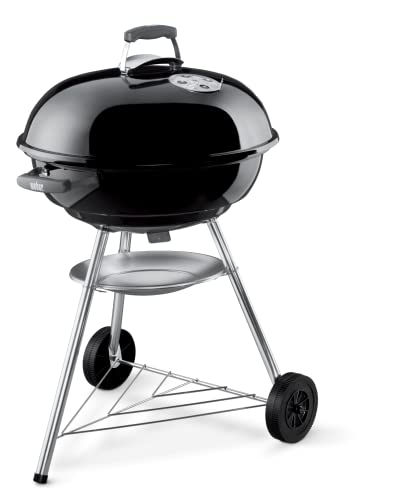
1. Weber Original Kettle Charcoal Grill
Weber’s kettle is one of the most recognizable charcoal grills in the world, with a round bowl, a lid and adjustable vents. It also works well for small yards, and accessories for it are easy to find, from covers to charcoal baskets. Many owners keep one for years.
Suits: charcoal fans. Strengths: a classic, long-running design. Weaknesses: it needs more attention than gas. Skip it if you want push-button start.
Best for set-and-forget smoking
2. Traeger Pro Series 575 Pellet Grill
Traeger helped popularize pellet grills, and the Pro Series offers an automated feed with app connectivity on some versions. Check the listing for the app and Wi-Fi details, since they differ across versions. The brand also sells pellets and accessories to match.
Suits: set-and-forget smoking. Strengths: an automated pellet feed. Weaknesses: it needs electricity and pellets. Skip it if you want a gas grill.
View Traeger Pro Series 575 Pellet Grill on Amazon
Best for steady grillers
3. Napoleon Rogue Gas Grill
Napoleon sells the Rogue as a mid-range gas grill with a steel build and multiple burners, in several sizes. Compare the burner count and size on the listing to your needs. It is a good fit for people who want a step above entry level.
Suits: steady grillers. Strengths: a solid build. Weaknesses: sizes vary. Skip it if you want charcoal flavor.


Best for budget-conscious buyers
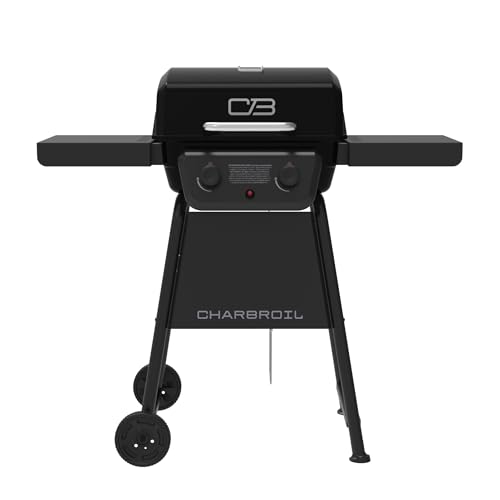
4. Char-Broil Performance Series Gas Grill
Char-Broil makes affordable gas grills in several styles, and the Performance Series is one of its common lines. Read the listing for the grate material and the number of burners. It is easy to find and often sold in big-box stores too.
Suits: budget-conscious buyers. Strengths: wide availability. Weaknesses: build quality is mid-level. Skip it if you want premium steel.


Best for budget pellet shoppers
5. Pit Boss Pellet Grill
Pit Boss sells pellet grills in a wide range of sizes, often at a lower cost than other pellet brands. Confirm the hopper size and the control features on the listing. It is a common brand for first-time pellet buyers who want many sizes.
Suits: budget pellet shoppers. Strengths: many sizes to choose from. Weaknesses: check the exact model. Skip it if you want a premium brand.


Best for entry-level shoppers
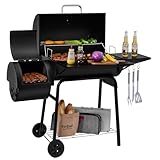
6. Royal Gourmet Charcoal Grill
Royal Gourmet sells charcoal grills, including barrel-style units, at an entry-level cost. Check the listing for the size and the vent design. A cover and a chimney starter make a sensible add-on for a charcoal grill.
Suits: entry-level shoppers. Strengths: an affordable price. Weaknesses: build quality is basic. Skip it if you want a premium build.
Care and Setup
- Brush the grates after each cook.
- Empty the grease tray regularly.
- Cover the grill when it is not in use.
- Check gas lines and igniters each season.
Mistakes to Avoid
- Choosing a brand by name alone and ignoring size.
- Buying a gas grill when you want smoke flavor.
- Skipping a cover.
- Not checking parts availability.
Judging a Grill Brand Beyond the Name
A well-known brand name is a starting point, not an answer. What you really want from a brand is a grill that works for years, parts you can replace and help when something goes wrong. Those qualities can be checked before you buy, even without owning the grill.
Start with the warranty. Read what it covers, how long it lasts and whether different parts have different terms. Burners, grates, the firebox, the lid and electronics are often treated separately. Note whether the warranty requires registration, and whether it applies when you buy from a particular seller. Do not assume that a longer headline number means longer coverage for the parts that fail first.
Then look at parts and support:
- Can you buy replacement grates, burners, igniters, heat shields and covers directly from the maker or from other sellers?
- Does the maker publish manuals and assembly guides you can read before buying?
- Is there a customer service phone line, email or chat, and does the listing say how to reach it?
- Does the model have a track record of being sold for several seasons, or is it a one-off that may be discontinued?
A grill you can keep fixing is worth more than one you must replace when a single part fails. Read the questions and answers on a listing, and look for patterns in what owners ask about, such as assembly difficulty or missing parts, rather than isolated opinions.
Matching Fuel to Your Routine
The brand you pick matters less than the fuel type you choose. Think about how you cook in a normal week, not just how you picture your best weekend cookout.
- Charcoal: rewards patience. You light the fuel, wait for it to burn down, manage vents and clean ashes afterward. It suits people who enjoy the process and want classic flavor. It is less convenient for quick weeknight meals.
- Gas: starts quickly and adjusts with a knob. It fits busy households that grill often, though you must refill or swap propane or connect to a gas line, and keep an eye on supply.
- Pellet: uses an electric feed to hold a set temperature, so it suits long smoking sessions with little tending. It needs power, a supply of pellets kept dry, and cleaning of ash and grease.
Consider the weather where you live. Wind, cold and rain affect all grills, and pellet and some gas models may need shelter and a power source. Consider cleanup too: charcoal means ash disposal, gas means grease trays and burners, pellet means ash and hopper care. And think about time. If you rarely have an hour to spare before dinner, a fuel that needs a long lead time may leave the grill unused.
Many people eventually own two grills, a quick gas or compact unit for weeknights and a charcoal or pellet one for weekends. If you can only buy one, choose for the cooking you will actually do most often.
Construction Checks Before You Buy
Marketing photos make most grills look sturdy, so use the listing details to look for evidence. Where the listing is vague, ask the seller or check the manual.
- Body and lid: check the material and whether the lid fits closely. Gaps let heat and smoke escape and make temperature control harder. Thin panels may dent, warp or rust sooner.
- Grates: cast iron holds heat and sears well but needs seasoning and drying. Stainless steel is easier to maintain but may heat differently. Porcelain-coated grates can chip, and a chip allows rust. Look at the thickness and ask how you clean them.
- Burners and heat distribution (gas): the listing should say how many burners there are and what they are made of. Heat shields or flavorizer bars protect burners from drips.
- Firebox and vents (charcoal and pellet): adjustable vents and a solid firebox give you control. Check how ash is removed.
- Frame, wheels and shelves: a wobbly cart is a safety issue. Look for sturdy joints, locking casters and shelves that hold what you plan to put on them.
Assembly is part of build quality. Read reviews and the manual for assembly time and the number of people required, and see whether hardware is labeled. A grill that is hard to assemble is often hard to maintain too. Keep the hardware bags and the manual after assembly so replacements are easy to source.
Size, Layout and Where It Goes
Grill size is usually described by the total cooking area, but the usable area depends on layout. Look beyond the headline number and think about how food will actually sit on the grate.
Ask how many people you usually feed and what you cook. Burgers for four need less space than a rack of ribs plus sides for a crowd. If you smoke large cuts, check that the cooking chamber can hold them with room for airflow. If you like to sear and keep food warm at the same time, look for a layout that allows two heat zones, such as a hot side and a cooler side. On charcoal grills, that means piling coals to one side. On gas, it means separate burner controls.
Extras that change how a grill works:
- Side shelves give you space to prep and rest food.
- A warming rack adds space but also takes up height under the lid.
- Side burners help with sauces and sides on gas models.
- A built-in thermometer is convenient, but a separate probe is more reliable for food.
Placement is a safety matter. Keep any grill well away from walls, railings, overhanging branches and anything flammable, and never use one in an enclosed space or under a covered porch unless the manual says it is safe. Make sure the ground is level and heatproof. Measure the space, including room to open the lid and to stand safely, before you order.
Ongoing Costs, Accessories and Replacement Signs
The purchase is only part of the cost of owning a grill. Think about what you will keep paying for and what you need to start cooking.
Ongoing costs depend on fuel. Charcoal and pellets are consumables you buy repeatedly. Gas requires refills or exchanges. Electricity for a pellet grill is usually small, but it is a requirement. Replacement parts such as grates, burners and igniters wear out over time, so look at how easy they are to find for your model.
Useful accessories to budget for include:
- A fitted cover to protect against weather and dust.
- A grill brush or scraper suited to your grate material.
- Long tongs and a spatula with good heat protection.
- A chimney starter for charcoal, or a spare propane tank for gas.
- A thermometer for checking food.
- Heat-resistant gloves.
Know when a grill has reached the end of its useful life. Warning signs include burners that corrode through or light unevenly, a firebox with holes, a frame that wobbles or has rusted at the joints, a lid that no longer closes, and gas leaks, which you should never ignore. If you smell gas, turn off the supply and do not use the grill. Replacement parts can extend life for many problems, but when repairs cost close to a new grill or the structure is unsafe, replacement is the sensible choice.
A Checklist for Judging Any Grill Maker
A familiar name on the lid does not tell you everything about what stands behind it. Use this checklist to look past the logo and into the details that you will live with for years.
- Does the maker publish clear parts lists and offer replacement burners, grates, igniters and covers?
- Is there a readable warranty, and does it spell out which parts are covered and for how long?
- How easy is it to reach customer support, by phone, email or chat?
- Does the manual include assembly diagrams, safety notes and cleaning instructions in plain language?
- Can you find the product’s dimensions, weight and cooking area stated clearly?
- Is the maker open about the materials used for the firebox, lid and grates?
A maker that makes it simple to find a replacement part is telling you something about how long it expects the product to last.
Comparing Fuel Families Instead of Logos
Choosing the type of grill often matters more than choosing the badge, so compare the families first.
| Type | What it suits | Routine |
|---|---|---|
| Gas | Quick weeknight cooking | Needs fuel tank management and burner care |
| Charcoal | Cooks who enjoy tending a fire | Needs lighting time and ash cleanup |
| Pellet | Low-effort smoking and roasting | Needs power, pellets and storage for dry fuel |
| Electric | Balconies and spaces with fuel limits, where rules permit | Needs an outlet and reliable power |
Once you know the family, comparing brands within it becomes much easier.
Reading a Grill Listing Honestly
Grill pages tend to emphasize the big numbers. Cooking area is usually quoted in square inches, but it may include a warming rack that is not useful for searing, so look for a figure for the primary surface. Burner output is often quoted in heat units, which describes capacity and not the evenness of the cook. Look at the body materials as well. Thick, coated or stainless components behave differently over time, and the maker should say what each part is made of.
Read the assembly notes. A grill that arrives in many boxes may need two people and a free afternoon, and some sellers offer assembly help. Check the cover and accessory details, because many cover only the unit, with other items sold separately.
When to Follow the Manual and When to Call a Professional
Gas grills involve fittings, hoses and regulators, so follow the maker’s instructions closely and use the leak-check steps they describe. If you smell gas, turn off the supply and keep flames away, then follow official guidance. For a natural gas line or any permanent fixture, hire a licensed professional. Never modify a grill beyond what the maker approves.
Mistakes to Avoid When Shopping by Brand
Brand names can be useful shorthand, but they can also steer you away from the grill that fits your yard. A few traps are common.
- Assuming all models from one maker are equal. A company may sell compact entry models and large premium ones, and they can differ in materials and construction.
- Buying the biggest grill because it looks capable. A grill too large for your usual meals wastes fuel and patio space.
- Ignoring local availability of parts and service. A product is only as practical as your ability to maintain it.
- Overlooking the cover and basic tools. Budget a little time and thought for a cover, a brush and a thermometer.
- Forgetting the fuel routine. Gas needs refills or swaps, charcoal needs storage, and pellets need dry space.
- Skipping the manual. Assembly and first-use steps matter for both performance and safety.
The theme is fit. A grill that suits your space, your fuel preferences and your cooking habits will usually serve you better than a famous name that does not.
It helps to picture a typical week. If you cook quickly after work, ease of lighting and cleaning matter. If you cook slowly on weekends, temperature stability and fuel capacity matter more. Write down your top three needs before you compare any labels, and keep them in front of you while you read product pages.
Finally, consider asking neighbors or friends who own grills what they would do differently. Their stories about assembly, cleaning and replacement parts are often more practical than any specification table.
How to Judge brands for bbq grills by How You Actually Cook
The honest starting point is your last month of outdoor cooking, not the cook you hope to become. Count the mouths you usually feed, the foods you reach for most, and how long a typical session lasts, then read the picks above against that reality. A cooker that matches your Tuesday burgers and Saturday ribs will delight you weekly, while an oversized competition rig bought for one annual party spends the year as garden furniture. The best of the brands for bbq grills is the one whose size, fuel and habits fit the cooking you already do, with a little headroom for the occasions that stretch it.
Heat control is the quality that separates a satisfying cooker from a frustrating one, and it shows up differently in every design. What matters is whether you can hold a steady temperature for a long cook and make confident adjustments when the food demands it, rather than chasing the needle after every gust of wind. As you compare the picks, look for solid construction, lids and doors that seal convincingly, and controls that respond in small, predictable steps. Heavy materials forgive weather and fuel variations; flimsy ones turn every cook into a negotiation.
Fuel is a lifestyle decision disguised as a specification. Each fuel in this guide asks something of you: some reward patience with depth of flavour, some offer push-button convenience on a weeknight, and some sit between, asking for pellets, power or preparation. Be honest about which ritual you will still enjoy in February, in the rain, on a tired Friday. The cooks who love their equipment are rarely the ones with the most advanced fuel system; they are the ones whose fuel matches the time and attention they genuinely have to give.
Finally, judge the ownership details: how the cooker cleans, how it weathers, and how it stores. Ash, grease and drips are the unglamorous constants of outdoor cooking, and designs that empty, scrape and wipe down easily get cleaned often, which keeps them cooking well. A cover that fits properly, wheels that roll on your actual surface, and shelves that fold or hold tools where your hands expect them all sound minor in a listing and major by the tenth cook. Buy for the tenth cook, not the first.
Matching brands for bbq grills to Real Cooking Occasions
Weeknight cooking is the test most outdoor equipment quietly fails. If a cooker takes longer to prepare and clean than the meal takes to eat, it will be bypassed for the kitchen hob by Wednesday, whatever its weekend virtues. For weeknight use, favour the picks that light or heat quickly, cook a modest amount without fuss, and clean up in minutes. That usually means a size matched to four to six portions rather than a crowd, controls you can run half-distracted, and surfaces that release food instead of welding it on.
Weekend low-and-slow cooking makes the opposite demands. Long sessions reward capacity, stable temperatures and fuel efficiency, because you will be trusting the cooker for hours while life happens around it. If ribs, brisket or pulled pork are your idea of a good Saturday, weight the picks that hold heat evenly and let you add fuel or check progress without dumping all the warmth. Think about where the cooker sits for those long cooks too: a spot visible from the kitchen window, sheltered from the worst wind, turns monitoring from a chore into a glance.
Feeding a crowd is its own discipline, and it is mostly about workflow rather than raw size. Food must come off in waves, rest somewhere warm, and be replaced by the next batch without a traffic jam at the lid. When you read the picks with a party in mind, look for cooking area you can divide into zones, side space for trays, and recovery speed after the lid opens for a full load. Practise the menu once at family scale before the big day; a cooker you understand feeds twenty people more reliably than a giant you are still learning.
Small spaces and shared outdoor areas narrow the field in useful ways. Balconies, patios and compact gardens need cookers whose footprint, smoke output and storage all respect the neighbours and the available square metres. The smaller picks in this guide earn their keep here, especially designs that cool down predictably and cover neatly. Check any rules your building or community sets for outdoor cooking before you buy, and plan where fuel will live, because a cooker that fits but leaves bags of fuel in the hallway has only solved half the problem.
First Cooks: Setup and Finding Your Feet
Whatever style you choose from the picks above, give it a first run without an audience. Assemble it carefully, check every fitting and connection twice, and run the initial burn or heat cycle the maker describes to clear manufacturing residues from the cooking surfaces. This is also your chance to learn how the temperature gauge behaves, how quickly the cooker responds to adjustments, and where its hot spots live. A plain first cook, sausages or chicken thighs rather than a celebration brisket, teaches you the machine’s personality at forgiving stakes.
Seasoning and surface care start now, not after the first signs of wear. Cooking surfaces that need seasoning reward thin, even coats of oil and steady heat, repeated a few times before real food arrives; surfaces that arrive ready still benefit from a light oiling before each cook while you learn their temperament. Keep a dedicated scraper, brush and cloth for the cooker so the tools are always at hand, because maintenance that requires a search party through the kitchen drawers tends not to happen.
Learn temperature in zones from the beginning. Every cooker in this guide cooks hotter in some places than others, and the cooks who thrive are the ones who turn that fact into a system: searing where the heat is fierce, finishing where it is gentle, resting where it is merely warm. A simple test with slices of plain bread, watched carefully as they toast, maps those zones in minutes and pays you back on every cook afterwards. Write the map down if your memory is optimistic; the lid of the toolbox or a note on the phone both work.
Keep a small cook log for the first season. Note the fuel you used, the weather, the settings, and what you would change, because outdoor cooking variables multiply too fast for memory alone. The log turns one summer’s experiments into the next summer’s instincts, and it is especially valuable for long cooks you only attempt a few times a year. Most experienced pitmasters and grill cooks are not more talented than beginners; they simply remember, because they wrote it down, what the fire did last time.
Cleaning and Care That Keep Outdoor Cookers Honest
Grease and ash are the two certainties of outdoor cooking, and both punish neglect. Ash left sitting absorbs moisture and turns corrosive against metal, while old grease flavours new food with stale smoke and feeds flare-ups at the worst moment. Build the habit of clearing ash once the cooker is fully cold, emptying drip trays before they overflow, and scraping cooking surfaces while they are still warm enough to release residue easily. Ten minutes after a cook saves an hour of chiselling later, and the next cook tastes of the food rather than of the last three.
Protect the cooker from the weather it cannot escape. A fitted cover, used once the unit is cold and dry, keeps rain out of vents and seams; trapping a wet cooker under a cover, though, creates a private rainforest that rusts faster than open air would. If you cook through winter, check under the cover regularly, wipe down condensation, and keep moving parts moving so nothing seizes before spring. Store fuel dry and off the ground, because damp fuel is the hidden cause behind many mysteriously difficult cooks blamed on the equipment.
Once a season, give the cooker a proper inspection. Look for rust starting at scratches and seams, check that hinges, handles and wheels are tight, examine hoses, seals and ignition parts where your design has them, and clear any nests or debris from vents and burners. Small rust spots cleaned and touched up early stay cosmetic; left alone, they become holes in exactly the places that hold heat. This is also the moment to replace worn gaskets and tired brushes, the cheap parts whose failure ruins expensive cooks.
Care for the small tools as well, because they carry half the experience. Tongs, spatulas, thermometers and brushes that are washed, dried and stored in the same place every time make cooking calmer and safer. A reliable instant-read thermometer, kept where you can find it with greasy hands, does more for your results than any other accessory: it replaces guessing with knowing, which is the whole secret of consistent outdoor cooking. Replace brush heads when bristles tire, and never let a worn brush near food, because loose bristles are a hazard nobody needs.
Troubleshooting the Classic Outdoor Cooking Problems
Temperature that will not settle is the complaint every outdoor cook meets eventually. Work through the variables in order of likelihood: wind stealing heat from one side, fuel that is damp, inconsistent or nearly spent, vents or dampers set against each other, and a lid or door seal letting warmth escape. Change one thing at a time and give the cooker a proper interval to respond, because stacked adjustments make it impossible to learn which one worked. Patience is a cooking technique here; fires and heavy metal both move slower than frustration suggests.
Food that sticks, tears or cooks unevenly usually traces back to heat management rather than technique. Surfaces need to be properly hot before food lands, food needs a moment to release itself before you force it, and crowded cooking areas steam instead of searing. If one side of the cooker consistently runs hotter, rotate food deliberately instead of fighting the machine; every design in this guide has a personality, and cooking with it rather than against it is the mark of experience. Dry surfaces, light oil and patience at the turn solve most sticking without any special equipment.
Too much smoke, or smoke of the wrong kind, spoils more cooks than undercooking does. Thick, bitter smoke comes from fuel that is smouldering without enough air, from grease burning off dirty surfaces, or from wood and fuel added in panic quantities. The fix is almost always restraint: a cleaner cooker, a smaller and hotter fire, and additions made gradually. Good smoke is thin and barely visible; if the cloud around your cooker looks dramatic, the flavour on the food will be too, and not in the way anyone hopes.
Flare-ups deserve respect rather than drama. They are fed by accumulated grease and by fatty food over fierce heat, and they are managed by moving food to a cooler zone, closing vents or the lid briefly where the design allows, and keeping your hands and face clear. Never throw water on a grease flare in a cooker; it spreads the problem violently. Prevention is the real cure: clean drip paths, trim the fattiest excess, and keep a cooler zone permanently available as a refuge. A cook who plans an escape route for the food rarely needs one.
How the Picks in This Guide Compare
With several strong options above, the useful comparison is not a league table but a matching exercise: each pick suits a slightly different household, and the sections you have just read give you the criteria to match them. Use the notes below alongside the individual reviews earlier in this guide, where the details of each model are set out in full.
The Weber Original Kettle Charcoal Grill suits readers whose priorities line up with the strengths set out in its review above, and it is worth placing high on your shortlist if that description sounds like your household. Compare it against the alternatives on the criteria that matter most in daily use, how it fits your space, how it behaves under your typical load, and how easily it lives alongside your existing routine, rather than on any single headline feature.
Consider the Traeger Pro Series 575 Pellet Grill the considered choice for buyers who value the qualities its section of this guide emphasises. Its natural comparison is with the picks nearest to it in this lineup: read those reviews side by side, note where their approaches differ, and let your own pattern of use arbitrate. A difference that looks small on paper, in layout, in operation or in care, becomes large when it is repeated every day for years.
The Napoleon Rogue Gas Grill earns its place here by serving a particular kind of owner especially well, and its review above names that owner plainly. If you recognise yourself there, it deserves to be a finalist; if you do not, the honest move is to pass it by for a pick whose strengths point at your life instead. Guides can rank features, but only you can rank your own habits, and this pick rewards the buyer who does that ranking before ordering rather than after delivery.
For the Char-Broil Performance Series Gas Grill, the deciding questions are the practical ones this guide returns to throughout: does it fit the space you measured, does it suit the load you described, and does its care routine match the time you will genuinely give it. Where the answer to all three is yes, it is very likely the right choice, whatever its position in the running order above, because position reflects the order of presentation, not a verdict on your particular home.
The Pit Boss Pellet Grill suits readers whose priorities line up with the strengths set out in its review above, and it is worth placing high on your shortlist if that description sounds like your household. Compare it against the alternatives on the criteria that matter most in daily use, how it fits your space, how it behaves under your typical load, and how easily it lives alongside your existing routine, rather than on any single headline feature.
Consider the Royal Gourmet Charcoal Grill the considered choice for buyers who value the qualities its section of this guide emphasises. Its natural comparison is with the picks nearest to it in this lineup: read those reviews side by side, note where their approaches differ, and let your own pattern of use arbitrate. A difference that looks small on paper, in layout, in operation or in care, becomes large when it is repeated every day for years.
If you are torn between two picks, decide by the week rather than the occasion: picture an ordinary Tuesday with each one in your home, at the hour you will actually use it, and the right answer usually becomes obvious. Special occasions can be adapted to almost any good equipment, but ordinary days cannot be adapted at all, and it is ordinary days, repeated for years, that decide whether a purchase was wise. That is the standard every pick in this guide was chosen against, and it is the standard worth holding your final choice to as well.
Ownership Notes Worth Keeping
Plan the cooker’s home as carefully as the cooker itself. It needs a stable, level, non-combustible surface, clearance from walls, fences and overhanging branches, and a position where smoke drifts away from open windows, yours and the neighbours’. Think about the route from kitchen to cooker with full, hot trays in mind, and about lighting for evening cooks, because a torch between the teeth is nobody’s idea of a system. A well-sited cooker gets used twice as often as an identical one parked awkwardly.
Keep a small stock of consumables beside the cooker: fuel for at least two cooks, a spare ignition source, foil, a clean tray for cooked food that never doubles as the raw-food tray, and the scraper and brush that belong to the machine. Running out of fuel mid-cook or hunting for a clean tray with your hands full are the small chaos moments that spoil otherwise good sessions. A modest, permanent kit removes them, and it makes you the kind of outdoor cook who looks calm because the preparation was done before the fire was lit.
BBQ Grill Brand FAQ
Which grill brand is best?
It depends on fuel and budget. Weber is known for kettles, Traeger for pellets and Napoleon for gas.
Is a pellet grill worth it?
It suits people who want steady heat and smoke flavor with less tending.
Gas or charcoal?
Gas is faster and cleaner. Charcoal offers classic flavor with more work.
What size grill do I need?
Pick by the number of people you cook for, then check the cooking area on the listing. Browse the owner manual before you buy, since each brand explains setup and care differently.
Does a longer warranty mean a better grill?
Not always. Warranty length matters less than what is covered and how claims work. Read which parts are included, whether registration is required and what the maker asks you to do to keep coverage valid.
How do I check if parts are available for a grill?
Look on the maker's website and on the listing for replacement grates, burners and covers for your specific model. If you cannot find any, ask customer service before you buy.
Can I use a grill on a balcony or under a covered porch?
Rules vary by building, local fire codes and the grill type, so check your lease, local rules and the manual. Many manuals warn against use in enclosed or covered spaces.
Is a bigger grill always better?
No. A grill that is too large wastes fuel, takes longer to heat and costs more to cover and clean. Choose for the number of people you usually feed, then allow a little extra room.
How do I prevent rust on a grill?
Keep the grill covered, clean off grease and ash which hold moisture, dry the grates and touch up chipped coatings. Store it in a sheltered spot, especially in wet or salty climates.
What should I check when a grill arrives?
Inspect the box for damage, count the parts against the manual, and check for dents or bent panels before you start assembling. Report problems to the seller promptly.
Should I buy extras with the grill?
A cover and a good thermometer are the most useful starters. Add other tools as you learn how you cook, rather than buying a large kit you may not use.
How long should I let a new cooker burn in before cooking?
Follow the maker’s first-run guidance for your specific model, and treat that session as tuition rather than a delay. You are clearing residues from manufacturing and, just as usefully, learning how the cooker heats, where it runs hot, and how its controls respond. One patient burn-in plus one simple practice cook will teach you more than a month of ambitious recipes attempted blind. Arrive at your first real gathering with those two sessions behind you and the equipment will feel like an ally instead of a stranger.
What is the single most useful accessory to buy first?
A fast, reliable food thermometer, ahead of almost everything else. Outdoor cooking involves thick cuts, variable heat and long sessions, and internal temperature is the only honest measure of both safety and doneness. Colour, timing and touch all mislead sometimes; a thermometer does not. After that, invest in the tools your style of cooking touches constantly, sturdy tongs, a wide spatula, heat-resistant gloves, and buy them once and well rather than as a sprawling set of novelties that crowd the drawer.
How do I cook well in wind or cold weather?
Shelter the cooker from the worst of the wind without enclosing it, expect longer preheats and higher fuel use, and open the lid as rarely as you can, because every opening dumps heat that cold air replaces slowly. Keep ingredients and tools organised before you start so trips indoors are few, and build extra time into the plan rather than raising the heat in panic, which burns exteriors while centres lag. Cold-weather cooking is entirely achievable; it simply rewards preparation over improvisation.
Can I leave my cooker outside all year?
Most outdoor cookers are built to live outside with a cover, but how well they age depends on your climate and your habits. Keep the unit clean and dry before covering, check under the cover through wet seasons, and store the most weather-sensitive parts and tools indoors if you have the space. In coastal or very damp environments, inspect for rust more often and address it early. A cooker that is used regularly and kept clean tolerates outdoor life far better than one abandoned dirty under a cover for months.
Why does my food taste of old smoke or fuel?
That flavour almost always comes from residue: old grease and carbon inside the cooker, fuel that was not fully lit before food went on, or smoke that was thick and stagnant instead of thin and moving. Clean the cooking surfaces and drip paths, let fuel establish properly before loading food, and keep air moving through the cooker during the cook. If the taste survives a thorough clean, change one variable at a time, fuel first, so you learn which culprit was yours.
How much cooking space do I really need?
Measure your needs in your biggest regular cook, not your biggest imaginable one. Count the portions you serve at a normal family cook and add the once-a-month occasion; that total, arranged in a single layer with room to move pieces around, is your true requirement. Space you only need once a year can be borrowed from batch cooking and resting tents of foil, while space you need every week cannot be borrowed at all. Buying for the regular pattern keeps the cooker quick to heat, economical on fuel and pleasant to clean.
The Short Version
For classic charcoal, the Weber Original Kettle. For pellet cooking, the Traeger Pro Series. For a gas grill, the Napoleon Rogue. For a value gas grill, the Char-Broil Performance. For a budget pellet pick, the Pit Boss Pellet. For an entry-level pick, the Royal Gourmet.