Parchment, foil and silicone can all protect an air fryer basket, but each has its own rules. Parchment is handy for light, dry jobs, foil suits wrapping and catching drips, and silicone is reusable and stable, though all three must leave air room to move.
Parchment
Baking parchment is thin, flexible and easy to cut. It stops food from sticking and keeps the basket tidy. Its weakness is weight: in strong airflow it can lift, and if it touches the element it may scorch. Versions with small holes are made for steaming, but plain sheets should be cut with margins so air can pass.
- Good for: baked goods, fish fillets, sticky snacks.
- Watch for: curling edges and loose corners.
In this guide
Foil
Foil is tough, and it can be shaped into a tray or wrapped around food. It handles drips and is useful when you want to keep juices contained. Cautions apply: foil can block airflow if it covers the base, it can be blown by the fan, and acidic foods may react with it. Many makers set limits on its use, so check the manual first.
- Good for: wrapping, shaping small trays, catching drips.
- Watch for: covering the whole base, loose edges, acidic sauces.
Silicone
Silicone mats and baskets are reusable and hold their shape. They suit sticky batters, egg dishes and anything that tends to cling. Look for versions designed for air fryers, with a rim or raised pattern that lets air circulate. Check the temperature limit printed by the maker, and wash after use because oil can cling.
- Good for: repeated use, batters, easy cleanup.
- Watch for: blocking airflow, residue, wear over time.
Side-by-Side Summary
| Feature | Parchment | Foil | Silicone |
|---|---|---|---|
| Reusable | No | Sometimes, if clean and intact | Yes |
| Holds its shape | Poorly | Well once formed | Very well |
| Risk of lifting in the fan | High if unweighted | Moderate | Low |
| Main caution | Scorching near the element | Blocked airflow, acidic foods | Heat limit, oily residue |
| Best use | Light, dry or sticky items | Wrapping and drip catching | Batters and regular use |
Which to Choose
- For quick, light jobs, choose parchment cut to size.
- For drips and wrapping, choose foil, but keep it small and anchored by food.
- For regular baking and sticky food, choose silicone made for the purpose.
Here is the same decision as a worked example for a weeknight dinner.
Say dinner is salmon with a sweet glaze, plus a small tray of roasted vegetables. Work through the questions in order.
- Is the food sticky or sugary? Yes, the glaze will bake onto bare metal. A liner of some kind is worth using.
- Is the sauce acidic, such as one based on citrus or vinegar? If yes, foil is a weaker choice, so lean toward parchment or silicone.
- Will you cook this often? If so, a silicone mat with raised ridges pays off. If not, a trimmed sheet of parchment is enough.
- Check the heat limit on the packet against the temperature in the recipe.
- Cut or fit the liner smaller than the basket floor, add the fish at once, and keep a gap at the sides.
For the vegetables, skip the liner entirely if you want crisp edges, or use one with generous openings.
The pattern in that example is worth remembering: let the food decide first, then the temperature, then how often you cook. Sticky or sugary foods call for some kind of barrier, acidic foods steer you away from foil, and high temperatures narrow your options to materials with a high stated limit. Once you have a short list of one or two materials, the manual settles any tie.
It also helps to keep a spare of each material in the kitchen. A few sheets of parchment, a small square of foil and one silicone mat cover nearly every case, and none takes much room in a drawer.
Common Scenarios
- Cooking fish with a sauce: parchment or silicone keeps it from pooling in the basket and from reacting with foil.
- Keeping juices from a roast piece: a small foil tray, weighed down by the food, catches them.
- Baking small egg dishes: silicone cups hold their shape and clean up easily.
- Frozen snacks: usually need no lining at all, because you want air under them.
- Reheating a slice of pie: a small piece of parchment under it stops filling sticking to the basket.
Mistakes to Avoid
- Lining the whole base. Covering the base stops air reaching the underside of the food, so it browns poorly.
- Running any liner in an empty preheat. Light sheets and foil can be pulled by the fan toward the element.
- Letting foil touch the top or the sides. Foil close to the element can overheat or be pulled into it by the fan, so keep it well clear and follow the manual.
- Using silicone above its stated limit. It can soften or smell, so check the packet.
- Reusing a very greasy sheet. Old oil can smoke when heated again.
Rules That Apply to All Three
Never run any of them in an empty, preheating appliance unless the manual says so. Keep edges away from the element, leave gaps at the sides, and trim anything that overhangs. If a sheet begins to curl or smell, stop and remove it with care. Always read the temperature note on the packet of any sheet or mat, and compare it with the settings you plan to use. If the two do not agree, choose a different material or lower the heat.
When you try a new material for the first time, stay close to the unit and look inside early. Watch for any edge that curls, any corner that lifts, and any smell that seems wrong. Those signs show up in the first few minutes and tell you whether to lower the heat, trim the material, or switch to another. Noting the result next to the recipe saves you from repeating the experiment.
Care and Upkeep Over Time
Silicone benefits from a gentle wash with warm soapy water and a soft brush, then thorough drying. Over time, oily films can stay in the surface, so replace a mat that stays sticky, cracked or discolored after washing. Foil that is torn, creased or soaked with grease should not go back in. Parchment is single use. Store all three flat and dry, away from the cooktop, and keep the basket itself clean so grease does not build up where you cannot see it.
Glossary
- Element: the heating part, usually near the top of the cooking space.
- Heat limit: the maximum temperature the maker states for a material.
- Acidic food: food such as tomato or citrus sauces that can react with some metals.
- Airflow: the moving hot air that browns the food.
- Raised pattern: ridges or bumps on a mat that lift food slightly and let air pass.
Cutting and Fitting a Liner Properly
Most liner problems come down to size. A sheet that is too large folds up against the walls of the basket, blocks the holes and leaves the food steaming instead of crisping. A sheet that is too small slides around and exposes the basket you wanted to protect. Aim for a piece that sits flat on the floor of the basket and stops short of the edges, so air can still travel up the sides and around the food.
Trace the base of the basket on the liner, then trim just inside the line. If you prefer, fold the sheet in half and cut a half-circle or half-rectangle so both sides match. A few small cuts or holes can help air pass through, although parchment sold with holes already has them. Check the maker’s instructions for your model, because some designs rely on an open grid and say not to cover it.
- Keep the edges flat and well inside the rim.
- Never let any liner touch the heating element at the top.
- Replace a liner that is torn, curled or soaked in grease.
Why Lightweight Liners Need Weight on Top
Air fryers move air with a strong fan, and a thin sheet of parchment or foil can lift and fly upward while the unit warms up. If it reaches the element, it may scorch or ignite. That is why many guides tell you to add the liner only when there is food sitting on it, never to preheat with an empty liner inside, and to check the sheet is pinned down by the ingredients.
Light foods such as a single slice of toast or a few small pieces may not hold a liner in place. In that case, either skip the liner or cut it smaller so that the food covers most of it. Silicone liners are heavier and usually stay put, which is one reason people choose them for repeated use.
If you are unsure how your unit handles liners, read the manual and look for a section on accessories. Follow whatever it says, even if a general guide suggests something different.
Matching the Liner to the Food
Different foods behave differently on each surface, so it helps to think in terms of what you are cooking. The table below gives general directions, not strict rules.
| Food type | Often works well with | Notes |
|---|---|---|
| Delicate fish or sticky glazed pieces | Parchment | Reduces sticking and tearing |
| Foods that drip or release juice | Silicone with raised edges | Holds liquid and keeps the basket cleaner |
| Small items wrapped in a parcel | Foil | Keeps flavors together; keep the parcel loose |
| Frozen breaded snacks | No liner, or pre-holed parchment | Crisping depends on open airflow |
| Baked batters in a small dish | Dish with its own lining | Follow the recipe and maker guidance |
When in doubt, think about airflow. The more you cover the basket, the less the cooking resembles air frying and the more it resembles baking or steaming.
Troubleshooting Liner Problems
Even with careful cutting, things can go wrong. Here are the most common issues and what to try.
Food comes out pale or soft
You may be blocking airflow. Use a smaller liner, add cut holes, or leave a gap between pieces of food.
The liner smokes or curls
Stop the cycle, switch the unit off and let it cool before checking. Excess grease on a liner can smoke, and a curled edge might be touching something it should not. Follow your manual for what to do and clean up before using it again.
Silicone smells after cooking
Washing it in warm soapy water usually helps, and letting it air dry completely stops odors from building. If the smell does not fade, replace it.
Foil sticks to the food
A light brush of oil on the foil surface often fixes this, or switch to parchment for that recipe.
Storing and Reusing Your Liners
Silicone liners can be washed and used again many times, but they last longer when you treat them gently. Avoid sharp knives on the surface, wash them away from abrasive pads and let them dry flat or hang them up. Folding them hard can leave creases that trap grease.
Parchment and foil are usually single use, though a clean piece with little residue may be used a second time for a quick job. Judge this honestly. If it is greasy, browned or brittle, it belongs in the bin. Keep a roll of each in a drawer where it stays dry and flat, because crumpled sheets are harder to cut neatly.
When you throw liners away, check local guidance for what can be recycled or composted, since rules differ from one area to another. Greasy or food-soiled sheets are often handled differently from clean ones.
Choosing Based on Your Cooking Habits
It helps to think about how you cook rather than which material sounds best in general. Someone who air fries a few times a week and hates washing up may love a reusable silicone liner. A person who cooks mostly frozen snacks may not need a liner at all. A home cook who often makes fish or glazed dishes might keep parchment close at hand.
- List the five foods you cook most often in the air fryer.
- Note which of them stick, drip or splatter.
- Pick the liner that solves the biggest nuisance on that list.
- Try it for a couple of weeks and adjust.
You do not have to commit to one material forever. Many households keep a small supply of two types and choose per recipe.
A Short Pre-Cook Checklist
Before you press the button, take ten seconds to confirm the basics. It is a habit that prevents most mishaps.
- The liner lies flat and sits well inside the basket edges.
- Food covers the liner, so it cannot lift in the fan.
- No part of the liner reaches toward the heating element.
- Air can still flow around the food through gaps or holes.
- You have checked the maker’s instructions for any limits on liners, temperature or time.
If you can tick every line, you are ready to cook. Over time this becomes automatic, and the liner simply becomes a quiet helper that keeps cleanup short.
Cleaning the Basket Beneath the Liner
A liner reduces mess but does not remove it entirely. Crumbs, thin grease and moisture can slip around the edges or through holes, and they gather underneath where you cannot see them. Make it a habit to lift the liner out after cooking, once the basket is cool enough to handle, and look at the surface below.
Wipe the basket with a soft cloth or sponge and warm soapy water, and rinse and dry it fully before the next use. Skip harsh scouring pads on nonstick surfaces, since scratches shorten the life of the coating. If the manual says the basket is dishwasher safe, you may use that option, but many people find that a quick hand wash is faster than loading a machine.
Pay attention to the drawer or tray the basket sits in too. Drips collect there, and old grease can smoke during later cooking. A short wipe after each session keeps smells down and makes the occasional deep clean far less of a chore. Think of the liner as a helper that buys you time between thorough cleans, not as a replacement for them.
One last habit worth building is checking the liner before every session. A quick glance tells you whether it is still flat, clean and the right size, and that small pause is often all it takes to avoid a smoky kitchen or a disappointing batch.
Myths About Liners That Cause Trouble
Liners attract a lot of kitchen folklore, and a few popular beliefs lead to poor results. Sorting fact from habit saves you wasted food and a messy basket.
- Myth: a bigger liner is always better. A liner that covers the whole base blocks the holes that let air and drips pass through, so food can come out pale or soft.
- Myth: any paper will do. Only paper made for baking is intended for heat. Ordinary kitchen paper, wax paper and similar sheets are not.
- Myth: a liner replaces cleaning. Grease and crumbs still reach the basket around the edges, so it still needs washing.
- Myth: silicone works for every job. It is stable and reusable, yet thick pieces can stop food from crisping underneath.
The common thread is airflow. An air fryer works by moving hot air around the food, and anything that blocks that movement changes the result. When in doubt, use a smaller piece, leave gaps, and check the maker’s manual for what your model allows.
What to Check on the Packaging Before You Buy
Liners look similar on a shelf, but the printed details tell you whether a product suits your machine. Read the pack before you decide, and compare it with your manual.
| Material | Look for on the pack | Be careful about |
|---|---|---|
| Parchment | Heat limit printed in degrees, and a note that it suits baking or air fryers | Pieces that overhang the basket edge and could touch the heating part |
| Foil | Food-use wording and a clear thickness description | Acidic or salty foods, and covering the whole base |
| Silicone | Food-grade wording, a stated heat limit and a size that fits your basket | Mats with no vent holes, and a strong smell when new |
Measure the inside of your basket first. A liner that is a little smaller than the base is usually easier to manage than one you must fold and trim. Packs that list specific machine sizes can help, but your own measurements matter more than a general claim.
When It Is Fine to Skip Every Liner
Sometimes the simplest choice is no liner at all. Foods with their own fat, such as sausages or bacon, may leave drips that a basket tray handles well. Many fries, nuggets and vegetables crisp best when they sit directly on the basket, since nothing blocks the air.
Going without a liner suits you if you wash the basket after every cook, if your coating is in good shape, and if the food is not delicate or sticky. A light brush of oil on the food, rather than on the basket, often helps release.
Consider a liner for sticky glazes, small pieces that might fall through, or fish that tends to cling. In every case the maker’s manual has the final say, including advice on what your basket coating can tolerate.
A Simple Decision Path for Busy Evenings
When you are tired and hungry, you do not want a long debate about liners. A short decision path makes the choice almost automatic. Ask yourself these questions in order.
- Does the food stick or drip heavily? If not, cook it on the bare basket.
- Is it light and dry? Use a small piece of parchment and let the food hold it down.
- Does it need wrapping or covering? Foil may suit it, with an air gap left.
- Is it a messy or repeated job? A silicone mat sized for your basket may be practical.
Then glance at the manual for any limit on temperature or liner type. If a result disappoints you, change only one thing next time, such as the liner size or the position of the food, so you learn exactly what helped.
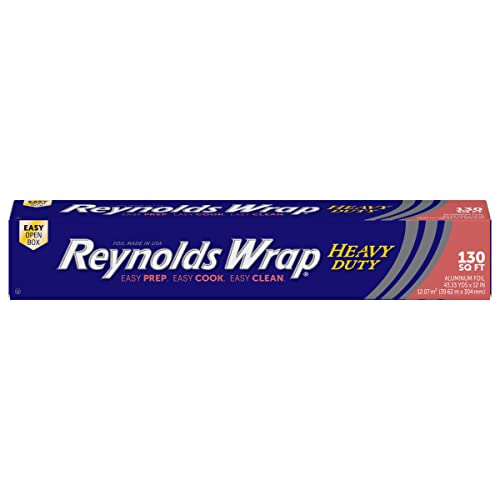

Ready to Buy? Start Here
If this guide helped you decide what to look for, these products are a place to start.


As an Amazon Associate we earn from qualifying purchases. Prices and availability are shown on Amazon.
Matching the Liner to the Cooking Job, Meal by Meal
The most useful way to compare parchment, foil and silicone is not by material loyalty but by the job in front of you. Ask three questions. Will the food drip, and do I want those drips caught or gone? Will the food stick, and how much release help does it need? Will moving air reach the food properly with this liner underneath it? The answers point to a material almost every time, and asking the questions takes less time than cleaning up after the wrong choice.
Sticky, sugary foods are parchment’s clearest case and silicone’s strong second. A glaze that would weld itself to a basket lifts away from parchment, and the whole sheet can go straight into the bin with the residue on it. Silicone handles the same job repeatedly, at the cost of a proper wash afterwards. Foil is the awkward choice here, because sugary mixtures can cling to it and tear it when lifted, leaving the cook picking fragments away from hot food.
Fatty foods reverse some of that logic. Where fat should escape so the food can crisp, any solid liner works against you by holding a shallow pool under the food, and the honest answer may be no liner at all. Where fat should be caught because the drawer below is hard to clean or the food is cooking above something else, foil shaped deliberately, used as the manual allows, catches and contains in a way flat parchment cannot.
Templates: Cutting Once, Using Many Times
Most liner frustration is really sizing frustration. A sheet torn in a hurry is almost always too large, with edges that fold up the basket walls, block air and occasionally approach the element. Solve it once by making a template. Fit one piece of parchment carefully to your basket, leaving the margin your manual’s guidance suggests, then use that piece as the pattern for cutting a small stack in one calm session. Future cooking then starts with a liner that already fits.
Store the cut stack flat, near the unit, with the other things you reach for at the start of cooking. A liner that is ready is a liner that gets used correctly; a liner that must be measured and cut while food waits is a liner that gets approximated, and approximation is where oversized edges and blocked airflow come from. The same discipline helps with foil: tearing to a known length, learned from your template’s dimensions, beats improvising at the basket every time.
Silicone liners need the same fit honesty in a different form. A reusable liner that is slightly too large will buckle, ride up at the edges and trap food beneath it. Measure before buying, test the fit in the cold basket, and reject a liner that will not sit flat. A flat silicone liner is a genuinely useful tool; a buckled one is a recurring annoyance that also makes the basket dirtier than no liner at all.
Perforated, Solid and Improvised: Reading the Holes
Holes in a liner are not decoration. A perforated sheet lets air and drippings pass, preserving much of the airflow the basket was designed around, while still giving sticky food a release layer. A solid sheet protects more completely and interrupts more. Neither is superior in the abstract; they are different compromises, and choosing between them is choosing how much protection this particular food needs against how much airflow it can afford to lose.
Foods that brown on their undersides and drip little are the natural users of perforated liners. Foods that leak sauce, marinade or melting cheese need solid coverage, used with the awareness that the underside will steam a little and may need a brief finish without the liner, or a turn, to recover texture. Knowing which compromise you have chosen stops you blaming the liner for a result that was built into the choice.
Improvising perforations in plain parchment, where the manual allows the material at all, should be done before the sheet goes anywhere near the unit, on a board, calmly. Ragged, hurried holes tear further in use. And whatever liner you use, it must always be weighed down by food before the fan runs; an empty liner in moving hot air is a hazard in every material, and no convenience justifies it.
The Liner and the Food’s Underside
Every liner decision is paid for, or rewarded, on the underside of the food. That hidden face is where steam collects, where browning fails, and where sticking actually happens. If undersides are a recurring disappointment in your cooking, the liner is the first suspect, ahead of temperature and timing. Try the same food without a liner, or with a perforated one, before changing anything else, and compare honestly.
Turning food is the other half of underside management. A liner makes turning easier in one way, since food releases instead of welding, and harder in another, since a flexible sheet can shift as you work. Use tools that grip the food rather than the liner, turn decisively, and settle the liner flat again before closing the drawer. For foods cooked in a single layer specifically for their bases, such as anything meant to sit in its own juices and set, a liner in a pan may serve better than a liner directly in the basket.
Resting matters too. Food left standing on a hot liner continues to steam its own underside, softening what cooking just crisped. Move finished food off the liner and onto a rack or plate promptly, especially anything whose texture was the point of the meal. Many a cook has blamed a liner for sogginess that actually happened in the three minutes after cooking ended.
Disposal, Reuse and the Honest Cost of Convenience
Parchment and foil are bought repeatedly and thrown away repeatedly, and their convenience should be weighed with open eyes. Used occasionally for genuinely sticky or messy jobs, they earn their place easily. Used under every meal out of habit, they become a steady stream of waste doing a job that a washable basket, lightly oiled food, or a reusable silicone liner could have done as well. The greenest liner is usually the one matched correctly to the job, because the wrong liner also wastes the food it spoils.
Silicone reverses the equation: almost no waste per use, but a real washing cost every time, and a liner that is not washed promptly becomes harder to clean than the basket it was protecting. Households differ in which cost they feel more. The practical answer for many kitchens is a small silicone liner for everyday light duties, parchment reserved for the genuinely sticky work, and foil kept for the specific containing and wrapping jobs where its ability to hold a shape is exactly what is needed.
Whatever you use, dispose of used liners with the food residue problem in mind. A greasy sheet left in an open kitchen bin will smell by morning and attract attention you do not want. Bag it or bin it outside as part of clearing up, the same small discipline as wiping the basket while it is still warm enough to clean easily.
Teaching the Household One Simple Rule Set
In shared kitchens, liner trouble usually comes not from ignorance of materials but from three different people improvising three different ways. Agree a short house rule set and keep it with the liners themselves: which liner lives ready-cut by the unit, which foods get no liner, and the one rule that never bends, that no liner ever sits in the unit without food weighing it down and the manual’s guidance satisfied.
Demonstrate the fit once, with the cold basket, so everyone has seen what a correct margin looks like. Most oversized, airflow-blocking liners are cut by people who have never been shown the target size and are guessing generously, believing bigger means safer. One demonstration replaces that guesswork permanently, and it takes less time than cleaning up after one blocked, smoky cook.
Review the rules when anything changes: a new unit, a new liner product, or a new regular dish. Rules written for the old basket’s shape may fit the new one badly. A two-minute check against the new manual and the cold new basket keeps a good household system good, instead of letting it quietly become the source of the problems it was created to prevent.
More Questions About Liners
Can I reuse a sheet of parchment for a second batch?
If the sheet is intact, dry and only lightly marked by the first batch, a second use for similar food is often reasonable. If it is greasy, brittle, darkened or torn, replace it, because weakened paper near a heating element is a poor economy. Judge the sheet in front of you rather than following a fixed rule, and never reuse a sheet that has begun to crumble.
Why does foil sometimes stick to food worse than the basket does?
Sugary, starchy and protein-rich surfaces can bond to foil as they cook, especially where the foil wrinkles and creates contact points. A light touch of oil on the food, a smoother sheet, or switching that dish to parchment or silicone usually solves it. Foods with a history of clinging to foil should simply be assigned a different liner permanently.
Does a silicone liner change cooking times?
It can, slightly, because it insulates the underside and slows the air’s access to it. Expect some foods to need a little longer, or a turn, to reach the same underside colour they achieved directly in the basket. Learn the adjustment on your regular dishes and note it, rather than treating every silicone-cooked meal as an experiment.
Can I cut a silicone liner to fit a smaller basket?
Only if the liner’s maker says it may be trimmed; some designs should not be cut because of how they are constructed. If trimming is not clearly allowed, buy the size that fits. A liner that has been cut against its maker’s guidance may fray, warp or behave unpredictably in heat, and the saving is small compared with the nuisance.
What is the best liner for reheating leftovers?
For dry, crisp leftovers, often none: direct contact with the basket restores texture fastest. For saucy leftovers, a silicone liner or a suitable pan contains the sauce and saves the basket. Match the liner to the leftover’s problem, which is either softness or mess, and the reheat will go better than it does under a one-choice-fits-all habit.
Liners in Oven-Style and Basket-Style Units
The liner conversation changes a little with the shape of the machine. In a basket unit, the liner sits in a defined well, air arrives mostly from above and around, and the risks are the familiar ones of blocked base holes and lifting edges. In an oven-style unit with racks and elements on more than one side, a liner sits on an open rack, air approaches from several directions, and a light sheet has more opportunity to move, curl toward an element, or shield food from heat it was supposed to receive from below.
The practical response is not fear but attention to the maker’s own guidance, which is usually more specific for oven-style machines precisely because their geometry varies more. Follow the manual’s position on foil in particular, since exposed elements and foil are a combination some makers restrict. Test any new liner arrangement with a forgiving food and your full attention before trusting it with a meal that matters, and judge the result on the underside as this guide has taught.
Households that own both styles should resist treating their liners as interchangeable. A size and material that behaves beautifully in the basket may be wrong for the rack, and a house rule written for one machine can quietly mislead at the other. Keep each unit’s proven liner with that unit, labelled if the household is large, and let each machine build its own small, trusted system.
What to Do When a Liner Misbehaves Mid-Cook
Even careful cooks occasionally open the drawer to find a liner folded over the food, curled at a corner, or stuck to the very thing it was meant to release. The correct response is unhurried. Pause the cooking, work with suitable tools rather than fingers, and flatten, reposition or, if the sheet is damaged or has touched the element, remove it entirely and finish the cook without it. Food forgives a lost liner easily; it does not forgive a cook’s burned hand or a torn sheet left to keep folding.
Afterwards, diagnose rather than merely replacing. A liner that folded was usually too large, too light for the load, or placed with an edge standing proud where moving air could catch it. A liner that stuck was usually the wrong material for that food’s sugar or protein, or was asked to work under a food that needed oil on its surface as well. Correct the cause in your house notes, and the same failure rarely repeats; replace the sheet without thinking, and it will be back within the month.
If a liner has contacted the heating element or shows scorching, stop using that arrangement altogether until you understand why it happened. Check the unit as the manual directs once it has cooled, and treat the episode as information about fit and airflow rather than as bad luck. Liners are conveniences. The moment one becomes a hazard, the convenience has ended and the arrangement, not the cook’s luck, is what must change.
Storing liners so they stay flat, clean and ready
Storage decides whether a liner is used well on a tired evening. Keep cut parchment flat in a drawer or folder, not rolled tightly or crushed behind other supplies, because a sheet that springs and curls from storage will fight you at the basket. Keep foil where its edge will not be damaged, and silicone liners clean, dry and flat, away from sharp tools. A liner that comes to hand in good condition gets placed carefully; one that arrives crumpled gets approximated, and approximation is where most liner trouble begins.
A Liner Decision for the Ten Foods You Cook Most
General comparisons become useful only when they land on your actual menu. Take the ten foods your household cooks most in the fryer and assign each a liner decision in writing, with the reason in a few words: parchment for the sticky glaze, none for the fatty items that must drip, silicone for the everyday vegetables, foil only where a shaped catch is genuinely needed and the manual allows it. Stick the list inside the cupboard where the liners live, and the nightly debate ends.
The list will surprise you in one respect: how many of the ten earn the answer “none”. Most households line out of habit far more than their food requires, and discovering that half the regular menu cooks better unlined improves those meals while halving liner use at a stroke. The list also exposes the one or two foods where the liner truly matters, and those deserve the best material and the most careful fit, since they are carrying the whole case for keeping liners in the house.
Review the list when a new regular dish joins the rotation or an old one leaves it. A liner system, like every system in this guide, stays good by being revised in small ways at the right moments, not by being perfected once and defended forever. The goal is a kitchen where the liner choice takes two seconds, is right nearly every time, and is never again the reason a good meal comes out with a disappointing underside.
What Experienced Cooks Actually Do Differently
Spend time in a kitchen where liners are used well and the difference is not knowledge but sequence. The liner is chosen while the food is being prepared, not after the basket is already loaded in spirit. It is fitted before the unit heats, checked against the food’s needs while there is still time to change it, and treated as part of the recipe rather than as packaging. When the cook changes a dish’s plan, the liner plan changes in the same breath, without discussion, because the two were never separate decisions.
That integration is available to any household willing to practise it for a fortnight. Decide the liner when you decide the seasoning. Keep the chosen materials where the preparation happens. Judge every result on the underside and write the lesson on the recipe itself. After a dozen meals cooked this way, the three materials stop competing in your mind and take their places as what they always were: three simple answers to three different questions, asked in the right order, at the right moment.
A Brief Note on Liners and Children, Pets and Busy Evenings
The moments when liners are most often misused are not calm, planned cooks but distracted ones: a household member helping hurriedly, a sheet dropped into the basket while a conversation continues, a liner loaded before the food is ready and left standing in a warming unit. Build the household rule for exactly those moments. The liner goes in with the food, never before it, and whoever loads the basket, however busy the evening, checks the fit with their own eyes rather than trusting that the last person did. Rules designed for distracted moments survive; rules designed for perfect attention do not.
Pets add one specific caution. A used liner carrying food smells is interesting to animals in a way a clean basket is not, so used sheets belong straight into a closed bin, not on a counter edge or in an open bag awaiting a later tidy. It is a small point, but it belongs to the same family as every other rule in this guide: liners behave exactly as their material and situation dictate, and a household that thinks one step ahead of them rarely has a story to tell afterwards.
The same thinking applies when the household grows or changes hands. A new cook, a partner, a teenager taking over weeknight dinners: each arrives with liner instincts formed elsewhere, and the kindest onboarding is a two-minute demonstration with the cold basket rather than a list of prohibitions. Show the margin, show the weight rule, show where the ready-cut sheets live. People follow systems they have seen working far more reliably than systems they have only been told about, and a liner system, of all systems, is one that can be shown completely in less time than it takes the unit to warm.
FAQ
Can I line the whole basket?
Usually not. Covering the base cuts off airflow, and food will brown poorly. Use a piece smaller than the base.
Which is easiest to clean?
Silicone can be washed and reused, while parchment and foil are simply replaced.
Is foil safe in every air fryer?
Not always. Some makers limit or forbid it, especially in oven-style units with exposed elements. Read your manual before you use it.
Can I use foil with acidic foods?
It is best avoided. Acidic foods can react with the metal, so use parchment or silicone for tomato, citrus or vinegar-based dishes.
Do I need a liner at all?
No. A light coat of oil on the food works for many dishes, and a liner is mainly a convenience for sticky or messy foods.
The Short Version
Parchment is light and disposable, foil is firm but needs caution, and silicone is reusable. Keep air flowing, keep edges clear of the element, and follow the manual.


