Many air fryer manuals allow a small piece of foil under certain conditions, but others do not, so check yours first. If you use foil, keep it small, weighted down by food, and clear of the heating element and vents.
Why Foil Is Tricky
An air fryer relies on a fan to push hot air around the food. Foil is light, so it can lift, flap, and touch the element. It can also cover the holes in the basket and stop air from flowing, which leads to uneven cooking. For these reasons, some makers advise against foil entirely.
Foil also conducts heat well and reflects it. A sheet pressed against the basket floor can change how the underside of the food browns, and a loose edge near the heating element can be a hazard. The simplest way to avoid trouble is to read what the maker says and stay inside it.
In this guide
The Do List
- Read the manual before using foil at all.
- Cut a piece smaller than the basket so air can pass around the edges.
- Press it into the basket or tray so it lies flat.
- Put food on top so the weight holds it in place.
- Keep it away from the heating element and the top of the chamber.
- Use it for sticky or saucy foods that would otherwise coat the basket.
The Don’t List
- Do not run the air fryer empty with foil inside, because it can blow upward.
- Do not cover the whole basket or wrap food in a way that blocks airflow.
- Do not use foil with acidic foods like tomato sauce or citrus for long periods, since the foil can react and pit.
- Do not reuse torn or heavily soiled foil.
- Do not use foil if your maker says not to.
Foil and Alternatives
| Option | Best for | Watch for |
|---|---|---|
| Small foil piece | Catching drips from sticky food | Lifting in the airflow |
| Air fryer parchment liner | Easy cleanup | Needs weight on top |
| Silicone mat | Reusable lining | Check heat limit and fit |
| Nothing | Foods that crisp on bare mesh | Light oil to prevent sticking |
A Step-by-Step Way to Use Foil
- Check the manual. Look for any statement about foil, liners and accessories. If it says no, stop here.
- Cut the piece. Measure the basket floor and cut foil a little smaller on every side, so a gap of a finger width remains for air.
- Shape it. Press the foil down and fold up a low rim only if it will not rise near the element.
- Add food first, if possible. Do not preheat with foil sitting empty in the basket.
- Load in a single layer. The weight of the food anchors the foil.
- Check early. Open the drawer to confirm the foil has not shifted, using oven gloves.
- Discard after use. Greasy foil should not be reused.
Quick Troubleshooting
| Symptom | Likely cause | What to try |
|---|---|---|
| Foil blows around | Piece too light or too large | Cut it smaller and place food on top before heating |
| Food cooks unevenly | Foil covers the basket holes | Leave gaps or switch to a liner made for air fryers |
| Dark pits in the foil | Acidic food reacted with it | Use a heat-safe dish or a liner approved by the maker |
| Smoke from the drawer | Grease collecting under the foil | Stop, cool, clean the drawer and use less fat |
Common Scenarios
Sticky glazed wings
Sauce drips and burns onto bare mesh. A small foil piece under the wings catches the mess, as long as it stays clear of the edges.
Reheating pizza slices
Foil is not needed, and it can block airflow underneath. A single layer on bare mesh usually crisps the base well.
Fish fillets that may stick
Foil with a light coat of oil can ease release. A liner made for air fryers is another route if your manual allows it.
Tomato-based dishes
Acidic foods can react with foil. Use a heat-safe dish or a liner approved by the maker instead.
Cleanup With and Without Foil
Foil can cut down on scrubbing, but a soak in warm soapy water and a soft sponge works well for most baskets. Wash the drawer after cooking fatty foods so grease does not bake on, and let every part dry before reuse. Throw away used foil once it has taken on grease, and never wash and reuse crumpled pieces in the unit.
Unplug the appliance and let it cool before cleaning. Avoid metal scrapers on coated baskets, since scratches can shorten the life of the coating. If grease has built up near the heating area, follow the manual for safe cleaning steps, and do not use the unit if you see damage.
Mistakes to Avoid
- Lining the whole basket. This blocks the holes that let air move, so food cooks unevenly.
- Preheating with loose foil. The fan can lift it before food adds any weight.
- Leaving foil edges standing up. Raised edges can reach the element, which is a safety concern.
- Assuming all models agree. Maker advice differs, and the manual for your unit is the final word.
- Reusing greasy foil. Old grease can smoke and give the next batch an off flavor.
Short Glossary
- Heating element: the hot part, usually at the top of the chamber.
- Airflow: the movement of hot air that gives crisp results.
- Liner: a sheet of paper or silicone placed under food.
- Pitting: small holes that can form in foil from acidic foods.
- Vent: the opening where hot air leaves the unit.
Care and Upkeep Over Time
Foil is only one part of keeping a basket in good shape. Over weeks of use, a thin film of oil can build up on the basket and drawer, and it tends to bake harder each time. A regular wash with warm soapy water and a soft sponge stops that. Check the basket coating now and then, and if it begins to flake or peel, stop using that basket and contact the maker, because loose coating should not end up in food.
Also look at the area around the heating element when the unit is cool and unplugged. Stray crumbs or torn scraps of foil left behind can smoke or burn on the next cook. Shake them out gently, and do not poke at the element with metal tools. If something is stuck, follow the maker instructions or ask a qualified repairer.
Reading Your Manual for Foil Rules
The manual is the only source that speaks for your exact model, so it is worth knowing where to look. Start with the sections on safety, accessories, cleaning and frequently asked questions. Makers often hide foil guidance in a short warning box or a line about liners, and the wording can be quite specific. Some say foil is acceptable only when it is secured by food. Others say never to use it at all. A few do not mention it, which is not the same as permission.
Pay attention to how the guidance is phrased. Words like “do not cover the basket” or “keep clear of the heating element” tell you which risks the maker has in mind. If the manual lists approved accessories, such as a rack or a dedicated liner, those are the safer route because the maker has considered the fit. If you have lost the paper copy, most makers post manuals on their support pages, and searching by the model name printed on the base of the unit usually finds it.
When the manual is unclear, contact the maker through the support details it lists. Ask a specific question, such as whether a small piece of foil under food is acceptable in your model and what to avoid. Keep the reply with the manual so anyone else in the house can see it. Do not rely on advice from a recipe site or a forum over the maker, because those sources cannot know how your unit is built.
Finally, remember that rules can differ between basket-style units and oven-style units with trays and racks. Check which kind you own before applying advice written for the other.
Basket Style Versus Oven Style Units
Not every air fryer moves air the same way, and that changes how foil behaves. In a basket-style unit, a fan sits above the food and pushes air down and around, then the air escapes through vents. Foil in that setup can lift easily because the fan is close and the space is small. The basket also tends to have holes in the floor, so covering them changes the airflow noticeably.
Oven-style units are larger, with trays or racks and often a door that opens at the front. The air has more room, but the heating element may be closer to the top rack, and the fan is usually at the back. A sheet of foil on a tray can still block air from reaching the underside of the food, and a loose edge can still drift toward the element. Some makers of these models give detailed rules about which tray positions may hold foil and which may not.
The practical lesson is that a habit that works in one design may not suit another. If you move from a basket model to a larger oven-style one, read the foil guidance again rather than assuming it carries over.
- Basket units: keep pieces small, and keep the holes mostly open.
- Oven-style units: check which racks and trays the maker allows to be lined.
- Dual-drawer units: treat each drawer separately and read the manual for both.
Foods That Suit Foil and Foods That Do Not
Foil earns its place when food is wet, sticky or likely to drip. A small piece under glazed meat, sauced vegetables or marinated fish catches the mess and saves scrubbing. It also helps with very small items that might fall through the basket holes, as long as the foil does not cover the whole floor.
Foods that crisp from the air flowing underneath them are poor candidates. Fries, breaded pieces, frozen snacks and pastry rely on air reaching every side. Foil under them traps steam and softens the base, which defeats the reason for using an air fryer. These foods do better on bare mesh with a light coating of oil, or on a liner with holes made for the purpose.
Acidic and salty foods deserve extra caution. Tomato sauce, citrus, vinegar-based marinades and heavily salted items can react with foil over time, leaving pits or a metallic taste. If a recipe calls for these, a heat-safe dish or an approved liner is usually the better option, provided it fits and the manual allows it.
- Good fit: sticky glazes, fatty cuts that drip, delicate fish that may stick.
- Poor fit: anything meant to crisp underneath, and very acidic dishes.
- Use judgment: light foods such as leafy vegetables can fly around, so weight them down or skip foil.
Safe Handling and Removal After Cooking
Most foil problems happen at the start or the end of a cook, not in the middle. At the start, do not leave foil in the basket while the unit preheats empty, because there is nothing to hold it down. At the end, foil that has held grease is hot, slippery and can tear, so handle it with care.
Let the unit rest for a short time before you lift anything out. Use oven gloves or tongs, and remove the food first so that the foil is not carrying a load of hot oil. Fold the used piece inward to contain the grease, let it cool, and throw it away with your household waste or as your local rules direct. Do not pour hot grease from the foil into the sink, because it can harden in the pipes.
Check the basket and the drawer for stray scraps before the next use. A small torn edge can slip into a vent or settle near the element and smoke on the next cook. Shake the basket over a bin, and look inside the chamber when the unit is cool and unplugged. Do not reach in with metal tools to pull anything free.
If you notice a burning smell, smoke, or foil that has changed color or melted into the basket, stop using the unit, let it cool and follow the manual. If damage is visible, contact the maker rather than trying to repair it yourself.
Choosing a Lining by Priority
Different cooks want different things from a lining, so it helps to decide what matters most before reaching for foil. If easy cleanup is the goal, a liner made for air fryers is often simpler, since it is shaped to fit and usually has holes for airflow. If cutting waste matters, a reusable silicone mat or a good basket with a light oil coating may serve better than any disposable sheet.
If the main goal is catching sticky drips on only a few dishes, a small piece of foil can be enough, provided the manual allows it. Keep it for those dishes rather than using it every time, and your basket coating will see less contact with crumpled edges.
Budget tiers are easy to picture in general terms. A low-cost approach is a light coat of oil and a soft sponge. A middle approach is a pack of disposable liners made for the basket size. A higher-cost approach is a fitted reusable mat or a set of accessories made by the maker of your own unit. Whatever you pick, check the size against your basket and the heat limit stated on the packaging or in the manual.
Questions worth asking before you buy any lining:
- Does it fit my basket without touching the sides or the vents?
- Does it have holes or a pattern that lets air through?
- What heat limit does the packaging state, and does my unit stay under it?
- Does my manual allow this kind of accessory?
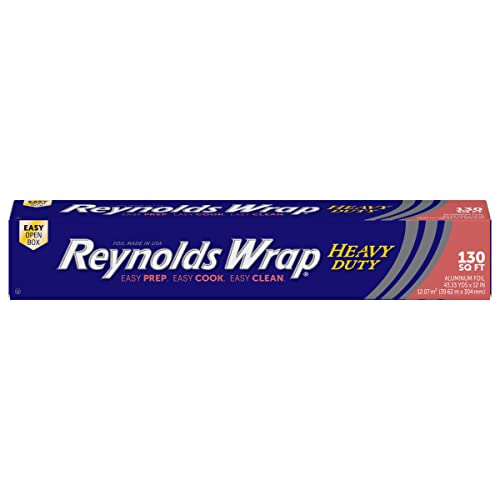
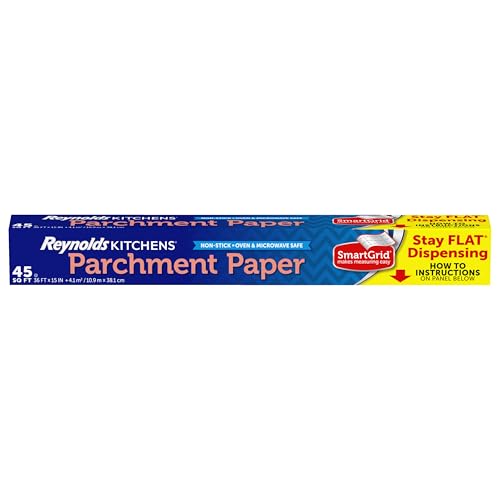
Ready to Buy? Start Here
If this guide helped you decide what to look for, these products are a place to start.

As an Amazon Associate we earn from qualifying purchases. Prices and availability are shown on Amazon.
Foil Versus Other Liners in a Quick Comparison
Foil is only one way to protect a basket, and it is not always the right one. Depending on the food and your machine, another liner might suit you better. The table gives a general view, but the manual for your own unit has the final say about what may be placed inside it.
| Option | Good for | Watch out for |
|---|---|---|
| Foil tray or sheet | Sticky or saucy foods | Blocking airflow if it covers vents |
| Pre-cut baking paper with holes | Dry items, fish, small bakes | Lifting in the fan if unweighted |
| Silicone mat or basket | Repeat use and easy washing | Size fit and heat limits |
| No liner | Fatty foods that release oil | More scrubbing afterwards |
The key idea is that hot air must be able to circulate. Anything that covers the whole base or climbs the walls can trap heat in odd places and cook unevenly.
Setting Up a Foil Sheet Properly in Three Quick Moves
If your manual permits foil and you decide to use it, a neat setup makes a real difference. Sloppy foil crumples, tears and wanders around the basket during a cook.
- Cut a piece slightly smaller than the base so the edges stay clear of the walls.
- Fold up the edges a little to catch drips, and press it flat.
- Place the food on top first, then lower both into the basket together so nothing is left loose.
Keep the foil away from the heating element and never let it touch it. A loose edge can be lifted by the fan, and acidic or salty foods can react with foil, leaving dull marks or a metallic taste. If that worries you, choose a different liner for those dishes.
Take care when removing foil after cooking. The pieces are hot and may hold pooled fat, so let them cool before handling and slide them into the bin rather than carrying them across the kitchen. Wipe any fat from the basket once it is safe to touch.
When in doubt, stop and check the instructions that came with the machine. Those pages reflect how the appliance was designed, and they are a better guide than a tip passed around online. If foil is not mentioned, or is discouraged, take that at face value and pick another liner instead.
Think about cleanup as part of the decision. A liner that saves ten minutes of scrubbing is only a bargain if it does not interfere with the way the food cooks. If you notice pale patches under the foil, or food that steams rather than crisps, take that as a sign to try the next batch without it, or to use a smaller piece that leaves more of the base uncovered for air to pass through.
Going Deeper: The Decisions That Shape Living With a foil in an air fryer
The picks and guidance above cover what to buy. This section covers how to judge — the criteria experienced owners of a foil in an air fryer weigh most heavily once the first impressions fade, and the ones that decide whether a purchase still feels right a year from now.
Your manual’s ruling comes first
Manufacturers differ on foil: some welcome it used correctly, some restrict placement, and some advise against it entirely. Your model’s manual is the law of your kitchen, because it knows your element position, fan strength, and drawer geometry. Every general rule in this guide is subordinate to that document — read its foil and liner pages before your first sheet.
Airflow is the whole point
An air fryer is a fan with a heater; foil that blocks the basket’s perforations or wraps the cavity walls strangles the circulation the machine exists to create. Foil may line, cup, or cover — it may not seal. If the food could just as well be in a closed oven dish, ask whether the fryer is even the right tool for that cook.
Weight and anchoring
Loose foil in a fan-driven cavity is a kite in a storm: it lifts, flutters, and can reach the heating element, which is the one place foil must never be. Foil must always be weighted by food, shaped to the basket, and trimmed so no loose corners sail. If a piece of foil can move when you shake the closed drawer gently, it is not ready to cook.
Where foil helps and where it harms
Foil earns its place catching drips under a rack for fatty foods, shielding a top that browns too fast, and cupping small or saucy items. It harms when it lines the whole basket floor under food that needs drainage and airflow, when it wraps acidic foods for long contact, and whenever it substitutes for cleaning so long that residue builds beneath it.
Acidic foods and foil contact
Tomatoes, citrus, vinegar marinades, and other acidic foods react with aluminum over time, picking up off flavors and pitting the foil. For acidic cooks, parchment or a dish is the better barrier, or keep foil contact brief and never store acidic food wrapped in foil afterward. The reaction is chemistry, not superstition, and it is entirely avoidable.
Alternatives deserve a fair hearing
Parchment liners, silicone mats and pans, and oven-safe dishes each do parts of foil’s job with different trade-offs — parchment for release, silicone for reuse, dishes for saucy work. The experienced fryer cook owns all four barriers and chooses per dish. Foil is a tool in the kit, not the kit.
Foil in an air fryer in Real Life: Situations Worked Through
Specifications and feature lists become real only inside actual routines. Here is how the choice of a foil in an air fryer plays out in the situations buyers describe most often — and which priorities rise to the top in each.
Sticky glazed wings and ribs
Glazes bake onto baskets like cement, and here a foil layer under a rack — placed so air still circulates around the food — saves real scrubbing. The food cooks on the rack in the airflow; the foil merely catches what falls. This is foil’s finest hour in the fryer: protection without suffocation.
Reheating pizza and delicate items
A small foil sheet under pizza supports the slice and catches cheese drips while the top crisps in the open air. The sheet must sit flat, weighted by the slice, with edges trimmed close. Done right, the base reheats without going leathery and the basket stays clean enough to forgive you.
Fish fillets that threaten to stick
A foil cup or a foil sheet lightly oiled gives delicate fish a release-friendly floor while leaving the top fully exposed to crisp. Alternatively, parchment does the same job without acid worries for lemon-heavy recipes. The principle is identical: protect the contact surface, never wrap the fish into a parcel unless steaming is your actual goal.
Shielding a bake that browns too fast
When a cake or casserole top races ahead of its middle, a loose foil shield — placed per your manual’s guidance and secured so it cannot lift — buys the middle time to finish. This is foil as a tool of precision, used for minutes, not as a cooking medium for the whole dish.
Step by Step: Getting the Most From Your Foil in an air fryer
Whether this is your first foil in an air fryer or a replacement for a worn-out favorite, the sequence below — setup, first use, and the habits that follow — is where good purchases become good ownership.
Check the manual’s foil rules for your model
Placement, preheating restrictions, and any outright cautions — know them before the foil comes out. This thirty-second check is the difference between using foil and gambling with it.
Shape the foil to its job
Line under a rack, cup it for small items, or cut a sheet to the food’s footprint. Keep perforations and airflow paths as open as the job allows, and trim every corner that could lift.
Never preheat with loose foil inside
Foil goes in with the food that weights it, or secured exactly as the manual directs. An empty fryer preheating with a loose sheet is how foil meets elements — the one meeting this guide exists to prevent.
Load food to anchor and expose
Arrange food so it holds the foil down and still presents its surfaces to the airflow. Sauces and glazes stay contained; tops stay open to crisp.
Check once mid-cook
Foil shifts as food shrinks and fats render. A single mid-cook look confirms the sheet is behaving, the edges are down, and nothing has sailed anywhere it should not be.
Remove hot foil with respect
Foil holds heat invisibly and its edges are sharper than they look. Lift with tongs, support the load, and set it down on a heat-safe surface. Then enjoy the actual reward: a basket that needs a rinse instead of an excavation.
Care and Upkeep Over Time
Foil discipline keeps the fryer itself cleaner, but it does not abolish cleaning: grease migrates, crumbs escape, and residue under habitual liners builds into smoke and off-flavors. Wash the basket and crisper plate on their normal schedule even when foil ‘kept them clean’ — especially then, because that residue is invisible until it burns. Wipe the cavity and check the element guard for any foil fragments after any cook where a sheet tore.
Store foil, parchment, and silicone options together by the fryer so the right barrier is chosen by the dish rather than by which roll your hand finds. Replace torn or repeatedly reused foil without nostalgia — its job is to be sacrificed. A clean machine, honest airflow, and the right liner per cook is the whole maintenance philosophy in one sentence.
Common Mistakes That Shorten the Honeymoon
Most disappointment with a foil in an air fryer is not caused by the product at all, but by a handful of repeatable mistakes new owners make. Here are the ones worth avoiding from day one.
Preheating with loose foil inside
The most dangerous foil habit there is. Foil enters with food or secured per the manual — never alone in a heating, fan-blown cavity.
Sealing the basket floor completely
A full foil floor strangles airflow and drainage, steaming food that came to be fried. Line partially, under racks, or not at all.
Wrapping acidic foods for long cooks
Tomato and citrus against aluminum for extended contact invites off flavors and pitted foil. Parchment or a dish is the right barrier for acidic work.
Reusing foil until it shreds
Tired foil tears mid-cook and migrates. Retire sheets early; the economy of one more use is measured in element risk.
Using foil to avoid ever washing the basket
Residue builds invisibly beneath habitual liners and eventually smokes. Foil reduces cleaning; it does not abolish it.
Troubleshooting: When Something Seems Off
Before assuming the worst — or booking help — work through the common problems below. Most foil in an air fryer issues have ordinary causes and unglamorous fixes.
Problem: foil stuck to the food
Glazes weld foil to surfaces as they set. Oil the foil lightly for sugary or sticky loads, or switch to parchment for that dish. Peel gently while warm; a soaked cloth softens the bond if it has cooled onto the food.
Problem: food tastes faintly metallic
Acidic ingredients and long foil contact are the usual story. Move that recipe to parchment or a dish, keep foil contact brief and non-acidic, and the flavor note disappears with the cause.
Problem: a foil fragment is near the element
Switch off, unplug, and let everything cool completely before removing it with tongs. Inspect the element guard for further pieces. Then review the sheet size and weighting that allowed the escape — the fix is in the setup, not the retrieval.
How the Options Compare — and How to Choose Between Them
Foil, parchment, silicone, and bare baskets form a simple decision set: foil for drip-catching under racks and for shielding, parchment for release and acidic foods, silicone for reusable everyday lining and baking, and the bare basket whenever maximum airflow and drainage matter — which is more often than liner enthusiasts admit. Master all four and the question stops being ‘is foil allowed’ and becomes the far better question: ‘what does this dish need?’
Ownership, Month One Versus Year One
The first month with a new foil in an air fryer teaches lessons no listing can: the feature you use daily is rarely the one that sold you, and the small friction you noticed on day two is the one that decides whether the product earns its place. This is why experienced buyers judge a foil in an air fryer twice — once against the checklist before purchase, and once against their actual routine a few weeks later. If the second judgment fails, return windows and resale options matter more than pride. If it passes, you have bought well in the only sense that counts: the product fits the life it was bought for, not the life in the advertisement. Keep notes during that first month — what delighted, what annoyed, what you would check first next time — because those notes are the most personalized buying guide you will ever own, and they make the next purchase in this category dramatically easier to get right.
The Total Cost Nobody Lists
The purchase price of a foil in an air fryer is only the entry fee. Ownership adds consumables, replacement wear parts, occasional professional help, storage, and the time cost of maintenance done properly — or the larger cost of maintenance skipped. None of this argues against buying; it argues for buying with open eyes. A slightly better-made foil in an air fryer whose parts are available and whose upkeep is simple often costs less across five years than a cheaper one that fights its owner monthly. When you compare options, mentally add a year of realistic running costs and care time to each, and notice how the ranking shifts. The cheapest foil in an air fryer is frequently the one you maintain without resentment, because maintained equipment lasts, and lasting equipment is where the savings actually live.
When Something Goes Wrong: A Calm Troubleshooting Order
Every foil in an air fryer eventually misbehaves, and the order in which you investigate decides whether the fix is free or expensive. Start with the obvious and the external: power, connections, settings, fit, cleanliness — the causes that require no parts and no tools beyond your hands. Then consult the manual’s troubleshooting section, which exists because your problem has happened to thousands of owners before you. Only after those steps should you suspect component failure and start pricing repairs or replacements. Keep a simple log of symptoms and what fixed them; patterns in that log predict future issues and make any conversation with support or a repairer ten minutes shorter. Most importantly, stop using a foil in an air fryer that behaves in a way that feels unsafe, however inconvenient the pause is — equipment can be replaced on a schedule that injuries cannot.
Buying for the Household, Not Just the Buyer
A foil in an air fryer rarely serves one person. Partners, children, grandparents, guests, and helpers all interact with it, and the best purchase is the one the least confident user can operate safely and happily. That means controls that explain themselves, routines that can be taught in minutes, and documentation kept where the household actually looks. Before buying, walk through the product’s daily routine as each likely user — including the one who will never read the manual — and let their experience veto options that only work for enthusiasts. This household test also reveals hidden requirements: storage another person can manage, cleaning another person will actually do, and safety steps that survive being performed by a tired human at the end of a long day. Products that pass it become shared tools; products that fail it become one person’s burden and everyone’s complaint.
Seasonal Rhythms and Storage
Most foil use have a season — of heavy use, of storage, or of weather that tests them — and planning for that rhythm prevents the classic failures that happen at transitions. Before a storage season, clean and inspect the foil in an air fryer, complete any pending maintenance, and store it in the conditions its materials prefer: dry, temperate, and protected from crushing, sunlight, or pests as appropriate. Before the busy season returns, reverse the ritual: retrieve it early, run a full function check, refresh consumables, and fix small issues while there is still time to order parts. Owners who keep this twice-a-year rhythm rarely face a dead product on the one day it is truly needed, and their equipment lasts noticeably longer than identical items owned by people who meet it again only in an emergency.
A Short Decision Worksheet Before You Buy
Reading guides is not the same as deciding. Work through the six prompts below — each distils one of the criteria above into a question about your own life with a foil in an air fryer. Ten honest minutes here prevents most returns, exchanges, and quiet disappointments.
Your manual’s ruling comes first
Before you commit, turn this into a question about your own situation and answer it in writing. If your answer is vague, that vagueness is the finding: it marks the point where a little more measuring, testing, or honest thinking will do more for your satisfaction than any further comparison of listings.
Airflow is the whole point
Write your answer down rather than holding it in your head. Buyers consistently overestimate how well they remember their own requirements once the shopping begins, and a written answer from before the excitement started is the most trustworthy advice you will get during it.
Weight and anchoring
This is the criterion to test physically wherever you can — in a shop, with a tape measure, or by rehearsing the routine the product will join. Assumptions about it are cheap to make and expensive to live with, while a five-minute test now settles it permanently.
Where foil helps and where it harms
Discuss this one with anyone else who will live with the purchase. Requirements that seem obvious to the buyer often look different to the person who will clean, store, share, or rely on the same product, and their answer belongs in the decision before money moves.
Acidic foods and foil contact
Rank this against the other criteria rather than judging it alone. Almost no foil in an air fryer wins on everything; the right purchase is the one that wins on the criteria your life actually stresses, and accepts its compromises where your life is forgiving.
Alternatives deserve a fair hearing
If you are torn between two options, let this criterion referee. Note how each candidate performs on it in your specific circumstances — not in the manufacturer’s scenario — and give the point to the one that serves your routine rather than your imagination.
FAQ
Does foil make food cook faster or slower?
It can slow cooking if it blocks airflow under the food. Leave gaps and check early.
Can I wrap food in foil inside the fryer?
Some recipes do this for fish or vegetables, but wrapped packets trap steam and can become very hot. Only do it if your manual allows, and open packets with care.
Is shiny or dull side up?
For cooking, either side works the same. Choose whichever lies flatter and stays put.
Can foil damage the basket coating?
Crumpled edges can rub against the coating as you slide the basket, so keep pieces smooth and remove them after cooking.
What if my manual says nothing about foil?
Contact the maker or use a liner designed for your model. When in doubt, leave it out and use a light coat of oil on the basket.
Should I preheat the air fryer with foil already inside?
No. Foil is light and the fan can lift it before any food adds weight. Preheat the empty basket first if your manual calls for it, then place the foil and food together, or add the foil only once the food is ready.
Can I use foil to line the drawer under the basket?
Many makers advise against this because it can block airflow and trap grease. Check your manual before trying it, and if it is allowed, keep the piece flat and clear of the vents.
Is foil safe in a toaster-oven style air fryer?
Rules vary by model, and these units often have heating elements close to the rack. Read the foil guidance for your specific unit and keep any foil well away from the elements and the door.
Why does my food taste metallic after using foil?
Acidic or salty foods can react with foil and pick up a metallic taste. Use a heat-safe dish or an approved liner for those foods, and keep foil for neutral or sticky dishes.
Can I wash and reuse a piece of foil?
It is best not to. Used foil is often creased, thin in spots and carries grease that can smoke on the next cook. A fresh piece is safer and costs very little.
What should I do if foil touches the heating element?
Switch the unit off, unplug it and let it cool fully before looking inside. If the foil has scorched or melted, or the element looks marked, stop using the unit and contact the maker.
Do parchment liners need the same cautions as foil?
They share the lifting problem, so they also need food on top to hold them down and should stay clear of the element. Check the heat limit on the packaging and the manual for your unit.
Can foil touch the heating element?
No — never. Foil near or on the element is a fire and damage risk, which is why loose, unweighted foil is the cardinal sin of air fryer foil use. Keep sheets weighted, trimmed, and low, follow your manual’s placement rules, and if a piece ever does contact the element, switch off, let everything cool, and remove it before cooking again.
Does foil slow down cooking?
Where it blocks airflow, yes — a fully lined floor can add minutes and soften bottoms, because the air can no longer circulate beneath the food. Used under a rack or as a small footprint sheet, the effect is negligible. The trade is deliberate: a little airflow for a lot of cleanup, chosen per dish rather than by habit.
Can I wrap food completely in foil?
You can, but understand what you have made: a steamed parcel, not air-fried food. Wrapped food will not crisp, and parcels in a fryer risk loosening and lifting. If a steamed parcel is the goal, the oven or a covered dish usually does it better. The fryer’s gift is exposed, moving hot air — wrapping gives the gift back.
Is it safe to use foil with acidic marinades?
Brief contact is generally fine, but prolonged contact between aluminum and acidic foods can react, affecting flavor and pitting the foil. For lemon, tomato, or vinegar-heavy cooks, parchment or a dish is the wiser barrier, and never store acidic leftovers wrapped in the foil they cooked on. Choose the barrier by the chemistry of the dish.
Why did my foil get sucked upward?
Insufficient weight and too much loose area for the fan to grab — the classic combination. Use a smaller sheet fitted to the food, ensure the food’s weight anchors it fully, and trim upturned edges that act as sails. If your manual offers specific guidance for liners and preheating, its method outranks any general tip, including this one.
Can I line the drawer under the basket?
Some manuals allow lining the drip area beneath the crisper plate to catch fat; others forbid anything that could shift into the airflow or touch hot surfaces. This is the most model-specific question in the whole foil debate — your manual’s answer is final. Where allowed, keep the foil flat, fully below the plate, and nowhere near the element.
Is parchment better than foil?
For release and acidic foods, usually; for drip-catching under racks and for shielding with shape, foil holds an edge. Parchment carries the same loose-liner cautions — it too must be weighted and never preheated empty. The mature answer is that they are colleagues, not rivals, and your drawer should hold both.
Can I reuse a sheet of foil?
A lightly used, intact sheet that held dry food can be smoothed and reused once by many cooks; foil that caught fat, tore, or contacted acidic food has done its service. Reuse is a judgment call, not a virtue — when in doubt, recycle the tired sheet and take a fresh one. The savings are pennies; the element is not.
The Short Version
Use foil only if your manual allows it, in small pieces that stay put under food and never touch the element. For simple cleanup, a made-for-air-fryer liner or a light oil coating is often an easier choice. Never block the airflow completely.
Related Guides
- Parchment, Foil or Silicone in Your Air Fryer: Which to Use
- Air Fryer Cooking Time Cheat Sheet for Everyday Foods
- Air Fryer Power Cord and Plug Guide for Everyday Use


