We have not used these products ourselves, so this guide does not claim any personal results. It describes how to choose a hydroponic growing system by looking at system type, plant capacity, lighting, pump and reservoir design, and how much upkeep you want. Use the table below to compare options, then check each maker description against your space, the plants you like and the time you can give. Small design details often decide how pleasant a system is to live with.
Hydroponics grows plants in water enriched with nutrients instead of soil. Countertop kits suit herbs and salad greens, while larger racks and tower styles hold more plants but need floor space and an outlet. Some systems include a built in light and timer, and others expect you to add your own. Think about where it will sit, how noisy a pump may be in that room and how often you are willing to check water levels. Keep expectations realistic, since plant growth depends on seed type, light and care.
As an Amazon Associate we earn from qualifying purchases. Links on this site are affiliate links, and they do not change the information we give.
In this guide
Quick Picks
| Pick | Product | Best For |
|---|---|---|
| 1 | AeroGarden Harvest | Best for beginners who want a supported pod system |
| 2 | iDOO 12 Pods Hydroponics Growing System | Best for growing more plants at once |
| 3 | LetPot LPH-SE Hydroponics Growing System | Best for app control and a bigger tank |
| 4 | Ahopegarden 10 Pods Hydroponics Growing System | Best compact kit with a water level window |
| 5 | AeroGarden Harvest 2.0 | Best for the current version of a familiar design |
Our Picks

1. AeroGarden Harvest — Best for beginners who want a supported pod system
The Harvest is the six-pod countertop garden that made this category mainstream, and it still suits a first system well. The maker supplies an herb seed pod kit in the box, and the built-in LED grow light runs on an automatic timer, so the daily routine is mostly topping up water and adding plant food when the panel reminds you. Because AeroGarden sells its own pods, sponges and nutrients, replacement supplies are easy to find, which answers one of the upkeep questions in the guide above. The footprint is small enough for a kitchen counter, and the light hood suits compact herbs and salad greens rather than tall fruiting plants. Choose the Harvest if you want the most established pod ecosystem and a short learning curve, and if six plants at a time is enough for the herbs you actually cook with.
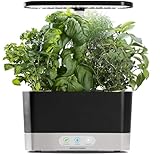
2. iDOO 12 Pods Hydroponics Growing System — Best for growing more plants at once
With twelve planting sites, the iDOO doubles the capacity of a six-pod unit while staying on the countertop. Its LED panel offers two spectrum modes, one aimed at leafy vegetables and herbs and one at fruit and flowers, and the light post adjusts up to about 11.3 inches as plants grow. A small built-in fan moves air over the leaves, and the pump and light run on an automatic timer, which keeps the routine close to the weekly check the guide suggests for small units. There is no app and no proprietary seed catalogue; you start your own seeds in the included baskets and sponges and feed with the starter nutrients. Pick the iDOO if capacity per dollar matters more than smart features, and if your crops are compact herbs and greens that fit under the modest light height.

3. LetPot LPH-SE Hydroponics Growing System — Best for app control and a bigger tank
The LPH-SE is the connected option in this list: it links to the maker’s app over WiFi, so light schedules and settings can be changed from a phone instead of buttons on the unit. Twelve pods sit over a 5.5 litre water tank, larger than most countertop rivals, which stretches the time between refills — a direct answer to the reservoir question in the buying guide. The 24W LED panel rides on a tall adjustable post, giving taller herbs more headroom than short hoods allow, and the system flags low water rather than letting the pump run dry. Baskets, covers, sponges and A&B nutrients are included, so the first crop starts from the box with your own seeds. Choose the LPH-SE if you travel, like app reminders, or simply want the fewest refill trips of any kit here.
View LetPot LPH-SE Hydroponics Growing System on Amazon
4. Ahopegarden 10 Pods Hydroponics Growing System — Best compact kit with a water level window
Ahopegarden’s ten-pod kit is a middle size for people who find six pods limiting but do not want a twelve-pod footprint. Its standout detail is the see-through water level window in the reservoir, which the guide above lists as a feature worth checking: one glance shows whether the tank needs topping up, without lifting the deck or opening the unit. The full-spectrum LED panel and circulation pump follow the usual countertop pattern, moving nutrient solution past the roots while the light handles the daily cycle. Ten sites suit a rotation of herbs and lettuce, and the deck layout keeps plants spaced so they shade each other less. Pick this kit if you like the window check, want a modest footprint for a desk or small counter, and prefer a straightforward system without app setup.

View Ahopegarden 10 Pods Hydroponics Growing System on Amazon
5. AeroGarden Harvest 2.0 — Best for the current version of a familiar design
The Harvest 2.0 is AeroGarden’s updated take on its six-pod countertop garden, sold by Scotts Miracle-Gro. It keeps the format that the guide recommends for beginners — a compact reservoir base, an LED grow light overhead and room for six pods — in a charcoal finish that sits more quietly on a modern counter than the older glossy shells. It grows the same compact herbs and salad greens as the original Harvest and uses the maker’s pod refills, so supplies stay easy to source. Buyers choosing between the two Harvest generations should compare what seed kit and accessories each listing includes, since bundles change. Choose the Harvest 2.0 if you want the newest version of a proven layout, a small footprint, and a light-and-timer routine you can mostly leave alone between water checks.
View AeroGarden Harvest 2.0 on Amazon
What to Look For
| Factor | Why it matters | What to check |
|---|---|---|
| System type | Deep water, drip and tower designs behave differently. | Read how the maker describes water flow and plant support. |
| Plant capacity | More sites mean a bigger footprint and more nutrients. | Count the pod slots and compare them with your space. |
| Grow light | Plants need steady light to develop indoors. | Look for adjustable height, a timer and the maker light details. |
| Pump and reservoir | These parts control water movement and refill frequency. | Check tank size, pump noise notes and a water level window. |
| Footprint and height | Tall plants can outgrow a low shelf or windowsill. | Measure the spot and compare it with stated dimensions. |
| Upkeep needs | Nutrient mixing and cleaning take regular effort. | See what supplies are included and how easily parts come apart. |
Setup and Care Tips
- Place the unit near an outlet on a stable, water tolerant surface.
- Keep the electrical parts and cords away from spills, following the manual.
- Top up the reservoir on a schedule and use the nutrient type the maker names.
- Rinse the tank and tubing between crops to limit buildup.
- Trim plants often so they do not shade their neighbors.
Mistakes to Avoid
- Buying a large rack before trying a small kit.
- Letting the reservoir run dry while the pump runs.
- Mixing nutrients without reading the label directions.
- Placing the light too far from young plants.
- Choosing tall crops for a short shelf.
How do you choose a hydroponic growing system?
Choose a hydroponic growing system by matching the number of plant sites, light, tank size and upkeep to the space and time you have. A small countertop kit is the usual place to start.
Begin with what you want to grow. Herbs and salad greens suit compact kits, while tall or fruiting plants need more headroom and stronger light than most countertop units provide. Be honest about the harvest you expect, because capacity and light limit what is realistic.
- Plant sites: more sites give a bigger harvest but need more room and nutrients.
- Light: look for a built-in grow light with a timer and adjustable height.
- Tank size: a bigger reservoir stretches the time between refills.
- Pods or your own seeds: pod systems are simpler, while open systems let you pick seeds freely.
- Controls: basic buttons are easy, and app control suits people who like reminders.
Think about the room too. A pump makes some noise, a light shines for many hours and the unit needs an outlet away from splashes. A bedroom or small studio may call for a quieter design or a spot with a curtain or shelf to limit glare.
Starting small is sensible. A six-pod or ten-pod unit teaches you the routine of topping up water, adding nutrients and trimming, before you commit to a larger system.
Pod-based versus open hydroponic kits: which suits you?
Pod-based kits suit beginners who want a simple routine and ready supplies, while open kits suit people who want to use their own seeds and experiment. Both grow plants in nutrient water, but they differ in convenience and freedom.
A pod system uses seed pods made or sold by the maker. You drop them in, add water and plant food, and the system handles light and pump timing. The benefit is a short learning curve, and the compromise is that you rely on the maker for refills.
An open kit lets you start your own seeds in baskets and sponges, so you pick varieties freely. It asks a little more of you, because germination, spacing and nutrient mixing are your job. The upside is choice and often lower ongoing costs, depending on the supplies you buy.
- Choose pods if you want the easiest start and do not mind buying matching refills.
- Choose an open kit if you already grow from seed or want unusual herbs and greens.
- Check availability of refills and nutrients for whichever route you take.
Among the picks above, the AeroGarden models follow the supported pod route, while others let you start your own seeds. Read each listing to see what comes in the box and what you must buy.
Whichever you choose, follow the maker’s nutrient directions closely. Too much or too little feeding is a common cause of poor growth.
Cleaning is part of the choice as well. Systems with removable decks, simple tanks and few narrow tubes are easier to rinse between crops, and that keeps buildup and algae in check. Before you buy, look at photos and the maker’s description to see how the parts come apart.
Finally, consider light schedules. Most kits run the light on a timer for a set number of hours each day, and a simple, reliable timer is worth more than a long list of modes. Plants grow best with steady, repeatable light, so choose a kit whose timer you understand and can set once.
Lastly, check whether the light height can be raised as plants grow. A fixed low hood caps plant height, and crowded leaves under a close light can suffer, so adjustable posts give you more room to keep a crop going.
Which hydroponic system should you buy?
Pick the hydroponic system that fits your experience, your space and how much you want to harvest. Here is how the named picks line up.
- If you want the most established pod system and a short learning curve, choose the AeroGarden Harvest.
- If you want to grow more plants at once and do not need app features, go for the iDOO 12 Pods Hydroponics Growing System.
- If you travel, like phone reminders or want fewer refills, choose the LetPot LPH-SE Hydroponics Growing System, which has app control and a bigger tank.
- If you want a middle-size kit and like checking water at a glance, pick the Ahopegarden 10 Pods Hydroponics Growing System with its water level window.
- If you prefer the newer version of a familiar six-pod design, choose the AeroGarden Harvest 2.0.
When the choice feels close, think about refills and routine. A larger tank and low-water alerts matter if you are away often, while pod ecosystems matter if you want simplicity.
Capacity is worth weighing too. More sites tempt buyers, but a fuller unit needs more nutrients, trimming and attention. If you cook mainly with a few herbs, a smaller kit may give you all the harvest you can use.
If you are comparing the two Harvest models, read both listings for the seed kit and accessories, since bundles can differ.
What to check before you buy a hydroponic garden
Before buying, confirm the footprint, height, power needs and what is included in the box. The listing and manual should answer most questions.
- Counter or shelf space: measure the spot and compare it with the stated dimensions, including room to lift the light.
- Light height: check how tall the light post can go, as that limits plant height.
- Outlet: confirm a nearby outlet that sits away from splashes.
- Included supplies: look for pods or baskets, sponges, nutrients and a seed kit.
- Refill supplies: see how easy it is to get more nutrients and pods later.
- Noise: read any notes on pump sound if the unit will sit in a quiet room.
- Cleaning: check that parts come apart for rinsing between crops.
- Returns and warranty: confirm terms on the listing before you order.
- Care: plan a regular schedule for water, nutrients and trimming.
Look through general feedback for repeated comments about pump noise, leaks or light issues, and check how many people rated the product. Weigh those comments against the written specification instead of relying on one opinion.
Also think about your tap water and where spare supplies will be stored. A dedicated tray under the unit protects the surface from drips.
Is an indoor hydroponic garden worth it?
An indoor hydroponic garden is worth it if you enjoy fresh herbs and greens close to the kitchen and will keep up with simple weekly care. It is less suitable if you want large harvests, travel often or dislike routine tasks.
Know the trade-offs before you buy.
- Ongoing supplies: pods, nutrients and sometimes replacement parts are recurring needs.
- Limited crops: compact herbs and leafy greens do well, while tall or fruiting plants are harder.
- Electricity and noise: the light and pump run for long periods.
- Attention: water levels, trimming and cleaning take regular effort.
- Space: even small units take counter room.
Who should skip it? Anyone who is rarely home, has no suitable outlet or prefers a low-effort soil pot may be happier without one. Is paying more worthwhile? A larger tank, app control or more sites help if they solve a problem you actually have. If not, a simple kit can do the job well.
Results depend on seeds, light and care, so keep expectations realistic.
Compare the picks above, check the current listing for size, what is included and refill supplies, then choose the system that fits your space and routine.
FAQ
Which plants suit a beginner system?
Leafy greens and common herbs are popular choices because they are compact. Check the maker seed and pod guidance for your system.
Do I need a separate grow light?
Only if the system does not include one and your window light is weak. Look at the product page to see what comes in the box.
How often should you change the water in a hydroponic system?
Follow the maker's schedule, since it varies by system and plants. Many guides suggest topping up regularly and fully refreshing the solution on a set cycle. Check the manual and watch for cloudy water or odor as signs to clean sooner.
Can you grow vegetables in a countertop hydroponic kit?
Leafy greens and herbs are the usual choices because they stay compact. Larger vegetables need more light and space than most countertop kits offer. Check the maker's plant guidance before choosing seeds.
Do hydroponic gardens use a lot of electricity?
The light and pump are the main users, and both run on timers. Check the listed wattage and the daily light schedule for the model. Usage differs between systems, so read the specification.
What nutrients do hydroponic plants need?
They need a nutrient solution made for hydroponics, since the water has no soil to supply food. Use the type the maker names and follow the label for amounts. Too much can harm plants as much as too little.
Why is algae growing in my hydroponic tank?
Algae grows when light reaches nutrient water, so cover or shade the tank and keep openings closed. Rinse the tank and tubing between crops and wipe affected surfaces. An opaque tank helps reduce the problem.
Can you use a hydroponic system with tap water?
Many people do, but water quality varies by area. Check the maker's guidance and your local water conditions. If results are poor, ask the maker whether another water source is advised.
How long does it take to grow herbs hydroponically?
Timing depends on the plant, the light and the system, so no single answer fits all. Seed packets and the maker's guide usually give a range. Expect leafy herbs to be ready to trim before large fruiting plants.
Questions to Ask Before You Buy
A hydroponic setup is a small ecosystem with pumps, reservoirs, and timers. These questions help you judge whether a system fits your home and your routine.
- Where will it sit, and is there a nearby outlet that is out of reach of splashes?
- How much floor or counter area can you give up, including room to reach the reservoir?
- Do you want a passive design with few moving parts, or one with pumps and timers?
- How easy is it to take apart and clean between crops?
- Are replacement pumps, pods, and tubing easy to find later?
- How much noise are you comfortable hearing in the room where it runs?
Compatibility Checks
Many systems are designed around specific pods, nutrient formulas, or light fixtures. Before you buy, confirm how well each part works with the rest.
| Item | What to Confirm |
|---|---|
| Net pots or pods | Do standard sizes fit the openings? |
| Nutrients | Does the maker recommend a particular type? |
| Grow lights | Is there a mounting point or height adjustment? |
| Timers and plugs | Do they match your local outlet and load limits? |
| Water tank | Is it opaque, or will you need to shade it? |
Who Should Skip It
A hydroponic unit is not for everyone. If you travel often and nobody can check the water level, a simple soil container may suit you better. If your space has no steady power source, a pump-driven design will be hard to run. People who dislike routine tasks such as topping up solution or wiping algae from surfaces may find the upkeep tiresome.
Renters with strict rules about water near flooring should also think twice, or place the system on a waterproof tray. Always follow the maker’s manual and instructions for electrical parts and water handling.
Space and Routine Planning
Write down how often you can realistically check the system. A weekly glance suits a small herb unit, while a larger multi-tier setup tends to need more frequent attention. Choose a size that matches the time you have, not the one that looks most impressive.
Also decide where spare supplies will live. Nutrients, filters, and pods take up shelf room, and a labeled bin near the system makes routine tasks faster. Keep supplies away from children and pets, and read the maker’s manual and instructions for storage guidance.
The Short Version
Choose a hydroponic system by type, plant capacity, lighting, pump and reservoir design, and upkeep. Begin small, follow the manual and match the size to your space.
Choosing the right hydroponic growing system: a deeper look at the criteria
The short version of each review above tells you what a pick does well. This section slows down and looks at why those differences matter, so you can weigh the hydroponic systems in this guide against your own rooms, routines and expectations rather than against a generic checklist.
Growing capacity and plant height
Pod count is only half the story. Check the light height and spacing for the plants you want: compact herbs forgive, fruiting plants demand room.
In practice, the easiest way to judge this is to test it against your worst realistic day, not your average one. Think of the largest load, the longest session or the most difficult conditions the hydroponic growing system will honestly face in your home, and ask whether the option you are leaning towards handles that day calmly or merely survives it.
Light quality and adjustability
The light drives everything. Look for a full-spectrum light on a sensible timer, with height adjustment that keeps pace as plants grow.
Shoppers often treat this as a minor detail because it rarely appears in headline marketing, yet owners mention it constantly once the product is in daily use. If two picks in this guide look equal elsewhere, let this factor break the tie; it is usually the difference between a product that is admired and one that is simply used without thinking.
Water tank and maintenance rhythm
Tank size decides how often you refill and feed. Systems that signal low water and simplify nutrient dosing suit beginners and busy owners alike.
There is also a budget angle worth stating plainly: paying for quality here tends to show up as years of uneventful service, while saving money here tends to show up as small frustrations repeated every single week. Neither choice is automatically wrong, but you should make it deliberately, knowing which of the two you are buying.
What you will actually grow
Herbs, salads, strawberries and chillies ask different things of a system. Buy for your kitchen’s real habits, not a showroom jungle.
If you are upgrading from an older hydroponic growing system, compare this point against the one you own now. Many people discover that what they disliked about their current product was not its age or its brand but exactly this characteristic, and they are about to buy it again in a newer box.
Noise, footprint and placement
Pumps hum and lights are bright. Plan the spot: near a socket, away from sleeping areas, with room to tend and harvest.
For households where more than one person will use the hydroponic growing system, weigh this from the least experienced user’s point of view as well. A choice that works beautifully for an expert but confuses a partner, a teenager or a grandparent will generate friction that no specification sheet predicts.
Running costs and consumables
Pods, nutrients and replacement parts are the ongoing story. Check availability and how the system handles growing in your own medium or seeds where supported.
Finally, remember that this factor interacts with the others rather than standing alone. A strong performer on this point can compensate for a weakness elsewhere, and a weak one can undermine an otherwise excellent product, which is why this guide weighs the picks as complete packages instead of crowning a winner on any single measure.
Hydroponic growing systems in real life: common use cases
Most disappointment with hydroponic systems comes from a mismatch between the product and the job it was bought for. These are the situations readers most often describe, and how the priorities shift in each one.
Kitchen herbs year-round
Basil, mint and coriander on the counter, steps from the pan, is the core promise and the easiest win for new growers.
Salads and greens
Lettuce and leafy greens grow fast and suit frequent small harvests that keep a household supplied.
Beginners learning hydroponics
Guided systems with timers and reminders teach the rhythm of feeding and pruning without a greenhouse.
Small homes and apartments
Countertop systems bring growing into flats with no garden and limited windowsill light.
Step by step: setting up and using your hydroponic growing system
Whatever pick you choose from this guide, a careful first setup pays off every time you use it afterwards. Work through these steps in order the first time, and revisit them whenever results disappoint — the cause is usually one of the early steps, not the product itself. Always follow the maker’s own instructions where they differ, since they know the specific model in your hands.
- (‘Set the system on a level, stable surface near a socket, fill the tank as directed and run the pump and light through a test cycle before planting.’, ‘Plant pods or seeds as the maker directs, label each position with the plant and date, and set the light low over new sprouts.’, ‘Follow the nutrient schedule in the manual for your plant type, and top up water before the tank runs low rather than after.’, ‘Raise the light as plants grow, keeping it close enough for compact growth without touching leaves.’, ‘Prune and harvest regularly from the outside and top, which keeps plants productive and stops one vigorous herb shading the rest.’, ‘Between crops, empty, clean and sanitise the tank and channels as the maker directs before replanting.’)
Once the routine feels familiar, it becomes quick. Most owners find the second and third uses take half the attention of the first, which is exactly why investing effort in the first setup is worth it.
Cleaning, care and storage
Good hydroponic systems rarely fail suddenly; they decline slowly through skipped cleaning, poor storage and small damage left alone. A light, regular care routine protects both performance and safety, and it keeps the product pleasant to use.
(‘Rinse roots and channels of debris during crop changes so pumps and drippers stay clear.’, ‘Wipe light panels clean; dust and splashes quietly reduce the light your plants receive.’, ‘Check water level and plant roots weekly, and address algae by keeping light out of the tank as the design intends.’, ‘Store spare pods and nutrients sealed, dry and labelled with dates.’)
As a rhythm, give the hydroponic growing system a quick once-over after heavy use, a proper clean on a regular schedule that suits your household, and a deeper inspection at the change of seasons. Catching wear early — a fray, a drip, a new noise, a dull edge — is almost always cheaper and safer than reacting to a failure.
How the picks in this guide compare
With the criteria above in mind, here is how the picks already reviewed in this guide divide up. None of them is best at everything; each was chosen for a role, and the right question is which role matches your life.
AeroGarden Harvest is the pick this guide positions for for beginners who want a supported pod system. If that description sounds like your household, it deserves to be your starting point; if it clearly does not, the neighbouring picks exist precisely because priorities differ, and you will be happier following your own use case than chasing the top of the list.
iDOO 12 Pods Hydroponics Growing System is the pick this guide positions for for growing more plants at once. If that description sounds like your household, it deserves to be your starting point; if it clearly does not, the neighbouring picks exist precisely because priorities differ, and you will be happier following your own use case than chasing the top of the list.
LetPot LPH-SE Hydroponics Growing System is the pick this guide positions for for app control and a bigger tank. If that description sounds like your household, it deserves to be your starting point; if it clearly does not, the neighbouring picks exist precisely because priorities differ, and you will be happier following your own use case than chasing the top of the list.
Ahopegarden 10 Pods Hydroponics Growing System is the pick this guide positions for compact kit with a water level window. If that description sounds like your household, it deserves to be your starting point; if it clearly does not, the neighbouring picks exist precisely because priorities differ, and you will be happier following your own use case than chasing the top of the list.
AeroGarden Harvest 2.0 is the pick this guide positions for for the current version of a familiar design. If that description sounds like your household, it deserves to be your starting point; if it clearly does not, the neighbouring picks exist precisely because priorities differ, and you will be happier following your own use case than chasing the top of the list.
When two picks both seem to fit, decide on the secondary factors: the care routine you will actually keep, the space you actually have, and the accessories or consumables you would need to add. Those everyday details, rather than headline features, are what owners end up praising or cursing a year later.
More mistakes to avoid
The mistakes section earlier in this guide covers the headline errors. These are the quieter ones that show up weeks later, gathered from the problems owners most often describe with hydroponic systems.
- (‘Planting tall and compact crops together so the tall ones shade and crowd out the rest.’, ‘Letting the tank run dry over a holiday and expecting plants to forgive it.’, ‘Guessing nutrient doses instead of following the schedule, then diagnosing the resulting leaf problems as disease.’, ‘Ignoring pruning until the light is buried in foliage and lower plants stall.’)
- Restarting a new crop in an uncleaned system and importing the last crop’s problems.
Notice the pattern: almost none of these are product defects. They are mismatches of size, setting, routine or expectation — which means they are all avoidable with the checks in this guide and ten honest minutes thinking about how you will really use the hydroponic growing system.
Your first week with a new hydroponic growing system
The first week with any new hydroponic growing system follows a predictable arc, and knowing it in advance stops small teething troubles turning into returns. The first session is about setup and the steps above: expect it to feel slow, expect to consult the manual, and do not judge performance until the basics are in place and you have completed one honest, normal job rather than a stress test.
By the second and third uses, the routine compresses. You will know which settings you actually touch, where the hydroponic growing system lives between jobs, and which of your early worries were unfounded. This is the right moment to make the small adjustments the manual allows — the seating, the tension, the placement, the schedule — because you now have real experience to adjust from.
By the end of the week, write down three things: the setting or arrangement you settled on, the one annoyance that remains, and the date of the first cleaning or maintenance task the manual asks for. That short note becomes your personal quick-reference, and it is worth more in month six than any review, including this one.
Accessories, consumables and the real cost of ownership
The purchase price of a hydroponic growing system is only the entry fee. Over its life you will spend time and money on the things that keep it working: the consumables it uses up, the accessories that make it suit your home, and the occasional replacement part. None of the picks in this guide hides an unusual burden here, but the burdens differ, and they are worth weighing before you choose.
Start with what the maker includes and what the manual lists as regular replacements, and check that those items are easy to obtain where you live. Then add the accessories your specific situation demands — storage, protection, fitting or cleaning items suited to your space — rather than a generic bundle. Buying only what your use case needs keeps both cost and clutter down.
Time is a cost too. A hydroponic growing system that needs ten calm minutes of care after each use may suit a hobbyist perfectly and frustrate a busy parent completely. Re-read the care section above with your own calendar in mind, and be honest: the cheapest product to own is the one whose upkeep you will actually do.
When to repair, when to replace, and when to upgrade
Every hydroponic growing system eventually reaches a crossroads. Repair makes sense when the fault is isolated, the rest of the product is sound, and the maker still supports it with parts and guidance. A single worn component, a tired accessory or a setting that has drifted out of adjustment are all repair territory, and the troubleshooting habits in this guide will identify them.
Replacement makes sense when wear is general rather than local: when several parts are tired at once, when performance has declined despite correct care, or when safety-related components are damaged. At that point money spent on repairs buys a product that is still old everywhere else, and the picks in this guide become the sensible comparison set.
Upgrade is a different decision again: your current hydroponic growing system may work perfectly while no longer matching your life. A bigger household, a new hobby level, a house move or a change in who uses it are all legitimate reasons to change. In that case, return to the criteria at the top of this section, note which priorities moved, and choose the pick that matches the life you have now.
More questions, answered
What grows best in a countertop hydroponic system?
Herbs and leafy greens are the most forgiving and productive. Fruiting plants can work in suitable systems but need more light height, pruning and patience.
How often do I add nutrients?
On the schedule the maker gives for your system and crop stage, usually tied to water top-ups or a set interval. Consistency beats improvisation.
Why are my seedlings tall and spindly?
They need more light or the light closer. Lower the light to the recommended height for seedlings and ensure the timer gives a full daily light period.
Can I use my own seeds?
Many systems support grow-anything pods or baskets. Check what your system accepts and use fresh seed for the best germination.
How do I prevent algae?
Keep light from reaching the nutrient water, cover unused pod openings, and clean the system fully between crops.
Is hydroponic growing expensive to run?
Electricity for lights and pump is modest for countertop systems; pods and nutrients are the main ongoing cost. Compare with the price of the fresh herbs you actually use.
One habit that separates satisfied owners from disappointed ones is writing down the job you bought the hydroponic growing system for, in plain terms, before comparing models. When a feature list starts to blur together, that short note — the rooms, loads, routes or people involved — usually makes the right choice obvious again, because it turns abstract specifications into your actual week.
It also pays to think about the second year, not just the first week. Consumables, replacement parts, cleaning effort and storage all repeat long after the purchase excitement fades. Among the picks in this guide, favour the option whose ongoing routine fits your household’s patience and space, since a product that is easy to live with gets used properly and lasts longer.
If you are choosing between two close finalists, decide by the failure you would regret more. Would you rather have capacity you rarely use, or discover on the busiest day of the year that you do not have enough? Would you rather maintain a simpler product, or manage a more capable one? There is no universal answer, but your answer points straight at the right pick.
Before you buy, do one final check of the basics in your own space: measure where the hydroponic growing system will live and be used, confirm any connections, fittings or accessories it depends on, and read the maker’s manual or listing for anything your setup must provide. Ten minutes of checking prevents the most common returns, which are rarely about quality and almost always about fit.
When the hydroponic growing system arrives, keep the manual somewhere findable and note the date you started using it. Small records — when you cleaned it, changed a part or adjusted a setting — make troubleshooting months later far easier, and they are exactly what a maker’s support team will ask about if you ever need help.
Finally, give any new hydroponic growing system a fair settling-in period before judging it. First uses involve unfamiliar settings, new routines and, often, the hardest job you own saved up for the occasion. Work through the guidance in this article, make the small adjustments suggested, and only then decide whether the product or the setup needs to change.
Season and timing play a quieter role than most buying guides admit. The hydroponic growing system you need in the busiest month of your year may be a different size, capacity or style from the one that suits a quiet month, so think about when yours will work hardest and choose for that peak, while checking it still behaves well in everyday, lighter use.
If the hydroponic growing system will be shared, agree the house rules early: where it is stored, who cleans it, and what settings nobody changes without saying so. Shared products fail socially before they fail mechanically, and five minutes of agreement when it arrives prevents the slow drift into misuse that shortens any product’s life.
Think, too, about the end of the product’s life before the beginning. A well-made hydroponic growing system should be repairable for its common faults, recyclable or disposable responsibly at the end, and durable enough that replacement is a rare event. Choosing the option you will keep longest is usually the most economical and the least wasteful decision available.
When you read owner comments about any hydroponic growing system, read them for patterns rather than verdicts. One complaint is an anecdote; the same observation repeated by people with different homes and habits is information. Match those patterns against your own situation, and discount both the angriest and the most glowing single account.
Photograph your setup once it works well: the arrangement, the settings and the accessories in place. If the hydroponic growing system is moved, serviced or borrowed and returned differently, that photograph restores your working setup in minutes instead of another round of trial and error.
Related Guides
- 6 Best DWC Hydroponic Systems with Air Pumps (2026)
- 6 Best Crystal Growing Kits for Kids: Science Sets (2026)
- 6 Best Closet Organizer Systems: Freestanding Wardrobes (2026)
- 6 Best Pantry Organizer Systems: Racks, Carts and Bins (2026)
- 6 Best Hanging Closet Organizers: Shelves and Systems (2026)