Disclosure: airfryerkitchensupply.com is reader-supported. When you buy through links on our site, we may earn an affiliate commission at no extra cost to you.
Where to buy
The fastest way to shop this shortlist is Amazon, where every verified pick below is listed with its full specifications, color options and current availability. Start with the Zaisu Meditation Chair if you want the classic Japanese floor-chair form for a low desk or floor workstation, and use the comparison table further down to narrow the field before you buy. Prices move around, so check the current price on Amazon on the listing itself rather than relying on any number quoted second-hand. Read the first section below before ordering anything: this search hides two very different products, and only one of them can honestly be linked today.
- Japanese Floor Chair — Zaisu Meditation Chair (Wood Low-Back Tatami) — Best Overall Zaisu
- DECAKE Japanese Floor Chair — Zaisu with Solid Wood Frame — Best for Kotatsu and Low Desks
- HollyHOME Foldable Japanese Style Floor Chair — Best Foldable for Small Rooms
- YOUKEEJOJO Floor Chair with Back Support — Foldable Tatami — Best for Meditation and Reading Corners
- Tiita Foldable Meditation Floor Chair — Best Value Folding Pick
- LYDMTSW Japanese Floor Chair — Solid Wood Frame Tatami Chair — Best Traditional Solid Wood
Key Takeaways
- ‘Japanese office chairs’ means two different things: ergonomic desk chairs from Japanese makers such as Okamura, Kokuyo and Itoki — and Japanese-style floor chairs (zaisu) used at low desks, kotatsu tables and floor workstations.
- Our verification searched Amazon’s catalog data for Okamura, Kokuyo and Itoki office chairs directly. All three searches returned zero listings from those brands, so no desk chair from them can be linked in this guide — two unlinked slots mark exactly where they belong.
- The buyable, verified category is the zaisu: legless floor chairs with back support, in wood and cushion, designed for tatami-style and low-desk working. All six linked picks are zaisu, verified on the verification date.
- A zaisu is a posture commitment, not a smaller desk chair. It suits floor-level work, meditation-adjacent desk setups, reading corners and small rooms — and it is simply the wrong tool for a standard-height desk, no matter how appealing the listing photos look in a conventional office setting.
- Every linked pick’s frame, cushion and folding claims below come from its own verified listing title, checked on the verification date. Where a title does not state a detail — a wood species, a cushion thickness, a weight limit — the review says so plainly rather than filling the gap with a plausible guess, and the first-week return window is your friend for exactly those unknowns.
The search for the best japanese office chairs runs into a wall that most roundups pretend not to see, so this guide will describe the wall honestly. Japan has world-class office chair makers — Okamura, Kokuyo and Itoki build ergonomic desk chairs that facilities managers across Asia specify by name. If that is what you came for, you should know what our verification found: we searched Amazon’s own catalog data for each of those brands’ office chairs, and all three searches came back without a single listing from the brand searched. The results were generic mesh chairs from unrelated makers. Under the rule this guide applies everywhere — a product is only linked when the catalog data confirms the product and its brand — there is no honest way to sell you an “Okamura chair” from those results, and this guide will not pretend otherwise. The Japanese desk-chair makers are therefore covered in this guide in clearly labelled unlinked, with guidance on where such chairs are actually sold.
The second meaning of the keyword is the one Amazon can actually supply, and it is a genuinely Japanese product: the zaisu, the legless floor chair with a backrest, designed for sitting at low tables — historically on tatami, today at kotatsu tables, low desks, floor workstations and meditation corners. As floor-desking and Japanese-influenced interiors have spread, the zaisu has become a real home-office category: a chair with genuine back support that stores flat, suits small rooms, and enforces the upright, cross-legged or kneeling posture that floor work requires. All six linked picks in this guide are verified zaisu, chosen across wood frames, cushion styles and folding designs.
So read this guide as two documents woven together: a truthful account of the Japanese desk-chair situation, with unlinked placeholders where those chairs belong, and a complete, linked buyer’s guide to the Japanese floor chairs you can actually purchase today. If your desk is standard height, the zaisu picks will not serve you and the guide says what to do instead. If you work at a low desk or on the floor — or you are building that setup — the six picks below are the verified field.
In this guide
Quick Picks
- Best Overall Zaisu: Japanese Floor Chair — Zaisu Meditation Chair (Wood Low-Back Tatami) — the canonical form — a wood low-back zaisu with a soft cushion, portable and armless, in grey mat with natural wood. Check the current price on Amazon.
- Best for Kotatsu and Low Desks: DECAKE Japanese Floor Chair — Zaisu with Solid Wood Frame — a zaisu with a solid wood frame, positioned by its listing for kotatsu seating — walnut color with a white wool-style cushion. Check the current price on Amazon.
- Best Foldable for Small Rooms: HollyHOME Foldable Japanese Style Floor Chair — a wood legless tatami chair with cushion that folds — Japanese style with storage practicality, in beige. Check the current price on Amazon.
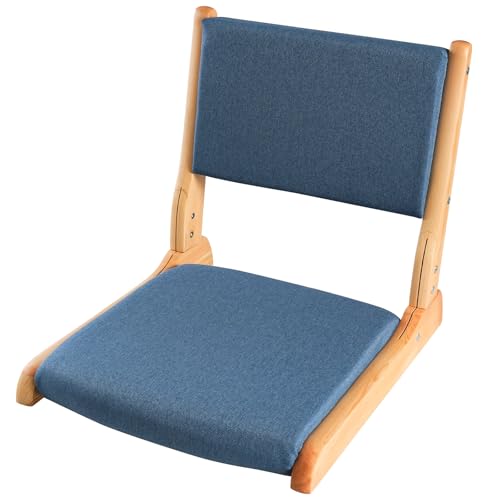
- Best for Meditation and Reading Corners: YOUKEEJOJO Floor Chair with Back Support — Foldable Tatami — a foldable tatami chair with a wooden frame and linen cushion, listed for meditation, reading and gaming — in blue. Check the current price on Amazon.
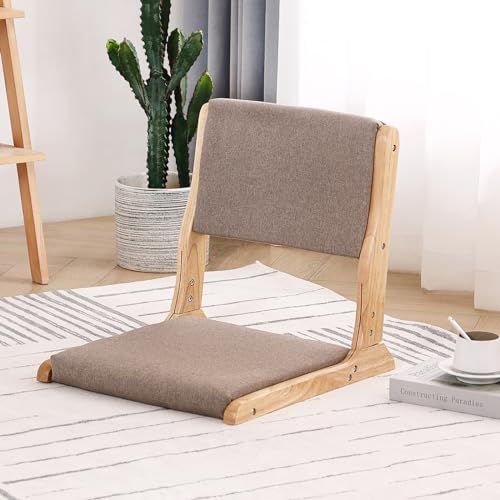
- Best Value Folding Pick: Tiita Foldable Meditation Floor Chair — a foldable floor chair with back support and included cushion in wood grey — the storage-friendly all-rounder. Check the current price on Amazon.
- Best Traditional Solid Wood: LYDMTSW Japanese Floor Chair — Solid Wood Frame Tatami Chair — a legless tatami chair with a solid wood frame and soft cushion, listed for meditation and reading — the traditionalist’s alternative. Check the current price on Amazon.
How These Picks Were Chosen
The method for this guide began with the brand searches, because the search names a country whose famous makers define the category in buyers’ minds. Three searches were run against Amazon’s catalog: Okamura office chairs, Kokuyo office chairs, and Itoki office chairs. Each returned a page of generic ergonomic chairs from other brands and not one listing from the brand named. A follow-up search on a flagship model name produced the same result. That is a NO-MATCH, recorded here and in the sourcing notes: as of the verification date, the API cannot confirm any Amazon listing for a Japanese-maker desk chair, so none is linked and none is described with invented specifications.
Attention then turned to the zaisu category, where two further API searches — zaisu floor chairs and Japanese floor chairs — returned genuine, on-category listings. Candidates were screened on the usual rules: the listing title had to describe a complete chair (not a cushion, cover or accessory), the Japanese or tatami or zaisu character had to be in the listing itself rather than in our imagination, and folding or frame claims had to come from the title. Generic floor gaming chairs with recliner mechanisms were excluded as a different product family — they are lounge chairs that happen to sit on the floor, not Japanese floor chairs — and loose floor cushions without back support were excluded because a cushion is not a chair.
The six survivors divide the real zaisu decisions: the classic wood low-back form, a solid-wood kotatsu-oriented design, two folding models for storage, a linen-cushioned meditation-leaning chair, and a second solid-wood frame at a different construction point. Prices were returned by the listing for internal context only; no price appears in this article, and none of the picks carries a rating or review count, here or anywhere in this guide.
The 6 Best Japanese Office Chairs

Japanese Floor Chair — Zaisu Meditation Chair (Wood Low-Back Tatami) — Best Overall Zaisu
This is the reference design for the category: a legless wooden zaisu with a low backrest and a soft cushion, armless and portable, finished in a grey mat with natural wood. Amazon’s catalog records the brand for this listing as Generic — it is an unbranded version of the classic form — and this review names it by its listing title rather than inventing a maker. For a buyer who wants the traditional zaisu shape for a low desk, a kotatsu or a reading corner, this is the purest expression of it in the guide.
Strengths
- Classic zaisu geometry — low back, legless, floor-height seat
- Wood frame with a soft cushion covers both structure and comfort
- Armless and portable: moves between rooms and stores easily
Trade-offs
- Brand is recorded as Generic — buy on the listing’s stated construction, not a name
- Low back supports the lumbar area, not the shoulders or head
- A zaisu only works at floor-level surfaces; it cannot pair with a standard desk
| Style | Zaisu — legless floor chair (per listing) |
| Frame | Wood, low-back (per listing) |
| Cushion | Soft cushion included (per listing) |
| Arms | Armless, portable (per listing) |
| Color shown | Grey mat, Natural Wood |
Judge a zaisu by three things: whether the backrest meets your lower back at a supportive angle, whether the cushion keeps floor hardness out of a long sit, and whether the frame feels like furniture rather than camping gear. This design’s low wooden back is the traditional answer to the first — zaisu backs are deliberately low, encouraging an upright, self-supported posture rather than a slouch into a tall chair back. The soft cushion addresses the second, and the wood frame the third. Expect the first week to be an adjustment if you are new to floor sitting: sessions lengthen as your hips and back adapt, and a folded blanket under the chair on hard floors is a legitimate comfort addition. For tatami rooms, tea corners, low writing desks and bay-window seats, this is the guide’s default recommendation — the form itself, honestly presented.
Best for: low desks, kotatsu tables, tatami rooms and traditional floor workstations / Not suited for: standard-height desks, or anyone who needs shoulder and head support
Check the current price on Amazon

DECAKE Japanese Floor Chair — Zaisu with Solid Wood Frame — Best for Kotatsu and Low Desks
The DECAKE listing names its intended setting outright: a low kotatsu seat. A kotatsu — the low, heated table with a blanket skirt that anchors Japanese winter living rooms — demands a chair that slides under a low table frame, supports the back through long, warm sessions, and has no legs to tangle with the table’s. This zaisu answers with a solid wood frame and back support, finished in walnut with a white wool-style cushion per its title.
Strengths
- Solid wood frame stated in the listing — the durability pick of the guide
- Kotatsu-specific positioning suits low heated tables and low desks alike
- Walnut-and-white finish suits Japanese and Scandinavian interiors
Trade-offs
- Light-colored cushion will show wear and spills first
- Solid wood is the heaviest construction style anywhere in this guide — less portable by design, and proud of it
- Listing does not state folding, so assume it stores as-is
| Style | Zaisu meditation chair with back support (per listing) |
| Frame | Solid wood (per listing) |
| Setting | Low kotatsu seat (per listing) |
| Color shown | Walnut Color, White Wool |
If your floor setup is permanent — a kotatsu that stays up all winter, a low desk that is your daily workstation — portability stops mattering and frame quality becomes the whole decision. That is this pick’s argument. A solid wood frame, cared for like any wooden furniture, should outlast the folding mechanisms and lighter frames elsewhere in this guide, and the walnut finish is chosen to be looked at daily. The white wool-style cushion is the honest counterweight: beautiful against walnut, first to show coffee. Treat it as you would a light upholstery fabric, with a washable throw over it during meals. For the committed low-desk worker, this is the chair to buy once.
Best for: permanent kotatsu and low-desk setups, durability-first buyers / Not suited for: anyone who needs to fold the chair away between uses
Check the current price on Amazon

HollyHOME Foldable Japanese Style Floor Chair — Best Foldable for Small Rooms
Small rooms are where zaisu shine brightest, and this HollyHOME design adds the feature small rooms need most: it folds. The verified listing describes a floor chair with back support in the Japanese style — a wood legless tatami chair with a cushion — that folds for storage, in beige. Two of them serve a low table for a working session or a meal, then disappear into a closet or behind a door.
Strengths
- Folds flat — the decisive feature for apartments and multi-use rooms
- Wood legless frame keeps the traditional tatami form
- Beige palette disappears into most interiors when in use
Trade-offs
- Folding mechanisms and their locking hardware are the long-term wear point of any folding chair, whatever the price tier or brand
- Beige shows dirt readily in a floor-level product
- Back support is in the low zaisu style, not a tall chair back
| Style | Foldable Japanese style floor chair (per listing) |
| Frame | Wood, legless tatami form (per listing) |
| Cushion | Included (per listing) |
| Color shown | Beige |
The folding zaisu is the right answer to a specific modern problem: the room that is an office by day, a dining space by night and a guest room twice a year. A pair of these chairs plus a low folding table is a complete Japanese-style work-and-dine setup that stores in a square meter. In use, expect the standard zaisu posture and support; the folding joint is the thing to inspect on arrival and to treat gently — never force it, and fold it fully rather than leaning it half-closed. HollyHOME appears twice in the wider floor-chair market with several similar models; this pick is the one whose listing states the foldable Japanese-style form with the wood legless frame, and it is the one this guide stands behind. For renters and small-space workers, it is the most livable pick here.
Best for: apartments, multi-use rooms and anyone who must store chairs away / Not suited for: permanent setups where a solid frame’s longevity matters more
Check the current price on Amazon
YOUKEEJOJO Floor Chair with Back Support — Foldable Tatami — Best for Meditation and Reading Corners
The YOUKEEJOJO listing describes its chair the way owners actually use these products: for meditation, reading, gaming and bay windows, on a wooden frame with a linen cushion, folding when done. Linen is the interesting material choice here — where most cushions in this category are synthetic, a linen cushion breathes, ages gracefully and suits the calm, natural-material corners this chair is aimed at.
Strengths
- Linen cushion — breathable and natural-feeling against the skin
- Folds for storage like the HollyHOME pick
- Blue colorway is a genuine alternative to the category’s beige default
Trade-offs
- Linen wants gentler cleaning than synthetic covers
- Gaming here means relaxed floor gaming, not an esports setup
- Low zaisu back, as with every pick in this guide
| Style | Foldable tatami floor chair (per listing) |
| Frame | Wooden (per listing) |
| Cushion | Linen (per listing) |
| Color shown | Blue |
| Listed uses | Meditation, reading, gaming, bay window (per listing) |
Choose this chair for the corner, not the desk: the bay window where you read, the meditation spot that needs back support to hold a sitting practice, the low bookshelf nook. Linen’s texture is the daily pleasure — it does not stick to skin in summer the way synthetic cushions do, and it softens with age rather than pilling. The folding frame keeps the corner flexible. One expectation to set honestly: meditation and reading sessions in a zaisu are active sitting, with the backrest as a support rather than a recline. Practitioners who sit for long periods often pair a zaisu with a separate thin floor cushion underneath, and that combination — chair plus pad — is the traditional, comfortable answer this pick slots into.
Best for: meditation corners, reading nooks, bay windows and natural-material homes / Not suited for: buyers wanting a wipe-clean synthetic cushion for kids or pets
Check the current price on Amazon
Tiita Foldable Meditation Floor Chair — Best Value Folding Pick
Tiita’s entry is the straightforward value in the folding class: a meditation floor chair with back support, an included cushion and a wood-grey finish, whose listing emphasizes that it folds for easier storage. The brand sells the same design as a two-pack in a walnut-grey variant that also surfaced in verification; this pick is the single chair in wood grey, and the two-pack is worth knowing about if your setup needs a matched pair.
Strengths
- Folds flat, with storage called out in the listing itself
- Cushion included — nothing else to buy to start sitting
- Wood grey finish suits modern, muted interiors
Trade-offs
- Listing title does not specify frame material beyond the wood finish — judge on arrival
- Value positioning means simpler finishing than the solid-wood picks
- Single-chair listing; pairs cost a second purchase unless the two-pack is chosen
| Style | Foldable meditation floor chair (per listing) |
| Back | Back support (per listing) |
| Cushion | Included (per listing) |
| Finish | Wood Grey (per listing) |
| Storage | Folds for easier storage (per listing) |
This is the pick for the buyer who wants to try floor sitting without committing to furniture-grade prices or a permanent footprint. Set it up for a work session at a low table, fold it behind the sofa after. The included cushion and back support cover the functional basics honestly, and the grey wood finish is forgiving of the scuffs floor-level furniture collects. Its limits are the value tier’s usual ones: finishing and hardware will not match the solid-wood DECAKE, and the listing’s silence on frame specifics means the first inspection matters — check joints and the folding action in the return window. As an entry point into Japanese-style floor work, it is the lowest-regret way in.
Best for: first-time floor sitters, renters and flexible work corners / Not suited for: buyers seeking a permanent, furniture-grade solid wood chair
Check the current price on Amazon

LYDMTSW Japanese Floor Chair — Solid Wood Frame Tatami Chair — Best Traditional Solid Wood
The LYDMTSW listing is the second solid-wood entry in this guide, and it earns its place by offering the traditional specification — a legless tatami chair with back support, a solid wood frame and a soft cushion, for meditation, reading and living-room floor seating — in a plainer, more traditional presentation than the DECAKE’s styled walnut-and-white. Two solid-wood options matter because this is the construction tier where the chair becomes furniture.
Strengths
- Solid wood frame stated in the listing
- Traditional legless tatami form without styling markups
- Soft cushion included for floor comfort
Trade-offs
- Listing gives fewer finish and color details than rivals — verify options on the page
- No folding stated; it stores at full size
- Brand is a marketplace name; construction, not brand, is the buying basis
| Style | Japanese floor chair / tatami chair (per listing) |
| Frame | Solid wood (per listing) |
| Form | Legless, low floor seating (per listing) |
| Cushion | Soft cushion (per listing) |
Compare this pick directly with the DECAKE before choosing between them: both state solid wood frames and back support in the zaisu form. The DECAKE presents a styled finish and kotatsu-specific positioning; this chair presents the traditional specification more plainly, which some buyers will prefer for a meditation room or a tatami space where the styled look would be out of place. In use they serve the same posture and the same rooms. The discipline for both is identical: inspect the frame and joints on arrival, keep the wood out of standing damp, and add a floor pad beneath on hard surfaces to protect both floor and frame. For traditionalists, this is the shortlist’s quiet option.
Best for: tatami rooms, meditation spaces and traditional interiors / Not suited for: anyone needing folding storage or a styled designer finish
Check the current price on Amazon
Comparison Table
| Pick | Badge | Key spec | Best for |
|---|---|---|---|
| Japanese Floor Chair — Zaisu Meditation Chair (Wood Low-Back Tatami) | Best Overall Zaisu | Wood low-back frame; soft cushion; portable, armless (per listing) | low desks, kotatsu tables, tatami rooms and traditional floor workstations |
| DECAKE Japanese Floor Chair — Zaisu with Solid Wood Frame | Best for Kotatsu and Low Desks | Solid wood frame (per listing); kotatsu-oriented low seat | permanent kotatsu and low-desk setups, durability-first buyers |
| HollyHOME Foldable Japanese Style Floor Chair | Best Foldable for Small Rooms | Foldable; wood legless frame; cushion included (per listing) | apartments, multi-use rooms and anyone who must store chairs away |
| YOUKEEJOJO Floor Chair with Back Support — Foldable Tatami | Best for Meditation and Reading Corners | Foldable; wooden frame; linen cushion (per listing) | meditation corners, reading nooks, bay windows and natural-material homes |
| Tiita Foldable Meditation Floor Chair | Best Value Folding Pick | Foldable; back support; cushion included (per listing) | first-time floor sitters, renters and flexible work corners |
| LYDMTSW Japanese Floor Chair — Solid Wood Frame Tatami Chair | Best Traditional Solid Wood | Solid wood frame; legless; soft cushion (per listing) | tatami rooms, meditation spaces and traditional interiors |
What About Okamura, Kokuyo and Itoki? The Desk-Chair Situation, Honestly
This is the section most roundups fake, so here is the unvarnished version. Japan’s great office-chair makers — Okamura with its Sylphy and Contessa lines, Kokuyo, and Itoki — build superb ergonomic desk chairs. They are also, as of this guide’s verification, effectively absent from Amazon’s US catalog in any form Amazon listing data can confirm. Three direct brand searches returned pages of unrelated generic chairs and zero listings from the brands searched. That is why there is no Okamura desk chair pick here, and no Kokuyo one either: both makers are covered without a link, with no purchase link, because no listing for either brand could be confirmed.
Where do people actually buy these chairs? Through office-furniture dealers, importers and the makers’ own regional channels, at prices that reflect professional procurement rather than consumer retail — and often with lead times, freight delivery and warranty terms unlike an Amazon purchase. Used examples circulate through office-liquidation channels in major cities. If your heart is set on a Japanese-maker desk chair, those are the real routes, and any website offering you a one-click “Okamura” at a consumer price deserves the five-step skepticism this guide applies everywhere: find the brand confirmation, or do not pay.
Why include the zaisu category in the same guide at all? Because search behavior says the keyword serves both audiences, and the floor-chair audience is the one Amazon genuinely stocks. The honest structure — linked picks where verification exists, plain prose where it does not — is the only structure that respects both. If desk-chair listings from these makers are ever confirmed in the catalog, they would belong in this section.
Zaisu Explained: What a Japanese Floor Chair Actually Is
A zaisu is a chair with a back and no legs: the seat sits at floor level, and the sitter’s legs fold beneath or before them — cross-legged, kneeling in seiza, or stretched forward, depending on the table and the person. The form comes from tatami-room life, where furniture must not damage woven straw floors and where low tables set the geometry of everything. Back support is the zaisu’s defining addition over a bare floor cushion; the low backrest meets the sitter’s lumbar region and makes hours of floor sitting sustainable.
In a modern home office, the zaisu pairs with surfaces at roughly coffee-table height or below: kotatsu tables, low writing desks, floor desks designed for the purpose, and laptop stands used on the floor. It does not pair with a standard desk — a point this guide repeats because it is the category’s number-one mismatch return. The working posture is upright and active; many floor workers find it keeps them alert and mobile, rising and reseating through the day in a way a wheeled chair never prompts.
Expect an adaptation period. Hips, ankles and lower back that have spent decades in 18-inch chairs need one to three weeks of lengthening sessions to floor-sit comfortably for hours. Start with shorter sits, add a floor cushion under the chair on hard floors, and let the practice build. People who adapt tend to become devoted; people who need recline, height adjustment or wheels should buy a desk chair instead — from the dealer channels described above, or from the broader ergonomic market with eyes open about origin claims.
How to Choose a Zaisu: Frame, Folding and Cushion
Frame first. Solid wood frames — the DECAKE and LYDMTSW picks — are the durability and furniture tier: heavier, fixed in size, and built to be kept. Folding frames — HollyHOME, YOUKEEJOJO and Tiita — trade some of that permanence for the ability to store the chair flat, which in small homes is not a compromise but the entire point. Choose by whether your floor setup is permanent or occasional, and be honest: a folding chair bought for a permanent setup will age at its joints, and a solid chair bought for a closet-stored setup will end up donated.
Cushion second. The cushion is your interface with the floor for hours; linen breathes and suits meditation and summer, synthetics wipe clean and suit families, and wool-style finishes look best and need the gentlest care. Thickness claims are rarely stated in these listings, so judge by the listing photos and the return window rather than by adjectives. A separate thin floor pad under any zaisu is traditional and worth it on hardwood or tile.
Back third. All zaisu backs are low; the variation is in angle and padding. A slightly reclined back suits reading and kotatsu lounging; a more upright back suits desk work and meditation. The listings in this guide describe back support without engineering detail, so your first week’s sessions are the real test — use them, and the return window, deliberately.
Setting Up a Floor Workstation That Works All Day
A zaisu is one third of a floor workstation; the surface and the screen make the rest. Your low desk or table should put the work surface just above lap height when you are seated in the chair — kotatsu-height tables are the reference. A laptop directly on that surface will crane your neck within the hour; raise the screen on a stand or a stack of books to near eye level and use a separate keyboard at table height. That single ergonomic correction is the difference between a floor setup that lasts all day and one that becomes a novelty.
Lighting and power follow the floor plan: a low side lamp rather than overhead glare, and a power strip mounted or placed so cables do not cross your leg space — floor sitting means your feet and legs occupy the zone where desk cables usually dangle. Keep a folded blanket or floor pad within reach for the first weeks; adding it under the chair on hard floors extends sessions noticeably while your body adapts.
Finally, build movement in. Floor workers rise more easily than chair workers — use that. Stand, stretch and walk hourly; the zaisu’s gift is that getting up is a natural motion rather than an extraction. A floor workstation done this way is a legitimate all-day office, which is precisely how the form is used in Japan.
Caring for Wood Frames and Cushions
Wood zaisu frames want furniture care, scaled down: dust regularly, wipe spills immediately, and keep the frame out of standing damp — a zaisu stored against a wet basement wall will suffer like any wooden furniture. On hard floors, felt pads or a floor mat under the frame protect both the floor’s finish and the frame’s feet, and stop the slow sliding that floor chairs do on smooth surfaces.
Cushions divide by material. Synthetic covers usually tolerate spot cleaning and gentle washing per their labels; linen wants cooler, gentler treatment and air drying; wool-style finishes should be spot-cleaned and aired rather than soaked. In all cases, let cushions dry fully before the chair is folded or stored — a folding chair put away with a damp cushion is a mildew appointment.
Folding mechanisms deserve a seasonal check: work the joint, confirm it locks or settles as designed, and clear grit from the hinge area — floor-level furniture collects floor-level dirt exactly where its moving parts are. Ten minutes twice a year keeps a folding zaisu feeling new; neglect is the only real enemy these simple chairs have.
How to Set Up and Sit in a Zaisu Correctly
A zaisu rewards correct setup from the first session. Follow these steps to build the habit properly.
- Place the chair on the right surface. Tatami, carpet, a rug or a floor mat — a zaisu straight on hardwood or tile will slide and chill. A floor pad under the chair is traditional and practical.
- Match the table height. Sit in the chair and check your surface: a low desk or kotatsu should meet you just above lap level. If you are reaching up or hunching down, adjust the surface, not your spine.
- Raise the screen, separate the keyboard. For computer work, lift the display toward eye level with a stand and keep the keyboard at table height. This is the non-negotiable ergonomic step for all-day floor work.
- Choose your leg position deliberately. Cross-legged for most desk work; seiza (kneeling) for formal or meditation sits; legs extended under a kotatsu for relaxation. Alternate positions through the day — variety is the floor sitter’s ergonomic strategy.
- Build session length gradually. Start with 30-45 minutes and add time across two weeks. Hips and ankles adapt; forcing long sits on day one is how people conclude, wrongly, that floor sitting is not for them.
- Rise and reset hourly. Stand, walk, stretch. The zaisu makes rising easy — treat that as the feature it is, and your back will thank you at the end of the workday.
Common Buying Mistakes
Pairing a zaisu with a standard desk. The defining mistake of this category. A floor chair at a 29-inch desk is unusable — the geometry cannot be negotiated. Zaisu pair with low tables and floor desks only.
Buying a ‘Japanese chair’ on a headline. Generic mesh chairs surface in every Japanese-chair search. If the listing does not confirm a Japanese maker — or, for zaisu, the Japanese floor-chair form — the headline is decoration. This guide’s NO-MATCH on the famous makers is the honest state of the market.
Expecting recliner comfort. A zaisu offers supported, upright sitting — not lounging. Buyers who want to lean back for hours should buy a chair designed for it.
Skipping the adaptation period. Floor sitting is a physical skill that rebuilds over two weeks. Judging a zaisu by the first twenty minutes is judging running shoes by the first hundred yards.
Forgetting the floor itself. A zaisu on bare tile or hardwood slides, chills and scuffs. A mat or pad underneath is part of the product, not an accessory.
Final Recommendation
Decide first which keyword you actually meant. If it was a Japanese-maker desk chair — Okamura, Kokuyo, Itoki — the truthful answer is that Amazon’s catalog could not verify one at the time of checking; use the dealer and importer routes described in this guide, and use the prose guidance in this guide as the honest substitute for a pick. If it was a Japanese floor chair for real floor work, the picks are ready: the classic wood zaisu as the default, the DECAKE solid wood for a permanent kotatsu or low desk, the HollyHOME folding chair for small rooms, the YOUKEEJOJO linen-cushion chair for reading and meditation corners, the Tiita folding chair as the value entry, and the LYDMTSW solid wood chair for traditional rooms. Check the current price on Amazon, confirm the finish on the listing page, and give yourself two weeks to adapt before you judge the form. Related guides in this series cover the neighboring questions:
Best Ergonomic Office Chairs Home Best Desk Chairs Mesh Best Chairs For Sitting At Desk Best Ergonomic Chairs For Posture Best Desk Chairs For Extended Use Best Chairs For Bedroom Office
Frequently Asked Questions
Are Okamura chairs sold on Amazon?
Not in any form our verification could confirm. We searched Amazon’s catalog data for Okamura, Kokuyo and Itoki office chairs directly, and every search returned generic chairs from other brands with zero listings from the brand searched. These makers sell mainly through dealers and importers. Any listing claiming otherwise deserves close scrutiny of its brand field before you pay.
What is a zaisu?
A zaisu is a Japanese legless floor chair: a seat at floor level with a low backrest, designed for sitting at low tables on tatami or floors. It supports cross-legged, kneeling or extended-leg postures and is the traditional partner to kotatsu tables and low desks. All six linked picks in this guide are zaisu, each verified in its own listing.
Can I use a zaisu at a normal desk?
No. A standard desk is about 29 inches high, and a zaisu seats you at floor level — the geometry cannot work. Zaisu pair with low tables, kotatsu and floor desks, roughly coffee-table height. If your desk is standard height, you need a desk chair, and this guide’s desk-chair section explains where Japanese makers actually sell theirs.
Is floor sitting good for posture?
It encourages an upright, active sitting posture and frequent position changes, and many people find it keeps them alert. This guide makes no medical claims: if you have back, hip or knee conditions, floor sitting may be inappropriate, and a conventional ergonomic chair — plus professional advice — is the safer route. Healthy users should still build session length gradually over about two weeks.
What is the difference between a zaisu and a floor gaming chair?
Form and intent. A zaisu is a simple legless chair with a low back, in the Japanese tradition — the picks here are wood-framed and cushion-simple. Floor gaming chairs are usually large padded recliners with adjustable backs and armrests, descended from lounge furniture. They share the floor and nothing else; this guide covers zaisu and excluded the gaming format as a different product.
Do zaisu fold for storage?
Some do. Three picks in this guide — the HollyHOME, YOUKEEJOJO and Tiita — are folding designs whose listings state the feature, and they store flat in a closet or behind furniture. The solid wood picks do not fold; they are furniture for permanent setups. Choose based on whether your floor space is dedicated or borrowed.
What should I put under a zaisu on hardwood floors?
A rug, tatami-style mat or a thin floor pad. It stops sliding, protects the floor’s finish from the frame, insulates against cold floors and adds the thin layer of give that makes long floor sits comfortable. Sitting a wood frame directly on hardwood is the fastest way to scuff both.
How much space does a floor workstation need?
Less than a conventional desk setup — that is half its appeal. A zaisu and a low table occupy roughly a 4-by-4-foot footprint, and the folding picks in this guide reduce the stored footprint to a closet shelf. What the setup does need is a dedicated floor surface: a rug or mat defining the zone, room to extend your legs under the table, and floor-level power access so cables stay out of your leg space. In a studio apartment, the floor workstation is often the only full office that fits.


