Disclosure: airfryerkitchensupply.com is reader-supported. When you buy through links on our site, we may earn an affiliate commission at no extra cost to you.
Where to buy
If you are shopping for the best electric and gas smokers, start with the shortlist below — and with one clarification this guide makes up front: there is no mainstream smoker that burns both electricity and gas in a single chamber. Electric and gas are two fuel systems with different strengths, so this guide reviews the three best of each, verified against current listing data, and compares the systems head-to-head so you can choose your side with open eyes. Start with the Masterbuilt digital electric for the easiest operation in smoking, or the Masterbuilt ThermoTemp propane if you want gas heat with a thermostat’s discipline. Check the current price on Amazon for each pick, as configurations vary.
- Masterbuilt 30-inch Digital Electric Smoker MB20071117 — Best Electric Overall. Check the current price on Amazon.
- EAST OAK 30-inch Electric Smoker — Best Electric for Beginners. Check the current price on Amazon.
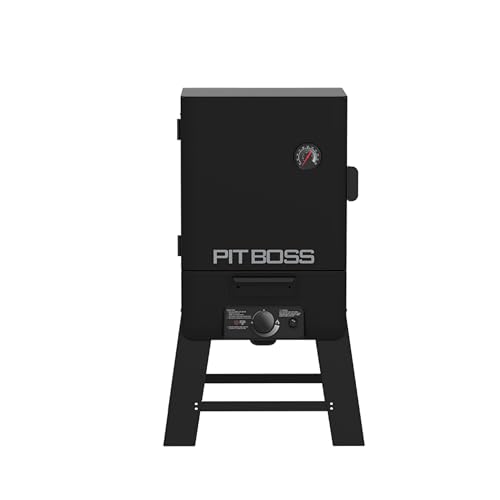
- Pit Boss 3-Series Electric Vertical Smoker — Best Big Electric Cabinet. Check the current price on Amazon.
- Masterbuilt MPS 230S Propane Smoker 30-inch — Best Compact Gas. Check the current price on Amazon.
- Masterbuilt 40-inch ThermoTemp Propane Smoker MB20051316 — Best Gas Overall. Check the current price on Amazon.
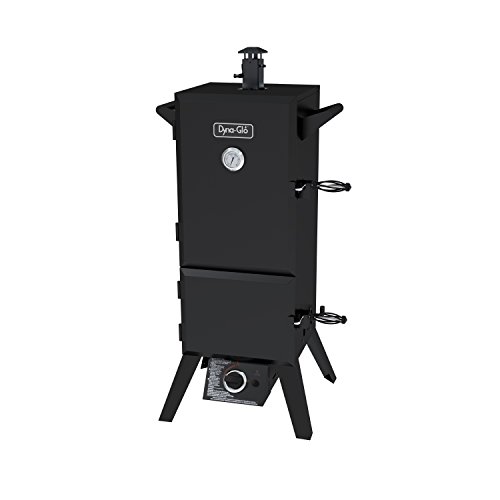
- Dyna-Glo DGY784BDP 36-inch Vertical LP Gas Smoker — Best Gas for Ribs and Gatherings. Check the current price on Amazon.
The best electric and gas smokers answer the same desire two different ways: real smoked food without tending a fire. Electric cabinets heat with an element and hold temperature like an oven — the simplest machines in barbecue. Propane smokers heat with a burner and bring gas virtues electric cannot match: no cord, higher heat, faster recovery and freedom from the outdoor outlet. Shoppers search for them together, and sometimes imagine a single machine that runs on both. It is worth saying plainly, here at the start: no mainstream smoker burns electricity and gas in one chamber. The honest purchase is a choice between systems, and this guide is built to make that choice well.
So the six picks divide three and three. On the electric side: Masterbuilt’s digital benchmark cabinet, EAST OAK’s windowed, probe-equipped cabinet, and Pit Boss’s big analog four-rack. On the gas side: Masterbuilt’s compact MPS 230S, its ThermoTemp 40-inch with genuine thermostat control of a gas burner — the feature that changes what propane smoking feels like — and Dyna-Glo’s wide 36-inch vertical built for rib racks and gatherings. Each review covers its machine on its own merits; the guide sections then compare the systems directly — running cost, temperature behaviour, flavour, placement and maintenance — so the final decision is a system decision, not a coin flip.
All six were verified against current listing data for capacity, racks, control type and temperature range as published. Prices move by variant and season and none are printed: check price on Amazon for each pick, and let the comparison sections translate the value of each system whenever you shop.
In this guide
Quick Picks
Three electric and three propane smokers, the best of each fuel system, with badges that name the system honestly so the comparison stays clear.
- Masterbuilt 30-inch Digital Electric Smoker MB20071117 — Best Electric Overall: The electric benchmark: digital thermostat, side chip loader, 710 square inches — the easiest temperature holding in this guide. See it: check price on Amazon.
- EAST OAK 30-inch Electric Smoker — Best Electric for Beginners: Electric ease made visible: a viewing window, built-in probe and side loader across 725 square inches. See it: check price on Amazon.
- Pit Boss 3-Series Electric Vertical Smoker — Best Big Electric Cabinet: 880 square inches over four racks with an analog controller and a 100–300°F range — electric capacity for gatherings. See it: check price on Amazon.
- Masterbuilt MPS 230S Propane Smoker 30-inch — Best Compact Gas: The 30-inch propane cabinet: burner heat, no cord, quick recovery — gas freedom in the classic cabinet format. See it: check price on Amazon.
- Masterbuilt 40-inch ThermoTemp Propane Smoker MB20051316 — Best Gas Overall: A thermostat-controlled propane burner across 960 square inches — the gas machine that answers electric’s best argument. See it: check price on Amazon.
- Dyna-Glo DGY784BDP 36-inch Vertical LP Gas Smoker — Best Gas for Ribs and Gatherings: A 36-inch LP gas vertical with a wide body built for rib racks and party loads, in a durable powder-coat finish. See it: check price on Amazon.
How These Picks Were Chosen
Selection required each side to be represented by its genuine best, not by straw men. Electric candidates needed thermostat-quality temperature holding, smoke generation from real wood chips, and fuel loading that does not dump the chamber’s heat — the traits that make electric the ease benchmark. Gas candidates needed stable low-temperature control (the historical weakness of propane smokers), sound burner and regulator design from established makers, and capacities matched to real family cooks.
Machines were cut when their gas burners could not hold smoking temperatures without constant intervention, when electric models relied on loose dials with no compensating virtue, or when construction fell below the durability floor this site applies to every smoker guide. One category note: dual-fuel cooking does exist in the wider market as combination grill units — a gas grill beside a charcoal or offset chamber, like the Char-Griller and Oklahoma Joe’s combos — but those are grill-and-smoker pairings, not a single electric-and-gas chamber, and they belong to this site’s grill guides rather than this one.
The 6 Best Electric and Gas Smokers, Reviewed

Masterbuilt 30-inch Digital Electric Smoker MB20071117 — Best Electric Overall
Check the current price on Amazon for the current listing, configuration and included attachments before you buy.
Electric’s case rests on one superpower: temperature obedience. This Masterbuilt’s digital thermostat holds the set point the way an oven does, for as many hours as the cook demands, while the side chip loader keeps wood smoke coming without opening the door. Seven hundred and ten square inches across its racks covers brisket, ribs and poultry in family combinations, and the whole operation — set, load, leave — is the lowest-effort routine in smoking.
For the electric-versus-gas decision, know its character precisely. Electric heat is clean and gentle, and the smoke it makes from smouldering chips is correspondingly mild: wonderful for poultry, fish, ribs and sausages, lighter on brisket bark than a live fire. It also needs an outdoor outlet within cord reach and gives you no searing or grilling range — it is a smoker, purely, and the best simple one there is.
As the electric side’s champion it earns the comparison’s respect: if your patio has power, your cooks are low-and-slow, and your priority is food that cannot be ruined by a wandering temperature, this is the machine the gas side has to beat — and on pure ease, it does not.
Strengths
- Digital thermostat holds temperature for entire cooks
- Side loader adds chips without opening the door
- Cheapest, simplest running in this guide
Trade-offs
- Requires an outdoor outlet within reach
- Gentlest smoke and bark of the six
- No grilling or high-heat capability
| Specification | Detail |
|---|---|
| Cooking area | 710 sq. in. |
| Control | Digital temperature control |
| Fuel loading | Side wood chip loader |
| System | Electric element, wood chips for smoke |
Best for: ease-first cooks with patio power smoking the classic low-and-slow repertoire / Not suited for: off-grid cooking, searing, or bark maximalists

EAST OAK 30-inch Electric Smoker — Best Electric for Beginners
Check the current price on Amazon for the current listing, configuration and included attachments before you buy.
The EAST OAK is what electric smoking looks like when designed around the cook’s information needs. The viewing window shows the cook developing — bark setting, fat rendering — without a single door opening, and the built-in meat probe reports doneness from the display. For a beginner choosing between systems, that visibility is electric’s friendliest face: the machine teaches while it cooks, and the first brisket stops being a leap of faith.
Its fundamentals match the benchmark: 725 square inches of capacity, a side chip loader credited with up to six times longer smoking per load — a genuinely useful interval on overnight cooks — and the element’s characteristic steadiness underneath. Against gas it makes the same system argument as every electric here, with better feedback than any of them: no flame to manage, no tank to gauge, just a number that stays where you put it.
The window asks a degreasing wipe between cooks, and the smoke character is electric-gentle. But for households deciding the system question on learnability — the fuel whose mistakes are easiest to see and correct — the EAST OAK is electric’s most persuasive ambassador in this guide.
Strengths
- Window and probe make progress and doneness visible
- Long chip-load interval suits overnight cooks
- Electric steadiness with beginner-friendly feedback
Trade-offs
- Window needs periodic degreasing
- Gentle electric smoke profile
- Shorter brand track record than Masterbuilt
| Specification | Detail |
|---|---|
| Cooking area | 725 sq. in. |
| Probe | Built-in meat probe |
| Window | Clear viewing window |
| System | Electric element, side chip loader |
Best for: beginners and visual cooks choosing the electric system / Not suited for: cooks wanting live-fire character or off-grid freedom
Pit Boss 3-Series Electric Vertical Smoker — Best Big Electric Cabinet
Check the current price on Amazon for the current listing, configuration and included attachments before you buy.
When the cook is a gathering, electric’s answer is this Pit Boss: 880 square inches across four racks — the largest cabinet in the guide, on either fuel — with an analog controller and a listed range of 100°F to 300°F that spans gentle work through standard barbecue. Two briskets, a rib shelf and a chicken shelf at once, all on electricity’s cheap, steady heat, is a combination no gas model here matches for sheer fed-people-per-effort.
The analog dial is the deliberate trade: it holds a neighbourhood rather than a digital point, which on long cooks matters less than beginners fear — thermal mass and a full cabinet smooth the swings — and it keeps the machine’s price tier and failure modes simple. Pair it with a probe thermometer, learn its dial positions across two cooks, and the system is fully in hand.
Choose it as electric’s capacity play: parties, church-and-family cooks, batch smoking for the freezer. Its chip tray access is less elegant than the side loaders, and precision cooks should take the digital Masterbuilt — but as proof that electric scales, it closes the argument that big smoking requires fire.
Strengths
- Largest capacity in this guide on either fuel
- Four racks suit true batch and gathering cooks
- Wide listed range from 100°F to 300°F
Trade-offs
- Analog control holds a range, not a point
- Chip tray less convenient than a side loader
- Big cabinet needs its patio corner permanently
| Specification | Detail |
|---|---|
| Cooking area | 880 sq. in. |
| Racks | 4-rack cooking space |
| Control | Analog controller |
| Range | 100°F to 300°F |
| System | Electric element, wood chip tray |
Best for: gathering-scale cooks who want electric simplicity at volume / Not suited for: precision-focused cooks or small households

Masterbuilt MPS 230S Propane Smoker 30-inch — Best Compact Gas
Check the current price on Amazon for the current listing, configuration and included attachments before you buy.
The MPS 230S is gas in its classic form: a 30-inch vertical cabinet heated by a propane burner, in the format Masterbuilt’s electric models made familiar, freed from the cord. Place it anywhere outdoors — the far patio corner, the cabin, the tailgate field — light the burner, and the cabinet comes to temperature with a speed electric elements cannot match, and recovers after door openings with the same brisk authority.
That recovery and range are gas’s native virtues. A burner shrugs off a cold, windy day that makes an element work hard, and it can push heat for the cooks that want it. The cook’s side of the bargain is attention: a standard propane smoker’s temperature is a relationship between burner setting, vents and weather, learned across the first cooks and then held with small adjustments. It is not difficult, but it is a skill, and this guide will not pretend it is a thermostat.
As the compact gas entry it suits the cook whose site has no power, whose cooks travel, or who simply prefers fire’s responsiveness. Pair it with a probe thermometer and a spare tank — gas’s two essential accessories — and it is a complete, mobile smoking system in a cabinet footprint.
Strengths
- No cord — place and cook anywhere outdoors
- Fast heat-up and strong recovery after openings
- Classic cabinet format, compact 30-inch footprint
Trade-offs
- Temperature is managed, not thermostatted
- Tank level must be watched; a spare is wise
- Flame needs wind awareness in placement
| Specification | Detail |
|---|---|
| Size | 30-inch vertical propane smoker |
| System | Propane burner, wood chips for smoke |
| Format | Vertical cabinet |
Best for: cord-free sites, travellers and cooks who prefer burner response / Not suited for: set-and-forget cooks who want a thermostat’s obedience

Masterbuilt 40-inch ThermoTemp Propane Smoker MB20051316 — Best Gas Overall
Check the current price on Amazon for the current listing, configuration and included attachments before you buy.
The ThermoTemp is the most important gas smoker in this guide because it removes propane’s historic objection. Its thermostat actually governs the burner: set the temperature on the dial and the system cycles the gas to hold it, the way an oven does — delivering electric-style obedience from a flame. For the shopper torn between systems, this machine is where the comparison gets genuinely difficult, and deliberately so.
Scale matches the ambition: 960 square inches in a 40-inch cabinet is the biggest cooking space here, sized for full packer briskets with room, multiple butts, and gathering-scale rib production, all with gas’s fast recovery when the door opens for wrapping or loading. The burner brings placement freedom too — no outlet required, heat that laughs at cold mornings, and a cook that continues through a power cut without noticing.
Gas ownership’s honest items remain: a tank to gauge and eventually refill mid-cook if you run it carelessly (a spare tank is the entire solution), a burner to keep clean, and a purchase tier above the simple MPS. But judged as a system answer — thermostat control, biggest capacity, total placement freedom — the ThermoTemp is the strongest single machine in this comparison, and the one that makes ‘electric or gas?’ a real question instead of a default.
Strengths
- True thermostat control of a propane burner
- Largest gas capacity: 960 sq. in. in a 40-inch cabinet
- No outlet needed; fast, weather-proof heat recovery
Trade-offs
- Tank management is part of ownership
- Highest gas tier in this guide
- Burner and thermostat hardware need periodic cleaning
| Specification | Detail |
|---|---|
| Cooking area | 960 sq. in. |
| Control | ThermoTemp thermostat control (analog dial) |
| Size | 40-inch vertical propane smoker |
| System | Propane burner with thermostat, wood chips for smoke |
Best for: cooks wanting thermostat ease with gas freedom and maximum capacity / Not suited for: small households or the tightest budgets
Dyna-Glo DGY784BDP 36-inch Vertical LP Gas Smoker — Best Gas for Ribs and Gatherings
Check the current price on Amazon for the current listing, configuration and included attachments before you buy.
Dyna-Glo’s 36-inch vertical is the gas smoker shaped by a specific insight: ribs are wide, parties are hungry, and a broad cabinet that swallows full rib racks flat — no cutting, no curling — is worth more than raw square inches. Its vertical LP format stacks that width through multiple levels, so a gathering’s worth of ribs, chickens and sides smokes in one burner run, anywhere a tank can stand.
As a gas citizen it shares the system’s virtues — cord-free placement, fast heat, strong recovery — in a powder-coated cabinet built for outdoor life. Temperature management follows the classic propane pattern of burner and vent judgement, learned over the first cooks; the wide body’s thermal mass helps stability once settled, and the format’s long production history means parts, covers and owner knowledge are easy to find.
It concedes the ThermoTemp’s thermostat and the electrics’ set-and-forget calm, and its appetite for propane on long cooks asks for the spare-tank habit. What it returns is the gathering cook’s favourite geometry at a gas tier below the flagship: if your smoking calendar is written in rib racks and full houses, this is your side of the comparison, in your shape.
Strengths
- Wide body fits full rib racks flat
- Gathering capacity in a mid gas tier
- Durable powder-coat cabinet, long production history
Trade-offs
- Manual temperature management, no thermostat
- Long cooks need tank discipline
- No electric-style set-and-forget operation
| Specification | Detail |
|---|---|
| Size | 36-inch vertical LP gas smoker |
| Finish | Black powder coat |
| System | Propane burner, vertical cabinet |
Best for: rib-focused and gathering cooks who want gas freedom / Not suited for: solo cooks or thermostat-first buyers
Comparison Table
| Pick | Badge | Key spec | Best for |
|---|---|---|---|
| Masterbuilt 30-inch Digital Electric Smoker MB20071117 | Best Electric Overall | Electric — 710 sq in, digital, side loader | ease-first cooks with patio power smoking the classic low-and-slow repertoire |
| EAST OAK 30-inch Electric Smoker | Best Electric for Beginners | Electric — 725 sq in, window + probe, side loader | beginners and visual cooks choosing the electric system |
| Pit Boss 3-Series Electric Vertical Smoker | Best Big Electric Cabinet | Electric — 880 sq in, 4 racks, analog dial | gathering-scale cooks who want electric simplicity at volume |
| Masterbuilt MPS 230S Propane Smoker 30-inch | Best Compact Gas | Gas — 30-inch propane cabinet | cord-free sites, travellers and cooks who prefer burner response |
| Masterbuilt 40-inch ThermoTemp Propane Smoker MB20051316 | Best Gas Overall | Gas — 960 sq in, ThermoTemp thermostat, 40-inch | cooks wanting thermostat ease with gas freedom and maximum capacity |
| Dyna-Glo DGY784BDP 36-inch Vertical LP Gas Smoker | Best Gas for Ribs and Gatherings | Gas — 36-inch wide vertical, gathering capacity | rib-focused and gathering cooks who want gas freedom |
Read the System column first — it is the real decision. Within each system, the rows run from ease and feedback (electric) through capacity, and from compact classic to thermostat flagship (gas).
Electric vs Gas Smokers: The Head-to-Head
Temperature behaviour: electric elements under digital thermostats (Masterbuilt) hold the tightest line in this comparison; the ThermoTemp’s gas thermostat runs them remarkably close; conventional gas (MPS 230S, Dyna-Glo) holds a managed range that the cook supervises. Flavour: gas burners produce a slightly more assertive result than elements at the same chip load, because combustion air movement and burner heat change how chips smoulder — both are gentler than charcoal, and both are real wood smoke. Running cost: electricity is the cheapest heat in barbecue per hour; propane costs more per cook and adds tank logistics, while buying placement freedom and recovery speed. Placement: electric needs an outlet and a dry-weather conscience; gas goes anywhere outdoors with sensible clearances and wind awareness.
- Choose electric if: you have patio power, value set-and-forget above all, smoke mostly poultry, ribs and fish, and want the lowest running cost.
- Choose gas if: your site lacks power, you cook in cold or windy conditions, you want fast heat-up and recovery, or your cooks travel.
- Choose the ThermoTemp if: you want gas freedom with a thermostat — it is the bridge machine of this comparison.
- Either system: budget for a probe thermometer and, for gas, a spare tank. Those two accessories close most of the real-world gap between the systems.
- Neither system: sears or grills. These are smokers; the grill decision is a separate one, covered in this site’s grill guides.
And the dual-fuel question, answered in full: combination units that pair a gas grill with a charcoal or offset smoker chamber exist and can be excellent — but the fuels live in separate chambers doing separate jobs. A single chamber that smokes on electricity or gas interchangeably is not a mainstream product, because the heat sources demand different cabinet engineering. Anyone selling you that idea is selling you a grill combo under a smoker’s name; buy it as a combo, with open eyes, if a combo is what you want.
Getting the Best From Each System
Electric cabinets reward a warm-up ritual: preheat fully before loading, keep the door shut with religious discipline (the element’s recovery is the slowest here), and place chips for the early hours when food takes smoke best. Gas smokers reward burner craft: light and settle the flame before loading, learn your cooker’s vent-and-burner balance on a cheap cook first, shield the cabinet from wind that worries the flame, and keep the burner ports clean — a lazy, yellow flame is a dirty burner asking for attention, and it will show in the food. Both systems reward the same cook’s virtues: probes over clocks, patience over peeking, and notes over memory.
Safety and Placement, By System
Electric: outdoor-rated use only, a sound outdoor outlet, the cord routed where it cannot be tripped over, melted or soaked, and never an indoor or garage cook — smoke and carbon monoxide make all smokers outdoor equipment regardless of fuel. Gas: leak-check connections with soapy water when a tank is changed, keep the spare tank stored outdoors and upright away from heat, maintain the maker’s clearances from structures, and shut the tank valve — not just the dial — when the cook ends. Neither list is long, and both are absolute: the systems are safe exactly as long as their short rules are kept.
How to Run Your First Cook on an Electric or Gas Smoker
The systems differ in heat source but share a workflow. This sequence marks the two places where the paths divide, so a first cook on either fuel runs cleanly.
- Place the smoker outdoors on level ground with the maker’s clearances. Electric: confirm the outlet and cord route. Gas: connect the tank, open its valve and leak-check the connections with soapy water — bubbles mean stop and refit.
- Season the smoker if it is new, following the manual: an empty run with a small chip load burns off manufacturing residue and teaches you the machine’s heating character before food is at stake.
- Preheat to your cooking temperature and let it stabilise — a full fifteen minutes settled, not merely arrived. Electric cabinets especially reward a patient preheat with a steadier cook.
- Load the wood: chips in the tray or side loader for both systems. Load the food with air gaps between pieces, probe in the thickest part away from bone, and close the door once, deliberately.
- Manage by system. Electric: leave it alone; add chips only through the loader on their rhythm. Gas: check the flame’s stability and the temperature at the half hour, make one small adjustment if needed, then leave it alone on the same principle.
- Cook to probe temperature and texture, not the clock. If a gas tank fades mid-cook — falling temperature with a falling flame — swap to the spare tank calmly; the food will forgive ten minutes far sooner than an hour of decline.
- Rest the meat properly before slicing. While it rests, shut the system down correctly: electric off and unplugged once cool-headed, gas dial off and tank valve closed — in that order, every time, until it is reflex.
- Clean in the resting window: racks and pans out, grease points emptied, chip ash discarded when cold, burner area brushed on gas models. Fifteen minutes now is the whole maintenance contract.
Run one cook this way on either system and the electric-versus-gas question answers itself in your hands: you will know whether you loved the thermostat’s silence or the burner’s responsiveness — and that preference, honestly observed, is the right buying guide for your second decade of smoking.
Temperature Control, System by System
The comparison turns on how each heat source is governed. An electric element is a binary device — on or off — so a digital thermostat simply cycles it, and the cabinet’s thermal mass smooths the cycling into a remarkably flat line. That is why the digital Masterbuilt is this guide’s steadiness benchmark: the physics of the system favour flatness. Analog electric control, as on the Pit Boss, cycles the element around a dial’s neighbourhood instead, trading a few degrees of wander for simplicity and tier.
A gas burner is an analogue device — a continuous flame — and governing it splits this guide’s gas side in two. The ThermoTemp’s thermostat modulates the burner to hold a set temperature, achieving electric-style flatness from combustion, which is why it is the bridge machine of the comparison. Conventional gas smokers ask the cook to be the thermostat: burner setting balanced against vents and weather, held with occasional small corrections. Experienced propane cooks do this almost unconsciously and produce superb food; beginners should simply know which of the two gas experiences they are buying, because the reviews price that difference honestly.
Flavour Chemistry: Element vs Flame
Both systems smoke with real wood chips; they differ in what else the heat source contributes. An element contributes nothing but heat — the cleanest possible canvas — so electric smoke flavour is purely the wood’s, delivered gently as chips smoulder at element temperature. A gas flame contributes combustion itself: moving hot air, trace combustion character, and a drying effect at the food’s surface that many cooks credit for gas smokers’ slightly firmer bark. Neither contribution is large beside the wood, the seasoning and the cook’s patience, which is why this guide ranks the systems by operation and placement first and treats flavour as a genuine but second-order difference.
Chip practice differs subtly by system. In electric cabinets, chips smoulder steadily and a modest load lasts; overloading produces the bitter white smoke every beginner is warned about. Over a gas burner, chips ignite more readily, so the tray or box design matters and a slightly larger, better-shielded load often smokes cleaner. In both systems the early hours carry the flavour — food takes smoke most readily while its surface is cool and moist — so the practical art is identical: right wood, right amount, early, and then let heat and time finish the work.
Total Cost of Ownership, Honestly Compared
Purchase tiers first: analog electrics are the cheapest entry here, digital electrics and classic gas cabinets share the middle, and the ThermoTemp’s governed burner tops this guide’s range. Running costs reverse part of that order over time. Electricity at smoking temperatures is the cheapest heat in the comparison by a clear margin, and chips are negligible on both systems. Propane costs more per cook — a standard tank delivers many long cooks, but not free ones — and adds the logistics of refills and the spare-tank discipline this guide recommends.
Ownership’s third term is longevity and care. Electric cabinets ask for element and control longevity, both favoured by dry storage and clean seals. Gas cabinets ask for burner hygiene — ports brushed, spider webs cleared from tubes (a real and classic cause of lazy flames), connections checked — and reward it with decades of service from a fundamentally simple machine. Neither system’s contract is heavy; both are lighter than charcoal’s ash discipline or pellets’ auger care. The honest summary: electric wins the spreadsheet narrowly, gas wins placement and responsiveness outright, and the ThermoTemp charges its premium to give you both ledgers at once.
Living With Your Choice: The First Season
Whichever system you choose, the first season follows the same arc, and knowing it in advance smooths both paths. The first three cooks are calibration: your electric’s exact steadiness or your gas burner’s dial character, your chip load against your palate, your probe routine becoming reflex. Cooks four to eight are repertoire: the chicken, ribs and butt that become the household standards, each with one variable adjusted at a time. By the season’s turn, the machine’s habits are known well enough that a brisket stops being an event and becomes a plan — which is the moment the electric-versus-gas debates of the internet reveal themselves as what they always were: two good answers arguing, while dinner cooks itself on either.
The season also teaches the system’s small devotions. Electric owners learn the preheat’s patience and the door’s discipline. Gas owners learn the tank gauge’s honesty, the burner’s cleaning rhythm, and the placement that keeps wind from worrying the flame. Neither list is a burden; both are the ordinary craft of owning a good tool, and both are lighter than the ash and auger disciplines of the charcoal and pellet worlds this guide’s readers were comparing against.
Keep a cook’s notebook through the season — cut, weight, temperature, time, wood, result — on paper or in a phone. It is the cheapest instrument in barbecue and the one that converts a first season’s scattered impressions into a second season’s quiet mastery, on whichever side of the electric-and-gas line you have chosen to live.
Myths of the Two Systems, Retired
Four myths follow this comparison around the internet, and retiring them clarifies the choice. Myth one: electric smokers do not make real barbecue. They burn real wood over real heat for real hours; the flavour is gentler, which is a profile, not an absence — as any poultry or fish cook who prefers it will testify. Myth two: gas smokers cannot hold low temperatures. The bargain end of the market earned that reputation, and the ThermoTemp in this guide exists as its standing refutation; judge the system by its governed best, not its cheapest worst. Myth three: one system is ‘healthier’ or ‘cleaner’ in some absolute sense. Both burn small quantities of wood in outdoor air; the meaningful differences are operational, and health claims in either direction are marketing wearing a lab coat.
Myth four is the subtlest: that the choice is permanent. It is not. The systems share racks, probes, woods, seasonings and — most importantly — the cook’s accumulated skill, all of which transfer completely when a household’s circumstances change: a move to a house without patio power, a cabin that gains it, a family that grows into gatherings. Buy for the patio and the life you have now, using the framework in this guide, and let the future make its own case when it arrives. The cooks who thrive are the ones whose equipment matches their present honestly — on either side of this comparison.
Two-Smoker Households and Other Happy Endings
A pattern repeats among experienced owners of both systems: they end up owning both. Not from indecision — from division of labour. The electric cabinet becomes the weekday and overnight machine, silent and certain, handling poultry, ribs and the brisket that cooks while the household sleeps. The gas smoker becomes the traveller and the weather machine: the cabin weekends, the cold-snap cooks, the gatherings away from the home patio’s outlet. Each system does what the comparison in this guide says it does best, and the rivalry dissolves into a rota. If your first purchase follows this guide and your second follows your experience, you will have bought correctly twice.
The same logic resolves the gift and second-home versions of the question. A cottage with uncertain power wants gas; a townhouse patio with a good outlet and close neighbours wants electric’s calm; a first smoker for a new household wants whichever system its patio answers more easily. There is no universal winner in this comparison because there is no universal patio — there are only systems, honestly described, and cooks willing to match them to the ground they actually cook on. That matching, done once and done well, is the whole purpose of the six reviews above.
Common Buying Mistakes
Shopping for a single electric-and-gas chamber. It does not exist as a mainstream smoker. What exists are excellent single-fuel machines and separate grill combos. Buying a combo under a misunderstanding produces the wrong tool for both jobs.
Running an electric smoker on an indoor or sketchy outlet. All smokers are outdoor equipment. Add electricity’s rules — sound outlet, sane cord route, no soaking — and keep them absolutely; convenience is not an exemption.
Letting a gas tank run dry mid-brisket. The most preventable failure in gas smoking. Gauge the tank before long cooks and keep a spare: the entire solution costs one tank and removes the category’s classic disaster.
Judging gas smokers by their cheapest examples. Loose low-temperature control on bargain propane units is a model flaw, not a system flaw. The ThermoTemp exists to prove what governed gas can do; compare systems at their best, as this guide does.
Opening the electric cabinet to compensate for slow recovery. Electric recovery is the slowest here, so every peek costs more than on gas. Use the loader, the probe and the window if fitted — the door is for loading and unloading, not for information.
Ignoring wind on a gas cook. Wind worries flames and steals heat from cabinets. A sheltered placement transforms a gas smoker’s stability; an exposed one manufactures the inconsistency beginners blame on the system.
Final Recommendation
Decide the system first, then the machine. If patio power is easy and your temperament is set-and-forget, electric wins and the Masterbuilt digital is its champion, with the EAST OAK for visual beginners and the Pit Boss for gatherings. If your site is cord-free, your weather is cold or your cooks travel, gas wins — the ThermoTemp if you want its thermostat and capacity, the MPS 230S for compact classic gas, the Dyna-Glo for rib-shaped gatherings. There is no dual-fuel chamber to hide in, and after a cook or two on either side, you will not miss it: both systems make excellent barbecue, and each makes it in its own honest way.
The companion guides below take the neighbouring lenses — pure ease, beginner operation and budget tiers — so you can triangulate the decision before the box arrives.
Start with the three safest first looks: Masterbuilt 30-inch Digital Electric Smoker MB20071117, EAST OAK 30-inch Electric Smoker, Pit Boss 3-Series Electric Vertical Smoker.
Keep reading in this series: Best Easy Smokers Best Easy To Use Smokers Best Economy Smokers Best Electric Smokers Best Propane Smokers
Frequently Asked Questions
Is there a smoker that runs on both electricity and gas?
Not as a single chamber in the mainstream market. Electric and gas smokers are separate systems with different cabinet engineering. Dual-fuel products are grill combinations — a gas grill beside a charcoal or offset chamber — which is a different purchase, covered in this site’s grill guides.
Which holds temperature better, electric or gas?
A digital electric cabinet holds the tightest line, with the thermostat-governed ThermoTemp propane a close second. Conventional gas smokers hold a managed range the cook supervises. For low-and-slow barbecue, all three behaviours produce excellent food.
Which tastes better, electric or gas smoked food?
Gas gives a slightly more assertive smoke at the same chip load; electric is cleaner and gentler, which many prefer for poultry and fish. Both burn real wood chips and both are far closer to each other than either is to charcoal or pellet flavour.
Which is cheaper to run?
Electricity, per hour of smoking, is the cheapest heat in this comparison, and chips cost pennies on both systems. Propane costs more per cook and adds tank refills, repaid in placement freedom, fast recovery and cold-weather strength.
Can I use a gas smoker without an outdoor outlet?
Yes — that is one of gas’s defining advantages, along with sites like cabins and tailgates. You will need propane, a lighter and a probe thermometer; no electricity is involved unless you add battery-powered monitoring.
Which system is safer?
Both are safe when their short rule sets are kept: electric demands outdoor use, a sound outlet and sane cord routing; gas demands leak checks, clearances and closing the tank valve after cooking. Neglected, either can bite; maintained, both are routine outdoor appliances.
Can I smoke in winter on electric or gas?
Yes — winter is where the two systems show their characters most clearly. Gas smokers are the stronger cold-weather performers, because a burner produces heat in depth and recovers quickly when the door opens into freezing air. Electric cabinets work happily in winter too, with two adjustments: allow a longer preheat so the cabinet and its thermal mass are fully settled before loading, and place the smoker out of direct wind, which strips heat from the cabinet walls. On both systems, expect somewhat higher fuel use in deep cold and give the cook the same probe-led patience as any other season.

