Outdoor chair cushions have to fit the seat, stay attached and cope with the weather. Photos do not show how a cushion sits on your particular chair. Measuring both the seat and the back, and checking how the cushion fastens, avoids a set that slides around or doesn’t match.
What to do
Measure the actual seat and the back separately. Record where ties or fasteners need to go, and check the cushion maker’s care instructions. Confirm whether the quoted size includes piping or edge thickness, or measures the fabric only.
In this guide
What to record
- Seat width, front and back: many seats taper.
- Seat depth: from the front edge to the backrest.
- Back dimensions: width and height of the backrest area to be covered.
- Attachment points: slats, rails or frame positions for ties.
- Thickness: consider comfort, and whether the chair can be stacked or stored with them on.
A simple sketch with measurements helps when comparing sellers’ size charts.
A mistake to avoid
Do not assume all outdoor cushions can remain exposed continuously. Water-resistant fabrics may still need to be brought in during heavy rain, and foam can hold moisture and develop mould. Follow the product’s weather and storage guidance.
A detail worth checking
Check whether the seat and back cushions are sold separately. A listing photograph can show a complete arrangement while the selected option contains only one part of it. Read the description and the options before you add the item to your basket.
Try this practical check
Make a labelled sketch of one chair and compare both seat and back specifications before ordering a full set. If the chairs are not identical, measure each type. Order one cushion first if you can, to test the fit and the ties, before buying for the whole set.
Measuring Step by Step for an Accurate Order
Good measurements prevent most returns. Use a flexible tape or a rigid ruler, and write each figure down as you go, rather than trusting memory. Measure with the chair on a level surface, and measure the actual seat, not the old cushion, which may have compressed or shifted over time.
- Front width: measure along the front edge of the seat, from one side to the other.
- Back width: measure near the backrest, since many seats are narrower at the rear.
- Depth: measure from the front edge to the point where the seat meets the backrest, at the centre.
- Back height: for a back cushion, measure the area to be covered, from the seat upward.
- Tie positions: note how far from the corners any rail or slat sits.
If the seat is curved, a paper template cut to the seat shape gives a clear outline you can hold up against a listing. For a rounded or contoured seat, lay the template on the cushion size chart to see where it will overhang. Repeat the measuring for each chair style you own, since a set of chairs bought at different times may differ slightly. Finally, compare your figures with the listing, and read how the seller measures, since some include the edge thickness and others do not.
Cushion Types for Different Chairs
Not every outdoor chair needs the same cushion. The type of chair decides whether you want a seat pad, a seat and back set or a full-length pad. Matching the cushion to the chair design gives a better result than forcing a general-purpose one.
- Dining chairs: usually take a seat cushion with ties at the back, and sometimes a separate back cushion.
- Lounge and club chairs: deeper seats with separate seat and back cushions, which may be loose or tied.
- Rocking chairs: need ties or straps so the cushion does not slide as the chair moves.
- Benches and loveseats: longer cushions, often with several ties along the length.
- Adirondack and slatted chairs: sloped seats mean a wedge-shaped or flexible cushion may sit better than a flat one.
- Sling or mesh chairs: often do not need cushions, and an added pad may stretch the sling.
Check whether the listing is for a single cushion or a set, and whether the pieces can be mixed. For loungers, think about the length and the head area. A cushion made for a different style may leave gaps or hang over the edge. Read the description carefully for the chair type it names.
Colour, Pattern and Sun Exposure
Colour affects how a cushion looks over time and how comfortable it feels. Dark colours can absorb more heat in direct sun, which may make the surface warm to sit on, while lighter colours tend to show dirt and stains more readily. Patterned fabrics hide marks well, and plain colours give a clean look but may show wear sooner.
Fade resistance varies. Some fabrics are made with colour in the fibre, which the maker may describe as solution-dyed, while others are printed on the surface and may fade faster. The listing should state what the cover is made from and any treatment it has. Do not rely on a colour name alone, as shades differ between screens and sellers. If you need an exact match to existing cushions, check whether the seller offers swatches, or compare the product description with your own fabric in daylight.
If your chairs sit in full sun for much of the day, consider cushions you can bring in, or a cover to use when the chairs are idle. Rotating cushions between chairs helps them age evenly, so one set does not fade faster than the others.
Cleaning Routines and Mildew Prevention
Regular light cleaning is easier than a deep clean after a long season. Brush off dust and leaves, wipe spills quickly and let cushions dry in the air before putting them back. If the covers are removable, check the care label for machine washing or hand washing, and dry them as the label advises.
Mildew grows where moisture lingers, often in the fill or under the cushion where air cannot reach. To reduce the risk, avoid leaving cushions on a wet chair, and lift them after rain so both sides can dry. If you see spots, follow the care label for cleaning, using mild soap and water, a soft brush and plenty of rinsing. Let everything dry completely in the air, in shade or in a breeze, before reuse.
- Do not use harsh chemicals unless the maker says they are safe for the fabric.
- Do not store damp cushions in closed bags or boxes.
- Check the underside, where moisture collects first.
- Choose open-cell or quick-dry fill if rain is frequent where you live.
If a smell remains after careful cleaning and drying, the fill may be holding moisture and the cushion may need replacing.
Comparing Listings and Seller Details
Listings can look alike, yet differ in important ways. Read each description from top to bottom and compare the same points across sellers. Look at the stated dimensions, the cover material, the fill, the attachment method, the care instructions and what is included in the purchase.
Check how the seller describes the size. Some state the finished size of the cushion, and others give the size of the chair it is meant to fit. If the chart is unclear, ask the seller before ordering. Look at photos from several angles, and see whether customer images show the cushion on a chair similar to yours. Check how many people have rated the item and read comments for themes about fit, fading and how the ties work, without relying on a single score.
Read the return policy, especially for set purchases and for custom sizes. Find out who pays for returns, how long you have and whether cushions must be unused. Note the maker’s warranty, if there is one, and what it covers. Keep the order details and a note of your measurements, so you can compare them if the cushions do not match what you expected.
How to Measure a Chair for a New Cushion
A cushion that is even an inch or two off can slide, bunch or hang over the edge, so accurate measuring is worth a few minutes. Use a soft tape measure and a notepad, and measure the seat surface itself instead of the old cushion, which may have compressed or shrunk. Take each measurement at its widest point.
- Seat width across the front edge, then across the back edge, since many seats taper.
- Seat depth from the front edge to where the back rest begins.
- Back rest height and width, if you are buying a matching back cushion.
- The distance between any attachment points such as slats, posts or strap loops.
- Whether the seat is flat, curved or contoured, which affects how the cushion lies.
Compare your numbers with the dimensions listed for the cushion, and look at whether the sizes shown are before or after fill compresses. If your chair falls between sizes, choose the slightly smaller one, because a cushion that overhangs is more likely to shift or sag at the edges.
Ties, Straps and Other Ways to Hold a Cushion in Place
Attachment points are what keep a cushion from sliding off in a breeze or when someone stands up. Listings may mention ties, straps with buckles, hook and loop tabs or a non-slip base. Each has strengths. Fabric ties are simple and flexible and work with many chair frames. Straps with clips are quick to remove when you want to bring cushions inside. Non-slip backing helps on smooth surfaces where there is nothing to tie to.
| Method | Works best with | Watch for |
|---|---|---|
| Fabric ties | Slatted chairs, rails, posts | Ties that are too short to reach the frame |
| Buckle straps | Chairs with open frames | Metal parts that heat in sun |
| Hook and loop tabs | Fabric-covered seats | Dirt collecting in the tabs |
| Non-slip base | Smooth plastic or metal seats | Rubber that marks light surfaces |
Fabric, Fill and Everyday Care
Outdoor cushions face sun, damp and dirt, so look at the cover fabric and the fill together. Quick-drying fill and covers that resist fading are common selling points, but the specifics differ by maker. Read the care label for washing instructions before you clean, and brush off loose dirt regularly. When rain is forecast or the season ends, store cushions somewhere dry and airy instead of leaving them folded damp in a sealed bag.
Before ordering, hold your measurements against the product page one more time, and check the return details offered by the seller in case the fit is off.


Products Worth a Look
As an Amazon Associate, Air Fryer Kitchen Supply earns from qualifying purchases. These picks come from our guide: Best Outdoor Chairs for a Balcony: Five Compact Picks.
-
Helinox Chair Zero
 Helinox Chair Zero Ultralight Compact Camping Chair Black
-
Big Agnes Skyline UL Chair
 Big Agnes Skyline UL
-
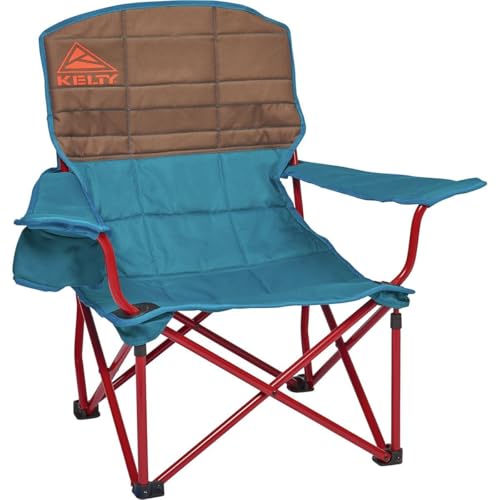
Kelty Lowdown Chair
 Kelty Lowdown Folding Chair
Quick Answers
How should I store cushions in winter?
Clean and fully dry them first, then store somewhere dry and ventilated.
Can I wash outdoor cushion covers?
Check the care label. Some covers are removable and machine washable, others need spot cleaning.
Why do cushions fade?
Sun exposure fades many fabrics over time. Covers or storage when not in use can slow that.
Should I choose a cushion slightly larger than the seat?
Not usually. A cushion that overhangs can slide or bunch, so aim for a size close to the seat, within what the listing describes.
How do I stop cushions blowing away?
Use ties, straps or hook-and-loop fasteners where the chair has a rail or slat to attach them to. A non-slip base can also help on smooth seats.
Do I need a back cushion as well as a seat cushion?
Not always. A seat cushion may be enough for short sits, while a back cushion adds comfort for longer periods or for firm frames.
Are thicker cushions more comfortable?
Often, but thickness raises the seat and can affect stacking and table height. Check the chair still works as designed.
Can I make my own outdoor cushion cover?
Many people do, using fabric sold for outdoor use. Check the maker's description of the fabric and the fill you plan to use.
What if my chair has an unusual shape?
Make a paper template of the seat and compare it with the listing. Some sellers offer custom sizes, so ask about options and the return terms.
How long do outdoor cushions usually last?
It depends on the materials, the weather and how you store them. Regular cleaning and keeping them dry in bad weather help them last longer.
Can I leave cushions on chairs through winter?
It is generally better to store them somewhere dry. Check the maker's advice on weather exposure for the cushions you choose.
Fabric and Fill Choices
Outdoor cushions are made from different fabrics and fills, and the combination decides how they cope with sun and moisture. Solution-dyed or treated fabrics are often described as fade resistant, while plain cotton blends may fade faster. Water-resistant coatings help shed light rain but do not make a cushion waterproof. Read the listing to see what the maker states about the cover and what it should be protected from.
Fill matters as well. Foam gives structure and can feel firm, polyester fibre is soft and light, and quick-dry or open-cell foams are made to drain water more readily. A cushion that holds water stays heavy and can develop mildew. Check whether the fill is described as outdoor-suitable and whether the cover is removable for washing.
Shape, Profile and Seat Fit
Seats differ in shape. Many are square, but others are tapered, curved or contoured, and a rectangular cushion on a curved seat will wrinkle or leave corners hanging. Check whether the cushion shape follows your seat outline and whether the corners are rounded or squared. Compare the listed cushion dimensions with your measurements, allowing for the seat’s front and back widths.
Profile refers to the height of the cushion and whether it has boxed edges, piping or a loose pillow style. Boxed edges look neat but need a flat seat, while pillow-style cushions are more forgiving. Remember that a thick cushion raises the seat, which affects table height and comfort. Check that the chair still stacks, swivels or tilts as designed once the cushion is fitted.
Ties, Straps and Non-Slip Features
Cushions slide if nothing holds them. Ties at the back corners connect to the chair frame, straps loop around slats, and non-slip bases grip the seat surface. Check the attachment option you need and whether it fits your frame. Ties are only useful if there is a rail or slat to tie around, so look at the chair before buying.
Consider wind too. Light cushions can lift and blow away from a chair in a breeze, so secure ties help. Sewn-in ties are more durable than stick-on ones, but check how they are attached and how they are fastened. If you want to remove the cushion often, quick-release clips or hook-and-loop fasteners may be easier than knots.
Weather, Routine and Storage
Even weather-resistant cushions last longer if they are not left out in every condition. Bring them in during heavy rain, in winter and when the chairs are unused for a while. A deck box, a storage bench or a dry shed keeps cushions dry and clean. Make sure cushions are dry before storing, and leave room for air.
Brush off dirt and leaves regularly, and clean spills quickly. Follow the care label for washing or spot cleaning, and let the covers dry in the shade. Sun and moisture speed up wear, so rotate cushions between chairs if some spots get more sun than others. Avoid storing damp cushions in sealed bags, which trap moisture.
Shopping Checklist and Replacement Signs
Before ordering, check the seat and back measurements, the shape, the attachment method, the fabric description, the care instructions and what is included. Confirm whether you need one cushion or a set, and whether covers can be bought separately. Ask about returns, particularly for custom-size cushions.
Budget cushions often use simpler fabrics and fills, while higher-priced ones may offer better fade resistance and removable covers, but verify in each listing. Replace cushions when the fill stays flat, the fabric tears or smells of mildew after cleaning, the ties break or the cushion no longer holds its place. If only the cover is worn and the fill is sound, a replacement cover may be possible.
Common Questions
Should the cushion be the same size as the seat?
It should be close to the seat size, but check how it sits. A slightly smaller cushion looks neat, while one that overhangs may slip.
Are outdoor cushions waterproof?
Most are described as water resistant rather than waterproof. Check the listing, and bring cushions inside during heavy rain.
How do I measure a curved or contoured seat?
Measure the widest and narrowest parts of the seat and the depth at the centre. A paper template can help you to compare shape against a listing.
Do cushions come with ties?
Some do and some do not. Check the product description, and see whether the ties can be added or removed.
Can I use indoor cushions outside?
It is not advisable, as indoor fabrics and fills can absorb water and fade. Look for cushions the maker states are suitable for outdoor use.
How do I get rid of mildew on cushions?
Follow the care label, usually with mild soap and water, and let them dry fully in the air. If the smell remains, consider replacing the cushion.
How many cushions do I need for a dining chair?
A seat cushion is often enough, while a back cushion adds comfort. Decide based on your chair and how long you sit.
Related reading
6 Best Zero Gravity Chairs: Padded, Oversized and Canopy (2026)
Reference and further practice
IKEA product support: use the care sheet for the exact item
Going Deeper: What The seat’s width, depth and shape against the cushion’s dimensions and its attachment points Really Tells You
Most guides stop at the headline measurement, but the seat’s width, depth and shape against the cushion’s dimensions and its attachment points is really a bundle of smaller judgements working together. There is the figure itself, the reference points you took it between, the condition of the space on the day you measured, and the way the item will actually be used once it is in place. Treating those as separate things, and checking each one deliberately, is what separates a purchase that settles in quietly from one that needs adjusting, returning or working around for years.
Start by asking what the measurement is protecting you from. In the case of outdoor chair cushions, the honest answer is rarely the object itself; it is the routine around the object. Doors still need to swing, people still need to pass, light and air still need to move, and cleaning still needs to happen underneath, behind and between things. When you measure with those routines in mind, the number you write down represents the space as it is lived in, not the space as it appears in an empty room on the day you happen to measure it.
It also helps to separate the figures you cannot change from the ones you can. Walls, doorways, fixed fittings and the footprint of furniture you are keeping are facts. The position of the new item, the direction it faces, and how much clearance you leave around it are choices. A good plan for outdoor chairs and cushions respects the facts completely and spends the choices wisely, instead of hoping a tight fact will somehow become flexible once the delivery arrives.
Finally, remember that measurements age. Rooms get repainted, floors get covered, furniture moves and households change. The figures you record today are a snapshot, and the most useful habit you can build is to re-check the critical one, the seat’s width, depth and shape against the cushion’s dimensions and its attachment points, whenever the room changes in a way that touches it. That single re-check, which takes minutes, protects every decision that was based on the original set of numbers.
A Careful Second Pass: Checking Outdoor chair cushions Step by Step
The first pass through this guide gives you a working set of figures. This second pass is about turning those figures into ones you would trust with an order you cannot easily undo. Work through it in order, with the item or the space in front of you, and do not skip a step because an earlier one went well; each step below catches a different kind of error, and the errors that cause returns are usually the ones nobody thought to look for.
Measure the seat between its constraints
Measure the seat’s width and depth inside any arms, rails or frame edges that will contain the cushion. Outdoor chairs often have raised edges or curved frames, and the cushion must fit the space the sitter’s weight will press it into, not the chair’s overall size. Write the figure down as soon as you take it rather than trusting your memory, and note which point it came from, because the later steps build on these early numbers and a swapped figure is hard to spot once you are comparing listings.
Record the seat’s shape honestly
Note whether the seat is square, tapered, curved at the front or dished, and where its widest and narrowest points fall. A rectangular cushion forced onto a shaped seat folds at the corners, leaves gaps at the curves and wears at every point where it argues with the frame. If the number surprises you, take it once more before moving on. A second reading that agrees gives you confidence, while a different reading tells you the tape slipped, the surface was not square, or something in the way distorted the first attempt.
Find and measure the attachment points
Locate where ties, straps or loops can anchor: spindles, rails, frame joints or the chair’s back posts, and measure the distances a tie must travel. A cushion whose fixings cannot reach a sound anchor will migrate however perfect its size, so the anchors are part of the measurement. Keep the tape or ruler in the same orientation for every reading in this step. Changing how you hold it halfway through a set of measurements introduces small differences that add up and can make two matching items look as though they do not match.
Decide thickness by the chair’s use
Match thickness to how long people sit and on what the chair is made: a hard bench seat at a dining table needs more help than a shaped lounger used for an hour. Sit on a stand-in of the candidate thickness at the table or in the lounger’s position and judge the resulting height and comfort. Note any obstruction, slope or soft surface that affected this reading next to the number itself. When you come back to your notes days later, that short comment explains why one figure differs from the others and stops you discarding the wrong one.
Check the back cushion as its own problem
If the chair takes a back cushion, measure the back’s width, height and any curve separately, and note how the seat and back cushions meet. The junction is where cushions fight: too much combined bulk pushes the sitter forward, too little leaves the frame’s edge exactly at the sitter’s back. Compare this figure with the one from the previous step before you continue. The two should tell a consistent story about the space; if they contradict each other, it is far easier to re-check now, while everything is still in place, than after an order arrives.
Rehearse in weather and in use
Sit the household on the rehearsal cushions through a real outdoor meal or afternoon. Wind lifts light cushions, sun heats dark fabrics, and people shift; the rehearsal shows whether the size, weight and fixings keep the cushion in service rather than on the lawn. Take a quick photograph of the tape in position if you can. A picture settles arguments with your own notes later, shows a partner or housemate exactly what you measured, and gives you a reference if you need to ask a seller a question.
When you finish, read the full set of figures aloud once, in order. Hearing them as a list makes inconsistencies obvious in a way that scanning a page does not, and it gives you a natural moment to ask whether the numbers describe the space you are standing in. If anything sounds wrong, it probably is, and now is the cheapest possible time to find out.
How Outdoor chair cushions Plays Out in Everyday Situations
Measurements become real when they meet a routine. The situations below are the ones readers describe most often when a choice about outdoor chairs and cushions either proves itself or starts to annoy, and each one tests the seat’s width, depth and shape against the cushion’s dimensions and its attachment points in a slightly different way. Read them against your own household and note which of them resembles your busiest, least tidy day, because that is the version of life your decision has to survive.
A dining set used for long summer evenings
Outdoor dining chairs are sat on for hours at a table, and their cushions must fit the seat, suit the table height and stay put through a meal’s worth of shifting. The thickness decision here is also a table-height decision, because a thick cushion raises the diner relative to the table by exactly its compressed depth. The lesson from situations like this is that the seat’s width, depth and shape against the cushion’s dimensions and its attachment points only makes sense in context. A figure that looks generous on paper can feel tight once real life fills the space around it, and a figure that looks modest can work well when the layout supports it. Work through your own version of this scenario with your actual numbers before you commit, and pay attention to the moments of the day when the space is busiest, because that is when a poor fit stops being a minor irritation and starts changing how you use the room.
A lounger that lives in the sun
On a lounger, cushions face the strongest sun and the longest contact, and their fit along the frame’s length matters as much as the seat’s width. A cushion slightly short slides towards the foot; one slightly long buckles at the hinge. Measure the lounger in its reclined working position, not folded flat. What helps most here is rehearsing the routine rather than imagining the object on its own. Walk through the movements involved, in the order you would really make them, and notice where you turn, pause, set things down or reach past something else. If a rehearsal feels awkward with nothing in place, it will feel worse once the real item arrives, so treat that awkwardness as useful information and adjust the plan, the position or the size while changing your mind is still free.
Chairs stored indoors, cushions carried out
Where chairs stack or fold and cushions travel from a shed or cupboard, the cushion’s size must suit its storage as well as the chair. Measure the storage space too, because cushions that fit the chairs beautifully and the cupboard not at all will be left out in weather they were meant to escape. Households differ, and this is where a choice that suits one home quietly fails in another. Think about who else uses the space, how often, and what they bring with them, from bags and coats to toys, laptops and laundry. A decision about outdoor chair cushions that accounts for the busiest realistic day, rather than the tidiest possible day, tends to keep working long after the novelty has worn off and the space has settled into everyday use.
Care, Cleaning and Storage That Protect the Fit
A good fit is not permanent by default. Dust, moisture, heat, sunlight and ordinary wear all change how outdoor chairs and cushions sit, hang, slide or stand over time, and many problems that look like buying mistakes are actually care problems that developed slowly. The habits below protect the result you measured for, and they are deliberately simple, because a routine you keep beats an elaborate one you abandon by the second month.
Bring cushions under cover when not in use
Sun and rain age outdoor cushions faster than sitting does. Storing them under cover, in a dry box or indoors, when they are not in use extends their life more than any fabric treatment, and a storage routine the household will actually follow beats a perfect one that is skipped. Build this into a routine tied to something you already do, such as a seasonal clean or the start of a new term, rather than relying on noticing a problem. Small, regular attention of this kind protects the fit you worked to achieve and catches wear while it is still cheap and simple to deal with.
Clean mildew early and gently
Damp cushions develop mildew spots that spread if ignored. Catch them early, clean following the maker’s guidance for the fabric, and dry cushions completely, standing them to air both faces, before they return to the chairs or to storage, because a cushion stored damp returns worse than it left. Always check the care label or the maker’s instructions for the specific item before using any product or method on it, because materials that look similar can react very differently. Test anything new on a hidden area first, and stop if the surface changes colour, texture or smell.
Check ties and straps through the season
Ties fray in sun and wind, and straps lose their grip as they weather. Inspect them when you clean the cushions and replace or repair a failing tie promptly; a cushion lost over a fence in a storm is usually a cushion whose tie had been announcing its retirement for weeks. When you store or move the item, protect the edges, corners and surfaces that decide how it sits and fits. Damage usually happens in cupboards, lofts and hallways rather than in daily use, and a few minutes of padding or careful stacking prevents the slow distortion that later shows up as a poor fit.
Once or twice a year, do a short fit audit: stand back, look at how the item sits compared with the day it arrived, and re-check the seat’s width, depth and shape against the cushion’s dimensions and its attachment points if anything has shifted, sagged, swollen or shrunk. Catching a small change early usually means a small correction; leaving it means the same correction later, plus whatever the poor fit has been doing to the floor, the wall or the item itself in the meantime.
Comparing the Options in This Guide Against Each Other
Once your shortlist is down to the options discussed in this guide, the temptation is to choose by appearance and be done. Resist it for ten more minutes and compare those options on the points that decide daily satisfaction with outdoor chairs and cushions. The criteria below are the ones that most often separate the pick that keeps pleasing from the pick that merely looked right on the screen, and each one can be checked from the details already given in this guide and in the listings themselves.
Cushion footprint against the seat’s contained area
Compare cushions by their size against your seat’s measured inside dimensions and shape, front and back widths included. This is the comparison that decides whether the cushion lies flat and stays, and it should be made from your template or figures, not from the chair’s marketing name. Put the figures for this point side by side for every option on your shortlist, using the same units and the same reference points. Listings describe things in different ways, so the honest comparison is the one you build yourself from your own worksheet rather than the one assembled from marketing headings.
Attachment method against your chair’s anchors
Compare ties, straps, grips and weighted designs against the anchor points you actually found on your chairs. The most secure cushion is the one whose fixings meet your frame’s real geometry; a superior cushion with nowhere to tie is, on your chair, an unsecured cushion. Treat this as a pass-or-fail check rather than a matter of taste. An option that fails here will not be rescued by a colour you love or a finish that matches the room, because you will meet this limitation every single day, long after you have stopped noticing how the item looks.
Fabric and fill for your weather
Compare options by how their covers and fills handle your climate: sun exposure, summer storms, damp evenings. Quick-drying fills and removable, washable covers suit wet climates; deep, plush cushions suit dry, sheltered terraces. Match the cushion to the weather it will actually meet, not the weather in the photograph. If two options look equal on this point, let it go and move to the next criterion instead of forcing a difference that is not really there. Shortlists are decided by the two or three points where options genuinely differ, and those are the points worth your time and questions.
Write your comparison down as a simple grid, one row per option and one column per criterion, and mark only clear wins rather than inventing scores. The right choice usually identifies itself in that grid: it is the option with no failures on the points you cannot compromise, even if another option beats it on a point you care about less.
Mistakes That Only Show Up After a Few Weeks
The mistakes that matter most with outdoor chair cushions rarely appear on the first day. On the first day everything is new, the room is tidy, and you are paying attention. The problems arrive later, disguised as small daily frictions: the thing that has to be moved before something else can be used, the corner that never gets cleaned because access is awkward, the item that is always slightly in the way of a door, a drawer or a person. Each friction is trivial alone; together they are how a reasonable purchase turns into a quiet regret.
One common pattern is measuring for the object but not for its life. Outdoor chairs and cushions get opened, pulled out, sat on, walked around, cleaned under and bumped into, and each of those actions needs room that a footprint measurement does not show. When you review your figures, add a mental rehearsal of the object’s busiest hour and ask where everyone and everything stands during it. If the rehearsal needs someone to hold something, move something or wait for something, the plan, not the household, should change.
Another pattern is trusting a single measurement taken once, in a hurry, in an empty room. Floors slope, walls wander, cushions compress and fabrics relax, and a figure that was accurate for the object alone can still be wrong for the object in use. The defence is boring but effective: measure twice, at the points of greatest stress, and keep the least forgiving figure as the one you plan around. Planning around the tightest honest number feels cautious; living with the result feels easy, which is the point.
The last pattern is forgetting that other people use the space differently. The person who measured imagines their own routine and, without meaning to, plans for a household of one. Children, partners, guests, pets and future occupants all bring their own heights, habits and belongings. A decision about outdoor chair cushions that has been tested against at least one other person’s routine, ideally the person least like you, survives contact with real life far better than one tested only against your own.
More Questions Readers Ask
The common questions earlier in this guide cover the essentials. The questions below come up once people have measured, ordered or lived with the result for a while, and they are answered here in the same spirit: from your own figures first, and from general product claims last.
Should the cushion be the same size as the seat or slightly smaller?
Close to the seat’s inside size, with a small tolerance so it can be placed and removed without forcing, is the usual aim. A cushion exactly at the frame’s dimensions can bind and buckle as it compresses, while one far smaller travels and leaves frame edges exposed. Your rehearsal with a stand-in shows which side of close your chair prefers. If you are still unsure, return to the measurements in this guide and test the idea against your own figures rather than general advice, because your space, not an average room, decides whether it works.
How do I measure a curved or contoured seat?
Make a paper or card template of the seat’s outline, check it in place, and measure the template. Curved seats defeat straight-tape measurements because their widest and deepest points do not align in a rectangle. The template also travels well: take it shopping, or compare it against product dimensions, rather than trusting memory. When the answer depends on a product detail, check the listing or the maker’s instructions for that exact item, since construction and fittings vary between ranges that otherwise look alike.
Why do my cushions keep blowing off?
Wind gets under light, loosely fitted cushions, especially on exposed chairs. The answers, in order, are fit the cushion closely so air cannot lift its edges, use the ties or straps the design provides on every outing, and store cushions or weight them when the chairs are empty in rough weather. A cushion that fits and is tied rarely travels. A quick rehearsal with tape, boxes or a paper template usually settles questions like this in minutes and is far more reliable than picturing the result and hoping for the best.
Can I use indoor cushions outside occasionally?
For a single dry afternoon, an indoor cushion will survive, but it is not made for ultraviolet light, damp or outdoor dirt, and repeated outings will fade and mark it. Judge the habit honestly: if occasionally means every sunny weekend, the indoor cushion is being retired by instalments, and a proper outdoor cushion is the cheaper decision. Keep your written measurements with the order confirmation or guarantee paperwork, so that if the question comes up again you can answer it from your notes instead of starting the whole process again.
How thick should a dining chair cushion be?
Thick enough to make the chair’s material forgiving for a full meal, thin enough to keep the diner’s height at the table comfortable and their feet grounded. Test with a stand-in at the actual table, sitting through a meal’s length; the right thickness is the one nobody mentions by the end of it. If two people in the household disagree, let the measurements arbitrate: test both ideas against the figures you recorded, and choose the one that works on the busiest day, not the quietest.