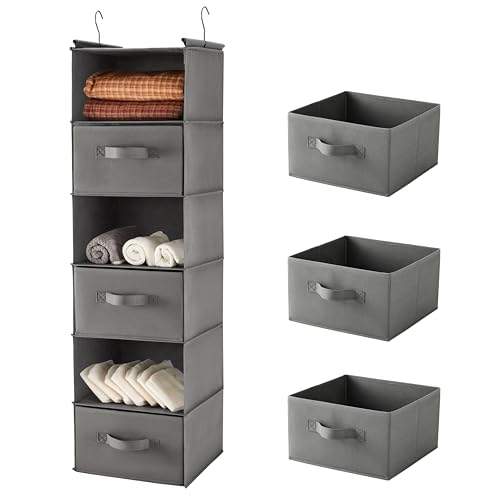
Baskets keep a home tidy when each one has a single job, a place to live and a label. They are flexible, light and easy to move, which is why they work in almost every room. This guide covers how to assign jobs, room-by-room uses, material choices, fitting and finishing, then adds a worked example, common situations, care tips and fixes for typical problems.
Give Each Basket One Job
A basket holding mixed odds and ends becomes a junk pile. Assign a single category, such as remote controls, throw blankets, toys, hats or bathroom towels. If a basket fills too fast, split the category in two.
In this guide
Room by Room Uses
- Living room: a large basket beside the sofa for blankets, a small one for remotes and magazines.
- Bedroom: a low basket at the closet floor for shoes or laundry, one on the shelf for scarves.
- Bathroom: rolled towels in a wide basket, spare toiletries in a smaller lined one.
- Kitchen: a shallow basket in the pantry for snacks or packets.
- Entry: a basket for mittens, caps and dog leads.
Material and Shape Guide
| Material | Strength | Keep in mind |
|---|---|---|
| Woven seagrass or willow | Warm look | Edges may catch fine fabric; add a liner |
| Wire | Airy, shows contents | Use a liner for small items |
| Fabric | Soft, folds flat | May lose shape when empty |
| Plastic | Easy to wipe | Choose neutral tones |
Fit and Finish Steps
- Measure the shelf or space, including height clearance.
- Choose baskets of matching color or texture for a calm look.
- Add a liner or cloth if the weave is rough.
- Attach a label to the front, on a tag, clip or inner card.
- Keep the heaviest baskets at the bottom.
Avoid These Mistakes
Do not buy a set of baskets before you know what you are storing. Do not overfill so the lid or sides bulge. Handles help for baskets you move often; for ones that live on a shelf, open tops make them easier to reach into.
Baskets also work as display pieces. A large one holding a plant pot or a stack of magazines can anchor a corner, and a row of small matching baskets on a wall shelf adds texture. Mix sizes within one material family to keep the look intentional.
Check weight as well. A basket packed with books or tools can strain its handles and weave, so spread heavy loads across two baskets. For shelves, slide a basket out and look inside before you add more, and clear out anything that no longer belongs once a season.
A Worked Example: Tidying a Hallway in One Hour
- Empty the hallway surface and floor, and put everything into piles by category: outdoor wear, dog gear, post and keys, and things that belong elsewhere.
- Return the last pile to its proper rooms right away, so the hallway only holds what belongs there.
- Measure the shelf under the bench and the wall space by the door. Note the width, depth and height available.
- Match each pile to a basket size: a wide shallow one for gloves and caps, a deeper one for dog gear, and a small lined one for keys and loose change.
- Line any woven basket with a cloth so zips and buckles do not snag on the weave.
- Add a card or tag to the front of each basket, written in clear lettering that everyone can read at a glance.
- Place the heaviest basket on the bottom shelf and the lightest at eye level. Stand back and check you can see every label without bending.
Common Scenarios
A child’s bedroom
Use low open baskets so children can reach and return toys without help, and sort by type: soft toys, blocks, vehicles. Lighter fabric baskets are easier for small hands to lift.
A small bathroom
Choose baskets that tolerate humidity, such as plastic or coated wire, and keep towels on a shelf above the toilet or beside the sink. Replace woven natural fibers if they stay damp.
A pantry shelf
Shallow baskets keep packets from toppling and let you pull out a whole group at once. Label by use, such as breakfast, baking or snacks.
A living room with too many throws
Fold blankets and place them in one large basket. If it fills too fast, move seldom-used ones to a closet and keep two or three out.
Mistakes to Avoid, With Reasons
- Using one basket for everything. Mixed contents are hard to search, so the basket fills with clutter again.
- Skipping labels. Even obvious baskets drift into random use when other household members guess what goes in them.
- Choosing baskets that are too deep. Items sink to the bottom and are forgotten.
- Placing baskets on damp floors. Natural fibers absorb moisture and can grow mold.
- Ignoring the weave. Rough or splintered edges can snag clothes and scratch furniture.
Care and Upkeep Over Time
Dust woven baskets with a soft brush or a vacuum attachment every few weeks, and check seams, handles and rims for loose fibers. Fabric baskets can often be washed according to the label; dry them fully and reshape them before use. Plastic baskets can be wiped with a damp cloth and mild soap. If a basket begins to sag or fray, move it to lighter duty or replace it so it does not drop its contents.
Quick Troubleshooting
| Symptom | Likely cause | What to try |
|---|---|---|
| Basket overflows | Category too broad | Split it into two baskets or edit the contents |
| Contents snag on the weave | Rough edges | Add a fabric liner |
| Basket loses shape | Soft material with no support | Fill it, or use a liner with a stiff insert |
| Basket will not fit on the shelf | Measured wrong | Recheck width, depth and height, including the handle |
| Musty smell | Damp natural fiber | Air it in a dry spot and keep it away from damp areas |
Glossary
- Liner: a cloth lining that protects contents from a rough weave.
- Seagrass: a natural fiber commonly woven into baskets.
- Willow: flexible branches woven into sturdy baskets.
- Lidded basket: a basket with a cover that hides contents.
- Category: the one type of item a basket is for.
- Clearance: the height or depth available on a shelf.
One last habit: once a season, empty each basket onto a table, wipe the inside, and put back only what belongs. This quick reset keeps categories honest and shows you which baskets you no longer need. If a basket has been empty for months, it is a good candidate to move to another room or donate.
Sizing and Measuring Before You Buy
A basket that looks right in a shop can be wrong at home, so take measurements first. Measure the width, depth and height of each space, and note whether a door, a lip or another shelf limits the height. For floor spaces, check clearance for walking and opening doors.
Then think about what will go inside. Gather a sample of the items, or at least estimate their size, and compare them to the basket’s inside dimensions rather than the outside. Woven baskets lose some space to their thick walls and liners, so an item that seems to fit may not.
It helps to think in terms of how you will reach the contents.
- Shelves: allow room above the basket so you can lift it out, and consider handles that sit flat.
- Under benches and beds: low, wide baskets slide easily, but check the clearance carefully.
- Cubby units: match the basket to the cube size, leaving a small gap so it does not wedge.
- Open floors: choose sturdy, stable shapes that will not tip when half full.
Buy one basket first and test it in place before buying a set. Living with a single basket for a week shows whether the size, depth and category work. If your baskets are for a shelving unit you already own, look for a manufacturer guide or check the product listing for compatible sizes, and measure anyway, since small variations are common.
Matching Baskets to Weight and Contents
Different contents ask different things of a basket. Light items such as scarves, hats and soft toys suit almost any style. Heavier loads such as books, tinned food, tools or bottles need a firm base, strong sides and handles that are well attached.
Think about the shape of what you are storing. Tall, thin items such as umbrellas, rolled paper or wrapping paper need a tall, narrow basket or a bin. Small loose items such as batteries, cables or craft supplies sink in a big basket and are best sorted into smaller containers within it. Flat items such as napkins, placemats or documents suit a shallow basket where they can be seen at a glance.
Consider the condition of the items too.
- Food: choose washable, lined or coated baskets, and keep packaged items sealed.
- Clean linen: use a smooth interior so fibres do not snag.
- Sharp or small objects: use a lined basket with a solid base, and keep it out of reach of young children.
- Damp items: avoid natural fibre baskets, which can hold moisture.
- Dusty items: a lidded or lined basket keeps dust off.
If you are unsure whether a basket can take the load, check the product listing for a stated weight limit, and if none is given, assume it is better suited to light and medium loads. Spread heavy items across two baskets rather than testing the limit.
Budget Tiers and What to Expect
Baskets cover a very wide range, and the right level depends on how you will use them. In general terms, lower-cost options include simple plastic, thin fabric and basic wire baskets. They can be perfectly useful for light jobs, rooms where looks matter less, and items that change often.
Mid-range baskets tend to offer better construction, such as firmer weaves, sturdier frames and handles that are well attached. They suit shared rooms and everyday loads, and are a good place to start if you are not sure how long you will keep a layout.
Higher-priced baskets often involve hand weaving, heavier materials, matching sets or design details. These can be good for living areas where baskets are on display, and for loads that need extra strength. A higher price does not guarantee suitability, so check that the size, material and finish fit your needs.
- Spend more on baskets that are moved often or carry weight.
- Spend less on baskets for light, static storage such as seasonal items.
- Consider buying a few good ones in the busiest spots and simple ones elsewhere.
- Look at the weave, the stitching and the base in photos and in person.
When shopping online, read the product description for materials, dimensions and care instructions, and look at how many people have rated it and what they say in general terms, such as whether the size matched. Checking return terms can also give peace of mind.
Making the System Last With the Household
A tidy system only works if everyone can use it. Before you set up the baskets, think about who uses each space and what they need. A basket that is too high for a child, too heavy for an older relative or labelled in a way others do not understand will quickly be ignored.
Involve the household in choosing categories. Ask what they search for most often and where they expect to find it. Put frequently used items at an easy height, and rarely used ones higher or lower. Keep the naming simple and consistent, such as using the same word on labels in every room.
A few habits keep the system working.
- Return items to the same basket every time, and teach children to do the same.
- Do a short reset at the end of each day, so baskets do not overflow.
- Keep one spare basket for items that arrive and have no home yet, and empty it weekly.
- Review labels when the contents change, so they are not misleading.
Think about change over time, too. Children grow, hobbies shift and seasons turn, so the right system now may not be right in a year. Choose baskets in a neutral style that can move between rooms, so you can reuse them as needs change rather than starting again. If a basket is not working, move it, change its job or retire it, rather than forcing the household to adapt.
Signs a Basket Should Be Replaced
Even a well-chosen basket does not last forever. Knowing when to retire one avoids spills, snagged clothes and unsafe loads.
Check baskets when you do your seasonal reset. Look at the base, the corners, the handles and the rim, which take the most strain. Press gently on the sides to see whether they hold their shape, and lift the basket by its handles with a moderate load to see whether it creaks or shifts.
- Frayed or broken weave: loose strands can snag fabric and scratch furniture, and may unravel further.
- Cracks in plastic: they tend to spread and can leave sharp edges.
- Bent or rusted wire: rust can stain linens and weaken the frame.
- Loose or torn handles: these can fail suddenly under load.
- Persistent musty smell or mould: this suggests damp has got into the material and is hard to remove.
- Sagging base: the contents may drop through or the basket may tip.
Before replacing, see whether a repair or a change of job would work. A basket that is no longer strong enough for books may still hold light items, and a liner can cover a rough patch. Basic repairs such as retying a handle or trimming a loose fibre are fine when the structure is sound, but do not trust a weakened basket with heavy or valuable things. When you do retire one, check whether the material can be recycled locally, and consider donating baskets that are still in good condition.

Ready to Buy? Start Here
If this guide helped you decide what to look for, these products are a place to start.

As an Amazon Associate we earn from qualifying purchases. Prices and availability are shown on Amazon.
Matching Basket Material to Where It Lives
Baskets look charming almost anywhere, but a material that suits a dry bedroom shelf may not cope with a damp bathroom or a dusty garage. Think about humidity, weight and cleaning before you choose. A basket that is easy to wipe will last longer in a busy area, while a soft woven one is lovely in a living room.
| Material | Good spots | Keep in mind |
|---|---|---|
| Woven seagrass or rattan | Living room, bedroom, hallway | Avoid constant dampness |
| Wire or metal mesh | Kitchen, pantry, garage | Add a liner for small items |
| Fabric or felt | Nursery, closet, toy storage | Check whether it can be washed |
| Plastic | Bathroom, laundry, outdoors | Choose sturdy handles |
Room-by-Room Ideas
Baskets can sort almost anything once you give each one a job. Label them or use a different shape for each category, so the whole household knows where things belong.
- Entryway: one basket for shoes, another for scarves and gloves, and a small one for keys and mail.
- Living room: a large floor basket for throws, plus a smaller one for remote controls and magazines.
- Kitchen: open baskets in the pantry for snacks, potatoes or onions, keeping air moving around them.
- Bathroom: rolled towels in a wide basket and a small lidded one for spare toiletries.
- Kids’ room: soft baskets at toddler height so tidying becomes part of play.
Liners, Labels and Weight Limits
Line open-weave baskets with a cloth liner if small items might slip through or snag. Add a label tag or a clip-on card so the contents are clear without peeking. Check the weight a basket can hold, especially if it sits on a shelf or has handles that carry loads. Overfilled baskets sag and can break.
Dust woven baskets with a soft brush or the vacuum attachment, and wipe plastic or metal ones with a damp cloth. Keep natural fiber baskets away from heaters and direct sun, which can dry and crack them. Do not store anything in a basket that the maker or local safety guidance says should stay in sealed containers, such as certain cleaning products.
Mixing Baskets With Shelves and Furniture
Baskets look best when they relate to the furniture around them. On open shelving, use matching baskets in the same height range so the shelf looks calm, and let one or two contrasting ones add interest. Under a console table, slide wide, shallow baskets in a row for shoes or blankets. Beside a sofa, a tall basket with sturdy handles holds throws and moves easily when you need the floor clear. Measure the shelf depth and height before you buy, so each basket slides in and out without catching.
Start With an Honest Audit of What You Actually Keep
Before you buy a single container or move anything, spend a short session looking at baskets for storage exactly as it is today. Pull everything out if the space is small enough, or work shelf by shelf if it is not. The point is to see the real contents, not the contents you imagine. Most people discover the same surprises: duplicates bought because the originals were hidden, items that belong somewhere else entirely, and a few things nobody has touched in a long time. In a typical setup you will be sorting through entryway catch-all baskets, shelf baskets and bathroom baskets, plus smaller pieces that have drifted in from other rooms.
Group what you find by how it is used, not by what it is made of or where it happened to land. Ask three questions of every group. How often is it used: daily, weekly, seasonally or almost never? Who uses it: one person, the whole household, or mainly guests? And where is it used: right here, or in another room where it would be closer to the job? The answers decide what earns the easy-reach space and what can live higher, deeper or somewhere else.
Be honest about the main challenge in this space, which for most households is baskets becoming decorative clutter themselves when they have no clear job. Naming the real problem matters, because a system designed for the wrong problem will not survive a month. If the issue is volume, the answer is editing and better grouping. If the issue is access, the answer is placement and containers you can move with one hand. If the issue is other people not following the system, the answer is simpler categories and clearer labels, not more rules.
- Photograph the space before you start, so you can compare and remember what was where.
- Keep a donation bag and a trash bag beside you so decisions leave the space immediately.
- Write down anything that is missing, worn out or duplicated while it is fresh in your mind.
- Measure the space once everything is out; those numbers guide every later purchase.
The Criteria That Matter Most, in Plain Terms
Guides often list long feature checklists, but for baskets for storage a handful of criteria decide whether the setup works day after day. The first is fit. Containers, shelves and dividers must match the real dimensions of almost any room in the house, with a little room to spare so things slide in and out without force. Measure depth as carefully as width, because deep spaces are where toy baskets and blanket baskets go to disappear. The second criterion is visibility. If you cannot see what you have, you will buy it again or stop using it. Open containers, clear sides, shallow layers and labels all serve the same goal.
The third criterion is effort. Every extra lid, stack or step between you and the item is a small tax you pay each time, and taxes add up until people stop paying them and start dumping things wherever is easiest. Choose arrangements where the natural, lazy action is also the correct one. The fourth is durability in real conditions. This space may be damp, dusty, hot, cold or heavily used by children and guests, and the setup has to survive that reality rather than a tidy photograph.
Finally, judge flexibility. Households change: children grow, hobbies start and stop, and the mix of entryway catch-all baskets and pantry baskets you store this year will not match next year. Adjustable shelves, containers that can move between rooms and labels that can be rewritten all protect you from having to start again from zero. When two options both look fine, pick the one you can change most easily later.
A quick way to weigh the criteria
Give fit and effort the most weight, because failures there show up every single day. Visibility comes next, especially in shared spaces. Durability matters most where conditions are harsh, such as garages, bathrooms and under-sink cabinets. Flexibility is the tiebreaker that saves money over the years.
How Different Households Use This Space Differently
The busy family version
In a family home, baskets for storage has to survive speed and multiple users. Prioritize wide, forgiving categories over precise ones: a bin that accepts all of the shelf baskets is better than three narrow boxes nobody can remember. Put the most-used items at the height of the smallest regular user who should reach them, keep a clear landing spot for things in transit, and accept a slightly less polished look in exchange for a system children will actually follow. Review the setup at the start of each school term, because sizes, hobbies and routines change fast.
The small-home version
When space is tight, every item has to justify itself twice. Store only the current season or the current project in the prime space, and let the rest live in a secondary spot such as a high shelf, under a bed or in a labeled box elsewhere. Choose containers that use the full depth and height available, and be strict about one-in, one-out for categories like bathroom baskets that quietly multiply. In almost any room in the house, a small, disciplined system beats an ambitious one that overflows.
The shared or rental version
Roommates, guests and landlords all add constraints. Prefer freestanding, removable solutions over anything that needs screws or permanent changes, agree on shared categories in writing or with labels, and give each person one clearly personal container so shared shelves do not become contested territory. If you rent, photograph the space when you move in and choose storage you can take with you. The goal is a system that any newcomer can understand in one glance, without a tour or a rulebook.
A Step-by-Step Working Session, From Messy to Finished
Set aside a realistic block of time and work in one pass rather than in scattered minutes. Start by emptying and cleaning the space itself: wipe shelves, check for damp, leaks, pests or damage, and fix small problems now while access is easy. A clean, dry, sound space is the foundation; organizing on top of dirt or moisture simply hides trouble until it damages blanket baskets or pantry baskets.
- Lay out everything and sort into your groups on a table, bed or floor nearby.
- Remove what is leaving: trash, donations, and items that belong in other rooms.
- Assign each group a home, putting daily items in the easiest reach and rare items at the edges.
- Choose containers only now, sized to the groups you actually have, not the groups you hoped for.
- Put everything back, label as you go, and leave a small amount of empty room in each container.
- Step back, take a photo, and test the system by finding and replacing five everyday items.
That last test matters more than the photograph. If you hesitate, reach awkwardly or have to move three things to get one, adjust now while everything is still in motion. Small changes made in the first session, such as swapping two shelves or splitting one over-full category, prevent the slow frustration that makes people abandon a system. Finish by putting the donation bag in the car or by the door, so the session truly ends with less in the house than when it began.
Cleaning, Care and Keeping the Space Healthy
An organized space still needs basic care, and baskets for storage is no exception. Dust, moisture and wear build up quietly in almost any room in the house, and they shorten the life of both the storage and what is stored. Build a light routine: a quick wipe of shelves and container exteriors when you notice dust, an immediate clean-up of any spill before it soaks in, and a deeper clean once or twice a year when you review the contents anyway. Work from top to bottom so dust falls onto surfaces you have not cleaned yet.
Watch moisture with particular care. Damp is the enemy of fabrics, paper, leather and anything stored in cardboard. If the space feels humid or smells musty, improve air flow first: leave gaps between containers and walls, avoid sealing damp items in airtight boxes, and let wet things dry fully before they are put away. Check under and behind containers during your seasonal review, because leaks and condensation often appear there first. Items like shelf baskets and toy baskets show damp damage early, so treat them as your early-warning system.
Care also means small repairs done promptly. Tighten a loose shelf, replace a torn liner, rewrite a faded label and mend a broken handle before they turn into reasons to stop using the system. Keep a tiny kit nearby if the space allows: a cloth, a marker, spare labels and tape. Five minutes of maintenance at the right moment protects hours of organizing work.
Mistakes That Quietly Undo a Good System
Buying containers first. Attractive boxes bought before sorting rarely match the real groups, and the mismatch forces awkward compromises. Sort first, measure second, buy last.
Categories that are too clever. If a category needs explaining, it will fail with guests, children and tired adults. Name groups the way you speak about them when you are looking for entryway catch-all baskets in a hurry.
Filling every inch. A container filled to the brim cannot accept one more item, so the extra item lands on top and the slide begins. Leave visible breathing room in each zone; empty space is part of the system, not waste.
Hiding the everyday behind the rare. When daily items sit behind seasonal or backup stock, people stop putting them back properly. Frequency, not size or shape, should decide the front positions.
One system for every user. A setup tuned to one tidy person collapses in a shared home. Design for the least patient regular user and everyone else will find it easy too.
Never reviewing. The mix of things you own changes constantly. A system that is not reviewed once or twice a year slowly stops matching real life, and the mismatch, not laziness, is what looks like mess.
Comparing the Main Approaches Side by Side
Most setups for baskets for storage fall into a few broad approaches, and each suits a different household. The table below compares them on the things that matter in daily use, so you can match an approach to your space rather than copying a photograph.
| Approach | Best for | Keep in mind |
|---|---|---|
| Open shelves and open containers | Everyday items you want visible and quick to grab | Shows dust and visual clutter; needs regular tidying |
| Closed boxes and cabinets | Seasonal, fragile or rarely used items, and a calmer look | Contents are easy to forget without clear labels |
| Mixed zones, open for daily and closed for storage | Most shared household spaces | Takes a little planning to decide which zone is which |
| Portable containers that move with the task | Renters, small homes and multi-use rooms | Containers need a parking spot or they become clutter themselves |
In practice, the mixed approach wins most often for almost any room in the house: daily items stay open and obvious, while pantry baskets and other slow-moving categories sit closed and labeled. Whichever approach you choose, keep it consistent within the space. Mixing three styles in one small area creates visual noise and makes the categories harder to learn, especially for anyone who did not set the system up.
A Seasonal Rhythm That Keeps It Working All Year
The households that stay organized are not tidier people; they simply review at moments when change is already happening. Tie your checks to the calendar you already live by. At the start of each season, swap what needs swapping, wash or air anything that has been stored, and look honestly at what did not get used in the season just ended. Unused items are information: either they are stored in the wrong place, or they are ready to leave the house.
Twice a year, do the deeper pass. Empty one zone at a time, clean the space itself, check for damp, pests and damage, and test every container and label. Update labels whose contents have drifted, combine half-empty categories, and split any category that has become a junk drawer in disguise. This is also the moment to reconsider the layout: if the household has changed, with new school routines, a new hobby or a new baby, the zones for entryway catch-all baskets, bathroom baskets and blanket baskets may need to trade places.
Keep the routine small enough to survive a busy month. A fifteen-minute seasonal check that actually happens protects the system far better than an ambitious annual overhaul that keeps being postponed. Put the checks on the same days as other seasonal jobs, such as changing clocks, servicing heating or preparing the garden, so they ride on habits you already keep.
Safety, Access and Comfort in Everyday Use
A good system is also a safe one. Store heavy items low and light items high, so nothing weighty has to be lifted down from above shoulder height. Keep anything hazardous, sharp or chemical in its original packaging, clearly marked and out of reach of children and pets, and never decant such products into food or drink containers. In spaces like almost any room in the house, also keep walkways and door swings clear; storage that creeps into the path becomes a trip hazard in the dark.
Think about who needs access and how. Step stools should be sturdy and stored where they will actually be used, labels should be readable from a normal standing position, and frequently used items should not require bending, stretching or moving something else first. For older relatives or anyone with limited mobility, bring the everyday categories into the comfortable middle zone and move the rare and seasonal things to the extremes.
Finally, plan for the bad day, not just the good one. You should be able to find a torch, basic first aid, cleaning supplies for a spill and the items you would need in a hurry without a search. When baskets for storage still works while you are tired, ill or in a rush, it is genuinely finished; until then, keep adjusting the placement of the things that matter most.
A Worked Example: Turning the Hardest Zone Around
Consider a typical difficult zone within baskets for storage: the spot where bathroom baskets and toy baskets overlap and everything lands in a heap. The fix begins by shrinking the problem. Clear just that zone, nothing else, and sort what comes out into three piles: things used weekly, things used seasonally, and things that were only there because they had nowhere else to go. In most homes the third pile is surprisingly large, and simply giving those items a proper home elsewhere transforms the zone before any container is bought.
Next, rebuild the zone around the weekly pile alone. Give those items the front, the middle heights and the containers that open fastest. The seasonal pile goes behind, above or below them in closed, labeled storage. Then live with the new arrangement for a fortnight before judging it, because the first days always feel strange. Note what you still reach for in the wrong place; those habits point to the one or two items whose homes should move. After a single adjustment round, the zone usually stays tidy with no further effort, which is the real test of any system in almost any room in the house.
The lesson generalizes: when a whole space feels impossible, do not attack the whole space. One zone, sorted by frequency, rebuilt around the weekly pile and adjusted once after real use, will teach you exactly how the rest of the space wants to be arranged.
Questions to Ask Before You Buy Anything Else
Storage products are easy to buy and hard to return once they are full, so run any planned purchase for baskets for storage through these questions first. What exact category will it hold, and have I measured both the category and the space it must fit? If the answer involves the word “miscellaneous”, stop and sort more before spending anything. Will it make the daily action easier, meaning opening, reaching, lifting and putting back, or will it only make the shelf look better in a photograph?
Ask how it behaves in the real conditions of almost any room in the house: dust, damp, heat, cold, children, pets and hurried mornings. Ask whether it can move to another room or another home later, because flexible pieces keep earning their keep for years while highly specific ones become clutter themselves. Ask what you already own that could do the same job; a container freed by your last review often fits the new need perfectly.
Finally, ask the one-in question: if this arrives, what leaves or changes to make room for it? A purchase that comes with a small, deliberate trade almost never causes overflow, while one added on hope alone usually starts the next pile. Keep a short running list of genuine needs, with measurements, on your phone; buying from a measured list, at leisure, beats buying in the aisle every time.
FAQ
Should baskets have lids?
Lids hide contents and keep dust out, but add a step. Open tops suit items used daily.
How do I clean woven baskets?
Dust with a soft brush or vacuum attachment and follow the maker’s care notes.
How many baskets are too many?
If baskets themselves become clutter, there are too many. Keep only as many as you have categories, and edit the contents before adding another.
Can baskets store food?
Yes, for packaged dry goods in a pantry. Use lined or coated baskets that are easy to wipe, and keep them away from damp.
How do I label a woven basket?
Use a tag tied to the handle, a clip-on card or a label on a fabric liner. Avoid adhesive directly on natural fibers since it can leave marks.
Can baskets go under a bed?
Yes, if they are low enough to slide in and out. Choose a rigid or lidded style to keep dust off, and measure the clearance before you buy.
What is the best basket for towels?
A wide basket that holds rolled or folded towels and tolerates humidity suits most bathrooms. Plastic, coated wire or washable fabric are practical choices where moisture is common.
How can I make mismatched baskets look tidy?
Keep one common element, such as colour family, material or label style. Group similar baskets together, and use liners or tags to link them visually.
Are baskets safe for children's toys?
Generally yes, if they have smooth edges, a stable shape and no loose fibres. Check for splinters or sharp wire ends regularly, and avoid lidded baskets that could trap fingers or small children.
Do I need a liner in every woven basket?
Not always. A liner is most useful when you store fabrics or small items that could snag or slip through the weave, while solid items like boxed goods may not need one.
How do I keep baskets from tipping on a shelf?
Choose a basket with a flat, firm base and place heavier items low and towards the back. Keep the load centred, and use shelf grip mats only if suitable for the shelf surface.
Can I store baskets inside each other when not in use?
Nested storage works for baskets of the same shape in graduated sizes. Avoid crushing woven ones, and store them dry so they keep their shape.
How often should I reorganize baskets for storage?
A light review once or twice a year is enough for most households, with small fixes whenever you notice a category overflowing or a label no longer matching its contents. Reorganize sooner after a move, a new baby, a change in work routine or any shift that changes what you store. The system should follow your life, not the other way round.
What should I do first if the space feels overwhelming?
Start with a single shelf, drawer or container rather than the whole of baskets for storage. Empty it, clean it, keep only what belongs there and put it back with a label. One finished small zone gives you a working model for the rest and proves the system before you invest more time.
How do I stop other people undoing the system?
Make the correct action the easy action. Use wide categories, clear labels and containers that open with one hand, and place entryway catch-all baskets and other daily items where people naturally reach. If someone keeps putting something in the wrong place, treat that as design feedback: the item probably wants to live where they keep leaving it.
What do I do with items that do not fit any category?
Give them a short trial in a single, clearly labeled holding container. If you reach for an item, it earns a proper category; if the container is still untouched at your next seasonal review, most of its contents can leave the house. A holding zone with a deadline prevents miscellaneous piles from spreading while avoiding hasty decisions.
How much empty space should I leave?
Enough that every container can accept one more item of its type without force. As a working habit, stop filling when a zone looks comfortably full rather than packed, because the next purchase, gift or seasonal swap always arrives. Empty room is what lets a system absorb real life between reviews.
Is it worth labeling if I live alone?
Yes, though the labels can be simpler. Labels on pantry baskets and other rarely opened storage save real time months later, when memory has faded, and they help anyone who housesits, cleans or helps you move. In daily zones you use constantly, position alone may be enough.
The Short Version
One category per basket, a material that suits the room, and a label on the front. Measure first and match baskets for a calm look. Check contents each season so the baskets stay useful.