Disclosure: As an Amazon Associate, airfryerkitchensupply.com earns from qualifying purchases. Links on this page are affiliate links; they cost you nothing extra. Prices and availability change often, so check the current Amazon listing before you buy.
Learning how to choose a beverage dispenser comes down to a handful of deciding criteria: the setting you host in, the size your real guest list needs, a spigot that pours without dripping, a material you can clean and store happily, and a plan for keeping drinks cold and safe. This guide walks through each decision as a numbered step, adds the gear that fits each tier, flags the common mistakes, and finishes with worked examples so you can match a dispenser to your hosting with confidence.
Key Takeaways
- Start with setting and guest list; they decide material and size.
- Test or prioritise the spigot above every decorative feature.
- Ice-core and infuser options suit long, warm-weather events.
- Cleaning access and storage fit are long-term satisfaction tests.
- Buy once, for the hosting you actually do.
In this guide
What You Need to Know Before Comparing
Capacity should follow your real guest list, not your most optimistic one. A dispenser that suits a family dinner looks lost at a garden party, and an enormous vessel bought for one annual event spends the rest of the year taking up cupboard space and tempting you to mix batches far larger than a normal weekend needs. If you host two sizes of gathering, the honest answer is often a mid-sized everyday dispenser first, with a second inexpensive large one added later only if the big events genuinely keep happening.
Glass is the material most people picture first, and for good reason: it looks generous, shows off the colour of the drink and any fruit inside, and does not hold flavours from one event to the next. The honest trade-off is weight and fragility. A full glass dispenser is heavy to carry from kitchen to table, awkward to move once filled, and unforgiving if it is knocked on a hard patio. The sensible routine is to carry it empty, place it where it will stay, and only then fill it in position with a jug.
Storage is the forgotten test. Measure the cupboard or shelf where the dispenser will live before you fall for a tall, elegant design, and check whether the lid and stand nest or separate for storage. A dispenser that is annoying to store becomes a dispenser that lives on the counter gathering dust, or worse, one that is left with water sitting in it between uses. Easy storage, easy cleaning, and a spigot that does not drip are the unglamorous trio that decides long-term satisfaction.
Thick glass with a smooth, well-finished rim and a solid base feels reassuring in a way thin, lightweight glass never quite does. When you handle a dispenser in a shop or unpack one at home, look for even walls, a lid that sits flat without rocking, and a spigot that feels firm rather than loose in its fitting. Small details like a lid that seals well enough to discourage insects outdoors and a base wide enough to resist a casual bump matter more over years of use than decorative flourishes.
How To Choose A Beverage Dispenser in Six Steps
Step One: Fix Your Setting First
Thick glass with a smooth, well-finished rim and a solid base feels reassuring in a way thin, lightweight glass never quite does. When you handle a dispenser in a shop or unpack one at home, look for even walls, a lid that sits flat without rocking, and a spigot that feels firm rather than loose in its fitting. Small details like a lid that seals well enough to discourage insects outdoors and a base wide enough to resist a casual bump matter more over years of use than decorative flourishes.
Glass is the material most people picture first, and for good reason: it looks generous, shows off the colour of the drink and any fruit inside, and does not hold flavours from one event to the next. The honest trade-off is weight and fragility. A full glass dispenser is heavy to carry from kitchen to table, awkward to move once filled, and unforgiving if it is knocked on a hard patio. The sensible routine is to carry it empty, place it where it will stay, and only then fill it in position with a jug.
Step Two: Size for Your Real Guest List
Storage is the forgotten test. Measure the cupboard or shelf where the dispenser will live before you fall for a tall, elegant design, and check whether the lid and stand nest or separate for storage. A dispenser that is annoying to store becomes a dispenser that lives on the counter gathering dust, or worse, one that is left with water sitting in it between uses. Easy storage, easy cleaning, and a spigot that does not drip are the unglamorous trio that decides long-term satisfaction.
Spigot quality is the detail experienced owners mention first. Look for a spigot that opens with a smooth, positive action, closes completely without needing to be held, and can be removed for cleaning. A lever that guests push down tends to suit children and anyone with limited grip better than a small twist tap. Whatever the style, the spigot is the part you will judge at every single use, so it deserves more of your attention than the shape of the lid or the pattern pressed into the glass.
Step Three: Judge the Spigot Like an Owner
The single most useful habit with any dispenser is a plain-water leak check before the real event. Fill the vessel with water, set it on a dry surface over a tray, open and close the spigot several times, and leave it standing while you do something else. A slow drip that seems trivial in the sink becomes a puddle under a tablecloth an hour later, and it is far better to discover a loose spigot, a cracked washer, or a hairline flaw on a quiet afternoon than while guests are helping themselves to lemonade.
Where you place the dispenser matters as much as how sound the spigot is. A stand or a raised base lets a glass slide underneath without tipping, keeps the spigot clear of the table edge so drips fall into a cup rather than onto linen, and makes the whole setup feel calmer. On a crowded buffet, position the dispenser so guests approach from the front only, with a small tray or folded towel underneath as quiet insurance against the drips even a good spigot occasionally produces.
Step Four: Choose Your Cold-Keeping Method
Temperature also affects how a dispenser pours. Very cold drinks in a warm room collect condensation on glass, which makes surfaces slippery and tables wet, so a tray underneath is practical rather than fussy. Plastic and acrylic fog less dramatically and are easier to grip with wet hands. Whatever the material, fill the dispenser shortly before guests arrive rather than hours ahead, so the first glass poured is as cold and lively as the last one is meant to be.
Infusion inserts open up the prettiest side of dispenser serving: citrus wheels, cucumber, berries, and herbs flavouring water or tea without floating loose into every glass. The insert keeps solids contained, protects the spigot from clogging, and makes refilling simple because the flavour base stays put while you top up the liquid. If you entertain often in warm weather, an infuser or ice-core option is worth prioritising, because plain water served cold and lightly flavoured is the drink guests return to most between richer options.
Step Five: Check Cleaning and Storage Honestly
The spigot deserves its own cleaning attention because its internals stay damp and sugary long after the vessel looks clean. Where the design allows, unscrew the spigot, soak its parts, brush the channel gently, and rinse until the water runs completely clear and tasteless. Fruit pulp, mint leaves, and zest love to lodge in the valve, so strain punches before filling or use an infusion insert that keeps solids away from the tap. A dispenser that is easy to take apart is, in practice, a dispenser that actually gets cleaned properly.
Cold drinks need the same food-safety respect as cold food. A dispenser of lemonade, iced tea, or any drink mixed with fresh juice or dairy should not sit at room temperature indefinitely while a party drifts on for hours. Serve over plenty of ice, top up in smaller batches rather than one enormous batch that warms slowly, and refrigerate leftovers promptly or discard them. When in doubt, make a fresh smaller batch; guests notice fresh and cold far more than they notice sheer volume.
Step Six: Match the Tier to Your Use
Alternatives deserve a fair hearing before you commit. A large jug with a good lid handles small dinners perfectly well. Borrowed or rented dispensers cover the once-a-year big event without permanent storage. Bottled and canned drinks, for all their waste, need no washing and no planning. A dispenser wins when self-serve flow, presentation, and batch drinks are recurring features of your hosting, and it loses when they are occasional. That honest comparison is the heart of deciding well, whatever you finally choose.
The value case for a dispenser is mostly about repetition. Bought for a single party, it competes with simply serving from jugs and bottles, and it may not win. Bought for a household that hosts monthly, runs a sports-season drinks table, or keeps cold water on the counter all summer, it pays its way in convenience, presentation, and fewer single-serve drinks opened and half finished. Judge the purchase against your calendar honestly; the calendar, not the product photograph, tells you whether it will be used enough to matter.
Gear for This Guide

Anchor Hocking Beverage Dispenser — Best Overall
The Anchor Hocking Beverage Dispenser is glass anchor for a classic drinks table. In prose terms it sits in the mid tier of the market: you are paying for the material, the finish, and a spigot that should feel smooth and close completely, rather than for novelty features. Judge it by the leak check, by how easily the spigot comes apart for washing, and by whether its size matches the gatherings you actually host.
Best for: hosts whose events match its strengths and who will wash the spigot properly after every use. Not suited for: anyone whose real need is a different size or setting, because the wrong capacity in a good dispenser still frustrates at every event. Strengths include presentation, self-serve convenience, and straightforward batch serving. The honest trade-off is the same as with any dispenser in its class: it needs storage space, careful filling, and same-day cleaning to stay pleasant to own.

Buddeez Beverage Dispenser — Best for Large Gatherings
The Buddeez Beverage Dispenser is practical plastic workhorse for big, busy gatherings. In prose terms it sits in the mid tier of the market: you are paying for the material, the finish, and a spigot that should feel smooth and close completely, rather than for novelty features. Judge it by the leak check, by how easily the spigot comes apart for washing, and by whether its size matches the gatherings you actually host.
Best for: hosts whose events match its strengths and who will wash the spigot properly after every use. Not suited for: anyone whose real need is a different size or setting, because the wrong capacity in a good dispenser still frustrates at every event. Strengths include presentation, self-serve convenience, and straightforward batch serving. The honest trade-off is the same as with any dispenser in its class: it needs storage space, careful filling, and same-day cleaning to stay pleasant to own.
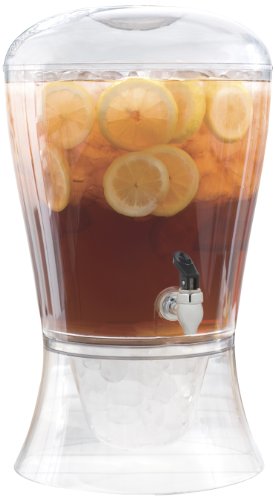
CreativeWare Beverage Dispenser — Best for Outdoor Parties
The CreativeWare Beverage Dispenser is clear acrylic style that shrugs off knocks at outdoor events. In prose terms it sits in the mid tier of the market: you are paying for the material, the finish, and a spigot that should feel smooth and close completely, rather than for novelty features. Judge it by the leak check, by how easily the spigot comes apart for washing, and by whether its size matches the gatherings you actually host.
Best for: hosts whose events match its strengths and who will wash the spigot properly after every use. Not suited for: anyone whose real need is a different size or setting, because the wrong capacity in a good dispenser still frustrates at every event. Strengths include presentation, self-serve convenience, and straightforward batch serving. The honest trade-off is the same as with any dispenser in its class: it needs storage space, careful filling, and same-day cleaning to stay pleasant to own.
Oggi Beverage Dispenser — Best for Everyday Use
The Oggi Beverage Dispenser is compact counter-friendly pick for everyday family drinks. In prose terms it sits in the mid tier of the market: you are paying for the material, the finish, and a spigot that should feel smooth and close completely, rather than for novelty features. Judge it by the leak check, by how easily the spigot comes apart for washing, and by whether its size matches the gatherings you actually host.
Best for: hosts whose events match its strengths and who will wash the spigot properly after every use. Not suited for: anyone whose real need is a different size or setting, because the wrong capacity in a good dispenser still frustrates at every event. Strengths include presentation, self-serve convenience, and straightforward batch serving. The honest trade-off is the same as with any dispenser in its class: it needs storage space, careful filling, and same-day cleaning to stay pleasant to own.
Common Mistakes
Storage is the forgotten test. Measure the cupboard or shelf where the dispenser will live before you fall for a tall, elegant design, and check whether the lid and stand nest or separate for storage. A dispenser that is annoying to store becomes a dispenser that lives on the counter gathering dust, or worse, one that is left with water sitting in it between uses. Easy storage, easy cleaning, and a spigot that does not drip are the unglamorous trio that decides long-term satisfaction.
Food-contact hygiene is the unglamorous side of dispenser ownership that decides whether the second and third uses are as pleasant as the first. Sugary drinks left sitting for days grow bacteria, turn cloudy, and leave a sticky film inside the spigot that plain rinsing will not shift. Empty the dispenser the same day, wash the vessel with warm soapy water, run clean water through the spigot repeatedly, and let every part dry fully before storing it. That simple routine prevents the stale, faintly sour taste that ruins an otherwise good drink.
Capacity should follow your real guest list, not your most optimistic one. A dispenser that suits a family dinner looks lost at a garden party, and an enormous vessel bought for one annual event spends the rest of the year taking up cupboard space and tempting you to mix batches far larger than a normal weekend needs. If you host two sizes of gathering, the honest answer is often a mid-sized everyday dispenser first, with a second inexpensive large one added later only if the big events genuinely keep happening.
Pro Tips
For parties, think in terms of flow rather than volume alone. One dispenser at the end of a food table creates a queue and a puddle; a drinks station set slightly apart, with glasses stacked before the dispenser and a bin for used cups after it, keeps people moving. Two smaller dispensers, one with water and one with a signature drink, usually serve a crowd better than a single huge vessel, and they let you offer a grown-up option and a family option side by side without confusion.
Batch planning is simpler than it looks. Guests drink more in the first hour, more in hot weather, and more when the drink is cold, lightly sweet, and easy to pour. Make the base mixture slightly concentrated if it will be served over ice in the glass, keep a plain jug of the same drink in the fridge for topping up, and never mix a second flavour into the remains of the first. A clean top-up tastes fresh; a blended leftover tastes like a compromise nobody chose.
Worked Examples
The value case for a dispenser is mostly about repetition. Bought for a single party, it competes with simply serving from jugs and bottles, and it may not win. Bought for a household that hosts monthly, runs a sports-season drinks table, or keeps cold water on the counter all summer, it pays its way in convenience, presentation, and fewer single-serve drinks opened and half finished. Judge the purchase against your calendar honestly; the calendar, not the product photograph, tells you whether it will be used enough to matter.
Alternatives deserve a fair hearing before you commit. A large jug with a good lid handles small dinners perfectly well. Borrowed or rented dispensers cover the once-a-year big event without permanent storage. Bottled and canned drinks, for all their waste, need no washing and no planning. A dispenser wins when self-serve flow, presentation, and batch drinks are recurring features of your hosting, and it loses when they are occasional. That honest comparison is the heart of deciding well, whatever you finally choose.
In everyday family use, a dispenser earns its keep by making the default drink the easy drink. Filled with cold water, lightly infused or plain, it gives children and adults a self-serve option that quietly replaces some of the bottled and canned drinks a household would otherwise open. The dispenser that gets used weekly is rarely the largest or most decorative one; it is the one that fits the fridge door shelf or a modest counter corner, rinses quickly, and has a spigot a child can operate without flooding the floor.
Keep exploring with our beverage dispenser review for more ideas that pair naturally with a well-run drinks station.
Keep exploring with our beverage dispenser reviews roundup for more ideas that pair naturally with a well-run drinks station.
Keep exploring with the beverage dispenser buying guide for more ideas that pair naturally with a well-run drinks station.
Keep exploring with beverage dispenser pros and cons in full for more ideas that pair naturally with a well-run drinks station.
Food-contact hygiene is the unglamorous side of dispenser ownership that decides whether the second and third uses are as pleasant as the first. Sugary drinks left sitting for days grow bacteria, turn cloudy, and leave a sticky film inside the spigot that plain rinsing will not shift. Empty the dispenser the same day, wash the vessel with warm soapy water, run clean water through the spigot repeatedly, and let every part dry fully before storing it. That simple routine prevents the stale, faintly sour taste that ruins an otherwise good drink.
The spigot deserves its own cleaning attention because its internals stay damp and sugary long after the vessel looks clean. Where the design allows, unscrew the spigot, soak its parts, brush the channel gently, and rinse until the water runs completely clear and tasteless. Fruit pulp, mint leaves, and zest love to lodge in the valve, so strain punches before filling or use an infusion insert that keeps solids away from the tap. A dispenser that is easy to take apart is, in practice, a dispenser that actually gets cleaned properly.
Where you place the dispenser matters as much as how sound the spigot is. A stand or a raised base lets a glass slide underneath without tipping, keeps the spigot clear of the table edge so drips fall into a cup rather than onto linen, and makes the whole setup feel calmer. On a crowded buffet, position the dispenser so guests approach from the front only, with a small tray or folded towel underneath as quiet insurance against the drips even a good spigot occasionally produces.
Temperature also affects how a dispenser pours. Very cold drinks in a warm room collect condensation on glass, which makes surfaces slippery and tables wet, so a tray underneath is practical rather than fussy. Plastic and acrylic fog less dramatically and are easier to grip with wet hands. Whatever the material, fill the dispenser shortly before guests arrive rather than hours ahead, so the first glass poured is as cold and lively as the last one is meant to be.
Alternatives deserve a fair hearing before you commit. A large jug with a good lid handles small dinners perfectly well. Borrowed or rented dispensers cover the once-a-year big event without permanent storage. Bottled and canned drinks, for all their waste, need no washing and no planning. A dispenser wins when self-serve flow, presentation, and batch drinks are recurring features of your hosting, and it loses when they are occasional. That honest comparison is the heart of deciding well, whatever you finally choose.
The value case for a dispenser is mostly about repetition. Bought for a single party, it competes with simply serving from jugs and bottles, and it may not win. Bought for a household that hosts monthly, runs a sports-season drinks table, or keeps cold water on the counter all summer, it pays its way in convenience, presentation, and fewer single-serve drinks opened and half finished. Judge the purchase against your calendar honestly; the calendar, not the product photograph, tells you whether it will be used enough to matter.
Spigot leaks rarely announce themselves dramatically. More often the seal weeps a little each time someone pours, the base ring stays damp, and the table underneath quietly suffers. Tightening the nut behind the spigot by hand, reseating the washer flat rather than pinched, and checking that no pulp or zest is trapped in the valve fixes most of it. If a dispenser still weeps after that careful reseating, treat it as a reason to choose a different model rather than a quirk to live with at every gathering.
Cold drinks need the same food-safety respect as cold food. A dispenser of lemonade, iced tea, or any drink mixed with fresh juice or dairy should not sit at room temperature indefinitely while a party drifts on for hours. Serve over plenty of ice, top up in smaller batches rather than one enormous batch that warms slowly, and refrigerate leftovers promptly or discard them. When in doubt, make a fresh smaller batch; guests notice fresh and cold far more than they notice sheer volume.
In everyday family use, a dispenser earns its keep by making the default drink the easy drink. Filled with cold water, lightly infused or plain, it gives children and adults a self-serve option that quietly replaces some of the bottled and canned drinks a household would otherwise open. The dispenser that gets used weekly is rarely the largest or most decorative one; it is the one that fits the fridge door shelf or a modest counter corner, rinses quickly, and has a spigot a child can operate without flooding the floor.
Capacity should follow your real guest list, not your most optimistic one. A dispenser that suits a family dinner looks lost at a garden party, and an enormous vessel bought for one annual event spends the rest of the year taking up cupboard space and tempting you to mix batches far larger than a normal weekend needs. If you host two sizes of gathering, the honest answer is often a mid-sized everyday dispenser first, with a second inexpensive large one added later only if the big events genuinely keep happening.
There are real costs beyond money to weigh fairly. A dispenser takes storage space, needs proper washing including its spigot, must be filled and carried with some care, and asks you to plan drinks a little ahead instead of opening bottles on impulse. For some households that small routine is a pleasure and part of hosting; for others it is exactly the kind of kitchen chore that quietly stops happening. Neither answer is wrong, but knowing which household you are saves buying equipment for a lifestyle you do not actually live.
For parties, think in terms of flow rather than volume alone. One dispenser at the end of a food table creates a queue and a puddle; a drinks station set slightly apart, with glasses stacked before the dispenser and a bin for used cups after it, keeps people moving. Two smaller dispensers, one with water and one with a signature drink, usually serve a crowd better than a single huge vessel, and they let you offer a grown-up option and a family option side by side without confusion.
Infusion inserts open up the prettiest side of dispenser serving: citrus wheels, cucumber, berries, and herbs flavouring water or tea without floating loose into every glass. The insert keeps solids contained, protects the spigot from clogging, and makes refilling simple because the flavour base stays put while you top up the liquid. If you entertain often in warm weather, an infuser or ice-core option is worth prioritising, because plain water served cold and lightly flavoured is the drink guests return to most between richer options.
Batch planning is simpler than it looks. Guests drink more in the first hour, more in hot weather, and more when the drink is cold, lightly sweet, and easy to pour. Make the base mixture slightly concentrated if it will be served over ice in the glass, keep a plain jug of the same drink in the fridge for topping up, and never mix a second flavour into the remains of the first. A clean top-up tastes fresh; a blended leftover tastes like a compromise nobody chose.
Spigot quality is the detail experienced owners mention first. Look for a spigot that opens with a smooth, positive action, closes completely without needing to be held, and can be removed for cleaning. A lever that guests push down tends to suit children and anyone with limited grip better than a small twist tap. Whatever the style, the spigot is the part you will judge at every single use, so it deserves more of your attention than the shape of the lid or the pattern pressed into the glass.
Keeping drinks properly cold is a design question as much as an ice question. An ice-core insert chills the drink without diluting it, which suits iced tea and infused water beautifully, while ice added directly to the drink melts into it and gradually weakens stronger mixtures like punch. Neither approach is wrong; the right one depends on the drink. For long events, a frozen ice core plus a shaded spot away from direct sun keeps a dispenser inviting for far longer than ice alone dumped in at the start.
Glass is the material most people picture first, and for good reason: it looks generous, shows off the colour of the drink and any fruit inside, and does not hold flavours from one event to the next. The honest trade-off is weight and fragility. A full glass dispenser is heavy to carry from kitchen to table, awkward to move once filled, and unforgiving if it is knocked on a hard patio. The sensible routine is to carry it empty, place it where it will stay, and only then fill it in position with a jug.
Storage is the forgotten test. Measure the cupboard or shelf where the dispenser will live before you fall for a tall, elegant design, and check whether the lid and stand nest or separate for storage. A dispenser that is annoying to store becomes a dispenser that lives on the counter gathering dust, or worse, one that is left with water sitting in it between uses. Easy storage, easy cleaning, and a spigot that does not drip are the unglamorous trio that decides long-term satisfaction.
The single most useful habit with any dispenser is a plain-water leak check before the real event. Fill the vessel with water, set it on a dry surface over a tray, open and close the spigot several times, and leave it standing while you do something else. A slow drip that seems trivial in the sink becomes a puddle under a tablecloth an hour later, and it is far better to discover a loose spigot, a cracked washer, or a hairline flaw on a quiet afternoon than while guests are helping themselves to lemonade.
Breakage risk shapes how glass dispensers should be used rather than whether they should be used at all. Keep them away from the edge of the table, away from the busiest walkway, and away from enthusiastic children treating the spigot as a toy. For indoor dinners, adult parties, and styled celebration tables, glass earns its place easily. For a poolside afternoon, a campsite, or a sports-day crowd, a sturdy plastic or acrylic dispenser is usually the calmer, more forgiving choice, and there is no shame in owning the practical one.
Thick glass with a smooth, well-finished rim and a solid base feels reassuring in a way thin, lightweight glass never quite does. When you handle a dispenser in a shop or unpack one at home, look for even walls, a lid that sits flat without rocking, and a spigot that feels firm rather than loose in its fitting. Small details like a lid that seals well enough to discourage insects outdoors and a base wide enough to resist a casual bump matter more over years of use than decorative flourishes.
Food-contact hygiene is the unglamorous side of dispenser ownership that decides whether the second and third uses are as pleasant as the first. Sugary drinks left sitting for days grow bacteria, turn cloudy, and leave a sticky film inside the spigot that plain rinsing will not shift. Empty the dispenser the same day, wash the vessel with warm soapy water, run clean water through the spigot repeatedly, and let every part dry fully before storing it. That simple routine prevents the stale, faintly sour taste that ruins an otherwise good drink.
The spigot deserves its own cleaning attention because its internals stay damp and sugary long after the vessel looks clean. Where the design allows, unscrew the spigot, soak its parts, brush the channel gently, and rinse until the water runs completely clear and tasteless. Fruit pulp, mint leaves, and zest love to lodge in the valve, so strain punches before filling or use an infusion insert that keeps solids away from the tap. A dispenser that is easy to take apart is, in practice, a dispenser that actually gets cleaned properly.
Where you place the dispenser matters as much as how sound the spigot is. A stand or a raised base lets a glass slide underneath without tipping, keeps the spigot clear of the table edge so drips fall into a cup rather than onto linen, and makes the whole setup feel calmer. On a crowded buffet, position the dispenser so guests approach from the front only, with a small tray or folded towel underneath as quiet insurance against the drips even a good spigot occasionally produces.
Temperature also affects how a dispenser pours. Very cold drinks in a warm room collect condensation on glass, which makes surfaces slippery and tables wet, so a tray underneath is practical rather than fussy. Plastic and acrylic fog less dramatically and are easier to grip with wet hands. Whatever the material, fill the dispenser shortly before guests arrive rather than hours ahead, so the first glass poured is as cold and lively as the last one is meant to be.
Alternatives deserve a fair hearing before you commit. A large jug with a good lid handles small dinners perfectly well. Borrowed or rented dispensers cover the once-a-year big event without permanent storage. Bottled and canned drinks, for all their waste, need no washing and no planning. A dispenser wins when self-serve flow, presentation, and batch drinks are recurring features of your hosting, and it loses when they are occasional. That honest comparison is the heart of deciding well, whatever you finally choose.
The value case for a dispenser is mostly about repetition. Bought for a single party, it competes with simply serving from jugs and bottles, and it may not win. Bought for a household that hosts monthly, runs a sports-season drinks table, or keeps cold water on the counter all summer, it pays its way in convenience, presentation, and fewer single-serve drinks opened and half finished. Judge the purchase against your calendar honestly; the calendar, not the product photograph, tells you whether it will be used enough to matter.
Spigot leaks rarely announce themselves dramatically. More often the seal weeps a little each time someone pours, the base ring stays damp, and the table underneath quietly suffers. Tightening the nut behind the spigot by hand, reseating the washer flat rather than pinched, and checking that no pulp or zest is trapped in the valve fixes most of it. If a dispenser still weeps after that careful reseating, treat it as a reason to choose a different model rather than a quirk to live with at every gathering.
Cold drinks need the same food-safety respect as cold food. A dispenser of lemonade, iced tea, or any drink mixed with fresh juice or dairy should not sit at room temperature indefinitely while a party drifts on for hours. Serve over plenty of ice, top up in smaller batches rather than one enormous batch that warms slowly, and refrigerate leftovers promptly or discard them. When in doubt, make a fresh smaller batch; guests notice fresh and cold far more than they notice sheer volume.
In everyday family use, a dispenser earns its keep by making the default drink the easy drink. Filled with cold water, lightly infused or plain, it gives children and adults a self-serve option that quietly replaces some of the bottled and canned drinks a household would otherwise open. The dispenser that gets used weekly is rarely the largest or most decorative one; it is the one that fits the fridge door shelf or a modest counter corner, rinses quickly, and has a spigot a child can operate without flooding the floor.
Capacity should follow your real guest list, not your most optimistic one. A dispenser that suits a family dinner looks lost at a garden party, and an enormous vessel bought for one annual event spends the rest of the year taking up cupboard space and tempting you to mix batches far larger than a normal weekend needs. If you host two sizes of gathering, the honest answer is often a mid-sized everyday dispenser first, with a second inexpensive large one added later only if the big events genuinely keep happening.
There are real costs beyond money to weigh fairly. A dispenser takes storage space, needs proper washing including its spigot, must be filled and carried with some care, and asks you to plan drinks a little ahead instead of opening bottles on impulse. For some households that small routine is a pleasure and part of hosting; for others it is exactly the kind of kitchen chore that quietly stops happening. Neither answer is wrong, but knowing which household you are saves buying equipment for a lifestyle you do not actually live.
A Step-by-Step Fit Check Before You Choose a Beverage Dispenser
Choosing a beverage dispenser goes wrong most often not through ignorance but through sequence: people fall for a style or a feature before checking the basics that decide whether it works at home. This section gives you a deliberate order of operations, from measuring to shortlisting, so each decision narrows the field for a practical reason.
Step one is to measure before you look at a single product: confirm the capacity against how many guests you actually serve and how often you refill, and photograph the space or item with the tape in frame, so you can check listings later without re-measuring. Step two is to define the job in one sentence, which for most households is parties, family gatherings and self-serve drink stations. Any option that does not serve that sentence is out, however attractive, because features outside your actual job are decoration you will pay for in size, upkeep or complexity.
Step three is the compatibility pass: the spigot height against the glasses and pitchers you plan to fill underneath it. Do this against your real home, not the imagined renovated version, and be strict, because almost-fits are the source of most returns in this category. Step four is to shortlist two or three survivors and compare them on upkeep, asking honestly whether you will sustain the routine, since washing the spigot assembly separately and air-drying every part before storage. If a shortlisted name such as Anchor Hocking Beverage Dispenser is in play, verify its exact variant and included parts on the listing itself at this stage.
The final step is the edge-case rehearsal: drinks with pulp, citrus slices or ice that can block a narrow spigot mid-event. Picture it in detail with each finalist, including the cleaning afterwards and where everything gets put away. Then stop. Choosing well is mostly the discipline of eliminating for practical reasons in the right order, and once one option survives measurement, job, compatibility, upkeep and edge case, further comparison produces anxiety, not better decisions.
A Final Decision Checklist
- Step one, measure: confirm the capacity against how many guests you actually serve and how often you refill and photograph the space with the tape visible.
- Step two, name the job in one sentence: parties, family gatherings and self-serve drink stations.
- Step three, the compatibility pass: the spigot height against the glasses and pitchers you plan to fill underneath it, judged against your home as it is today.
- Step four, shortlist on upkeep you will actually sustain, since washing the spigot assembly separately and air-drying every part before storage.
- Step five, rehearse the edge case with each finalist, because drinks with pulp, citrus slices or ice that can block a narrow spigot mid-event.
- Write down your two most frequent uses and eliminate any option that serves neither.
- Keep packaging and paperwork until the first full week confirms the choice.
- Photograph the setup once it works well, so the winning arrangement is easy to restore.
- Work the list on the second year in advance: replaceable parts and a serviceable design matter more than launch-day shine.
- Decide in advance the shortlist against your written criteria, not against whichever listing photographs best.
- Step through seasonal differences, since heat, guests and holiday loads test a beverage dispenser differently from ordinary weeks.
- Step through instructions photographed on your phone, so troubleshooting never starts with a search through drawers.
- Shortlist by every included part against the listing description on arrival day, while an exchange is still painless.
- Eliminate options by the person who cleans it most a veto, because their friction decides how long it stays in service.
- Decide in advance the failure signs monthly, so you catch the stage where a spigot that drips after serving because pulp or sediment has settled into the seal is still a five-minute fix.
Frequently Asked Questions
How long can drinks sit in a dispenser?
Treat dispenser drinks like any fresh food or drink. Iced tea, lemonade, and anything mixed with fresh juice should be served cold over plenty of ice, topped up in smaller batches, and refrigerated or discarded at the end of the event rather than left at room temperature indefinitely. Sugary drinks left sitting for days grow bacteria and leave a stale film inside the spigot. Empty the dispenser the same day, wash it thoroughly, and start fresh next time for both flavour and food safety.
Is glass or plastic better for a beverage dispenser?
Glass looks generous, shows the drink beautifully, and never holds old flavours, but a full glass dispenser is heavy and can break if knocked on a hard surface. Plastic and acrylic are lighter, more forgiving outdoors and around children, and easier to carry, though they can scratch and may hold odours if not washed promptly. Choose glass for indoor dinners and styled tables, and sturdy plastic or acrylic for patios, poolsides, picnics, and busy family events where knocks are part of the day.
How do I clean the spigot properly?
Unscrew the spigot where the design allows, soak its parts in warm soapy water, brush the channel gently, and rinse until the water runs completely clear and tasteless. Then run clean water through the reassembled spigot several times. Fruit pulp, mint, and zest lodge in the valve easily, so strain punches before filling or use an infusion insert to keep solids away from the tap. Let every part dry fully before storing, because a damp, sugary spigot is where stale flavours and bacteria begin.
What drinks work best in a dispenser?
Still, smooth drinks pour best: infused water, iced tea, lemonade, fruit punch without chunky pulp, and batched soft drinks all behave well. Strain anything with pulp, seeds, or herbs so the spigot stays clear, or keep those ingredients inside an infusion insert. Avoid anything fizzy that needs its sparkle, anything with dairy that cannot stay properly cold, and thick smoothies that clog the tap. Serve over ice in the glass or use an ice-core insert to chill without diluting the batch.
Can I put hot drinks in a beverage dispenser?
Only if the maker specifically designs and rates that dispenser for hot liquids, and even then with care. Many glass and plastic dispensers are intended for cold and room-temperature drinks, and hot liquid can stress materials, loosen spigot seals, and make a full vessel hazardous to move. For hot drinks at an event, a purpose-made insulated urn or a simple jug service is the safer, more appropriate tool. Keep your dispenser for the cold drinks it handles best and it will last far longer.
Related Reading
Related reading: whether a beverage dispenser is worth it.
Related reading: best blenders for smooth party drinks.
Related reading: affordable blenders for frozen drinks.
Related reading: countertop ice maker deals and guides.
Related reading: best 12-cup coffee makers.