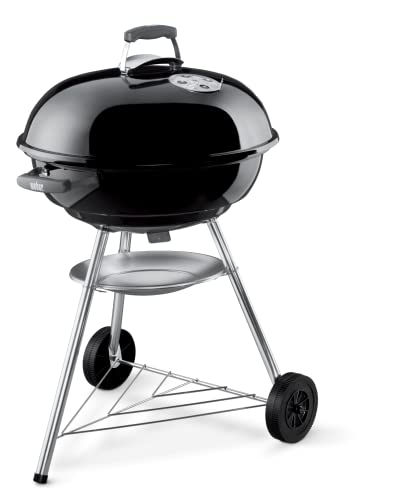
An upright smoker, also called a vertical smoker, stacks its cooking racks above the fire so heat and smoke rise through the food. The tall shape saves patio space and makes it easy to smoke ribs, sausage, chicken and large cuts without a long horizontal firebox. Because smoke and heat travel upward, the top racks often run a little hotter, so rotate food during long cooks.
The six smokers below use different fuels, so you can pick by how you like to cook. We have not used these products ourselves, so confirm rack count, cooking area and assembly details on the current listing before buying. Charcoal models reward practice, while propane models offer easier temperature control.
As an Amazon Associate we earn from qualifying purchases. Links below are affiliate links, and they do not change the product information we give.
What to Look For
| Feature | Why it matters |
|---|---|
| Fuel | Charcoal gives classic flavor; propane is easier to control |
| Water pan | A pan adds moisture and steadies the temperature |
| Racks | More racks allow more food, but check the spacing |
| Door | A tight door seal keeps the heat in |
| Thermometer | A reliable gauge saves guesswork on long cooks |
| Assembly | Cabinet models take longer to put together than bullet or drum smokers |
In this guide
Specs at a Glance
| Smoker | Fuel | Size class | Notes |
|---|---|---|---|
| Weber Smokey Mountain 18 inch | Charcoal | Mid-size bullet | Water pan and two racks |
| Pit Barrel Cooker Classic | Charcoal | Drum size | Hook-hung cooking |
| Camp Chef Smoke Vault 24 | Propane | 24 inch class | Gas burner with smoke box |
| Dyna-Glo DGO1176BDC-D | Charcoal | Large cabinet | Offset firebox style |
| Cuisinart COS-244 | Propane | 24 inch class | Vertical gas smoker |
| Weber Smokey Mountain 22 inch | Charcoal | Large bullet | Larger cooking area |
The 6 Best Upright Smokers
Top pickBest for charcoal fans
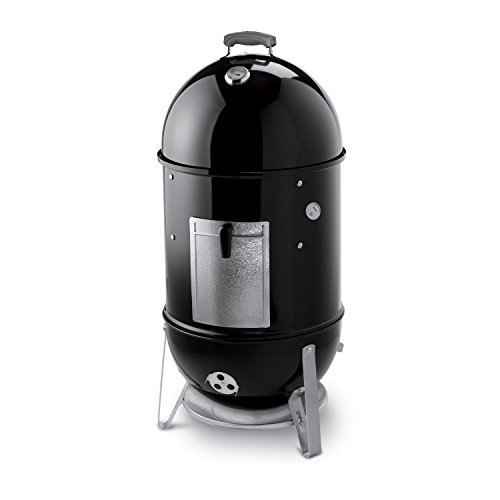
1. Weber Smokey Mountain Cooker 18 inch
A Weber bullet-style upright smoker that has been sold for many years. It uses charcoal and wood chunks, with a water pan between the fire and the food. Many owners treat it as the benchmark for charcoal vertical smoking.
Suits: charcoal fans. Strengths: a long record and steady heat. Weaknesses: it needs more attention than a gas model. Skip it if you want push-button control.
Best for hands-off cooking
2. Pit Barrel Cooker Classic
A drum-style upright smoker that hangs meat on hooks above a charcoal basket. It has a short learning curve and a simple design. There are no grates to arrange, so the hooks do most of the work.
Suits: hands-off cooking. Strengths: a simple, proven drum design. Weaknesses: it is less suited to racks of ribs on grates. Skip it if you want racks for lots of small items.
View Pit Barrel Cooker Classic on Amazon
Best for easy temperature control
3. Camp Chef Smoke Vault 24
A Camp Chef vertical smoker that uses a propane burner and a wood chip box. The cabinet design holds several racks and has a door thermometer. Check that you have a propane tank and regulator that suit the listing.
Suits: easy temperature control. Strengths: gas convenience. Weaknesses: less bark than a charcoal fire. Skip it if you want a pure charcoal flavor.
View Camp Chef Smoke Vault 24 on Amazon

Best for bigger cooks
4. Dyna-Glo DGO1176BDC-D
A Dyna-Glo upright charcoal smoker with a cabinet shape and several grates. It suits those who want more room than a bullet smoker. Check the listing for door seal details, as cabinet doors can leak smoke.
Suits: bigger cooks. Strengths: more rack space. Weaknesses: assembly takes some time. Skip it if you want a compact bullet.

Best for gas fans
5. Cuisinart COS-244
A Cuisinart vertical propane smoker with a cabinet design. It offers multiple racks and a door-mounted temperature gauge. Look at the listing for how many racks come with it.
Suits: gas fans. Strengths: a familiar kitchen brand. Weaknesses: check the listing for assembly and burner details. Skip it if you want an electric unit.
View Cuisinart COS-244 on Amazon

Best for large cookouts
6. Weber Smokey Mountain Cooker 22 inch
The larger Weber bullet smoker with more cooking space than the 18 inch. It suits big family cookouts. Wide grates mean more room for a whole turkey or several racks of ribs.
Suits: large cookouts. Strengths: extra room for big cuts. Weaknesses: a larger footprint. Skip it if your patio is small.

Care and Setup
- Empty ash after each cook so it does not block the air flow.
- Clean the grates while they are still warm.
- Keep the cover on between uses.
- Check the door seal for gaps.
- Re-season the grates with a light coat of oil if they dry out.
Mistakes to Avoid
- Opening the door too often.
- Using wet wood.
- Skipping the water pan.
- Not checking the thermometer.
Bullet, Drum and Cabinet Designs Compared
Upright smokers share a tall shape, but the designs behave differently, so it is worth knowing what you are choosing. A bullet smoker is a round, stacked body with a fire at the bottom, a water pan in the middle and cooking grates above. It is compact, and the shape tends to hold heat steadily once it is running. Many cooks like it for ribs, pork shoulder and chicken because the stacked grates and water pan are easy to manage.
A drum smoker holds a charcoal basket at the bottom and hangs meat on hooks above it. There are few parts to manage, and the learning curve is often described as short. It suits whole cuts that hang well, though it is less natural for foods that need to lie flat on a grate unless the model includes one.
A cabinet smoker is a box with a door and several racks. It offers more rack space and easier access, which suits sausage, jerky, fish and bigger batches. The tradeoff is the door seal: gaps let smoke and heat escape, and cabinet models often take longer to assemble. Fuel varies as well, with charcoal and propane cabinets both on the market.
When you compare, think about how you cook. If you smoke a few cuts at a time and want a compact footprint, a bullet or drum is often enough. If you cook for a crowd or want many racks, a cabinet may suit better. Check the listing for rack count, cooking area, and what is included, then match the design to your habits.
Charcoal Versus Propane in an Upright
Fuel changes both flavor and effort. Charcoal smokers burn charcoal and wood chunks, and many cooks associate them with a classic smoke flavor and a good crust on the meat. They also require more attention: you light the fire, manage the vents to hold the temperature, and refuel when needed. Practice makes the process smoother, and many people enjoy that craft.
Propane smokers use a gas burner, usually with a box for wood chips or chunks. The burner makes temperature control easier, and you can often set a flame level and leave it. That convenience suits cooks who want reliable results with less tending. The smoke flavor may be lighter, and some people feel the crust is different, but this comes down to taste.
Think about practicalities. For propane, confirm the tank size and regulator the listing calls for, and plan where to keep and refill the tank. For charcoal, plan where to store dry fuel and how to dispose of ash safely once it is completely cool. Weather matters for both: wind and cold can make any smoker work harder, so shelter helps.
Consider cost over time as well. Charcoal and wood are consumables, and so is propane, but the amounts and prices vary. Check how long a typical load lasts according to the maker, and remember that your own results depend on the weather, the cook length and the temperature. Pick the fuel you will enjoy using regularly, because the best smoker is the one that gets used.
Temperature Control, Water Pans and Airflow
A vertical smoker lives or dies on temperature control, and several features help. The water pan, found in many bullet and some cabinet designs, sits between the heat and the food. It absorbs heat, adds moisture and steadies the temperature. Some cooks fill it with water, others use sand or leave it empty, so follow the manual and your own preference.
Vents are the main control on a charcoal smoker. Intake vents at the bottom let air in, and the exhaust at the top lets smoke out. Opening the intake raises the temperature, and closing it lowers it, though changes take time to show. The best habit is to make small adjustments and wait. Keeping the exhaust open generally helps prevent stale smoke from lingering on the food.
A trustworthy thermometer matters. The gauge in the door or lid may not match the temperature at the grate, so many cooks add a separate probe at grate level. A leave-in meat probe tells you when the food is done and lets you avoid opening the door. Opening the door releases heat and smoke, which slows the cook.
Because heat rises, the top racks can run hotter than the lower ones. Plan to rotate food or place the thickest cuts where they cook evenly. Light, steady heat with a good seal is the aim. If the listing mentions door fit, gasket or damper details, read them closely, since they affect how well the smoker holds temperature.
A First Cook, from Assembly to Resting
Good habits on day one help you avoid the common stumbles. Start with assembly: follow the manual, tighten fasteners, and check that the unit is stable on a level, non-flammable surface well away from walls, fences, overhangs and anything that can burn. Cabinet models can take a while, so set aside time.
Before the first cook, season the smoker as the manual directs. Many makers suggest coating the interior surfaces lightly with cooking oil and running the smoker at a moderate temperature for a period to burn off residues. Check the instructions for your model, because steps differ.
For the cook itself, light the fuel and let the smoker settle at a steady temperature before putting food in. Add wood once the fire is going, and avoid wet wood. Place the food, close the door and resist peeking. Use a probe to track the internal temperature, and rely on the temperature and the feel of the meat instead of the clock alone, since cuts vary.
When the food is done, let it rest according to the type of meat before cutting, which helps keep juices in. Then shut the vents or burner, let the smoker cool completely and clean up. Keep notes on what you cooked, the weather and how the temperature behaved. Those notes become your own reference, and they make each following cook easier. Follow safe food handling practices throughout, including cooking meat to the internal temperatures recommended by your local food safety authority.
Cleaning, Storage and Weather Protection
Upright smokers last longer with simple upkeep. After each cook, let the unit cool fully, then remove ash from the fire area or charcoal basket. Ash can hold moisture and corrode metal, and it can also block airflow in the next cook. Dispose of ash only when you are sure it is completely cold, and never put it in a combustible container.
Clean the grates while they are still warm, using a brush or scraper. Wipe the water pan and empty it before storing, as stale water and drippings can smell. If your smoker has a drip tray or grease channel, clean it regularly, since built-up grease can cause flare-ups. Wipe the interior lightly rather than scrubbing away the dark layer that has built up from smoke, as many cooks leave it in place, though you should remove flaking residue.
Check the door and its seal from time to time. Gaps let smoke and heat escape and make temperature harder to control. Look at the hinges, latches and thermometer, and tighten loose fasteners. For propane models, inspect the hose and connections for wear and follow the manual’s advice on leak checks.
Protect the smoker from weather. A fitted cover helps against rain and dust, but only when the unit is fully cool. In wet climates, store the smoker in a sheltered spot, and keep charcoal and wood dry in sealed containers. Surface rust can appear on any outdoor metal, so touch up with a high-heat product that the maker approves if needed, and always keep the smoker away from the house during use.
Pre-Purchase Checklist for an Upright Smoker
A smoker is a bigger commitment than most backyard gear, so a short checklist is worth the effort. Think about where it will sit and how you will feed it before choosing between the Weber Smokey Mountain, the Pit Barrel Cooker, the Camp Chef Smoke Vault, the Dyna-Glo or the Cuisinart.
- Pick the exact spot and measure it, including the height and the clearance the maker asks for around the unit.
- Choose the fuel you are happy to buy and store: charcoal, wood or propane.
- Check how many racks or hooks come with it and how much food each can hold.
- Look for a built-in thermometer, and plan to add a separate probe if the listing does not include one.
- Find out how the door or lid opens, since some designs make adding fuel easier than others.
- Read the assembly steps and tools needed.
- Confirm the warranty details on the maker’s page.
Keep the notes in one place so you can compare models side by side.
Common Smoker Terms Explained
- Bullet: a rounded, tall smoker with a charcoal chamber at the bottom and racks above.
- Drum: a barrel shaped smoker where meat often hangs from hooks.
- Cabinet: a boxy, door fronted smoker with removable racks.
- Vent or damper: an opening used to control airflow and therefore heat.
- Probe: a thermometer placed in the food or the cooking chamber.
- Bark: the dark, flavorful crust that forms on slow cooked meat.
- Rest: time after cooking when the food sits before slicing.
These terms show up in nearly every manual and guide, so knowing them helps you follow the instructions that come with your smoker.
Where the Maker’s Manual Comes First
Smokers involve fire, hot surfaces and long cooking times. For lighting, fuel handling, safe placement away from walls and decks, and the safe internal temperature of different foods, rely on the maker’s instructions and official food safety guidance. If you plan to use a propane model, the gas fittings and hose should be checked as the manual describes, and a licensed professional can help if anything looks worn. This section is general guidance only, and your own manual and local rules always take priority.
Choosing by Yard and Habits
The six smokers ask different things of you, so match the choice to the way you cook rather than to a brand name. This table pairs common situations with what to look for in the listings.
| Situation | What to look for |
|---|---|
| Small patio or balcony rules | A narrow body, such as the 18 inch Weber Smokey Mountain, and a check of local rules |
| Weeknight smoking | Quick setup, as with the Pit Barrel Cooker |
| Large gatherings | More rack area, such as the 22 inch Smokey Mountain or the Smoke Vault 24 |
| Prefer gas over charcoal | A propane cabinet like the Dyna-Glo or Cuisinart |
| Rainy climate | A cover and a dry storage spot |
Look at the product dimensions and weight, then picture the smoker on your actual patio. Think about where you will keep fuel and how you will carry ash away after a long cook.
How to Choose in Practice: A Step-by-Step Decision Sequence
Most shoppers start with a shortlist of models and a handful of features, but a more reliable way to choose an upright smoker is to work through a short sequence of practical decisions in order. The sequence below is built around classic smoke flavour from a tall, space-saving cooker you will actually light often. Each step removes some options from contention, so by the end you are comparing a small number of genuinely suitable picks from the reviews above rather than trying to rank everything at once — and you will have settled the first question of all, which fuel and which design — bullet, drum or cabinet — match the way you like to cook.
Step one: start with the space, not the product
Measure first and shop second. For this category, that means checking the exact spot’s footprint and height clearance, a level, non-flammable surface well away from walls, fences, overhangs and anything that can burn, where fuel will be stored dry, and how ash will be carried away after a cook. Check local rules too, especially for small patios and balconies. Write the numbers down and keep them beside you while you read listings. If your space is between designs, favour the cooker you can place safely with room to work around it over the larger cabinet that crowds the only spot you have.
Step two: list your three most common uses
Next, be honest about what the smoker will cook most often. In this category the everyday work usually includes ribs, pork shoulder and brisket cooked low and slow, whole chickens and sausage, and fish, vegetables and bigger batches for gatherings. Write down your own three most frequent uses, in order, and judge every pick against those three first. Design only matters in relation to those uses: hooks suit whole cuts that hang well, racks suit food that lies flat, and a cabinet suits many small items at once. This single habit prevents the most common buying error in the category: choosing a design for the cook you imagine rather than the cooks you repeat.
Step three: match handling to the people who will use it
Consider who else will use the smoker: a partner, older children helping, or friends at a cookout. Charcoal asks for craft — lighting, vent management, refuelling — while propane asks mainly for a flame level and a tank check. Be honest about which kind of attention your household will give happily, because the best smoker is the one that gets used. Keep children and pets away from hot surfaces, keep a fire extinguisher nearby, and let one person own the fire on any given cook so vents are not adjusted by committee.
Step four: plan the upkeep and the installation before you buy
Every option in this guide asks for some routine care, and the differences matter. In general that means emptying ash after each cook so it does not block the air flow, cleaning the grates while they are still warm, keeping the cover on between uses, checking the door seal for gaps, and re-seasoning the grates with a light coat of oil if they dry out. Ask yourself about assembly — cabinet models take longer to put together than bullet or drum smokers — and about fuel logistics: dry charcoal storage and safe ash disposal, or a propane tank, regulator and refill plan. Before you commit, also confirm what is included: racks or hooks, thermometer, and warranty details.
Real Households, Real Use Cases
The same upright smoker can be an excellent buy for one household and a poor one for another. The scenarios below describe how the choice plays out in common situations, so you can find the one closest to your own life and borrow its priorities.
The charcoal traditionalist
When flavour and craft are the point, the priorities are a bullet or cabinet that holds heat steadily, a water pan to steady temperature and add moisture, and vents that respond predictably. For classic smoke flavour from a tall, space-saving cooker you will actually light often, that usually means one of the charcoal models here, with a separate probe at grate level because the door gauge may not match the temperature where the food sits. It also means keeping the cooker ready: fuel stored dry, ash emptied after each cook, and notes kept on what you cooked, the weather and how the temperature behaved. Judge the picks in this guide by your patience as much as your palate.
The busy cook who wants gas convenience
A propane cabinet trades some bark for control. Think about how it handles that role: a burner you can set and leave, a wood chip box for smoke, several racks behind one door, and a tank and regulator plan settled before the first cook. Planning helps here — check the hose and connections as the manual describes, keep a spare tank plan for long cooks, and accept the guide’s honest note that the crust and smoke will differ from charcoal. For weeknight smoking and reliable gatherings, that trade is often the right one.
The crowd feeder and batch smoker
Where volume rules — sausage, jerky, fish and bigger batches — the cabinet designs earn their assembly time. Look at rack count and spacing, door seal details, since gaps let smoke and heat escape, and how fuel is added mid-cook, because designs differ. A larger bullet serves big single cuts well, while a cabinet serves many items at once. Plan the layout before the food goes in, rotate between racks, and remember the top racks can run hotter, as this guide notes for the vertical format generally.
Getting the Best from It Day to Day
Good results with an upright smoker depend as much on small habits as on the model you choose. The guidance here is general good practice for the category; always follow the manual for your specific product where the two differ, and follow safe food handling practices throughout, including the internal temperatures your local food safety authority recommends.
Start with the basics of operation: seasoning the smoker before the first cook as the manual directs, lighting the fuel and letting the smoker settle at a steady temperature before food goes in, adding dry wood once the fire is going, and using the water pan where the design has one. The first few weeks are a learning period. Make small vent adjustments and wait, because changes take time to show; keep the exhaust open so smoke does not go stale on the food; and track doneness with a probe rather than the clock. Most disappointment in this category comes not from faulty products but from opening the door too often — every look releases the heat and smoke the cook depends on.
Think about load and layout. Place the thickest cuts where they cook evenly, rotate food between racks on long cooks, and start with a few wood chunks rather than many, since too much smoke can make food bitter. Let the meat rest before cutting, as the guide advises, and shut the vents or burner down properly at the end. Keep notes on each cook — food, fuel, weather, temperature behaviour — because those notes become the manual for your own yard.
Finally, keep safety habits automatic. Place the smoker on a level, non-flammable surface well away from structures, never in an enclosed space, and check local rules before using it on a wooden deck. Dispose of ash only when it is completely cold, never in a combustible container, and for propane models inspect the hose and connections and follow the manual’s leak-check advice, with a licensed professional’s help if anything looks worn.
Cleaning, Care and Storage: Keeping It Working Well
Regular care is what keeps an upright smoker holding temperature season after season. The core routine is: emptying ash after each cook so it does not block the air flow, cleaning the grates while they are still warm, keeping the cover on between uses, checking the door seal for gaps, and re-seasoning the grates with a light coat of oil if they dry out. Done little and often, these jobs take minutes. Left for months, ash quietly holds moisture and corrodes metal, grease quietly builds toward flare-ups, and a leaking door quietly makes every cook a fight.
Set a rhythm that matches your cooking: ash and grates after each cook, the water pan emptied and wiped before storing since stale water and drippings smell, and a periodic check of hinges, latches, thermometer and fasteners. Wipe the interior lightly rather than scrubbing away the dark layer built up from smoke, removing only flaking residue. For propane models, add the hose and connection inspection to the same rhythm.
Be careful with materials and methods. Keep charcoal and wood dry in sealed containers, store propane as the manual and local rules direct, and touch up surface rust only with a high-heat product the maker approves. Cover the smoker only when it is fully cool, and store it sheltered in wet climates. Keep the manual and purchase details in one place, and keep your cook notes with them — together they are the smoker’s service history and its recipe book.
Signs it is time for attention
Learn the early warning signs in this category: smoke leaking heavily from the door, temperature that will not hold or swings widely, a door seal with visible gaps, and hinges, latches or a thermometer that have worked loose. Any of these is a prompt to check the door fit and gasket, make sure the latch closes fully, and look at the simple causes first — some leakage is normal on cabinet designs, but large gaps change how the smoker cooks. Persistent problems after basic checks are a reason to contact the maker, especially while the product is still within its warranty period.
Comparing the Picks in This Guide, Side by Side in Words
The reviews above present each pick for a slightly different cook, and the fairest comparison is not to declare one winner for everyone. It is to match the description, the stated strengths and the stated limits of each option to your own priorities for classic smoke flavour from a tall, space-saving cooker you will actually light often. Read the notes below together with the detailed reviews earlier in this guide, and use them to narrow the list to one or two finalists before you check a current listing.
Weber Smokey Mountain Cooker 18 inch: who it fits in this line-up
As the guide describes it, this is a Weber bullet-style upright smoker sold for many years that uses charcoal and wood chunks, with a water pan between the fire and the food, which many owners treat as the benchmark for charcoal vertical smoking, and it suits charcoal fans. Its stated strengths are a long record and steady heat; its stated weakness is that it needs more attention than a gas model, so the guide suggests skipping it if you want push-button control. In practice, it is the reference point of this whole guide.
Pit Barrel Cooker Classic: who it fits in this line-up
As the guide describes it, this is a drum-style upright smoker that hangs meat on hooks above a charcoal basket, with a short learning curve and a simple design where there are no grates to arrange, so the hooks do most of the work, and it suits hands-off cooking. Its stated strength is a simple, proven drum design; its stated weakness is that it is less suited to racks of ribs on grates, so the guide suggests skipping it if you want racks for lots of small items. In practice, it is the simplicity pick: fewest parts, fastest mastery.
Camp Chef Smoke Vault 24: who it fits in this line-up
As the guide describes it, this is a Camp Chef vertical smoker that uses a propane burner and a wood chip box whose cabinet design holds several racks and has a door thermometer, where you should check that you have a propane tank and regulator that suit the listing, and it suits easy temperature control. Its stated strength is gas convenience; its stated weakness is less bark than a charcoal fire, so the guide suggests skipping it if you want a pure charcoal flavor. In practice, it is the control pick for cooks who value a set flame over a managed fire.
Dyna-Glo DGO1176BDC-D: who it fits in this line-up
As the guide describes it, this is a Dyna-Glo upright charcoal smoker with a cabinet shape and several grates that suits those who want more room than a bullet smoker, where you should check the listing for door seal details, as cabinet doors can leak smoke, and it suits bigger cooks. Its stated strength is more rack space; its stated weakness is that assembly takes some time, so the guide suggests skipping it if you want a compact bullet. In practice, it is the charcoal cabinet: volume and racks, with the seal check as its homework.
Cuisinart COS-244: who it fits in this line-up
As the guide describes it, this is a Cuisinart vertical propane smoker with a cabinet design that offers multiple racks and a door-mounted temperature gauge, where you should look at the listing for how many racks come with it, and it suits gas fans. Its stated strength is a familiar kitchen brand; its stated weakness is that you should check the listing for assembly and burner details, so the guide suggests skipping it if you want an electric unit. In practice, it stands beside the Smoke Vault as the second gas cabinet, separated by brand and listing details.
Weber Smokey Mountain Cooker 22 inch: who it fits in this line-up
As the guide describes it, this is the larger Weber bullet smoker with more cooking space than the 18 inch, which suits big family cookouts, whose wide grates mean more room for a whole turkey or several racks of ribs, and it suits large cookouts. Its stated strength is extra room for big cuts; its stated weakness is a larger footprint, so the guide suggests skipping it if your patio is small. In practice, it is the benchmark scaled up — the same decision as the first pick, taken at gathering size.
Compare the finalists on total fit rather than on a single headline figure. The right smoker is the one whose fuel you will enjoy managing, whose design matches your food’s shapes, and whose footprint your patio can place safely. A well-matched bullet or drum, lit often and kept clean, usually serves a household better than a large cabinet bought for batches that rarely happen.
Mistakes to Avoid, Expanded
Measuring once, casually
A single quick measurement is how smokers end up too close to a fence or too large for their only safe spot. Measure the space twice, properly, and include the exact spot’s footprint and height clearance, a level, non-flammable surface well away from walls, fences, overhangs and anything that can burn, where fuel will be stored dry, and how ash will be carried away after a cook. Respect the maker’s clearance distances as measurements, not fine print. If your numbers are close to a product’s stated size, treat that as a warning, not a pass.
Choosing by headline figure alone
A single impressive cooking-area figure can hide rack spacing, hook-only cooking, or a door that leaks. Judge the whole purchase — fuel, design, racks or hooks, water pan, thermometer and assembly — because you will live with all of it. A smoker you love should survive contact with that routine; if its design fights your food, or its fuel fights your patience, its value falls quickly. The same applies to the manual: read at least the assembly, lighting and safety sections before ordering, because your manual and local rules always take priority.
Neglecting the ash, the seal and the small parts
Most uprights in this category live or fail at their airflow and their door seal. Ash blocking the intake and a gasket leaking heat are the two quiet causes of cooks that will not hold temperature. Empty ash after each cook, check the seal for gaps, tighten hinges and latches, and deal with the small parts — dampers, thermometer, grates — before small wear becomes a smoker that cannot be controlled. They do much of the real work, and they are usually the cheapest things to put right.
More Questions Buyers Ask
How do I know if an upright smoker is the right size for my home?
Start with your pattern of use rather than with the largest option available. Think about the exact spot’s footprint and height clearance, a level, non-flammable surface well away from walls, fences, overhangs and anything that can burn, where fuel will be stored dry, and how ash will be carried away after a cook. Then compare rack count, hooks and cooking area with the food you actually smoke, and choose the design — bullet, drum or cabinet — that matches it. The right size is the one your ordinary cooks fill well.
What should I check in my yard before I order?
Check the exact place it will live — the outdoor spot, with clearances, fuel storage and ash disposal planned together — and confirm local rules for your patio or balcony. Photograph the spot with a tape measure visible and write the measurements down so you can compare them directly with the dimensions given by the seller. Doing this before ordering avoids most returns and placement surprises.
How much upkeep does an upright smoker need in normal use?
Expect a rhythm tied to your cooks rather than occasional deep rescue jobs: emptying ash after each cook so it does not block the air flow, cleaning the grates while they are still warm, keeping the cover on between uses, checking the door seal for gaps, and re-seasoning the grates with a light coat of oil if they dry out. Regular care keeps temperature control predictable. Follow the manual for your exact model, because lighting, fuel handling and cleaning steps differ between designs.
Can I assemble and set this up myself?
Usually yes: follow the manual, tighten fasteners, and allow real time for cabinet models, which take longer to put together than bullet or drum smokers. Anything involving propane fittings that look worn, or an unclear gas connection, deserves a licensed professional’s help, as the guide advises. Seasoning the smoker before the first cook is also part of setup — schedule it rather than skipping it.
What should I do in the first week with a new smoker?
Assemble it on a level, non-flammable surface, season it as the manual directs, and start with a forgiving cook. Try your most common uses first — ribs, pork shoulder and brisket cooked low and slow, and whole chickens and sausage — and use a probe to track doneness instead of the clock. Resist opening the door, rotate food between racks if the cook runs long, and keep notes on the food, the weather and how the temperature behaved. Those notes are the start of your own reference for every cook after.
Planning Notes: Delivery Day and First Setup
Before the delivery, prepare the outdoor spot — level, non-flammable, clearances respected — and have the tools the assembly needs, a soft cloth, the manual and your first fuel ready: dry charcoal and wood chunks, or a propane tank and regulator that suit the listing. Unpack carefully, check the parts against the manual before discarding packaging, and set aside real time for assembly. Keep the packaging until the smoker is assembled, seasoned and holding temperature as described. If anything is damaged or missing, contact the seller promptly rather than adapting the setup around the problem.
Planning Notes: Keeping a Simple Smoking Log
Keep a brief log with the manual: the date of each cook, the food, the fuel and wood used, vent or burner settings, the weather, and how the result turned out. Charcoal smoking in particular rewards repetition, and memory blurs one shoulder into another within a month. A written log turns your smoker’s habits — how it answers a vent change, how the top rack runs — into knowledge you can use, and it gives any support conversation with the maker a factual starting point instead of a guess.
Upright Smoker FAQ
Which fuel is best?
Charcoal gives classic flavor, propane gives easy control, and each has fans.
Do I need a water pan?
It helps steady the temperature and adds moisture, but some people cook dry.
How hard are upright smokers to use?
Bullet and drum styles are beginner friendly. Practice helps with temperature control.
Can I use wood chunks?
Yes, in most charcoal models. Follow the maker’s guidance.
What can I smoke in an upright smoker?
Ribs, pork shoulder, brisket, whole chickens, sausage, fish and vegetables all work well.
How much wood should I use in an upright smoker?
Start with a small amount, such as a few chunks, and adjust to taste. Too much smoke can make food bitter, so many cooks add wood early in the cook and then let the fire do the rest.
Do I need to soak wood chips or chunks?
Opinions differ, and the manual may give guidance. Dry wood burns and smokes more predictably, while soaked wood mostly adds steam at first. Avoid wet wood that smothers the fire.
How do I keep the top rack from running hot?
Rotate food between racks during the cook, keep thicker cuts where they cook evenly and use a probe to check doneness. A water pan can also help steady the temperature in designs that have one.
Is it safe to use a smoker on a wooden deck?
Check the manual and local rules. Smokers produce heat and embers, so many makers advise placing them on a non-combustible surface well away from structures.
How long does a typical smoke take?
It depends on the cut, its thickness and the cooking temperature. Plan extra time, rely on a probe instead of the clock and let the meat rest before serving.
Can an upright smoker double as a grill?
Some designs allow limited grilling, but most are built for low and slow cooking. Check the listing before buying if grilling matters to you.
How do I add fuel in the middle of a cook?
Follow the manual for your model, since access differs between bullet, drum and cabinet designs. Use heat-safe gloves, open doors slowly and add dry fuel without disturbing the fire too much.
What should I do about smoke that leaks from the door?
Check the door fit and any gasket, and make sure the latch closes fully. Some leakage is normal on cabinet designs, but large gaps may affect temperature control.
The Short Version
For a bullet classic, the Weber Smokey Mountain 18 inch. For drum simplicity, the Pit Barrel Cooker Classic. For gas control, the Camp Chef Smoke Vault 24. For cabinet space, the Dyna-Glo DGO1176BDC-D. For a kitchen brand, the Cuisinart COS-244. For big cookouts, the Weber 22 inch.