A soft-sided hot tub has flexible walls instead of a rigid acrylic shell. Most are inflatable or use a foam-reinforced vinyl wall, and they weigh far less than a built-in spa. They ship in a box, set up in under an hour, and fold away when you are done.
The six tubs below are long-running soft hot tubs from established brands, from compact round spas to larger family sizes. We have not used these products ourselves, so confirm capacity, jet type, cover and voltage on the current listing before buying. Real seating comfort depends on the number of people and their size.
As an Amazon Associate we earn from qualifying purchases. Links below are affiliate links, and they do not change the product information we give.
What to Look For
| Feature | Why it matters |
|---|---|
| Wall build | Multi-layer walls resist punctures and hold their shape |
| Capacity | Seat counts are optimistic; plan for fewer adults than the label says |
| Jets | Air bubble jets are standard; strong water jets are rare on soft spas |
| Pump | A separate or integrated pump affects noise and ease of setup |
| Cover | An insulated cover keeps heat in and keeps the water clean |
In this guide
Specs at a Glance
| Tub | Shape | Size class | Notes |
|---|---|---|---|
| Lay-Z-Spa Vegas AirJet | Round | 4 to 6 person class | AirJet bubbles; larger family size |
| Intex PureSpa Octagonal | Octagonal | 6 person class | Bubble jets; filter pump |
| MSpa 6-Person Inflatable | Round | 6 person class | 138 air jets; 2200W heater; drop-stitch wall |
| Coleman Palm Springs EnergySense | Check the current listing | Check the current listing | AirJet bubbles; two covers |
| Coleman SaluSpa Hawaii AirJet | Round | 4 to 6 person class | Bubble jets; simple controls |
| MSpa Aurora | Square | 4 person class | Bubble jets; foam-reinforced wall |
The 6 Best Soft Sided Hot Tubs
Top pickBest for families and small groups
1. Lay-Z-Spa Vegas AirJet Inflatable Hot Tub
A large round inflatable with an AirJet bubble system and an integrated pump. It is one of the bigger options in the Lay-Z-Spa range.
Suits: families and small groups. Strengths: a roomy interior and a trusted brand. Weaknesses: a bigger footprint. Skip it if your space is limited.
View Lay-Z-Spa Vegas on Amazon
Best for larger groups on a budget
2. Intex PureSpa Octagonal Inflatable Hot Tub
An octagonal inflatable spa from Intex with bubble jets, a built-in heater and a filter pump. Its shape gives each bather a bit more elbow room than a basic round tub.
Suits: larger groups on a budget. Strengths: an established maker and easy setup. Weaknesses: bubble jets only. Skip it if you want strong massage pressure.
View Intex PureSpa Octagonal on Amazon

Best for families and small groups
3. MSpa 6-Person Inflatable Hot Tub, Champagne Gold
A round inflatable hot tub from MSpa, listed for six people with 138 air jets, a 2200W heater that heats to 104F and a drop-stitch wall.
Suits: families and small groups. Strengths: a six-person size and a dedicated spa brand. Weaknesses: bubble massage only, and a larger footprint. Skip it if your space is limited.

View MSpa 6-Person Inflatable Hot Tub, Champagne Gold on Amazon
Best for small families and couples
4. Coleman Palm Springs EnergySense AirJet Hot Tub
An inflatable AirJet hot tub from Coleman, listed at 77 by 28 inches and sold with two covers, one of them an energy-efficient thermal cover.
Suits: small families and couples. Strengths: two covers and a known outdoor brand. Weaknesses: check the listing for seating capacity. Skip it if you want a tub for a large group.
View Coleman Palm Springs EnergySense AirJet Hot Tub on Amazon

Best for casual use
5. Coleman SaluSpa Hawaii AirJet Inflatable Hot Tub
A Coleman-branded round inflatable spa with AirJet bubbles and a simple control panel. It is built with a reinforced wall for shape and warmth.
Suits: casual use. Strengths: straightforward controls. Weaknesses: limited extras. Skip it if you want smart features.


Best for corners and decks
6. MSpa Aurora Portable Inflatable Hot Tub
A square-profile soft spa from MSpa with a foam-reinforced wall and bubble jets. The squared shape fits a corner and gives a roomier seat layout.
Suits: corners and decks. Strengths: a tidy shape. Weaknesses: sized for fewer people. Skip it if you often host six adults.

Care and Setup
- Place a ground sheet on a level, clean surface first.
- Inflate the walls to the maker’s guidance, not beyond it.
- Keep the cover on whenever the tub is idle.
- Clean or replace the filter cartridge on schedule.
- Drain and dry the tub fully before storage.
Mistakes to Avoid
- Overinflating the walls.
- Leaving sharp objects or pets near the vinyl.
- Counting on the full label capacity for adults.
- Storing the tub while it is still damp.
Choosing and Preparing the Site
A soft-sided hot tub is light when empty and very heavy when full, so the ground under it matters more than the tub itself. Water weighs a lot, and with bathers added, the load concentrates on a circle or square of ground. Pick a flat, firm, level area. A concrete patio, a well-built deck rated for the load or compacted ground with a protective base are common choices. Check the maker’s instructions for the surface they recommend, and if you plan to use a deck, ask a qualified person whether it can carry the weight.
Avoid soft ground, which can sink and leave the tub tilted, and avoid spots where water could pool during rain. Clear the area of stones, sticks and anything sharp, and lay the ground sheet that comes with the tub, or an additional foam tile layer, to protect the vinyl and add some insulation from cold ground.
Think about the surroundings as well. You will need an outdoor power outlet within reach of the cord, protected by a ground-fault circuit interrupter where required, and the cord should not run through puddles or across walkways. Check how close the tub can sit to walls, fences, trees and overhead lines, and leave room to walk around it and to reach the pump and controls. Also consider privacy, wind exposure and how far you will carry wet towels. Finally, check local rules, since some areas have requirements for barriers, covers or distance from property lines for any tub that holds water.
Heating Speed, Running Costs and Cold-Weather Use
Soft hot tubs use an electric heater, and heating is slower than most people expect. The time to reach a comfortable temperature depends on the starting water temperature, the air temperature, wind, tub volume and the heater’s rating. In cold weather, it can take many hours, and some tubs have a lower maximum temperature when the air is cold. Check the maker’s guidance for the operating range of air temperature.
The cover is the biggest factor in running costs. Leave it on whenever the tub is not in use, and make sure it fits snugly with its straps or locks in place. A thermal or insulated cover reduces heat loss, and extra insulation under the tub helps. A wind barrier such as a fence or screen cuts heat loss from the surface.
- Fill the tub with the warmest tap water your supply allows, if the instructions permit it.
- Start heating well ahead of when you want to use the tub.
- Keep the temperature setting lower when you will not use the tub for several days, then raise it again.
- Check that the maker allows continuous operation in winter, and do not let water freeze inside the pump or hoses.
Power use varies by model, so look at the heater and pump ratings in the listing and in the manual, and think about how they fit your electrical supply. Some tubs plug into a standard household outlet, while others need a higher-rated circuit, so confirm this before buying.
Keeping the Water Clean and Safe
Clean water matters for comfort and health, because warm water is an ideal environment for bacteria. A soft hot tub needs regular water care, even if the tub has a filter. Start by testing the water with test strips or a test kit, and look at sanitizer level and pH. Follow the instructions of the maker and of the chemical product you use, since different sanitizers work differently and some are not suitable for certain materials.
The filter cartridge catches debris and needs regular cleaning. Rinse it according to the schedule in the manual and replace it when it becomes discolored, frayed or no longer cleans well. Shower before getting in, since body oils, lotions and cosmetics burden the water. Keep the cover on to prevent leaves and insects, and skim the surface when needed.
Water does not last forever. Over time, dissolved solids build up, and the water becomes harder to balance. Many owners drain and refill on a regular schedule, which varies with use and the number of bathers. When draining, check local rules on where the water may go, since chemically treated water should not enter storm drains or natural waterways in some areas. Never mix different chemicals together, store them in a cool, dry place away from the tub and keep them out of the reach of children. If the water turns cloudy, smells strongly or irritates skin, stay out of the tub until it is corrected.
Safety With Electricity, Children and Heat
Water, power and heat all come together in a hot tub, so safety needs attention. Electrical safety starts with the outlet. Use a ground-fault protected supply as required by the maker and local rules, keep power units and cords away from water and do not use extension cords unless the manual allows it. Keep the control unit and pump on a stable surface above puddles. If you see damaged cords, tripped protection devices or unusual smells, stop using the tub and have it checked.
Children and hot water need care. Hot tubs are not suited to young children in many cases, and safety guidance often advises against use for very young children, so read the manual and ask a medical professional if you are unsure. Never leave children unattended near a filled tub, and keep the cover locked when not in use so that nobody can fall in. Consider a lockable cover and a barrier if there are children or pets nearby.
- Check the water temperature with a thermometer before getting in, and observe the maker’s maximum.
- Limit time in hot water, take breaks and drink water.
- Avoid alcohol and drugs before or during use, since they raise the risk of overheating and accidents.
- People who are pregnant or have heart conditions or other health issues should ask a doctor first.
- Keep sharp objects, jewelry and rough items away from the vinyl.
Enter and exit slowly, since wet surfaces can be slippery.
Repairs, Off-Season Storage and Lifespan
Soft tubs can be repaired, and most punctures are minor if caught early. Keep the repair kit that came with the tub, and check what it includes. For a leak, find the source by running a hand over the walls and floor, or by watching for bubbles or damp spots, then drain below the leak, dry the area and apply the patch as the maker instructs. Do not over-inflate the walls, which strains seams. Check the air valves and covers, because slow leaks often begin there.
If you will not use the tub for a season, drain it fully, clean and dry every surface and let it air out completely before folding it. Storing a damp tub invites mildew and odours. Clean the filter housing, drain the pump and hoses and store the cover flat or as the maker advises, away from heat and sharp edges. Keep the tub in a dry place that is protected from rodents, which sometimes chew vinyl.
How long a soft tub lasts depends on care, sun exposure, number of uses and storage. Signs that it is time to replace the tub include repeated seam leaks, vinyl that has become brittle or cracked, heaters that fail repeatedly or walls that no longer hold shape. Before replacing, check whether parts such as pumps, covers, filters or hoses are available from the maker, since replacing a single part can extend life. Also check the warranty terms and the registration steps for your model.
A Pre-Purchase Checklist for Inflatable Hot Tubs
A soft sided hot tub looks simple, but it is a water and electricity project. Go through this list before you order, and make sure your space and household are ready.
- Measure the flat area where the tub will sit, then add room for the pump, cover and a safe walkway around it.
- Check the weight when full of water and people, and confirm that the ground or deck can support it.
- Read the electrical requirements in the listing and the manual, and ask a licensed electrician about the right outlet and protection.
- Look at the seating capacity and the interior shape, whether round or square.
- Note the jet type, such as air bubbles, and the control panel layout.
- Check whether a cover, ground cloth and filters are included.
The Coleman Palm Springs and Coleman SaluSpa Hawaii AirJet tubs and the MSpa Aurora in this guide are examples of portable tubs. Each has its own dimensions and instructions, so follow the maker guidance for your model.
Round and Square Tubs Compared
| Shape | Strengths | Things to consider |
|---|---|---|
| Round | Social seating, easy to arrange around a center | Wastes corner space on a rectangular patio |
| Square | Fits corners and patios, often more elbow room | Corners can feel less comfortable for some bathers |
| Larger family models | More seats and a bigger footprint | Takes longer to fill and heat, and weighs more |
Think about how many people will use it at once, and be honest about your usual group size, since a smaller tub heats faster and costs less to run.
Where to Set the Tub Down
Choose a level surface that can handle the weight and moisture, such as a prepared patio or a properly built deck. Lay the ground cloth recommended by the maker, remove sharp objects and keep the area clear of overhanging branches. Keep the tub away from power lines and buildings where water could splash, and follow local rules on fencing and covers.
Water Care in Plain Terms
Water in a spa needs regular attention. Use the test strips and sanitizer the maker recommends, clean or replace filters on schedule and drain and refill as the instructions say. Keep the cover on when the tub is not in use to keep out leaves, dirt and debris, and to hold in heat.
Winter Use and Storage
Cold weather lengthens heating time and may be outside the maker comfort range, so check the instructions. When you pack the tub away, drain it, dry it thoroughly and store it in a protected place.
Mistakes That Shorten the Life of a Portable Tub
The most common mistake is placing the tub on an uneven or rough surface. Pebbles, roots and sharp edges can damage the base, so prepare the site carefully and use the ground cloth. Another is skipping the cover. A cover keeps out debris, saves energy and protects the vinyl from direct sun. A third mistake is ignoring water chemistry. Neglected water can grow bacteria, cloud over and stress the pump and filters.
Overinflating is a fourth problem. Follow the maker guidance on air pressure, and adjust for temperature, since air expands in heat and contracts in cold. Also avoid using sharp tools or jewelry that could puncture the liner. If you find a leak, follow the repair kit instructions promptly.
Finally, never ignore the electrical advice. Use only the supplied power equipment as directed, keep electrical parts away from water and ask a licensed electrician to confirm the setup. Always follow the official guidance for safe use with children and pets, and never leave a tub uncovered and unsupervised.
Heating Time and Energy Use
Heating depends on the temperature of the water you fill with, air temperature and wind. A well fitting cover and a ground insulation layer help. Expect slower warming on cold days, and read the maker notes for typical heating rates under normal conditions.
How to Choose a Soft sided hot tub: Criteria That Matter Most
Soft sided tubs sit between inflatables and rigid spas: their walls are cushioned and insulated rather than either air-filled vinyl or hard shell. The picks above are mostly inflatable models grouped under this softer heading, so judge them on wall feel, insulation and how they behave once filled.
Wall construction and insulation
Wall construction and insulation. The wall is the product here. Look at how each pick builds its sides, because that decides how firm the tub feels to lean on, how much heat it keeps and how it copes with a knock from the garden. When you compare options side by side, this is one of the first points to pin down, because it shapes how the soft sided hot tub feels in daily use rather than just how it looks in a listing photograph. Go back through the picks above and ask how each one answers this point in its own review section, and be cautious with any listing that leaves the question vague. Shoppers often skip this check when a headline feature catches their eye, then meet the compromise only after the soft sided hot tub is in regular use. A few minutes spent thinking it through now, in the context of your home, your routine and the people who will share it, is what turns a good-looking choice into one you stay pleased with season after season.
Comfort of the wall and floor to sit against
Comfort of the wall and floor to sit against. Soft sides are bought for comfort: you lean, lounge and prop elbows on them. The reviews describe padding and floor feel, so picture a long soak rather than a quick dip when comparing. It helps to treat this as a practical test rather than a box-ticking exercise. Picture the soft sided hot tub in the exact spot where it will live, at the busiest time of day, being used by the person who will use it most. If the answer still works in that picture, the point is probably covered; if it raises doubts, look again at how the different picks in this guide handle it. The reviews above describe each option in its own terms, so use them as the reference instead of relying on a single headline claim. Small mismatches here are the ones that quietly decide whether a purchase feels easy or becomes a chore.
Bubble coverage and control simplicity
Bubble coverage and control simplicity. These tubs generally use air jets, and the pleasure is in even, relaxing bubbles with controls you can run from the water. Favour the pick whose system and controls are described most clearly. This point matters more than it first appears, because it tends to affect every session rather than just the first one. A soft sided hot tub can impress on day one and still disappoint if this side of it does not suit your habits. As you read the individual reviews, note which picks speak directly to this concern and which leave you guessing, and let that guide your shortlist. Where the guide describes a trade-off, take it seriously rather than assuming you will adapt to it later. Most returns and regrets in this category come from exactly this kind of overlooked detail, not from the headline features people spend longest comparing.
Packed size and moving it around
Packed size and moving it around. Most soft sided picks still pack away or move between seasons. Check packed size and dry weight against your storage and whoever will do the lifting. A useful way to judge this is to ask what happens on an ordinary, unremarkable day rather than on the best day. Routines are where a soft sided hot tub earns its keep, and this is the point that decides whether using it stays effortless. Compare the picks with your own routine in mind: who is involved, how much time is available, and how much patience there is for extra steps. If one option clearly fits that picture better than the others, that is a strong signal, even when the listings look similar at first glance. The sections above give you the material to make that call without guessing.
Cover and heat holding between soaks
Cover and heat holding between soaks. Soft walls insulate the sides, but the surface still loses the heat. A good cover and sensible siting complete the insulation story, so weigh them together rather than crediting the walls alone. Finally, do not treat this point in isolation. It interacts with the other criteria in this section, and the right balance depends on your priorities rather than on any single winner. Read the pick reviews as a set, mark the option that handles this point in the way you prefer, and check whether it also holds up on the points you care about most. If two picks seem close, this is often the deciding factor that separates them in real use. Writing down your own answer before you order, even in a sentence or two, makes the final choice calmer and far less likely to be second-guessed later.
Soft sided hot tub in Real Life: Matching a Pick to Your Situation
Soft sided tubs are chosen by people who want comfort without committing to a fixture. These situations show which of the picks above suits which owner.
Long, lazy soaks where comfort leads
Long, lazy soaks where comfort leads. If you read, chat and linger in the water, padded walls and a forgiving floor matter more than jet drama. Choose the pick the guide describes as most comfortable to lean and sit in. In this situation the priorities shift a little, and it is worth re-reading the pick reviews with this exact scenario in mind. Ask which option the guide presents as suiting this kind of use, and whether its described strengths line up with what the moment actually demands. It also helps to think about frequency: something used this way every week needs to be convenient enough that nobody starts avoiding it. The best choice here is rarely the most elaborate one; it is the one whose everyday behaviour matches the routine with the least friction, so the soft sided hot tub gets used as intended instead of becoming an occasional novelty.
A family tub that feels friendly
A family tub that feels friendly. Soft sides feel less formal and more forgiving for children climbing in and out, with supervision. The roomier picks suit family soaking, provided entry and exit are planned with steps and care. For this kind of use, small practical details carry more weight than headline appeal. Think through where the soft sided hot tub will be, who else is around, and what happens immediately before and after. The reviews above are most useful when you read them against a concrete picture like this one, because a strength that sounds minor in a listing can become the thing you appreciate most in this setting. Equally, a limitation the guide mentions honestly may not matter here at all. Matching the pick to the situation, rather than chasing the option that tries to do everything, is what leads to a purchase that keeps making sense.
Seasonal use with winter storage
Seasonal use with winter storage. If the tub will be stored for winter, drying and packing ease decide how cheerfully that job gets done. Favour the model whose pack-away routine sounds simplest in its review. This scenario is a good stress test for any shortlist. If a pick still looks right when you imagine this use, week in and week out, it is probably a sound choice; if it only works when everything goes perfectly, keep looking. Pay attention to how much setup, supervision or tidying the situation involves, since those hidden minutes decide whether the soft sided hot tub fits your life. The guide’s per-pick sections describe who each option suits, so let those descriptions do the work here. Choosing for the life you actually lead, rather than an idealised version of it, is the simplest way to avoid disappointment.
A stepping stone from paddling-pool inflatables
A stepping stone from paddling-pool inflatables. Owners upgrading from the simplest inflatables want a tub that feels more substantial without becoming permanent. The stronger-walled picks above are aimed exactly at that step. When this is your main reason for buying, let it lead the decision instead of treating it as an afterthought. Start from the pick whose review speaks most directly to this situation, then check it against the criteria earlier in this guide to make sure nothing important has been traded away. It is also worth planning the practical side in advance, from where things will be kept to who is responsible for upkeep, so the routine is settled before the soft sided hot tub arrives. A choice made this way tends to settle quickly, because every part of it has already been thought through against a real need.
How the Picks in This Guide Compare With Each Other
No two picks in this guide are trying to do exactly the same job, and that is deliberate. The reviews above present each soft sided hot tub in its own terms, with its own intended user, strengths and honest limitations. The fairest way to compare them is not to hunt for a single winner, but to hold each one against the criteria and situations set out in this guide and ask which description sounds most like your home, your routine and your priorities. The notes below walk through the shortlist in the same order as the reviews, to help you do exactly that.
Lay-Z-Spa Vegas AirJet Inflatable Hot Tub. In its review section above you will find who it suits, where it is strongest and where its limits lie, and those are the points to weigh here. Set them against the criteria earlier in this guide: if this pick handles the points you care about most, and its stated limitations fall in areas you can live with, it deserves its place on your shortlist. If its strengths aim at a situation that is not yours, a simpler or different pick further down the list may serve you better, however impressive this one looks in isolation.
Intex PureSpa Octagonal Inflatable Hot Tub. In its review section above you will find who it suits, where it is strongest and where its limits lie, and those are the points to weigh here. Set them against the criteria earlier in this guide: if this pick handles the points you care about most, and its stated limitations fall in areas you can live with, it deserves its place on your shortlist. If its strengths aim at a situation that is not yours, a simpler or different pick further down the list may serve you better, however impressive this one looks in isolation.
MSpa 6-Person Inflatable Hot Tub, Champagne Gold. In its review section above you will find who it suits, where it is strongest and where its limits lie, and those are the points to weigh here. Set them against the criteria earlier in this guide: if this pick handles the points you care about most, and its stated limitations fall in areas you can live with, it deserves its place on your shortlist. If its strengths aim at a situation that is not yours, a simpler or different pick further down the list may serve you better, however impressive this one looks in isolation.
Coleman Palm Springs EnergySense AirJet Hot Tub. In its review section above you will find who it suits, where it is strongest and where its limits lie, and those are the points to weigh here. Set them against the criteria earlier in this guide: if this pick handles the points you care about most, and its stated limitations fall in areas you can live with, it deserves its place on your shortlist. If its strengths aim at a situation that is not yours, a simpler or different pick further down the list may serve you better, however impressive this one looks in isolation.
Coleman SaluSpa Hawaii AirJet Inflatable Hot Tub. In its review section above you will find who it suits, where it is strongest and where its limits lie, and those are the points to weigh here. Set them against the criteria earlier in this guide: if this pick handles the points you care about most, and its stated limitations fall in areas you can live with, it deserves its place on your shortlist. If its strengths aim at a situation that is not yours, a simpler or different pick further down the list may serve you better, however impressive this one looks in isolation.
MSpa Aurora Portable Inflatable Hot Tub. In its review section above you will find who it suits, where it is strongest and where its limits lie, and those are the points to weigh here. Set them against the criteria earlier in this guide: if this pick handles the points you care about most, and its stated limitations fall in areas you can live with, it deserves its place on your shortlist. If its strengths aim at a situation that is not yours, a simpler or different pick further down the list may serve you better, however impressive this one looks in isolation.
Read as a set, the picks form a ladder of priorities rather than a ranking from best to worst. One end of the list will suit readers who want the straightforward option described at the top of the guide, while other picks trade simplicity for a particular strength the reviews call out. Your job is simply to find the rung that matches your situation. When two picks still seem close after that, choose the one whose limitations you mind least, because strengths are enjoyed occasionally while limitations are met every single time the soft sided hot tub is used.
Using, Cleaning and Looking After Your Soft sided hot tub
Soft walls and warm water are a kind combination, and care is mostly about keeping both clean and dry at the right times. This routine protects the materials that make these tubs comfortable.
Keep the water balanced and kind
Keep the water balanced and kind. Treated water touches the wall material constantly. Steady balancing protects the inner surfaces from degradation and keeps the water pleasant against skin during long soaks. Build this into a short, repeatable routine rather than treating it as an occasional big job. Little and often is what keeps a soft sided hot tub pleasant to use and helps it last, and it is far easier to keep up than a rare deep session that everyone dreads. Follow the maker’s own instructions where they differ from general advice, since materials and mechanisms vary between models. If you share the soft sided hot tub with others, agree who does what, so the routine does not quietly fall to one person or get skipped altogether. A few steady minutes of care protect the money you spent far better than any accessory.
Wipe walls and floor after use
Wipe walls and floor after use. A soft cloth over the walls and floor while the tub is warm removes the day’s residue before it builds into a film. It takes a moment and keeps the soft surfaces feeling fresh rather than slick. This step is easy to overlook because the soft sided hot tub usually keeps working while it is neglected, right up until it does not. Treat the guide’s care notes and the manufacturer’s manual as your starting point, and keep any products or tools the maker recommends within easy reach of where the soft sided hot tub lives. Convenience is what makes care happen. While you are at it, give the soft sided hot tub a quick visual once-over for wear, looseness or damage, because small issues are cheapest and simplest to deal with when they are caught early. That habit, repeated calmly over months, is what separates items that age gracefully from those that fail early.
Dry thoroughly before any storage
Dry thoroughly before any storage. If the tub is packed away, clean and dry every surface, including seams and the underside, and store it loosely folded in a dry place. Trapped damp is the enemy of soft materials. Think of this as part of using the soft sided hot tub, not as a separate chore bolted onto it. The few minutes it takes are repaid in reliability, comfort and safety every time the soft sided hot tub is used afterwards. If several people share the job, a simple shared note of what was done and when prevents both duplication and neglect. Avoid improvised shortcuts that the manual does not sanction, however tempting they seem, because finishes, seals and moving parts often react badly to the wrong treatment. Gentle, regular attention in line with the maker’s guidance is almost always the approach that keeps things working as they should.
Watch seams, valves and air retention
Watch seams, valves and air retention. A wall that needs topping up more often is telling you something. Check valves first, then seams, and use the maker’s repair method for small leaks while they are still small. Where you keep the soft sided hot tub between uses matters as much as how you treat it during use. A sensible, consistent home for it protects it from knocks, damp, dust and curious hands, and makes the next use quicker to start. The storage advice in the maker’s instructions is worth following closely here, particularly anything about position, covering or preparation before a longer break. Before putting the soft sided hot tub away after a longer gap in use, run through the same checks you would before its first use. That small discipline keeps surprises away and means the soft sided hot tub is ready whenever it is wanted.
Keep the cover working as insulation
Keep the cover working as insulation. Clean and dry the cover, store it as directed and replace it when tired. Soft walls cannot compensate for a cover that has given up, and heat will leave through the top regardless. Finally, keep a light record of anything you notice: a change in sound, feel, fit or behaviour is often the earliest sign that something needs attention. Comparing what you notice with the troubleshooting notes in the manual usually tells you whether it is a simple fix or a job for the maker or a professional. Do not force anything that resists, and do not keep using the soft sided hot tub in a way that feels unsafe while you hope a problem will pass. Prompt, calm attention at this stage protects both the soft sided hot tub and the people using it, and it preserves any warranty options you may need.
Before You Order: A Final Check
A few checks before ordering will match a soft sided tub to your garden and your habits.
Soft Sided Hot Tubs FAQ
Are blow up hot tubs durable?
Multi-layer walls hold up well with care, but they can puncture. Most makers sell patch kits, so check what is included.
What is a good 6 person inflatable hot tub?
Larger round or octagonal models such as the Vegas, Octagonal and Delight are sized for that class. Seat counts are generous, so expect a snug fit with six adults.
How do soft hot tubs compare with rigid ones?
They cost less and move easily, but they heat more slowly and use bubble jets rather than water jets.
How long does a soft-sided hot tub take to heat?
It depends on the starting water temperature, the weather, the cover and the heater. Cold-weather heating can take many hours, so plan ahead and check the estimated heating rate in the manual.
Can I leave the tub filled all year?
Some makers allow it with proper water care and freeze protection, but others advise draining in winter. Follow the manual for your model.
Do I need a special outlet?
Often a ground-fault protected outdoor outlet is needed, and some models need a certain circuit rating. Check the power requirements and ask an electrician if unsure.
Can I put an inflatable hot tub on a deck?
Only if the deck can carry the full weight of water and people. Ask a qualified professional to check, and follow the maker's surface guidance.
How often should I change the water?
It varies with use, bather count and water quality. Many owners follow a regular schedule and replace the water sooner if it will not balance.
What should I do if the tub loses air?
Check the valves first, then look for punctures or seam leaks. Use the repair kit as instructed, and let any patch cure for the stated time.
Are hot tub jets in these tubs the same as in rigid spas?
Soft tubs use air bubble jets, which produce a gentler massage than the pressurized water jets on many rigid spas.
How is a soft sided hot tub different from a standard inflatable?
The idea is the same family of portable tub, but soft sided models put more emphasis on padded, insulated wall construction, so the tub feels firmer to lean on and usually holds heat a little better than the simplest inflatables. Some are inflatable with reinforced walls and some use foam-cored panels. The reviews describe each pick’s construction, so compare the wall design rather than relying on the label alone.
Can you sit on the edge of a soft sided hot tub?
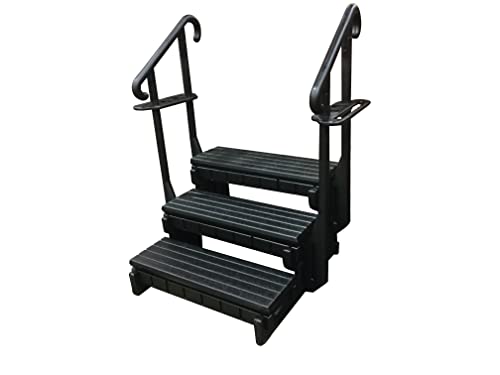
Follow the maker’s guidance for your model. Many owners perch briefly on a firm inflatable wall while getting in, but walls are not seats, and repeated sitting on one spot stresses seams and valves. A proper step or bench beside the tub is safer for everyone and kinder to the tub, especially for less mobile soakers.
Do soft sided tubs hold heat better than basic inflatables?
Insulated walls lose less heat through the sides, which helps, but the water surface remains the main escape route, so the cover still decides most of the story. Ground insulation beneath the tub and a sheltered spot complete the picture. Judge each pick on walls, cover and siting together, as the reviews present them.
How do I clean the soft walls without damaging them?
Use a soft cloth and a cleaner suitable for the tub’s material, as the maker directs, and avoid abrasive pads and harsh solvents that can attack flexible surfaces and seams. Rinse well so no cleaning residue meets the bathers, and dry the walls if the tub is being stored. Gentle and often beats strong and rarely with these materials.
The Short Version
For a roomy family tub, the Lay-Z-Spa Vegas. For an octagonal shape, the Intex PureSpa Octagonal. For a cover in the box, the MSpa Delight. For a middle size, the Lay-Z-Spa Paris. For simple controls, the Coleman SaluSpa Hawaii. For a corner fit, the MSpa Aurora.