Disclosure: As an Amazon Associate, airfryerkitchensupply.com earns from qualifying purchases. Prices and availability change; check Amazon for the latest.
A rotomolded hot tub has a plastic shell formed by rotational molding, where heated polyethylene is spun in a mold to make a seamless, one-piece shape. The result is a durable, lightweight shell that resists cracking and does not need the layered fiberglass of many acrylic spas. Rotomolded tubs often come in plug-in, 110V versions as well as 240V models. Because the shell is one piece, there are no seams to leak, and it will not blister the way some older surfaces can. Insulation, jets and seating still vary a great deal between brands, so compare the details rather than the shell alone.
The six lines below are rotomolded or plastic-shell spas from makers that sell them in the United States. Many are sold through dealers or direct, and model names and options change often. We have not used these products ourselves, so confirm shell type, seating, voltage and warranty on the current listing before buying.
As an Amazon Associate we earn from qualifying purchases. Links below are affiliate links, and they do not change the product information we give.
In this guide
Quick Picks
- LifeSmart 4 Person Square Hot Tub Spa, Sand
- Cal Spas Escape Series
- Aqualife by Strong Spas Invi 5 Person Rigid Resin Hot Tub
- Dynasty Spas Rotomolded Series
- Essential Hot Tubs Palisades
- Hudson Bay Spas Rotomolded Series
What to Look For
| Feature | Why it matters |
|---|---|
| Shell | A one-piece polyethylene shell resists cracks and leaks |
| Voltage | 110V plug-in tubs are easy to place; 240V tubs heat faster |
| Seating | Match the seat count and lounger layout to your household |
| Insulation | Foam under the shell and a thick cover save heat |
| Warranty | Look for clear shell and equipment terms |
Specs at a Glance
| Tub | Shell | Typical power | Notes |
|---|---|---|---|
| LifeSmart 4 Person Square Spa | Check the listing for shell type | Check the listing | Black cover and molded step |
| Cal Spas Escape Series | Plastic shell | Plug-in and 240V options | Many sizes |
| Aqualife Invi 5 Person | Rigid resin | 120V plug and play | 11 jets; 2BHP 2-speed pump |
| Dynasty Spas Rotomolded Series | Rotomolded | Plug-in options | Check the listing for models |
| Essential Hot Tubs Palisades | Plastic shell | Plug-in options | Compact family sizes |
| Hudson Bay Spas Rotomolded Series | Rotomolded | Check the listing | Check the listing for models |
The 6 Best Rotomolded Hot Tubs
Top pickBest for first-time owners
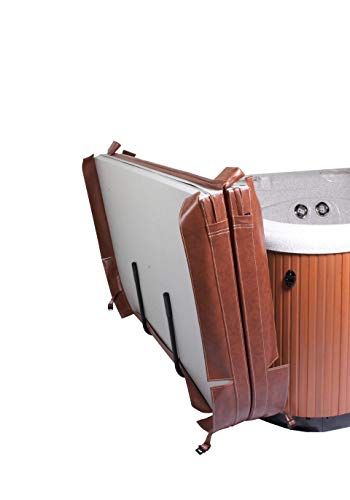
1. LifeSmart 4 Person Square Hot Tub Spa, Sand
A square four-person hot tub spa from LifeSmart in a Sand finish, sold with a black cover and a molded spa step. Check the current listing for shell construction, jets and power requirements.
Suits: first-time owners. Strengths: a cover and step included in the listing. Weaknesses: model details vary by listing. Skip it if you want premium jets.
View LifeSmart 4 Person Spa on Amazon
Best for buyers who want many size options
2. Cal Spas Escape Series
Cal Spas is a large California maker with a broad catalog. The Escape line is its plastic-shell collection, offered in a range of sizes with plug-in and hardwired choices.
Suits: buyers who want many size options. Strengths: a big brand with wide support. Weaknesses: options make comparison harder. Skip it if you want one fixed model.
View Cal Spas Escape on Amazon
3. Aqualife by Strong Spas Invi 5 Person Rigid Resin Hot Tub
A five-person rigid resin hot tub from Aqualife by Strong Spas, listed with 11 jets, a 2BHP 2-speed pump, a stainless steel heater and 120V plug-and-play operation. Check the listing for the full feature list.
Suits: buyers who want a rigid shell that plugs into a standard outlet. Strengths: a rigid build and a plug-and-play design. Weaknesses: a smaller dealer network. Skip it if you want in-person service nearby.
View Aqualife Invi 5 Person on Amazon
Best for yard use in many climates
4. Dynasty Spas Rotomolded Series
Dynasty Spas sells rotomolded hot tubs in several seat counts. The plastic shell is meant to hold up outdoors across seasons.
Suits: yard use in many climates. Strengths: a durable material. Weaknesses: fewer premium extras. Skip it if you want a big feature list.
View Dynasty Spas Rotomolded on Amazon
Best for small spaces
5. Essential Hot Tubs Palisades
Essential Hot Tubs sells plug-and-play tubs in compact sizes. The Palisades is a plastic-shell model aimed at small yards and patios.
Suits: small spaces. Strengths: simple setup. Weaknesses: sized for a few people. Skip it if you host large groups.
Essential Hot Tubs Palisades
Best for cooler regions
6. Hudson Bay Spas Rotomolded Series
Hudson Bay Spas sells rotomolded tubs in several sizes. They are marketed as hardy and low-maintenance for outdoor use.
Suits: cooler regions. Strengths: a sealed shell. Weaknesses: limited feature detail. Skip it if you need full specs up front.
View Hudson Bay Spas on Amazon
Care and Setup
- Set the tub on a level, solid base such as a concrete pad.
- Confirm the power supply matches the tub before delivery.
- Keep the cover on whenever it is not in use.
- Clean the filter on the maker’s schedule.
- Test the water weekly and adjust as needed.
Mistakes to Avoid
- Assuming every plastic shell is rotomolded.
- Skipping a firm, level base.
- Ordering before checking the electrical needs.
- Ignoring warranty terms for the shell and equipment.
Plug-In or Hardwired Power in Practice
Voltage is one of the biggest practical differences between hot tubs, and it affects cost, heating and where you can install the tub. A plug-in model that runs on a standard household outlet is easier to place because you may not need new wiring. It usually draws less power, though, and heats more slowly. Some plug-in tubs limit the jets or the heater while the other is running, so the tub may be slow to warm up if you use the jets at the same time. A hardwired tub on a higher-voltage circuit usually heats faster and can run the jets and heater together, but it needs an installed, dedicated circuit.
Whichever you choose, electrical safety is not a do-it-yourself guess. Hot tubs need appropriate ground-fault protection and a correct disconnect near the tub in many areas, and the rules vary by location. Ask the seller or maker what the tub requires, and have a licensed electrician check the outlet or install the circuit. Do not use extension cords unless the manual explicitly allows it.
- Confirm the voltage and amperage on the listing and the manual.
- Ask whether the outlet needs to be dedicated and what protection is required.
- Think about the distance from the electrical panel to the tub location.
- Check local code and permit requirements before delivery.
Plug-in does not mean no planning. It means the electrical work is simpler, not absent.
Site Preparation and Delivery
A filled hot tub is heavy, and the ground beneath it must be ready. Water, the shell and the people inside add up to a load that can sink or tilt a tub placed on soft ground. A solid, level base, such as a reinforced concrete pad or a purpose-built foundation, is the usual recommendation, and the manual or dealer will state the requirements. Wood decks may need an engineer’s check, because many are not designed for a concentrated load of this kind.
Think about the path from the street to the site. A tub is bulky, even when rotomolded shells are lighter than some alternatives, and gates, fences, steps and overhanging branches can block delivery. Measure the tub footprint and height, then measure the narrowest point on the route. Leave service access to the equipment side, so a technician can reach the pumps and heater without moving the tub.
- Choose a location with a clear view from the house, so you can keep an eye on it for safety.
- Think about privacy and wind, and about how far you will walk in cold weather.
- Check local rules about setbacks, fences or covers for hot tubs.
- Plan drainage so water can leave the area when you empty or overflow the tub.
Water Chemistry and Filtration Basics
Hot water, bodies and organic material make a hot tub a place where bacteria and algae grow quickly if the water is neglected. Water care comes down to three tasks: sanitize, balance and filter. A sanitizer such as chlorine or bromine controls germs, and the product label or the tub manual explains the form and amount to use. Balancing means keeping pH and alkalinity in the ranges recommended for the tub and the sanitizer, since water that is too acidic can corrode equipment and water that is too alkaline can cloud and scale.
Test the water with strips or a kit, as your plan describes, and note the results. Rinse or replace filters on the schedule in the manual. Plan to drain and refill the tub periodically, since dissolved solids build up over time, and the interval depends on use and water quality. Always follow the chemical labels and store products separately, away from heat and out of reach of children.
- Shower before use to reduce oils and lotions in the water.
- Keep the cover on between soaks.
- Do not mix different sanitizers unless the label says it is safe.
- Replace worn filters, because a clogged filter strains the pump.
If the water turns cloudy, smells or feels slimy, test it and correct the problem before using the tub.
Heat Loss, Insulation and Running Costs
Running cost depends mostly on how well the tub holds heat. A thick insulated cover is the single most useful item, because most heat escapes from the water surface. Check that the cover fits snugly, has intact seals and is not waterlogged. Beneath the shell, foam or other insulation reduces heat loss through the sides and floor, and the listing or dealer should describe what the tub has. Rotomolded shells are not a guarantee of good insulation, so compare details and do not assume.
Climate and placement matter too. A tub in a windy, exposed spot loses more heat, while one near a windbreak or sheltered corner loses less. In cold regions, make sure the tub is rated for freezing temperatures and that you know how to keep it running or winterize it. In hot climates, consider how the sun heats the cover and the shell. Lowering the set temperature when you are away and raising it before use can save energy, but the manual may advise against big swings.
- Use a cover lifter to protect the cover and make removal easier.
- Keep the lid clean and dry, and check it for cracks or sagging.
- Do not set the thermostat above the maker’s limit.
- Compare the stated heater power and pump size, but treat claims as the maker’s own.
Buying Channel, Support and Safe Use
Where you buy a hot tub affects what happens when something goes wrong. A local dealer can deliver, set up and service the tub, and may be your point of contact for warranty repairs. A direct or online purchase may lower the price, but you may handle delivery, setup and service arrangements yourself. Ask who performs warranty work, how long parts take and whether the shell and equipment are covered separately. Keep the receipt and model details, as warranty claims depend on them.
Also ask what is included. Some listings include a cover, steps or a lifter, while others sell them separately. As the post notes, shell material descriptions vary between listings, so check whether the product is rotomolded polyethylene or another plastic or resin material, and make sure the description matches what you expect.
- Never use a hot tub alone if you are unwell or have a heart condition. Ask a doctor if you are unsure.
- Keep children supervised and the cover locked or secured when the tub is unattended.
- Avoid alcohol or sedating medications when soaking.
- Limit soak time and keep the water at a safe temperature, as the manual advises.
Read the safety labels on the tub and keep the manual somewhere easy to find.
A Buyer Checklist for Plastic Shell Spas
A hot tub is a long-term purchase with delivery, power and water to think about, so use this list early.
- Measure the planned site and the path from the street, including gates and doorways.
- Check whether the tub plugs into a standard outlet or needs a dedicated hardwired circuit.
- Count how many people will use it regularly and choose seating to match.
- Look at the cover, lock and lifter options the maker offers.
- Read the maker’s coverage and who handles service in your area.
- Plan for the weight of the tub when full of water and people.
Rotomolded tubs are made as a single molded shell, which many owners like for its simplicity. That does not remove the need for planning.
Plug-In and Hardwired Compared
| Feature | Plug-in | Hardwired |
|---|---|---|
| Installation | Simpler, though it still needs a suitable outlet | Needs a qualified electrician |
| Heating speed | Often slower | Often faster with more powerful equipment |
| Flexibility | Easier to relocate | More fixed |
| Features | Fewer jets or heaters running at once | More options running together |
Electrical work around water is a job for a licensed electrician who follows local codes. Do not use extension cords or adapters unless the maker explicitly allows it.
Mistakes New Owners Make
- Choosing the tub before checking the site and delivery route.
- Placing it on an unprepared surface instead of a base that the maker specifies.
- Skipping a lockable cover where children or pets are around.
- Neglecting water care, which leads to cloudy water and wear on equipment.
- Letting the filter go too long between cleanings.
A little routine each week keeps the tub more pleasant and extends its useful life.
Cover, Insulation and Running Costs
A tight cover is the biggest factor in how well a tub holds heat. Check the thickness described by the maker, the fit around the edges and how the cover lifts. Insulation in the cabinet and under the shell also matters, although specifications differ between brands. Running cost depends on your climate, how often you use the tub, the set temperature and your local electricity rates, so use the maker’s published figures as a starting point only. Keep the cover on whenever the tub is idle.
Water Care in Plain Terms
Follow the maker’s and chemical supplier’s instructions for sanitizer, balancing and draining intervals. Test strips or a test kit help you keep track of the water, and regular filter rinses help the pump work well. Keep chemicals stored securely, never mix products, and read the labels. If you are unsure, ask a local pool and spa professional.
Site and Delivery Notes
Most tubs are heavy, so plan the delivery path with the supplier. Check overhead branches, tight corners and slopes. A level, firm pad that supports the filled weight is essential, and the maker will describe acceptable bases. Leave service access on at least one side, and consider privacy, wind and the walk from the house in cold weather. If the plan involves a deck or rooftop, ask a structural professional to confirm that it can carry the load.
Glossary for Plastic Shell Spas
- Rotomolded: a one-piece shell formed by rotating a heated mold filled with plastic, which gives an even wall.
- Plug-and-play: a spa designed to run from a standard outlet, usually at lower heating power. Follow the maker’s electrical requirements.
- Hardwired: a spa connected to a dedicated circuit by a qualified electrician, often for faster heating.
- Jets: nozzles that push water for massage effect. Their number and layout vary.
- Cover: the insulated lid that holds heat and keeps debris out.
- Filtration: the pump and filter that circulate and clean the water.
When to Call a Professional
| Task | Who should do it |
|---|---|
| Positioning the spa on a prepared base | You with helpers, following the maker’s guide |
| Wiring a hardwired circuit | A licensed electrician, with any inspections your area needs |
| Checking base strength for a raised deck | A qualified builder or engineer |
| Water testing and balancing | You, following the maker’s and the chemical supplier’s directions |
Seasonal Notes
In cold weather, keep the cover on and follow the maker’s guidance for freeze protection. In hot weather, watch the water temperature and give the cover a chance to vent as the manual advises. Always follow the maker’s and local safety rules for use around children, and never use the spa if the electrics look damaged.
Questions to Ask Before Delivery
- What are the exact dimensions and weight when full of water?
- Will the delivery team reach the final spot, or only the curb?
- What power supply does the maker require?
- What base is recommended, and how level must it be?
Get the answers in writing from the seller or the maker, and keep them with your delivery paperwork so you can refer back if something does not match.
How to Choose a Rotomolded hot tub: Criteria That Matter Most
Rotomolded tubs are made as one moulded piece, which gives them a distinctive mix of toughness, light weight and simple shapes. The picks above come from makers who use that process differently, so these criteria help you judge the results rather than the marketing around them.
One-piece shell strength and feel
One-piece shell strength and feel. The moulded shell has no separate liner to delaminate, but its feel underfoot and against the back differs from acrylic. The reviews describe each tub’s interior finish, so picture sitting in it rather than just standing over it. When you compare options side by side, this is one of the first points to pin down, because it shapes how the rotomolded hot tub feels in daily use rather than just how it looks in a listing photograph. Go back through the picks above and ask how each one answers this point in its own review section, and be cautious with any listing that leaves the question vague. Shoppers often skip this check when a headline feature catches their eye, then meet the compromise only after the rotomolded hot tub is in regular use. A few minutes spent thinking it through now, in the context of your home, your routine and the people who will share it, is what turns a good-looking choice into one you stay pleased with season after season.
Weight and getting it into place
Weight and getting it into place. Rotomolded tubs are notably easier to move than comparable rigid spas, which opens up patios and decks that a crane-delivered tub could never reach. Check the empty weight and dimensions against your access route. It helps to treat this as a practical test rather than a box-ticking exercise. Picture the rotomolded hot tub in the exact spot where it will live, at the busiest time of day, being used by the person who will use it most. If the answer still works in that picture, the point is probably covered; if it raises doubts, look again at how the different picks in this guide handle it. The reviews above describe each option in its own terms, so use them as the reference instead of relying on a single headline claim. Small mismatches here are the ones that quietly decide whether a purchase feels easy or becomes a chore.
Seat shapes the mould allows
Seat shapes the mould allows. Moulding shapes every seat, step and lounger in advance, so the layout is fixed forever. Study the seating plan in each review against your household’s heights and your preferred soaking positions. This point matters more than it first appears, because it tends to affect every session rather than just the first one. A rotomolded hot tub can impress on day one and still disappoint if this side of it does not suit your habits. As you read the individual reviews, note which picks speak directly to this concern and which leave you guessing, and let that guide your shortlist. Where the guide describes a trade-off, take it seriously rather than assuming you will adapt to it later. Most returns and regrets in this category come from exactly this kind of overlooked detail, not from the headline features people spend longest comparing.
Insulation and running warmth
Insulation and running warmth. Heat retention varies with how each maker fills or lines the moulded body. In a cold garden this decides running costs, so weigh the guide’s insulation comments as heavily as the seating. A useful way to judge this is to ask what happens on an ordinary, unremarkable day rather than on the best day. Routines are where a rotomolded hot tub earns its keep, and this is the point that decides whether using it stays effortless. Compare the picks with your own routine in mind: who is involved, how much time is available, and how much patience there is for extra steps. If one option clearly fits that picture better than the others, that is a strong signal, even when the listings look similar at first glance. The sections above give you the material to make that call without guessing.
Plumbing access for servicing
Plumbing access for servicing. With a one-piece body, access panels and serviceable fittings matter. A tub whose pump and plumbing can be reached without drama will be cheaper and quicker to keep running over the years. Finally, do not treat this point in isolation. It interacts with the other criteria in this section, and the right balance depends on your priorities rather than on any single winner. Read the pick reviews as a set, mark the option that handles this point in the way you prefer, and check whether it also holds up on the points you care about most. If two picks seem close, this is often the deciding factor that separates them in real use. Writing down your own answer before you order, even in a sentence or two, makes the final choice calmer and far less likely to be second-guessed later.
Rotomolded hot tub in Real Life: Matching a Pick to Your Situation
Rotomolded tubs suit owners who want rigid-spa soaking without rigid-spa logistics. These are the situations where that trade makes most sense.
A deck or patio with tricky access
A deck or patio with tricky access. Where a conventional spa cannot be delivered, a lighter moulded tub that can be tipped and carried through a gate changes what is possible. Measure the route honestly, including corners and steps. In this situation the priorities shift a little, and it is worth re-reading the pick reviews with this exact scenario in mind. Ask which option the guide presents as suiting this kind of use, and whether its described strengths line up with what the moment actually demands. It also helps to think about frequency: something used this way every week needs to be convenient enough that nobody starts avoiding it. The best choice here is rarely the most elaborate one; it is the one whose everyday behaviour matches the routine with the least friction, so the rotomolded hot tub gets used as intended instead of becoming an occasional novelty.
A holiday cabin or second home
A holiday cabin or second home. At a property visited in bursts, a tough, simple tub that tolerates being left and restarted suits better than a delicate flagship. Look for straightforward controls and a shell that shrugs off knocks. For this kind of use, small practical details carry more weight than headline appeal. Think through where the rotomolded hot tub will be, who else is around, and what happens immediately before and after. The reviews above are most useful when you read them against a concrete picture like this one, because a strength that sounds minor in a listing can become the thing you appreciate most in this setting. Equally, a limitation the guide mentions honestly may not matter here at all. Matching the pick to the situation, rather than chasing the option that tries to do everything, is what leads to a purchase that keeps making sense.
First rigid spa after an inflatable
First rigid spa after an inflatable. Stepping up from inflatable, you keep much of the simplicity while gaining firm seats and proper jets. The picks above let you choose how big that step feels in size and commitment. This scenario is a good stress test for any shortlist. If a pick still looks right when you imagine this use, week in and week out, it is probably a sound choice; if it only works when everything goes perfectly, keep looking. Pay attention to how much setup, supervision or tidying the situation involves, since those hidden minutes decide whether the rotomolded hot tub fits your life. The guide’s per-pick sections describe who each option suits, so let those descriptions do the work here. Choosing for the life you actually lead, rather than an idealised version of it, is the simplest way to avoid disappointment.
A family tub that will take knocks
A family tub that will take knocks. Moulded shells cope well with enthusiastic use, dropped toys and the odd bump from garden furniture. If the tub will host children and guests regularly, that toughness is a genuine feature. When this is your main reason for buying, let it lead the decision instead of treating it as an afterthought. Start from the pick whose review speaks most directly to this situation, then check it against the criteria earlier in this guide to make sure nothing important has been traded away. It is also worth planning the practical side in advance, from where things will be kept to who is responsible for upkeep, so the routine is settled before the rotomolded hot tub arrives. A choice made this way tends to settle quickly, because every part of it has already been thought through against a real need.
How the Picks in This Guide Compare With Each Other
No two picks in this guide are trying to do exactly the same job, and that is deliberate. The reviews above present each rotomolded hot tub in its own terms, with its own intended user, strengths and honest limitations. The fairest way to compare them is not to hunt for a single winner, but to hold each one against the criteria and situations set out in this guide and ask which description sounds most like your home, your routine and your priorities. The notes below walk through the shortlist in the same order as the reviews, to help you do exactly that.
LifeSmart 4 Person Square Hot Tub Spa, Sand. In its review section above you will find who it suits, where it is strongest and where its limits lie, and those are the points to weigh here. Set them against the criteria earlier in this guide: if this pick handles the points you care about most, and its stated limitations fall in areas you can live with, it deserves its place on your shortlist. If its strengths aim at a situation that is not yours, a simpler or different pick further down the list may serve you better, however impressive this one looks in isolation.
Cal Spas Escape Series. In its review section above you will find who it suits, where it is strongest and where its limits lie, and those are the points to weigh here. Set them against the criteria earlier in this guide: if this pick handles the points you care about most, and its stated limitations fall in areas you can live with, it deserves its place on your shortlist. If its strengths aim at a situation that is not yours, a simpler or different pick further down the list may serve you better, however impressive this one looks in isolation.
Aqualife by Strong Spas Invi 5 Person Rigid Resin Hot Tub. In its review section above you will find who it suits, where it is strongest and where its limits lie, and those are the points to weigh here. Set them against the criteria earlier in this guide: if this pick handles the points you care about most, and its stated limitations fall in areas you can live with, it deserves its place on your shortlist. If its strengths aim at a situation that is not yours, a simpler or different pick further down the list may serve you better, however impressive this one looks in isolation.
Dynasty Spas Rotomolded Series. In its review section above you will find who it suits, where it is strongest and where its limits lie, and those are the points to weigh here. Set them against the criteria earlier in this guide: if this pick handles the points you care about most, and its stated limitations fall in areas you can live with, it deserves its place on your shortlist. If its strengths aim at a situation that is not yours, a simpler or different pick further down the list may serve you better, however impressive this one looks in isolation.
Essential Hot Tubs Palisades. In its review section above you will find who it suits, where it is strongest and where its limits lie, and those are the points to weigh here. Set them against the criteria earlier in this guide: if this pick handles the points you care about most, and its stated limitations fall in areas you can live with, it deserves its place on your shortlist. If its strengths aim at a situation that is not yours, a simpler or different pick further down the list may serve you better, however impressive this one looks in isolation.
Hudson Bay Spas Rotomolded Series. In its review section above you will find who it suits, where it is strongest and where its limits lie, and those are the points to weigh here. Set them against the criteria earlier in this guide: if this pick handles the points you care about most, and its stated limitations fall in areas you can live with, it deserves its place on your shortlist. If its strengths aim at a situation that is not yours, a simpler or different pick further down the list may serve you better, however impressive this one looks in isolation.
Read as a set, the picks form a ladder of priorities rather than a ranking from best to worst. One end of the list will suit readers who want the straightforward option described at the top of the guide, while other picks trade simplicity for a particular strength the reviews call out. Your job is simply to find the rung that matches your situation. When two picks still seem close after that, choose the one whose limitations you mind least, because strengths are enjoyed occasionally while limitations are met every single time the rotomolded hot tub is used.
Using, Cleaning and Looking After Your Rotomolded hot tub
A rotomolded shell is hard to hurt, but the water, pump and cover still need the usual discipline. This routine keeps the simple ownership promise true.
Clean the shell with gentle products
Clean the shell with gentle products. The moulded surface cleans easily with a soft cloth and a suitable cleaner. Avoid abrasive pads that can roughen the finish and give residue something to cling to. Build this into a short, repeatable routine rather than treating it as an occasional big job. Little and often is what keeps a rotomolded hot tub pleasant to use and helps it last, and it is far easier to keep up than a rare deep session that everyone dreads. Follow the maker’s own instructions where they differ from general advice, since materials and mechanisms vary between models. If you share the rotomolded hot tub with others, agree who does what, so the routine does not quietly fall to one person or get skipped altogether. A few steady minutes of care protect the money you spent far better than any accessory.
Keep water balanced to protect equipment
Keep water balanced to protect equipment. The shell tolerates a lot; pumps, heaters and seals tolerate less. Steady testing and gentle adjustment protect the parts that actually wear out. This step is easy to overlook because the rotomolded hot tub usually keeps working while it is neglected, right up until it does not. Treat the guide’s care notes and the manufacturer’s manual as your starting point, and keep any products or tools the maker recommends within easy reach of where the rotomolded hot tub lives. Convenience is what makes care happen. While you are at it, give the rotomolded hot tub a quick visual once-over for wear, looseness or damage, because small issues are cheapest and simplest to deal with when they are caught early. That habit, repeated calmly over months, is what separates items that age gracefully from those that fail early.
Rinse filters and watch jet performance
Rinse filters and watch jet performance. Blocked filters soften jet pressure and strain the pump. Rinse on schedule and treat a change in jet feel as a prompt to check the filter first. Think of this as part of using the rotomolded hot tub, not as a separate chore bolted onto it. The few minutes it takes are repaid in reliability, comfort and safety every time the rotomolded hot tub is used afterwards. If several people share the job, a simple shared note of what was done and when prevents both duplication and neglect. Avoid improvised shortcuts that the manual does not sanction, however tempting they seem, because finishes, seals and moving parts often react badly to the wrong treatment. Gentle, regular attention in line with the maker’s guidance is almost always the approach that keeps things working as they should.
Protect the cover and check its fit
Protect the cover and check its fit. A one-piece tub still loses heat through the top. Keep the cover clean, dry and well seated, and replace it when it grows heavy, since the tub’s insulation story depends on it. Where you keep the rotomolded hot tub between uses matters as much as how you treat it during use. A sensible, consistent home for it protects it from knocks, damp, dust and curious hands, and makes the next use quicker to start. The storage advice in the maker’s instructions is worth following closely here, particularly anything about position, covering or preparation before a longer break. Before putting the rotomolded hot tub away after a longer gap in use, run through the same checks you would before its first use. That small discipline keeps surprises away and means the rotomolded hot tub is ready whenever it is wanted.
Inspect access panels and fittings yearly
Inspect access panels and fittings yearly. Open the access the maker provides, look for damp, drips or rodent interest, and deal with findings early. Simple tubs reward simple checks done on time. Finally, keep a light record of anything you notice: a change in sound, feel, fit or behaviour is often the earliest sign that something needs attention. Comparing what you notice with the troubleshooting notes in the manual usually tells you whether it is a simple fix or a job for the maker or a professional. Do not force anything that resists, and do not keep using the rotomolded hot tub in a way that feels unsafe while you hope a problem will pass. Prompt, calm attention at this stage protects both the rotomolded hot tub and the people using it, and it preserves any warranty options you may need.
Before You Order: A Final Check
Before choosing a rotomolded tub, confirm the practicalities that its light weight makes easy to forget.
Rotomolded Hot Tubs FAQ
What are roto molded spas?
They are spas with a plastic shell made by spinning polyethylene in a heated mold. The shell is one piece, with no seams.
Are plastic shell hot tubs worth it?
They are durable and often cost less than acrylic. The tradeoff is usually fewer premium features and simpler styling.
Are these plug n play hot tubs?
Many are available in 110V plug-in versions, but not all. Check the listing for voltage and whether an electrician is needed.
Can a rotomolded hot tub be used in winter?
Many can, but check the manufacturer's guidance on cold climates, insulation and freeze protection. Keep the cover on and the tub running or winterize it correctly.
Do I need an electrician for a plug-in tub?
Often yes, to confirm the outlet, wiring and ground-fault protection are suitable. Rules vary by location, so ask the seller and check local code.
How often should I change the water?
It depends on use, bather load and water quality. Follow the manual's guidance, and drain and refill when the water cannot be balanced or becomes persistently cloudy.
Can I put a hot tub on a deck?
Only if the deck is designed to bear the filled weight. Have a professional assess the structure, or choose a concrete pad.
What chemicals do I need?
Typically a sanitizer and products to adjust pH and alkalinity, plus test strips. Follow the manual and chemical labels, and store everything safely.
How long does it take to heat a plug-in tub?
It varies by tub, starting water temperature and weather, and it is usually slower than a hardwired tub. Check the listing and manual for heating details.
Is a cover really necessary?
Yes. A good insulated cover reduces heat loss, keeps debris out and is a safety feature when it is locked or secured.
What is the difference between rotomolded and acrylic shells?
Rotomolded shells are formed from polyethylene in a spinning mold and are one piece, while acrylic shells are typically thermoformed sheets with reinforcement. Features and cost depend on the specific tub.
What does rotomolded actually mean?
It describes how the shell is made: plastic is formed inside a rotating mould so the tub body comes out as a single piece. That one-piece construction is why these tubs are light, tough and free of a separate inner liner. The reviews describe how each maker finishes and insulates that shell, which is where the differences between brands live.
Are rotomolded hot tubs as comfortable as acrylic spas?
Comfort depends on the seat shapes the mould creates and how they fit your body, rather than on the material alone. Rotomolded seats tend to be simpler and more open, which many soakers like, while high-end acrylic spas offer more sculpted loungers. If you can, sit in a display tub; if not, study the seating descriptions in this guide against your household’s heights.
Can a rotomolded hot tub stay outside all year?
These tubs are built for outdoor life and are commonly run year-round where the maker allows it, with the cover kept sound and the water cared for. In hard-freeze areas, follow the winter guidance for your model, either keeping it running as instructed or preparing it properly. The moulded shell itself is not the weak point; frozen plumbing is, so preparation matters.
How do I move a rotomolded hot tub if I relocate?
Their lighter weight is exactly why owners choose them: an empty, drained and cleaned tub can usually be moved by a few adults using the method the maker describes, without a crane. Protect the shell in transit, keep it secured upright or as directed, and re-level and re-check fittings at the new site before refilling.
The Short Version
For a starter tub, the LifeSmart Rock Solid. For many sizes, the Cal Spas Escape. For a seamless shell, the Strong Spas. For a yard tub, the Dynasty Spas. For small spaces, the Essential Hot Tubs Palisades. For cooler regions, the Hudson Bay Spas.