Korean barbecue is cooked at the table, with thin slices of pork belly, beef short rib and marinated meats sizzling on a grill while everyone wraps bites in lettuce. At home, the usual setup is a portable butane stove paired with a grill plate or pan, or an electric tabletop unit.
This list focuses on the stove and pan route, with three portable butane stoves and three grill pans that sit on top of them. We have not used these products ourselves, and every detail should be confirmed on the current listing before you buy. Butane stoves need good ventilation and the right fuel canisters, so read the maker’s safety notes closely.
As an Amazon Associate we earn from qualifying purchases. Links below are affiliate links, and they do not change the product information we give.
What to Look For
| Feature | Why it matters |
|---|---|
| Heat source | A portable butane stove puts real flame at the table |
| Grill surface | Ridged pans drain fat, flat plates keep marinades from burning |
| Stability | A wide base keeps a hot pan from tipping |
| Ventilation | Smoke builds quickly, so plan for a window or hood |
In this guide
Specs at a Glance
| Product | Type | Material | Notes |
|---|---|---|---|
| Iwatani 35FW | Butane stove | Steel body | Compact, widely used for tabletop cooking |
| Gas One GS-3000 | Butane stove | Steel body | Portable with a carry case |
| Camp Chef butane stove | Butane stove | Steel body | Single burner for tabletop use |
| Lodge square grill pan | Grill pan | Pre-seasoned cast iron | Ridged cooking surface |
| Le Creuset square skillet grill | Grill pan | Enameled cast iron | Ridged, no seasoning needed |
| Staub square grill pan | Grill pan | Enameled cast iron | Ridged, heavy base |
The 6 Best Korean BBQ Grills
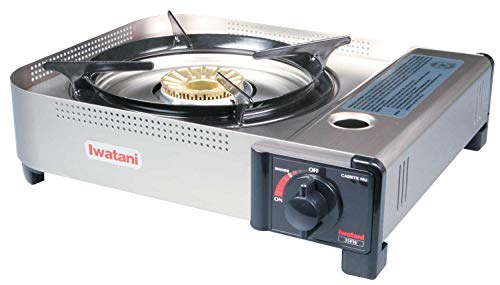
Top pickBest for tabletop barbecue nights
1. Iwatani 35FW Portable Butane Stove
A well-known Japanese portable butane stove that many home cooks use for tabletop grilling and hot pot. It is simple to operate and runs on standard butane canisters.
Suits: tabletop barbecue nights. Strengths: simple controls and a trusted name. Weaknesses: it needs a stable pan on top. Skip it if you do not want to buy fuel canisters.
Best for a stove you can pack away
2. Gas One GS-3000 Butane Stove
A portable single-burner butane stove that comes in a carry case. It is a common pick for camping and indoor tabletop use alike.
Suits: a stove you can pack away. Strengths: portability and a case. Weaknesses: listing details vary by seller. Skip it if you want a built-in grill plate.
View Gas One GS-3000 Butane Stove on Amazon
Best for outdoor and indoor tabletop use
3. Camp Chef Butane 1 Burner Stove
A single-burner butane stove from an established outdoor cooking brand. It gives you a flame at the table and pairs well with a flat plate or grill pan.
Suits: outdoor and indoor tabletop use. Strengths: a known brand with wide accessory support. Weaknesses: the burner is single and fixed. Skip it if you need two burners.
View Camp Chef Butane Stove on Amazon

Best for pork belly and short rib
4. Lodge Cast Iron Square Grill Pan
A pre-seasoned square cast iron pan with raised ridges that lift meat away from rendered fat. The weight keeps heat steady when cold slices hit the surface.
Suits: pork belly and short rib. Strengths: heat retention and a rugged build. Weaknesses: it is heavy and needs seasoning care. Skip it if you want enameled ease.


Best for easy cleanup
5. Le Creuset Enameled Cast Iron Square Skillet Grill
A square enameled cast iron grill pan with ridges and a pour spout for fat. The enamel needs no seasoning and wipes clean more easily than raw iron.
Suits: easy cleanup. Strengths: a durable enamel finish and even heat. Weaknesses: a heavy body and bulk. Skip it if you want a light pan.


Best for cooking for a group
6. Staub Cast Iron Square Grill Pan
A heavy French-style cast iron grill pan with a matte enamel interior that browns meat well. It holds heat for a long time, so it handles back-to-back batches.
Suits: cooking for a group. Strengths: superb heat retention. Weaknesses: weight and bulk. Skip it if you cook only now and then.

Care and Setup
- Always use the canister type the stove maker recommends, and store canisters upright and cool.
- Wash raw cast iron by hand, dry it fully and rub on a light coat of oil.
- Wipe enameled pans while still warm, using soft tools to protect the finish.
- Test the stove and pan together before guests arrive.
Mistakes to Avoid
- Setting a large pan over a small burner and creating uneven hot spots.
- Grilling in a closed room with no ventilation.
- Leaving a butane canister near the heat of the pan.
- Overlapping slices so they steam instead of sear.
Pairing the Stove With the Right Pan
A tabletop barbecue set-up works only if the stove and pan suit each other. Portable butane stoves are designed for a certain pan size, and a pan that is much larger than the burner leaves the corners cold while the centre overheats. A pan that is too small wastes cooking area. Check the maker’s guidance on the maximum pan size and weight for your stove, and confirm the pan’s base width and weight on its listing.
Weight deserves attention, particularly with cast iron. A heavy pan stores heat well for searing but loads the stove, and an unstable combination is a hazard at the table. Many butane stoves have a recommended load limit and a fixed grate size, so be cautious about placing a large, heavy cast iron pan on a small stove.
- Choose a pan whose base is close to the size of the burner area, within the stove maker’s advice.
- Check that the pan sits flat and does not rock on the grate.
- Look at the pan’s handles; they must not touch the flame or the canisters.
- Test the pairing with water or a small amount of food before inviting guests.
Square pans and round stoves leave corners that are cooler, which can be useful for keeping cooked meat warm while others cook.
Ridged, Flat and Fat-Draining Surfaces
The surface you grill on changes the result. A ridged pan lifts the meat above the fat, so grease collects in the grooves, and gives the meat sear marks. It suits fatty cuts like pork belly, where draining fat reduces smoke and splatter. Ridges are harder to clean, though, and food can stick in the grooves if the pan is not well seasoned or oiled.
A flat plate gives full contact and a deeper sear across the surface. It suits marinated meats with sugar or soy, which can burn on ridges, and it allows you to cook vegetables, kimchi and garlic in the fat. Fat pools on the plate, so you will need to wipe or pour it off from time to time to avoid greasy food and smoke.
Some grill plates have a domed centre with a channel around the edge. Meat cooks on the dome while fat runs to the channel, where you can cook vegetables or rice. If you see such designs, check that the plate is compatible with your stove and that the channel will not overflow.
- Look at the depth of the grooves and how easily fat can drain.
- Check for a pour spout, which makes removing excess fat easier.
- Consider having a ridged pan and a flat plate, if you cook both styles.
Butane Fuel and Indoor Safety
Butane canisters are convenient but demand respect. Use only the canister type the stove maker specifies, and follow the instructions for loading it, so that it seats properly and does not leak. Check the connection for gas smell, and replace the canister outdoors or in a well-ventilated space if you smell gas. Store canisters upright in a cool place away from heat, and never leave them near the pan or in direct sunlight.
Many stoves have a safety device that releases the canister if it overheats, and a pan that is too wide can trap heat around the canister and trigger it or create a dangerous situation. Make sure the pan does not overhang the stove and heat the canister. Do not use oversized pans, griddles that cover more than one burner or reflective items that bounce heat back to the fuel.
Ventilation is crucial. Burning fuel uses oxygen and produces combustion gases, and the smoke from cooking adds to the load. Use the stove in a room with an open window and a running range hood, or outside on a balcony or patio where permitted. Never use a butane stove in a closed room, a tent or a vehicle, and keep a smoke alarm and carbon monoxide detector in working order.
- Place the stove on a stable, heat-resistant surface, not on a tablecloth.
- Keep children and pets away from the hot pan and the flame.
- Never move the stove while it is lit.
Cuts, Slicing and Table Technique
Korean barbecue is built around thinly sliced meat that cooks in a minute or two. Pork belly, beef short rib in thin flanken-style slices, and thin cuts of brisket or sirloin are popular, along with chicken thigh and marinated pork. Thin slices cook fast, reducing the chance of overcooking and making them easy to eat in a single bite. If you buy from a butcher, ask for slices suited to grilling.
Prepare ahead. Marinated meats should rest in the fridge, and any sugary marinade should be wiped lightly before grilling to reduce burning. Arrange the meat, lettuce leaves, sauces and side dishes in small bowls before you start. Preheat the pan until it is hot, then lay meat in a single layer without overlapping. Crowding drops the temperature and steams the meat.
- Use tongs for the raw meat and a separate pair for cooked meat.
- Cut cooked pieces with kitchen scissors into bite-sized pieces on the pan.
- Wipe the pan between batches if fat or marinade builds up and burns.
- Cook pork and poultry until fully cooked, and check thicker pieces with a thermometer.
Add garlic, onions, mushrooms and kimchi to the pan as it cooks for extra flavour. Keep an eye on the heat, lowering it if the pan starts to smoke too much.
Pan and Stove Care, and When to Replace
Bare cast iron needs care to stay non-stick and rust-free. After use, let it cool, scrape off residue and wash with hot water and a brush, then dry it thoroughly and rub on a thin layer of oil. Avoid soaking and avoid the dishwasher. Enameled cast iron is easier to clean and needs no seasoning, but it should be washed with soft tools and protected from sharp knocks and sudden temperature changes, which can chip or crack the enamel.
The stove needs care too. Let it cool, wipe away grease from the burner and body, and check that vents and the burner head are not blocked. Remove the canister after use, if the manual says so, and store the stove in its case. Inspect the connection and seal for wear from time to time.
Signs that parts need replacing include:
- Cast iron pans with deep rust that cannot be removed or enamel that has chipped to expose the iron.
- Pans that have warped and no longer sit flat on the stove.
- A stove that has a weak or uneven flame, a damaged connector or a smell of gas when in use.
- A canister that is dented, rusty or leaks.
If you suspect a gas leak or damage, stop using the stove and contact the manufacturer or a professional.
A Checklist for Your Tabletop Grill Setup
Korean barbecue at home is a social meal, so the setup deserves a little planning. Before the first dinner, run through this list.
- Choose a stable, heat-resistant table or counter with space around the stove.
- Make sure the room has good ventilation, such as an open window or a range hood on.
- Set out tongs, scissors, small plates and lettuce leaves before you light anything.
- Prepare sauces and side dishes in small bowls so guests can reach them easily.
- Have a spare fuel canister or backup plan ready, as the maker describes.
- Keep a damp cloth and a heat-safe mat nearby for drips.
Plan the table layout so that each person can reach the grill without leaning across hot surfaces.
Stove and Pan Choices Compared
You can build a setup in several ways. The table summarizes the main combinations in plain terms.
| Setup | Strength | Trade-off |
|---|---|---|
| Butane stove with a cast iron pan | Holds steady heat and handles thick cuts | Pan is heavy and needs care to avoid rust |
| Butane stove with a ridged pan | Lets fat run into the grooves | Grooves need careful cleaning |
| Enameled pan | Easier surface to wipe clean | Avoid metal tools if the maker advises against them |
| Stovetop pan on a kitchen range | No extra equipment | Smoke and splatter near your cooking area |
Match the pan to the stove. Some stoves recommend a maximum pan size or weight, so check the manual to avoid an overloaded burner.
Common Mistakes at the Table
These slips come up often, and they are easy to avoid.
- Cooking too much at once, which lowers the pan temperature and leads to steaming instead of browning.
- Using a pan that overhangs the stove in a way the maker does not recommend.
- Placing the stove on a surface that is not heat resistant.
- Leaving fuel canisters near heat after the meal.
- Forgetting that marinated meats drip sugar and oil, which can flare up.
Cook in small batches and let guests help themselves as pieces are done. That rhythm is part of the style anyway.
Fuel Use and Room Safety
Butane stoves are meant for use as the maker describes, with ventilation and the correct canister type. Read the manual on how to load and remove a canister, how to check the connection and how to store spares. Never use a stove in a closed space or leave it unattended, and keep children and loose fabric away from the flame. If you smell gas, turn the stove off, move away and ventilate the room. For any doubt about fuel, follow official guidance and the maker’s instructions rather than improvising.
Cleaning and Storing the Pan
Cast iron likes a simple routine: warm water, a stiff brush, a quick dry and a light coat of oil. Enameled pans can take mild soap and a soft sponge, and the maker will say whether they are dishwasher safe. Let a hot pan cool before washing to avoid warping. Store pans in a dry cabinet with a paper towel between stacked pieces. Wipe the stove body with a damp cloth after it has cooled, and keep the burner area free of crumbs and grease.
A Simple Menu Plan for a First Dinner
If you are new to cooking at the table, a modest menu keeps things relaxed. Choose two or three cuts, such as sliced pork belly, marinated beef and a few vegetables like mushrooms, onions and zucchini. Prepare plenty of lettuce or perilla leaves for wraps, along with rice, kimchi and a dipping sauce.
- Slice meat thinly and keep it chilled until it goes on the pan.
- Offer scissors for cutting cooked pieces at the table.
- Put cooked meat on a warm plate and cook vegetables in the leftover juices.
- Use different tongs for raw and cooked food, and wash hands and tools as official food handling guidance advises.
Cook less than you think you need at first, and add more as the meal unfolds. This keeps the pan hot, the food fresh and the conversation going.
Choosing Korean bbq grills: The Criteria That Matter Most in Daily Use
Listings for korean bbq grills tend to lead with headline features, but the details that decide whether you stay happy with a purchase are usually quieter ones. Start with fit. Measure the space where the product will live, including the room needed to open doors, lift lids, pull out parts, or stand in front of it comfortably, and compare those measurements with the dimensions on the listing before anything else. A model that looks perfect on a product page can become a daily irritation if it crowds a walkway, blocks a cabinet, or leaves no sensible place for the accessories you use with it.
Next, think honestly about capacity and workload. Households tend to buy for the biggest gathering they can imagine rather than the meals and routines they repeat every week, and that mismatch cuts both ways. Too small, and you end up working in batches, reheating, or improvising workarounds that erase the convenience you paid for. Too large, and you give up storage, counter room, or yard space to a product that runs half empty most of the time and takes longer to clean. The right size for korean bbq grills is the one that handles your ordinary week with a little headroom, not the one built for a once-a-year event.
Materials and construction deserve a slower look than they usually get. Where listings describe the body, finish, hinges, handles, seals, or cooking and contact surfaces, read those notes as clues about cleaning and longevity rather than as decoration. Surfaces you touch every day should wipe down easily and tolerate the cleaners you already own. Parts that move, fold, latch, or bear weight should feel like the maker’s priority, because those are the points that loosen, stain, or wear first. If a listing is vague about a part you know you will handle constantly, treat that vagueness as information and compare it with a listing that explains the same part clearly.
Controls and everyday ergonomics matter just as much. Ask yourself how the product behaves in imperfect real conditions: wet or greasy hands, low light, a crowded room, a rushed weeknight. Controls you can understand at a glance, markings you can read without leaning in, and parts that go back together in only one obvious way all reduce small mistakes. For korean bbq grills, the best choice is rarely the one with the longest feature list. It is the one whose way of working matches your habits so closely that using it correctly feels like the path of least resistance.
Korean bbq grills in Real Life: Four Situations Worth Picturing Before You Buy
Picture an ordinary weeknight first. You are tired, time is short, and the product has to earn its place without a long setup ritual or a complicated cleanup afterward. In that moment, the qualities that matter are fast readiness, predictable results, and parts that can be dealt with in a few minutes at the sink or with a cloth. When you compare the picks in this guide, ask which one you would still choose on your most tired evening, because that answer usually predicts long-term satisfaction better than any feature comparison made in a relaxed weekend mood.
Now picture the bigger occasion: guests, a family gathering, or a weekend project where the product runs longer, gets used back to back, or has to handle more than usual. This is where headroom, stability, and heat or airflow management show their value. A model that is perfectly adequate for two people can feel stretched when the pace picks up and there is no pause between rounds. You do not need to buy purely for this scenario, but it is worth knowing which pick in the list gives you the most graceful step up when the workload grows, and which one is really a smaller-scale specialist.
A third situation is the small or shared space: a compact kitchen, a narrow patio, an apartment balcony, or a room that has to serve several purposes. Here, footprint, storage, noise, and how the product behaves around other people matter as much as raw performance. Think about where it will sit when it is not in use, whether it can be moved by one person, and how much clearance it needs around it to work safely and comfortably. Many returns and regrets with korean bbq grills come not from poor quality but from a product that never had a natural home in the space it was bought for.
Finally, picture the routine a few months from now, when the novelty has worn off. The filters, seals, trays, grates, baskets, or surfaces that needed attention will have needed it several times. The storage spot you chose will have been used dozens of times. The shortcut you discovered will have become your habit. Buying well means choosing the model whose maintenance rhythm and everyday handling you can live with on that ordinary future day, not just the one that excites you on delivery day. A product that stays pleasant to live with is the one that keeps getting used, and regular use is what turns a purchase into value.
Setup and First Use: Getting Korean bbq grills Off to a Good Start
When your choice arrives, resist the urge to put it straight to work. Unpack it where you have room to lay everything out, check each part against the maker’s parts list, and look over seams, edges, and fittings before anything gets hot, wet, plugged in, or filled. Small shipping damage and missing accessories are far easier to sort out before first use than after. Keep the packaging until you have run the product once and confirmed that everything works as described, and photograph the unboxing if anything looks questionable, so you have a clear record if you need to contact the seller.
Placement is the next decision, and it deserves more care than it usually gets. Follow the maker’s guidance on clearance, ventilation, level surfaces, and distance from walls, curtains, cabinets, or other heat and moisture sources, because those instructions are written around how the product actually behaves. Check that cords, hoses, vents, or doors can move the way they need to without being pinched or forced. If the product will live somewhere different from where it is used, walk that route once with your hands full in mind, and make sure the move is realistic rather than a chore you will start avoiding.
Most korean bbq grills benefit from a gentle first run before you rely on them for an important meal or occasion. Read the manual’s first-use steps, wash or wipe the parts the maker says to prepare, and run the product through a simple, low-stakes task so you can learn its sounds, smells, timing, and handling without pressure. This is also the moment to note the small things: how the display or markings read in your light, how parts align when you reassemble them, and where drips, steam, crumbs, or ash tend to collect in your particular setup. Ten unhurried minutes now prevent most first-week frustrations.
Keep a simple note of what works during your first few uses: settings you chose, quantities, timing, and the result. It sounds old-fashioned, but a short record on your phone turns guesswork into a pattern surprisingly quickly, especially with products where small adjustments change the outcome. Within a few sessions you will know your own defaults instead of relearning them each time. You will also have a useful baseline if performance ever changes later, because you can compare what the product does now with what it did when it was new and working exactly as expected.
Cleaning, Care and Storage for Korean bbq grills
Regular light cleaning beats occasional heroic cleaning with almost every product in this category. After each use, once things have cooled or settled as the maker directs, remove loose residue, wipe the surfaces that collected splashes or dust, and let parts dry fully before you close, cover, or put anything away. Trapped moisture is a quiet cause of odors, staining, and corrosion, and it usually comes from storing a product that looked dry on the outside while seams, seals, and undersides were still damp. A few extra minutes of air drying protects both hygiene and finish.
Schedule a deeper clean around how often you actually use the product rather than by the calendar alone. Heavy users may need to descale, degrease, empty, brush out, or wash removable parts far more often than occasional users, and the maker’s manual is the right guide for which cleaners and tools are safe. Avoid abrasive pads, harsh chemicals, or soaking any part the maker does not clearly describe as washable, and never use water around electrical parts beyond what the instructions allow. When in doubt, a soft cloth, warm water, and patience will handle most jobs without risking the finish or the seals.
Storage is part of care, not an afterthought. Keep korean bbq grills in a dry place where air can circulate, with cords loosely coiled rather than tightly wound, small accessories kept together so they are not lost, and covers or cases used only on a clean, fully dry product. If the product lives outdoors or in a garage, check it after long gaps: look for pests, dust buildup, stiff or cracked seals, and anything that has shifted since you last used it. A quick inspection before a busy cooking day is far better than discovering a problem with guests already on their way.
Learn the early signs that something needs attention. New noises, slower performance, uneven results, lingering odors, loose fittings, or controls that feel different from before are all messages, and they are cheapest to act on early. Start with the simple checks the manual lists: correct assembly, clean filters or vents where fitted, clear passages, and parts seated properly. Many apparent faults are really maintenance asking to be done. If a problem persists after those checks, contact the maker with your notes about when it started and what changed, because that detail helps support teams help you faster.
How the Picks Above Compare When You Live With Them
The picks in this guide are not ranked by a single score, because the differences that matter most only appear in use. Take Iwatani 35FW Portable Butane Stove and Gas One GS-3000 Butane Stove, the first two options above. On paper they may look close, but the descriptions point to different priorities: one leans toward buyers who want the most established or fully featured route, while the other suits people who prefer a simpler or more focused tool for the same job. Neither reading is wrong. The useful question is which set of strengths you will actually exercise every week, and which weaknesses you are genuinely willing to live with rather than hoping you will not notice.
Move down the list and the pattern continues. Camp Chef Butane 1 Burner Stove makes its case in the guide through a particular strength described in its section above, and that strength matters most if your cooking or routine regularly creates the situation it is built for. Lodge Cast Iron Square Grill Pan, by contrast, is the kind of pick whose appeal grows on buyers who value straightforward day-to-day handling over standout features. When two descriptions sound similar, reread the suits and skip-it notes in each section: those short lines are the most honest summary in the whole guide of who each product is really for.
If your shortlist includes Le Creuset Enameled Cast Iron Square Skillet Grill or Staub Cast Iron Square Grill Pan, compare them on ownership rather than on first impressions. Think about the size of load each will usually carry in your home, the space each needs, and how much cleaning each design implies after a typical session. A pick that looks like the exciting option today can become the one you avoid if its upkeep does not fit your routine, while a plainer pick that is quick to clean and easy to store quietly becomes the household favorite. The guide’s per-product notes on strengths and limitations are written to help exactly this comparison, so weigh them more heavily than the order the products happen to appear in.
A practical way to decide is to score your own priorities before you look at the list again. Write down your top three: perhaps capacity, easy cleaning, compact storage, simple controls, or suitability for a particular kind of cooking. Then read only the sections of the two or three picks that match those priorities and see which description sounds most like your household. Buyers who decide this way rarely regret the choice, because the product was selected against their real life rather than against an abstract idea of the best. If two picks still tie, choose the one whose everyday handling you prefer, since you will repeat that handling hundreds of times.
Buying Mistakes That Lead to Returns and Regrets
The most common mistake with korean bbq grills is measuring once, casually, or not at all. Doorways, counter depth, cabinet height, patio gates, and storage cupboards all have a say in whether a product works in your home, and listings cannot know any of them. Measure the space, measure the route the product takes to reach it, and leave honest clearance rather than planning for a perfect squeeze. The second most common mistake is buying for features instead of habits: paying for capacity, programs, or accessories that sound appealing in a listing and then go untouched for the life of the product.
A third mistake is ignoring the unglamorous requirements. Some products in this category need ventilation, a particular kind of outlet or fuel, a level surface, drainage, headroom, or a safe distance from things that heat, steam, or splashes can damage. These requirements are in the manual and usually hinted at in the listing, but they are easy to skim past when you are focused on the headline features. Check them before you order, not while the box is open on your floor. Discovering a basic mismatch after delivery turns a good product into a bad purchase through no fault of its own.
- Skipping the manual’s setup and first-use steps, then judging the product on a poor first result.
- Choosing by headline features alone instead of by cleaning, storage, and daily handling.
- Forgetting to check what is included in the box, and assuming accessories from photos are standard.
- Placing the product somewhere convenient rather than somewhere that meets its clearance and ventilation needs.
- Waiting until a special occasion to use a new product for the first time.
None of these mistakes is about intelligence; they are about pace. Listings are designed to move you quickly, while good ownership decisions are made slowly, with a tape measure, the manual, and an honest picture of your own routine. Give this purchase that slower half hour. With korean bbq grills, the difference between a product you recommend to friends and one you quietly stop using is almost always decided before the order is placed, in the fit between the product and the life it is about to join.
Living With Korean bbq grills Over the Long Term
Ownership changes character after the first few months. Routines settle, shortcuts appear, and you learn which of the product’s qualities you lean on and which you barely touch. That knowledge is useful beyond this one purchase: it tells you what to prioritize if you ever replace or add to what you own, and it helps you advise friends honestly instead of repeating listing language. If a feature you paid for has gone unused all season, note it without regret and let it sharpen the next decision rather than souring this one.
Seasons also change what you ask of korean bbq grills. Heavy-use periods reward the preparation habits described earlier in this guide: a clean, inspected, correctly placed product at the start of a busy stretch prevents most mid-season problems. Quieter periods are the right time for the deeper clean, the accessory sort-out, and the honest check of seals, fittings, and surfaces while there is no pressure to use the product that day. Treating the off-season as maintenance time, rather than forgetting the product entirely, is one of the simplest ways owners extend useful life without spending anything.
Finally, keep the paperwork and your own notes together: the manual, proof of purchase, and the short record of settings and routines that worked for you. If you ever contact the maker, sell the product on, or hand it to someone else in the household, that small bundle answers most questions immediately. Good ownership of korean bbq grills is mostly this kind of quiet administration: nothing dramatic, just a product that is ready when you reach for it, season after season, because someone paid attention at the unglamorous moments.
Korean BBQ Grill FAQ
Do I need a special grill for Korean barbecue?
Not strictly. Any stable heat source with a ridged or flat grill surface works well for thin sliced meats.
Are butane stoves safe indoors?
They can be used indoors with good ventilation, but follow the maker’s safety instructions and never block the airflow.
Ridged pan or flat plate?
Ridges drain fat and add sear marks, while a flat plate suits marinated meats that burn easily.
What cuts work best?
Thin slices of pork belly, beef brisket and short rib cook fast and suit this style.
What size pan works best on a portable butane stove?
Follow the stove maker's guidance on maximum pan size. A pan that roughly matches the burner area heats more evenly, and an oversized pan can trap heat around the canister.
Can I use a non-stick pan for Korean barbecue?
Some non-stick pans have heat limits that are lower than the heat needed for searing. Check the pan's maximum temperature before using it over a high flame.
How do I cut down on smoke indoors?
Use a ridged or draining surface, trim excess fat, keep the heat moderate and run a range hood or open a window. Wipe burnt marinade from the pan between batches.
What dishes go with the meat?
Common sides include lettuce and sesame leaves for wraps, kimchi, pickled vegetables, rice, dipping sauces and grilled garlic. Prepare them before cooking starts.
Should I oil the pan before cooking?
A little oil helps, particularly on bare cast iron, but fatty cuts like pork belly release their own fat. Use a high smoke point oil when you need it.
Is it safe to cook on a stove at the table with children around?
It needs care. Keep the stove in the centre of a stable table, away from edges, and set clear rules about touching the pan and canister.
How long can a butane canister run?
It depends on the canister size, the burner setting and the stove. Check the canister and stove manual, and keep a spare on hand for long meals.
More Questions About Korean bbq grills
How long should korean bbq grills last with normal home use?
Longevity depends far more on care and frequency of use than on any single feature. Products in this category that are cleaned regularly, stored dry, and used within the maker’s guidance generally serve a household for many seasons, while neglected seals, vents, and surfaces shorten that life considerably. Follow the manual’s maintenance schedule, deal with small issues early, and check the listing and maker’s pages for the current warranty terms, since those details can change and are the authoritative source if you ever need support.
What should I check first if results are disappointing?
Start with setup rather than assuming the product is at fault. Confirm that everything is assembled and seated as the manual describes, that vents, filters, or passages are clean, and that placement gives the product the clearance it needs. Then repeat a simple task you know well, changing only one variable at a time, and note the result. Many disappointing first results trace back to a rushed first use, an overloaded load, or a skipped preparation step, and they improve quickly once the routine settles.
Are accessories and replacement parts easy to get?
It varies by maker, so check before you buy if accessories matter to you. Established brands usually list compatible accessories and common replacement parts on their own pages, while lesser-known models may rely on generic alternatives. Look at what is included in the box as described on the listing, note which extras the photos show that are sold separately, and factor the accessories you genuinely need into your comparison rather than discovering the extra purchases after delivery.
Can I use korean bbq grills in a small home or apartment?
Often yes, provided you choose with the space in mind. Measure carefully, consider where the product will be stored as well as where it will be used, and pay attention to noise, steam, heat, or odors if you share walls or live in an open-plan layout. Smaller or simpler picks in this guide may suit compact homes better than the largest options. Also check any building or lease rules that apply to the kind of product you are considering, since those rules, not the product itself, occasionally decide the question.
What is the best way to clean korean bbq grills after a messy session?
Let everything cool or settle as the maker directs, remove loose residue first, then wash or wipe parts in the order the manual recommends, working from the least soiled areas to the dirtiest. Use only cleaners and tools the maker approves for the surfaces involved, rinse or wipe away cleaner residue, and dry every part fully before reassembly or storage. If a stain or odor survives a normal clean, repeat a gentle clean rather than reaching for something abrasive that could damage the finish and make the next mess stick harder.
How do I decide between two very similar picks in this guide?
Reread the two sections and list the differences that would still matter after a month of ownership: size in your space, how each is cleaned, how each is stored, and the specific strength each description claims. Ignore differences you would only notice on the first day. Then choose based on your most common routine rather than your most ambitious one. If the tie persists, the pick whose handling, controls, or upkeep sounds simpler in its description is usually the one that gets used more, and used more is what makes it the better buy.
The Short Version
For a trusted stove, the Iwatani 35FW. For a packable one, the Gas One GS-3000. For a recognized outdoor brand, the Camp Chef. For raw iron, the Lodge. For enameled ease, the Le Creuset. For heavy heat retention, the Staub.


