Disclosure: airfryerkitchensupply.com is reader-supported. When you buy through links on our site, we may earn an affiliate commission at no extra cost to you.
Best eco toilets, taken seriously, are the ones that question the flush itself. Every plumbed toilet — even the most efficient dual-flush — spends drinking-quality water to move waste, thousands of times a year. The eco toilets in this guide mostly do not flush at all: they compost, separate or contain, using no water, no sewer connection and no chemicals, which is why this list looks different from the plumbed eco-friendly guide elsewhere in this cluster. That guide ranks gallons per flush. This one starts where gallons reach zero, and treats low-flow plumbed models as the fallback for homes whose infrastructure demands them, not as the headline act.
Choosing waterless is choosing a routine, and this guide will not pretend otherwise. You will handle media, manage a vent, and empty a container on a schedule. In exchange you get a toilet that can serve a cabin with no plumbing, a home under water restrictions, a boat, a van or an off-grid build — places a plumbed toilet cannot go at all. The picks below are the established names and serious designs in that small category, each verified in its listing, with the ownership reality stated as plainly as the eco benefit. If the routine sounds acceptable, the water saving is total. If it does not, the plumbed sibling guide is the honest next click.
Where to buy
The confirmed picks in this guide are sold through Amazon, where you can check the current price on Amazon for each model, confirm the exact rough-in, bowl shape and seat inclusion on the listing, and arrange delivery to your door. Start with these confirmed options:
- Nature’s Head Self-Contained Composting Toilet, Spider Handle — Best Overall: Check the current price on Amazon
- Separett Villa Urine-Separating Compost Toilet — Best High-Capacity Separating: Check the current price on Amazon
- Thinktank Composting Toilet — Best Alternative Maker: Check the current price on Amazon
- OGO Origin Compact Composting Toilet — Best Compact: Check the current price on Amazon
- Compo Closet Cuddy Composting Toilet — Best Chemical-Free with Fan Venting: Check the current price on Amazon
- Separett Tiny Self-Contained Urine-Separating Compost Toilet — Best for Vans and Small Cabins: Check the current price on Amazon
Always re-check the listing for the configuration you intend to order. Toilets in the same family often share a name across different rough-ins, lever sides, seat inclusions and flush volumes, and the wrong variant is an expensive, heavy mistake to return.
In this guide
Quick Picks
- Best Overall: Nature’s Head Self-Contained Composting Toilet, Spider Handle — Uses no flush water at all, which is the single biggest eco step a toilet can take — Check the current price on Amazon
- Best High-Capacity Separating: Separett Villa Urine-Separating Compost Toilet — Urine separation is the key odour-control idea in this class, handled by design rather than chemicals — Check the current price on Amazon
- Best Alternative Maker: Thinktank Composting Toilet — Waterless composting format with a clean, domestic white finish — Check the current price on Amazon
- Best Compact: OGO Origin Compact Composting Toilet — A 15-inch footprint is genuinely tiny-home scale, not just marketing compact — Check the current price on Amazon
- Best Chemical-Free with Fan Venting: Compo Closet Cuddy Composting Toilet — Designed and titled explicitly for tiny homes and off-grid use, not adapted as an afterthought — Check the current price on Amazon
- Best for Vans and Small Cabins: Separett Tiny Self-Contained Urine-Separating Compost Toilet — Built-in urine container removes the need for an external tank in tiny installs — Check the current price on Amazon
How These Picks Were Chosen
Selection was limited to toilets whose listings verify a waterless format: self-contained composting, urine-separating or dry systems from makers specialising in the category. Each pick was checked for the details its listing actually states — capacity, venting approach, additives, intended settings — and reviews flag anything the listing leaves unstated rather than filling gaps with assumptions. General plumbed toilets, however efficient, were deliberately excluded from the picks here because the plumbed eco lens has its own guide in this cluster.
Prices are never printed in this guide, because they move; the links let you check the current price on Amazon at the moment you are actually deciding. Products are positioned in words — budget, mid-range or premium tier — so the comparison stays honest even as figures change.
The 6 Best Eco Toilets
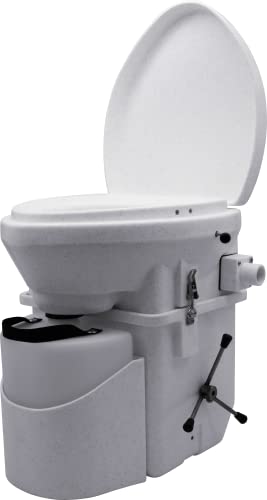
Nature’s Head Self-Contained Composting Toilet, Spider Handle — Best Overall
Best Overall. This pick off-grid cabins, boats and water-scarce homes ready to adopt the composting routine. It is placed here, in this order, for the waterless-first eco: composting, urine separation and dry systems, with low-flow plumbed as the alternative reasons this guide is built around — not as a general ranking of every toilet its maker sells.
Strengths
- Uses no flush water at all, which is the single biggest eco step a toilet can take
- Self-contained format needs no drain connection, opening up rooms plumbed toilets cannot serve
- Close-quarters handle design is made for tight installs
Trade-offs
- Composting is a routine, not an event — media handling and emptying are part of ownership
- Requires venting planning, which must be thought through before purchase
- Upfront tier is premium compared with a basic plumbed toilet
| Key specifications (from the verified listing) | |
|---|---|
| Format | self-contained composting toilet |
| Design | close quarters spider handle (per listing title) |
| Water | waterless operation (composting format) |
In daily use, the Nature’s Head Self-Contained Composting Toilet, Spider Handle earns its place in a best eco toilets shortlist because its specification answers the brief directly rather than approximately. The verified listing gives you self-contained composting toilet, and that single fact shapes everything about living with it: how it installs, how it behaves on an ordinary weekday morning, and how much thought it asks of you afterwards. Treat the listing photographs as part of the specification too — check the base profile, the seat shape and the flush control position against your own bathroom, because those are the details your hands will meet every day.
Ownership details matter as much as the headline specification. Parts for the Nature’s Head Self-Contained Composting Toilet, Spider Handle follow the pattern of its class, the seat is a standard replaceable item rather than a sculpture, and the installation follows the sequence every plumber expects. None of that is glamorous, and all of it decides whether year five feels as easy as week one. If you are comparing this model against a rival with a prettier photograph, compare the listings line by line instead: what is included, what is stated, and what is left for you to discover after delivery.
Day-to-day care follows from the format. Keep the exterior on a mild cleaner and a soft cloth, keep the seat fixings checked twice a year, and keep the model reference — Nature’s Head Self-Contained Composting Toilet, Spider Handle — in your household file with the rough-in you measured, so any future seat, valve or seal purchase starts from facts rather than guesswork. None of that is specific to this brand; it is simply the routine that makes any toilet in this guide feel well bought in year five, and this model’s standard format makes the routine easy to keep.
Best for: buyers who want best overall performance in the best eco toilets category. / Not suited for: buyers whose bathroom, rough-in or household contradicts the trade-offs listed above.
Check the current price on Amazon

Separett Villa Urine-Separating Compost Toilet — Best High-Capacity Separating
Best High-Capacity Separating. This pick homesteads, cottages and conversions that want separation without additives. It is placed here, in this order, for the waterless-first eco: composting, urine separation and dry systems, with low-flow plumbed as the alternative reasons this guide is built around — not as a general ranking of every toilet its maker sells.
Strengths
- Urine separation is the key odour-control idea in this class, handled by design rather than chemicals
- No additives or mixing simplifies the ownership routine
- High-capacity design suits longer intervals between servicing
Trade-offs
- Urine outlet routing needs a plan — container or drain — before install day
- Solids handling is still a manual routine, as with all composting formats
- Less familiar format for guests, so a short explanation card helps in shared spaces
| Key specifications (from the verified listing) | |
|---|---|
| Format | urine-separating compost toilet |
| Additives | no additives or mixing needed (per listing title) |
| Capacity | high-capacity design (per listing title) |
| Use cases in title | homestead, schoolie, cottage |
Where this model separates itself from the wider field is in the combination, not in any single headline. Plenty of toilets offer one element of this specification; far fewer combine the format, the flush and the included seat hardware in one box at one tier. For the waterless-first eco: composting, urine separation and dry systems, with low-flow plumbed as the alternative angle that runs through this guide, that combination is the argument: it reduces the number of compromises you are asked to accept at once, and compromises, not specifications, are what owners actually live with.
Ownership details matter as much as the headline specification. Parts for the Separett Villa Urine-Separating Compost Toilet follow the pattern of its class, the seat is a standard replaceable item rather than a sculpture, and the installation follows the sequence every plumber expects. None of that is glamorous, and all of it decides whether year five feels as easy as week one. If you are comparing this model against a rival with a prettier photograph, compare the listings line by line instead: what is included, what is stated, and what is left for you to discover after delivery.
A final practical check before this model goes in the cart: confirm the delivery reality. Ceramic toilets are heavy, fragile freight however they are packed, so plan where the box will be opened, inspect the casting before installation day, and keep the packaging until the toilet has been fitted and flushed. Confirm also that your floor is level and your flange is sound, because no specification in any listing can compensate for a base that rocks — and a rocking toilet destroys its own seal, which is the one failure that turns a good purchase into a leak.
Best for: buyers who want best high-capacity separating performance in the best eco toilets category. / Not suited for: buyers whose bathroom, rough-in or household contradicts the trade-offs listed above.
Check the current price on Amazon
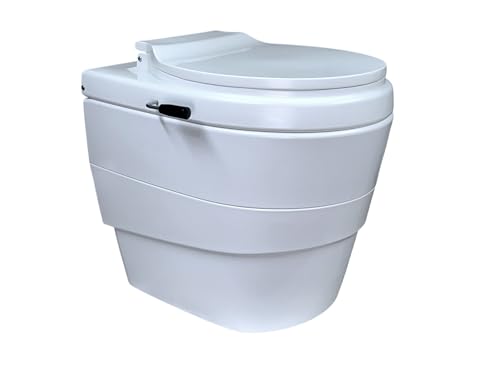
Thinktank Composting Toilet — Best Alternative Maker
Best Alternative Maker. This pick off-grid buyers comparing the small field of serious composting makers. It is placed here, in this order, for the waterless-first eco: composting, urine separation and dry systems, with low-flow plumbed as the alternative reasons this guide is built around — not as a general ranking of every toilet its maker sells.
Strengths
- Waterless composting format with a clean, domestic white finish
- A further established option in a category with few serious makers
- Suits permanent off-grid installs as well as vehicle use
Trade-offs
- Listing title is brief, so confirm dimensions, capacity and venting details on the product page before ordering
- Composting ownership routine applies in full
- Check what is included in the box versus sold separately
| Key specifications (from the verified listing) | |
|---|---|
| Format | composting toilet |
| Colour | white |
| Water | waterless operation (composting format) |
In daily use, the Thinktank Composting Toilet earns its place in a best eco toilets shortlist because its specification answers the brief directly rather than approximately. The verified listing gives you composting toilet, and that single fact shapes everything about living with it: how it installs, how it behaves on an ordinary weekday morning, and how much thought it asks of you afterwards. Treat the listing photographs as part of the specification too — check the base profile, the seat shape and the flush control position against your own bathroom, because those are the details your hands will meet every day.
Ownership details matter as much as the headline specification. Parts for the Thinktank Composting Toilet follow the pattern of its class, the seat is a standard replaceable item rather than a sculpture, and the installation follows the sequence every plumber expects. None of that is glamorous, and all of it decides whether year five feels as easy as week one. If you are comparing this model against a rival with a prettier photograph, compare the listings line by line instead: what is included, what is stated, and what is left for you to discover after delivery.
Day-to-day care follows from the format. Keep the exterior on a mild cleaner and a soft cloth, keep the seat fixings checked twice a year, and keep the model reference — Thinktank Composting Toilet — in your household file with the rough-in you measured, so any future seat, valve or seal purchase starts from facts rather than guesswork. None of that is specific to this brand; it is simply the routine that makes any toilet in this guide feel well bought in year five, and this model’s standard format makes the routine easy to keep.
Best for: buyers who want best alternative maker performance in the best eco toilets category. / Not suited for: buyers whose bathroom, rough-in or household contradicts the trade-offs listed above.
Check the current price on Amazon
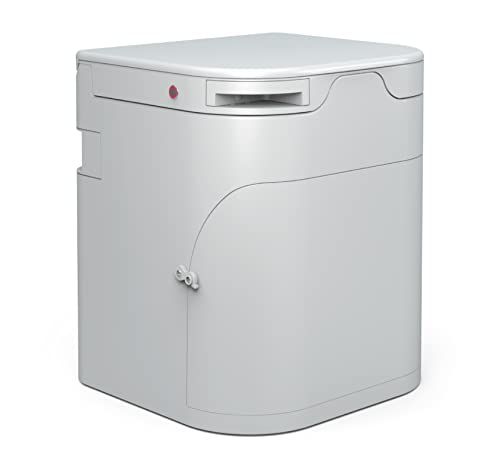
OGO Origin Compact Composting Toilet — Best Compact
Best Compact. This pick van, RV and tiny-home builders working to the tightest floor plans. It is placed here, in this order, for the waterless-first eco: composting, urine separation and dry systems, with low-flow plumbed as the alternative reasons this guide is built around — not as a general ranking of every toilet its maker sells.
Strengths
- A 15-inch footprint is genuinely tiny-home scale, not just marketing compact
- Waterless composting removes flush water and black-water plumbing entirely
- Compact format suits wet-bath and closet conversions
Trade-offs
- Compact capacity means shorter intervals between emptying
- Venting still needs a route out of the vehicle or cabin
- Composting media is an ongoing consumable to keep stocked
| Key specifications (from the verified listing) | |
|---|---|
| Format | compact composting toilet |
| Footprint | 15 inch footprint (per listing title) |
| Use cases in title | van, RV, boat |
Where this model separates itself from the wider field is in the combination, not in any single headline. Plenty of toilets offer one element of this specification; far fewer combine the format, the flush and the included seat hardware in one box at one tier. For the waterless-first eco: composting, urine separation and dry systems, with low-flow plumbed as the alternative angle that runs through this guide, that combination is the argument: it reduces the number of compromises you are asked to accept at once, and compromises, not specifications, are what owners actually live with.
Ownership details matter as much as the headline specification. Parts for the OGO Origin Compact Composting Toilet follow the pattern of its class, the seat is a standard replaceable item rather than a sculpture, and the installation follows the sequence every plumber expects. None of that is glamorous, and all of it decides whether year five feels as easy as week one. If you are comparing this model against a rival with a prettier photograph, compare the listings line by line instead: what is included, what is stated, and what is left for you to discover after delivery.
A final practical check before this model goes in the cart: confirm the delivery reality. Ceramic toilets are heavy, fragile freight however they are packed, so plan where the box will be opened, inspect the casting before installation day, and keep the packaging until the toilet has been fitted and flushed. Confirm also that your floor is level and your flange is sound, because no specification in any listing can compensate for a base that rocks — and a rocking toilet destroys its own seal, which is the one failure that turns a good purchase into a leak.
Best for: buyers who want best compact performance in the best eco toilets category. / Not suited for: buyers whose bathroom, rough-in or household contradicts the trade-offs listed above.
Check the current price on Amazon

Compo Closet Cuddy Composting Toilet — Best Chemical-Free with Fan Venting
Best Chemical-Free with Fan Venting. This pick tiny-home owners who want a purpose-built, chemical-free, waterless toilet. It is placed here, in this order, for the waterless-first eco: composting, urine separation and dry systems, with low-flow plumbed as the alternative reasons this guide is built around — not as a general ranking of every toilet its maker sells.
Strengths
- Designed and titled explicitly for tiny homes and off-grid use, not adapted as an afterthought
- Fan and carbon filter tackle odour actively rather than by hope
- No chemicals keeps the eco case clean and the consumables list short
Trade-offs
- 12V fan means a small power draw to plan into an off-grid electrical budget
- 3.9 gallon capacity is compact-class, so emptying is a regular routine
- Waterless composting is a lifestyle change for households coming from flush toilets
| Key specifications (from the verified listing) | |
|---|---|
| Format | composting toilet, self-contained, waterless |
| Capacity | 3.9 gallon (per listing title) |
| Ventilation | 12V fan, carbon filter (per listing title) |
| Chemicals | no chemicals (per listing title) |
| Use cases in title | RVs, vans, boats, tiny homes, off-grid |
In daily use, the Compo Closet Cuddy Composting Toilet earns its place in a best eco toilets shortlist because its specification answers the brief directly rather than approximately. The verified listing gives you composting toilet, self-contained, waterless, and that single fact shapes everything about living with it: how it installs, how it behaves on an ordinary weekday morning, and how much thought it asks of you afterwards. Treat the listing photographs as part of the specification too — check the base profile, the seat shape and the flush control position against your own bathroom, because those are the details your hands will meet every day.
Ownership details matter as much as the headline specification. Parts for the Compo Closet Cuddy Composting Toilet follow the pattern of its class, the seat is a standard replaceable item rather than a sculpture, and the installation follows the sequence every plumber expects. None of that is glamorous, and all of it decides whether year five feels as easy as week one. If you are comparing this model against a rival with a prettier photograph, compare the listings line by line instead: what is included, what is stated, and what is left for you to discover after delivery.
Day-to-day care follows from the format. Keep the exterior on a mild cleaner and a soft cloth, keep the seat fixings checked twice a year, and keep the model reference — Compo Closet Cuddy Composting Toilet — in your household file with the rough-in you measured, so any future seat, valve or seal purchase starts from facts rather than guesswork. None of that is specific to this brand; it is simply the routine that makes any toilet in this guide feel well bought in year five, and this model’s standard format makes the routine easy to keep.
Best for: buyers who want best chemical-free with fan venting performance in the best eco toilets category. / Not suited for: buyers whose bathroom, rough-in or household contradicts the trade-offs listed above.
Check the current price on Amazon

Separett Tiny Self-Contained Urine-Separating Compost Toilet — Best for Vans and Small Cabins
Best for Vans and Small Cabins. This pick tiny homes, vans and cabins where every system must be compact and self-contained. It is placed here, in this order, for the waterless-first eco: composting, urine separation and dry systems, with low-flow plumbed as the alternative reasons this guide is built around — not as a general ranking of every toilet its maker sells.
Strengths
- Built-in urine container removes the need for an external tank in tiny installs
- Emptying sensor takes the guesswork out of the least pleasant chore
- Self-contained and waterless, so no plumbing or holding tank is required
Trade-offs
- Compact capacity means more frequent emptying than full-size composting models
- Sensor and fan components add small power and parts considerations
- Still a composting routine — not a fit for anyone wanting flush-and-forget
| Key specifications (from the verified listing) | |
|---|---|
| Format | self-contained urine-separating compost toilet |
| Urine | built-in container with emptying sensor (per listing title) |
| Additives | no additives or mixing needed (per listing title) |
| Use cases in title | vans, RVs, cabins, boats |
Where this model separates itself from the wider field is in the combination, not in any single headline. Plenty of toilets offer one element of this specification; far fewer combine the format, the flush and the included seat hardware in one box at one tier. For the waterless-first eco: composting, urine separation and dry systems, with low-flow plumbed as the alternative angle that runs through this guide, that combination is the argument: it reduces the number of compromises you are asked to accept at once, and compromises, not specifications, are what owners actually live with.
Ownership details matter as much as the headline specification. Parts for the Separett Tiny Self-Contained Urine-Separating Compost Toilet follow the pattern of its class, the seat is a standard replaceable item rather than a sculpture, and the installation follows the sequence every plumber expects. None of that is glamorous, and all of it decides whether year five feels as easy as week one. If you are comparing this model against a rival with a prettier photograph, compare the listings line by line instead: what is included, what is stated, and what is left for you to discover after delivery.
A final practical check before this model goes in the cart: confirm the delivery reality. Ceramic toilets are heavy, fragile freight however they are packed, so plan where the box will be opened, inspect the casting before installation day, and keep the packaging until the toilet has been fitted and flushed. Confirm also that your floor is level and your flange is sound, because no specification in any listing can compensate for a base that rocks — and a rocking toilet destroys its own seal, which is the one failure that turns a good purchase into a leak.
Best for: buyers who want best for vans and small cabins performance in the best eco toilets category. / Not suited for: buyers whose bathroom, rough-in or household contradicts the trade-offs listed above.
Check the current price on Amazon
Comparison Table
| Pick | Badge | Key spec | Best for |
|---|---|---|---|
| Nature’s Head Self-Contained Composting Toilet, Spider Handle | Best Overall | Water: waterless operation (composting format) | Best Overall |
| Separett Villa Urine-Separating Compost Toilet | Best High-Capacity Separating | Capacity: high-capacity design (per listing title) | Best High-Capacity Separating |
| Thinktank Composting Toilet | Best Alternative Maker | Water: waterless operation (composting format) | Best Alternative Maker |
| OGO Origin Compact Composting Toilet | Best Compact | Use cases in title: van, RV, boat | Best Compact |
| Compo Closet Cuddy Composting Toilet | Best Chemical-Free with Fan Venting | Ventilation: 12V fan, carbon filter (per listing title) | Best Chemical-Free with Fan Venting |
| Separett Tiny Self-Contained Urine-Separating Compost Toilet | Best for Vans and Small Cabins | Additives: no additives or mixing needed (per listing title) | Best for Vans and Small Cabins |
How to Choose the Best Eco Toilets
How composting toilets actually work
A composting toilet separates the problem into manageable parts. Liquid and solid waste are kept apart or managed with a carbon-rich medium such as coco coir or peat, a vent fan draws air across the contents to control odour and moisture, and time plus biology do the rest. The user adds medium, turns a handle or agitator where fitted, and empties the solids container at intervals that depend on capacity and occupancy. Nothing about the process is automatic, and nothing about it is difficult either — it is closer to keeping a garden compost system than to operating machinery. Understanding that rhythm before purchase is the entire secret to satisfaction in this category.
Urine separation: the quiet technology that makes it work
Most odour and most volume in human waste is urine, and urine mixed with solids is what creates sewage. Separating designs — the Separett picks in this guide are the textbook examples — divert urine at the bowl, which keeps the solids dry, dramatically reduces odour, and shrinks the emptying burden. Some designs route urine to a container, some to a drain or soakaway where permitted. When you compare waterless models, the separation question comes first: separating systems generally smell less, need fewer additives — the Separett listings state no additives or mixing needed — and behave more predictably across climates than mixed systems.
Venting, fans and power: the unglamorous essentials
Every serious waterless toilet manages air. A vent carries moisture and odour out; a small fan, where fitted, keeps that airflow constant — the Cuddy in this guide lists a 12V fan with a carbon filter. The vent route must exit the building or vehicle, ideally short and upward. Power draw for fan models is small but continuous, which matters for solar-sized off-grid systems and is irrelevant on grid power. Installs that skimp on venting are the source of nearly every bad report in this category. The toilet gets blamed; the vent was the problem. Plan the vent before you buy the unit, exactly as you would plan a drain for a plumbed toilet.
Where waterless wins, and where it honestly does not
Waterless wins where water is scarce, plumbing is absent or expensive, the setting is mobile, or the household is committed and small. It loses where usage is heavy and varied — busy family homes with guests, rentals with rotating occupants, and anyone who knows they will not keep a routine. Capacity is the hard limit: a composting toilet serving two people full-time is a proven pattern; serving six is a chore schedule. Be honest about your household size and hosting habits, because the eco benefit of a waterless toilet that gets ripped out in year two is negative. The right system kept for a decade is the green outcome.
If you want the short version of everything above, the shortlist is this: Nature’s Head Self-Contained Composting Toilet, Spider Handle , Separett Villa Urine-Separating Compost Toilet , Thinktank Composting Toilet — the three picks that best express this guide’s lens, in the order they appear in the reviews. Start there, and use the remaining picks to solve specific constraints of space, height, format or budget tier.
Local rules deserve a line of their own: sanitation regulations for composting and separating toilets differ between jurisdictions and between permanent and mobile installations. A short check with your local authority before purchase protects the whole project.
Trial thinking helps hesitant households: many owners start a waterless toilet in a cabin, workshop or secondary space, learn the routine at low stakes, and then decide about primary use with real experience instead of imagination.
Media supply is part of ownership. Whichever medium your model uses, keep a buffer stock; the systems are forgiving about many things, but running out of medium is not one of them.
Second-hand waterless toilets appear often as builds change. If you buy used, budget for a deep clean, fresh media and any worn seals or fans — and verify the vent components are complete.
How to Set Up and Run a Composting Toilet Routine
- Position the unit and complete the vent run first: out through wall or roof, as straight and short as the building allows, with any fan connected and tested before the toilet is used.
- Prepare the medium exactly as the maker’s instructions state for your model — type and quantity of composting medium are model-specific, so follow your own manual rather than general advice.
- For separating models, decide the urine route before first use: built-in container, external container or permitted drain, with a plan for emptying day.
- Brief every regular user on the two rules that matter: what goes in (and what never does — no chemicals, no wipes unless the maker explicitly allows them) and how the agitator or handle is used where fitted.
- Empty on a schedule based on your household, not on the container being completely full. Working with headroom is cleaner and easier in every design.
- Keep a simple log for the first season — media added, empties, any odour notes. Patterns appear quickly, and the routine tunes itself to your household within a few cycles.
Living With Your Choice: The First Year With Best Eco Toilets
The first year with any toilet in this guide follows a predictable arc, and knowing it in advance separates satisfied owners from disappointed ones. The first month is about habits: flush controls, seat action and cleaning rhythm all become automatic, and any mismatch between the toilet’s shape and its users shows up now, which is why the measurement sections of this guide matter more than any single specification. Months two to six are the quiet period — if the installation was sound, nothing should need attention at all, and a toilet that asks for attention in this window is telling you something about the install, usually the flange seal or the fill level, rather than about the product. Treat early niggles as installation feedback and they stay small.
From six months onward, ownership becomes a light rhythm rather than a project: a periodic listen for silent refills, a glance at the base for moisture, a seat-fixing check, and the cleaning routine this guide’s waterless-first eco: composting, urine separation and dry systems, with low-flow plumbed as the alternative lens was built around. Keep the documentation from the box — model, variant and part references — because the single most common ownership frustration in this category is not failure but identification: a worn seal is a trivial purchase with the right reference and an afternoon of guesswork without it. Owners who keep that one piece of paper, and who chose for their actual household rather than for a photograph, are the ones still recommending their toilet, unprompted, years later. That, ultimately, is the test every pick in this guide was selected to pass.
Common Buying Mistakes
- Buying waterless for a high-turnover rental. Guests and rotating occupants will not learn the routine, and the owner inherits the consequences. Waterless rewards stable, briefed users.
- Treating venting as optional. It is not. A waterless toilet without a proper vent path will smell, and the failure will be blamed on the wrong component.
- Adding chemicals to a composting system. Chemical cleaners and additives fight the biology the system depends on — and several listings in this guide specify no chemicals as a design point. Keep them out.
- Under-sizing capacity for the household. Compact models suit compact households. Full-time family use of a van-sized unit turns a gentle routine into a constant one.
- Expecting flush-and-forget. If the honest appeal of plumbing is never thinking about waste, waterless will frustrate you. Choose the plumbed eco guide’s picks instead and save water the mainstream way.
Before You Order: Measurements and Checks for Best Eco Toilets
Run this checklist against whichever pick you have chosen, in this order, because each step can veto the purchase more cheaply than the one after it. First, the rough-in: measure from the finished wall surface — not the skirting board — to the centre of the floor flange bolts, and compare the figure with the rough-in stated in the pick’s listing. Second, the footprint: mark the toilet’s stated length and width on the floor with tape, then check door swing, cabinet doors and your own knee room while seated at that position. Third, the users: seat height and bowl shape should match the people who will use the room daily, not the people who might visit it. Fourth, the box: re-read the listing for seat inclusion, hardware finish and exactly which variant the ASIN describes. Fifth, the support question: note the model number and where its common parts come from. A toilet that passes all five checks is very unlikely to be returned, and in a category where returns mean freight, that is the real economy.
One more check deserves its own paragraph because it is the one buyers skip when they are excited: water and waste infrastructure. Confirm your supply valve works and plan to replace its flexible line, confirm the flange is at or near floor level and not corroded, and think about the drainline your flush will travel through — older, shallow or partially scaled lines change which flush volumes behave well, whatever a listing promises. None of this requires a professional visit; it requires ten honest minutes with a tape measure, a torch and the listing open on your phone. Those ten minutes protect more money and more weekends than any other step in this guide.
Final Recommendation
A last word on deciding between close finalists, because most readers of a best eco toilets guide end with two picks rather than one. Decide on the constraint you cannot change: the rough-in you measured, the room’s true dimensions, the household member whose needs are least flexible, or the system — plumbed, dual-flush or waterless — that your infrastructure supports. The pick that respects the immovable constraint wins, even if the other pick leads on a specification you merely prefer. Preferences can be adapted to within a month; constraints cannot. If both finalists respect every constraint, choose the one whose parts, seat and documentation you can most easily live with for a decade, because that quiet practicality is what ownership actually feels like. Then order once, install carefully, and stop shopping — the second-guessing that follows a sound, constraint-led decision is the only remaining cost, and it is entirely optional.
If you are ready for waterless, the Nature’s Head spider-handle model is the established all-rounder, the Separett Villa is the high-capacity separating choice, and the OGO, Cuddy and Separett Tiny scale the idea down for compact and mobile life, with Thinktank as the alternative maker’s entry. If the routine gives you pause, that is useful information too — take the plumbed route in Best Eco Friendly Toilets instead, and compare Best Eco Friendly Toilets For Tiny Homes, Best Easy To Clean Toilets, Best Economic Toilets and Best Economy One Piece Toilets for the rest of the picture. Eco is a system decision, not a product trophy.
Frequently Asked Questions
Do eco toilets that do not flush actually work?
Yes — composting and urine-separating toilets are mature systems used in cabins, boats, vans and off-grid homes worldwide. They work by separation, ventilation and time rather than by water, and their listings in this guide come from makers specialising in exactly that.
What is the difference between composting and urine-separating toilets?
Composting models manage mixed or medium-based waste biologically in the unit. Urine-separating models divert liquid at the bowl, keeping solids dry, which reduces odour and often removes the need for additives or mixing, as stated in the Separett listings.
How much power does a waterless toilet use?
Passive models use none. Fan-assisted models use a small continuous draw — the Cuddy lists a 12V fan — which is trivial on grid power and a real but manageable line item in an off-grid power budget.
Where does the waste go?
Finished material is emptied at intervals and disposed of according to your local rules, which vary by area and by whether the material has fully composted. Check your local regulations before installing, as with any sanitation system.
Can an eco toilet replace a plumbed toilet in a normal house?
Technically yes in many settings, practically it depends on household size, guests and your appetite for the routine. Most conventional homes are better served by a low-volume dual-flush toilet, covered in this cluster’s plumbed eco guide.
Do waterless toilets need special cleaning products?
Mild, non-chemical cleaning is the norm, because harsh chemicals can harm the composting process and some designs specify no chemicals at all. Follow your model’s own guidance.


