Most of the sound from an air fryer comes from the fan moving air at speed, and a steady whoosh is normal. Rattles and buzzes usually come from loose parts or the surface underneath. A few simple checks often calm things down. This guide lists normal sounds, the usual causes of rattling, a step-by-step quiet check, and the signs that mean you should stop and read the manual.
Normal Sounds You May Hear
- A continuous fan hum while the unit runs.
- Soft clicks as the element cycles on and off.
- A fan that keeps running after cooking to cool the parts.
- Ticking as metal warms and cools.
In this guide
Common Causes of Rattling
Light food such as leafy greens or small snacks can flutter in the airflow and tap the basket. A basket that is not seated fully can buzz against the housing. Accessories like racks and liners may rest against walls and vibrate. Check each of these first.
Step-by-Step Quiet Check
- Unplug the unit and let it cool.
- Remove the basket and look for crumbs or debris near the fan area, as described in your manual.
- Reseat the basket until it clicks or sits flush.
- Set the air fryer on a flat, firm surface, away from the counter edge.
- Run a short cycle and listen again.
Surface and Placement
| Setting | Effect on noise |
|---|---|
| Hard, thin surface | Can amplify buzzing |
| Uneven counter | Causes rocking and rattles |
| Touching a wall or other appliance | Adds vibration and blocks airflow |
| Leaving space around the vents | Cuts fan strain and noise |
When to Stop and Check the Manual
Grinding, scraping, a burning smell or a sound that gets worse deserves attention. Turn the unit off, unplug it, and look at the troubleshooting section or contact the maker. Do not open the housing yourself.
Some noise is simply part of how the appliance cools itself. The fan may spin at a higher speed at the beginning of a cycle and settle down later. Foods that release steam can add a gentle crackle or hiss, which is normal. If you share a wall with a neighbor or sleep near the kitchen, you may prefer to cook at times when the extra background sound matters less.
Keep the manual handy, note when the sound first changed, and describe it clearly if you contact the maker. That information helps them work out whether it is a simple fix such as seating the basket again, or something needing service.
If the sound bothers you mostly at night, try cooking earlier in the evening or choosing a spot farther from the bedroom wall.
Reading the Sound: A Walkthrough
Describing a sound precisely makes it much easier to find the cause. Next time something seems off, work through these steps.
- Note when it happens. Is it only at the first moments of a cycle, only with certain foods, or all the time?
- Note the character. A low hum, a high whine, a flutter, a tick and a scrape each point to different causes.
- Run the unit empty for a short time in a ventilated room. If the sound disappears, the cause is likely food or an accessory moving in the airflow.
- Run it empty on a different surface, such as a sturdy table. If the sound changes, the original surface was amplifying it.
- Pull the unit a little away from the wall and from other objects, then listen again.
- If a rattle remains, stop and unplug the unit. Inspect the basket, liner and any accessory for looseness or damage.
- Write down what you found. If the sound continues, share these notes with the maker’s support.
Common Scenarios
A loud flutter with leafy greens or chips
Light food lifts in the airflow. Weigh it down with heavier items, use a basket-safe rack if the maker allows it, or cook in smaller amounts.
A buzz when the unit sits on a thin counter
Hollow or thin surfaces amplify vibration. Move the unit to a solid area, or use a heat-resistant mat that your manual allows, keeping the vents clear.
A hum that lasts after you finish cooking
The fan often keeps running to cool the parts. This is normal. If it never stops, or stops and cycles on and off oddly, check the manual.
A sound that appeared after a long period of storage
Dust or crumbs may have settled near the fan area. Clean the removable parts and check the basket seating before using the unit again.
Mistakes to Avoid
- Opening the housing to look for the cause. This exposes electrical parts and can void the maker’s coverage, so leave it to the maker or a qualified repair service.
- Blocking the vents with a towel to muffle sound. It traps heat and strains the unit.
- Ignoring a sudden change. A new grinding or scraping sound can mean something is touching the fan.
- Putting the unit on a soft surface. It can tilt, rock and let the vents suck in dust.
- Using foil or liners loosely. They can lift and touch moving parts or the heating element.
Quick Troubleshooting
| Symptom | Likely cause | What to try |
|---|---|---|
| Rattle during cooking | Basket not seated or loose accessory | Reseat the basket and check accessories |
| Buzz only on one surface | Surface amplifying vibration | Move to a solid, level area |
| Flutter with light food | Airflow lifting the food | Cook smaller amounts or weigh food down |
| Grinding or scraping | Debris touching the fan | Stop, unplug, cool and check the manual |
Level Surface and Safe Placement
A unit that rocks makes noise and can also be unsafe. Check that all feet touch the counter and that the unit does not wobble when you press a corner gently. Keep it away from the counter edge, with the cord clear of the exhaust and out of reach of small children. Leave the clearance that the manual asks for behind and above it, since hot air must be able to leave freely. Avoid placing it on a soft towel, a folded cloth or a damaged counter. If the surface is uneven, choose another spot rather than wedging objects under the unit, and ask a qualified professional about any counter or electrical issue.
Glossary
- Vibration: a rapid back-and-forth shaking of a part or surface.
- Resonance: when a surface amplifies a sound and makes it louder.
- Fan: the part that moves air around the food.
- Seated: fitted fully into place.
- Cooldown run: the fan continuing after cooking to cool the unit.
Why an Air Fryer Makes Sound at All
Understanding the basic parts makes noise easier to judge. An air fryer has a heating element and a fan. The fan pulls air across the element and pushes it around the food, and that moving air is what browns and crisps the surface. Moving air makes sound, so a quiet air fryer is a matter of degree, not a machine without noise.
Several things shape how loud a unit seems:
- Fan design: blade shape, motor type and housing all affect pitch and volume. Two models with similar capacity can sound very different.
- Airflow path: air that moves freely makes a smooth whoosh, while air forced through tight gaps can whistle or hiss.
- Load in the basket: a packed basket muffles some sound, while a nearly empty one with light food can flutter.
- Surroundings: hard kitchen surfaces bounce sound around, and small rooms make it feel louder.
- Your own ears: a sound you can ignore in a busy kitchen may stand out in a quiet apartment late at night.
Product listings sometimes mention noise, but descriptions are subjective. When reading feedback, look for general patterns, such as whether people describe a steady hum or a rattle, instead of relying on one comment. Check the maker’s own information for any stated sound level and how it was measured.
Differences Between Styles
The shape of the appliance changes how sound behaves. Knowing the differences helps if you are shopping for a quieter kitchen or trying to understand what your own unit is doing.
- Basket style: air circulates in a compact space, and the drawer closes tightly. Sound tends to be a focused hum, and a drawer that is not seated can buzz.
- Oven style: a larger cavity and sometimes more than one fan. Racks and trays can rattle if they are loose, and the door can add small clicks.
- Dual-drawer style: two baskets and often two fans, so sound may be wider and may change when one drawer runs on its own.
- Glass or ceramic bowl styles: the material can add a different tone, and the lid and bowl need to fit properly.
None of these is always louder or quieter than another. Differences within a style can be larger than differences between styles. If noise matters a lot to you, ask whether the maker describes sound levels, and consider how the unit will sit in your space. Where possible, check the return policy, so you can send it back if the sound turns out to be a problem for your home.
Household Habits That Reduce Noise
Beyond fixing the unit itself, small changes in how you cook can make the sound easier to live with.
- Choose your cooking time. If sleeping or working areas are close, cook when others are less likely to be bothered.
- Use the right amount of food. A moderately filled basket usually sounds steadier than one with a handful of light items.
- Weigh down light foods. Check the manual for approved racks or accessories, and do not cover vents.
- Keep the area tidy. Items left on or near the unit, such as paper or lids, can rattle against it.
- Close doors. A closed door to a bedroom or living space reduces sound a surprising amount.
- Clean regularly. Grease and crumbs can add buzzing and change airflow.
Some people also move the unit to a different spot once they notice how the counter changes the sound. A solid, level area away from the wall and from other appliances often sounds calmer. If you share a wall with a neighbor, avoid placing the unit against that wall.
Never block vents or stuff soft materials around the appliance to muffle noise. Heat has to escape, and blocking it is a safety risk as well as a cause of strain on the motor.
Deciding When Noise Means Service
Most noises are harmless, but some need attention. Use a simple test: has the sound changed, and does it come with other signs? A steady hum that has always been there is rarely a problem. A new grinding, scraping or squealing sound deserves a closer look.
Signs to stop and seek help:
- The sound gets worse over several uses.
- You smell burning, hot plastic or electrical odors.
- The unit vibrates more than before even on a level surface.
- The fan stops, stutters or runs unevenly.
- Smoke comes from the vents when cooking low-fat foods.
- Controls respond oddly or the display flickers.
When any of these appear, turn the unit off, unplug it, let it cool and check the basket seating and the fan area for debris as the manual allows. If nothing obvious explains it, contact the maker. Have the model name, the date you bought it and a description of the sound ready. If the unit is under warranty, ask what the maker needs from you. Do not open the housing yourself, and do not keep using an appliance that sounds or smells wrong. Weigh the age of the unit and the availability of repair against the cost of replacing it.
A Noise Log: Keeping Notes That Help You Pinpoint the Cause
When an air fryer sounds different, memory is a poor guide. A small log kept over a few sessions turns a vague worry into clear information, and it is useful if you ever contact support.
- Write down what you were cooking and how full the basket was.
- Describe the sound in plain words, such as buzz, flutter, tick or hum.
- Note when it occurs: at the opening of a cycle, midway or while cooling.
- Record the surface the unit sat on and how much space surrounded it.
- Mention the temperature and time you used.
- Add whether the sound changed when you moved the unit.
Patterns often appear quickly. If the sound only occurs with light foods, airflow is the likely explanation. If it follows the unit from counter to counter, the surface is not the cause. Entries like these let you focus on the relevant section of the manual.
Fan Noise Compared With Mechanical Noise
Not every sound has the same meaning. The table below separates the ordinary from the unusual, though your manual is always the authority.
| Sound | Usually points to | What to do |
|---|---|---|
| Steady whoosh | Normal fan operation | Nothing, unless it grows louder |
| Light fluttering | Loose food moving in the airflow | Weigh down or rearrange the food |
| Rattle on the counter | Contact with an uneven surface or loose accessory | Reposition and check accessory fit |
| Grinding or scraping | Possible obstruction or wear | Stop, unplug and consult the manual |
| Clicking while heating | Metal expanding as it warms | Usually normal; check the manual |
A smooth whoosh is the sound of a healthy appliance. Grinding is different and deserves attention. If something sounds mechanical rather than airy, unplug the unit once it has cooled and look for obvious causes such as a displaced basket or an item that has fallen into the housing.
Steps to Take When Something Sounds Different
Stay calm and work through the options in a sensible order. These steps follow common manual advice, but your model instructions come first.
- Stop the cycle and unplug the unit.
- Let it cool completely before touching anything.
- Remove the basket and check that nothing is trapped underneath.
- Reseat the basket until it sits firmly.
- Run a short empty cycle in a ventilated spot, following the manual.
- If the noise persists, contact the maker or a qualified technician.
Never open the housing or attempt electrical repairs yourself. Warranty terms and safety both depend on leaving that work to the manufacturer or a professional. Most noise problems prove to be simple placement or loading issues, but a persistent grind or a burning smell deserves proper service.
Loading Habits That Keep the Airflow Smooth
How you fill the basket changes the sound as much as the machine itself. Light items such as leafy greens, thin chips and bread crumbs can lift in the airflow and flutter against the heating area, producing rattles and odd noises. A little care at loading time prevents most of them.
- Spread food in a single even layer instead of piling it high.
- Press light toppings down gently or secure them with a rack, if the manual allows one.
- Use only accessories made for your model, and make sure they sit flat.
- Avoid blocking the air inlet or outlet with towels, cabinet doors or wall surfaces.
If a recipe calls for very light ingredients, try a lower fan setting where your model offers one, or cook a smaller portion. Wipe crumbs from the basket after each use, because loose debris can buzz against metal. These habits take seconds and spare you most of the unusual sounds that cause worry.

Products Worth a Look
As an Amazon Associate, Air Fryer Kitchen Supply earns from qualifying purchases. These picks come from our guide: 7 Best Air Fryers: Basket, Dual and Oven Styles (2026).
-
Ninja AF101, 4 Quart
-
COSORI TurboBlaze, 6 Quart
 Cosori TurboBlaze Air Fryer
-
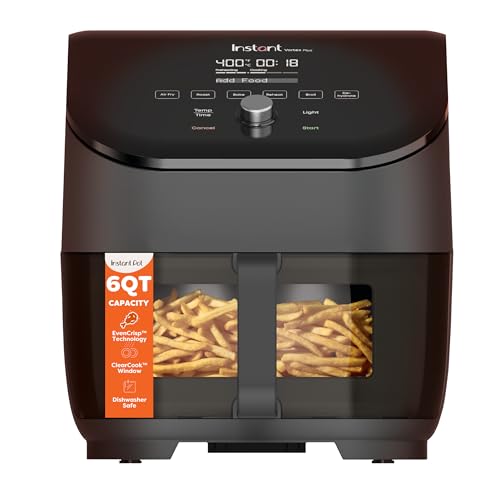
Instant Pot Vortex Plus ClearCook, 6 Quart
 Instant Pot Vortex Plus ClearCook 6 Qt 6-in-1 Air Fryer
Recording the Sound So You Can Compare It Later
Memory is a poor witness when it comes to noise. A sound that worried you on Monday can seem normal by Friday, and a sound that crept louder over three months may never have seemed loud on any single day. A short recording solves both problems. Use a phone to record the unit from the same spot in the kitchen, cooking something ordinary, and keep the clip dated with your other kitchen notes. You are not measuring anything precisely; you are giving your future self something honest to compare against.
Record under the same conditions each time, or the comparison misleads. Same counter position, similar load in the basket, doors and windows in their usual state. A recording made with the basket empty will sound different from one made during a full cook, and neither is wrong; they are simply different tests. Label each clip with what was cooking, and the set becomes a small history of the appliance that no amount of description could match.
If you ever need to contact the maker about a sound, that history is gold. Support staff can do far more with “here is the unit in spring, and here it is now, cooking the same food” than with a description like “it seems louder lately”. You can also play the older clip to yourself before deciding there is a problem at all. Many suspected faults end at that moment, when the recording shows the unit has sounded much the same all along.
How the Room Itself Changes the Noise
Two identical units can sound quite different in two different kitchens, because rooms amplify some sounds and swallow others. Hard surfaces everywhere, such as tile, stone counters and bare walls, reflect sound back at you and make a fan seem sharper and more insistent. A room with curtains, wooden furniture and soft furnishings absorbs some of that energy, and the same unit feels calmer even though it is producing exactly the same noise.
Cupboards deserve special attention. A unit placed so its exhaust or body sits close to a hollow cabinet can turn that cabinet into a sounding box, adding a low hum that seems to come from everywhere at once. Moving the unit a short distance, while keeping the clearance the manual requires, sometimes removes the hum entirely. Before concluding that a unit is noisy, it is worth ruling out the possibility that the kitchen is simply playing along.
Time of day changes perception too. In a quiet house late at night, a fan that goes unnoticed at lunchtime can feel intrusive, and sounds from neighbouring rooms carry further. That does not mean the appliance has changed. It means the background has fallen away. Planning the loudest cooking for the busier parts of the day, where your household routine allows, is a simple courtesy in flats and shared homes, and it costs nothing.
Vibration: Following the Buzz to Its Source
When a unit buzzes rather than whooshes, work like a detective and change one thing at a time. Begin with the unit running and listen carefully to locate the area the sound comes from: basket, housing, counter or something nearby on the counter that is vibrating in sympathy. Loose utensils, a metal tray or a ceramic jar standing close can all join in, and more than one cook has investigated the appliance only to find the real culprit was a spoon rest trembling against the wall.
Press nothing, open nothing, and take nothing apart. The safe checks are external: reseat the basket firmly, confirm the unit stands level on all its feet, move nearby objects away, and try the unit in a different position on a solid surface. If the buzz follows the unit everywhere and survives every external check, the cause is likely inside, and that is where home investigation ends and the maker’s guidance begins.
Keep a note of what you tried and what changed. A buzz that disappears on a different surface is a placement problem you have already solved. A buzz that softens when the basket is reseated tells you where to check first next time. A buzz that does nothing whatever you try is the one to report, and your notes will let you describe it in a way that gets useful help quickly.
Load, Balance and the Sounds of Cooking Itself
Not every sound comes from the machine. Food makes noise too. Light items can shift and tap against the basket as air moves them. A loose liner can flutter. Small pieces near the end of cooking, dried and light, may rattle gently where heavier, moist pieces at the start were silent. Learning to separate cooking sounds from machine sounds prevents a great deal of unnecessary worry, and the distinction is usually simple: cooking sounds change with the food and stop when that food is removed, while machine sounds repeat across very different meals.
Balance matters as well. A basket loaded heavily on one side, or a rack sitting slightly crooked, can set up a sympathetic rattle that a level load never produces. Spread food in the even layer good cooking already requires, seat accessories carefully, and many mystery noises turn out to have been load noises in disguise. This is one of the pleasant overlaps in air fryer care: the habits that make food cook evenly are the same habits that keep the unit sounding right.
Back-to-back cooking adds another wrinkle. A unit on its third consecutive batch is fully hot, its parts expanded, its fan working in warm air. Slight differences in sound between the first batch of the day and the third are normal behaviour for machinery at different temperatures. Judge a unit by how it sounds across a whole session, not by comparing its hottest moment with its coldest.
Noise in Shared and Open-Plan Homes
Open-plan living removes the kitchen door that once contained appliance noise, so sound planning becomes part of meal planning. If someone works, studies or sleeps within earshot, the kindest schedule puts the longest, loudest cooking outside their quietest hours. Short jobs, reheating and gentle cooking disturb far less than a long, full-power session, and many meals can be rearranged so the noisy stage happens earlier in the day.
Softening the room helps everyone, not just during cooking. A rug where the layout allows, curtains, and keeping the unit away from bare corners all reduce how far fan sound carries. So does closing the door of the room where someone is resting, even when the kitchen itself has no door. These are small domestic negotiations rather than technical fixes, and they work because most noise complaints are really about timing and surprise, not volume alone.
Guests change the picture again. A unit that seems perfectly acceptable to the household can dominate conversation in a small dining space. When you are entertaining, consider finishing the loudest cooking before guests sit down, using the unit in short bursts between courses, or simply telling people what the sound is and how long it will last. A noise that has been explained and given an end time bothers people far less than one that starts without warning and seems endless.
When a Sound Change Deserves Prompt Action
Most sound changes are gradual and harmless, but a few deserve same-day attention. Stop using the unit and follow the manual if a new sound arrives with any of the following: a smell of hot electrical parts, visible damage, a basket that no longer seats properly, or a grinding or scraping quality that was never there before. Sounds accompanied by performance changes, such as food suddenly cooking unevenly or the unit cutting out, also belong in this category rather than on a watch-and-wait list.
Write down what happened while it is fresh: what was cooking, how long the unit had been running, what the sound was like, and what you did. Then contact the maker with that account. Do not keep testing the unit repeatedly to see whether the sound returns; repeated runs with a possible internal fault help nobody and may make a small problem larger. One clear report, made once, is the responsible route.
For everything milder, the patient approach in this guide is enough: record, compare, check the external causes, and keep notes. Air fryers are fans in heated boxes, and fans have voices that change a little with age, load and room. The goal is not silence. It is knowing your own unit’s normal voice well enough that a genuinely new sound stands out at once, and being able to prove the difference when it matters.
More Questions About Noise and Vibration
Why does my unit sound louder on some counters than others?
Thin, hollow or lightly built surfaces act like drum skins and amplify vibration, while solid, heavy surfaces absorb it. The unit itself may be producing exactly the same sound in both places. If a new kitchen or a moved unit suddenly seems louder, suspect the surface first, test the unit on the most solid counter available, and only then consider whether the appliance itself has changed.
Can a full basket be quieter than an empty one?
Yes. Food adds weight and damping, and it disrupts the free movement of air that makes an empty basket sound hollow and busy. This is why a quick empty test run can mislead you about noise. Judge the unit during ordinary cooking, with a typical load, because that is the sound you and your household actually have to live with.
Is it normal for the sound to change as cooking finishes?
Many units change their sound as they cool or as the fan winds down at the end of a cycle, and a brief change in pitch then is common. What matters is the pattern over time. If the end-of-cycle sound is new, growing, or accompanied by rattling that continues after the fan should have stopped, note it and check the external causes described in this guide.
Should I keep cooking if a new rattle starts mid-session?
Pause, let the unit stop, and make the safe external checks: basket seating, accessory position, nearby objects and surface. If the rattle has an obvious external cause that you can fix, carry on. If nothing explains it, or it has a harsh mechanical quality, end the session and follow the guidance above about reporting it rather than experimenting further.
Does cleaning really change how a unit sounds?
It can. Crumbs near air paths, grease stiffening a basket’s movement, and residue on accessories all add small noises that vanish once the parts are clean and dry. That is why cleaning, as the manual directs, belongs early in any noise investigation. It costs nothing, it risks nothing, and a surprising share of mystery sounds turn out to be housekeeping in disguise.
Buying With Your Ears: What to Listen for Before You Own a Unit
Noise is one of the few qualities you can partly judge before purchase, if you know what to listen for and what to ignore. Display units and demonstrations rarely reproduce a home kitchen, since shops are large, hard-surfaced and already loud, but they can still reveal character: whether a model’s voice is a smooth whoosh or a higher, thinner whine, and whether rattles appear when the basket is handled. Two people can disagree honestly about which character they prefer, which is why the cook who will live with the unit should be the one who listens.
Treat published noise figures, where makers offer them, as rough comparisons between models rather than promises about your kitchen. Measurement conditions vary, and your room, counter and load will rewrite the number in practice, as this guide has described. A model that measures slightly louder but sounds smoother may be far easier to live with than a quieter model with an irritating tone. Character outlasts numbers in daily life, because you stop hearing volume and keep hearing quality.
Finally, weigh noise against the cooking you actually do. A household that fries for twenty minutes at family dinner time can live happily with a voice that would trouble a household cooking at midnight in a studio flat. There is no universally quiet enough, only quiet enough for a particular home, a particular schedule and particular neighbours. Matching the unit to that reality, before it arrives, prevents most noise regret entirely.
A Gradual Change Is a Story: Reading Months of Small Differences
When a unit’s sound changes slowly, resist judging any single day. Instead, lay your recordings and notes side by side and read them as a story with a direction. Is the change steady or sudden? Does it affect all cooking or only one kind of load? Has anything else changed in the same period, a new counter position, a new accessory, a different typical batch size? Slow sound changes very often track a slow change in use, and the story usually names its own cause once it is read whole.
Age alone explains some of it. Moving parts wear, baskets seat a fraction less perfectly than they did when new, and accessories develop small plays that add small sounds. None of this automatically means failure. Appliances, like bicycles and washing machines, develop a mature voice that differs from their showroom voice while remaining entirely serviceable. The question is never “does it sound new” but “does it sound healthy”, and healthy is a judgement your recordings and notes let you make with evidence.
Share that evidence generously if you seek help. A maker or repairer given a dated sequence can distinguish wear from fault far better than one given a single anxious description. And if the verdict is that the unit is simply ageing gracefully, accept the peace of mind as a real outcome. Knowing a sound is harmless is worth as much as fixing one that is not, because it returns your attention to the cooking, where it belongs.
Helping a new household member learn the unit’s normal voice
When someone new joins the household, or a younger cook begins using the unit alone, spend one ordinary cooking session together with the sound as part of the lesson. Point out the normal whoosh, the sounds of food shifting, the change as the cycle ends. A person who has been taught what normal sounds like will neither ignore a genuine change nor panic at an ordinary one, and that calm competence is a safety feature no manual can install on its own.
Sound, Sleep and the Night-Time Kitchen
In homes where someone sleeps while others are still awake, the air fryer’s voice becomes a scheduling fact rather than a curiosity. Thin walls and open doors carry fan sound efficiently, and a long cook at full power can be the difference between a household that rests and one that merely endures. The courteous solution is rarely silence; it is timing. Front-load the loud cooking into the hours when the house is awake, and let the quiet end of the evening be served by foods that reheat gently, rest warmly, or were cooked earlier and need only a brief, gentle finish.
If night cooking is unavoidable, reduce what can be reduced. Smaller loads finish sooner. A unit placed on its most solid surface, away from hollow cabinets and shared walls, makes the least of itself. Doors between the kitchen and the sleeper, closed where the home allows, do more than any other single measure. And tell the sleeper when the cooking will happen and how long it will last; a known, bounded sound disturbs rest far less than one that starts without warning in the dark.
Babies, shift workers and light sleepers all raise the stakes in their own ways, and each household will find its own settlement. What this guide can offer is the principle: treat sound as an ingredient of the meal plan, considered at the same moment as timing and temperature, and the fryer stops being the appliance that wakes the house and becomes simply one more consideration in a kitchen that runs considerately.
A note on headphones, radios and masking sound
Some cooks mask fan sound with music or a radio, which works for the cook but does nothing for the rest of the home, and can hide the very changes in the unit’s voice that this guide teaches you to notice. If you cook with entertainment on, give the unit a few unmasked minutes at the start of each session, listen to it plainly, and only then turn the music up. That small ritual preserves your familiarity with its normal voice at almost no cost.
Putting It Together: A Calm Household Noise Policy
Everything in this guide reduces to a small policy any household can hold. Know your unit’s normal voice, through listening and a dated recording or two. Keep its external world in order: level surface, seated basket, clean parts, nothing loose nearby joining in. Respect the room and the hour, planning loud cooking for loud times where you can. And act promptly, without drama, when a sound arrives with damage, smell or changed performance, because that combination is the one that matters.
Write the policy down if your household is shared, in the same place as your other kitchen agreements. New cooks inherit it instead of reinventing it, guests’ questions answer themselves, and the unit’s voice becomes a known quantity rather than a recurring topic. Most appliance anxiety is really unfamiliarity wearing a disguise; a short written policy is familiarity, bottled.
Then forget about noise, which is the true goal. A well-understood unit fades into the background of a kitchen, its sound as unremarkable as a kettle’s, noticed only when it changes. That is the state this guide has been aiming at from its first page: not silence, not obsession, but a cook who hears their machine the way a driver hears an engine, automatically, accurately, and only as often as the information deserves.
One more small discipline completes the picture: listen once, properly, whenever anything in the unit’s life changes. A new home, a new counter, a new accessory, a repair, a long period in storage, each deserves a single attentive cook in which the sound is part of what you are checking. Change is when new noises are born, and the cook who listens at exactly those moments catches them at birth, when their causes are still obvious and their remedies still simple. Make that a habit, and you will rarely be surprised by your own appliance again.
Listening for the room you are about to cook in
Make one last refinement a reflex: before a long or late cook, take two seconds to register the house itself. Who is home, who is resting, which doors are open, and what else is already making sound? That tiny survey, done at the moment you reach for the basket, turns every principle in this guide into a single instinctive decision about where the unit sits, how it is loaded and when it runs. Cooks who develop the reflex stop having noise problems almost entirely, not because their appliance changed, but because their attention arrived a few seconds earlier than the problem.
And when the survey says the house is asleep and the meal can wait, let it wait without resentment. A postponed cook is a trivial thing. A household whose rest is protected by small courtesies is not. The fryer will be exactly as capable in the morning, and the food, cooked at a considerate hour in a house that is awake to enjoy it, will taste better for reasons that have nothing to do with temperature.
FAQ
Are bigger models louder?
Not always. Fan design matters more than size, so sound varies a lot between models.
Will a mat under the unit help?
A heat-resistant mat that your manual allows may reduce rattle, but never block vents.
Is a new unit louder at first?
Some people notice odd sounds or smells in the first uses as new parts settle. Check the manual for guidance, and contact the maker if the sound is harsh or does not improve.
Can I fix a noisy fan myself?
No. Only clean the removable parts and check the placement. Internal repairs on an electrical appliance should be left to the maker or a qualified repair service.
Does a dirty unit make more noise?
It can. Crumbs near the intake or grease on the basket can change the airflow and add buzzing. Cleaning as the manual directs often brings the sound back to normal.
Is a high-pitched whine normal?
A mild whine can come from the fan motor in some models, but a new or growing whine is worth checking. Reseat the basket, clean the vents and consult the manual, and contact the maker if it persists.
Why is my air fryer louder when it is empty?
With nothing in the basket, air moves freely and loose parts have nothing to dampen them. If an empty run seems much louder than a loaded one, check seating and accessories.
Can a dirty fan cause noise?
Crumbs or grease near the intake can change airflow and cause buzzing or a scraping sound. Clean only the parts the manual allows you to clean, and leave internal parts to the maker.
Does the voltage or outlet affect the sound?
It should not matter for normal use. If the sound changes when you switch outlets, or the unit seems to struggle, unplug it and ask a licensed electrician or the maker about the cause.
Will a larger counter surface make it quieter?
A solid, level surface helps because it does not amplify vibration. A thin or hollow surface can make the same unit sound louder, so try a different spot before blaming the unit.
Why does the fan keep running after I turn it off?
Many models run the fan briefly to cool the parts. This is normal unless it continues for a long time or the unit smells hot, in which case check the manual.
Should I use rubber feet or pads under the unit?
Only if the maker allows and the pads do not block vents or raise the unit unsafely. A level, firm surface is usually the better first fix.
How do I describe the sound to customer support?
Say when it happens, what it sounds like and what you have tried, such as reseating the basket or changing surfaces. Clear notes help the maker decide whether it is a simple fix or needs service.
The Short Version
A steady fan sound is normal, and rattles usually come from light food, loose parts or the surface. Check these, and read the manual for anything unusual. If grinding, scraping or a burning smell appears, stop, unplug the unit and contact the maker.

