Where to buy
Check the latest price, availability and delivery on Amazon. Orders are placed on Amazon. We may earn a commission from qualifying purchases. All picks in this guide are judged in the queen size — topper pricing climbs steeply by size, and queen is the size most buyers actually need, so check the current price on Amazon for the queen listing before you buy.
- Best overall: Avocado Eco Organic Latex Mattress Topper, Plush Feel, 3 Inch, Queen — Check on Amazon
- BedJet 3 Climate Comfort for Beds, Single Temp Zone — Check on Amazon
- Tempur-Pedic TEMPUR-Adapt + Cooling 3-Inch Mattress Topper, Queen — Check on Amazon
- Sleep On Latex Pure Green Natural Latex Mattress Topper, Soft, 3 Inch, Queen — Check on Amazon
See 2 more Amazon options
- Turmerry 4-Inch Dual-Side Flippable Latex Mattress Topper, Queen — Check on Amazon
- Talatex Latex Mattress Topper, Queen, 2 Inch — Check on Amazon
Read the full guide ↓
Disclosure: As an Amazon Associate, airfryerkitchensupply.com earns from qualifying purchases. Links to Amazon on this page are affiliate links; they cost you nothing extra. Listing details such as price and availability change often, so check the current Amazon listing before you buy.
Side sleepers ask a cooling topper to do two jobs that pull against each other. Your shoulder and hip carry your weight on a narrow contact patch, so you need a surface soft and deep enough to let those points sink and spread pressure — but the deeper you sink, the more material wraps around you, and wrapped contact is exactly where heat builds. That is why so many side sleepers wake at 3 a.m. with a hot shoulder on a topper that felt cool at bedtime. Seven hundred dollars is a serious budget for solving that problem, and this guide starts with the fact most $700 roundups skip: on Amazon, almost nothing in this category sits near the top of this budget for a queen. The passive topper market — latex, foam, phase-change covers — sits well below this ceiling, and the one passive topper that comes closest to this guide’s ceiling is the Avocado Eco Organic in its plush three-inch build, positioned at the top of this tier — check the current price on Amazon. The genuinely expensive bed-cooling products are active water systems — Eight Sleep’s Pod cover and the Chilipad line — positioned well above this budget for a queen, sold mostly direct, and named in this guide as the ceiling rather than linked as picks.
One honesty note before the picks, because it shapes everything that follows. Five of the six picks below cool passively. Latex breathes because its open-cell structure lets air move; gel, copper, graphite and phase-change materials are maker-described ways of conducting heat away or absorbing it for a while. None refrigerates a bed or holds a set temperature all night, and no topper here treats shoulder or hip pain, night sweats, hot flashes or any medical condition — a topper is a comfort product, and this guide grades it as one. If shoulder pain, arm numbness or broken sleep persists, that is a conversation for a clinician, not a checkout page. The sixth pick, the BedJet, is the exception on cooling: an active air system that blows temperature-controlled air into the bed — though as its review states plainly, it changes temperature only and does nothing at all for pressure. Every cooling figure below is a maker’s figure, printed as one.
For most side sleepers we would begin with the Avocado: three inches of plush Talalay latex — the latex that yields and contours most like a pressure-relief material while still breathing — in a certified organic cotton cover. If your mattress feel is already right and only temperature is wrong, the BedJet changes the mechanism instead of the material. Below are the six picks, comparison and buying checklists, the contouring-versus-cooling trade-off, worked plans for spending $700, common mistakes, and FAQs.
In this guide
Quick Picks
Short on time, or comparing several options at once? Each row below names a buyer type and the product that suits it, with a link to the listing. All picks are judged for the queen size — premium topper prices move with brand sales, so check the current price on Amazon before you buy.
| Buyer type | Pick | Why it stands out | Link |
|---|---|---|---|
| Best overall | Avocado Eco Organic Latex Mattress Topper, Plush, 3 Inch, Queen | Plush Talalay latex that lets a shoulder sink while it breathes — positioned at the top of this tier; check price on Amazon | Check on Amazon |
| Best active cooling | BedJet 3 Climate Comfort for Beds, Single Temp Zone | Real moving air, heating and cooling — check price on Amazon; changes temperature, not pressure | Check on Amazon |
| Best contouring foam | Tempur-Pedic TEMPUR-Adapt + Cooling, 3 Inch, Queen | The deepest shoulder-and-hip contouring here, under a cooling cover — check price on Amazon | Check on Amazon |
| Best latex value | Sleep On Latex Pure Green, Soft, 3 Inch, Queen | Certified organic Dunlop latex in the soft firmness — check price on Amazon | Check on Amazon |
| Best thick latex | Turmerry 4-Inch Dual-Side Flippable Latex Mattress Topper, Queen | Four inches, two feels in one topper — sleep on the soft side, flip it if you guessed wrong | Check on Amazon |
| Best finished latex | Talatex Latex Mattress Topper, Queen, 2 Inch | Medium-soft latex with the organic cover included — a surface change for lighter side sleepers | Check on Amazon |
How These Picks Were Chosen
The first filter was the budget, applied to the queen size specifically — and applied honestly in both directions. Every product below is a real Amazon listing whose queen version sits at or under $700 in the United States; check the current price on Amazon for each listing, as prices move. Two picks required judgment calls, and both are flagged where they stand: the Avocado sits at the top of this tier in its queen plush three-inch build — the listing is sold by Avocado itself and tracks the brand’s pricing — and the Turmerry is described by its position inside this budget rather than by a single figure. Anything we could not place inside this budget was left unlinked or left out, however famous the brand — that is why the Saatva Graphite and the PlushBeds Quilted Organic, both genuinely premium toppers, are discussed later without links.
The second filter is side sleeping. A side sleeper loads a mattress through two narrow points — shoulder and hip — so we judged contouring depth and softness first: does the material yield enough for a shoulder to drop in rather than perch on top? Firmness was read as a side sleeper should — plush and soft builds and lower ILD numbers promoted, firm “support” builds charged — and thickness was matched to body weight, because two inches that cushion a lighter sleeper will bottom out under a heavier one. Only after a pick passed the pressure test did we grade its cooling, by mechanism, not adjectives: airflow (latex) works all night, absorption (phase-change) works for the first part of the night, and conduction (gel, graphite) slows warming without stopping it. Maker cooling figures are reported as maker claims, because there is no standard test for “cooling.”
We did not sleep on these toppers ourselves. We read maker listings and specification pages, compared materials, thicknesses, densities and firmness figures, and favored products that publish the numbers premium prices should rest on: a latex process (Talalay or Dunlop), a density, an ILD or firmness rating, a cover you can identify. The spread is deliberate: a plush Talalay flagship, an active air system, a phase-change-cover memory foam, a certified organic Dunlop slab in soft, a four-inch flippable latex topper, and a finished two-inch latex topper with cover included. The water-based systems — Eight Sleep and Chilipad — are the one premium family we could not link responsibly inside the budget, and the guide says why.
The 6 Best Cooling Mattress Toppers for Side Sleepers Under $700
Avocado Eco Organic Latex Mattress Topper, Plush Feel, 3 Inch, Queen
Who it suits: Side sleepers spending flagship money who want the one premium material that answers both halves of their problem — a surface soft enough for a shoulder to sink into, built from a structure that breathes while it holds you.
Of the two latex processes, Talalay is the side sleeper’s. It is lighter, softer and more yielding than Dunlop, letting shoulder and hip drop in and spread their load instead of resting on a springy surface that pushes back — and because it is still latex, its open-cell structure lets air move all night rather than storing body heat the way dense foam does. The plush build is three inches of that Talalay inside a certified organic cotton cover that Avocado sews in rather than selling as an add-on, so what you check on Amazon is the finished product; three inches is also the right depth for the job, enough for a shoulder to sink without striking the mattress beneath. The queen plush three-inch sits at the top of this tier — the passive topper in the guide that comes closest to the ceiling — with the medium build (GOLS-certified organic Dunlop latex) positioned lower in the range for the two-inch queen. Amazon’s listing is sold by Avocado Green Mattress itself and follows the brand’s pricing and sale calendar, so check the current price on Amazon before you buy.
Now the honesty this pick requires. The Amazon listing’s title says “organic latex,” but Avocado’s own help pages draw a line the title blurs: the medium build is the GOLS-certified organic one (Dunlop latex), while this plush build’s Talalay is FSC-certified — responsibly sourced, per the brand, but not certified organic. The finished topper carries a stack of brand-claimed certifications (GOTS for the finished product, OEKO-TEX Standard 100 Class I, MADE SAFE, EWG Verified, GREENGUARD Gold), but independent listing checks could not find certificate numbers for all of them on the Amazon page itself. Judge it as a certification purchase and you are buying some numbers the seller did not print. Two further limits belong in the open: Talalay still pushes back more than memory foam, so side sleepers who want the deep, slow hug of a contouring foam may find latex buoyant rather than cradling; and this is latex — anyone with a latex allergy should rule out every latex pick in this guide, this one included.
- Three inches of plush Pure Talalay latex — the latex that contours most like a pressure-relief material — in a sewn-in organic cotton cover.
- The queen plush three-inch sits at the top of this tier; the only passive topper here that comes closest to the guide’s ceiling — check price on Amazon.
- A 100-night trial is the brand’s direct-sale term; check what applies to the Amazon purchase before relying on it.
Honest limitation: The plush build’s latex is FSC-certified Talalay, not the GOLS-certified organic latex of the medium build, whatever the listing title implies — and Amazon’s live price for this listing moves with the brand’s sales, so check the current price on Amazon before you buy.
Choose it if you sleep on your side, run warm, and want contouring and airflow from the same material. Skip it if you need certified-organic latex specifically — take the same topper in the medium Dunlop build — you want memory foam’s deep sink, or you have a latex allergy.

BedJet 3 Climate Comfort for Beds, Cooling Fan + Heating Air (Single Temp Zone)
Who it suits: Side sleepers whose pressure problem is already solved — the mattress feel is right, the shoulder is happy — and whose only remaining complaint is temperature: the very hot sleeper, and the temperature-mismatched couple on one side of the bed.
The BedJet is not a topper, and this guide will not pretend otherwise. It is a climate system: a compact unit at the foot of the bed that blows temperature-controlled air — cooled or heated — under your sheets through a nozzle, with app and remote control and a programmable schedule that can shift temperature and airflow through the night. It earns its place because it is the only active cooling product we could verify on Amazon inside this budget, and because it works with whatever topper you already own. Check the current price on Amazon — this listing sits in the upper part of this tier and its price moves with promotions, so it is worth checking the listing before you buy. The brand reports more than 350,000 units sold.
For a side sleeper, this pick needs the bluntest framing in the guide: the BedJet changes temperature and nothing else. It adds no cushion, no contouring, no pressure relief. If your shoulder aches because your mattress is too firm, moving air will leave that problem exactly where it found it — you need a contouring pick here, not this one. Where it is unmatched is the other half of the problem: if you have already found a soft topper you love and it sleeps warm — the classic memory-foam bargain — the BedJet cools the bed around it without asking you to give up the feel. The BedJet moves room air; it is not an air conditioner, and the maker’s own listing text says it is not recommended to solve sleep problems in extremely hot bedrooms over 78°F with no air conditioning. Two points belong in the open: the brand’s Cloud Sheet, a diffuser sheet that spreads the air more evenly, is sold separately, and the unit makes some noise — the listing’s own figures run 30 to 46 dB depending on setting, quiet at low airflow and audible at full blast.
- Real active cooling and heating — the only pick here that changes the bed’s temperature instead of buffering yours.
- Positioned in the upper part of this tier — check price on Amazon.
- Works with your existing mattress and topper; programmable through-the-night temperature schedule.
Honest limitation: It does nothing for pressure — a side sleeper whose problem is a hard mattress gets zero relief from it — and it conditions room air rather than refrigerating it, so in a hot room with no air conditioning it will not rescue the night; the maker’s own text says so. The diffuser Cloud Sheet that gets the best results is a separate purchase.
Choose it if your bed’s feel is already right and only its temperature is wrong, or your partner’s temperature preference is the opposite of yours (a dual-zone version exists above this guide’s single-zone framing). Skip it if shoulder or hip pressure is any part of your problem, your bedroom itself is hot and un-air-conditioned, or you want a silent, invisible solution.
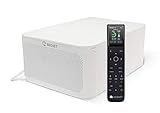
Tempur-Pedic TEMPUR-Adapt + Cooling 3-Inch Mattress Topper, Queen
Who it suits: Side sleepers whose pressure problem outranks their heat problem — sleepers who want the deepest shoulder-and-hip contouring in this guide and run warm enough to need the cooling cover doing real work.
No material here contours like TEMPUR. Three inches of the dense, slow-recovery foam the brand’s mattresses are built from, sized at 79.5 by 59.1 inches for a queen, flows around a shoulder and hip and holds them in a mould that spreads load across the widest area of any pick in this guide — which is precisely what a side sleeper’s two pressure points ask for. Over it sits a cool-to-the-touch performance knit cover woven with phase-change material, removable and washable, with Staytight corner straps to hold the topper in place. The cooling story is the cover, and it is a real one within its limits: phase-change fabric absorbs heat on contact, which is why the surface feels cool when you first lie down and through the first part of the night. Check the current price on Amazon — this listing sits well inside this budget, its price swings with the sale calendar, and it is fulfilled through Amazon. This guide includes it because it is the premium foam benchmark, not because it spends the whole $700 budget.
Read the trade honestly, because for side sleepers it cuts both ways. The same deep sink that relieves a shoulder also wraps it: more body contact with foam means more surface for heat to build against, and dense memory foam is the warmest common topper material once a cover’s phase-change layer has absorbed what it can. The cover buys a cool surface and a better first half of the night, not a cold bed at 4 a.m. — latex here will still be breathing after the TEMPUR has equilibrated. Tempur-Pedic offers no sleep trial and accepts no returns on toppers bought direct, so the Amazon purchase’s return window — check it on the listing — is the only trial you get. New foam may also carry a light initial odor, per owner coverage. What you get is the real TEMPUR feel with the best cooling treatment the brand sells, plus a 10-year warranty — for side sleepers whose problem is pressure first and heat second, that ordering is exactly right.
- Genuine 3-inch TEMPUR material — the deepest, most complete contouring of a shoulder and hip in this guide.
- Positioned well inside this tier — check price on Amazon and watch the sale calendar.
- Phase-change cooling cover, removable and washable, with corner straps and a 10-year brand warranty.
Honest limitation: The cooling lives in the cover and saturates: the deep sink that relieves pressure also wraps the body, and the dense foam underneath still sleeps warmer than latex across a full night. The brand offers no trial on direct purchases, so Amazon’s return terms are your only safety net.
Choose it if pressure relief is the primary job and heat is the secondary one. Skip it if you sleep truly hot — latex or the BedJet will serve you better — or you dislike the slow, sinking memory-foam feel.

Sleep On Latex Pure Green Natural Latex Mattress Topper, Soft, 3 Inch, Queen
Who it suits: Side sleepers who want certified organic latex with published engineering figures — and the freedom to return it — well below the flagship’s position in this tier, and who prefer a buoyant cushion to a deep foam hug.
Sleep On Latex publishes what premium listings often hide. This is a three-inch slab of 100% natural Dunlop latex in soft, and the listing states its density — 4.0 lb per cubic foot — along with the certifications that actually attach to the product: the latex is GOLS-certified organic (certificate C868773GOLS-02.2020, issued to Sleep On Latex itself), with OEKO-TEX and Fair for Life marks besides. Three inches in soft cushions a too-firm mattress properly while keeping latex’s open-cell breathability, the property that makes it the passive cooling material every foam is compared against. Check the current price on Amazon for the three-inch queen in the soft firmness — the firmnesses are positioned as one line, and the soft is the configuration this guide links.
Side sleepers should read this pick’s feel precisely. Dunlop is the denser, springier latex process, and even in the soft firmness it cushions more than it contours: you rest on it more than in it, so a shoulder drops less deeply than it does into the Avocado’s Talalay or the TEMPUR’s foam. Lighter side sleepers, and those who find memory foam’s hug claustrophobic, often prefer exactly that; heavier side sleepers may bottom out under a hip in soft, and the same topper in medium — a separate listing, so check the current price on Amazon for the soft listing itself — is the firmer alternative. The slab arrives bare — no cover is included, and the brand’s organic cotton cover is a separate purchase; a fitted sheet is the minimum protection, and latex degrades faster exposed to light and air. Natural latex also has a scent on opening that fades. Against those, the Amazon purchase carries free returns per current coverage — a rarity among latex brands, several of which sell final-sale — and a 5-year warranty. As with every latex pick here: a latex allergy rules it out.
- GOLS-certified organic Dunlop latex with a published density (4.0 lb/ft³) — verifiable specs, not adjectives.
- Three-inch queen positioned in the middle of this tier — flagship material at a mid-tier position; check price on Amazon.
- Free returns on the Amazon purchase and a 5-year warranty, per current coverage.
Honest limitation: No cover is included — budget for the brand’s cover or protect the slab under a fitted sheet from day one — and Dunlop’s springy cushion contours a shoulder less deeply than Talalay or memory foam; heavier side sleepers may bottom out in the soft firmness and need the medium.
Choose it if you want certified latex and published numbers, a buoyant rather than sinking feel, or you are building one of the two-topper allocations below. Skip it if you want the deepest contouring — the Avocado or the TEMPUR — a finished product out of the box, or you have a latex allergy.

Turmerry 4-Inch Dual-Side Flippable Latex Mattress Topper, Queen
Who it suits: Side sleepers who cannot decide on a firmness — or whose preference changes with the season — and who need real depth under the shoulder: four inches is the build that lets a heavier side sleeper sink without reaching the mattress.
Turmerry’s four-inch topper is two toppers in one slab: a dual-side design with a softer side and a medium side, so the firmness decision is made by flipping rather than by returning. For a side sleeper that insurance is aimed at the exact guess this body type gets wrong — too firm and the shoulder perches and aches; too soft and the hip drops through. Start soft-side up, and flip only if you bottom out. Four inches of GOLS-certified organic Dunlop latex is also the deepest latex build here — enough to genuinely re-make a mattress’s feel rather than adjust its surface — and Turmerry’s line finishes its four-inch model with a cover included, where its thinner toppers sell the cover separately. Latex’s cooling case needs no infusion story: perforated, open-cell Dunlop that air moves through, in a thickness that keeps the contact patch ventilated instead of sunk into a warm pocket of foam. Turmerry’s latex range sits inside this budget depending on size and build in brand positioning; check the current price on Amazon for this exact listing, where it should sit comfortably inside this budget, and if it sits far above its usual position in this tier at the time you check, consider the Pure Green instead.
Its honesty gap is the mirror of the Avocado’s. Where the flagship publishes certifications you must parse, the Turmerry’s Amazon record is simply young: its listing record is small, so the evidence is its spec sheet — certified latex, four inches, two firmnesses, cover included — rather than a crowd of owners. A flippable topper gives you two chances to like it, but both are Dunlop feels, springier and less contouring than Talalay. If neither side suits, there is no third. Buy it for the build, check price on Amazon, and let the brand’s trial terms — check whether they apply to the Amazon purchase — be your protection. Latex allergy rules it out, as with every latex pick here.
- Four inches of GOLS-certified Dunlop latex — the deepest build in this guide, and the depth a heavier side sleeper’s shoulder needs.
- Dual-side design: soft on one face, medium on the other — two firmness chances in one purchase.
- Cover included on the four-inch model, per the brand’s line structure.
Honest limitation: The Amazon listing’s review record is still small, so you are buying a specification rather than a consensus — so check the current price on Amazon before anything else.
Choose it if you want maximum latex depth and insurance against your own firmness guess. Skip it if you want a deep owner-review record behind a premium purchase — the Pure Green and the TEMPUR have it — or a soft, Talalay-style sink, or you have a latex allergy.

Talatex Latex Mattress Topper, Queen, 2 Inch
Who it suits: Lighter side sleepers who want the finished product — cover included, numbers published — and whose mattress needs its surface softened, not rebuilt: a gentle cushion over a nearly-right bed.
Talatex answers the Pure Green’s one real inconvenience, the bare slab, by finishing the product. Its queen two-inch topper is natural latex in an organic cotton cover, with an open-cell structure and a ventilation pattern the maker designed to move air through the foam. Check the current price on Amazon for the Talatex queen — it sits in the middle of this tier.
For side sleepers, the two inches are the whole story, and they cut by weight. A lighter sleeper’s shoulder presses through perhaps half this topper and is genuinely cushioned; a heavier sleeper compresses two inches fully and lands, through the latex, on the mattress beneath — a breathable layer over the same hard surface, a cooling improvement and barely a pressure one. Read it as this guide’s surface changer: it keeps height, sheet fit and edge feel close to what they were, which is what a nearly-right mattress or a first latex experiment needs. Against the Pure Green: Talatex includes the cover and the gentler first feel; Sleep On Latex offers three inches instead of two and GOLS certification for the latex itself. Both cool the latex way — airflow through open-cell material that does not store body heat — and both share latex’s limits: a natural scent on opening, no help for a sagging mattress (a topper follows the dip), and a hard no for a latex allergy. At this budget the Talatex is rarely the only purchase: it is the second-bed topper in the allocations below, alongside a flagship pick for the main bed.
- Natural latex with the organic cotton cover included — finished out of the box.
- Published density (70 kg/m³) and ILD (23–26) figures — a medium-soft feel you can predict.
- Queen positioned in the middle of this tier — check price on Amazon.
Honest limitation: Two inches changes a surface, not a mattress: under a heavier side sleeper’s shoulder it compresses fully and the pressure problem remains,
Choose it if you are a lighter side sleeper whose mattress is nearly right and you want breathable latex with nothing else to buy. Skip it if you need three inches of transformation — the Pure Green or the Turmerry — certified-organic latex, or you have a latex allergy.

Comparison Table
| Product | Type | Best use | Link |
|---|---|---|---|
| Avocado Eco Organic Latex Topper, Plush, 3 Inch, Queen | Talalay latex, organic cotton cover | Contouring that breathes — the flagship side-sleeper pick; check price on Amazon | Check on Amazon |
| BedJet 3 Climate Comfort, Single Zone | Active air system | Real temperature change, any size bed — check price on Amazon; no pressure change | Check on Amazon |
| Tempur-Pedic TEMPUR-Adapt + Cooling, 3 Inch, Queen | Memory foam, phase-change cover | Deepest pressure relief, cooling cover second — check price on Amazon | Check on Amazon |
| Sleep On Latex Pure Green, Soft, 3 Inch, Queen | Dunlop latex, GOLS certified | Certified latex value in the soft firmness — check price on Amazon | Check on Amazon |
| Turmerry Dual-Side Latex Topper, 4 Inch, Queen | Dunlop latex, flippable | Maximum depth, two firmnesses — check price on Amazon | Check on Amazon |
| Talatex Latex Mattress Topper, Queen, 2 Inch | Latex, cover included | The finished surface changer for lighter side sleepers — check price on Amazon | Check on Amazon |
How to Choose a Cooling Mattress Topper for Side Sleepers Under $700
- Name your problem first: pressure, heat, or both. The ranking flips with the answer. Pressure first points to the TEMPUR or the Avocado; heat first, with feel already right, points to the BedJet; both together point to latex, the material that compromises least.
- Buy softness deliberately. Side sleepers need the plush or soft build of whatever line they choose — the Avocado’s plush rather than its medium, the Pure Green in soft, the Turmerry’s soft side up. A firm “support” topper is a back sleeper’s product wearing a cooling label.
- Match thickness to your weight. Two inches cushions a lighter side sleeper and bottoms out under a heavier one; three inches suits most; four inches is for heavier sleepers or a mattress that needs remaking. A topper you compress completely is a sheet, not a cushion.
- Decide passive or active. Passive toppers buffer heat; only an active system changes the bed’s temperature — and only a topper changes pressure. If two passive toppers have already failed you on heat, a third will too; if your shoulder is the problem, no air system will fix it.
- Do the allocation before the product. No passive queen topper sits near the top of this $700 budget on Amazon, so decide whether you are buying one flagship or a flagship plus a second bed’s topper — the pattern this guide recommends — before falling for any single listing.
- Read latex by process and density. Talalay is softer and more yielding — the side sleeper’s latex; Dunlop is denser and springier, cushioning more than contouring. A published density (the Pure Green’s 4.0 lb/ft³, the Talatex’s 70 kg/m³) tells you more about lifespan than any headline claim.
- Interrogate the certification’s scope. GOLS certifies latex; GOTS certifies textiles; OEKO-TEX tests finished fabrics. The Avocado’s plush build is FSC-certified Talalay while its medium build is the GOLS organic one — same listing family, two different claims. Buy the build whose paperwork you have read.
- Treat phase-change as a first-hours technology. PCM covers feel genuinely cool on contact and absorb heat as they warm — then they are done until they cool again. They improve the start of the night; they do not refrigerate the end of it.
- Budget the accessories the headline omits. A bare latex slab needs a cover; the BedJet works best with its diffuser sheet. The finished price is the one to compare against the budget.
- Check the return terms by channel, not by brand. The same topper can be final-sale direct and returnable on Amazon (Tempur-Pedic, Sleep On Latex) or carry its trial only on direct purchases. At this budget level, the channel’s terms are part of the product.
- Confirm the size against your sheets. Three or four added inches can outgrow standard pockets. Measure your fitted sheets’ depth before the topper arrives, not after.
The Side Sleeper’s Trade-Off: Contouring Versus Cooling
Every pick sits somewhere on one axis. At one end is contouring: a material that flows around shoulder and hip, spreading load widely. Memory foam does this best — and pays in heat, because the mould it forms is also insulation, holding warmth against the points that press deepest. At the other end is airflow: latex barely moulds, resting you on a springy, ventilated surface. It never saturates or wraps — and spreads pressure less completely, which is why a firm latex topper can leave a side sleeper’s shoulder perched and aching. Phase-change covers and gel infusions try to cheat the axis from the contouring end: both work, both are finite — phase-change saturates after the first part of the night, and conduction slows warming without stopping it — which is why the TEMPUR’s review orders its virtues pressure first, cooling second.
The two picks that escape the axis do so by leaving it. Plush Talalay — the Avocado — is the compromise: softer and more yielding than Dunlop, it lets a shoulder sink meaningfully while its open cells keep air moving, so the contact patch is cushioned and ventilated at once. It does not contour as completely as TEMPUR foam or breathe as freely as firm latex; it is the point where a side sleeper loses least on both ends. The BedJet escapes differently: it changes the air, not the surface, so it can cool a deeply contouring bed without asking you to surrender the contour — while changing nothing about pressure, and working only as well as your room’s air allows. Choose by your own night’s evidence. If you wake with a numb arm and a comfortable temperature, move toward contouring. If you wake comfortable but hot at the shoulder, move toward airflow — or add air. If numbness, pain or broken sleep keeps happening whichever surface you try, talk to a clinician; no position on this axis is a treatment.
How to Actually Spend $700: Worked Plans for a Side-Sleeping Household
The allocation this guide recommends depends on the household. The flagship plan puts the whole budget behind one bed: the Avocado plush three-inch at the top of this tier — check the current price on Amazon. Buy this if one bed, one side sleeper, and materials purity are the whole story. The contour-and-latex plan pairs the TEMPUR-Adapt + Cooling with the Pure Green soft three-inch: the deepest contouring on the pressure-sensitive sleeper’s bed and certified breathable latex on the second, with room left in the budget for the Pure Green’s cover. The latex-both-ways plan pairs the Pure Green with the Talatex — three inches of certified Dunlop in one room and a finished two-inch latex surface in the other, with room left in the budget.
The active plan is the one that spends least on toppers: the BedJet — check price on Amazon — working with the mattress and topper you already own, with room left in the budget — the right shape for the side sleeper whose contouring is solved and whose temperature is not — and its diffuser Cloud Sheet, sold separately through the brand, can join the order inside the same budget framing. Notice what none of the plans does: none chases a single line item at the very top of the budget for its own sake, because the market does not offer one worth chasing. A budget is a ceiling, not a target, and at this tier the discipline of leaving part of the budget unspent is worth more than the marginal inch of foam it would buy.
What $700 Does and Does Not Buy
Start with what it does buy, because the premium tier is real. It buys latex in its best forms: plush Talalay in the flagship, certified organic Dunlop with published densities below it, four-inch builds and covers included. It buys the category’s benchmark contouring foam with its best cooling cover. It buys one genuinely active system — moving, temperature-controlled air — with room left in the budget. And it buys, if you allocate instead of splurging, two complete cooling setups for two beds, each better than the single topper most $700 shoppers imagine.
What it does not buy is a passive topper that fills this whole $700 budget on its own, because Amazon’s shelf barely contains one: the Avocado comes closest, positioned at the top of this tier, the PlushBeds Quilted Organic — a four-inch quilted latex and wool build positioned at the top of this tier through the brand — could not be tied to a verifiable Amazon listing and is therefore named here unlinked, and the Saatva Graphite, the premium graphite-foam benchmark positioned in the middle of this tier through the brand, has an Amazon listing that repeatedly showed no featured offers, with the only ASIN we could verify belonging to its king size. Both are first swap-ins if their listings verify. What $700 also does not buy is active water cooling: Eight Sleep’s Pod cover and sleepme’s Chilipad systems are the category’s true ceiling, positioned well above this budget for a queen on their own sites, with the temperature precision — a set number, held all night, per side — that no product in this guide can match. At $700 you are not buying the ceiling of bed cooling. You are buying the best-verified passive materials on the platform, one honest active system, or a two-bed allocation — each a better purchase than a far more expensive system bought for a problem latex might have solved.
Common Buying Mistakes
- Buying a firm “cooling” topper for a pressure problem: firmness is a back sleeper’s virtue, and a side sleeper on a firm topper gets the heat problem solved and the shoulder problem kept.
- Expecting the BedJet — or any air or water system — to soften a hard mattress. Active systems change temperature only; pressure is the topper’s job.
- Assuming a $700 budget means a $700 topper exists, then stretching to a king size or an unverifiable listing to “use” money the queen market never asked for.
- Believing a phase-change cover refrigerates: it absorbs heat for the first part of the night, then it is a cover — judge it by the whole night, not the first hour.
- Buying two inches of topper as a heavier side sleeper and compressing it flat at the shoulder, then blaming the material for a thickness mistake.
- Paying flagship prices for a certification whose scope you did not read — GOLS is latex, GOTS is textiles, and a brand’s two builds can carry different ones.
- Buying a bare latex slab and leaving it uncovered under a thin sheet, then blaming the latex when light and air age it early.
- Expecting any topper to fix a sagging mattress; a topper conforms to the dip it lies in, and a dipped mattress concentrates pressure no surface layer can redistribute.
- Judging a topper in its first hour out of the vacuum pack, before foam or latex has had a day or two to expand — or judging latex by its first-day scent.
- Ignoring the channel’s return terms: the same topper can be final-sale from the brand and returnable on Amazon, or carry its trial only direct — and a firmness guess needs a return window.
- Treating “cooling” or “pressure relief” as health claims. These are comfort products; persistent pain, numbness or night sweats belong to a clinician.
Final Recommendation
- Most side sleepers: Avocado Eco Organic Latex Mattress Topper, Plush, 3 Inch — check price on Amazon.
- Feel solved, temperature not: BedJet 3 Climate Comfort, Single Zone.
- Pressure relief first: Tempur-Pedic TEMPUR-Adapt + Cooling, 3 Inch.
- Certified latex value: Sleep On Latex Pure Green, Soft, 3 Inch.
- Maximum latex depth: Turmerry 4-Inch Dual-Side Flippable Latex Topper — check price on Amazon.
- A finished second-bed topper: Talatex Latex Mattress Topper, 2 Inch.
Our top two are the Avocado and the BedJet, this budget’s two honest philosophies for a side sleeper. The Avocado sells the best passive compromise we could verify — plush Talalay latex that lets a shoulder sink while air moves through the sink, an included organic cover, three full inches — positioned at the top of this tier; check price on Amazon. Its certification story is printed in full above, including the parts the listing title glosses over. The BedJet declines the materials contest and changes the mechanism: real moving air, cooling and heating — check price on Amazon — working with the bed you already have, provided your bed’s feel was never the problem. Either anchors a $700 budget well; paired with the allocation plans above, the same money covers more sleep than any single purchase here. Read the certification scopes, match thickness to your weight and softness to your shoulder, check the current price on Amazon, and leave whatever the market does not honestly charge you unspent.
Frequently Asked Questions
Can you really buy a $700 cooling mattress topper on Amazon?
Barely, and only at the top of this tier. The Avocado Eco Organic in its plush three-inch queen build sits at the top of this tier, and its Amazon listing — sold by the brand — follows the brand’s pricing and sales; check the current price on Amazon. Beyond it, Amazon’s passive topper shelf sits well below the top of this budget for a queen, and the genuinely expensive cooling products are active water systems positioned well above this budget and sold mostly direct. Treat this budget as an allocation: a flagship, possibly a second topper, and a remainder.
What firmness should a side sleeper choose in a cooling topper?
The soft or plush build of whatever line you buy. Side sleeping concentrates weight on shoulder and hip, and those points need a surface that yields so load spreads; a firm topper keeps pressure peaked no matter how well it breathes. In maker figures, that means lower ILD numbers and “soft” or “plush” labels — the Avocado’s plush build, the Pure Green in soft, the Turmerry’s soft side. Judge the result by your own shoulder over several nights, inside the return window, rather than by the first evening.
Is latex or memory foam better for a side sleeper who sleeps hot?
They split the problem. Memory foam contours shoulder and hip more completely than any latex — and wraps them in the warmest common topper material, which cooling covers only partly offset. Latex breathes all night and stores far less heat, but pushes back more: plush Talalay (the Avocado) narrows the contouring gap most, while Dunlop (the Pure Green, the Turmerry) cushions more than it moulds. If pressure is your louder complaint, take the foam; if heat is, take the latex. No standard test ranks toppers by temperature, and every “degrees cooler” figure in a listing is a maker’s figure.
Will a cooling topper fix my shoulder pain or the arm that falls asleep?
A softer, deeper topper can change how much pressure your shoulder carries, and many side sleepers find that more comfortable. But no topper here treats shoulder pain, numbness or any other condition, and none is a medical device. Pain or numbness that persists — especially numbness that keeps waking you — deserves a clinician’s assessment before a premium purchase, and a topper bought afterward will work better for being chosen on comfort alone.
How thick should a side sleeper’s topper be?
Thicker than a back sleeper’s, matched to your weight. Two inches suits lighter side sleepers on a nearly-right mattress; three inches is the depth most side sleepers need for a shoulder to sink without striking through; four inches suits heavier sleepers or a mattress being remade. The test is bottoming out: if your shoulder rests through the topper, not in it, no cooling technology in the slab will rescue the purchase.
How long does a phase-change cooling cover actually work?
Phase-change material absorbs heat until it has fully transitioned — typically the first part of the night — then behaves like ordinary fabric until it cools again. That is not a defect; a cool surface at sleep onset is worth having, and it is the honest limit of the technology. If you wake hot at 3 a.m., the answer is a material that breathes all night (latex) or a system that moves air or water (the BedJet, or the systems positioned well above this budget), not a stronger phase-change claim.
Is the BedJet a mattress topper — and will it help my shoulder?
No on both counts, and this guide includes it openly anyway. It is a climate system that blows temperature-controlled air under your sheets; it changes temperature and nothing about feel, so it offers a side sleeper’s shoulder exactly nothing. It earns its place because it is the only active cooling product verifiable on Amazon inside the budget, and because for the side sleeper whose contouring is already right, temperature may be the only problem left. Its maker states plainly that it is not an air conditioner and is not recommended for solving sleep problems in bedrooms over 78°F without air conditioning.
Does a cooling topper help with night sweats or hot flashes?
A cooler-feeling sleep surface is a comfort preference, and many sleepers simply prefer one. But no topper here treats night sweats, hot flashes or any other condition, and none is a medical device. If night sweats or broken sleep are persistent, that is a conversation for a clinician — spend the $700 after it, on the bed that suits the answer.
Why do some picks ask you to check the price on Amazon?
Because premium listings move. The Avocado sits at the top of this tier in a brand-sold, sale-driven listing — check the current price on Amazon — and the Turmerry is described by its position inside this budget rather than by a single figure. Checking the live listing is more reliable than any fixed figure printed in a guide.
- Best Cooling Mattress Topper Under $700
- Best Cooling Mattress Topper For Side Sleepers Under $400
- Best Cooling Mattress Topper Under $1000
- Best Cooling Pillow For Side Sleepers Under $200
- Best Bed Sheet Set Under $200
Related Guides
- Best Cooling Mattress Topper For Side Sleepers Under $30
- Best Cooling Mattress Topper For Side Sleepers Under $75
- Best Cooling Mattress Topper For Side Sleepers Under $100
- Best Cooling Mattress Topper For Side Sleepers Under $200
- Best Cooling Mattress Topper For Side Sleepers Under $400