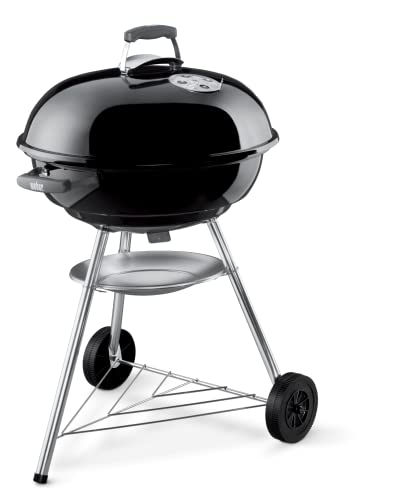
A tailgate grill has to survive the trunk, heat up quickly in a parking lot and feed a crowd that is waiting for kickoff. That favors sturdy, mid-sized charcoal grills with good heat retention and legs or a stand that sits steady on pavement. Check parking lot rules, since some venues ban open flames or ask you to bring a fire extinguisher.
The six grills below include kamado-style ceramics, a steel kamado, a mid-sized kettle and a barrel style. We have not used these grills ourselves, so confirm weight, size and included stands on the current listing before buying. Heat and capacity claims are the makers’ own.
As an Amazon Associate we earn from qualifying purchases. Links below are affiliate links, and they do not change the product information we give.
What to Look For
| Feature | Why it matters |
|---|---|
| Weight | A heavy ceramic grill holds heat but takes two people to lift |
| Cooking area | Plan for the number of burgers or brats you need per round |
| Stability | Legs or a stand that locks keep the grill steady on pavement |
| Vents | Good airflow control matters in wind |
| Cleanup | An ash catcher makes packing up faster |
In this guide
Specs at a Glance
| Grill | Style | Material | Notes |
|---|---|---|---|
| Kamado Joe Joe Jr. | Ceramic kamado | Ceramic | Comes with a cart, per the listing |
| Char-Griller Akorn Jr. | Steel kamado | Insulated steel | Lighter than ceramic |
| Big Green Egg MiniMax | Ceramic kamado | Ceramic | Compact; carrier sold with it, per the maker |
| Royal Gourmet PD1300 | Barrel style | Steel | Portable design with a lid |
| Weber Original Kettle 22 | Full-size kettle | Porcelain-enameled steel | Classic family-size cook |
| Char-Broil Kettle 22.5 | Full-size kettle | Steel | Kettle design on a stand |
The 6 Best Portable Charcoal Grills for Tailgating

Top pickBest for tailgaters who want serious heat
1. Kamado Joe Joe Jr. Portable Charcoal Grill
A small ceramic kamado with a cast iron top vent and a sturdy cart or stand, depending on the listing. It holds heat well and can grill, roast and smoke.
Suits: tailgaters who want serious heat. Strengths: excellent heat retention and versatility. Weaknesses: heavy to lift. Skip it if you want a light grill.


Best for tailgaters who want a lighter kamado
2. Char-Griller Akorn Jr. Kamado Charcoal Grill
An insulated steel kamado grill that is lighter than ceramic. It holds heat well for its weight and handles low and slow cooks.
Suits: tailgaters who want a lighter kamado. Strengths: insulated build at a lower weight. Weaknesses: steel can dent in transit. Skip it if you want a fully ceramic body.

Best for travel-friendly egg fans
3. Big Green Egg MiniMax Charcoal Grill
A small ceramic egg-style grill known for strong heat control. It is sized for a few people and the brand offers a matching carrier.
Suits: travel-friendly egg fans. Strengths: trusted ceramic build. Weaknesses: small cooking surface. Skip it if you cook for a large group.
View Big Green Egg MiniMax on Amazon
Best for budget-friendly group cooks
4. Royal Gourmet PD1300 Portable Charcoal Grill
A barrel-style grill with a lid and a legged base, made for backyards and tailgates alike. It offers more cooking room than most tabletop picks.
Suits: budget-friendly group cooks. Strengths: good surface area and a familiar layout. Weaknesses: lighter steel than premium grills. Skip it if you want kamado-level insulation.
View Royal Gourmet PD1300 on Amazon
Best for feeding a crowd
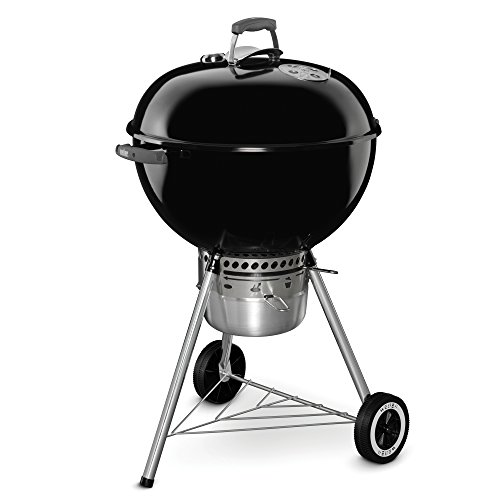
5. Weber Original Kettle 22 Inch Charcoal Grill
The classic Weber kettle: a round steel bowl with a lid, a vent system and an ash catcher. It is bigger than a portable pick but still a common tailgate sight.
Suits: feeding a crowd. Strengths: proven design and big surface. Weaknesses: bulky in a small trunk. Skip it if you want a tiny grill.
Best for casual tailgaters
6. Char-Broil Kettle Charcoal Grill 22.5 Inch
A kettle-style grill from a major grill brand, with a lid, a vent system and a legged base. It offers a familiar approach to grilling.
Suits: casual tailgaters. Strengths: kettle shape and simple operation. Weaknesses: lighter build than premium kettles. Skip it if you want heavy porcelain.
View Char-Broil Kettle 22.5 on Amazon
Care and Setup
- Let coals burn down and cool before packing up.
- Carry a metal bucket for safe ash disposal.
- Wipe off grease before it hardens.
- Pack the grill upright so ash does not spill.
- Keep a small fire extinguisher or bucket of water nearby.
Mistakes to Avoid
- Loading a hot grill into the trunk.
- Setting up on grass in dry conditions.
- Packing too little charcoal for a long game.
- Leaving the vents open after you finish.
- Packing the grill with ash still in the bowl.
Ceramic, Steel or Kettle for the Parking Lot
The grill body decides how a tailgate cook feels, and each material has trade-offs. Ceramic kamados hold heat very well, run efficiently on charcoal and can hold temperature in cool weather. They are heavy, and the ceramic can chip or crack if knocked or dropped, so lifting and loading need care, preferably with two people. They suit tailgaters who value steady heat and are willing to haul weight.
Insulated steel kamados offer a similar shape at a lower weight. They hold heat reasonably well, but steel can dent if bumped in a trunk, so pack them carefully. Kettle grills are lighter than ceramics, open up for large grates and are easy to set up for direct and indirect cooking. They suit groups that want to cook burgers, brats and chicken in volume. A barrel-style portable grill has a wide grate and a familiar layout, often at a lower weight, though thin steel loses heat faster and can warp over time.
Think about your usual group size. A small ceramic with a compact grate handles a few people well, but a crowd would mean several rounds. A larger kettle or barrel handles bigger numbers at once. Also ask how you will get the grill to the lot: how heavy it is, whether it has handles or a carrier, and whether it fits your vehicle with the rest of your gear. Match the grill to your group and your trunk, not only to its performance at home.
Fuel, Fire Starting and Managing Heat Outdoors
Tailgate fire management should be quick and low-fuss. Lump charcoal lights faster and burns hot, which suits searing, while briquettes burn more evenly and for longer, which suits longer cooks. Many tailgaters pack both. Keep fuel dry in a sealed bag or bin, since damp charcoal is hard to light.
A chimney starter is the cleanest way to light charcoal. Fill it, light paper or a starter cube underneath, and pour the coals into the grill when the top coals are ashed over. This avoids lighter fluid smell and flare-ups. If you use lighter fluid, let it burn off fully, but a chimney is the better habit.
Set up two zones for flexibility: a hot side for searing and a cooler side for finishing. This keeps burgers from burning and lets you hold food while others cook. Use vents to adjust the fire. More air raises the heat, less air lowers it. In wind, face the vent away from gusts or use a windbreak.
Plan the quantity of fuel. A long tailgate that includes pre-game cooking and a second round for halftime will use more charcoal than you expect. Bring a spare bag. And let coals burn down before you leave, so you do not have to carry live fire. Keep tongs, long gloves and a thermometer handy, and a lighter or matches in a dry spot.
Packing, Hauling and Setting Up Fast
A good tailgate setup depends on how easily you can pack and unpack. Start with a checklist: grill, fuel, chimney starter, lighter, tongs, spatula, thermometer, gloves, foil, a metal bucket for ash, cleaning wipes, trash bags, a fire extinguisher or water source and a table. Store non-perishable tools in one bin so they are always ready.
Pack the grill so it will not spill ash or scratch the vehicle. Many cooks use a heavy-duty bag or a plastic bin for transport. Keep it upright. Place heavy grills low and close to the vehicle’s edge so you can lift with your legs, and consider a ramp or a cart if the grill is heavy.
At the lot, choose a flat spot, away from vehicles, tents and dry grass. Check the lot’s rules and any posted restrictions. Set the grill on its stand or legs, lock any wheels and keep the area around it clear. Place a table nearby for prep, and keep food in coolers until you need it.
Light the fire early so it is ready when you need it. Aim to start the chimney well before cooking. Keep a routine: prep, grill, rest and serve. When the game or event is over, close the vents, let the coals cool, and use a metal container for ash. Pack up only when everything is cool to the touch.
Food Safety for Grilling Away from Home
Tailgating puts raw meat, heat and long hours in the same place, so food safety deserves a plan. Keep raw meat in a cooler with plenty of ice, separate from ready-to-eat food and drinks. Pack raw meat in sealed containers or bags, so juices do not leak onto other items. Do not leave perishable food out in warm weather for longer than food safety guidance suggests; check local guidance for the time limit and shorten it when it is hot.
Use a food thermometer. Burgers, sausages and chicken should reach the safe internal temperatures recommended by food safety authorities, and color alone is not a reliable guide. Insert the probe into the thickest part, away from bone. Keep a clean thermometer and wipe it between uses.
Prevent cross-contamination. Use separate plates and tongs for raw and cooked food. Wash hands or use sanitizing wipes after handling raw meat. Bring a water jug and soap, or hand wipes, if there is no wash station. Cover cooked food to keep flies and dust off.
Consider pre-cooking some items at home. Parboiled bratwurst, marinated chicken in sealed bags and pre-formed patties all save time on site. Keep them cold until grilling. Hold cooked food hot or chill it promptly, and discard leftovers that have sat too long.
Cleanup, Ash Disposal and Lot Etiquette
Cleanup is where good tailgaters stand out. The key safety point is that coals stay hot for a long time. Close the vents to starve the fire and allow ash and coals to cool fully, often several hours, before disposal. Many venues provide metal bins, but check first. If not, bring a metal bucket with a lid and a bit of water, and transfer cooled ash into it. Never dump hot coals into trash cans, onto grass or onto pavement.
Clean the grates while still warm with a brush, and wipe grease with paper towels. Carry used foil, wipes and food waste in sealed bags. Keep the grill upright while moving so no ash spills. If you need to move before the coals are cold, let them burn down and seal the vents, but do not load a hot grill into the vehicle.
Respect the lot. Check rules for grilling, open flames, fire extinguishers and generators, and follow signs from the venue. Keep your setup within your space, away from other groups and from walkways. Be careful with smoke and grease, which can bother neighbors. Keep volume and trash under control, and leave the spot cleaner than you found it.
Finally, inspect the grill at home. Wipe it down, check for rust, loose parts and dents, and let it dry before storing. A little care after each trip keeps the grill ready for the next one.
A Quick Checklist Before You Pack the Car
A tailgate goes best when the grill, the fuel and the tools are ready before you leave. Use this list with any of the six grills above.
- Check the event rules. Some lots restrict open fires or require a certain distance between grills and vehicles.
- Pack enough fuel for the whole day, plus a little extra.
- Bring a chimney starter, long matches or a lighter, and a way to keep them dry.
- Include heat-resistant gloves, long tongs and a spatula.
- Carry a bucket of water or sand and a fire extinguisher where allowed.
- Remember a thermometer, foil, trash bags and wipes.
- Plan where the hot grill will sit while you pack up.
It helps to keep a dedicated bin for grilling gear so that nothing is forgotten from one outing to the next.
Weight, Size and Heat Control Compared
| Type | Portability | Heat behavior |
|---|---|---|
| Small ceramic kamado | Heavy for its size, needs lifting care | Thick walls hold heat steadily, vents adjust the fire |
| Steel kamado style | Lighter than ceramic | Insulated shell helps hold heat |
| Compact steel portable | Easy to carry, often with a latching lid | Heats quickly, cools quickly |
| Full kettle | Bulky, needs trunk space | Adjustable vents, versatile for direct and indirect cooking |
Think about how far you carry the grill, who will lift it, and how many people you feed. A smaller grill is easier on the back, but a larger surface helps when the group grows.
A Short Glossary for Tailgate Cooks
- Direct heat: food cooked right above the coals.
- Indirect heat: food cooked beside the coals, with the lid closed.
- Vent: an opening used to adjust airflow and therefore fire strength.
- Ash catcher: a tray or pan that collects ash for disposal.
- Charcoal basket: a holder that keeps fuel together.
- Cooking grate: the surface on which food sits.
Even a basic idea of direct and indirect heat lets you sear first and then move food to a gentler zone as the party goes on.
Reading a Grill Listing for Practical Details
Look at the weight and the dimensions with the lid closed, then compare them with your trunk or truck bed. The cooking area is often stated in square inches, but the real usable space depends on the shape. Check whether the legs fold, whether the grill locks shut for transport and whether it has handles that stay cool.
See what comes with it: a grate, an ash tray, a vent control and any carry strap. Some accessories are sold apart. If the listing does not state the material of the body, ask the seller or check the manual, since that influences rust resistance, weight and heat holding.
Follow the Maker and Local Fire Guidance
The manual explains lighting, the use of vents and how long to wait before moving the grill. Never move a grill with hot coals, and never use it in an enclosed space or under an awning. Charcoal produces carbon monoxide, so keep it outdoors in open air. Local fire authorities and event organizers may have rules about open flames, so check them before you go.
Let the grill cool fully before loading it, and keep children and pets away from hot surfaces. Store charcoal in a dry container, as damp fuel burns poorly and smokes.
Tailgate Cook Timeline
A loose schedule keeps the food on time and the fire under control. Adjust the minutes to your grill and your menu, and treat the steps below as a framework, not a rule.
- Arrival: park, choose a flat spot clear of vehicles and flammable items, and set up the grill according to the maker’s instructions.
- Fire prep: light the charcoal with your preferred method and let it burn until it is covered in ash and settled.
- Cooking window: grill the quick items first, such as sausages and burgers, while the fire is at its strongest.
- Holding: move finished food to a covered, warm container and keep it away from raw items.
- Wind down: let the coals burn out, close the vents if the maker advises it, and never leave them unattended.
Menu Ideas That Suit a Small Grill
- Pre-formed burger patties that cook quickly and evenly.
- Pre-cooked sausages that only need browning and warming.
- Skewers prepared at home and carried in a cooler.
- Foil-wrapped vegetables that sit on the edge of the grate.
- Buns and rolls toasted briefly at the end.
Keep raw and cooked food apart and follow official food safety guidance for temperatures and cooler storage. Check your venue’s rules about open flames before you light anything.
Cleanup Before You Drive Away
- Make sure the coals are fully out and cool, following the maker’s guidance, before you pack anything.
- Carry ash in a non-flammable container, never in a paper or plastic bag.
- Take all trash with you and leave the space as you found it.
Allow extra time for cooling so you are not rushed into packing a hot grill.
Reading the Specs of a Portable Charcoal Grill Like a Cook, Not a Marketer
Cooking area is the number every listing leads with, and it is the number most worth translating into food. Instead of square inches, picture the actual meal: how many burgers in one batch without crowding, whether a spatchcocked chicken lies flat, whether two zones of heat fit side by side so vegetables can sit away from direct flame. A Portable Charcoal Grill that cooks dinner for your group in one round is the right size; one that forces three rounds turns a relaxed cookout into a shift, and one far bigger than your meals wastes fuel and takes longer to heat and to clean.
Weight and packed size deserve the same honesty. The grill you carry twice a season can be heavier than the one that lives in a car boot, a boat locker or a small balcony store. Check the weight with the grates and any stand included, not the bare body, and measure your storage space against the folded shape rather than the cooking shape. Handles, latches and legs that fold flat decide whether the grill travels as tidy luggage or as an awkward armful that sheds parts in the car park.
Heat Control Is the Real Feature List
Everything else being equal, buy control. On a portable unit that means vents or burner controls that respond in small steps, a lid that seals well enough for the controls to mean something, and grates that hold heat so food does not weld itself to cold metal. On charcoal, control means vent management and coal arrangement: how much fuel you light, whether it is spread flat or banked to one side, and how patiently you let the fire settle before food goes on. Judge a design by how it behaves at the extremes you actually need: low and steady for sausages and chicken pieces that must cook through, and properly hot for the two minutes a steak spends over the coals. A grill that only does medium is a grill you will work around forever.
Build Quality Where It Shows
Portable grills live hard lives — rattled in boots, left in damp sheds, heated and cooled in cycles — so look at the parts that fail first. Hinges should not wobble, legs should lock rather than merely rest, enamel and coatings should be even, and the ash or grease path should be something you can empty without wearing the contents. Thin metal is not automatically bad, since it keeps weight down, but thin metal plus loose fittings plus a lid that warps is the combination that makes a grill feel old within a season.
Building Skill on a Small Grill: A Season-Long Progression
Portable grills reward cooks who treat the first season as an apprenticeship. Start with forgiving foods — sausages, chicken thighs, corn, thick vegetable slices — and learn the grill’s heat map, its recovery time after the lid opens, and how its controls translate into real temperature. Move to burgers and chops once the basics are calm, because they punish crowding and fiddling. Attempt the showpieces — a whole spatchcocked chicken, a thick steak with a hard sear and a gentle finish — when you can already predict what the grill will do before it does it. That prediction, not any feature, is what separates a good portable grill cook from someone merely present at a fire.
Keep the variables few while you learn. Same fuel routine, same setup, same small set of dishes cooked repeatedly until they are boringly reliable: that is how professionals build a repertoire, and it works identically at a campsite. Change one thing at a time — a new rub, a different coal arrangement, a longer rest — and note what happened. By the end of a season run this way, you will know your grill’s hot corner, its favourite load size, and its behaviour in wind, and you will produce food that makes the grill look twice its price.
Feeding Different Eaters From One Small Surface
Real groups eat differently: one person wants a burger well done, another rare, someone is vegetarian, a child wants plain everything. A small grill handles this with zones and sequencing rather than size. Start the items that take longest and hold best, keep a cooler corner for the vegetarian pieces away from meat juices — with clean tongs for serving them — and finish with the fast, to-order items while people gather. Sauces and toppings at the table, not the grill, let one batch of plainly cooked food become five different meals, which is the small-grill version of abundance.
Setup and the First Cook: A Calm Routine
Give a new Portable Charcoal Grill one unhurried session before it ever feeds a crowd. Assemble it on a flat surface, work every latch and leg lock, and do a dry run of the full sequence — set up, light, adjust, shut down, pack away — so the choreography is familiar before hunger and guests are involved. Burn off any manufacturing residue as the manual directs, season cast-iron grates if yours are cast iron, and cook something forgiving first: sausages, chicken thighs or thick vegetables forgive temperature wobbles that would ruin a lean steak or delicate fish.
Site the grill like you mean it. It wants level, stable ground, clearance from anything that can scorch or melt, and a position out of the main walkway where elbows and children do not brush past hot metal. Think about wind, which pushes heat sideways, strips temperature from one side of the cooking surface and can blow ash or flare-ups toward your guests. A sheltered corner with the lid working as a windbreak makes any portable grill behave a size larger and a class calmer.
The Working Triangle Around the Grill
Set up three things within arm’s reach before food goes on: a landing zone for cooked food, your tools and a clean plate, and whatever you need for flare-ups or adjustments. The classic portable-grill failure is not bad cooking, it is logistics — nowhere to put the done burgers, tongs left at the car, raw and cooked food sharing one plate. A small folding table or even the grill’s own side shelf, a tray for raw food and a separate clean tray for cooked, and tools hung where your hand expects them turn a cramped setup into a controlled one.
Cleaning, Ash and Storage: Keeping It Ready for Next Time
Clean while the lesson is fresh. Brush the grates while they are still warm, empty ash or grease only once everything is fully cold, and wipe the exterior before the residue of one trip becomes the baked-on archaeology of five. Ash left sitting in a steel body holds moisture against the metal and is the fastest route to rust in an otherwise sound grill, so the two minutes with a brush and a bin after each use are the cheapest life-extension the grill will ever get. Ash is the main housekeeping: dispose of it only when fully cold, in a metal container, never tipped into a plastic bin or onto the ground.
Store it dry, with air able to move around it. A grill put away damp under a sealed cover sweats, and a grill stored with a greasy interior invites smells and pests. If it lives outdoors, a breathable cover and a sheltered spot beat a tarp in the rain; if it lives in a shed or garage, a quick wipe of cooking oil on cast-iron grates — or the maker’s recommended alternative — keeps rust off between uses. Check leg locks, hinges and vent movements at the start of each season, because a stiff vent freed in April is a small job and the same vent seized in July, mid-cook, is a ruined dinner.
End-of-Season Once-Over
Once a year, go further: take the grates out, clear the ash and grease paths completely, look for rust starting at scratches and chips, and touch up exterior paint only with products the maker allows near heat. Tighten every screw you can reach. Test-light the grill on a quiet afternoon rather than discovering a tired igniter, a perished hose or a blocked burner on the first trip of summer. Portable grills rarely die dramatically; they fade through small neglects, and a yearly hour reverses most of the fading.
Cooking Mistakes That Follow Portable Grills Everywhere
Crowding is the universal error. Food packed edge to edge steams instead of searing, temperatures crash, and everything takes longer while somehow also burning in spots. Cook in batches and hold finished food loosely tented nearby; two good batches beat one bad one every time. The second error is fiddling: pressing burgers flat squeezes out juice, lifting the lid every minute dumps the heat you built, and moving food constantly prevents the crust that releases it cleanly from the grate. Put food down, give it time, turn it once with intent.
Sauce timing ruins more portable-grill dinners than fuel ever has. Sugary sauces belong on in the last minutes, not the first twenty, or the sugar chars while the meat is still raw inside. Marinades should be patted mostly dry before food meets the grate, or the surface boils in its own liquid instead of browning. And keep raw and cooked food strictly separated — separate plates, separate tongs if you can manage it — because the relaxed outdoor setting is exactly where that discipline slips, and it is the one mistake on this list with consequences beyond a disappointing meal.
Making the Most of a Portable Charcoal Grill at a Tailgate
A tailgate cook happens against a clock: gates open, friends arrive hungry, and the game will not wait for a second lighting. Charcoal at a tailgate therefore rewards the cook who works backwards from kickoff — chimney lit on arrival, food sequenced so the slow items go on first, and a hard stop planned for cooling and packing, because a grill that is still hot when you need to leave is a genuine problem in a crowded car park. Build the shutdown into the menu: finish with fast items, close the vents, and let the coals die while you eat.
Space at a tailgate is measured in boot-loads and folding-table corners, so the grill shares its footprint with coolers, chairs and people standing close. Keep the cooking zone at the edge of your setup rather than the middle, with a clear path between grill and table that does not pass through the circle of chairs. The cooks who enjoy tailgating treat the grill station like a tiny professional kitchen — raw tray, cooked tray, tools hung, rubbish bag tied to a leg — inside an otherwise social space.
How the Picks Above Compare, Side by Side
The six picks in this guide overlap more than their names suggest, so the useful comparison is not feature against feature — it is situation against situation. Below, each pick is restated with the role the review above assigns it: who it suits, what it is praised for, and the limitation the review is honest about. Lined up this way, the right choice usually names itself.
Kamado Joe Joe Jr. Portable Charcoal Grill. In the review above, this pick is matched to tailgaters who want serious heat. Its stated strength is excellent heat retention and versatility. The honest limitation flagged there is heavy to lift. And the skip condition still applies: skip it if you want a light grill. Read in isolation, a strength can sound like a reason to buy; read against the other five picks, it is really a statement about fit. If the situation described matches your own, this is the pick to shortlist first. If the limitation touches something you deal with every day, one of the other picks will serve you better, even if its headline strength sounds less exciting.
Char-Griller Akorn Jr. Kamado Charcoal Grill. In the review above, this pick is matched to tailgaters who want a lighter kamado. Its stated strength is insulated build at a lower weight. The honest limitation flagged there is steel can dent in transit. And the skip condition still applies: skip it if you want a fully ceramic body. Read in isolation, a strength can sound like a reason to buy; read against the other five picks, it is really a statement about fit. If the situation described matches your own, this is the pick to shortlist first. If the limitation touches something you deal with every day, one of the other picks will serve you better, even if its headline strength sounds less exciting.
Big Green Egg MiniMax Charcoal Grill. In the review above, this pick is matched to travel-friendly egg fans. Its stated strength is trusted ceramic build. The honest limitation flagged there is small cooking surface. And the skip condition still applies: skip it if you cook for a large group. Read in isolation, a strength can sound like a reason to buy; read against the other five picks, it is really a statement about fit. If the situation described matches your own, this is the pick to shortlist first. If the limitation touches something you deal with every day, one of the other picks will serve you better, even if its headline strength sounds less exciting.
Royal Gourmet PD1300 Portable Charcoal Grill. In the review above, this pick is matched to budget-friendly group cooks. Its stated strength is good surface area and a familiar layout. The honest limitation flagged there is lighter steel than premium grills. And the skip condition still applies: skip it if you want kamado-level insulation. Read in isolation, a strength can sound like a reason to buy; read against the other five picks, it is really a statement about fit. If the situation described matches your own, this is the pick to shortlist first. If the limitation touches something you deal with every day, one of the other picks will serve you better, even if its headline strength sounds less exciting.
Weber Original Kettle 22 Inch Charcoal Grill. In the review above, this pick is matched to feeding a crowd. Its stated strength is proven design and big surface. The honest limitation flagged there is bulky in a small trunk. And the skip condition still applies: skip it if you want a tiny grill. Read in isolation, a strength can sound like a reason to buy; read against the other five picks, it is really a statement about fit. If the situation described matches your own, this is the pick to shortlist first. If the limitation touches something you deal with every day, one of the other picks will serve you better, even if its headline strength sounds less exciting.
Char-Broil Kettle Charcoal Grill 22.5 Inch. In the review above, this pick is matched to casual tailgaters. Its stated strength is kettle shape and simple operation. The honest limitation flagged there is lighter build than premium kettles. And the skip condition still applies: skip it if you want heavy porcelain. Read in isolation, a strength can sound like a reason to buy; read against the other five picks, it is really a statement about fit. If the situation described matches your own, this is the pick to shortlist first. If the limitation touches something you deal with every day, one of the other picks will serve you better, even if its headline strength sounds less exciting.
Tailgate Charcoal Grill FAQ
Is a kamado good for tailgating?
Yes, if you can lift it. Kamados hold heat well, but ceramic models are heavy.
How much charcoal should I bring?
Bring a full bag for a long event. It is better to have extra than to run out.
Do I need a table?
A stable table or tailgate is useful for prep. Never place a hot grill on a flimsy surface.
What fuel works best for a tailgate?
Lump charcoal lights fast and burns hot, while briquettes burn more evenly. Pack whichever you know best and keep it dry.
How early should I light the charcoal?
Give yourself time. A chimney of charcoal usually needs a while to ash over, and the grill then needs a few minutes to stabilize. Start before guests are hungry and follow your grill's guidance.
Can I grill under a canopy tent?
Generally no. Fire, heat and smoke can ignite or damage fabric and create carbon monoxide risks. Keep grills in open air, well away from tents and canopies.
What is the safest way to extinguish charcoal?
Close the vents and let the coals burn out and cool completely. If you must extinguish sooner, follow the grill maker's advice and avoid pouring water on hot ceramic or on a grill with a hot bowl.
Do I need a table for the grill?
Only if the grill is a tabletop model, and then the table must be sturdy and heat-resistant. Grills with legs or stands should sit on flat ground away from traffic.
How do I keep food warm between rounds?
Use a cooler side of the grill, wrap food in foil and set it on a rack, or place it in a clean insulated container. Check that food stays hot and discard anything held too long.
What if the wind keeps blowing out my fire?
Position the vent away from the wind, use a windbreak and keep the lid closed when possible. Do not place the grill in a way that traps smoke or heat near people.
Can I bring a charcoal grill on a flight or shared transport?
Rules vary by carrier and route, and fuel and lighter restrictions are strict. Check the carrier's guidance before packing any grill or fuel.
How much charcoal should I use in a small grill?
Enough to cover the coal grate in a single layer for most cooking, banked to one side when you want a cooler zone. Small grills are efficient and easy to overfill; a mountain of coal in a compact body produces fierce, uncontrollable heat and a long wait before cooking can start. Light less than you think, add more if the cook demands it, and remember the chimney starter — not the clock — tells you when coals are ready: ashed over and glowing.
Can I reuse charcoal that did not fully burn?
Yes, if it was shut down properly. Close the vents at the end of the cook so the coals starve and cool, then store the survivors dry and mix them with fresh charcoal next time. Reused lumps light a little slower and burn a little less evenly, which is why most cooks use them as the base layer under fresh fuel rather than the whole fire.
How long should I let the grill heat up before cooking?
Long enough that the grates are properly hot, not just the air under the lid — food should sizzle decisively the moment it lands. Thin portable grills heat faster than heavy ones, and windy conditions steal heat, so judge by the sizzle and by a hand held at a safe distance rather than by a fixed number of minutes. If the first item lands quietly, wait; a patient preheat is the difference between food that sears and food that sticks.
Why does food stick to the grates?
Usually a combination of grates that were not hot enough, food that went on wet, and an attempt to move it too early. Protein releases naturally once a crust forms, so the fix is patience plus a clean, hot, lightly oiled grate. Wet marinades are the other culprit: pat food mostly dry before it goes on and you remove half the sticking problems in portable grilling at a stroke.
The Short Version
For serious heat, the Kamado Joe Joe Jr. For a lighter kamado, the Akorn Jr. For a compact egg, the Big Green Egg MiniMax. For a barrel grill, the Royal Gourmet. For a classic kettle, the Weber Original. For a kettle alternative, the Char-Broil.