Pebble ice, also called nugget ice, is the soft, chewable ice found in many fast-food drink machines. Countertop pebble ice makers produce it at home and drop it into a basket, ready to scoop. Many people love it for drinks because it soaks up flavor and is easy to chew.
The six machines below are popular countertop models. We have not used these ice makers ourselves, and output, tank size and features vary by model, so confirm the specifications on the current listing before you buy. Most need regular cleaning and a nearby spot for the water reservoir.
As an Amazon Associate we earn from qualifying purchases. Links below are affiliate links, and they do not change the product information we give.
What to Look For
| Feature | Why it matters |
|---|---|
| Output | Higher output suits parties; lower output is fine for a household |
| Water supply | Some use a tank you fill, others a hookup |
| Ice quality | Soft, chewable nuggets are the goal |
| Noise | Compressors and pumps make a noticeable hum |
| Cleaning | Look for a clear process to descale and flush |
In this guide
Specs at a Glance
| Model | Type | Standout feature | Notes |
|---|---|---|---|
| GE Profile Opal 1.0 | Countertop nugget | Popular home design | Reservoir on the unit |
| Frigidaire EFIC235 | Countertop nugget | Lower-key styling | Check the listing for output |
| Gevi Household Nugget | Countertop nugget | Compact design | Check the listing for accessories |
| Ecozy Nugget Ice Maker | Countertop nugget | Value-minded model | Check the listing for features |
| Euhomy Nugget | Countertop nugget | Chewable ice focus | Check the listing for cleaning steps |
| Newair Nugget | Countertop nugget | Large-basket design | Several models sold |
The 6 Best Pebble Ice Makers
Top pickBest for a home that loves chewable ice
1. GE Profile Opal 1.0 Nugget Ice Maker
A popular countertop nugget ice maker from GE, known for making chewable pebble ice and a design that suits modern kitchens.
Suits: a home that loves chewable ice. Strengths: a popular, trusted brand. Weaknesses: a bigger counter footprint. Skip it if you have a tight counter.
View GE Profile Opal 1.0 Nugget Ice Maker on Amazon

Best for a household with moderate ice needs
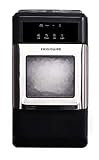
2. Frigidaire Countertop Crunchy Chewable Nugget Ice Maker EFIC235
A Frigidaire countertop machine that makes crunchy, chewable nugget ice, aimed at households that want a familiar brand and a simpler design.
Suits: a household with moderate ice needs. Strengths: a known appliance brand. Weaknesses: fewer connected features. Skip it if you want the largest output.
View Frigidaire Countertop Crunchy Chewable Nugget Ice Maker EFIC235 on Amazon
Best for a small household
3. Gevi Household Countertop Nugget Ice Maker
A compact countertop nugget ice maker that is popular among shoppers who want chewable ice at a friendlier size.
Suits: a small household. Strengths: a compact design. Weaknesses: check output on the listing. Skip it if you host large parties.
View Gevi Household Countertop Nugget Ice Maker on Amazon

Best for an everyday ice drinker
4. Ecozy Nugget Ice Maker Countertop
A value-minded nugget ice maker that offers chewable ice and a simple control layout for everyday use.
Suits: an everyday ice drinker. Strengths: a simple operation. Weaknesses: check the listing for capacity. Skip it if you want advanced features.


Best for someone who values easy cleaning
5. Euhomy Nugget Ice Maker Countertop
A countertop nugget ice maker with a cleaning routine that targets people who love soft, crunchy ice in beverages.
Suits: someone who values easy cleaning. Strengths: a cleaning routine built into the design. Weaknesses: noise during operation. Skip it if you want a silent machine.

Best for a home that entertains
6. Newair Countertop Nugget Ice Maker
A Newair countertop machine offered in several versions, aimed at people who want a large ice basket and steady output for entertaining.
Suits: a home that entertains. Strengths: a sizeable ice basket. Weaknesses: a larger footprint. Skip it if you have limited counter space.
View Newair Countertop Nugget Ice Maker on Amazon
Care and Setup
- Empty and dry the reservoir if the machine will sit unused.
- Descale and clean on the schedule the manual suggests.
- Use filtered water if your tap water is hard.
- Wipe the basket and scoop regularly.
- Keep the machine level and with room for airflow.
Mistakes to Avoid
- Letting water sit for days in the reservoir.
- Skipping the cleaning cycle.
- Placing the machine in a hot, cramped spot.
- Expecting instant ice on the first run.
- Overlooking the water source and drain needs.
- Treating the machine like a freezer for long-term storage.
What Makes Nugget Ice Different From Cube or Bullet Ice
Nugget ice is made by a different process from the ice in a typical freezer tray or a bullet-style countertop machine. In many nugget machines, water freezes onto a cold surface inside a chamber, a rotating part scrapes the ice off in flakes, and the flakes are pressed together into small compressed pieces. The result is ice that is softer and more porous than a solid cube, which is why it is easy to chew and why it carries the flavor of a drink so well. Machine designs differ, so check the listing or manual for how a particular model works.
Because the ice is porous, it melts a little faster than dense cubes, and it tends to cool a drink quickly. That suits sodas, iced coffee, cocktails and water, and it works well in a cup where you want the ice to be part of the experience. Large solid cubes last longer in a spirit on its own, so if slow melt is your priority, nugget ice is not the usual choice.
Bullet-style countertop machines make ice quickly in a hollow bullet shape and are a different product, usually cheaper and simpler. Nugget machines tend to be larger, heavier and more mechanical, because they involve a refrigeration system and a moving part to form the ice. That is why they are often louder and have more upkeep. Decide whether chewable texture is worth that trade-off before you shop. If you only need cold drinks and do not care about texture, a simpler machine may serve you better.
Output, Storage and Meltwater: What the Numbers Mean
Listings often give an output figure, usually the amount of ice the machine can produce in a day, and a storage capacity for the basket. These two numbers measure different things. Output tells you how quickly the machine can replace ice once it is used. Storage tells you how much is on hand at a given moment. A machine with high daily output and a small basket may keep up with steady use but struggle with a party, while a machine with a large basket and moderate output may suit gatherings if you let it fill ahead of time.
Output figures are normally measured under specified conditions, and real production changes with room temperature and water temperature. Treat the number as a guide for comparing models, not as a promise, and check the listing for how the figure is defined.
Most countertop nugget machines are not freezers. The basket is insulated, but ice slowly melts, and the meltwater is generally drained back into the reservoir to be reused or pumped out through a drain. How this works varies: some machines recirculate meltwater, some need you to empty it, and some offer a drain plug or hose connection. Check how yours handles it, because stale meltwater left in the reservoir can affect taste.
- For a household of one or two, moderate output is generally enough.
- For families who fill several cups a day, favor a larger basket and steady output.
- For entertaining, plan to run the machine well before guests arrive and bag extra ice.
- Do not store ice in the basket for days; it can clump and absorb odors.
Water Quality, Hard Water and Scale
The water you put in determines both the ice taste and the machine’s upkeep. Minerals in hard water leave scale on the freezing surface, in the pump and along the water path. Over time scale can reduce ice production, slow the machine, make it louder and cause cloudy or off-tasting ice. This is the most common long-term issue with nugget machines, so plan for it.
Using filtered or softened water can reduce scale, and many owners use bottled or filtered water in the reservoir. Distilled water is sometimes discouraged because some machines use sensors that need some mineral content to detect water levels, so check the manual before using it. If your manual states a water type, follow it. If you are unsure, ask the maker or check the listing for guidance.
Scale builds up gradually, so descale on the schedule the maker recommends, or sooner if the water is very hard. Descaling usually involves running a cleaning solution recommended by the manufacturer through the machine and then flushing with fresh water several times. Use only cleaners the manual approves, since the wrong product can damage seals or leave a taste.
- Fill the reservoir with fresh water each time you start the machine.
- Do not leave water sitting for long periods, as it can turn stale.
- Check a white film or crust around the reservoir, which signals scale.
- Watch for slow production, which can signal a buildup.
If your area has very hard water, consider a model with a clear cleaning routine and replaceable or accessible parts.
Placement, Noise, Ventilation and Power
A nugget ice maker is a small refrigeration appliance, and it needs the right spot. Place it on a level, sturdy countertop away from direct sunlight and heat sources such as ovens, dishwashers and stove tops. Most machines need clearance on the sides and back for airflow, so check the manual for the minimum gap. Poor ventilation raises operating temperature and reduces ice output, and it can strain the compressor. Keep the machine near an outlet and avoid using a shared extension cord unless the manual allows it.
Noise is a common concern. Nugget machines typically make a mix of compressor hum, water flow, and the sound of ice being formed and dropped into the basket. Some people find the sounds acceptable, while others dislike them in an open-plan kitchen. Since sound is subjective, read the listing for any stated noise information, and consider placing the machine where it is not next to a seating area or bed.
Weight and size matter too. These machines are often heavy, and some require a clear path to lift the lid or remove the basket. Measure the space under cabinets with the lid or door open. Think about where the water will come from, since the reservoir may need to be removed for filling. Reaching a sink easily makes the daily routine simpler.
- Let the machine rest upright for the time the manual advises after moving it, before powering on.
- Do not block vents with cloths, boxes or cabinets.
- Wipe condensation and spills from the counter.
- Unplug before cleaning.
A Practical Cleaning Routine and Signs Something Is Wrong
Ice makers touch food, so cleanliness matters. A simple routine keeps the ice fresh. Empty the basket and reservoir regularly, wipe the interior with a soft cloth, and wash the scoop and basket with mild soap and water. Do a deeper clean and descale on the schedule in the manual. Many machines offer a self-clean function or cleaning mode, but not all do, and the steps differ, so read the manual for yours. After cleaning, run a batch of ice and discard it to flush any residue.
Avoid harsh chemicals, abrasive scrubbers and sharp tools inside the machine, which can damage surfaces. Dry the exterior with a soft cloth to prevent water spots. If you will not use the machine for a while, drain it, wipe it dry and leave the lid slightly open to prevent odors.
Warning signs worth acting on include ice that tastes or smells off, a pink or slimy film in the reservoir, noticeably slower production, new rattling or grinding sounds, water leaks, or error lights that do not clear after a reset. Often, a good cleaning resolves the problem. If it does not, check the warranty and contact the seller or maker rather than opening the machine yourself.
Before buying, ask about cleaning steps, availability of replacement parts, how the warranty works and whether the listing explains drainage. A machine that is simple to clean is more likely to be used regularly.
Pebble Ice Terms in Plain Language
Nugget ice has its own vocabulary, and listings can sound alike. A short glossary clears up the main terms you will meet.
- Pebble or nugget ice. Small, soft, chewable pieces that are formed from compacted flakes instead of frozen in a tray.
- Daily output. The amount of ice a machine can produce over a full day, usually stated in pounds.
- Reservoir. The water tank that feeds the machine.
- Storage bin. The basket that holds finished ice, which melts slowly and drains back as water.
- Self-cleaning cycle. A program that flushes the inside, if the maker includes one.
- Drain line. A way to remove meltwater, either by hand or through a connected hose.
Output and bin capacity are different numbers. A machine can make ice fast yet store only a little, so look at both.
A Decision Guide by Situation
How you plan to use the machine changes which features carry the most weight. Find the row that sounds most like your home.
| Situation | What to look for |
|---|---|
| Small household that mostly drinks soda and water | A compact body and modest output |
| Frequent entertaining | Larger bin and faster daily output |
| Office break area | Easy refill and a clear water level window |
| Shared kitchen with little counter room | A narrow footprint and a front-facing scoop |
Setup and Placement Tips
Allow clearance around the vents as the manual directs, since the compressor needs airflow to release heat. Place the unit on a level, water-tolerant surface away from the stove and direct sun. Use water the maker recommends, because hard water can leave scale, and some makers suggest filtered water. Let the machine rest upright after moving it, if the instructions ask for that.
Plan where you will empty the water. Because the bin slowly melts, most people drain it daily or use a direct drain connection if the model supports it.
Cleaning and When to Ask for Help
Regular cleaning keeps the ice tasting fresh and the machine running smoothly. Follow the maker’s steps for descaling, which typically involve a cleaning solution designed for ice machines or one the manual specifies. Do not use random chemicals in the water path.
- Empty and wipe the bin on a regular schedule.
- Rinse the scoop and keep it out of the bin.
- Descale when the manual suggests, or when output drops.
- Replace any filter on the maker’s timetable.
If the machine leaks, makes unusual noises or stops producing ice, unplug it and contact the maker. Electrical and refrigerant parts are not a job for guesswork.
More on Mistakes to Avoid
- Choosing by daily output alone and ignoring the size of the storage bin.
- Placing the machine in a tight cabinet where air cannot circulate.
- Leaving old water in the reservoir for days, which can affect taste.
- Skipping cleaning steps because the ice looks clear.
Treat the manual as your checklist and keep it near the machine for quick reference.
Before You Decide: The Ownership View
A pebble ice maker is a small appliance with a surprisingly domestic footprint: it hums, it drinks water, it needs cleaning, and it produces a very specific kind of ice that people either adore or find puzzling. The sections below cover the ownership reality behind the picks above.
How the Picks Above Compare When You Line Them Up
With six options on the table, the fastest way to a good decision is to compare the picks above in pairs rather than as a crowd. Start with the two that caught your eye and read their reviews back to back, asking the same three questions of each: what is it best at, what is its honest limitation, and whose home does it suit? The reviews above answer those questions in the same pattern for every pick, which makes the comparison fair. Cross off the one that loses on the question you care about most, then bring the next pick into the ring against the survivor.
The opening pair sets the tone for the list. The GE Profile Opal 1.0 Nugget Ice Maker and the Frigidaire Countertop Crunchy Chewable Nugget Ice Maker EFIC235 represent two of the clearest approaches in this category, and the difference between them — in style, in priorities and in the kind of owner they suit — is the difference that matters for most buyers. If one of them feels immediately right, that instinct is worth noting, because it usually reflects your real habits rather than the headline features. If neither appeals, the middle of the list is where your answer probably lives.
The Gevi Household Countertop Nugget Ice Maker and the Ecozy Nugget Ice Maker Countertop occupy that middle ground, and they reward close reading. Picks in the middle of a list like this tend to balance competing virtues rather than maximise one, which makes them the safest choice for households whose needs are mixed: two cooks with different priorities, a space that must serve several jobs, or a buyer who simply wants no drama. Compare their stated strengths against your own week and see which set of compromises you would rather live with daily.
At the end of the list, the Euhomy Nugget Ice Maker Countertop and the Newair Countertop Nugget Ice Maker are the specialists and the reminders that there is more than one way to solve the same problem. A specialist pick is the wrong choice for most people and the perfect choice for a few, and only an honest account of your own situation tells you which group you are in. Do not dismiss them for being different, and do not choose them for being interesting; choose them if their particular strength is the exact thing your current setup lacks.
Finish the comparison with a short written exercise. On paper, list your three non-negotiables — the size limit, the job it must do brilliantly, the habit you refuse to change — and score each surviving pick against them in a sentence each. The exercise takes ten minutes and it converts a fog of impressions into a decision you can explain. Owners who choose this way rarely look back, because the choice was made against their own criteria rather than against a stranger’s enthusiasm.
Cleaning, Scale and the Taste of the Ice
Ice tastes of its water and of its machine. In hard-water areas, mineral scale builds on the working parts, slows production and eventually flavours the ice, which is why the makers build in cleaning cycles and why the manual’s descaling rhythm deserves a place in your calendar rather than your intentions. Use the water and cleaning products the maker recommends, run the cycle fully, and rinse as directed before making ice you will serve.
Between deep cleans, keep the simple habits: wipe the exterior and the scoop, wash hands before handling ice, store the scoop outside the bin or in its holder rather than buried in the ice, and empty and dry the machine if it will sit unused for a long stretch. A machine put away damp will greet you with a stale smell and a cleaning job; a machine put away clean and dry is ready the moment lemonade season returns.
Nugget Ice in Real Drinks and Real Kitchens
Pebble ice earns its following through texture: it chills quickly, crunches pleasantly and carries a drink’s flavour into every sip as it melts a little faster than big cubes. That faster melt is a feature in fountain-style drinks and cocktails designed for it, and a flaw in a drink you intend to nurse for an hour. Match the ice to the occasion: nuggets for the drinks that made them famous, larger cubes or spheres from the freezer for slow sipping.
Beyond drinks, soft nugget ice has its devotees for iced coffee, for smoothies where it blends kindly, and for anyone recovering from dental work or illness who has been advised to chew ice gently. It is also the ice children request by name, which households either celebrate or ration depending on the hour. Owning the machine means owning a small family culture around it, and most owners find that culture surprisingly hard to give up once established.
When Production Slows: Checks Before You Worry
A nugget machine that slows down is usually asking for housekeeping rather than repair. Work the simple list first: water level and quality, room temperature and ventilation around the vents, a bin sitting so full the machine thinks it is done, and scale asking for the cleaning cycle. Warm rooms and blocked vents are the most common culprits, and both are cured by moving the machine or giving it air rather than by opening it up.
If the basics check out and performance is still poor, consult the manual’s troubleshooting section and the maker’s support with your observations ready: what changed, when, and what you have already tried. Keep the receipt and model details with your appliance paperwork. Small appliances are replaced more often than repaired in this category, which makes the warranty paperwork and your cleaning record — the things that keep a claim simple — worth the two minutes they take to keep.
Where a Nugget Ice Maker Wants to Live
Placement shapes your whole experience of a countertop ice maker. It needs a level surface, room for its vents to breathe, access to its water reservoir or supply, and a position where its sounds — the churn, the drop of fresh ice, the pump — will not annoy the room it serves. Kitchens are the obvious home, but think about where the ice is actually consumed: a drinks station, a home office or a family room may be the truer location, provided water top-ups and cleaning remain convenient.
Heat is the enemy of ice production, so keep the machine out of direct sun and away from the oven’s blast, and never box it into a cupboard without the ventilation the maker specifies. Leave working room in front for the bin or scoop access, and a little behind for the cord and any drain arrangement. A machine placed where it is easy to fill, empty and wipe will be filled, emptied and wiped; one exiled to an awkward corner will be neglected and then blamed.
Water In, Ice Out: The Daily Rhythm
Countertop nugget machines live on a rhythm of filling and harvesting. Top up the reservoir before it runs dry if you want ice ready for the evening, and use fresh water rather than letting the same supply sit for days. Ice that sits in the bin slowly melts and refreezes into clumps, so use the oldest ice first, break up clumps gently, and transfer surplus to the freezer in a bag if you are building a stock for a gathering.
Get to know your machine’s pace: how long the first batch takes, how production settles once the bin is cycling, and how output changes on a hot day. That knowledge turns party planning from hope into arithmetic. Start production early for events, keep the lid closed as much as helping hands allow, and remember that every warm drink poured over fresh nugget ice in a hot room shortens the bin’s life. The machine rewards planners and gently mocks improvisers.
Safety Habits Worth Making Automatic
Most safety guidance for a pebble ice maker comes down to a handful of habits repeated without drama. Keep the area around the product clear while it is in use, and give heat, moving parts and heavy lids the respect the manual describes. Supervise children and pets around any product that gets hot, holds a lot of weight or runs unattended, and agree on household rules before the first busy gathering rather than improvising them during it. Use the product for the job it was designed to do; improvising extra loads, extra fuels or extra duties is how sound products get damaged and people get hurt.
Keep the tools of safe use close at hand: the right gloves or cloths for hot parts, a clear path for carrying heavy or awkward loads, and lighting good enough to see what you are doing after dark if the product lives outdoors. If the product uses gas or mains power, know where the shut-off is and make sure another adult in the house knows too. After use, run the closing routine the manual recommends and do not leave the product in a state you would not want to find it in tomorrow. None of this is complicated, and that is the point: safety that depends on memory in a busy moment fails, while safety built into routine simply happens.
Reading the Listing Like an Owner, Not a Browser
A product listing for a pebble ice maker is written to sell, and the parts that matter most after the delivery van leaves are often the parts written smallest. Before you commit, read past the headline claims and look for the pages an owner actually lives with: the full dimensions, the installation or placement requirements, what is included in the box and what is sold separately, and the care instructions. If the maker publishes the manual online, download it and read the setup and cleaning sections before you buy. The manual tells you the clearances, the power or fuel requirements and the maintenance rhythm in plain language, and it is a far better guide than a marketing bullet list.
Pay attention to what the listing does not say. If a pebble ice maker listing is vague about the materials, the warranty terms or the conditions the product is rated for, treat that silence as information. Compare the same questions across every pick in the list above: each maker answers the same owner questions somewhere, and the one whose answers are easiest to find is usually the one whose support is easiest to reach later. Write down the model name and keep the listing details you relied on, because specifications on a page can change between the day you research and the day you order.
Delivery Day, Unboxing and the First Hour
When a pebble ice maker arrives, slow down for the first hour even if you are keen to use it. Check the box and the product for transit damage before you sign anything you cannot unsign, and photograph anything that looks wrong while the packaging is still around it. Keep every bag of small parts together in one labelled container until the setup is finished, because the screw or bracket you set down casually is the one that vanishes. Read the first pages of the manual before you remove protective film or packing from working surfaces, since some products have transport locks, shipping braces or first-use steps that are easy to miss.
Set the product in place, check it sits level and stable, and run whatever first-use step the manual describes before you rely on it for real cooking, cooling or storage. This is also the moment to register the warranty if the maker offers registration, and to store the manual, the receipt and a photo of the model label somewhere you can find them in a year. Owners who do this dull admin on day one are the ones who get quick help later; everyone else ends up hunting for a model number on their knees with a torch. Finish by putting the packaging somewhere dry for a short while, in case a fault shows up in the first days and the product has to travel back.
When Something Seems Wrong: A Calm Troubleshooting Order
When a pebble ice maker stops behaving as it should, work through the boring causes before you assume the worst. Confirm the basics first: power or fuel connected and switched on where relevant, doors, lids or covers fully closed, settings where you think you left them, and nothing blocking vents, intakes, burners, sensors or moving parts. Many faults that feel like breakdowns are a tripped safety feature, a blocked path or a control left in an odd state after cleaning. The manual for most products has a troubleshooting table written for exactly this moment, and it is worth following in order rather than skipping to the expensive conclusion.
Change one thing at a time and note what you changed, so you can tell the maker or a repairer a clear story if you need help. If the product involves gas, mains electricity, refrigerant or anything the manual reserves for qualified service, stop at the checks the manual allows an owner to do and call a professional for the rest. Keep a simple log of the symptom, the date and what fixed it. Patterns in that log are gold: a fault that follows a particular weather spell, a heavy load or a long gap between uses is telling you something about how the product wants to be run, and the next occurrence becomes a five-minute fix instead of a ruined evening.
More Questions Before You Buy
Can I leave the ice maker running all the time?
Many owners do during heavy-use seasons, provided the reservoir is kept topped up and the cleaning rhythm is kept. If the machine will be unused for a long stretch, the kinder routine is to empty it, clean it and let it dry with the lid open as the manual directs.
What water should I use?
Clean, fresh drinking water. Some makers advise against certain treated or distilled waters because mineral content affects how the machine senses and freezes, so follow your model’s manual. Change the water regularly rather than endlessly topping up an old supply.
Why are my nuggets coming out soft or clumped?
Warm conditions, a very full bin where ice sits and partially melts, or scale on the working parts can all soften output. Empty some ice, check ventilation and room temperature, and run the cleaning cycle if it is due.
Is nugget ice good for all drinks?
It is superb for fountain drinks, many cocktails, iced coffee and blended drinks, where quick chilling and chewable texture are the point. For slow-sipped drinks where dilution is the enemy, larger cubes melt more slowly and suit better. Many households keep both.
Why is my nugget ice melting so fast in the bin?
Countertop bins are usually insulated rather than refrigerated, so the ice slowly melts and the meltwater is recycled into new ice. Warm rooms, frequent lid opening and a machine near a heat source all speed it up. For keeping ice for hours, transfer it to the freezer.
How often should I descale a pebble ice maker?
Follow the maker’s schedule for your model and water hardness. Hard-water homes need it more often. Signs you are overdue include slower production, smaller or softer nuggets and any change in taste.
Final Practical Notes Before You Decide
Accessories deserve a cooler head than they usually get. Live with the pebble ice maker for a while before adding extras, and let real use tell you what is missing: the tool you reach for and do not have is a genuine need, while the gadget bought in the first flush of enthusiasm usually ends up in a drawer. When you do add something, choose the version made or approved for your model where the maker offers one, and keep the same discipline as the main purchase — it should solve a problem you actually have.
Seasonal changes are a useful prompt for a walk-around check of any pebble ice maker. At the turn of the year, look over the product and its surroundings: clearances still respected, surfaces clean, moving parts free, supplies stocked and nothing stored where it should not be. Households drift, and objects migrate into the spaces around appliances. A short seasonal reset keeps the setup you planned from quietly becoming the setup you would never have chosen.
One more habit separates satisfied owners from frustrated ones: keep the paperwork. The manual, the receipt and a note of the model details belong together, whether that means a folder, a drawer or a photograph stored with your other house documents. When a question arises in a year — a part, a setting, a warranty query — the answer is usually in those pages, and finding them in two minutes instead of twenty changes a small problem back into a small problem.
It is also worth setting a simple review date. A few months after a pebble ice maker arrives, once the novelty has worn off, look at it with fresh eyes: is it positioned where it works best, are the accessories you actually use the ones within reach, and is there one small change — a moved shelf, a different routine, a better storage spot — that would make daily use smoother? Products settle into a household over time, and a short review catches the improvements that were invisible on day one.
If you share the pebble ice maker with other people, share the knowledge too. The person who read the manual should not be the only person who knows the quirks: which setting behaves how, what the warning signs of a problem look like, and where the shut-off or the spare supplies live. Five minutes of showing beats a season of each person learning the same lessons separately, and it prevents the well-meant mistake made by someone who was never told.
Budget a little patience for the learning curve, whatever you choose from the list above. Almost every product in this category rewards its owner more in the third month than in the first week, because technique, placement and routine have had time to settle. Judging a purchase too early — or abandoning a sound product for a different one before learning it — is the most expensive habit in any kitchen. Give the choice a fair season before you grade it.
Finally, buy for the household you have, not the one in the advertisement. The right pebble ice maker is the one sized for your real gatherings, suited to your real space and matched to the maintenance you will honestly do. The picks above differ precisely because households differ, and the most satisfied owners are the ones who chose against their own habits and rooms rather than against a headline. Choose honestly, set it up carefully, keep the simple routines, and the product will repay you quietly for years.
Accessories deserve a cooler head than they usually get. Live with the pebble ice maker for a while before adding extras, and let real use tell you what is missing: the tool you reach for and do not have is a genuine need, while the gadget bought in the first flush of enthusiasm usually ends up in a drawer. When you do add something, choose the version made or approved for your model where the maker offers one, and keep the same discipline as the main purchase — it should solve a problem you actually have.
Seasonal changes are a useful prompt for a walk-around check of any pebble ice maker. At the turn of the year, look over the product and its surroundings: clearances still respected, surfaces clean, moving parts free, supplies stocked and nothing stored where it should not be. Households drift, and objects migrate into the spaces around appliances. A short seasonal reset keeps the setup you planned from quietly becoming the setup you would never have chosen.
Pebble Ice Maker FAQ
Is pebble ice the same as nugget ice?
Yes, the terms are used interchangeably for soft, chewable ice.
How long until the first ice?
Timing varies by model, but expect some wait while it cools. Check the manual.
Do these machines keep ice frozen?
Most keep it from melting for a while but are not freezers. Check each listing.
How often should I clean it?
Follow the manual. Regular descaling keeps ice tasting fresh.
Can I use bagged or bottled water?
Many owners do, and filtered water can help prevent scale. Check the manual for guidance on water type.
Is the ice hard to clean up?
Nugget ice melts into the reservoir, so empty it when you are done. Wiping the basket and scoop keeps things tidy.
Are these good for parties?
Output varies by model, so large gatherings may need a bigger machine or stored ice. Check the listing for output figures.
Does the ice taste different from regular ice?
Nugget ice is porous, so it picks up the flavor of the drink around it, which is much of its appeal. Use fresh, filtered water for the cleanest taste.
Is nugget ice safe to chew?
It is designed to be soft and chewable, which is the main appeal. If you have sensitive teeth or dental work, chew carefully, as any ice can be hard on teeth.
Why is my ice maker making less ice than before?
Common causes include scale buildup, a warm room, blocked vents or a low water level. Clean and descale the machine, check airflow and follow the manual's troubleshooting steps.
Can I connect a nugget ice maker to a water line?
Some models can, but many countertop units use a fill-it-yourself reservoir. Check the listing for plumbing options, and follow the manual if a hookup is offered.
Is the ice cloudy or clear?
Nugget ice is typically opaque and white because it is made from compressed flakes. Clear ice comes from different machines and processes.
Why does the meltwater matter?
Meltwater left in the reservoir can taste stale or grow slime if neglected. Empty and refill the reservoir regularly.
Can I leave it running while I am away?
Check the manual. Many makers advise turning it off and emptying the water for longer absences, to avoid stale water and unnecessary wear.
Where should I put a spare bag of ice?
Store extra ice in a freezer in a clean, sealed bag. The basket is meant for ice you will use soon, not long-term storage.
The Short Version
For a popular choice, the GE Profile Opal 1.0. For a known brand, the Frigidaire EFIC235. For compact living, the Gevi. For simple value, the Ecozy. For easy cleaning, the Euhomy. For entertaining, the Newair.
Related Guides
- 6 Best Chewable Ice Makers: Countertop Nugget Machines
- 6 Best Compact Ice Makers: Bullet and Nugget Countertop Units
- 6 Best Home Ice Makers: Countertop, Nugget and Portable
- How to Choose the Best Nugget Ice Makers: Buyer's Guide (2026)
- 6 Best Commercial Ice Makers for Bars: Cube, Nugget and Clear (2026)