Real pizza-oven heat no longer needs a large budget. Several compact outdoor ovens from established makers reach high temperatures in minutes and fit on a patio table. This guide focuses on budget-friendly models from known makers.
We have not used these ovens ourselves, so please confirm the size, fuel type and what is included on the current listing before you buy. The six picks include gas, pellet and compact portable designs, so there is something for most backyards.
As an Amazon Associate we earn from qualifying purchases. Links below are affiliate links, and they do not change the product information we give.
What to Look For
| Feature | Why it matters |
|---|---|
| Fuel | Gas is the easiest, pellets add wood flavor |
| Size | Compact ovens make 12 inch class pies |
| Portability | A light body is easy to store between uses |
| Included parts | Check for a peel, a burner and a cover |
| Warranty | Check the maker’s warranty terms before you buy |
In this guide
Specs at a Glance
| Oven | Fuel | Size class | Notes |
|---|---|---|---|
| Solo Stove Pi | Wood or gas, by version | 12 inch class | Check listing for fuel |
| Ooni Fyra 12 | Wood pellets | 12 inch class | Hopper-fed |
| Ooni Koda 12 | Gas | 12 inch class | L-shaped flame |
| Gozney Tread | Gas | Small stone | Compact and portable |
| Bertello Outdoor Pizza Oven | Multi-fuel | Compact stone | Wood, charcoal or gas by attachment |
| Blackstone Pizza Oven | Gas | Mid-size stone | From the griddle brand |
The 6 Best Budget-Friendly Outdoor Pizza Ovens

Top pickBest for small patios
1. Solo Stove Pi Pizza Oven
A compact oven from a fire pit brand, available in different fuel versions over time. Check the listing to see which fuel and which parts are included.
Suits: small patios. Strengths: a compact build and a known brand. Weaknesses: fuel varies by version. Skip it if you need a large stone.

Best for wood-fire beginners
2. Ooni Fyra 12
A pellet-fired oven with a hopper on the back and an insulated body. It is a good fit for people who want wood flavor without the effort of a log fire.
Suits: wood-fire beginners. Strengths: simple loading and quick heat. Weaknesses: pellets are an ongoing supply. Skip it if you want gas.
Best for first-time buyers
3. Ooni Koda 12
A popular gas oven for small to mid-size backyards, with a 12 inch class stone and a flame that runs along the back and side of the chamber.
Suits: first-time buyers. Strengths: simple operation and fast heat. Weaknesses: requires propane. Skip it if you want a wood-fired oven.

Best for travel and tiny spaces
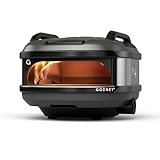
4. Gozney Tread
A small gas oven from Gozney, made to be taken to patios or trips. It makes individual pies and tucks away easily.
Suits: travel and tiny spaces. Strengths: portability and a tidy design. Weaknesses: small stone. Skip it if you cook for a crowd.
Best for flexible fuels
5. Bertello Outdoor Pizza Oven
A compact oven that can run on wood, charcoal or gas with the right attachment. Check the listing for the parts that come in the box.
Suits: flexible fuels. Strengths: several fuel choices. Weaknesses: accessories may be separate. Skip it if you want a premium finish.
View Bertello Outdoor Pizza Oven on Amazon
Best for griddle owners
6. Blackstone Pizza Oven
A gas pizza oven from the maker of flat-top griddles. It sits well beside a griddle in a backyard cooking setup.
Suits: griddle owners. Strengths: gas convenience. Weaknesses: the stone is modest in size. Skip it if you want to cook with wood.
View Blackstone Pizza Oven on Amazon
Care and Setup
- Preheat for the full recommended time before the first pie.
- Brush off the stone once it is cold.
- Cover the oven when it is cool to protect it from weather.
- Store pellets and gas tanks away from the oven.
- Keep a small brush and a metal scraper nearby to clear crumbs from the stone.
- Let the stone dry fully if it has been exposed to rain.
Mistakes to Avoid
- Placing the oven on a table that cannot take the heat.
- Forgetting to check whether a peel is included.
- Making pies too large for a compact stone.
- Cooking before reading the maker’s first-use guidance.
- Moving a hot oven before it has cooled.
- Skipping a heat-safe glove when sliding pies in and out.
Fuel Tradeoffs in Compact Ovens
In a small pizza oven, fuel shapes both flavor and convenience. Gas is the simplest: connect a cylinder, light the burner and adjust the flame. It gives steady heat, quick starts and easy shutdown, which suits weeknight cooks. The tradeoff is less wood aroma, and the need to keep a cylinder on hand.
Wood pellets sit between gas and logs. A hopper feeds pellets into a burn area, so you get wood flavor without building a fire from scratch. You will need dry pellets stored well, and you may have to refill the hopper during longer sessions. Pellet ovens can be sensitive to wind, which blows the fire around, so shelter helps.
Multi-fuel designs offer flexibility, letting you burn wood or charcoal and sometimes add a gas attachment. They suit curious cooks, though the setup takes more care. Check what the box includes, because a burner or adapter may be separate. If you are unsure, think about how much work you want before eating. If the answer is very little, choose gas. If you enjoy the process and the smell of wood smoke, pellets or multi-fuel may feel more rewarding.
How Stone Size Limits Your Pizzas
Compact ovens are described by stone size, and that single dimension controls the pizzas you can make. A smaller stone produces personal-size pies, which cook fast and suit one or two people. A larger stone fits bigger pizzas, but it takes longer to heat and uses more fuel. Read the listing for the cooking surface rather than the outside size of the oven, since the opening and interior shape also limit what fits.
Opening height matters as well. A low opening concentrates heat on the pizza top, but it restricts anything thicker than a thin crust. It also makes launching and turning trickier, so a good peel is essential. If you want to cook thicker items such as focaccia or a cast iron pan of vegetables, check that the opening clears them.
Plan your menu around the stone. If you often feed four people, two small pizzas back to back may be more practical than one oversized pie. Dough balls for a compact oven are generally smaller, so scale your recipe. Try a few test pizzas to learn how far from the stone edge your dough should sit. It is easier to size up your dough later than to rescue a pie that hangs over the edge.
Wind, Weather and Where to Place It
Placement can matter as much as the oven. Wind blows across the burner or the opening and can cool the stone or push the flame, so choose a spot out of drafts. A garden wall or the side of a house can work as long as you keep the clearance the manual specifies. Do not trap the oven under a low roof, a sunshade or a tree.
The surface underneath must be sturdy and heat-safe. A metal stand, a stone or concrete surface or a table rated for hot equipment is better than thin plastic or wood. Level the oven so the stone sits flat and the flame runs evenly. A tilted oven can send hot spots into one corner and burn one side of the crust.
Weather affects performance and safety. Cold air extends preheating, and rain on a hot stone is a cracking risk. If you cook in cooler seasons, allow extra warm-up time and keep dough at room temperature. Never use a gas or wood oven in an enclosed space. After use, let everything cool, then cover or store the oven, keeping fuel in a safe outdoor spot.
Reading the Listing and Manual Carefully
With many compact ovens sold in several versions, the listing is your best protection against buying the wrong one. Confirm the fuel type in the title and in the description, because the same name may cover gas, wood or multi-fuel variants. Look at what is in the box: the stone, a regulator and hose, a peel, a cover or a hopper. Make a list of what is missing and what you would have to add.
Read the dimensions, weight and recommended use. If the oven is meant for travel, it should list a packed size. If it is for a patio table, check the table strength. Read recent owner feedback for patterns, such as parts that wear quickly or problems with ignition, rather than focusing on single comments.
The manual is worth reading before the first light-up. It explains how to cure or season the oven, preheat times, clearance rules and cleaning limits. Ask about the warranty and how to get replacement parts such as stones, igniters and burners. A maker that offers clear support is a better long-term bet. If the listing is vague on key details, treat that as a prompt to compare other options.
Getting More From a Small Oven
A little technique takes a compact oven a long way. Let the stone heat fully, not just the air, and make a test with a simple flatbread. Keep dough balls portioned and at room temperature, so shaping is easy. Use a light dusting of flour or semolina on the peel, and launch quickly before the dough absorbs moisture.
Turn the pizza partway through the bake to even out the browning, using a turning peel or the main peel. Build pizzas with restrained toppings, and pre-cook moist items such as mushrooms so they do not wet the crust. Between pizzas, give the stone time to recover, and brush off any crumbs to avoid bitter smoke.
Think beyond pizza once you feel comfortable. Flatbreads, thin roasted vegetables and small skillet dishes can work in many ovens, as long as the maker’s guidance allows the cookware and temperatures. Keep a notebook of settings, timing and dough recipes. Over a handful of sessions, you will learn how your particular oven behaves in different weather and which tweaks matter, and that experience adds up to better pizza than any single upgrade.
Choosing a Fuel Type That Fits How You Cook
Outdoor pizza ovens run on gas, wood, pellets or a mix, and the fuel shapes both the flavor and the routine. Gas ovens light quickly and give steady, adjustable heat, which makes them popular for weeknight pizza. Wood and pellet ovens take more effort but add smoky flavor and a sense of ritual. Some models accept more than one fuel, which gives you the option to switch depending on the day.
| Fuel | Strength | Consider |
|---|---|---|
| Propane | Fast heat-up and easy control | Needs a cylinder and safe storage |
| Wood | Smoky flavor, classic feel | Needs dry wood and tending |
| Pellets | Clean burning and convenient | Need a supply and dry storage |
| Multi-fuel | Flexibility | Extra parts and learning curve |
Whatever fuel you choose, follow the maker’s instructions for lighting, fuel handling and safe distances from walls, roofs and furniture.
Where to Put an Outdoor Oven
Placement is a safety matter as well as a convenience one. Set the oven on a stable, heat-resistant, level surface, far from walls, overhangs, plants and anything that can burn. Leave room around it so you can move safely with hot trays. Wind affects performance, so a sheltered spot helps, but never use these ovens inside a garage, a covered porch or any enclosed area, since they produce fumes and heat.
Check the table or stand you plan to use. Some ovens come with a stand, and others need a sturdy outdoor table approved by its maker for the weight and heat. Read the manual closely, and consult a qualified professional if you have any doubt about the setup or the gas connection.
Learning to Cook a Good Pizza
High heat is the point of these ovens, and it changes how you work. Dough should be prepared in advance and brought to room temperature. Use a peel dusted with flour or semolina to slide the pizza in, and turn it often for even baking. Toppings should be light, because a heavy load makes the center soggy. Pizzas cook fast, so stay close and watch.
- Preheat for the time the maker recommends
- Use a thermometer to read the stone temperature, if you have one
- Build the pizza on the peel quickly so the dough does not stick
- Rotate the pizza as it bakes
- Rest the pizza briefly before slicing
Mistakes That Ruin the First Few Pizzas
Most early problems come from dough that sticks, an oven that is not hot enough, or too many toppings. Wet dough clings to the peel, so use enough flour and move quickly. If the base burns before the top cooks, the stone may be too hot, so wait or adjust the flame. Opening the door too often loses heat in ovens that have one.
New owners also forget about wind and fuel. Check your gas or pellet supply before guests arrive, and have a backup plan for rain.
Cleaning and Weather Care
Let the oven cool completely, then brush off the stone and remove ash or crumbs. Do not wash a stone with soap, since it can absorb flavors. Wipe the exterior with a damp cloth. Cover the oven when not in use, using a cover the maker approves, and store fuel as the instructions describe. Check hoses, connections and seals regularly, and replace worn parts with those from the maker.
Portable or Permanent: Matching the Oven to Your Yard
Some outdoor ovens are compact and light enough to carry to a picnic or a campsite, while others are heavier and better left in one place. A portable model suits people who want to cook on a patio, in a park or on holiday, and store it away between uses. A larger oven offers more room and sits well on a dedicated table. Check the weight and footprint on the listing, and think about who will lift and move it.
| Type | Good for | Think about |
|---|---|---|
| Compact portable | Travel, small patios | Smaller pizza size |
| Mid-size countertop | Family use | Needs a sturdy table |
| Larger stand-based | Entertaining | Takes more space and storage |
Accessories That Make Cooking Easier
A few simple tools make a big difference. A metal peel moves pizzas in and out, a turning peel helps rotate them, and a brush clears the stone. An infrared thermometer reads surface temperatures if the maker allows it. Heat-resistant gloves protect your hands. Many of these come in kits, but buy only what you need to begin, and add more as you learn.
Keep a table nearby for dough, toppings and finished pizzas. A tidy workspace keeps the pace smooth when the oven is hot and the guests are hungry.
Beyond Pizza
These ovens can cook more than pizza. Flatbreads, roasted vegetables and small cuts of meat can all work with the right tray and the maker’s guidance. Use cast iron or a pan that the maker approves for high heat. Experiment with small items first, and follow food safety guidance for any meat or poultry you cook.
Before You Decide: The Ownership View
Choosing among the ovens above is only half the job; the other half is learning to run whichever oven you bring home so that pizza night becomes a habit rather than an occasional project. The sections below cover the working skills, routines and judgements that sit behind the specifications.
How the Picks Above Compare When You Line Them Up
With six options on the table, the fastest way to a good decision is to compare the picks above in pairs rather than as a crowd. Start with the two that caught your eye and read their reviews back to back, asking the same three questions of each: what is it best at, what is its honest limitation, and whose home does it suit? The reviews above answer those questions in the same pattern for every pick, which makes the comparison fair. Cross off the one that loses on the question you care about most, then bring the next pick into the ring against the survivor.
The opening pair sets the tone for the list. The Solo Stove Pi Pizza Oven and the Ooni Fyra 12 represent two of the clearest approaches in this category, and the difference between them — in style, in priorities and in the kind of owner they suit — is the difference that matters for most buyers. If one of them feels immediately right, that instinct is worth noting, because it usually reflects your real habits rather than the headline features. If neither appeals, the middle of the list is where your answer probably lives.
The Ooni Koda 12 and the Gozney Tread occupy that middle ground, and they reward close reading. Picks in the middle of a list like this tend to balance competing virtues rather than maximise one, which makes them the safest choice for households whose needs are mixed: two cooks with different priorities, a space that must serve several jobs, or a buyer who simply wants no drama. Compare their stated strengths against your own week and see which set of compromises you would rather live with daily.
At the end of the list, the Bertello Outdoor Pizza Oven and the Blackstone Pizza Oven are the specialists and the reminders that there is more than one way to solve the same problem. A specialist pick is the wrong choice for most people and the perfect choice for a few, and only an honest account of your own situation tells you which group you are in. Do not dismiss them for being different, and do not choose them for being interesting; choose them if their particular strength is the exact thing your current setup lacks.
Finish the comparison with a short written exercise. On paper, list your three non-negotiables — the size limit, the job it must do brilliantly, the habit you refuse to change — and score each surviving pick against them in a sentence each. The exercise takes ten minutes and it converts a fog of impressions into a decision you can explain. Owners who choose this way rarely look back, because the choice was made against their own criteria rather than against a stranger’s enthusiasm.
Judging Value Across a Season, Not a Single Night
The true cost of an outdoor pizza oven is spread across fuel, ingredients, replacement parts and the evenings it actually gets used. An oven that suits your space and habits will be fired often and earn its place; an oven that is awkward to set up will sit under its cover while the kitchen oven does the work. When you weigh the picks above, weigh them against your real calendar: how often will you cook, for how many people, and in what weather will you honestly stand outside and bake?
That honest forecast also settles the fuel and size questions better than any headline figure. Frequent small bakes favour quick, simple heat; occasional large gatherings favour capacity and recovery. There is no universal winner in the list, only the oven whose strengths match the evenings you actually have. Choose for those evenings and the oven will feel like a bargain within a season, whatever it cost.
Learning Your Oven’s Heat, One Bake at a Time
Every outdoor pizza oven has a personality: a spot that runs hotter, a moment in the heat-up when the stone is ready before the air is, and a rhythm of recovery between pizzas. You learn it by baking plainly at first. Start with simple dough and modest toppings while you watch how the base colours, how the crust puffs and how the top finishes, and change one thing at a time between sessions. Notes help more than memory: jot down the fuel you used, the weather, how long the oven rested between pizzas and what you would do differently, and the next session starts from knowledge instead of guesswork.
Resist the urge to judge an oven on its first night. Stones season, techniques settle and the cook’s hands learn the peel. Most owners find their results jump noticeably over the first several sessions as launching becomes smooth and topping quantities shrink to what the heat can handle. The oven you have learned will beat a theoretically better oven you have not, every single time.
Dough Management for Outdoor Baking
Outdoor ovens reward dough that is organised. Make or buy dough with time to spare, portion it before guests arrive, and keep the balls covered so their surfaces do not dry and crack in the open air. A light dusting of flour or semolina on the peel, a decisive launch and a confident shake to check the pizza moves freely will prevent most sticking disasters. Keep a spare ball or two beyond your count; a torn pizza is a minor event when there is dough in reserve and a crisis when there is not.
Temperature matters for dough as much as for the oven. Dough that is too cold resists stretching and springs back; dough left too long in warm air over-proofs and tears. Bring the dough out in batches matched to the pace of baking, so the last pizzas of the evening are made from dough in the same condition as the first. This quiet bit of timing, more than any gadget, is what makes the final pizza of the night as good as the one that opened it.
Toppings, Moisture and the Soggy Middle
The most common fault in home pizza is a wet centre, and it is nearly always a topping problem rather than an oven problem. Sauce spread thinly, wet ingredients drained or patted dry, cheese in a modest layer and restraint with vegetables that shed water will transform results in any oven in this list. Cook watery toppings briefly beforehand if you love them, and add delicate items such as fresh herbs after the bake so they stay bright instead of scorching.
Think of each pizza as a small load the oven must recover from. A heavily loaded pizza drops the stone’s heat and steams itself; a balanced one lets the base crisp while the top finishes. When you cook for a group, variety is better achieved across pizzas than on top of each one: a plain one, a vegetable one, a meat one, each built lightly, will please more people and bake more reliably than a single overloaded creation. The picks above all reward this discipline; none of them can repeal it.
A Sensible Session Routine, From Lighting to Last Pizza
Build a routine and the evening runs itself. Set out the station before any heat: dough, toppings in small bowls, peel, cutter, a surface for finished pizzas and a bin within reach for scraps. Heat the oven fully rather than launching early out of impatience, because the first pizza into an under-heated oven teaches bad lessons and eats recovery time. Bake in a steady order, keep a simple count of who has eaten, and rotate styles so the plain pizzas for younger eaters come out steadily rather than in a rush at the end.
Close the session properly. Let the oven cool in its own time, deal with ash or residue only when everything is cold and in the way the manual describes, and give the stone the treatment the maker recommends rather than the one a forum swears by. A quick wipe of the surrounding area, tools washed and stored together, and a note of anything running low — flour, fuel, a tired brush — turns the next pizza night from a project into a pleasure you can start on a whim.
Cooking Beyond Pizza Without Fooling Yourself
Outdoor pizza ovens roast vegetables, flatbreads, and a range of dishes that enjoy fierce heat, and exploring that range is part of the fun of owning one. Be honest about the learning curve, though: the same heat that blisters a crust will catch the edge of a tray bake in moments, and dishes that need gentle, even warmth are better cooked elsewhere. Use sturdy cookware the maker allows, keep a close watch the first time you try anything new, and expect to adjust timings by observation rather than by the clock.
Where the oven shines beyond pizza is in foods that want a short, hot finish: breads to warm through, vegetables to char at the edges, and dishes to complete under a fierce top heat. Keep notes as you experiment, because your oven’s habits are specific to it. Over a season, most owners settle on a small repertoire beyond pizza that they can produce reliably, and that repertoire is worth more than a long list of dishes attempted once and abandoned.
Getting More Years Out of What You Buy
Longevity with an outdoor pizza oven is mostly decided by small, unglamorous choices. Protect the product from the conditions it was not built for: standing water, relentless weather, corrosive cleaners, knocks during moves and long neglect between seasons. Where the maker offers a cover, a storage position or a winter routine, use it; those recommendations are written from warranty claims, not from theory. Handle the parts that move, seal or bear weight with a little care, because those are the parts that wear first and are often the hardest to replace once a model is discontinued.
Keep a small kit for the product: the cleaner the maker approves, any specialist tool it shipped with, and the spare consumables you know you will need, stored together rather than scattered around the house. When you move house or rearrange the space, treat the product like the appliance it is: empty it, secure moving parts, lift with help and re-check it sits level in the new spot. Owners who think of an outdoor pizza oven as equipment to be kept, rather than a purchase to be consumed, routinely get years more service from the same product, and they spend the money they save on better ingredients, better gatherings and better weekends.
Measuring and Planning the Space Before Anything Arrives
Most disappointment with an outdoor pizza oven is really a measuring problem that showed up late. Measure the space where the product will live, then measure the path it travels to get there: doorways, gates, stairs, tight corners and the lift or hallway if you have one. A product that fits its final spot but cannot get through the door is a return waiting to happen. Allow room around the product for the way you actually work, not just the footprint on the page. You need space to open doors and lids fully, to stand comfortably while you use it, and to reach the back for cleaning without dragging the whole thing out of place.
Think about the surface underneath as part of the measurement. It should be level, stable and suited to the heat, weight or moisture the product brings with it. Then think about what sits nearby: curtains, fences, stored fuel, cleaning supplies and the things a busy household piles into corners. Planning the neighbourhood of an outdoor pizza oven, not only its footprint, is what separates a setup that feels easy every day from one you fight with every weekend. Sketch the layout on paper if it helps; five quiet minutes with a tape measure prevents most of the expensive mistakes.
A Cleaning and Maintenance Rhythm That Actually Sticks
An outdoor pizza oven rarely fails all at once; it drifts. Small deposits build up, moving parts get stiff, seals and surfaces pick up grime, and one day the performance you paid for is quietly gone. The fix is a rhythm rather than a heroic annual clean. Wipe down the surfaces you touch after use, while spills and splashes are still easy to move. On a regular cycle, do the deeper job the manual describes: the removable parts out, the hidden corners reached, the filters, trays, racks or drip paths dealt with, whichever your product has. Use the cleaners the maker allows for that surface, because the wrong chemical can mark a finish or damage a coating faster than the dirt would have.
Build the habit around an anchor you already keep, such as the end of a cookout, the weekly shop or the change of a season, so the job happens without willpower. While you clean, look at the product the way an inspector would: loose fixings, worn edges, cracked or perished flexible parts, and anything that has started to smell, stain or behave differently. Catching wear early usually means a small part or a good clean sorts it. Ignoring it usually means the same issue returns on the day you have guests, a full load or no spare time. A clean product is also simply nicer to use, and people look after things they enjoy using.
Repair or Replace: Judging the End of a Product’s Run
Every outdoor pizza oven eventually reaches the point where money spent keeping it going would be better spent on its replacement, and the honest signals are usually clear if you look for them. Performance that no longer recovers after a proper clean and the maker’s own troubleshooting steps is one signal. Repeated faults in the same system, parts that the maker no longer lists, and damage to the main body, frame or cooking or cooling chamber are others. Cosmetic wear, by contrast, is a poor reason to replace a product that still does its job safely and well; a faded finish or a scuffed handle costs nothing to live with.
When you do judge a product finished, use what it taught you. Your notes about what annoyed you, what you cleaned most and which feature you never touched are a better buying guide than any advertisement, because they describe your household rather than an average one. Carry those lessons back to the picks above: the right replacement is usually the one that fixes your old product’s specific weakness, not the one with the longest feature list. Dispose of the old product through the route your area provides for appliances or metal goods, remove anything the maker says to remove first, and keep the manual until the replacement is settled in, since measurements and habits often transfer.
More Questions Before You Buy
Do I need to rotate the pizza while it bakes?
In most outdoor ovens, yes: the side nearest the heat colours faster, and a turn or two evens the bake. Watch the crust rather than the clock, and turn when the nearest edge has the colour you want.
How long does it take to get good at using an outdoor pizza oven?
Most home cooks see a big improvement over their first several sessions, as launching, topping quantities and heat judgement settle into habits. Keep notes, change one thing at a time and do not judge the oven, or yourself, on the first night.
What is the easiest pizza to start with?
A plain cheese pizza on a modestly stretched base, with sauce spread thinly. It shows you clearly how the base, crust and top are cooking without wet toppings confusing the picture, and it is forgiving while your launching technique develops.
Can I use shop-bought dough in these ovens?
Yes, and it is a sensible way to learn the oven before adding dough-making to the evening. Let it come to a workable temperature, handle it gently, and keep the toppings light while you learn how your oven behaves.
How do I stop pizzas sticking to the peel?
Dust the peel lightly, build the pizza on the peel quickly rather than letting it sit, and give it a small shake before you commit to the launch. If it sticks, lift an edge and add a little more flour underneath rather than forcing it.
What should I do with a pizza that tears in the oven?
Let it finish cooking, lift it out as it is and treat it as the cook’s portion. A torn pizza still tastes fine, and keeping calm matters more than the lost pie. This is why experienced hosts keep spare dough ready.
Final Practical Notes Before You Decide
If you share the outdoor pizza oven with other people, share the knowledge too. The person who read the manual should not be the only person who knows the quirks: which setting behaves how, what the warning signs of a problem look like, and where the shut-off or the spare supplies live. Five minutes of showing beats a season of each person learning the same lessons separately, and it prevents the well-meant mistake made by someone who was never told.
Budget a little patience for the learning curve, whatever you choose from the list above. Almost every product in this category rewards its owner more in the third month than in the first week, because technique, placement and routine have had time to settle. Judging a purchase too early — or abandoning a sound product for a different one before learning it — is the most expensive habit in any kitchen. Give the choice a fair season before you grade it.
Finally, buy for the household you have, not the one in the advertisement. The right outdoor pizza oven is the one sized for your real gatherings, suited to your real space and matched to the maintenance you will honestly do. The picks above differ precisely because households differ, and the most satisfied owners are the ones who chose against their own habits and rooms rather than against a headline. Choose honestly, set it up carefully, keep the simple routines, and the product will repay you quietly for years.
Accessories deserve a cooler head than they usually get. Live with the outdoor pizza oven for a while before adding extras, and let real use tell you what is missing: the tool you reach for and do not have is a genuine need, while the gadget bought in the first flush of enthusiasm usually ends up in a drawer. When you do add something, choose the version made or approved for your model where the maker offers one, and keep the same discipline as the main purchase — it should solve a problem you actually have.
Seasonal changes are a useful prompt for a walk-around check of any outdoor pizza oven. At the turn of the year, look over the product and its surroundings: clearances still respected, surfaces clean, moving parts free, supplies stocked and nothing stored where it should not be. Households drift, and objects migrate into the spaces around appliances. A short seasonal reset keeps the setup you planned from quietly becoming the setup you would never have chosen.
One more habit separates satisfied owners from frustrated ones: keep the paperwork. The manual, the receipt and a note of the model details belong together, whether that means a folder, a drawer or a photograph stored with your other house documents. When a question arises in a year — a part, a setting, a warranty query — the answer is usually in those pages, and finding them in two minutes instead of twenty changes a small problem back into a small problem.
It is also worth setting a simple review date. A few months after an outdoor pizza oven arrives, once the novelty has worn off, look at it with fresh eyes: is it positioned where it works best, are the accessories you actually use the ones within reach, and is there one small change — a moved shelf, a different routine, a better storage spot — that would make daily use smoother? Products settle into a household over time, and a short review catches the improvements that were invisible on day one.
Budget Pizza Oven FAQ
Can a budget oven reach pizza-oven heat?
Many compact ovens from known makers do, though they may be slower to recover between pies than larger models.
What is the easiest fuel?
Gas is generally the easiest to control, while pellets and wood take a little more attention.
What accessories should I buy?
A pizza peel, a turning peel and a brush are useful, though some ovens include a few of these.
How do I keep pizzas from sticking?
Dust your peel with semolina or flour, and launch the pie quickly after topping it. A hot stone and a dry peel make a big difference to how easily the pizza slides off.
Can I cook other foods in these ovens?
Many compact ovens can cook flatbreads, vegetables and small items in a cast iron pan, but pizza is what they are designed for. Follow the maker’s guidance for anything else.
How long should I preheat a compact oven?
Follow the maker's guidance, which varies by model and fuel. Let the stone, not just the air, come up to temperature. An infrared thermometer helps confirm it.
Can I leave the oven outside all year?
Check the manual. Many makers advise covering or storing the oven when it is not in use to protect the finish and the stone. Keep gas cylinders and pellets in a safe, dry place.
Do pellet ovens need electricity?
Some designs are fueled by a hopper and fire without power, while others use fans or electronics. Look at the listing for details. Confirm before you plan where to put the oven.
Why does my pizza puff up in the middle?
Trapped air can form a large bubble. Gently dock the center with a fork or your fingers before topping, and avoid overstretching the dough. Check that the stone is not too hot.
What is the best dough for a high-heat oven?
Many cooks use simple, well-rested dough made with bread or pizza flour. Look for a recipe suited to quick, high-heat baking. Adjust hydration and thickness to your oven.
How do I turn a pizza without tearing it?
Use a small turning peel or a thin metal peel, and lift the edge gently. Do it quickly to avoid losing heat. Practice on a plain pie first.
Is it safe to use on a wooden table?
Not unless the table is rated for heat and the manual allows it. The base of an oven can get very hot. Use a metal or stone surface or a heat-safe stand.
The Short Version
For a compact all-rounder, the Solo Stove Pi. For pellets, the Ooni Fyra 12. For easy gas, the Ooni Koda 12. For travel, the Gozney Tread. For multiple fuels, the Bertello. For griddle fans, the Blackstone.
Related Guides
- 6 Best Budget-Friendly Outdoor Ovens: Box, Kit and Gas
- 6 Best Outdoor Pizza Ovens for Backyards: Gas, Wood, Pellet
- 6 Best Large Outdoor Pizza Ovens: Gas, Wood and Pellet (2026)
- 6 Best Commercial Outdoor Ovens: Gas and Wood Pizza Ovens (2026)
- 6 Best Pellet Outdoor Ovens: Pizza Ovens That Burn Pellets