A mini grill brings grilled food to a balcony, a campsite, a tailgate or a small patio. Most use propane or charcoal and are light enough to carry. You give up cooking surface, but you gain portability and quick setup. Burgers, sausages, vegetable skewers and chicken pieces all work well, while a whole brisket does not.
The six grills below come from established brands. We have not used them ourselves, so confirm the fuel type, cooking area and dimensions on the current listing before you buy. Also check your building or park rules, since some places restrict charcoal or propane. A small grill still gets very hot, so place it on a stable, heat-safe surface away from anything that can burn.
As an Amazon Associate we earn from qualifying purchases. Links below are affiliate links, and they do not change the product information we give.
What to Look For
| Feature | Why it matters |
|---|---|
| Fuel | Propane lights fast; charcoal gives a classic flavour but needs more cleanup |
| Cooking area | Small surfaces suit two to four servings |
| Portability | Handles, locking lids and light weight help on the go |
| Heat control | Vents or knobs help you manage hot and cooler zones |
| Cleanup | A removable ash catcher or grease tray saves time |
| Rules | Check balcony and campground fuel restrictions |
| Stability | Wide legs or a sturdy tabletop base prevent tipping |
| Lid | A lid traps heat and helps with thicker cuts |
In this guide
Specs at a Glance
| Grill | Fuel | Style | Notes |
|---|---|---|---|
| Weber Q1200 | Propane | Portable gas | Cast aluminum body |
| Weber Smokey Joe Silver | Charcoal | Kettle | 14 inch class |
| Cuisinart CGG-180T Petit Gourmet | Propane | Tabletop gas | Stainless steel |
| Cuisinart CCG-100 | Charcoal | Portable kettle | 14 inch class |
| Coleman Fold N Go | Propane | Folding gas | Carry handle |
| Char-Broil Grill2Go X200 | Propane | Portable gas | TRU-Infrared |
The 6 Best Mini Grills
Top pickBest for patios and tailgates
1. Weber Q1200 Portable Gas Grill
A portable Weber gas grill with a cast aluminum body and a lid, made for tabletop or stand use. It runs on small propane cylinders.
Suits: patios and tailgates. Strengths: a trusted brand and steady heat. Weaknesses: a small cooking area. Skip it if you prefer charcoal.

Best for camping and small patios
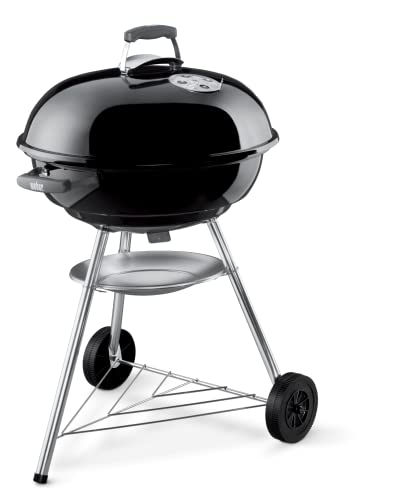
2. Weber Smokey Joe Silver
A 14 inch Weber charcoal kettle grill known for its light weight and classic design.
Suits: camping and small patios. Strengths: a simple, proven design. Weaknesses: the grate is small. Skip it if you want gas.
View Weber Smokey Joe Silver on Amazon
Best for tailgates
3. Cuisinart CGG-180T Petit Gourmet
A Cuisinart tabletop propane grill with a stainless-steel body and a lid.
Suits: tailgates. Strengths: a stainless build and a compact size. Weaknesses: a modest cooking area. Skip it if you need a large grate.
View Cuisinart CGG-180T Petit Gourmet on Amazon
Best for a classic charcoal flavour
4. Cuisinart CCG-100 Portable Charcoal Grill
A Cuisinart 14 inch charcoal kettle-style portable grill with a locking lid.
Suits: a classic charcoal flavour. Strengths: a locking lid for carrying. Weaknesses: charcoal cleanup. Skip it if you want fast gas startup.
View Cuisinart CCG-100 Portable Charcoal Grill on Amazon
Best for camping trips
5. Coleman Fold N Go Propane Grill
A Coleman folding propane grill that packs flat for camping and tailgating.
Suits: camping trips. Strengths: a folding body and a handle. Weaknesses: a small grate. Skip it if you want a lid-free design.
View Coleman Fold N Go Propane Grill on Amazon
Best for portable use
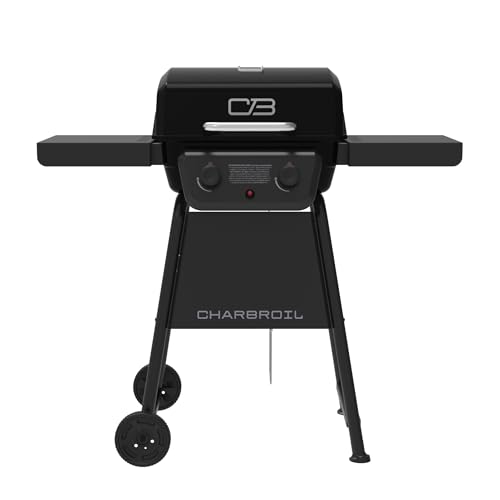
6. Char-Broil Grill2Go X200
A Char-Broil portable propane grill with TRU-Infrared cooking, made for tailgates and picnics.
Suits: portable use. Strengths: even heat from infrared cooking. Weaknesses: a small cooking area. Skip it if you need a big grate.

Care and Setup
- Let the grill cool fully before moving it.
- Clean grates after each cook.
- Check hoses and connectors for leaks before you light.
- Store propane upright and away from heat.
- Empty cooled ash into a metal container.
- Brush the grate while it is warm, then oil it lightly before the next use.
- Keep the grill covered or stored dry to avoid rust.
- Pack the grill so the fat and ash are contained during transport.
Mistakes to Avoid
- Lighting a grill on a balcony that forbids it.
- Using it in an enclosed space.
- Leaving a hot grill unattended.
- Moving a grill while hot.
- Ignoring the maker’s safety notes.
- Cooking too much at once on a small grate.
- Using lighter fluid with a gas model.
- Skipping a check of how the lid and legs lock before carrying it.
Choosing a Mini Grill by Where You Will Use It
The best mini grill is the one that suits the place you will cook. A balcony or small patio calls for a compact unit that is stable, produces little smoke and complies with building rules. A campsite or a park may impose fuel restrictions, so you need to know whether open flames, charcoal or only gas are allowed. A tailgate demands something that packs into a trunk and sets up quickly. A kitchen-side tabletop use, such as on a heat-safe surface in a yard, favors a base that will not tip.
Think about the surface under the grill. A tabletop grill must sit on a surface that can handle heat, and it needs clearance from anything that burns. A picnic table, a plastic side table or a wooden deck rail may not be suitable. Some owners place the grill on a heat-resistant mat or a stand, but you should follow the maker’s guidance on safe use and spacing.
Consider the wind. Small grills are light and can be affected by breezes, which blow out gas flames or fan charcoal too hard. Look for designs with shielded burners or a lid that closes well. If you cook in open spaces, a wind screen or a sheltered spot helps. Match the grill to the most demanding place you plan to use it, and check whether that place allows the fuel and the type of fire.
Gas or Charcoal for Small Spaces
Fuel choice shapes the experience of a mini grill more than any other factor. Gas models light quickly, heat up fast and are easy to shut off, which suits short, frequent cooks and places where smoke is a concern. They use small propane cylinders or an adapter for a larger tank, so check what the listing says about fuel type and connectors. Cylinder fuel is convenient, but you need to track how much remains and store the cylinders safely.
Charcoal models give the traditional flavor and often cost less to buy, but they take longer to light and heat, produce smoke and ash and require a safe way to dispose of coals. They suit campsites, tailgates and yards where cleanup is not a problem. On a balcony, charcoal may violate rules or create nuisance smoke, so check before you commit.
Think about how you cook. For quick weeknight burgers and vegetables, gas is simpler. For a leisurely cookout where flavor matters, charcoal may be worth the extra work. Consider also how much fuel you will carry and how it affects the weight of your kit. Whichever type you choose, buy fuel that matches the grill’s instructions and store it in a safe, dry, ventilated place away from heat.
What a Small Grate Can and Cannot Do
A small cooking surface shapes what you can make. It handles burgers, hot dogs, sausages, skewers, chicken pieces, fish fillets and vegetables, usually in small batches. It does less well with large roasts, whole chickens and big gatherings, though some compact grills with lids can manage a small roast with indirect heat. Check the listing for the dimensions of the grate and the height under the lid.
Because space is limited, technique matters. Do not crowd the grate. Overloading blocks airflow, lowers the surface temperature and makes it hard to turn food. Cook in batches, and keep finished food warm in a covered dish. Create zones if you can: a hot side for searing and a cooler side for finishing. On a charcoal mini grill, bank the coals to one side. On a gas model, use different burner settings if there is more than one control.
Some foods suit small grills particularly well. Thin cuts cook fast, so they will not need long exposure to heat. Cut vegetables into uniform pieces and use skewers or a small grill basket to prevent them from falling through. Pre-cook thicker items partway at home if needed. And use a thermometer to check that food is cooked to a safe temperature, rather than guessing based on appearance alone.
Portability, Packing and Transport Safety
A mini grill is only useful if it is easy to carry. Check the weight on the listing and think about whether you can lift it with one hand while carrying other gear. Look for sturdy handles, locking lids and legs that fold or stay secure. Compact grills should have latches that keep the lid closed during transit, so that ash and grease do not spill into your car.
Always let the grill cool completely before packing it. A hot grill can burn you, damage your vehicle and start a fire. Remove ash and grease, and place the grill in a container or a bag designed to contain residue. Keep the grill upright so that any remaining grease stays in the tray. For gas models, disconnect the cylinder and cap it according to the instructions, and transport the cylinder upright and secured, away from heat and out of the passenger area.
Pack tools together: tongs, a brush, gloves, a lighter or igniter, a small foil tray, a bag for trash and a container for ash. Take a bottle of water or a bucket of sand if the site allows it, in case of flare-ups. Check the rules of the place you are visiting, including fire restrictions and designated cooking areas, and follow them closely.
Maintenance, Storage and Replacement Signs
Small grills take a lot of knocks, so basic maintenance extends their life. Clean the grate while it is warm, using a brush as the maker advises, and wipe or empty the grease tray after cooling. For charcoal models, clear the ash after every use because moisture and ash together can corrode metal. For gas models, keep the burner ports clear and check the hose and connectors for cracks or leaks, using a soapy water test as the manual describes.
Store the grill in a dry place, with a cover if you leave it outdoors. Moisture is the biggest cause of rust, and small grills often have thin metal. If you notice rust, remove it gently and follow the maker’s guidance on coatings and touch-ups. Keep cylinders away from heat and sunlight, and never store them in an enclosed vehicle.
Signs that it is time for a replacement include rust-through in the body or firebox, a warped grate, a lid that no longer closes, legs that wobble or fail to lock, a regulator or hose that looks damaged and a burner that will not light or burns unevenly. Many parts are replaceable, but small grills are simple items and the cost of parts can approach the cost of a new one. Replace any gas component that appears damaged, and use parts approved by the maker.
Rules and Limits to Check Before You Fire Up a Small Grill
A mini grill feels harmless, yet the places people use them are often the places with the strictest rules. Apartment buildings, parks, campgrounds and shared patios may all have policies about open flames, fuel tanks and charcoal. Spending ten minutes on the rules before you buy can save a return or a fine, and it is a good habit to repeat each time you take the grill somewhere new.
- Lease and building rules: Many leases restrict charcoal and propane on balconies. Read the text or ask the property manager.
- Local fire restrictions: Dry seasons can bring temporary bans on open fires, including small grills.
- Park and campground policies: Some sites provide fixed fire rings and ban portable units, while others welcome them in marked areas.
- Tank rules for gas models: Small propane cylinders have transport and storage guidelines. Follow the instructions printed on the cylinder and the grill manual.
- Surface rules: A grill needs a stable, heat-tolerant surface. Check the maker’s guidance before putting one on a wooden table.
If a rule is unclear, ask the person in charge. A quick question is far better than guessing wrong.
Fuel Options for Compact Grills in a Side-by-Side Table
Small grills tend to come in two families. Charcoal units are simple and inexpensive to run, while gas units light at the push of a button and give you a dial. Each choice changes what you carry, how long you wait and how you clean up afterward.
| Fuel | What you carry | Typical routine | Cleanup |
|---|---|---|---|
| Charcoal | A bag of briquettes or lump, plus a lighting method | Light the coals and wait until they are ready | Ash must cool fully and be disposed of safely |
| Small propane cylinder | One or two disposable or refillable cylinders | Connect, light and adjust the flame | Grease tray and grate only |
| Larger propane tank with adapter | A bigger tank and a hose set made for the grill | Same as above, with longer run time | Follow the maker on hose and adapter use |
Never swap fuel types or add adapters that the maker does not approve. The manual lists what works with that exact model.
A Packing List for Taking a Small Grill on the Road
The grill is the easy part. Most disappointments come from the things that stay at home. A short list, checked before you leave, makes a day outdoors much smoother and helps you cook more safely.
- Fuel, plus a small spare, stored as the packaging directs.
- A lighter or long match, and a flat tray or foil to catch drips.
- Long tongs, a spatula, and heat-proof gloves.
- A cooler with ice for raw food, kept apart from ready-to-eat items.
- A food thermometer, since small grills can cook unevenly.
- Paper towels, a bag for waste and a container for cold ash.
- A water bottle or bucket kept nearby in case of flare-ups.
Follow official food safety guidance on temperatures and holding times.
Reading the Dimensions on a Mini Grill Listing
Small grills can look similar in photos but differ a lot in practical terms. The cooking area figure is only a rough guide, since lids, legs and handles all add to the packed size. Look at the folded or boxed dimensions if you have limited trunk space, and check the weight if you plan to carry the grill for any distance. Leg height matters on a table, because a low grill is steadier but may sit close to the surface below.
Simple Meals That Suit a Small Grate
A small grate rewards quick, flat foods that cook in a few minutes and do not need much room. Plan the menu around those strengths and you will rarely feel cramped. Burgers, sausages, skewers, thin chops, flatbreads and sliced vegetables all work well, and you can cook in two rounds if the group is larger. Keep thick roasts for a bigger grill.
- Skewers: Cut pieces to similar sizes so they cook at the same pace, and soak wooden sticks beforehand if the recipe suggests it.
- Vegetables in foil: A packet keeps small pieces from falling through the grate and makes cleanup simple.
- Corn, peppers and onions: Hardy vegetables that handle direct heat and add color to the plate.
- Flatbreads and pita: Brief contact with the grate gives pleasant marks and warms them through.
- Fruit: Peach halves or pineapple rings caramelize quickly for dessert.
Always cook meat to the safe internal temperatures given by official food safety guidance, and use a thermometer to check.
Mini Grills FAQ
Is a mini grill gas or charcoal?
Both exist. Gas starts fast, while charcoal gives a classic flavour.
How many people can a mini grill feed?
Most feed two to four with small items. Cook in batches for more.
Can I use a mini grill on an apartment balcony?
Only if your building allows it. Check the rules first, and keep the grill clear of walls, railings and overhangs.
Can I use these grills on a picnic table?
Only if the maker allows it and the surface is heat-safe. A heat-safe mat helps protect the table.
Can I use a mini grill on a wooden deck?
Only if the maker and your local rules allow it, and with a heat-resistant mat or a stand and clearance from railings and walls. Embers and heat can damage or ignite combustible surfaces.
Can I use a larger propane tank with a small gas grill?
Some grills accept an adapter hose for a larger tank, but not all do. Check the listing and the manual, and use only parts the maker approves.
How do I light a charcoal mini grill safely?
Use a chimney starter or approved fire starters, and avoid spraying liquid on lit coals. Light it outdoors in open air, away from anything flammable, and follow the manual.
How long does a mini grill take to preheat?
It varies by model and fuel. Gas heats faster than charcoal, and wind and cold slow both. Use the manual and a thermometer as guides.
Can I cook a whole chicken on a mini grill?
It depends on the size of the grill and the lid height. Smaller grills handle pieces better than whole birds. Check the dimensions and use a thermometer to verify doneness.
How do I clean a mini grill while camping?
Scrape the grate while warm, wipe off grease and pack out ash and trash as the campsite rules require. Do not dump grease or ash on the ground.
What should I do if there are flare-ups?
Move food to a cooler zone, close the lid briefly to cut off oxygen and keep the grill clean of grease. Never use water on a gas grill or a grease fire.
Is a lid necessary on a mini grill?
A lid traps heat and smoke, which helps with thicker cuts and gives more control. If you only cook thin items, an open design may be enough.
The Short Version
For a trusted gas model, the Weber Q1200. For a classic charcoal kettle, the Weber Smokey Joe. For a stainless gas grill, the Cuisinart Petit Gourmet. For a locking lid, the Cuisinart CCG-100. For camping, the Coleman Fold N Go. For infrared heat, the Char-Broil Grill2Go.
How the Picks in This Guide Compare, Buyer to Buyer
Specifications only take you so far with mini grills. What decides satisfaction is how each pick’s strengths line up with your routine, and how much its trade-offs matter in your home. The notes below revisit every pick already reviewed above — no new models, no new claims — and frame each one around the buyer it suits and the compromise it asks for, so you can shortlist with confidence before checking the current listing.
Weber Q1200 Portable Gas Grill: who it really suits
As the review above describes, this pick suits patios and tailgates. Its stated strength is a trusted brand and steady heat, and that is the quality to weigh first: if that strength answers your main frustration with your current setup, this is probably your pick. The honest limitation given above is a small cooking area, so consider whether that drawback touches your daily routine or only an edge case you rarely meet. The review’s own guidance is to skip it if you prefer charcoal. View Weber Q1200 Portable Gas Grill on Amazon — in that case, one of the other picks in this guide almost certainly fits better, and the comparison notes here will point you to it.
Weber Smokey Joe Silver: who it really suits
As the review above describes, this pick suits camping and small patios. Its stated strength is a simple, proven design, and that is the quality to weigh first: if that strength answers your main frustration with your current setup, this is probably your pick. The honest limitation given above is the grate is small, so consider whether that drawback touches your daily routine or only an edge case you rarely meet. The review’s own guidance is to skip it if you want gas. View Weber Smokey Joe Silver on Amazon — in that case, one of the other picks in this guide almost certainly fits better, and the comparison notes here will point you to it.
Cuisinart CGG-180T Petit Gourmet: who it really suits
As the review above describes, this pick suits tailgates. Its stated strength is a stainless build and a compact size, and that is the quality to weigh first: if that strength answers your main frustration with your current setup, this is probably your pick. The honest limitation given above is a modest cooking area, so consider whether that drawback touches your daily routine or only an edge case you rarely meet. The review’s own guidance is to skip it if you need a large grate. View Cuisinart CGG-180T Petit Gourmet on Amazon — in that case, one of the other picks in this guide almost certainly fits better, and the comparison notes here will point you to it.
Cuisinart CCG-100 Portable Charcoal Grill: who it really suits
As the review above describes, this pick suits a classic charcoal flavour. Its stated strength is a locking lid for carrying, and that is the quality to weigh first: if that strength answers your main frustration with your current setup, this is probably your pick. The honest limitation given above is charcoal cleanup, so consider whether that drawback touches your daily routine or only an edge case you rarely meet. The review’s own guidance is to skip it if you want fast gas startup. View Cuisinart CCG-100 Portable Charcoal Grill on Amazon — in that case, one of the other picks in this guide almost certainly fits better, and the comparison notes here will point you to it.
Coleman Fold N Go Propane Grill: who it really suits
As the review above describes, this pick suits camping trips. Its stated strength is a folding body and a handle, and that is the quality to weigh first: if that strength answers your main frustration with your current setup, this is probably your pick. The honest limitation given above is a small grate, so consider whether that drawback touches your daily routine or only an edge case you rarely meet. The review’s own guidance is to skip it if you want a lid-free design. View Coleman Fold N Go Propane Grill on Amazon — in that case, one of the other picks in this guide almost certainly fits better, and the comparison notes here will point you to it.
Char-Broil Grill2Go X200: who it really suits
As the review above describes, this pick suits portable use. Its stated strength is even heat from infrared cooking, and that is the quality to weigh first: if that strength answers your main frustration with your current setup, this is probably your pick. The honest limitation given above is a small cooking area, so consider whether that drawback touches your daily routine or only an edge case you rarely meet. The review’s own guidance is to skip it if you need a big grate. View Char-Broil Grill2Go X200 on Amazon — in that case, one of the other picks in this guide almost certainly fits better, and the comparison notes here will point you to it.
Read across the six notes and a pattern emerges: there is rarely a single best choice among mini grills, only a best match. Owners who stay satisfied are the ones who chose by their dominant use — the meal, drink, room or routine that happens every day — and accepted a weakness in an area they seldom touch. Choose the same way, and verify the current listing’s dimensions and features before ordering, because line-ups and details change over time.
Buying Criteria in Depth: Mini Grills
The short feature table near the top of this guide is the summary; this section is the reasoning behind it. Each criterion below is one of the checks experienced buyers run before ordering mini grills, explained in the order that matters — fit and function first, features second, ownership costs last. Work through them against your own home and the right pick usually identifies itself.
Fuel and setting: where will it actually grill?
Mini grills come in electric, gas and charcoal forms, and the right choice depends on where you will use it. Electric models suit balconies and flats where flames are banned, provided you have an outdoor-rated socket nearby. Small gas models give real flame control and quick starts for patios and camping. Charcoal minis deliver the classic flavour but need space, time and somewhere safe for ash. Check your building or site rules before choosing, because the best grill in the wrong setting is the one you are not allowed to light. Portability only matters if the setting allows the fire.
Cooking area in real food terms
Ignore the square-inch figure for a moment and picture the food: how many burgers, sausages or corn cobs fit with a little space between them? Mini grills cook for one to four people comfortably and struggle gracefully beyond that, so plan on waves for bigger groups. A slightly domed lid adds more usable capacity than the grate figure suggests, because thick items like a spatchcock chicken or a joint need height as much as area. If your usual cook is two steaks and some vegetables, almost any pick here works; if it is six burgers at once, measure twice.
Heat control at small scale
Small grills heat fast and cool fast, which makes them lively to cook on. Adjustable vents on charcoal models, a proper control knob on gas models and a thermostat dial on electric ones are what separate cooking from merely burning. Look for a lid: it traps heat, speeds cooking, reduces flare-ups and lets you cook thicker items gently after searing. A built-in thermometer is helpful but often reads lid air rather than grate temperature, so treat it as a guide and learn your grill’s behaviour over the first few cooks.
Carry, store, clean: the ownership triangle
A mini grill earns its keep by being easy to move, easy to store and easy to clean — neglect any corner of that triangle and it will sit unused. Check the weight honestly against who will carry it, whether legs fold or the unit locks shut for transport, and whether the grate and drip tray remove for washing. Ash disposal on charcoal models and grease management on all models decide how pleasant the morning after is. The grill that gets used weekly is the one that takes five minutes to set up and ten to put away.
Mini Grills in Real Life: Common Situations
Guides are written in general terms, but buying decisions are personal. The situations below describe the households and routines that mini grills are actually bought for. Find the one closest to yours and borrow its priorities — it is a faster route to the right pick than comparing every feature on every model.
Balcony and small-patio cooking
On a balcony, the constraints rule: check the building’s policy on grill types first, then choose the most capable model allowed. Electric minis avoid open-flame issues and start instantly for a weeknight cook for two. Keep the grill away from walls and railings, never leave it unattended, and be a good neighbour about smoke — cook fattier items earlier in the session and keep the lid down to reduce drift. A compact grill stored in a corner with its cover on is always ready, which is exactly how small-space grilling becomes a habit.
Camping, picnics and tailgating
For cooking away from home, the winning features are a locking lid, stable legs on uneven ground and a fuel system that travels safely. Charcoal minis ask you to carry fuel and manage ash; small gas models need their cartridges or bottle secured; electric models need a power source, which limits them to powered pitches. Set up on a stable, non-flammable surface away from tents and dry grass, and let any charcoal cool completely — then dispose of ash responsibly — before packing. The best travel grill is the one still in good shape after a season in the car boot.
Dorm, studio and first-home grilling
Where a full grill is impossible, a mini grill on a small patio, fire escape where permitted, or shared garden gives you real grilled food without the real estate. Electric tabletop models double as indoor grills in some designs, though smoke management indoors needs care. For a first grill, favour forgiving heat control and simple cleaning over maximum area: success in the first three cooks decides whether grilling becomes your thing. Start with forgiving foods — sausages, chicken thighs, vegetables — before attempting the expensive steak.
Feeding a small crowd in waves
A mini grill can feed six; it just cannot feed six at once. Cook in planned waves: vegetables and items that hold well go first and rest under foil, the centrepiece goes in the middle, and quick items like prawns or thin burgers finish last so they arrive hot. Keep a cooler zone at the grate’s edge for holding, use the lid to keep finished food warm in short bursts, and set expectations cheerfully — grazing in waves is a perfectly good party format, especially with drinks and sides carrying the gaps.
Setup, Care and Keeping It Working Well
Ownership is the longer half of any appliance purchase. The guidance below covers the setup habits, routine care and storage practices that keep mini grills performing as they did on the first week — all of it general practice for this type of product, with the maker’s manual for your exact model always taking precedence where the two differ.
(‘Cleaning while it is still easy’, ‘Mini grills foul quickly because everything sits close to the heat. Brush the grate while it is still warm after cooking, empty drip trays before grease can bake or overflow, and let charcoal ash cool fully in the grill before tipping it into a metal container. Wipe the exterior and lid interior regularly; a greasy lid drips onto food and smokes. Removable grates can soak in warm soapy water, but dry everything thoroughly before storage, because small steel parts rust faster than you expect, especially after coastal or damp-weather trips.’)
(‘Rust prevention and storage’, ‘Store a mini grill dry, under cover, with vents open enough that trapped moisture can escape. A light wipe of cooking oil on a cast-iron grate after cleaning protects it between uses. Check folding legs, hinges and latches each season — the moving parts of a portable grill take the knocks that a static grill never sees. If the grill lives in a car or camper, secure it so it cannot slide, and store fuel separately and safely, never inside the grill for transport.’)
(‘Safe habits at small scale’, ‘Small grills tempt casual handling, which is where accidents come from. Always set the grill on a stable, heatproof surface, keep it away from anything flammable, and never use a charcoal or gas grill indoors or in a tent — carbon monoxide is odourless and lethal in enclosed spaces. Keep children and pets at a respectful distance, use proper tools rather than kitchen forks, and confirm any fire is completely out and cold before you move or store the unit. Small scale, full-size respect: that is the whole safety philosophy.’)
More Questions Buyers Ask About Mini Grills
How many people can a mini grill cook for?
Comfortably, most mini grills cook for two to four people in a single round — a few burgers, chops or skewers with vegetables at the edges. For larger groups, cook in waves and hold finished items warm, which works well for relaxed gatherings. If you regularly cook for six or more at once, a mini grill will frustrate you and a larger model is the honest answer; if your usual table is two, a mini grill’s fast heat-up and easy storage will suit you better than a big unit ever would.
Electric, gas or charcoal: which mini grill should I choose?
Choose by setting and patience. Electric is instant, flame-free and balcony-friendly where rules allow, but needs a socket and gives a gentler sear. Gas starts fast, controls well and suits patios and campsites that allow it. Charcoal gives the deepest grilled flavour and needs no power, but takes time to light and cool and produces ash to dispose of. All three cook the same foods; they differ in ritual. Pick the ritual you will actually enjoy weekly, because that decides whether the grill gets used.
Can I use a mini grill on a wooden deck or table?
Only on a stable, heatproof surface, and never directly on a flammable table unless the maker explicitly designs and approves the model for tabletop use with adequate insulation. Many owners use a heatproof mat or a metal stand on decks to protect the surface from heat and grease marks. Keep clearance from walls and overhangs, and remember that a small grill still produces full-size heat underneath and behind it. When in doubt, set it on paving or a purpose-made stand.
Why does food stick to my mini grill’s grate?
Sticking usually means the grate was not hot enough when the food went on, the food was moved too early, or the grate was dirty. Preheat properly, brush and lightly oil the grate or the food, then leave items alone until they release naturally — proteins let go of a hot grate once a crust forms. Sugary marinades stick and burn more readily, so add them toward the end of cooking. A clean, hot, lightly oiled grate solves most sticking without any special equipment.
How do I control temperature on a small charcoal grill?
Use the vents: open vents feed the fire and raise the heat, closing them calms it. Arrange coals to one side to create a hot zone and a gentle zone, and use the lid to trap heat for thicker items. Add charcoal in small amounts rather than rebuilding the fire mid-cook, and give changes a few minutes to take effect before adjusting again. Small fires respond quickly, which is their charm — small adjustments, patiently observed, beat big corrections.
What should I pack for grilling away from home?
Beyond the grill and its fuel: long tongs, a spatula, a thermometer, a brush, foil, a small board and knife, a container for cooked food separate from raw, and a metal container or bag for ash and rubbish. Add a head torch if you will cook after dark and a spray bottle of water for managing charcoal flare-ups where appropriate. Pack the grill so its lid locks and greasy parts are contained — a dedicated bag or box keeps the car clean and the grill undamaged.
A mini grill rewards a short menu cooked well. Choose two or three items that suit the grate size, prep everything before lighting, and keep sides simple and ready in advance. The cooks who struggle with small grills are usually attempting a full-size menu at miniature scale; the cooks who thrive treat the constraint as the style.
Learn the two-zone fire even on the smallest charcoal grill: coals banked to one side, empty space on the other. It gives you a sear zone and a safe zone in a footprint the size of a dinner tray, and it rescues everything from flaring sausages to a steak that needs two more gentle minutes.
If you grill in public places, arrive with everything portioned and marinaded in sealed containers and leave with every trace removed. A small folding table, a rubbish bag and a bottle of water for the ground under the grill make you welcome back — and make the whole exercise feel effortless rather than improvised.
Finally, store the grill where you will see it. A mini grill in the front of a cupboard or by the balcony door gets used on a whim on a Tuesday; the same grill buried behind boxes becomes a summer-only object. Visibility is a feature, and at this size you can afford it.
A Practical Decision Framework for Mini Grills
When several picks in a guide all look capable, decide in three passes. First, eliminate on fit: any model whose dimensions, capacity or installation style cannot work in your space is out, however attractive its features. Second, rank the survivors by your dominant use — the job this appliance will do most weeks — using the comparison notes above, because a pick that excels at your everyday task beats one that excels at a task you perform twice a year. Third, break any remaining tie with ownership factors: cleaning effort, availability of spare parts, control simplicity for everyone in the household and how the design will age in your kitchen or garden. Three passes, in that order, resolve most shortlists of mini grills without regret.
It also helps to write down, before you look at any listing, the three things your current setup does worst. Buyers shop most successfully when they shop against a named frustration — too small, too slow, too loud, too fiddly to clean — rather than against an abstract idea of the best. Hold each candidate among mini grills up against those three frustrations in turn. The right pick is the one that removes at least two of them without introducing a new one you will meet daily. If no pick removes any of them, the honest conclusion is that your current appliance is better than you thought, and the money is better kept.
Checking the Current Listing Before You Order
Models in any guide to mini grills are revised quietly over time: capacities are restated, accessories move in or out of the box, and control layouts change between production runs. Before ordering, read the current listing for the exact dimensions including handles and doors, the included accessories, the electrical or fuel requirements and the warranty terms for your region. Confirm that the version described matches the version reviewed here, and check what the maker’s own page says where the two differ — the maker is the authority on their current production. This five-minute check prevents the most common disappointment in appliance buying, which is not choosing the wrong model but receiving a different variant of the right one.
Delivery and installation deserve the same attention as the product itself. Measure the route the appliance must travel, confirm who is responsible for positioning and connecting it, and know the returns process before you need it. For anything involving gas, water or fixed electrical work, use qualified professionals and follow local rules; for plug-in and countertop items, confirm the socket, circuit and surface are suitable. Keep all packaging until the appliance has run through its first full cycle or cook successfully, because returns without packaging are a misery nobody needs.