A home smoker cooks meat slowly at low heat with wood smoke. Electric and propane cabinets are easy to run, while charcoal models take more skill and reward you with classic flavor. Whichever type you choose, a probe thermometer makes the biggest difference to results.
The six smokers below cover those styles. We have not used these products ourselves, so treat the descriptions as general guidance and confirm size, fuel type, rack count and included accessories on the current listing before buying. A good thermometer helps with any smoker. Each of them also needs a space with good airflow, away from walls, decks and anything that can burn.
As an Amazon Associate we earn from qualifying purchases. Links below are affiliate links, and they do not change the product information we give.
What to Look For
| Feature | Why it matters |
|---|---|
| Fuel | Electric and propane are easier, while charcoal adds flavor |
| Capacity | Check rack count against how much you cook |
| Seals | A tight door holds heat and smoke |
| Controls | Digital controls make temperature steadier |
| Footprint | Plan where it will sit and how to cover it |
In this guide
Specs at a Glance
| Product | Fuel | Style | Notes |
|---|---|---|---|
| Weber Smokey Mountain Cooker | Charcoal | Bullet | Water pan design |
| Masterbuilt 30-inch Digital Electric Smoker | Electric | Cabinet | Digital controls |
| Camp Chef Smoke Vault | Propane | Cabinet | Vertical design |
| Oklahoma Joe’s Bandera | Charcoal and wood | Offset | Offset firebox |
| Bradley Digital 4-Rack Smoker | Electric | Cabinet | Smoke bisquettes |
| Cuisinart Vertical Propane Smoker | Propane | Cabinet | Vertical design |
The 6 Best Home Meat Smokers
Top pickBest for charcoal fans who like classic smoke
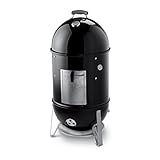
1. Weber Smokey Mountain Cooker
A classic charcoal bullet smoker with a water pan, available in several sizes. It is a favorite among hobbyists because of its steady temperatures. It comes in several sizes, so check the one you are buying.
Suits: charcoal fans who like classic smoke. Strengths: steady heat and a loyal community. Weaknesses: it needs fuel tending. Skip it if you want set-and-forget cooking.
Best for beginners
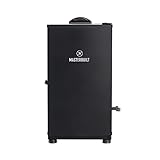
2. Masterbuilt 30-inch Digital Electric Smoker
An electric cabinet smoker with digital controls, aimed at beginners. It uses wood chips for smoke and plugs into an outlet. It suits cooks who want to set the temperature and walk away.
Suits: beginners. Strengths: easy temperature control. Weaknesses: milder smoke flavor. Skip it if you want a pure wood fire.
Best for people who want simple gas smoking
3. Camp Chef Smoke Vault
A vertical propane cabinet smoker with several racks. Check the listing for size and included accessories. Its tall shape saves floor space.
Suits: people who want simple gas smoking. Strengths: a vertical cabinet with good capacity. Weaknesses: less smoky than wood fires. Skip it if you do not have propane.
View Camp Chef Smoke Vault on Amazon
Best for traditional barbecue cooks
4. Oklahoma Joe’s Bandera Offset Smoker
An offset smoker with a side firebox for charcoal and wood. It rewards practice and gives true barbecue flavor. It needs a steady supply of dry wood.
Suits: traditional barbecue cooks. Strengths: real wood flavor. Weaknesses: it takes tending. Skip it if you want a hands-off cook.
View Oklahoma Joe’s Bandera Offset Smoker on Amazon
Best for steady, hands-off smoke
5. Bradley Digital 4-Rack Smoker
An electric smoker that uses wood bisquettes that feed automatically. It is known for steady, controllable smoke. It keeps a steady feed of smoke through a long cook.
Suits: steady, hands-off smoke. Strengths: bisquettes and a clear setup. Weaknesses: the bisquettes are an ongoing purchase. Skip it if you prefer loose wood chips.

Best for casual backyard smoking
6. Cuisinart Vertical Propane Smoker
A vertical propane smoker with a cabinet design and several racks. It is made for backyard cooks who want easy gas control. Its door and racks make loading simple.
Suits: casual backyard smoking. Strengths: simple gas control. Weaknesses: smoke flavor is lighter. Skip it if you want a full wood fire.
View Cuisinart Vertical Propane Smoker on Amazon
Care and Setup
- Let the smoker cool before cleaning.
- Scrape grates and empty the ash or grease.
- Use dry, seasoned wood.
- Keep the door gasket clean.
- Cover the smoker between cooks.
- Season a new smoker as the maker advises before the first cook.
Mistakes to Avoid
- Opening the door too often.
- Using wet or green wood.
- Over-smoking food with too much wood.
- Skipping a thermometer.
- Starting a long cook without enough fuel.
- Setting up the smoker too close to a house or fence.
Smoker Types Compared by Effort and Flavor
Home smokers fall into a few families, and each trades effort against flavor. Electric smokers heat with an element and use wood chips or bisquettes for smoke. They are the easiest to run: set a temperature, add wood and monitor the food. The smoke tends to be milder because the heat source is not a wood fire, and they need an outlet. Propane smokers work similarly with a gas burner and a wood tray, which suits people who want simple control without electricity, though they also produce lighter smoke.
Charcoal bullet smokers use a vertical chamber with a water pan, and they can deliver rich smoke flavor with steady temperatures once you learn to manage the vents and the fuel. They require tending, particularly on very long cooks. Offset smokers use a side firebox to burn charcoal and wood, and the heat and smoke flow across the cooking chamber. They give classic barbecue flavor but demand practice with fire management, airflow and wood quality.
Think about the time you are willing to spend. A cooker that needs frequent adjustments can be rewarding on a weekend and exhausting on a busy weekday. Think about space, too. Vertical cabinets and bullets take little floor area, while offsets are long and need more room and clearance. Cooks who enjoy the process usually lean toward charcoal and offset styles. Cooks who care mostly about the result and the convenience usually prefer electric or propane. No type is better in all cases, and the best smoker is the one you will use regularly.
Temperature Control, Airflow and Thermometers
Smoking is about holding a steady low temperature for hours, so look closely at how each smoker controls heat. On electric units, a digital controller maintains a set point, and the quality of the seal and insulation influences how stable it is. On propane units, a regulator and valve set the flame, and you tune it to the target temperature. On charcoal and offset smokers, vents control airflow, and small changes make a big difference. Open vents give more oxygen and a hotter fire, and closing them slows it down. Make small adjustments and wait to see the effect before changing again.
Do not trust the lid thermometer alone. Built-in gauges can be inaccurate or measure the air near the top rather than at the food. Use a separate probe thermometer to track the temperature at grate level, and a second probe for the meat itself. A dual-probe unit lets you monitor both without opening the door. Many cooks also check the thermometer in ice water and boiling water as a rough accuracy test, following the instructions that come with the device.
Door seals, hinges and dampers matter more than they seem. A leaky door wastes fuel and causes swings, so check the gasket and any gaps. Wind and cold weather affect all smokers, so consider a sheltered spot, and expect longer cook times and more fuel in winter. Finally, avoid opening the door unnecessarily, because each peek lets heat escape and adds time to the cook.
Wood, Fuel and Smoke Quality
The smoke you produce decides how the food tastes. Clean smoke is thin and pale blue, nearly invisible. Thick white or gray smoke usually means the fire is starved of air or the wood is wet, and food cooked in it can taste bitter or sooty. Use dry, seasoned wood in chips, chunks or bisquettes as your smoker allows, and follow the maker’s recommendations for the form of wood it uses.
Common woods include hickory and oak for bolder flavor, and apple and cherry for something sweeter and milder. Mesquite is strong, so use it sparingly. Match wood strength to the meat: pork and beef handle stronger smoke, while poultry, fish and vegetables do better with lighter woods. Avoid softwoods like pine and any treated or painted wood, since they release harmful or unpleasant compounds.
Avoid over-smoking. More wood does not mean better flavor, and meat absorbs most smoke in the early part of the cook. A few chunks or a modest tray of chips is often plenty. For charcoal smokers, use quality charcoal and add wood to it, and light it fully before putting food in so you do not trap acrid early smoke. Store fuel and wood dry, off the ground and in sealed containers. Chips do not always need soaking, and the benefit is debated, so follow your manual. Consider what fuel is easy to buy locally, since a smoker that needs special pellets or bisquettes is only convenient if you can restock easily.
Food Safety, Stalls and Resting Meat
Low-and-slow cooking takes hours, so food safety needs attention. Start with properly chilled meat from the refrigerator, keep raw and cooked foods separate and wash hands and tools after handling raw meat. Preheat the smoker before adding food so the meat spends less time in the temperature range where bacteria grow. Use a probe thermometer to verify internal temperatures, and follow guidance from a reliable food safety source for safe minimums.
Large cuts like brisket and pork shoulder often show a stall, a long period when the internal temperature seems stuck. It is normal and caused by evaporative cooling at the meat’s surface. Be patient, resist the urge to raise the heat dramatically and consider wrapping as many cooks do to push through, understanding that wrapping softens the bark. Cook by tenderness and internal temperature rather than the clock, since cuts vary.
Resting matters. Pull large cuts, wrap them loosely and let them rest, often in a clean cooler or warm spot, so juices redistribute and the meat is easier to slice. Resting also gives you a buffer if dinner is delayed. Slice against the grain for tenderness. Refrigerate leftovers promptly, and avoid leaving food out for long periods. If your smoker runs out of fuel or the temperature falls well below target for long, keep an eye on the clock and consider finishing in an oven.
Cleaning, Storage and Fire Safety
A smoker needs less scrubbing than a grill, but grease and ash still build up. After each cook, let the unit cool and scrape the grates. Empty ash from charcoal and offset firebox, and clean grease trays, drip pans and water pans according to the manual. Built-up grease is a fire risk and can cause off flavors. Inside walls often develop a dark coating from smoke. Many cooks leave it, since it is not harmful and helps protect bare metal, but flaking carbon should be brushed away.
Protect the smoker from the weather. Cover it when cool and dry, keep electric components away from rain and store wood chips and pellets off the ground. If rust appears, remove it and touch up with a heat-safe product recommended by the maker. Check door seals, thermometer ports and legs from time to time.
Fire safety deserves a clear checklist. Place the smoker on a stable, nonflammable surface, well away from the house, fences, overhangs and dry vegetation. Do not use charcoal or gas smokers indoors or in a garage, because carbon monoxide is an invisible danger. Keep a fire extinguisher suited to grease and a bucket of sand or water within reach as the maker allows. Dispose of ash fully cooled in a metal container. Watch children and pets near the cooker. Check local rules on open fires and smoke if you live in a dense neighborhood or during dry conditions.
Which Fuel Suits Which Cook
The fuel type shapes flavor, effort and where you can set the smoker up, so it deserves attention before you look at anything else. Here is a plain comparison of the three families named in the title.
| Fuel | Effort | Flavor | Good for |
|---|---|---|---|
| Electric | Low, set a temperature and wait | Mild smoke, steady results | Beginners, balconies where rules allow, weeknight cooks |
| Propane | Low to moderate, needs a gas tank | Light to medium smoke | People who want quick heat without power outlets |
| Charcoal | Higher, needs fire management | Deep, traditional smoke | Hobbyists who enjoy the craft |
None of these is the correct answer for everybody. A person who wants to put in a brisket and nap will lean toward electric. Someone who treats the fire as the fun part will lean toward charcoal. Gas and electricity both follow maker instructions on placement, ventilation and clearance, and gas connections should always be handled as the manual describes.
A Setup Checklist for the First Cook
- Pick a level spot on a non-flammable surface, away from fences, siding, overhangs and low branches.
- Read the maker’s guidance on distance from buildings and on use under covers or on balconies.
- Season the unit as the manual directs before the first real cook.
- Fill the water pan or fuel tray as instructed.
- Place a reliable thermometer at grate level, since lid dials can read differently from the cooking area.
- Have a fire extinguisher or similar safety item suited to outdoor cooking close at hand.
- Keep a notebook for temperatures, wood types and timing so you can repeat good results.
Take your time with this first run. A calm, well-prepared first cook teaches more than a rushed one.
Mistakes That Spoil a Smoked Cook
- Peeking too often. Each time the lid opens, heat and smoke escape and the cook stretches out.
- Too much smoke. Thick white smoke can leave a bitter taste. Aim for thin, almost clear smoke.
- Cooking by the clock. Meat is ready when it reaches the right internal temperature and tenderness, not at a fixed hour. Follow official food safety guidance for safe temperatures.
- Skipping the rest. Large cuts benefit from a rest before slicing.
- Using the wrong wood. Strong woods suit beef and pork, while milder fruit woods suit poultry and fish. Avoid treated or painted wood altogether.
- Neglecting grease. Built-up fat is a fire risk, so clean drip trays on the schedule the maker suggests.
Capacity and Space: Reading the Listing
Smoker listings usually quote cooking area in square inches or rack count. Square inches tell you how much meat fits, but also look at the height between racks if you plan to cook whole chickens or tall roasts. A two-rack unit may hold a pair of pork shoulders, while a four-rack unit suits a crowd.
Check the footprint, the weight and the folding or wheel options if you need to move it. Look at how the door seals, how the wood chips or pellets are loaded, and whether you can add fuel without opening the main chamber. Always compare the cooking area and the temperature range against the dishes you actually plan to cook.
Care Between Cooks
After the smoker cools completely, remove ash or spent chips, scrape the grates and wipe grease from the walls. Cover the unit when it is not in use, and keep electrical parts dry. Follow the manual on cleaning agents, since some finishes and seals do not tolerate harsh chemicals. A little attention after each cook prevents rust and keeps flavors clean.
Wood and Flavor Pairing Notes
Hickory and oak give a classic bold smoke, while apple and cherry are softer and slightly sweet. Pellet and chip bags usually describe their blends, so read the label and match intensity to the meat. Use small amounts at first, taste the result and adjust on the next cook.
Moisture matters too. Soaking chips is a debated habit, and many makers simply tell you to follow the fuel instructions in the manual. Choose clean, food-grade wood only, and keep it dry in storage.
Reading the Picks Side by Side: A Deeper Comparison
The quick picks and individual reviews earlier in this guide give you the facts on each option for home meat smokers. What they cannot do in a short format is slow the decision down and show how the picks differ when you imagine them in your own kitchen, on your own schedule, doing the jobs you actually repeat every week. This section does that. It uses only the products already covered above, and it adds no new models, so use it as a way of comparing the shortlist you already have rather than as a second list competing with the first. For each pick, the useful questions are the same: who is this design really for, what should you double-check on the current listing before you commit, and what kind of owner tends to be happiest with this style of smoker over months rather than minutes.
Who Should Shortlist the Weber Smokey Mountain Cooker
Put the Weber Smokey Mountain Cooker on your shortlist if its style, as described in its review above, matches the way you already cook and the space you already have. Read that review again with your own routine in mind: the meals you make most often, the number of people you usually feed, and the storage or counter space the smoker will occupy every day, not just on the day it arrives. Before buying, confirm the current listing still shows the same model name, the same included accessories and the same care requirements described earlier in this guide, because line-ups change quietly over time. If two picks seem equal, the tie-breaker is rarely a headline feature; it is usually which design removes a small daily friction, such as awkward cleaning, a door or lid that fights your layout, or controls nobody in the household enjoys using. A pick that fits your habits will be used constantly, and regular use is what turns any smoker from a purchase into a genuinely good buy.
Who Should Shortlist the Masterbuilt 30-inch Digital Electric Smoker
Put the Masterbuilt 30-inch Digital Electric Smoker on your shortlist if its style, as described in its review above, matches the way you already cook and the space you already have. Read that review again with your own routine in mind: the meals you make most often, the number of people you usually feed, and the storage or counter space the smoker will occupy every day, not just on the day it arrives. Before buying, confirm the current listing still shows the same model name, the same included accessories and the same care requirements described earlier in this guide, because line-ups change quietly over time. If two picks seem equal, the tie-breaker is rarely a headline feature; it is usually which design removes a small daily friction, such as awkward cleaning, a door or lid that fights your layout, or controls nobody in the household enjoys using. A pick that fits your habits will be used constantly, and regular use is what turns any smoker from a purchase into a genuinely good buy.
Who Should Shortlist the Camp Chef Smoke Vault
Put the Camp Chef Smoke Vault on your shortlist if its style, as described in its review above, matches the way you already cook and the space you already have. Read that review again with your own routine in mind: the meals you make most often, the number of people you usually feed, and the storage or counter space the smoker will occupy every day, not just on the day it arrives. Before buying, confirm the current listing still shows the same model name, the same included accessories and the same care requirements described earlier in this guide, because line-ups change quietly over time. If two picks seem equal, the tie-breaker is rarely a headline feature; it is usually which design removes a small daily friction, such as awkward cleaning, a door or lid that fights your layout, or controls nobody in the household enjoys using. A pick that fits your habits will be used constantly, and regular use is what turns any smoker from a purchase into a genuinely good buy.
Who Should Shortlist the Oklahoma Joe’s Bandera Offset Smoker
Put the Oklahoma Joe’s Bandera Offset Smoker on your shortlist if its style, as described in its review above, matches the way you already cook and the space you already have. Read that review again with your own routine in mind: the meals you make most often, the number of people you usually feed, and the storage or counter space the smoker will occupy every day, not just on the day it arrives. Before buying, confirm the current listing still shows the same model name, the same included accessories and the same care requirements described earlier in this guide, because line-ups change quietly over time. If two picks seem equal, the tie-breaker is rarely a headline feature; it is usually which design removes a small daily friction, such as awkward cleaning, a door or lid that fights your layout, or controls nobody in the household enjoys using. A pick that fits your habits will be used constantly, and regular use is what turns any smoker from a purchase into a genuinely good buy.
Who Should Shortlist the Bradley Digital 4-Rack Smoker
Put the Bradley Digital 4-Rack Smoker on your shortlist if its style, as described in its review above, matches the way you already cook and the space you already have. Read that review again with your own routine in mind: the meals you make most often, the number of people you usually feed, and the storage or counter space the smoker will occupy every day, not just on the day it arrives. Before buying, confirm the current listing still shows the same model name, the same included accessories and the same care requirements described earlier in this guide, because line-ups change quietly over time. If two picks seem equal, the tie-breaker is rarely a headline feature; it is usually which design removes a small daily friction, such as awkward cleaning, a door or lid that fights your layout, or controls nobody in the household enjoys using. A pick that fits your habits will be used constantly, and regular use is what turns any smoker from a purchase into a genuinely good buy.
Who Should Shortlist the Cuisinart Vertical Propane Smoker
Put the Cuisinart Vertical Propane Smoker on your shortlist if its style, as described in its review above, matches the way you already cook and the space you already have. Read that review again with your own routine in mind: the meals you make most often, the number of people you usually feed, and the storage or counter space the smoker will occupy every day, not just on the day it arrives. Before buying, confirm the current listing still shows the same model name, the same included accessories and the same care requirements described earlier in this guide, because line-ups change quietly over time. If two picks seem equal, the tie-breaker is rarely a headline feature; it is usually which design removes a small daily friction, such as awkward cleaning, a door or lid that fights your layout, or controls nobody in the household enjoys using. A pick that fits your habits will be used constantly, and regular use is what turns any smoker from a purchase into a genuinely good buy.
Compared as a group, the picks above fall into natural camps rather than a single ladder from worst to best. Some are built for speed and convenience, some for capacity, and some for the cook who enjoys the process as much as the result. Ranking them without knowing your priorities would be misleading, which is why the reviews describe each one on its own terms. Your job is to name your top two priorities honestly, whether that is easy cleaning, a small footprint, generous room, simple controls or a particular cooking style, and then notice which camp keeps matching them. Most buyers find the decision becomes obvious at that point, and the remaining differences are preferences rather than problems.
Choosing for Your Real Routine, Not an Ideal One
Guides to home meat smokers are usually read in a hopeful mood, imagining weekend projects and relaxed meals. The better test is a tired Tuesday. Picture the smoker being used when you are short of time, the kitchen is already messy and nobody wants a complicated clean-up afterwards. If the design still sounds appealing under those conditions, it is probably right for you. If it only appeals in the best-case version of your life, keep looking at the other picks. This honest test prevents the most common disappointment in kitchen buying, which is not poor quality but a poor match between a good product and the wrong household.
For Busy Weeknights
On weeknights, the winning qualities are fast setup, forgiving operation and a clean-up that takes minutes rather than a project. Favour the pick whose controls you can understand at a glance and whose parts you can wash without a strategy meeting. Think about who else will use it: a design that only one confident person in the house can operate will sit idle whenever that person is out. Simplicity also compounds over time, because an smoker that is easy on a Tuesday gets used on Saturdays too, while a demanding one gradually becomes furniture. When you compare the reviews above, underline every mention of setup, preheating, monitoring and washing, and let those practical details carry as much weight as the cooking results themselves.
For Weekends, Guests and Bigger Projects
Weekend cooking makes different demands: more capacity, more control and more tolerance for a longer session. If you regularly cook for guests, cook in batches or like learning a technique properly, the pick that offers room to work and steady, adjustable performance will reward you far more than the smallest or simplest option. Think through the whole event, from preparation space to where finished food rests, to how the smoker behaves when it is opened, loaded or checked repeatedly. Also consider noise, smoke, heat or steam in the space where people will gather, because a wonderful result served from an uncomfortable kitchen is only half a success. The right choice supports the occasion instead of becoming the occasion’s main challenge.
For Small Kitchens and Shared Spaces
Space is not only about the footprint on the day of delivery. It is about the cupboard the accessories live in, the clearance the lid or door needs, the route from storage to counter, and whether the smoker can stay out permanently or must be moved for every use. Measure honestly, including the awkward realities such as low cabinets, narrow doors and sockets in inconvenient places. In shared homes, also think about how the appliance affects other people: heat, smells, noise and how long it monopolises a shared surface. A slightly less ambitious pick that lives happily in the space will outperform a larger one that is resented, squeezed in and rarely used. The reviews above note the style and form of each pick; match those notes against your measurements before you fall for any particular model.
Setup and First Use, Step by Step in Practice
Set a smoker up as if the cook will last for hours, because it usually will. Choose a sheltered outdoor spot on a level, fire-safe surface, away from walls, fences and anything the wind could carry sparks toward, and think about smoke drift toward neighbours and open windows before you light anything. Read the maker’s guidance on fuel, assembly and first seasoning, and run that first empty or lightly loaded session to learn how your smoker gains, holds and loses heat before an expensive cut depends on it. Arrange fuel, water, tools, thermometers and a clean resting tray in advance, and plan the cook backwards from when you want to eat, adding generous margin. Smoking rewards the cook who starts early and holds finished food properly far more than the one who tries to rush the final hour with extra heat.
During the first few uses, resist the temptation to judge the smoker by a single ambitious attempt. Start with something simple and familiar so the only new variable is the equipment itself, and pay attention to the small things: how long preparation really takes, where you naturally stand, what you wish you had within reach and how the clean-up feels. Adjust one thing at a time in the next session. Owners who treat the first week as a short learning period almost always end up happier than owners who expect mastery on day one, because most kitchen equipment has a personality that reveals itself through use rather than through its description. Write down what you learn while it is fresh; a few honest notes are worth more than a month of vague impressions when you later wonder which setting, position or routine produced your best result.
Cleaning, Care and Storage in Detail
After the cook, let ash and coals cool completely before disposal in a metal container, and never rush this step after a long session when tiredness makes shortcuts tempting. Scrape grates while they are still warm on the next preheat if residue resists, wipe grease from the places it collects, and check that grease management parts are emptied before they overflow into the fire area. Wipe the interior according to the maker’s guidance rather than stripping it to bare metal; a seasoned interior is part of how many smokers perform. Inspect gaskets, hinges, vents and chimneys for blockages or wear, store the smoker dry and covered if it lives outside, and confirm covers are fully cool and dry underneath. A smoker cleaned in daylight the next morning stays safer and cooks more predictably than one abandoned after midnight.
Storage deserves the same thought as cleaning. Keep the smoker and its accessories together so nothing essential is missing when you come to use it, store cords loosely rather than tightly wound, and never put a unit away while it is still warm or damp inside. If space forces you to store it in a cupboard or garage, check that the spot is dry and that heavier items will not be stacked on top of it. Once a season, do a slightly deeper review: look for wear, check moving parts and seals, confirm accessories are complete and reread any care notes in the manual you may have forgotten. This light rhythm of daily wiping, weekly tidying and seasonal checking is what keeps kitchen equipment working well for years without ever demanding a dramatic rescue effort.
Troubleshooting: Working Through Common Problems Calmly
Temperature swings are the classic smoker frustration, and they usually come from wind, fuel changes, frequent lid opening or vents adjusted too aggressively in response to every small movement. Make one small adjustment, then wait; smokers respond slowly, and chasing the needle creates the very swings you are trying to stop. Thin, harsh smoke rather than a clean wisp usually means the fire needs air or cleaner fuel, while food that stalls for hours is a normal phase of large cuts rather than a failure, so plan for it instead of panicking with heat. If the fire dies, check fuel, ash buildup and airflow before anything else. Keep notes on fuel, weather and vent settings for each cook; a smoker becomes predictable when its owner keeps records, and unpredictable when every cook starts from memory alone.
Whatever the problem, change one thing at a time and observe the result, because changing three things at once teaches you nothing and often creates a new problem on top of the old one. Keep a short record of what you tried; patterns that are invisible in a single session become obvious across three or four. Also remember the limits of troubleshooting: anything involving damaged cords, gas, persistent electrical faults, cracked critical parts or a safety feature that is not working is a reason to stop and get professional help, not a challenge to improvise around. Most owners find that the great majority of frustrations are small, repeatable and fixable with setup, cleaning or technique, and that is genuinely good news, because those are the variables fully within your control.
Planning the Purchase Around Your Home and Budget
Because this guide deliberately avoids fixed prices, which change constantly, plan the budget side in a more durable way. Decide what the smoker must do, what would merely be nice, and what you will never use, then let the must-do list set your tier. Remember the full cost of ownership includes the accessories you will genuinely need, any installation or professional help the design requires, replacement filters or parts where they apply, and the storage it will occupy. None of that argues for buying the cheapest option or the most expensive one; it argues for buying the option whose total picture you understand. Check the current listing for what is included in the box, what is sold separately and what the return options are, and keep your order details and the manual together after purchase.
Finally, give yourself a decision deadline and a shortlist of at most two or three of the picks above. Endless comparison feels thorough but usually produces confusion rather than confidence, because the differences between good options are smaller than the difference between a decision made and a decision endlessly postponed. Re-read the reviews of your finalists, check the measurements and the included accessories one last time, and choose the one that best fits the routine you described honestly at the start of this section. That is the process that leads, reliably, to an smoker you will still be pleased to own long after the excitement of delivery has passed.
Smoker FAQ
What is the easiest smoker to use?
Electric and propane cabinets are the easiest, thanks to their simple controls.
Do I need a meat thermometer?
Yes, because smoking depends on internal temperature rather than time alone.
How long does smoking take?
Large cuts can take many hours, so plan ahead.
Can I smoke in the rain?
Light rain is usually fine, but protect electric units and keep wind and wet away from vents.
Which wood should I use?
Hickory, oak, apple and cherry are common, and you can blend them for taste.
Should I soak wood chips before smoking?
The benefit is debated, and many cooks skip soaking. Follow your smoker's manual, and use dry, seasoned wood either way.
What is the stall when smoking meat?
It is a stretch when a large cut's internal temperature stops rising for a while. It is normal, so be patient and cook to temperature and tenderness rather than time.
Is white smoke bad?
Thick white smoke often means the fire needs more air or the wood is wet, and it can make food bitter. Aim for thin, pale smoke.
Can I smoke meat in cold weather?
Yes, but expect longer cook times and more fuel. Shelter the smoker from wind and keep the door closed as much as possible.
How do I know when smoked meat is done?
Use a probe thermometer to check internal temperature and test tenderness. Large cuts like brisket are done by feel as well as temperature.
Should I rest meat after smoking?
Yes. Resting lets the juices settle and makes slicing easier, and many cooks wrap the meat and rest it for a while.
Can I use a smoker in a garage?
No. Smokers produce carbon monoxide and sparks, so use them outdoors with plenty of space around them.
How long should I expect a good smoker to last?
Longevity depends far more on care and frequency of use than on any single feature. An smoker that is cleaned after use, stored dry, and used within the limits its maker describes will usually serve a household for years, while the same design neglected after every session will age quickly. Treat the manual’s care schedule as part of the product you bought, keep accessories together so nothing is lost or forced into service as a substitute, and deal with small signs of wear early. When a safety-related part wears out, replace or retire the item rather than stretching its life; with ordinary parts and consumables, following the maker’s replacement guidance keeps performance close to how it felt when new.
What is the most common mistake new owners make?
The most common mistake is expecting the first session to go perfectly and blaming the smoker when it does not. Almost every design in this category has a short learning curve involving setup order, timing, quantities or positioning, and the first few uses are best treated as practice with forgiving food or simple tasks. The second most common mistake is skipping the unglamorous steps: not reading the manual, not measuring the space, and not cleaning promptly afterwards. Owners who slow down for the first week, take a few notes and build a small routine around setup and clean-up almost always end up rating the same product far more highly than owners who rushed, because the product did not change; the ownership did.
Should I buy accessories at the same time?
Only the accessories you already know you will use belong in the first order. A basic tool that supports the way you already cook, such as the right tray, tongs, thermometer or storage cover for your situation, earns its place immediately, while elaborate kits bought in a burst of enthusiasm often end up as cupboard clutter. Live with the smoker for a few weeks first, notice what you actually reach for and what genuinely slows you down, and then buy to fill those specific gaps. Check compatibility with your exact model on the current listing before ordering any accessory, because similar-looking parts are not always interchangeable, and keep the included accessories until you are sure a replacement suits you better.
How do I know if a pick is too big or too small for us?
Judge size against your largest regular job, not your largest imaginable one. If you size for a rare feast, you will live every day with an smoker that is heavier to move, slower to prepare and harder to store than your routine needs, while sizing for an ordinary day and occasionally cooking in two batches is usually painless. Measure the space where it will live and where it will be used, including clearance for lids, doors and your own hands, and compare those numbers with the dimensions on the current listing. Then be honest about portions: count the people you feed most weeks, not at holidays. The picks above span different styles and capacities precisely so that both small households and generous hosts can find a sensible match.
Is it worth paying more for a premium version?
It can be, when the extra money buys things you will feel every week: sturdier construction, controls that are pleasanter to use, easier cleaning, better support from the maker or a design that fits your space more gracefully. It is not worth it when the premium buys only features you will rarely touch. The practical test is to list what the step-up pick actually adds, using its review above, and ask how many times a month each addition would matter in your home. If the honest answer is often, the upgrade tends to justify itself over years of use. If the answer is almost never, the simpler pick is not a compromise; it is the correct choice, and the money saved is better kept for accessories or ingredients you will genuinely enjoy.
The Short Version
For classic charcoal smoke, the Weber Smokey Mountain. For beginners, the Masterbuilt 30-inch Digital. For simple propane, the Camp Chef Smoke Vault. For true barbecue flavor, the Oklahoma Joe’s Bandera. For steady bisquette smoke, the Bradley. For a vertical propane cabinet, the Cuisinart. Whichever you choose, read the manual and start with a small cook.
Related Guides
- 6 Best Meat Smokers: Pellet, Electric, Charcoal and Offset
- 6 Best BBQ Smokers: Pellet, Propane, Electric and Charcoal
- 6 Best Budget Smokers: Electric, Propane and Charcoal (2026)
- 6 Best Electric Meat Smokers for Ribs, Brisket and More (2026)
- 6 Best Upright Smokers: Charcoal, Propane and Drum Styles (2026)