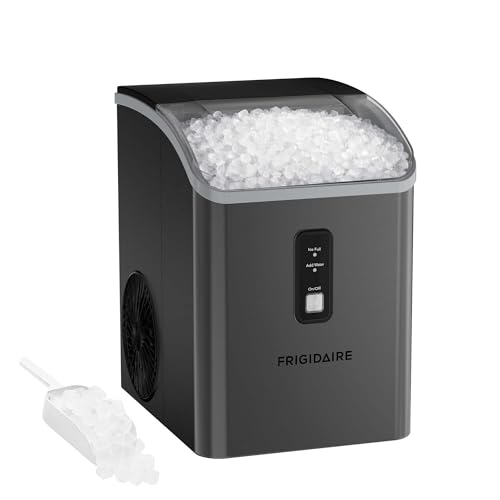
An electric ice cream freezer, in home kitchen terms, is a machine that churns and chills ice cream for you. The most capable versions have a built-in compressor, so there is no bowl to pre-freeze. Others use a frozen bowl or a pint-based freezing process. The best electric ice cream freezers suit how often you actually make dessert.
The six picks below cover compressor machines, a pint-based maker and a classic bowl-style model. We have not used these products ourselves, so confirm the batch size, noise level and included parts on the current listing before buying.
As an Amazon Associate we earn from qualifying purchases. Links below are affiliate links, and they do not change the product information we give.
What to Look For
| Feature | Why it matters |
|---|---|
| Freezing method | Compressor machines need no pre-freezing; bowl models need advance planning |
| Batch size | Match it to how many servings you want per run |
| Mix-ins | Some machines handle chunks and swirls better than others |
| Cleanup | Removable paddles and bowls make washing quicker |
| Space | Compressor models are heavy and need counter room |
| Noise | Compressor and motor sounds vary, so read owner comments on the listing |
In this guide
Specs at a Glance
| Machine | Freezing method | Batch style | Notes |
|---|---|---|---|
| Cuisinart ICE-100 | Built-in compressor | Batch machine | Gelato and sorbet |
| Breville Smart Scoop | Built-in compressor | Batch machine | Texture settings |
| Whynter ICM-201SB | Built-in compressor | Batch machine | Removable bowl |
| Ninja CREAMi | Pint-based | Single-serve | Several modes |
| Cuisinart ICE-21 | Freezer bowl | Batch machine | Quick churn |
| Hamilton Beach 4-Quart | Ice and salt | Large batch | Party size |
The 6 Best Electric Ice Cream Freezers
Top pickBest for frequent dessert makers
1. Cuisinart ICE-100 Compressor Ice Cream and Gelato Maker
A compressor machine with a built-in freezer, so it makes ice cream, gelato or sorbet without a frozen bowl. It has timer and motor controls and a lid with an opening for add-ins.
Suits: frequent dessert makers. Strengths: no pre-freezing step. Weaknesses: a heavy body that needs counter space. Skip it if you make dessert only occasionally.

View Cuisinart ICE-100 Compressor Ice Cream and Gelato Maker on Amazon
Best for cooks who want adjustable texture
2. Breville Smart Scoop Ice Cream Maker
A compressor machine from Breville with settings for different frozen desserts and a hardness control. It can also keep a finished batch cool for a short time.
Suits: cooks who want adjustable texture. Strengths: firmness settings. Weaknesses: a larger footprint. Skip it if you want a compact, light machine.

Best for hobbyists who like a metal body
3. Whynter ICM-201SB Ice Cream Maker
A self-contained compressor ice cream maker with a removable bowl, a metal-style body and automatic freezing. Whynter is known for compact cooling appliances.
Suits: hobbyists who like a metal body. Strengths: a removable bowl. Weaknesses: noise from the compressor. Skip it if you want something very quiet.
Best for single servings and custom flavors
4. Ninja CREAMi Ice Cream Maker
A pint-based machine that processes frozen bases into ice cream, sorbet and milkshakes. You freeze each pint ahead of time, then run it in the machine.
Suits: single servings and custom flavors. Strengths: different dessert styles from one machine. Weaknesses: the pints need advance freezing. Skip it if you want to churn a large batch at once.

Best for casual home use
5. Cuisinart ICE-21 Frozen Yogurt-Ice Cream Maker
A well-known bowl-style maker with a freezer bowl that you chill in advance. It churns a batch of ice cream, frozen yogurt or sorbet in a short time.
Suits: casual home use. Strengths: a simple setup. Weaknesses: the bowl needs freezer time first. Skip it if you want to make several batches in a row.
View Cuisinart ICE-21 Frozen Yogurt-Ice Cream Maker on Amazon
Best for family gatherings
6. Hamilton Beach 4-Quart Automatic Ice Cream Maker
A larger electric maker that uses ice and rock salt around the canister instead of a frozen bowl. It makes a bigger batch for parties.
Suits: family gatherings. Strengths: a larger batch. Weaknesses: ice and salt cleanup. Skip it if you want a countertop gadget.

View Hamilton Beach 4-Quart Automatic Ice Cream Maker on Amazon
Care and Setup
- Chill the bowl or pint for the full time the maker recommends.
- Wash removable parts by hand unless the maker says they are dishwasher-safe.
- Let a compressor machine rest upright before first use, per its manual.
- Store finished ice cream in an airtight container in the freezer.
Mistakes to Avoid
- Overfilling the machine, which stops the mix from expanding.
- Using a mix that is not fully chilled.
- Dropping in large chunks too early.
- Expecting store-style hardness straight from the churn.
Compressor, Bowl, Pint and Ice-and-Salt Methods Compared
The freezing method decides how, and how often, you will use the machine. A compressor model has its own cooling system, much like a small freezer, so you can make batch after batch with no preparation. That convenience comes with size and weight, and these machines usually need a firm spot on the counter or a shelf with space for airflow.
A freezer-bowl machine has a double-walled bowl filled with coolant that you freeze in advance, usually for many hours. Once frozen, it churns a batch in a short time. It is compact and simple, but you can make only one batch per freeze unless you own a second bowl, and the bowl takes freezer space while it chills.
A pint-based machine, such as the one in this guide, takes a frozen base in a container and shaves or spins it into a creamy texture. It suits single servings and flavor experiments, but the base must be frozen solid first, and each pint is a separate step. Ice-and-salt machines surround the canister with a mix of ice and rock salt. They make larger batches, suit parties and give a nostalgic experience, but need a steady supply of ice and salt and are messier.
Match the method to your habits. If you want ice cream on short notice, a compressor model fits. If you make dessert occasionally, a bowl or pint machine uses less space. If you serve a crowd, a large-batch bucket machine may make sense. Check what the listing says about included parts, because some bowls and containers are sold separately.
Batch Size and How Much Mix to Use
Ice cream expands as it churns, because air is whipped into the mix. That means the machine must never be filled to the brim. Each model has a maximum fill line or a recommended quantity in its manual, and following it matters. Overfilling leads to a mix that overflows, freezes unevenly or fails to thicken.
Think about the size of batch you actually need. A small household may find a pint or a quart per batch ideal, since homemade ice cream is at its best when fresh. A larger family or a gathering may need a batch of a few quarts. Compare the listed capacity with real servings, and remember that the stated capacity often refers to the finished product or the liquid mix, so check which one it means.
Consider whether you can run back-to-back batches. Compressor machines allow it, though some need a rest period between runs, which the manual explains. Bowl machines need the bowl refrozen. If you plan to make several flavors for an event, plan the schedule: for example, make the plain batches first and the flavors with strong colors or ingredients last. Chill your base in the refrigerator before churning, as a cold base freezes faster and gives a smoother texture. Make sure your freezer has space to hold the finished batches afterward.
Base Recipes, Texture and Mix-Ins
The machine churns, but the recipe determines the result. Custard-style bases use eggs and cream, and they tend to be rich and smooth. Eggless bases are simpler and give a lighter, cleaner taste. Fat, sugar and solids all affect the texture, and too little of either can leave ice crystals. Sorbets rely on sugar and fruit, and the sugar level affects whether they freeze hard or stay scoopable.
Always chill the base thoroughly before you start, ideally overnight. Strain out any bits that could clog the paddle. Churn until the mix thickens to soft-serve consistency, then move it to a container and freeze for a few hours to firm up. If you add mix-ins, such as chocolate chunks, cookie pieces or nuts, add them near the end of churning so they do not break down or jam the paddle, and make sure they are cold. Large pieces can stall some machines, so check the manual for guidance on size.
For swirls such as caramel or fruit sauce, layer them into the container as you transfer the ice cream, instead of churning them in. If you want dairy-free or low-sugar versions, follow tested recipes from the maker, since changing ingredients changes freezing behavior. A little alcohol or invert sugar can keep the result softer. Small changes to a recipe can improve texture, so take notes on each batch.
Noise, Space and Power Considerations
Before buying, think about where the machine will live. Compressor machines are heavy and often deep, so measure the counter, the height under cabinets and the space needed for ventilation around the machine. Most need clearance on the sides and back so the compressor can release heat, and the manual gives the figures. Placing one against a wall or in a tight cabinet can cause overheating.
Sound varies. Compressors hum like a refrigerator, and paddles add a motor noise. Pint-based machines tend to be loud during processing but only for a short time. Opinions on noise are subjective, so use the maker’s description and your own tolerance. If you plan to run the machine in an open-plan room, consider timing.
Let a compressor machine stand upright for the period the manual recommends before first use, particularly after transport, so the coolant settles. Plug it into a suitable outlet and avoid overloaded extension cords. Know where you will store the bowl, paddle and lid, since freezer bowls need freezer room. If counter space is limited, a bowl or pint machine that stores in a cabinet may be more practical than a heavy compressor unit that stays out all year.
Cleaning, Food Safety and When to Replace Parts
Ice cream bases contain dairy and sometimes eggs, so cleanliness matters. Wash parts that touch the mix right after use, with warm soapy water, and dry them well. Check the manual for which parts, if any, can go in the dishwasher, since heat can warp plastic paddles and damage freezer bowls. Never submerge the motor housing or the base of a compressor unit.
Keep the base cold until it goes into the machine, and do not leave it out for long periods. Homemade ice cream containing raw eggs carries food safety considerations, so many recipes cook the custard first. Follow safe food handling guidance for your area. Store the finished product in a sealed, shallow container, press parchment onto the surface to limit ice crystals, and keep it at the back of the freezer where the temperature is steadier.
Replace paddles that crack or whose edges are worn, since a damaged paddle can drop fragments into food. A freezer bowl that has lost coolant, sounds sloshy, or fails to freeze solid after the full freezing time should be replaced. For a compressor machine, a unit that no longer cools or makes unusual noises should be checked by the maker. Look for dents or leaks on bowls, and stop using any with visible damage. Keep the manual and the model details for warranty service.
A Buying Checklist for an Ice Cream Machine
Ice cream makers vary widely in size and method, so a short checklist helps you choose well.
- Decide how much you make at a time, and how often you plan to churn.
- Check the footprint, since compressor models can be large and heavy.
- Think about whether you are happy to plan ahead for freezing a bowl or pint.
- Look for removable parts that wash easily by hand.
- Ask yourself how much noise you can accept in your kitchen.
- Confirm that spare bowls, paddles and lids are available.
The right machine is the one you will actually use, so match its needs to your habits rather than to the longest feature list.
Compressor Versus Pre-Frozen Bowl: A Comparison Table
The biggest split among home machines is how they chill the mix. Here is a concise look at two common methods.
| Point | Built-in compressor | Pre-frozen bowl |
|---|---|---|
| Planning | Ready on demand | Bowl needs time in the freezer first |
| Batches in a row | Possible | Limited by bowl count |
| Size and weight | Large and heavy | Compact |
| Noise | Louder during chilling | Quieter motor |
| Storage | Needs permanent counter space | Easy to put away |
If you love spontaneous dessert, a compressor model saves waiting. If space is tight, a bowl system may fit better.
Glossary of Ice Cream Making Terms
Recipes and product pages use words that are easy to mix up. This short glossary clears them up.
- Churning: stirring the mix while it chills so air is folded in.
- Overrun: the amount of air added, which makes ice cream lighter.
- Base: the liquid mixture of dairy or other ingredients before freezing.
- Paddle: the dasher that stirs and scrapes the walls of the bowl.
- Ripening: a rest in the freezer after churning to firm up the texture.
- Mix-ins: extras such as chips, nuts or fruit added near the end.
With these terms in mind, you can follow recipes from any source and compare machine descriptions with more confidence.
Mistakes to Avoid Before You Churn
Most disappointing batches trace back to preparation. The first mistake is using a warm base. A mixture chilled in the refrigerator ahead of time churns more smoothly than one poured in straight from the stove. The second is overfilling. Mixes grow as air is added, so follow the maximum line in the manual.
The third is ignoring the bowl if your machine needs freezing. Make sure it is fully frozen before use, and follow the maker’s time guidance. The fourth is adding large mix-ins too early, which can jam the paddle. Add them near the end of the cycle. Finally, avoid skipping the final rest in the freezer, because a short firming period often improves scoopability.
Cleaning and Food Handling Notes
Because ice cream is a dairy product, cleanliness matters. Wash removable parts by hand after each batch using warm water and mild soap, unless the manual allows the dishwasher. Dry everything fully before storage so odors do not build up.
Never immerse the motor base in water. Wipe it with a damp cloth and dry it. For storage times, container choices and handling of homemade desserts, rely on official food safety guidance from your local authority. If a part cracks or the machine makes unusual noises, stop using it and contact the maker for help instead of trying a repair at home.
Planning Flavors, Batches and Counter Space
Once you own a machine, a little planning turns it into a regular treat. Begin with a simple base, such as vanilla, and learn how your churn feels before adding bolder ideas. Keep a notebook of the recipes you try, noting the amount of mix, the chill time and how the texture turned out.
Think about the space the machine needs. Compressor models should sit on a firm, level surface with room around the vents, as the manual describes. Bowl styles can be tucked away in a cabinet between uses, but the frozen bowl needs a spot in the freezer. Plan batch size around how quickly your household eats dessert, since smaller, fresher batches are easier to manage than a huge tub that lingers. Share the habit with family, and let children choose mix-ins with an adult nearby.
Choosing a Electric ice cream freezer Around How You Really Cook
Choosing an electric ice cream freezer comes down to how the mixture is frozen, because that one decision drives cost, effort, and routine . Compressor models freeze the mixture themselves, so they need no preparation beyond a chilled mixture and a power supply, and they can make batch after batch. Bowl models rely on a bowl that must be frozen in your freezer well ahead of time, which costs nothing in complexity but demands planning and freezer space. Salt-and-ice and other traditional styles ask for more hands-on involvement. None is best in the abstract; the right one is the one whose rhythm matches your household.
Capacity needs translating into real servings. The capacities described in the picks above refer to the batch the machine handles, and freshly churned ice cream is softer than the firm, scooped kind from a shop, so a batch disappears faster than people expect at a gathering. For a couple who make a small batch often, a compact model is ideal and wastes nothing. For families and entertainers, a larger batch avoids the frustration of a second churn while guests wait, especially with a bowl model whose bowl needs many hours to refreeze between batches.
Think about texture and the styles you will actually make. Ice cream, gelato, sorbet, and frozen yogurt differ in richness and in how much air they take on, and some models describe specific settings or paddles for different styles. If your ambitions run to experimenting with flavours and mix-ins, a model that lets you pause and add ingredients easily matters. If your goal is a reliable vanilla and a chocolate that the children request weekly, simplicity and easy cleaning matter more than programme variety.
Finally, plan for the machine’s life in your kitchen. Compressor models are heavier and larger, and they want a permanent home; bowl models are lighter but their bowls colonise freezer space permanently, because a bowl that is not frozen is a batch that cannot happen. Measure both the counter and the freezer before choosing, and be honest about which space you can truly spare.
Where a Electric ice cream freezer Earns Its Keep
Family dessert routines
A regular homemade batch replaces the shop-bought tub with flavours you control, from the sweetness level to the mix-ins each person lobbies for. Children who help design a flavour tend to eat the result with great ceremony. The routine that works is churning earlier in the day so the ice cream can firm up in the freezer before it is served after dinner.
Entertaining and summer gatherings
Homemade ice cream is a reliably impressive dessert that is mostly made ahead. Churn the base in advance, freeze it in a suitable container, and set out toppings for guests to build their own. This is where compressor models show their strength, since a second flavour can be churned the same day without waiting for a bowl to refreeze.
Sorbets and lighter frozen desserts
Fruit sorbets and frozen yogurts suit households that find traditional ice cream too rich, and they make the most of ripe seasonal fruit that might otherwise be wasted. These mixtures are simple, freeze predictably, and are a forgiving place for beginners to learn how their machine behaves.
Small batches and experimentation
If you like testing flavours in modest quantities, a smaller electric ice cream freezer lets you experiment without committing the freezer to litres of a flavour that might not work. Keep notes on each batch: the base recipe, the churning time, and the verdict. Frozen dessert making rewards note-takers, because the difference between good and excellent is usually a small adjustment you will otherwise forget.
Setup, Placement and Safety Basics
Set up according to the freezing method. Bowl models need the bowl frozen solid in advance, stored level in the coldest part of the freezer for the full time the manual specifies; a bowl that sloshes when shaken is not ready. Compressor models need a stable, ventilated position on the counter, because they contain a refrigeration unit that should stay upright and be allowed to settle after being moved, exactly as the instructions describe.
Prepare the mixture before you think about the machine. A cooked custard base must be thoroughly chilled before churning, both for texture and because a warm base will overwhelm a pre-frozen bowl and produce a soft, coarse result. Even simple no-cook bases churn better cold. While the base chills, set out the container the finished ice cream will go into, ideally pre-chilled, plus a spatula that suits the dasher and bowl.
Wash all the parts that touch food before the first use, and assemble the machine once without ingredients so you understand how the lid, dasher, and bowl fit together. Churning is not the moment to discover that a part only fits one way round. Keep the manual with your recipes, because its guidance on maximum fill is important: mixtures expand as they freeze and incorporate air, and an overfilled machine churns poorly and can overflow.
Getting the Best From It Day to Day
Texture is decided by small things done consistently. Start with a well-chilled base, churn promptly once the machine is assembled, and stop when the mixture has thickened to a soft-serve consistency rather than churning on in hope of scoop-shop firmness. That firmness comes from several hours in the freezer afterwards, a stage makers call ripening, during which the flavour also settles and improves. Expecting the machine alone to deliver hard ice cream is the most common beginner misunderstanding.
Add mix-ins at the end of churning, when the ice cream can hold them suspended, and keep pieces small and cold so they distribute instead of sinking or melting the batch. Liquid additions such as sauces are best swirled through as you transfer the ice cream to its container, which gives ribbons rather than a uniform tint. If you add alcohol-based flavourings, do so sparingly and knowingly, since alcohol lowers the freezing point and can leave a batch permanently soft.
Taste the base before it goes in, slightly sweeter and more strongly flavoured than you want the finished result, because cold dulls both sweetness and aroma. This single habit improves homemade ice cream more than any equipment upgrade. Keep a notebook with the base, the adjustments, and the verdict, and your second batch of any flavour will be better than your first by design rather than luck.
Cleaning, Care and Storage
Clean the parts promptly after churning, because dried ice cream mixture in the crevices of a dasher is far harder to shift than a quick rinse. Wash the bowl, lid, and dasher as the manual directs, and dry them thoroughly. For pre-freeze bowls, return the clean, dry bowl to the freezer in a bag if the manual allows, so it is ready for a spontaneous batch and protected from freezer odours and knocks.
Compressor models need their exteriors wiped and their vents kept clear of dust, and they should never be tipped or stored on their sides unless the manufacturer explicitly permits it. Keep water away from the motor housing and controls when you clean, and never immerse parts that are not described as washable. If the machine will sit unused over winter, clean and dry it thoroughly first, and give the bowl or canister a quick wash before its first use of the new season.
Containers matter to quality after churning. Store finished ice cream in a shallow, lidded container with a layer of baking parchment or cling film pressed against the surface where practical, which limits ice crystals and freezer flavours. Label containers with the flavour and date, because three pale tubs in a frosty freezer are indistinguishable by memory alone.
How the Picks in This Guide Compare
The six picks above are not six versions of the same idea, and comparing them well means comparing them against your own routine rather than against each other in the abstract. Work through them in the order presented, and for each one ask the same three questions: does its style and size fit my space, does the way it works fit the food I cook most, and would its cleaning and storage routine fit my patience? A electric ice cream freezer that scores well on all three for your household is a better buy than one that wins on a single headline feature.
Consider the Cuisinart ICE-100 Compressor Ice Cream and Gelato Maker. Its description above sets out who it suits and where its limits lie, so measure it against your biggest regular cooking occasion and your smallest everyday one. If it handles the big occasion comfortably but feels oversized for the everyday, decide which of those two days matters more to you, because that judgement, not the feature list, is what owners end up living with.
Consider the Breville Smart Scoop Ice Cream Maker. Its description above sets out who it suits and where its limits lie, so measure it against your biggest regular cooking occasion and your smallest everyday one. If it handles the big occasion comfortably but feels oversized for the everyday, decide which of those two days matters more to you, because that judgement, not the feature list, is what owners end up living with.
Consider the Whynter ICM-201SB Ice Cream Maker. Its description above sets out who it suits and where its limits lie, so measure it against your biggest regular cooking occasion and your smallest everyday one. If it handles the big occasion comfortably but feels oversized for the everyday, decide which of those two days matters more to you, because that judgement, not the feature list, is what owners end up living with.
Consider the Ninja CREAMi Ice Cream Maker. Its description above sets out who it suits and where its limits lie, so measure it against your biggest regular cooking occasion and your smallest everyday one. If it handles the big occasion comfortably but feels oversized for the everyday, decide which of those two days matters more to you, because that judgement, not the feature list, is what owners end up living with.
Consider the Cuisinart ICE-21 Frozen Yogurt-Ice Cream Maker. Its description above sets out who it suits and where its limits lie, so measure it against your biggest regular cooking occasion and your smallest everyday one. If it handles the big occasion comfortably but feels oversized for the everyday, decide which of those two days matters more to you, because that judgement, not the feature list, is what owners end up living with.
Consider the Hamilton Beach 4-Quart Automatic Ice Cream Maker. Its description above sets out who it suits and where its limits lie, so measure it against your biggest regular cooking occasion and your smallest everyday one. If it handles the big occasion comfortably but feels oversized for the everyday, decide which of those two days matters more to you, because that judgement, not the feature list, is what owners end up living with.
If you are torn between two of the picks, choose by the routine you will repeat most often: the setup you will do weekly, the parts you will wash, and the space the electric ice cream freezer will occupy when it is not in use. Features impress on the first day; routines decide satisfaction in the sixth month.
Problems Worth Knowing About
The ice cream stays soft and soupy
Work through the likely causes in order: the base was not cold enough, the bowl was not fully frozen, the machine was overfilled, or the mixture contains too much sugar or alcohol, both of which resist freezing. Fix one variable, churn a fresh batch, and you will find the culprit quickly.
The texture is icy or coarse
Iciness usually means the mixture froze too slowly or contains a lot of water and little fat or sugar to keep crystals small. Chill the base thoroughly, make sure the freezing element is properly cold, and consider richer bases for flavours that keep disappointing. Storing the finished ice cream in the coldest part of the freezer, rather than the door, also helps.
The machine labours or stops
A dasher that stalls late in churning may simply have met ice cream that has become very firm, which some designs treat as the signal to stop. If it stalls early, check the assembly and fill level. Any burning smell or repeated cut-out means switch off and consult the manual rather than persisting.
Flavours taste muted
Cold suppresses flavour, so a base that tastes perfect at room temperature will taste bland frozen. Flavour more boldly than feels right, add extracts after cooking a custard base so their aroma survives, and let a scoop sit for a few minutes before judging it.
Two Habits That Make the Biggest Difference
If you entertain often, think of the machine and the freezer as one system: a churned batch needs proper hardening space, serving bowls benefit from chilling, and toppings need organising. Households that plan that small chain find homemade ice cream effortless on the day, while those who only buy the machine discover the bottlenecks one gathering at a time.
When comparing the picks above, the honest question is how often you will really churn. A compressor model used monthly justifies itself through sheer convenience, while a simple bowl model used on summer weekends may be the smarter buy for years. Frequency of use, freezer space, and tolerance for planning ahead are the three factors that predict satisfaction in this category better than any feature list.
A Slower, More Careful Way to Decide
There is a slower way to choose a electric ice cream freezer that works better than comparing feature lists, and it starts with a week of honest observation. Notice what you cook, how many people you cook for, and where the friction appears: the pan that never fits, the breakfast that takes three batches, the cleanup that puts you off starting. Write those moments down, because they are the specification that matters. A electric ice cream freezer chosen against your real friction points will satisfy you in a way that one chosen against an idealised version of your cooking never will, and the picks above can then be read as answers to specific problems rather than as a league table.
Next, walk the physical reality of your space with a tape measure and your phone camera. Record the dimensions, the position of sockets, the clearance above and around the counter and freezer, and anything that would complicate delivery or installation. Photograph the area where the bowl, dasher and lid will need attention, because that is where ownership is won or lost: the part you must clean, fill, empty, or store decides whether the appliance stays pleasant. Compare those photographs and measurements against the descriptions in this guide before you order, and most of the classic disappointments in this category simply never happen.
Then think about the second year, not the first week. In the second year the novelty has gone, and what remains is the routine: how long setup takes when you are tired, whether spare parts and replacement pieces for the bowl, dasher and lid are easy to obtain, and whether the appliance still suits a household that may have changed around it. Designs that age well share a pattern: few parts, obvious controls, cleaning that does not need special products, and a manual that answers questions plainly. When two picks above look equal, the one with the calmer second year is usually the right choice.
Making the First Sessions Count
For your first sessions, keep the stakes deliberately low and cook a simple vanilla batch rather than the most ambitious dish you know. The first outings teach you the appliance’s temperament: how it heats, how it responds when you adjust it, and what its normal sounds and smells are. Treat anything unexpected as information, check it against the manual, and adjust one thing at a time on the next attempt. Cooks who rush to a celebration meal on day one often blame the appliance for what is really unfamiliarity, while a couple of low-pressure practice runs turn the same appliance into a trusted tool.
Finally, build the small routine that keeps the appliance ready: a fixed home for it and its accessories, a two-minute tidy after each use rather than a monthly excavation, and a note of the settings and timings that worked for your regular dishes. Readiness is the hidden feature in this whole category. A electric ice cream freezer that is clean, complete, and where you expect it to be gets used on ordinary Tuesdays, and ordinary Tuesdays are where good kitchen equipment quietly earns back its cost many times over.
Electric Ice Cream Maker FAQ
Do I need a compressor machine?
Not necessarily. A compressor saves planning, but a bowl or pint model costs less space and money for occasional use.
Can these make dairy-free desserts?
Many can handle sorbets and plant-based mixes. Follow the maker’s recipe book for the best results.
Why is my ice cream soft?
Fresh churn is usually soft serve. A few hours in the freezer firms it up.
How long does homemade ice cream keep?
For the best texture, eat it within a week or two. Press parchment on the surface to limit ice crystals, and keep the container sealed.
How full should I fill the machine?
Follow the maximum fill line or quantity in the manual. The mix expands as air is added, so overfilling can cause overflow or poor freezing.
Why is my homemade ice cream icy?
Causes include a base that was not cold enough, too little fat or sugar, or storing it too long. Chill the base well and eat the ice cream fresh.
When should I add mix-ins?
Add them near the end of churning, once the ice cream has thickened, and keep them cold. Check the manual for guidance on size.
Can I make dairy-free ice cream?
Many machines handle plant-based bases and sorbets. Use tested recipes, since the ingredients change how the mix freezes.
Do I need to pre-freeze anything?
Bowl and pint models do, and the manual tells you how long. Compressor machines generally do not.
Can I put the parts in the dishwasher?
Only if the manual says so. Heat can warp plastic parts and damage freezer bowls, so hand washing is often safer.
How should I store leftover ice cream?
Use an airtight, shallow container, press parchment on the surface and keep it at the back of the freezer. Eat it while it is fresh for the best texture.
Does the compressor need space around it?
Yes. Most need ventilation clearance on the sides and back, so check the manual before choosing a spot.
How long does homemade ice cream keep?
Homemade ice cream is at its best relatively fresh, because it contains no commercial stabilisers and gradually picks up ice crystals and freezer flavours. Keep it well covered in the coldest part of the freezer and treat it as a make-and-enjoy food rather than a long-term store.
Do I need to cook the base?
No. Many excellent bases are uncooked, especially for sorbets and simple styles. Cooked custard bases give a richer, smoother result and are worth learning, but they must be fully chilled before churning. Choose per recipe and per the time you have.
Why must the bowl be frozen for so long?
The bowl is the cold source for the whole churn, and its walls need to be cold all the way through, not just frosty on the surface. A half-frozen bowl runs out of cold before the mixture sets, which is the most common cause of a batch that never thickens.
Can I refreeze melted ice cream?
Refreezing melted ice cream gives a dense, icy texture and is not recommended from a food safety point of view if it has sat warm for long. Serve what you need, return the container to the freezer promptly, and let leftovers that have fully melted go.
Can I make dairy-free or low-sugar versions?
Yes, and the machine does not mind, but the mixture behaves differently: less sugar or fat usually means a firmer, icier result that is best served slightly softened. Expect a little experimentation with each new style of base before you find your preferred balance.
How do I stop ice crystals forming on stored ice cream?
Keep the container full, covered, and in the coldest part of the freezer, press a layer of film or parchment onto the surface, and avoid repeated thawing and refreezing as the container is served from. Small containers that get finished quickly are the simplest solution.
How long should a electric ice cream freezer last?
That depends far more on use and care than on the badge. Appliances in this category that are cleaned as the manual directs, used within their intended job, and stored dry and complete generally serve for years, while neglected ones fail early regardless of quality. Treat the care routine in this guide as part of the purchase, and judge any pick above by whether you will actually keep that routine.
What should I do on the first day I use my new electric ice cream freezer?
Read the manual’s setup and safety pages, wash the parts it identifies, and run the simplest version of the job the appliance exists for. Keep the session short, note what surprised you, and resist judging the purchase on a single first attempt. Familiarity over the next few sessions is a fairer test, and most early frustrations turn out to be technique that a little practice fixes.
The Short Version
For a compressor machine, the Cuisinart ICE-100. For adjustable texture, the Breville Smart Scoop. For a metal-bodied compressor, the Whynter. For single-serve pints, the Ninja CREAMi. For a simple bowl model, the Cuisinart ICE-21. For a party batch, the Hamilton Beach.
Related Guides
- 6 Best Commercial Ice Cream Makers for Cafes (2026)
- 6 Best Commercial Ice Cream Makers: Compressor and Pint Models (2026)
- 6 Best Ice Cream Freezers: Compact Chest and Upright (2026)
- 6 Best Ice Cream Makers: Compressor, Freezer Bowl, Pint (2026)
- 6 Best Home Ice Makers With Water Lines: Built-In Picks