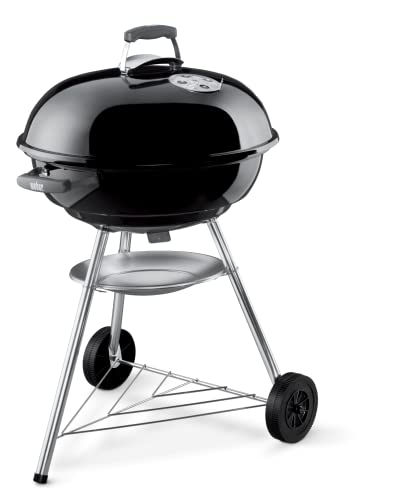
A ceramic kamado grill is a thick-walled, egg-shaped charcoal cooker in the style of the traditional Japanese kamado. The ceramic holds steady heat for hours, so one grill can sear, roast, bake and smoke. This list focuses on larger, full-size models that feed a family. At this size the stand, shelves and accessories matter almost as much as the ceramic body, so look at what is actually in the box.
The six kamados below come from well-known makers. We have not used these products ourselves, and we avoid exact figures. Sizes, bundles, stands and accessories vary by listing and year, so confirm the details on the current listing before buying. These cookers are heavy, so plan where it will sit.
As an Amazon Associate we earn from qualifying purchases. Links below are affiliate links, and they do not change the product information we give.
What to Look For
| Feature | Why it matters |
|---|---|
| Cooking area | Larger grates cook more at once but use more fuel |
| Ceramic quality | Thick, well-made ceramic holds heat and resists cracking |
| Airflow control | Precise vents make low-and-slow cooking steadier |
| Cart or stand | A stable base matters for a heavy dome |
| Accessories | Heat deflectors and racks open up more ways to cook |
In this guide
Specs at a Glance
| Kamado | Material | Size class | Notes |
|---|---|---|---|
| Kamado Joe Classic Joe | Ceramic | Full size | Cart with side shelves |
| Big Green Egg Large | Ceramic | Full size | Check the bundle on the listing |
| Vision Grills Professional S-Series | Ceramic | Full size | Cart style |
| Monolith Classic | Ceramic | Full size | Check the version |
| Primo Oval XL | Ceramic | Large | Oval shape |
| Louisiana Grills K22 | Ceramic | Mid to full | Check the model on the listing |
The 6 Best Ceramic Kamado Grills

Top pickBest for families who grill often
1. Kamado Joe Classic Joe
A full-size ceramic kamado known for its cart, side shelves and a hinge system meant to make the heavy dome easier to lift. Kamado Joe has several generations, so check which version the listing shows.
Suits: families who grill often. Strengths: a popular design and wide accessory support. Weaknesses: heavy and costly. Skip it if you only need a small grill.

Best for buyers who want a proven classic
2. Big Green Egg Large
The most common size of the original ceramic Egg, and one of the best-known kamados anywhere. It is usually sold through dealers, so Amazon availability and bundles may vary.
Suits: buyers who want a proven classic. Strengths: a deep accessory range. Weaknesses: a premium cost and heavy build. Skip it if you want an all-in-one cart.
View Big Green Egg Large on Amazon
Best for value-minded buyers
3. Vision Grills Professional S-Series
A full-size ceramic kamado with a cart and side tables. Vision Grills often aims at buyers who want ceramic features without the highest cost.
Suits: value-minded buyers. Strengths: a feature-rich package. Weaknesses: a smaller brand footprint. Skip it if you want a dealer network.
View Vision Grills Professional S-Series on Amazon
Best for serious ceramic fans
4. Monolith Classic
A German-engineered style of ceramic kamado that Monolith sells in a few sizes. The Classic is the main full-size model. Confirm the bundle and accessories on the listing.
Suits: serious ceramic fans. Strengths: a thoughtful build. Weaknesses: a premium cost. Skip it if you want a mass-market brand.
View Monolith Classic on Amazon

Best for cooks who want two-zone control
5. Primo Oval XL
Primo uses an oval design that lets you cook with two zones, direct heat on one side and indirect on the other. The XL is a large size in the Primo lineup.
Suits: cooks who want two-zone control. Strengths: an oval footprint with long grates. Weaknesses: heavy. Skip it if you prefer a round dome.


Best for budget-friendly ceramic shoppers
6. Louisiana Grills K22
A ceramic kamado from Louisiana Grills, a brand known for pellet cookers. It targets buyers who want ceramic cooking at a friendlier cost. Check the listing for size and what is included.
Suits: budget-friendly ceramic shoppers. Strengths: a simpler entry. Weaknesses: a smaller accessory range. Skip it if you want a long-standing ceramic brand.

Care and Setup
- Light a small fire and bring it up slowly to the target temperature.
- Shut the vents fully to snuff out the fire when done.
- Clean the ash from the firebox regularly.
- Check the gasket now and then.
- Keep a spare gasket and check it each season for wear.
- Choose a firm, level spot and a sturdy base before the first fire.
Mistakes to Avoid
- Overshooting the temperature, which is hard to bring back down.
- Lifting the lid in a rush when very hot.
- Using lighter fluid on lump charcoal.
- Leaving ash in the base to block airflow.
- Ignoring the weight of the grill when picking a spot.
- Using a lot of lighter fluid, which can taint the ceramic and the food.
How Ceramic Insulation Shapes Cooking
A kamado is thick-walled and insulated, so it holds temperature with little fuel and stays steady over long cooks. That property is why one cooker can handle both low-and-slow smoking and hot searing. The thick walls also mean the grill reacts slowly. When you open vents, the temperature changes gradually, and when you overshoot, it takes a while to come back down.
This slow response changes how you cook. Open the vents a little at a time and wait several minutes to see the effect. Many people aim for the target temperature slightly early and then close the vents down, since the ceramic continues to heat. Chasing the temperature with big vent changes usually ends in overshooting.
The sealed design uses less airflow than an open grill, so food tends to retain moisture. The trade-off is that a closed ceramic cooker punishes mistakes with sudden flare-ups if the lid is opened while the fire is hot and starved of air. Open the lid slowly, a crack at a time, to let air in gradually, an approach often called burping the lid.
Check the listing for gasket type, vent design and how the lid hinge manages the heavy top. Those parts decide how well the grill seals and how easy it is to lift the lid. A smooth hinge with a counterbalance makes daily use easier and lessens strain on the lid and base.
Airflow Control and Fire Management
Temperature on a kamado is controlled by air. A lower vent at the bottom admits air, and an upper vent or cap releases exhaust. More air feeds the fire and raises the heat, and less air lowers it. Learn what each vent position does by noting the settings that give your preferred temperatures, and write them down.
Build the fire so that it can burn evenly. Fill the firebox with fuel, clear ash from the bottom so air flows through, and place a small lit starter in the center or to one side, depending on the cook. For a long smoke, a fire that spreads slowly through the fuel gives hours of steady heat. Overfilling can restrict airflow, and underfilling can cut short a long cook.
Ash buildup is a common cause of poor performance. Remove the ash before each cook, using the tool the maker provides or a small scoop. Check the firebox for cracks and the grate for blocked holes.
- Light a small area, then let the fire grow.
- Stabilize at the target temperature before adding food.
- Avoid overshooting; ceramic is slow to cool.
- Close the vents fully to put the fire out when done.
Some models offer electronic temperature controllers as accessories. Whether you want one depends on how much you value hands-off cooking. Check the product listing for compatibility.
Accessories That Make a Kamado More Useful
A kamado is a platform, and accessories decide what it can do. The most important is a heat deflector, which sits between the fire and the food for indirect cooking such as baking, roasting and smoking. Check whether one comes with the grill or must be bought separately, since it differs by model.
A multi-level or extending grid system lets you cook at different distances from the fire and use more of the dome space. A cast iron grate retains heat and sears well, while a stainless grate cleans easily. A pizza stone suits baking, but stones should be heated gradually to reduce the risk of cracking.
A good thermometer is essential. The built-in dome gauge can drift or read differently from the grate level temperature, so a separate probe at grate level gives a better picture. A meat probe lets you monitor doneness without opening the lid.
A cover protects against rain and dirt. A side shelf gives you a place for tools and trays. A stand or cart should be rated for the weight of the grill, so check the manual.
Before adding anything, check compatibility with your model and size. Accessories are often sized for specific diameters, and an item for one size may not fit another. Choose a few that match how you cook and add others later, instead of buying a large bundle at the start.
Placement and Safety Around a Heavy Grill
A ceramic grill is heavy and its outer shell gets hot. Place it on a level, non-flammable surface such as concrete, pavers or a rated grill table, away from fences, eaves, overhanging branches and the house wall. Check the manual for clearances. Do not use it in a garage or enclosed space, since combustion produces carbon monoxide.
Plan the position before assembly. Moving a loaded ceramic cooker is hard, and the base is also fragile, so a dolly or a cart with locking casters helps. Lock the wheels when the grill is in use, and do not roll it while hot. Lift the ceramic parts with help, since two people lower the risk of a dropped dome.
Keep children and pets away from the grill during use and until it has cooled. The outside, the vents and the latch become hot enough to burn. Use heat-resistant gloves for the lid, grates and vents.
When you are finished, close the vents to starve the fire, and let the fuel burn out or die down before removing ash. Do not dump hot coals into a bin or onto dry ground. Put out embers properly according to the guidance for your area.
Ceramic can crack with sudden temperature shocks. Do not splash cold water on a hot grill, and avoid heating very quickly from cold. Raise the temperature gradually, particularly in cold weather.
Care, Cleaning and Spotting Wear
Ceramic cookers need less cleaning than many grills, but regular care extends life. After each cook, brush the grate, remove ash and check that the vents move freely. A periodic deeper clean involves emptying the firebox, wiping the interior and checking the gasket for gaps.
A high-heat burn can clear stuck-on residue from the grate and interior, but avoid harsh chemical cleaners inside, since the porous ceramic can absorb them and taint the food. Use mild soap and water on outside surfaces. Clean metal parts such as hinges and bands only with approved methods, and check the manual.
The gasket seals the lid and keeps airflow controlled. If it looks flattened, burnt or missing in places, the grill can leak air, making temperature control difficult. Replacement gaskets are normally available from the maker, so check the model.
Look at the metal band hardware and hinge from time to time. A loose band can let the lid sit unevenly, and a worn hinge may fail to hold the lid open. Tighten hardware following the manual.
Small surface hairline cracks in the glaze may occur, but a structural crack in the dome or firebox is a reason to stop using the grill and contact the maker, as warranty coverage differs by brand. Ask about warranty terms before buying, because replacement of heavy ceramic parts is a major point in this category.
A Delivery and Setup Checklist for a Ceramic Kamado
Ceramic grills are heavy and breakable, so a bit of preparation before the truck arrives goes a long way. Work through this list in advance.
- Measure the path from the delivery point to the final spot, including steps, gates and door widths.
- Choose a flat, stable, non-combustible surface with plenty of clearance on every side.
- Line up helpers for lifting, since the dome and base are heavy.
- Inspect the box on arrival and note any damage before the carrier leaves.
- Read the maker’s instructions for assembly, the gasket and the hinge before you open the pieces.
- Decide where you will keep lump charcoal, tools and a cover, away from rain and damp.
Photographs of any damage, taken straight away, make it simpler to settle a claim with the seller or the carrier.
Comparing Cart, Nest and Built-In Placement
How the grill sits affects safety, comfort and how easily you can use it.
| Placement | Appeal | Consider |
|---|---|---|
| On a cart with wheels | Easy to reposition and keep close to the house | Lock the wheels in place while cooking |
| In a nest or stand | Stable and sits at a natural height | Check the nest is made for your grill model |
| In a built-in island | Looks tidy and gives extra work space | Needs correct clearances and a professional builder familiar with the maker’s rules |
Do not build a ceramic grill into a combustible structure unless the maker explicitly allows it.
Understanding the Gasket, the Hinge and the Vents
Three parts do most of the quiet work on a kamado. The felt or fiber gasket seals the dome to the base so air enters only where you intend it to, the hinge holds the heavy dome steady as you lift it, and the top and bottom vents control airflow. Wear on any of these shows up as leaks, a loose dome or difficulty holding a steady temperature. The manual explains how to inspect and replace each part, and many makers sell kits for them.
Handle the dome slowly and with care. A sudden drop or a knock can chip ceramic, and a hot grill should not be moved. Let it cool fully before any adjustments or cleaning.
Seasonal Care and Storage Notes
Use a fitted cover to keep water out when the grill is not in use, and make sure the grill is completely cool before covering it. After long periods of damp weather, check the gasket and the vents for moisture or debris. Clear ash as the maker describes. If you notice cracks in the ceramic, a loose band or a wobbling stand, stop using it and contact the manufacturer for guidance.
Reading a Ceramic Grill Listing
Ceramic cookers are described in similar language, so learn to separate the facts from the flourish. Begin with the cooking grate diameter, since it sets the real limit on what you can cook at once. A listing may also quote a total cooking area that includes a second tier, so look for the number that applies to the main grate.
Next, check the weight. It is not just a curiosity, because it tells you how many people you will need for assembly and how sturdy a stand has to be. Look at the stand or cart description and see whether it is included. If it is sold separately, the listing should make that obvious.
Look at the details of the lid. Hinge design, vent type and whether the dome includes a built-in thermometer all shape daily use. A good listing explains how air enters and leaves the grill, and it shows clear images of the vents.
Read the list of accessories. Heat deflectors, ash tools, fire rings and grates may come in the box, or they may be extras. Knowing which are included keeps you from placing a second order after the first one arrives.
Finally, scan the warranty description. Ceramic parts, metal hardware and gaskets may each carry different coverage, so take a moment to see which are covered and which count as normal wear.
Ceramic Kamado Grill FAQ
Why are kamados so heavy?
Thick ceramic walls hold heat, and that weight is part of how they work.
Is lump charcoal required?
Lump is the common choice, but check the maker’s guidance.
Can I use one in winter?
Ceramic holds heat in cold weather, which many owners like.
How do I choose a size?
Think about how many people you cook for and how much space you have.
How long does a kamado take to heat up?
It varies by model, fuel amount and weather, but ceramic heats more slowly than a typical gas grill. Allow extra time and bring the temperature up gradually. Check the maker's guidance.
Can I grill burgers and smoke brisket on the same kamado?
Yes, that is the appeal of the design. High-heat direct grilling and low indirect smoking use different vent settings and setup. A deflector is needed for indirect cooks.
How do I keep the fire going on a long cook?
Fill the firebox with enough fuel for the planned time, clear ash before starting, and keep the vents set to a steady position. Do not open the lid more than needed. Check the fire level before long overnight cooks.
Does a kamado need to be assembled?
Many arrive partially assembled, but you will usually need to attach the stand, hinges or shelves. Heavy ceramic parts need two people. Follow the manual.
Why is my temperature climbing past the target?
Ceramic holds heat, so it overshoots if the vents are open too far for too long. Close the vents partway earlier, and wait. It will take time to settle back.
Can I leave a kamado outside year-round?
Many people do, with a cover, but check the manufacturer's advice. Protect from water getting into the firebox and from freeze damage. Keep the lid and vents closed and dry when not in use.
What should I ask before buying a kamado?
Ask what accessories are included, what the warranty covers, whether replacement parts are available, and what the full assembled weight is. Also check delivery arrangements for heavy items.
Choosing Ceramic Kamado Grills With a Clearer Eye: The Criteria That Actually Matter
Listings for ceramic kamado grills tend to lead with the headline feature, but the choice you live with is decided by quieter details: how the unit fits your space, how it behaves on an ordinary weekday, and how much effort it asks from you after the cooking is done. Start by writing down the job you need done most often. A household cooking the same favourite meals every week needs something different from a household that experiments at weekends, and both need something different from someone buying for a second home, a rental or a gift. When the main job is clear, the rest of the comparison becomes much simpler, because features that do not serve that job can be ignored instead of paid for in money, space and upkeep.
Next, measure before you fall in love with a model. Measure the patio or outdoor cooking area, the access route to it, and the working room you need around it, then compare those figures with the dimensions on the listing and in the manual. Pay attention to fuel supply, connections and ignition, because a model that fits the gap but cannot be connected, vented or used as the maker intends is not a fit at all. Photographs on a listing can make almost anything look compact or spacious; your own tape measure is the only version of the truth that matters on delivery day.
Finally, judge the everyday details: how the controls feel and read, how the parts you touch daily are made, what is included in the box, and whether replacement parts and accessories are easy to find. Read the description of each pick in this guide again with those questions in mind. The right choice among ceramic kamado grills is rarely the one with the longest feature list; it is the one whose size, controls and care routine match the way your household actually cooks, week after week.
Matching the Picks to Real Households and Real Routines
It helps to picture a week of use rather than a single special occasion. The scenarios below follow the descriptions already given for each pick in this guide, so you can line your own routine up against them and see which profile sounds most like your home.
Kamado Joe Classic Joe. This pick is presented above as suiting families who grill often, with a popular design and wide accessory support as its noted strength. Picture it in a household that matches that description and it makes immediate sense: the strength is the thing you will benefit from every time you cook, not just on the first weekend. Keep the honest limitation in view as well, because the guide notes heavy and costly. If your routine leans heavily on exactly the thing it does less well, look again at the neighbouring picks before deciding, and remember the guide’s own steer that it is one to skip if you only need a small grill.
Big Green Egg Large. This pick is presented above as suiting buyers who want a proven classic, with a deep accessory range as its noted strength. Picture it in a household that matches that description and it makes immediate sense: the strength is the thing you will benefit from every time you cook, not just on the first weekend. Keep the honest limitation in view as well, because the guide notes a premium cost and heavy build. If your routine leans heavily on exactly the thing it does less well, look again at the neighbouring picks before deciding, and remember the guide’s own steer that it is one to skip if you want an all-in-one cart.
Vision Grills Professional S-Series. This pick is presented above as suiting value-minded buyers, with a feature-rich package as its noted strength. Picture it in a household that matches that description and it makes immediate sense: the strength is the thing you will benefit from every time you cook, not just on the first weekend. Keep the honest limitation in view as well, because the guide notes a smaller brand footprint. If your routine leans heavily on exactly the thing it does less well, look again at the neighbouring picks before deciding, and remember the guide’s own steer that it is one to skip if you want a dealer network.
Monolith Classic. This pick is presented above as suiting serious ceramic fans, with a thoughtful build as its noted strength. Picture it in a household that matches that description and it makes immediate sense: the strength is the thing you will benefit from every time you cook, not just on the first weekend. Keep the honest limitation in view as well, because the guide notes a premium cost. If your routine leans heavily on exactly the thing it does less well, look again at the neighbouring picks before deciding, and remember the guide’s own steer that it is one to skip if you want a mass-market brand.
Primo Oval XL. This pick is presented above as suiting cooks who want two-zone control, with an oval footprint with long grates as its noted strength. Picture it in a household that matches that description and it makes immediate sense: the strength is the thing you will benefit from every time you cook, not just on the first weekend. Keep the honest limitation in view as well, because the guide notes heavy. If your routine leans heavily on exactly the thing it does less well, look again at the neighbouring picks before deciding, and remember the guide’s own steer that it is one to skip if you prefer a round dome.
Louisiana Grills K22. This pick is presented above as suiting budget-friendly ceramic shoppers, with a simpler entry as its noted strength. Picture it in a household that matches that description and it makes immediate sense: the strength is the thing you will benefit from every time you cook, not just on the first weekend. Keep the honest limitation in view as well, because the guide notes a smaller accessory range. If your routine leans heavily on exactly the thing it does less well, look again at the neighbouring picks before deciding, and remember the guide’s own steer that it is one to skip if you want a long-standing ceramic brand.
Notice how the picks divide the work between them. Some are aimed at smaller households and tighter spaces, some at larger groups and heavier use, and some at buyers who simply want the least complicated route to a good result. There is no single winner for every home, and that spread is deliberate: choosing well means matching the profile to your household, not picking the name you recognise first.
Setup, Placement and the First Week
Good results with any grill or smoker start before the first meal. Setup means assembling it on a level surface, checking every fuel connection for leaks or damage, confirming clearances from walls, fences and overhangs, and running it empty the first time if the manual recommends a burn-in. None of that is glamorous, but each step prevents a common disappointment: a unit that rocks, a door that will not seal, a control that behaves oddly, or a first cook spoiled by packaging or residue that should have been dealt with beforehand. Keep the manual open during setup rather than relying on habit, because models that look alike often differ in one important instruction.
Placement deserves the same care. Think about where heat, steam, smoke or splashes will travel, what surfaces sit nearby, and whether you can move around the unit safely while carrying hot or heavy food. Think, too, about the unglamorous logistics: where ingredients and tools will wait, where finished food will land, and where you will put hot parts down. A cooking area that works on paper but forces you to cross a busy room with a full, hot load will annoy you every single time you use it.
Use the first week as a gentle trial rather than a test of limits. Cook familiar food, learn how the controls respond, and note anything that surprises you: uneven results, noises, smells from new materials, or parts that feel loose. Check fixings and connections again after the first few uses, because vibration and heat cycles can settle things. If something seems wrong, stop and consult the manual or the maker while the purchase is new, rather than adapting your cooking around a fault.
Everyday Technique: Getting More From the Same Equipment
Technique matters as much as the model you choose. In practice, good everyday use of a grill or smoker means preheating fully, cooking in zones rather than crowding one area, keeping the lid in the position the recipe needs, and letting the unit cool safely before you cover or move it. Those habits sound simple, yet they are where most disappointing results are born: food crowded so it steams instead of browning, equipment used before it is ready, or settings chosen by habit rather than by the food in front of you. Slow down the first minute of any cook and the rest usually follows.
Build a small rotation of reliable meals before you chase ambitious ones. When you know exactly how a familiar dish behaves, you can judge the equipment fairly and adjust one variable at a time: a different position, a little more or less time, a different order of cooking. Keep brief notes, even just on your phone, naming the dish, the setting and the result. After a month those notes are a personal manual that no general guide can match, because they describe your unit, your ingredients and your tastes.
Also plan the cook around the people eating. Work backwards from serving time, allow for resting and for the side dishes, and keep finished food somewhere sensible rather than rushing everything to finish at once. The cooks who seem effortlessly good with equipment like this are rarely doing anything mysterious; they have simply arranged the sequence so that the unit is never the bottleneck and nothing waits long enough to spoil.
Cleaning, Care and Storage That Keep It Working Well
Care is where ownership is won or lost, and for a grill or smoker the routine centres on grates, drip areas, burners or firebox and the exterior. Let everything cool to a safe point first, then clean while residue is still fresh enough to lift easily. Follow the manual on which parts can be immersed, which cleaners are safe and which tools to avoid, because coatings, seals and sensors vary and the wrong scourer or spray can do quiet, permanent damage. A soft cloth, mild soapy water and patience cover most of what everyday cleaning requires.
Make the routine small enough to actually happen. A quick wipe and empty after each use, a slightly deeper clean on a regular rhythm, and a periodic check of the parts that wear, block or perish will prevent the slow build-up that turns a pleasant appliance into a chore. While you clean, look at the equipment as well as at the dirt: seals that are cracking, surfaces that are changing, fixings that have loosened and vents that are clogging all announce themselves early to anyone who is paying attention.
Storage matters too. Keep the unit covered, dry and disconnected from its fuel source where the manual advises it. If it will sit unused for a long period, clean it thoroughly first, because old residue attracts smells and pests and hardens into a much bigger job. Store any removable parts and accessories together with the unit, and keep the manual with it or photographed on your phone, so the next person to set it up is not guessing.
Problems, Causes and Fixes Worth Knowing
Most problems with equipment in this category follow a pattern: the result disappoints, and the cause turns out to be preparation, loading or timing rather than a broken machine. Before concluding that a grill or smoker is faulty, repeat the cook with the basics corrected: the right preparation, sensible spacing, the setting the recipe or manual actually specifies, and enough patience to let the process finish. A surprising number of faults disappear at that point, and the ones that remain are much easier to describe accurately to the maker.
Keep a simple order of checks. Is the unit set up as the manual describes, with every part seated and every supply properly connected? Is it clean in the places that affect performance? Are you asking it to handle more, larger or wetter food than it is meant to? Work through those questions in order, change one thing at a time, and note the result. Random changes teach you nothing and can turn one small issue into several confusing ones.
Know, too, when to stop troubleshooting. Burning smells from electrical parts, damaged cords or connections, doors or lids that will not close and seal properly, fuel smells you cannot explain, and any sparking or smoke from places that should not smoke are all stop-and-seek-help signals. Unplug, switch off or disconnect as the manual directs and contact the maker or a qualified professional. No meal is worth pressing on with equipment that is telling you something is wrong.
How the Picks Compare, Side by Side
The table below restates the positioning already given for each pick in this guide, gathered in one place so the trade-offs are easy to scan. It adds no new claims; it simply lines up who each pick suits and what it does best, which is the comparison most buyers actually need.
| Pick | Suits | Strengths | Honest limitation |
|---|---|---|---|
| Kamado Joe Classic Joe | Families who grill often | A popular design and wide accessory support | Heavy and costly |
| Big Green Egg Large | Buyers who want a proven classic | A deep accessory range | A premium cost and heavy build |
| Vision Grills Professional S-Series | Value-minded buyers | A feature-rich package | A smaller brand footprint |
| Monolith Classic | Serious ceramic fans | A thoughtful build | A premium cost |
| Primo Oval XL | Cooks who want two-zone control | An oval footprint with long grates | Heavy |
| Louisiana Grills K22 | Budget-friendly ceramic shoppers | A simpler entry | A smaller accessory range |
Read the table by elimination. Cross out any pick whose limitation collides with your most common cook, then compare what remains on the strength that matters most to you. If two picks still look equal, decide on the practicalities: the one that fits your space better, includes what you need in the box, or has the care routine you are most likely to keep. Those everyday factors separate near-equal products far more reliably than any headline feature.
Living With It: Costs, Parts and Knowing When to Replace
The purchase is only the first part of ownership. Over its life a grill or smoker asks for consumables, occasional replacement parts and a little of your time, and the picks in this guide differ in how easy those things are to find and fit. Before buying, check that the parts most likely to wear are available for the model you are considering, and keep the model details from your order somewhere safe. A photograph of the nameplate or box label, plus the order confirmation, makes any future conversation with a seller or maker far shorter.
Judge value across the whole period you expect to keep it. A model that suits your routine, cleans easily and has parts available will usually serve you better than a more elaborate one that fights your habits. Equally, replacing a worn part promptly is often the sensible middle path between struggling on and replacing the whole unit: if the body, controls and core function are sound, a fresh wear part can restore the performance you were missing.
Replacement time comes when repairs stop making sense: when the core function has degraded, when safety-related parts are involved, when parts are no longer available, or when your household has simply outgrown the size or style. When that day comes, this same process applies: define the job, measure the space, compare the current picks on the criteria above, and let your notes from the old unit tell you what to prioritise. Experience is the best buying guide there is, and by then you will have plenty of it.
One more check that saves real regret: read the listing photographs as carefully as the description. Photographs show what is actually included, the shape of the controls, the finish of the parts you will handle daily and sometimes accessories that the text mentions only in passing. Compare the photographs with the written list of what is in the box, and if the two disagree, ask the seller before ordering rather than assuming the more generous version is correct. Small mismatches discovered at checkout are trivial; the same mismatch discovered on your counter, with the old equipment already gone, is a genuine problem.
Think about who else will use the equipment, not just who is buying it. A partner, a teenager learning to cook, an older parent or a housemate will each approach the controls differently, and the best choice is one that everyone in the home can use confidently and safely. Clear markings, positive-feeling controls and a manual that explains things plainly matter more in a shared kitchen than in a solo one. If one person will do all the cooking, weight your own habits; if the work is shared, weight clarity and forgiveness, because equipment that only one person understands tends to be used by only one person.
Consider the noise, heat and smells a purchase brings into the home, because listings rarely dwell on them. Equipment that heats a small kitchen in summer, hums through an open-plan living space or holds cooking smells in soft furnishings changes how a home feels, not just how dinner turns out. None of that makes a product good or bad, but it does mean the right home for a given model depends on the building as well as the cook. Where you can, plan ventilation, placement and timing of big cooks around the comfort of the household, not only around the recipe.
More Questions Buyers Ask About Ceramic Kamado Grills
How do I know if a model is too big for my space?
Measure the spot first, including room to stand, open the lid and move around safely, then compare those measurements with the footprint on the listing. A slightly smaller unit you can use comfortably almost always serves you better than the largest one that technically fits.
What should I check in the first week of ownership?
Work through the manual, test the ignition or heat-up routine, look for uneven heating with a simple cook, and check that every control, hinge and wheel or leg feels solid. Finding a loose part or a confusing control in week one is far easier to sort out than discovering it mid-cookout.
How do I keep results consistent from one cook to the next?
Keep notes on what you cooked, the settings you used and how the weather behaved, because wind and cold change how outdoor equipment performs. Repeat the same routine a few times before changing several things at once, so you can tell which change actually made the difference.
When is it worth paying for a heavier build?
A heavier build tends to reward people who cook often, cook in poor weather or plan to keep the same unit for many seasons. If you cook a few times a year and store the unit carefully, the practical gap may feel smaller than the difference in effort and cost suggests.
What accessories are genuinely useful at the start?
Start with the basics that protect the unit and make cooking safer and easier: a cover that fits, tools long enough for the heat, a reliable thermometer and cleaning tools suited to the surfaces. Add specialised extras only after your first cooks show you what you actually miss.
How should I handle a problem straight after delivery?
Photograph any damage before assembly, keep the packaging until you are sure everything is present and correct, and contact the seller or maker promptly with the model details from the listing. Do not modify parts to make them fit, because that can complicate a straightforward replacement.
The Short Version
For a popular cart, the Kamado Joe Classic Joe. For a proven classic, the Big Green Egg Large. For a feature-rich value, the Vision Grills. For a thoughtful build, the Monolith. For two-zone cooking, the Primo. For a budget-friendly entry, the Louisiana Grills. Whichever you choose, plan your accessories early, since deflectors, racks and stands are where costs add up.