Disclosure: As an Amazon Associate, airfryerkitchensupply.com earns from qualifying purchases. Links on this page are affiliate links; they cost you nothing extra. Prices and availability change often, so check the current Amazon listing before you buy.
Weighing electric smoker pros and cons honestly is the fastest way to avoid both disappointment and missed opportunity. Electric smokers are neither a shortcut that ruins barbecue nor a miracle that replaces fire; they are a specific tool with clear strengths in consistency and convenience, and clear limits in smoke intensity, high heat and skin texture. This balanced assessment works through the advantages and disadvantages in detail, explains what the trade offs mean for different households, and covers the safety duties that come with ownership.
Key Takeaways
- Electric smokers trade live fire drama for steady, repeatable low and slow cooking that fits busy households.
- Use every electric smoker outdoors only in open air; carbon monoxide, grease and electrical safety shape every good session.
- Wood choice, probe based doneness and patient resting matter more than chasing constant visible smoke.
- Size the cabinet to the largest food you cook often, and judge cleaning access before headline capacity.
- Confirm the exact version before buying.
In this guide
Electric Smoker Pros and Cons: The Quick Verdict
More smoke is not always better smoke. A common beginner mistake is to keep adding chips whenever the visible smoke thins, chasing a constant white plume. In practice, thin, steady smoke over the early part of the cook does most of the flavour work, because raw meat takes on smoke most readily while it is cool and moist at the surface. Oversmoking pushes food toward a bitter, ashy edge, so a measured hand with chips usually beats a heavy one.
Smoke flavour from an electric smoker is real but gentler than the flavour from a charcoal or offset fire, and understanding why helps you set expectations. The heating element keeps wood chips smouldering at a controlled pace rather than blazing, so the smoke is clean and steady instead of thick and acrid. Most owners describe the result as a rounded, approachable smoke that suits poultry, fish, ribs and cheese especially well, while competition style bark and deep smoke ring drama belong more to live fire cookers.
Wood choice shapes flavour more than any gadget. Fruit woods such as apple and cherry give a mild, slightly sweet smoke that flatters poultry, pork and salmon. Hickory brings the classic bacon like depth that many people picture with ribs and pulled pork. Mesquite is assertive and can overwhelm delicate food if you use it for a whole long cook, so many cooks blend it or reserve it for shorter sessions. Oak sits in the middle and works across almost everything, which makes it a sensible first bag to buy.
Start With Forgiving Foods
Begin with chicken pieces, salmon or a pork shoulder rather than an expensive brisket. Forgiving foods teach you your cabinet, your wood preferences and your timing without punishing small mistakes, and early wins build the confidence that carries you into longer, more demanding cooks.
Keep Notes From the First Cook
Write down the wood, the weather, the load, the set temperature behaviour and what you would change. Electric smokers are consistent enough that notes actually transfer between sessions, which is one of their quiet superpowers compared with a fire you rebuild from scratch each time.
The Pros in Detail
Resting and slicing are part of the craft, not an afterthought. Large cuts need a rest so juices redistribute, and slicing against the grain at the right thickness changes tenderness as much as the cook itself. Pulled meats need time for flavours to settle after shredding and seasoning. An electric smoker gives you a gentle cook; the final quality still depends on these quiet finishing steps that no appliance can do for you.
Time estimates in recipes are guides, not promises. Two briskets of the same weight can finish hours apart because thickness, fat, starting temperature and cabinet loading all matter. The famous stall, where internal temperature pauses for a long stretch as moisture evaporates, is normal and not a malfunction. Cooks who understand the stall stay calm, hold temperature steady, and decide about wrapping based on bark and tenderness rather than panic.
Keep a small kit of supporting tools rather than chasing gadgets. A dependable instant read thermometer and a leave in probe, long tongs, heat resistant gloves, sturdy trays for carrying food, foil or butcher paper for wrapping, a spray bottle for moisture on some cooks, and a notebook cover ninety percent of real needs. Add accessories only when a repeated problem asks for one, and store the kit together so a cook day starts smoothly.
Check the Grease Path Every Time
Before every cook, confirm the drip tray is clean and seated, the grease path is clear and the water pan is fresh. Five minutes of checking prevents the smoke taint, flare risk and unpleasant smells that come from old grease meeting hours of heat.
Trust the Probe, Not the Clock
Place a probe in the thickest part of the food, away from bone, and let temperature and tenderness guide you. Recipes give ranges because real food varies, and the cooks who internalise this stop serving underdone or dried out results far sooner than clock watchers.
Pro: Steady Temperature Without Fire Tending
Digital controls, timers and meat probe inputs add convenience, and app connected models add remote monitoring on some versions. None of that changes the fundamentals: the food still needs the right wood, enough time and a cook who checks the probe rather than the clock. Treat electronics as a comfort feature, verify the exact features of the exact version you are buying, and remember that simpler dial controlled models have fewer things to go wrong after years outdoors.
Preheating and patience go together. Let the cabinet settle at your target temperature with the wood loaded before food goes in, so the first hour is stable rather than a climb. Resist opening the door to admire progress, because every look costs heat and time. Experienced electric smoker owners plan the cook so the door opens only for a reason: adding chips on models that need it, wrapping, rotating racks, or checking a probe reading near the end.
Temperature swings deserve honest discussion. Cabinet temperatures move up and down around the set point as the element cycles, and opening the door drops heat that takes time to recover. Cold wind, a full load of cold meat and a winter day all stretch recovery. A separate probe thermometer at rack level tells you what the food is actually experiencing, which is usually calmer and more useful information than the number on the door display alone.
Start With Forgiving Foods
Begin with chicken pieces, salmon or a pork shoulder rather than an expensive brisket. Forgiving foods teach you your cabinet, your wood preferences and your timing without punishing small mistakes, and early wins build the confidence that carries you into longer, more demanding cooks.
Keep Notes From the First Cook
Write down the wood, the weather, the load, the set temperature behaviour and what you would change. Electric smokers are consistent enough that notes actually transfer between sessions, which is one of their quiet superpowers compared with a fire you rebuild from scratch each time.
Pro: Approachable, Repeatable and Economical to Run
Poultry is where electric smokers quietly shine for weeknight cooks. The controlled temperature helps keep chicken and turkey moist, the mild smoke suits lighter meat, and the set and monitor routine fits around other tasks. Use a probe in the thickest part, follow official guidance for safe doneness, and remember that skin texture is the known trade off: low and slow cooking rarely gives crisp skin, so many cooks finish briefly with another high heat method or simply embrace tender, smoky skin as it is.
Ribs reward attention to texture over time. Whether you prefer a set glaze or a dry finish, the useful tests are bend, pull back and tenderness rather than a clock. Electric cabinets hold the gentle heat ribs love, and the steady environment makes repeatable results realistic for a home cook. Cook an extra rack when you have space, because leftover ribs reheat well and the marginal effort is small once the smoker is already running.
Vegetables, cheese, nuts and tofu all have a place in an electric smoker, and they broaden the value of owning one beyond meat days. Cold weather helps with delicate items that need smoke without much heat, and some models and accessories handle that better than others, so check your manual. Smoked vegetables for soups and salsas, nuts for gifts, and cheese for gatherings make the smoker a year round tool rather than a summer novelty.
Check the Grease Path Every Time
Before every cook, confirm the drip tray is clean and seated, the grease path is clear and the water pan is fresh. Five minutes of checking prevents the smoke taint, flare risk and unpleasant smells that come from old grease meeting hours of heat.
Trust the Probe, Not the Clock
Place a probe in the thickest part of the food, away from bone, and let temperature and tenderness guide you. Recipes give ranges because real food varies, and the cooks who internalise this stop serving underdone or dried out results far sooner than clock watchers.
The Cons in Detail
Weather changes electric smoking more than marketing suggests. Cold and wind pull heat from the cabinet, lengthen cooks and can widen temperature swings, while hot still days make holding low temperatures easy. Insulated cabinets cope better in winter, and positioning the smoker in a sheltered outdoor spot out of direct wind, while keeping full ventilation and safe clearances, helps in every season. Never solve weather problems by moving a running smoker into a garage or enclosed space.
Summer brings its own cautions. Food waiting to go on the smoker should stay refrigerated, not sit in the heat while the cabinet warms. Cooked food at a gathering needs the same care, with leftovers chilled promptly rather than grazing at outdoor temperature all afternoon. Shade for the cook matters too, because tending even an easy smoker in full sun for hours is tiring, and a tired cook makes sloppy safety decisions.
Rain and electricity are a poor mix. A passing light shower is different from cooking through a storm, and the safe answer is to follow the maker guidance, keep connections dry and protected, and postpone a cook when conditions are genuinely wet. Food can wait in the refrigerator; a damaged controller or a shock risk is not worth a schedule. Plan smoking days with the forecast in mind the way you would plan any outdoor cooking.
Start With Forgiving Foods
Begin with chicken pieces, salmon or a pork shoulder rather than an expensive brisket. Forgiving foods teach you your cabinet, your wood preferences and your timing without punishing small mistakes, and early wins build the confidence that carries you into longer, more demanding cooks.
Keep Notes From the First Cook
Write down the wood, the weather, the load, the set temperature behaviour and what you would change. Electric smokers are consistent enough that notes actually transfer between sessions, which is one of their quiet superpowers compared with a fire you rebuild from scratch each time.
Con: Milder Smoke and No High Heat Searing
More smoke is not always better smoke. A common beginner mistake is to keep adding chips whenever the visible smoke thins, chasing a constant white plume. In practice, thin, steady smoke over the early part of the cook does most of the flavour work, because raw meat takes on smoke most readily while it is cool and moist at the surface. Oversmoking pushes food toward a bitter, ashy edge, so a measured hand with chips usually beats a heavy one.
The smoke ring deserves a calm explanation. That pink band just under the surface is a chemical reaction involving gases from combustion, and electric smokers, which burn very little wood, often produce a faint ring or none at all. The ring is cosmetic. It does not carry flavour by itself, and plenty of delicious electric smoked brisket has no dramatic ring. Judge your results by tenderness, moisture and taste rather than by a colour band you mostly see in photographs.
Wood choice shapes flavour more than any gadget. Fruit woods such as apple and cherry give a mild, slightly sweet smoke that flatters poultry, pork and salmon. Hickory brings the classic bacon like depth that many people picture with ribs and pulled pork. Mesquite is assertive and can overwhelm delicate food if you use it for a whole long cook, so many cooks blend it or reserve it for shorter sessions. Oak sits in the middle and works across almost everything, which makes it a sensible first bag to buy.
Flavour Expectations Decide Satisfaction
Most dissatisfaction traces back to one expectation: charcoal intensity from an electric appliance. If your reference point is a favourite barbecue joint running wood fires, an electric cabinet will taste gentler. If your reference point is oven roasted meat, the same cabinet tastes wonderfully smoky. Neither reaction is wrong; they are different baselines, and knowing yours before buying prevents the commonest form of buyer regret.
Workarounds Have Limits
Owners try stronger woods, longer smoke exposure and finishing moves on a grill to chase intensity or crisp skin. Some of that helps at the margins, and finishing poultry briefly with high heat is a legitimate technique. But no accessory turns an electric cabinet into an offset pit or a searing grill, and honest acceptance of the category limits leads to better food and happier owners.
What the Trade-Offs Mean for You
Do not forget the space the smoker needs when it is not cooking. Electric smokers live outdoors or in a shed or garage for storage only, never for cooking, and a cover, a dry corner and room to open the door fully all belong in the plan. Measure your storage spot and your cooking spot, check that the door swing clears rails and furniture, and picture carrying a hot, loaded rack across the space before you commit to a layout.
Vertical cabinet smokers use space efficiently because racks stack. That suits batch cooking, jerky, sausages and feeding a crowd from a small patio footprint. The trade off is that heat and smoke are not perfectly even from bottom to top, so rotating racks partway through a long cook is a normal habit rather than a sign of a faulty unit. Leaving a little space around each item matters more than filling every gap.
Capacity is best thought about in terms of the largest single item you cook, not the total weight a maker advertises. A whole packer brisket or a full rack of ribs needs length and clearance more than it needs another shelf. Measure the foods you actually plan to cook, check rack dimensions rather than headline volume, and remember that crowding racks tightly blocks smoke and heat circulation, which leads to uneven cooking and longer times.
Start With Forgiving Foods
Begin with chicken pieces, salmon or a pork shoulder rather than an expensive brisket. Forgiving foods teach you your cabinet, your wood preferences and your timing without punishing small mistakes, and early wins build the confidence that carries you into longer, more demanding cooks.
Keep Notes From the First Cook
Write down the wood, the weather, the load, the set temperature behaviour and what you would change. Electric smokers are consistent enough that notes actually transfer between sessions, which is one of their quiet superpowers compared with a fire you rebuild from scratch each time.
Setup and Care That Reduce the Cons
Protect the electrical parts while you clean. Keep water away from the heating element connections, control panel and plug, use damp cloths rather than hosing the interior, and follow the maker guidance for your model. Store the smoker dry, covered, and with the door slightly managed according to the manual so the interior does not trap moisture. A smoker that is stored clean is a smoker you will actually use on a free Saturday.
Seasoning and build up are different things. A light, dry seasoning layer on interior walls is normal and many owners leave it alone, but pooled grease, flaking residue and mould are not seasoning. If a smoker has sat unused in damp weather, inspect it before cooking, clean anything questionable, and run it empty outdoors to dry and freshen the interior before food goes in. Food should never share space with mould or old standing grease.
Cleaning an electric smoker is a rhythm, not a project, if you do a little after every cook. Once the unit is cool and unplugged, remove racks and wash them or soak them, empty the water pan, clear ash and spent chips from the chip tray, and wipe or empty the drip tray and grease path completely. That short routine prevents the rancid grease smells and the grease fire risk that come from letting residue build up over a season.
Check the Grease Path Every Time
Before every cook, confirm the drip tray is clean and seated, the grease path is clear and the water pan is fresh. Five minutes of checking prevents the smoke taint, flare risk and unpleasant smells that come from old grease meeting hours of heat.
Trust the Probe, Not the Clock
Place a probe in the thickest part of the food, away from bone, and let temperature and tenderness guide you. Recipes give ranges because real food varies, and the cooks who internalise this stop serving underdone or dried out results far sooner than clock watchers.
Models Worth a Closer Look
The shortlist below names real, widely sold model families so you can compare loading style, footprint and control type. Treat each entry as a starting point for checking the current listing, not as a promise about a specific model year.
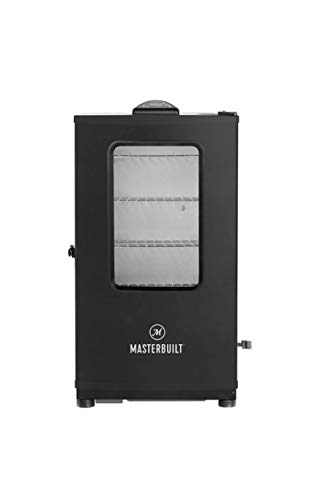
Masterbuilt Digital Electric Smoker
The Masterbuilt Digital Electric Smoker is a pick in this guide, presented by tier and fit rather than by linked listing. In practical terms it offers a widely chosen cabinet-style model family known for digital controls, a side wood chip loading system on many versions, and a layout that suits brisket, ribs and whole birds without constant tending. Judge it on rack dimensions, chip loading style, insulation, control type and how easy the drip tray and grease path are to clean, because those details decide daily satisfaction more than headline claims. Best for: cooks whose habits match that description and who value its particular loading and control style. Not suited for: buyers who need high heat searing, very large single cuts beyond its rack size, or a cooker that can also grill. Check price on Amazon for the current listing of the exact version before you decide, and confirm dimensions and features on that listing because model years vary.

Char-Broil Deluxe Digital Electric Smoker
The Char-Broil Deluxe Digital Electric Smoker is a pick in this guide, presented by tier and fit rather than by linked listing. In practical terms it offers a cabinet option often shortlisted for its insulated body, glass door on many versions, and a control style that feels familiar to anyone who has used a countertop appliance. Judge it on rack dimensions, chip loading style, insulation, control type and how easy the drip tray and grease path are to clean, because those details decide daily satisfaction more than headline claims. Best for: cooks whose habits match that description and who value its particular loading and control style. Not suited for: buyers who need high heat searing, very large single cuts beyond its rack size, or a cooker that can also grill. Check price on Amazon for the current listing of the exact version before you decide, and confirm dimensions and features on that listing because model years vary.

Bradley Digital Electric Smoker
The Bradley Digital Electric Smoker is a pick in this guide, presented by tier and fit rather than by linked listing. In practical terms it offers a distinctive design that feeds compressed wood bisquettes automatically, which appeals to cooks who want long, steady smoke with very few chip refills during a session. Judge it on rack dimensions, chip loading style, insulation, control type and how easy the drip tray and grease path are to clean, because those details decide daily satisfaction more than headline claims. Best for: cooks whose habits match that description and who value its particular loading and control style. Not suited for: buyers who need high heat searing, very large single cuts beyond its rack size, or a cooker that can also grill. Check price on Amazon for the current listing of the exact version before you decide, and confirm dimensions and features on that listing because model years vary.
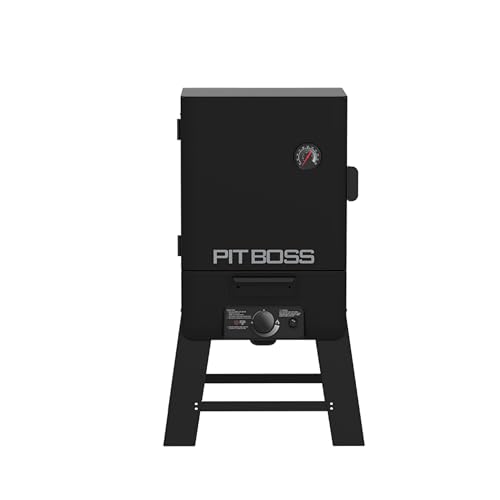
Pit Boss Electric Smoker
The Pit Boss Electric Smoker is a pick in this guide, presented by tier and fit rather than by linked listing. In practical terms it offers a value-leaning cabinet family from a brand better known for pellet grills, often considered by buyers who want generous rack space and simple dial or digital control depending on version. Judge it on rack dimensions, chip loading style, insulation, control type and how easy the drip tray and grease path are to clean, because those details decide daily satisfaction more than headline claims. Best for: cooks whose habits match that description and who value its particular loading and control style. Not suited for: buyers who need high heat searing, very large single cuts beyond its rack size, or a cooker that can also grill. Check price on Amazon for the current listing of the exact version before you decide, and confirm dimensions and features on that listing because model years vary.

Cuisinart Electric Smoker
The Cuisinart Electric Smoker is a pick in this guide, presented by tier and fit rather than by linked listing. In practical terms it offers a compact option from a kitchen-focused brand, often looked at by smaller households and by cooks with limited patio space who still want true low and slow results. Judge it on rack dimensions, chip loading style, insulation, control type and how easy the drip tray and grease path are to clean, because those details decide daily satisfaction more than headline claims. Best for: cooks whose habits match that description and who value its particular loading and control style. Not suited for: buyers who need high heat searing, very large single cuts beyond its rack size, or a cooker that can also grill. Check price on Amazon for the current listing of the exact version before you decide, and confirm dimensions and features on that listing because model years vary.
Safety Comes First: Outdoor Use, Grease and Food Safety
Use an electric smoker outdoors only, in open air with plenty of ventilation. Burning wood chips produce carbon monoxide, an odourless gas that can build up dangerously in enclosed spaces, so never run a smoker inside a house, inside a garage, on an enclosed balcony, under a sealed porch roof, or in any space where smoke and exhaust cannot disperse freely. If wind pushes smoke toward open windows or a neighbour, reposition the unit before food goes on rather than hoping the breeze changes.
Keep clear space around the smoker on every side and above it, well away from siding, fences, deck rails, overhanging branches, stored firewood, fuel containers and anything else that can catch fire. Set the unit on a stable, level, non-combustible surface, keep children and pets back while it runs, and never leave a lit smoker completely unattended for long stretches, even though electric models need less tending than a charcoal fire.
Grease is the most underestimated hazard in smoking. Fat renders for hours and collects in drip trays and on interior surfaces, and accumulated grease can ignite into a grease fire. Empty and clean the drip tray and grease management parts after every cook once the unit has cooled, line trays where the maker allows it, trim excess surface fat, and never pour water into burning grease. Keep the smoker unplugged and fully cool before any deep cleaning.
Treat food safety with the same seriousness as fire safety. Keep raw meat refrigerated until it goes on, avoid leaving food sitting out in warm weather, use separate tools and boards for raw and cooked meat, and judge doneness with a reliable meat probe thermometer placed in the thickest part of the food rather than by colour or by time alone. Follow current official food safety guidance for the safe internal temperature of each meat, rest food as directed, and refrigerate leftovers promptly.
Respect the electrical side. Plug the smoker directly into a suitable outdoor outlet protected by ground fault circuit interrupter protection, use only an outdoor rated extension lead of adequate gauge if one is truly needed, keep connections off wet ground and away from standing water, and never run a smoker in rain unless the maker explicitly allows it. Inspect the cord before each season, stop using a unit with a damaged cord or plug, and route cables where nobody will trip over them.
Going Deeper: Detail That Separates Good Sessions From Great Ones
Smoke flavour from an electric smoker is real but gentler than the flavour from a charcoal or offset fire, and understanding why helps you set expectations. The heating element keeps wood chips smouldering at a controlled pace rather than blazing, so the smoke is clean and steady instead of thick and acrid. Most owners describe the result as a rounded, approachable smoke that suits poultry, fish, ribs and cheese especially well, while competition style bark and deep smoke ring drama belong more to live fire cookers.
Put that idea to work deliberately on your next cook. Change one variable at a time, note the wood, the weather, the load and the result, and give the food a proper rest before judging it. Small, recorded experiments compound quickly with an electric smoker because the temperature side is already steady, so differences you taste are much more likely to come from the choice you actually changed.
Going Deeper: Detail That Separates Good Sessions From Great Ones
Wood choice shapes flavour more than any gadget. Fruit woods such as apple and cherry give a mild, slightly sweet smoke that flatters poultry, pork and salmon. Hickory brings the classic bacon like depth that many people picture with ribs and pulled pork. Mesquite is assertive and can overwhelm delicate food if you use it for a whole long cook, so many cooks blend it or reserve it for shorter sessions. Oak sits in the middle and works across almost everything, which makes it a sensible first bag to buy.
Put that idea to work deliberately on your next cook. Change one variable at a time, note the wood, the weather, the load and the result, and give the food a proper rest before judging it. Small, recorded experiments compound quickly with an electric smoker because the temperature side is already steady, so differences you taste are much more likely to come from the choice you actually changed.
Going Deeper: Detail That Separates Good Sessions From Great Ones
More smoke is not always better smoke. A common beginner mistake is to keep adding chips whenever the visible smoke thins, chasing a constant white plume. In practice, thin, steady smoke over the early part of the cook does most of the flavour work, because raw meat takes on smoke most readily while it is cool and moist at the surface. Oversmoking pushes food toward a bitter, ashy edge, so a measured hand with chips usually beats a heavy one.
Put that idea to work deliberately on your next cook. Change one variable at a time, note the wood, the weather, the load and the result, and give the food a proper rest before judging it. Small, recorded experiments compound quickly with an electric smoker because the temperature side is already steady, so differences you taste are much more likely to come from the choice you actually changed.
Going Deeper: Detail That Separates Good Sessions From Great Ones
The smoke ring deserves a calm explanation. That pink band just under the surface is a chemical reaction involving gases from combustion, and electric smokers, which burn very little wood, often produce a faint ring or none at all. The ring is cosmetic. It does not carry flavour by itself, and plenty of delicious electric smoked brisket has no dramatic ring. Judge your results by tenderness, moisture and taste rather than by a colour band you mostly see in photographs.
Put that idea to work deliberately on your next cook. Change one variable at a time, note the wood, the weather, the load and the result, and give the food a proper rest before judging it. Small, recorded experiments compound quickly with an electric smoker because the temperature side is already steady, so differences you taste are much more likely to come from the choice you actually changed.
Going Deeper: Detail That Separates Good Sessions From Great Ones
Capacity is best thought about in terms of the largest single item you cook, not the total weight a maker advertises. A whole packer brisket or a full rack of ribs needs length and clearance more than it needs another shelf. Measure the foods you actually plan to cook, check rack dimensions rather than headline volume, and remember that crowding racks tightly blocks smoke and heat circulation, which leads to uneven cooking and longer times.
Put that idea to work deliberately on your next cook. Change one variable at a time, note the wood, the weather, the load and the result, and give the food a proper rest before judging it. Small, recorded experiments compound quickly with an electric smoker because the temperature side is already steady, so differences you taste are much more likely to come from the choice you actually changed.
Going Deeper: Detail That Separates Good Sessions From Great Ones
Vertical cabinet smokers use space efficiently because racks stack. That suits batch cooking, jerky, sausages and feeding a crowd from a small patio footprint. The trade off is that heat and smoke are not perfectly even from bottom to top, so rotating racks partway through a long cook is a normal habit rather than a sign of a faulty unit. Leaving a little space around each item matters more than filling every gap.
Put that idea to work deliberately on your next cook. Change one variable at a time, note the wood, the weather, the load and the result, and give the food a proper rest before judging it. Small, recorded experiments compound quickly with an electric smoker because the temperature side is already steady, so differences you taste are much more likely to come from the choice you actually changed.
Going Deeper: Detail That Separates Good Sessions From Great Ones
Think about your real cooking calendar before choosing a size. If you smoke a chicken or a salmon side most weekends and host one large gathering a year, a mid sized cabinet covers nearly everything and heats more efficiently for small loads. If pulled pork for a team, holiday hams and brisket are regular events, the larger cabinet earns its storage space. Buying far beyond your habits means a heavier unit to move, more to clean, and more warm up time for a single rack of ribs.
Put that idea to work deliberately on your next cook. Change one variable at a time, note the wood, the weather, the load and the result, and give the food a proper rest before judging it. Small, recorded experiments compound quickly with an electric smoker because the temperature side is already steady, so differences you taste are much more likely to come from the choice you actually changed.
Going Deeper: Detail That Separates Good Sessions From Great Ones
Do not forget the space the smoker needs when it is not cooking. Electric smokers live outdoors or in a shed or garage for storage only, never for cooking, and a cover, a dry corner and room to open the door fully all belong in the plan. Measure your storage spot and your cooking spot, check that the door swing clears rails and furniture, and picture carrying a hot, loaded rack across the space before you commit to a layout.
Put that idea to work deliberately on your next cook. Change one variable at a time, note the wood, the weather, the load and the result, and give the food a proper rest before judging it. Small, recorded experiments compound quickly with an electric smoker because the temperature side is already steady, so differences you taste are much more likely to come from the choice you actually changed.
Going Deeper: Detail That Separates Good Sessions From Great Ones
Temperature control is the headline advantage of the electric format. A thermostat or digital controller cycles the heating element to hold a set cooking temperature, which removes the constant vent adjustments and fuel tending that charcoal demands. That steadiness is why electric smokers are forgiving for beginners and attractive to experienced cooks on busy days. The limitation is the top of the range: electric cabinets are built for low and slow work and generally cannot sear or roast at high heat the way a grill can.
Put that idea to work deliberately on your next cook. Change one variable at a time, note the wood, the weather, the load and the result, and give the food a proper rest before judging it. Small, recorded experiments compound quickly with an electric smoker because the temperature side is already steady, so differences you taste are much more likely to come from the choice you actually changed.
Going Deeper: Detail That Separates Good Sessions From Great Ones
Temperature swings deserve honest discussion. Cabinet temperatures move up and down around the set point as the element cycles, and opening the door drops heat that takes time to recover. Cold wind, a full load of cold meat and a winter day all stretch recovery. A separate probe thermometer at rack level tells you what the food is actually experiencing, which is usually calmer and more useful information than the number on the door display alone.
Put that idea to work deliberately on your next cook. Change one variable at a time, note the wood, the weather, the load and the result, and give the food a proper rest before judging it. Small, recorded experiments compound quickly with an electric smoker because the temperature side is already steady, so differences you taste are much more likely to come from the choice you actually changed.
Where the Trade-Offs Surface in Daily Use: Electric smoker Edge Cases Worth Weighing First
Advantages and drawbacks read neatly in a list, but they do not arrive neatly in daily life. The trade-offs of an electric smoker show up at specific moments — the busy one, the wet one, the one where guests are waiting — and those moments are what this section examines. Judged against the outdoor spot where it will run for hours at a time, the same feature can be a genuine strength on an ordinary week and the source of the main complaint on a hard one.
This is the drawback side of the ledger, stated plainly. Start with fit, because fit failures cannot be fixed by enthusiasm later. In practice that means three things: check where the power cord reaches, because these units need an outdoor supply for long runs; confirm the chip or pellet loading method suits how often you want to top up smoke; and look at how racks and the water pan remove, since cleaning decides whether you keep using it. Write the answers down rather than holding them in your head, because an electric smoker is usually chosen over several browsing sessions, and the constraint you checked on Monday is the one forgotten by Friday. If any of the three checks produces an awkward answer, treat it as information about format, not as a problem to wave away — a different format of electric smoker often removes the conflict entirely, while a compromise on fit tends to be re-litigated every time the product is used.
The advantage column looks different once this scenario arrives. Then picture the product in its real situations rather than its best one. The routine cases are easy to imagine: weeknight ribs where set-and-forget cooking matters more than ceremony, or a small patio where smoke drift toward neighbours needs managing. The more useful exercise is the harder day: a full load of cold meat dropping cabinet temperature for longer than expected; and grease build-up near the element after fatty cooks, which affects later sessions. An electric smoker does not need to be perfect in those moments, but it does need a workable answer to them — a way to be moved, covered, adjusted, cleaned or simply tolerated until conditions improve. If the honest answer is that the hard day would make you stop using it altogether, that is a decision-grade fact, and it is far cheaper to learn it now than after delivery.
Weigh this heavily if it resembles your normal week. Most disappointments trace back to a short list of avoidable errors. The common ones here are: overloading the chip tray so smoke turns bitter instead of sweet; skipping the water pan where the design expects it, then finding edges dried out; and placing the smoker against siding or under cover where heat and smoke mark surfaces. Notice that none of them is really about build quality. They are sequencing errors — deciding before measuring, assuming instead of checking, or copying someone else’s setup whose space and habits differ from yours. Reading any listing for an electric smoker with those three errors in mind is a fast filter: if the page in front of you encourages one of them, slow down and return to your own measurements and routine.
This cost does not appear in any feature list, but it is real. Ownership also has a rhythm, and it is worth pricing that rhythm in before you commit. For an electric smoker, the upkeep that keeps it pleasant is modest but specific: brush racks while warm and wipe the interior walls when grease starts to build; check the door seal and element area each season for wear and build-up; and store it covered and dry, with the cord coiled clear of damp ground. None of that is onerous on its own. The question is whether it attaches to a routine you already have — a weekly clean, a seasonal tidy, a habit of putting things away properly — or whether it requires a new routine invented from scratch, which is the kind that quietly lapses by the second month.
Frequently Asked Questions
What is the biggest advantage of an electric smoker?
Consistency without fire tending. The thermostat holds low and slow temperatures for hours, which makes results repeatable and frees the cook from constant vent and fuel adjustments. That steadiness helps beginners succeed early and helps experienced cooks fit long smokes around busy days. Combined with small wood use and a compact footprint, it is the advantage that most owners cite when explaining why they cook with their smoker so often.
What is the biggest disadvantage of an electric smoker?
The flavour and heat ceiling. Smoke is milder than live fire cooking, the cabinet cannot sear or roast at high heat, and poultry skin rarely crisps at smoking temperatures. Owners who accept those limits and judge the food on tenderness, moisture and gentle smoke are usually satisfied. Buyers who expected a grill, a pizza oven and a competition pit in one appliance are the ones who feel the disadvantages most sharply.
Are electric smokers expensive to run?
Running costs are generally modest in context: electricity for a well insulated cabinet and small amounts of wood chips or bisquettes per cook. The larger costs are your time, the meat itself and the supporting kit such as probes and covers. Exact consumption varies by model, weather and cook length, so compare qualitatively rather than by invented figures, and remember that a smoker you use weekly delivers far more value than a larger one gathering dust.
Do the pros outweigh the cons for most households?
For most households that want relaxed, repeatable smoked food at home, yes. The pros align with how families actually cook: limited time, modest space, a wish for dependable results. The cons matter most to live fire enthusiasts and to cooks who need one appliance to grill, sear and smoke. Be honest about which household you are, follow the outdoor only safety rules, and the balance of pros and cons becomes an easy decision.
Can an electric smoker be used indoors or in a garage?
No. An electric smoker must only be used outdoors in open air. Burning wood produces carbon monoxide, which can build up to dangerous levels in a house, garage, enclosed balcony or any poorly ventilated space, and grease and electrical risks add to the danger. Store the unit indoors if you like, but cook with it outside, with safe clearance from walls, rails and anything combustible, every single time.
Do electric smokers give real smoke flavour?
Yes, though the flavour is gentler and cleaner than charcoal or offset cooking. The element smoulders wood chips at a controlled pace, giving steady smoke that suits poultry, fish, ribs, pork and cheese very well. Wood choice matters a lot: fruit woods are mild and slightly sweet, hickory is deeper and classic, mesquite is strong and easy to overdo. Most households find the balance ideal, while live fire fans may want more intensity.
Related Guides and Next Reads
Keep learning with the guides below. The cluster guides cover choosing, using and judging an electric smoker from every angle, and the live guides connect this topic to the wider outdoor cooking collection, from thermometers to pellet grills, so you can build a complete, safe and enjoyable setup step by step.


