Disclosure: As an Amazon Associate, airfryerkitchensupply.com earns from qualifying purchases. Links on this page are affiliate links; they cost you nothing extra. Prices and availability change often, so check the current Amazon listing before you buy.
Reading electric smoker reviews can feel like reading five different hobbies at once, because owners judge these machines by flavour, convenience, size, cleaning and how they survive winters outdoors. This guide to electric smoker reviews cuts through that noise: it explains what reviewers and owners consistently praise, what they consistently complain about, how the main model families differ, and how to weigh all of it against your own patio, household and cooking habits before you spend anything.
Key Takeaways
- Electric smokers trade live fire drama for steady, repeatable low and slow cooking that fits busy households.
- Use every electric smoker outdoors only in open air; carbon monoxide, grease and electrical safety shape every good session.
- Wood choice, probe based doneness and patient resting matter more than chasing constant visible smoke.
- Size the cabinet to the largest food you cook often, and judge cleaning access before headline capacity.
- Confirm the exact version before buying.
In this guide
Electric Smoker Reviews: The Patterns That Actually Matter
Smoke flavour from an electric smoker is real but gentler than the flavour from a charcoal or offset fire, and understanding why helps you set expectations. The heating element keeps wood chips smouldering at a controlled pace rather than blazing, so the smoke is clean and steady instead of thick and acrid. Most owners describe the result as a rounded, approachable smoke that suits poultry, fish, ribs and cheese especially well, while competition style bark and deep smoke ring drama belong more to live fire cookers.
More smoke is not always better smoke. A common beginner mistake is to keep adding chips whenever the visible smoke thins, chasing a constant white plume. In practice, thin, steady smoke over the early part of the cook does most of the flavour work, because raw meat takes on smoke most readily while it is cool and moist at the surface. Oversmoking pushes food toward a bitter, ashy edge, so a measured hand with chips usually beats a heavy one.
The smoke ring deserves a calm explanation. That pink band just under the surface is a chemical reaction involving gases from combustion, and electric smokers, which burn very little wood, often produce a faint ring or none at all. The ring is cosmetic. It does not carry flavour by itself, and plenty of delicious electric smoked brisket has no dramatic ring. Judge your results by tenderness, moisture and taste rather than by a colour band you mostly see in photographs.
Start With Forgiving Foods
Begin with chicken pieces, salmon or a pork shoulder rather than an expensive brisket. Forgiving foods teach you your cabinet, your wood preferences and your timing without punishing small mistakes, and early wins build the confidence that carries you into longer, more demanding cooks.
Keep Notes From the First Cook
Write down the wood, the weather, the load, the set temperature behaviour and what you would change. Electric smokers are consistent enough that notes actually transfer between sessions, which is one of their quiet superpowers compared with a fire you rebuild from scratch each time.
What Owners Praise Most Often
Keep a small kit of supporting tools rather than chasing gadgets. A dependable instant read thermometer and a leave in probe, long tongs, heat resistant gloves, sturdy trays for carrying food, foil or butcher paper for wrapping, a spray bottle for moisture on some cooks, and a notebook cover ninety percent of real needs. Add accessories only when a repeated problem asks for one, and store the kit together so a cook day starts smoothly.
Resting and slicing are part of the craft, not an afterthought. Large cuts need a rest so juices redistribute, and slicing against the grain at the right thickness changes tenderness as much as the cook itself. Pulled meats need time for flavours to settle after shredding and seasoning. An electric smoker gives you a gentle cook; the final quality still depends on these quiet finishing steps that no appliance can do for you.
The learning curve with an electric smoker is gentle but real. Your first cooks teach you how your cabinet behaves in your climate, how much wood your household actually enjoys, and how long common foods take in your hands. Start with forgiving foods: chicken pieces, salmon, sausages, a pork shoulder. Save the expensive brisket until you know your unit, your probes and your timing, and keep simple notes on wood, weather and results so each cook teaches the next one.
Check the Grease Path Every Time
Before every cook, confirm the drip tray is clean and seated, the grease path is clear and the water pan is fresh. Five minutes of checking prevents the smoke taint, flare risk and unpleasant smells that come from old grease meeting hours of heat.
Trust the Probe, Not the Clock
Place a probe in the thickest part of the food, away from bone, and let temperature and tenderness guide you. Recipes give ranges because real food varies, and the cooks who internalise this stop serving underdone or dried out results far sooner than clock watchers.
The Complaints That Come Up Again and Again
Temperature swings deserve honest discussion. Cabinet temperatures move up and down around the set point as the element cycles, and opening the door drops heat that takes time to recover. Cold wind, a full load of cold meat and a winter day all stretch recovery. A separate probe thermometer at rack level tells you what the food is actually experiencing, which is usually calmer and more useful information than the number on the door display alone.
Preheating and patience go together. Let the cabinet settle at your target temperature with the wood loaded before food goes in, so the first hour is stable rather than a climb. Resist opening the door to admire progress, because every look costs heat and time. Experienced electric smoker owners plan the cook so the door opens only for a reason: adding chips on models that need it, wrapping, rotating racks, or checking a probe reading near the end.
Temperature control is the headline advantage of the electric format. A thermostat or digital controller cycles the heating element to hold a set cooking temperature, which removes the constant vent adjustments and fuel tending that charcoal demands. That steadiness is why electric smokers are forgiving for beginners and attractive to experienced cooks on busy days. The limitation is the top of the range: electric cabinets are built for low and slow work and generally cannot sear or roast at high heat the way a grill can.
Start With Forgiving Foods
Begin with chicken pieces, salmon or a pork shoulder rather than an expensive brisket. Forgiving foods teach you your cabinet, your wood preferences and your timing without punishing small mistakes, and early wins build the confidence that carries you into longer, more demanding cooks.
Keep Notes From the First Cook
Write down the wood, the weather, the load, the set temperature behaviour and what you would change. Electric smokers are consistent enough that notes actually transfer between sessions, which is one of their quiet superpowers compared with a fire you rebuild from scratch each time.
How the Main Model Families Differ
Vertical cabinet smokers use space efficiently because racks stack. That suits batch cooking, jerky, sausages and feeding a crowd from a small patio footprint. The trade off is that heat and smoke are not perfectly even from bottom to top, so rotating racks partway through a long cook is a normal habit rather than a sign of a faulty unit. Leaving a little space around each item matters more than filling every gap.
Capacity is best thought about in terms of the largest single item you cook, not the total weight a maker advertises. A whole packer brisket or a full rack of ribs needs length and clearance more than it needs another shelf. Measure the foods you actually plan to cook, check rack dimensions rather than headline volume, and remember that crowding racks tightly blocks smoke and heat circulation, which leads to uneven cooking and longer times.
Think about your real cooking calendar before choosing a size. If you smoke a chicken or a salmon side most weekends and host one large gathering a year, a mid sized cabinet covers nearly everything and heats more efficiently for small loads. If pulled pork for a team, holiday hams and brisket are regular events, the larger cabinet earns its storage space. Buying far beyond your habits means a heavier unit to move, more to clean, and more warm up time for a single rack of ribs.
Check the Grease Path Every Time
Before every cook, confirm the drip tray is clean and seated, the grease path is clear and the water pan is fresh. Five minutes of checking prevents the smoke taint, flare risk and unpleasant smells that come from old grease meeting hours of heat.
Trust the Probe, Not the Clock
Place a probe in the thickest part of the food, away from bone, and let temperature and tenderness guide you. Recipes give ranges because real food varies, and the cooks who internalise this stop serving underdone or dried out results far sooner than clock watchers.
Flavour, Bark and the Smoke Ring Debate
Wood choice shapes flavour more than any gadget. Fruit woods such as apple and cherry give a mild, slightly sweet smoke that flatters poultry, pork and salmon. Hickory brings the classic bacon like depth that many people picture with ribs and pulled pork. Mesquite is assertive and can overwhelm delicate food if you use it for a whole long cook, so many cooks blend it or reserve it for shorter sessions. Oak sits in the middle and works across almost everything, which makes it a sensible first bag to buy.
More smoke is not always better smoke. A common beginner mistake is to keep adding chips whenever the visible smoke thins, chasing a constant white plume. In practice, thin, steady smoke over the early part of the cook does most of the flavour work, because raw meat takes on smoke most readily while it is cool and moist at the surface. Oversmoking pushes food toward a bitter, ashy edge, so a measured hand with chips usually beats a heavy one.
Smoke flavour from an electric smoker is real but gentler than the flavour from a charcoal or offset fire, and understanding why helps you set expectations. The heating element keeps wood chips smouldering at a controlled pace rather than blazing, so the smoke is clean and steady instead of thick and acrid. Most owners describe the result as a rounded, approachable smoke that suits poultry, fish, ribs and cheese especially well, while competition style bark and deep smoke ring drama belong more to live fire cookers.
Start With Forgiving Foods
Begin with chicken pieces, salmon or a pork shoulder rather than an expensive brisket. Forgiving foods teach you your cabinet, your wood preferences and your timing without punishing small mistakes, and early wins build the confidence that carries you into longer, more demanding cooks.
Keep Notes From the First Cook
Write down the wood, the weather, the load, the set temperature behaviour and what you would change. Electric smokers are consistent enough that notes actually transfer between sessions, which is one of their quiet superpowers compared with a fire you rebuild from scratch each time.
Capacity Claims Versus Real Racks of Food
Do not forget the space the smoker needs when it is not cooking. Electric smokers live outdoors or in a shed or garage for storage only, never for cooking, and a cover, a dry corner and room to open the door fully all belong in the plan. Measure your storage spot and your cooking spot, check that the door swing clears rails and furniture, and picture carrying a hot, loaded rack across the space before you commit to a layout.
Capacity is best thought about in terms of the largest single item you cook, not the total weight a maker advertises. A whole packer brisket or a full rack of ribs needs length and clearance more than it needs another shelf. Measure the foods you actually plan to cook, check rack dimensions rather than headline volume, and remember that crowding racks tightly blocks smoke and heat circulation, which leads to uneven cooking and longer times.
Think about your real cooking calendar before choosing a size. If you smoke a chicken or a salmon side most weekends and host one large gathering a year, a mid sized cabinet covers nearly everything and heats more efficiently for small loads. If pulled pork for a team, holiday hams and brisket are regular events, the larger cabinet earns its storage space. Buying far beyond your habits means a heavier unit to move, more to clean, and more warm up time for a single rack of ribs.
Check the Grease Path Every Time
Before every cook, confirm the drip tray is clean and seated, the grease path is clear and the water pan is fresh. Five minutes of checking prevents the smoke taint, flare risk and unpleasant smells that come from old grease meeting hours of heat.
Trust the Probe, Not the Clock
Place a probe in the thickest part of the food, away from bone, and let temperature and tenderness guide you. Recipes give ranges because real food varies, and the cooks who internalise this stop serving underdone or dried out results far sooner than clock watchers.
Cleaning and Grease: the Review Topic Nobody Brags About
Cleaning an electric smoker is a rhythm, not a project, if you do a little after every cook. Once the unit is cool and unplugged, remove racks and wash them or soak them, empty the water pan, clear ash and spent chips from the chip tray, and wipe or empty the drip tray and grease path completely. That short routine prevents the rancid grease smells and the grease fire risk that come from letting residue build up over a season.
Seasoning and build up are different things. A light, dry seasoning layer on interior walls is normal and many owners leave it alone, but pooled grease, flaking residue and mould are not seasoning. If a smoker has sat unused in damp weather, inspect it before cooking, clean anything questionable, and run it empty outdoors to dry and freshen the interior before food goes in. Food should never share space with mould or old standing grease.
Water pans do more than add moisture. They buffer temperature swings, catch drips and make clean up easier when they are lined or emptied promptly. Never let a water pan run dry and bake grease onto itself for hours if you can help it, and never let old pan water sit between cooks. Fresh water each session, an emptied pan afterwards, and a quick wipe of the door seal will keep flavours clean and the cabinet pleasant to open.
Start With Forgiving Foods
Begin with chicken pieces, salmon or a pork shoulder rather than an expensive brisket. Forgiving foods teach you your cabinet, your wood preferences and your timing without punishing small mistakes, and early wins build the confidence that carries you into longer, more demanding cooks.
Keep Notes From the First Cook
Write down the wood, the weather, the load, the set temperature behaviour and what you would change. Electric smokers are consistent enough that notes actually transfer between sessions, which is one of their quiet superpowers compared with a fire you rebuild from scratch each time.
How to Read Reviews Without Being Misled
Rain and electricity are a poor mix. A passing light shower is different from cooking through a storm, and the safe answer is to follow the maker guidance, keep connections dry and protected, and postpone a cook when conditions are genuinely wet. Food can wait in the refrigerator; a damaged controller or a shock risk is not worth a schedule. Plan smoking days with the forecast in mind the way you would plan any outdoor cooking.
Summer brings its own cautions. Food waiting to go on the smoker should stay refrigerated, not sit in the heat while the cabinet warms. Cooked food at a gathering needs the same care, with leftovers chilled promptly rather than grazing at outdoor temperature all afternoon. Shade for the cook matters too, because tending even an easy smoker in full sun for hours is tiring, and a tired cook makes sloppy safety decisions.
Weather changes electric smoking more than marketing suggests. Cold and wind pull heat from the cabinet, lengthen cooks and can widen temperature swings, while hot still days make holding low temperatures easy. Insulated cabinets cope better in winter, and positioning the smoker in a sheltered outdoor spot out of direct wind, while keeping full ventilation and safe clearances, helps in every season. Never solve weather problems by moving a running smoker into a garage or enclosed space.
Weight Recent, Specific Accounts
Look for reviews that name the food cooked, the weather, the wood used and what went wrong, because those details reveal whether a problem is a design flaw or a learning moment. Vague praise and vague anger both tell you little. A reviewer who describes the stall, a windy day and a grease routine is giving you transferable truth about living with the machine.
Separate the Cooker From the Cook
Many negative accounts describe under-seasoned food, clock based doneness or a smoker used in an unsafe spot, none of which indict the appliance. Equally, glowing results often come from experienced cooks whose technique would flatter any cooker. Read for the machine specific facts: temperature behaviour, loading style, cleaning access, door seal, controller reliability and how support responded when something failed.
Models Worth a Closer Look
The shortlist below names real, widely sold model families so you can compare loading style, footprint and control type. Treat each entry as a starting point for checking the current listing, not as a promise about a specific model year.
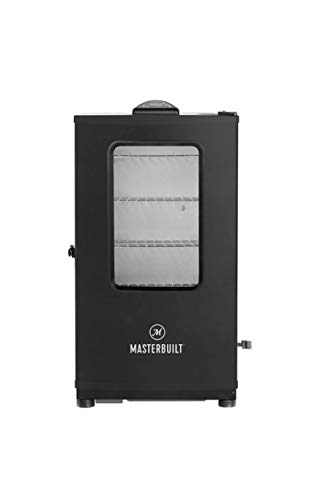
Masterbuilt Digital Electric Smoker
The Masterbuilt Digital Electric Smoker is a pick in this guide, presented by tier and fit rather than by linked listing. In practical terms it offers a widely chosen cabinet-style model family known for digital controls, a side wood chip loading system on many versions, and a layout that suits brisket, ribs and whole birds without constant tending. Judge it on rack dimensions, chip loading style, insulation, control type and how easy the drip tray and grease path are to clean, because those details decide daily satisfaction more than headline claims. Best for: cooks whose habits match that description and who value its particular loading and control style. Not suited for: buyers who need high heat searing, very large single cuts beyond its rack size, or a cooker that can also grill. Check price on Amazon for the current listing of the exact version before you decide, and confirm dimensions and features on that listing because model years vary.

Char-Broil Deluxe Digital Electric Smoker
The Char-Broil Deluxe Digital Electric Smoker is a pick in this guide, presented by tier and fit rather than by linked listing. In practical terms it offers a cabinet option often shortlisted for its insulated body, glass door on many versions, and a control style that feels familiar to anyone who has used a countertop appliance. Judge it on rack dimensions, chip loading style, insulation, control type and how easy the drip tray and grease path are to clean, because those details decide daily satisfaction more than headline claims. Best for: cooks whose habits match that description and who value its particular loading and control style. Not suited for: buyers who need high heat searing, very large single cuts beyond its rack size, or a cooker that can also grill. Check price on Amazon for the current listing of the exact version before you decide, and confirm dimensions and features on that listing because model years vary.

Bradley Digital Electric Smoker
The Bradley Digital Electric Smoker is a pick in this guide, presented by tier and fit rather than by linked listing. In practical terms it offers a distinctive design that feeds compressed wood bisquettes automatically, which appeals to cooks who want long, steady smoke with very few chip refills during a session. Judge it on rack dimensions, chip loading style, insulation, control type and how easy the drip tray and grease path are to clean, because those details decide daily satisfaction more than headline claims. Best for: cooks whose habits match that description and who value its particular loading and control style. Not suited for: buyers who need high heat searing, very large single cuts beyond its rack size, or a cooker that can also grill. Check price on Amazon for the current listing of the exact version before you decide, and confirm dimensions and features on that listing because model years vary.
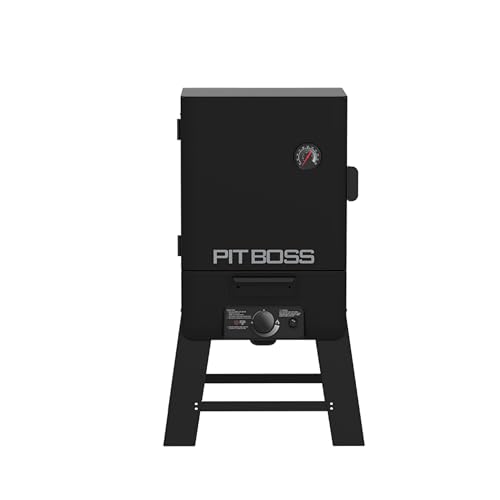
Pit Boss Electric Smoker
The Pit Boss Electric Smoker is a pick in this guide, presented by tier and fit rather than by linked listing. In practical terms it offers a value-leaning cabinet family from a brand better known for pellet grills, often considered by buyers who want generous rack space and simple dial or digital control depending on version. Judge it on rack dimensions, chip loading style, insulation, control type and how easy the drip tray and grease path are to clean, because those details decide daily satisfaction more than headline claims. Best for: cooks whose habits match that description and who value its particular loading and control style. Not suited for: buyers who need high heat searing, very large single cuts beyond its rack size, or a cooker that can also grill. Check price on Amazon for the current listing of the exact version before you decide, and confirm dimensions and features on that listing because model years vary.

Cuisinart Electric Smoker
The Cuisinart Electric Smoker is a pick in this guide, presented by tier and fit rather than by linked listing. In practical terms it offers a compact option from a kitchen-focused brand, often looked at by smaller households and by cooks with limited patio space who still want true low and slow results. Judge it on rack dimensions, chip loading style, insulation, control type and how easy the drip tray and grease path are to clean, because those details decide daily satisfaction more than headline claims. Best for: cooks whose habits match that description and who value its particular loading and control style. Not suited for: buyers who need high heat searing, very large single cuts beyond its rack size, or a cooker that can also grill. Check price on Amazon for the current listing of the exact version before you decide, and confirm dimensions and features on that listing because model years vary.
Safety Comes First: Outdoor Use, Grease and Food Safety
Use an electric smoker outdoors only, in open air with plenty of ventilation. Burning wood chips produce carbon monoxide, an odourless gas that can build up dangerously in enclosed spaces, so never run a smoker inside a house, inside a garage, on an enclosed balcony, under a sealed porch roof, or in any space where smoke and exhaust cannot disperse freely. If wind pushes smoke toward open windows or a neighbour, reposition the unit before food goes on rather than hoping the breeze changes.
Keep clear space around the smoker on every side and above it, well away from siding, fences, deck rails, overhanging branches, stored firewood, fuel containers and anything else that can catch fire. Set the unit on a stable, level, non-combustible surface, keep children and pets back while it runs, and never leave a lit smoker completely unattended for long stretches, even though electric models need less tending than a charcoal fire.
Grease is the most underestimated hazard in smoking. Fat renders for hours and collects in drip trays and on interior surfaces, and accumulated grease can ignite into a grease fire. Empty and clean the drip tray and grease management parts after every cook once the unit has cooled, line trays where the maker allows it, trim excess surface fat, and never pour water into burning grease. Keep the smoker unplugged and fully cool before any deep cleaning.
Treat food safety with the same seriousness as fire safety. Keep raw meat refrigerated until it goes on, avoid leaving food sitting out in warm weather, use separate tools and boards for raw and cooked meat, and judge doneness with a reliable meat probe thermometer placed in the thickest part of the food rather than by colour or by time alone. Follow current official food safety guidance for the safe internal temperature of each meat, rest food as directed, and refrigerate leftovers promptly.
Respect the electrical side. Plug the smoker directly into a suitable outdoor outlet protected by ground fault circuit interrupter protection, use only an outdoor rated extension lead of adequate gauge if one is truly needed, keep connections off wet ground and away from standing water, and never run a smoker in rain unless the maker explicitly allows it. Inspect the cord before each season, stop using a unit with a damaged cord or plug, and route cables where nobody will trip over them.
Going Deeper: Detail That Separates Good Sessions From Great Ones
Water pans do more than add moisture. They buffer temperature swings, catch drips and make clean up easier when they are lined or emptied promptly. Never let a water pan run dry and bake grease onto itself for hours if you can help it, and never let old pan water sit between cooks. Fresh water each session, an emptied pan afterwards, and a quick wipe of the door seal will keep flavours clean and the cabinet pleasant to open.
Put that idea to work deliberately on your next cook. Change one variable at a time, note the wood, the weather, the load and the result, and give the food a proper rest before judging it. Small, recorded experiments compound quickly with an electric smoker because the temperature side is already steady, so differences you taste are much more likely to come from the choice you actually changed.
Going Deeper: Detail That Separates Good Sessions From Great Ones
Protect the electrical parts while you clean. Keep water away from the heating element connections, control panel and plug, use damp cloths rather than hosing the interior, and follow the maker guidance for your model. Store the smoker dry, covered, and with the door slightly managed according to the manual so the interior does not trap moisture. A smoker that is stored clean is a smoker you will actually use on a free Saturday.
Put that idea to work deliberately on your next cook. Change one variable at a time, note the wood, the weather, the load and the result, and give the food a proper rest before judging it. Small, recorded experiments compound quickly with an electric smoker because the temperature side is already steady, so differences you taste are much more likely to come from the choice you actually changed.
Going Deeper: Detail That Separates Good Sessions From Great Ones
The learning curve with an electric smoker is gentle but real. Your first cooks teach you how your cabinet behaves in your climate, how much wood your household actually enjoys, and how long common foods take in your hands. Start with forgiving foods: chicken pieces, salmon, sausages, a pork shoulder. Save the expensive brisket until you know your unit, your probes and your timing, and keep simple notes on wood, weather and results so each cook teaches the next one.
Put that idea to work deliberately on your next cook. Change one variable at a time, note the wood, the weather, the load and the result, and give the food a proper rest before judging it. Small, recorded experiments compound quickly with an electric smoker because the temperature side is already steady, so differences you taste are much more likely to come from the choice you actually changed.
Going Deeper: Detail That Separates Good Sessions From Great Ones
Time estimates in recipes are guides, not promises. Two briskets of the same weight can finish hours apart because thickness, fat, starting temperature and cabinet loading all matter. The famous stall, where internal temperature pauses for a long stretch as moisture evaporates, is normal and not a malfunction. Cooks who understand the stall stay calm, hold temperature steady, and decide about wrapping based on bark and tenderness rather than panic.
Put that idea to work deliberately on your next cook. Change one variable at a time, note the wood, the weather, the load and the result, and give the food a proper rest before judging it. Small, recorded experiments compound quickly with an electric smoker because the temperature side is already steady, so differences you taste are much more likely to come from the choice you actually changed.
Going Deeper: Detail That Separates Good Sessions From Great Ones
Resting and slicing are part of the craft, not an afterthought. Large cuts need a rest so juices redistribute, and slicing against the grain at the right thickness changes tenderness as much as the cook itself. Pulled meats need time for flavours to settle after shredding and seasoning. An electric smoker gives you a gentle cook; the final quality still depends on these quiet finishing steps that no appliance can do for you.
Put that idea to work deliberately on your next cook. Change one variable at a time, note the wood, the weather, the load and the result, and give the food a proper rest before judging it. Small, recorded experiments compound quickly with an electric smoker because the temperature side is already steady, so differences you taste are much more likely to come from the choice you actually changed.
Going Deeper: Detail That Separates Good Sessions From Great Ones
Keep a small kit of supporting tools rather than chasing gadgets. A dependable instant read thermometer and a leave in probe, long tongs, heat resistant gloves, sturdy trays for carrying food, foil or butcher paper for wrapping, a spray bottle for moisture on some cooks, and a notebook cover ninety percent of real needs. Add accessories only when a repeated problem asks for one, and store the kit together so a cook day starts smoothly.
Put that idea to work deliberately on your next cook. Change one variable at a time, note the wood, the weather, the load and the result, and give the food a proper rest before judging it. Small, recorded experiments compound quickly with an electric smoker because the temperature side is already steady, so differences you taste are much more likely to come from the choice you actually changed.
Going Deeper: Detail That Separates Good Sessions From Great Ones
Weather changes electric smoking more than marketing suggests. Cold and wind pull heat from the cabinet, lengthen cooks and can widen temperature swings, while hot still days make holding low temperatures easy. Insulated cabinets cope better in winter, and positioning the smoker in a sheltered outdoor spot out of direct wind, while keeping full ventilation and safe clearances, helps in every season. Never solve weather problems by moving a running smoker into a garage or enclosed space.
Put that idea to work deliberately on your next cook. Change one variable at a time, note the wood, the weather, the load and the result, and give the food a proper rest before judging it. Small, recorded experiments compound quickly with an electric smoker because the temperature side is already steady, so differences you taste are much more likely to come from the choice you actually changed.
Going Deeper: Detail That Separates Good Sessions From Great Ones
Rain and electricity are a poor mix. A passing light shower is different from cooking through a storm, and the safe answer is to follow the maker guidance, keep connections dry and protected, and postpone a cook when conditions are genuinely wet. Food can wait in the refrigerator; a damaged controller or a shock risk is not worth a schedule. Plan smoking days with the forecast in mind the way you would plan any outdoor cooking.
Put that idea to work deliberately on your next cook. Change one variable at a time, note the wood, the weather, the load and the result, and give the food a proper rest before judging it. Small, recorded experiments compound quickly with an electric smoker because the temperature side is already steady, so differences you taste are much more likely to come from the choice you actually changed.
Going Deeper: Detail That Separates Good Sessions From Great Ones
Summer brings its own cautions. Food waiting to go on the smoker should stay refrigerated, not sit in the heat while the cabinet warms. Cooked food at a gathering needs the same care, with leftovers chilled promptly rather than grazing at outdoor temperature all afternoon. Shade for the cook matters too, because tending even an easy smoker in full sun for hours is tiring, and a tired cook makes sloppy safety decisions.
Put that idea to work deliberately on your next cook. Change one variable at a time, note the wood, the weather, the load and the result, and give the food a proper rest before judging it. Small, recorded experiments compound quickly with an electric smoker because the temperature side is already steady, so differences you taste are much more likely to come from the choice you actually changed.
Going Deeper: Detail That Separates Good Sessions From Great Ones
Pork shoulder is the electric smoker rite of passage. It is forgiving, affordable relative to its yield, and it teaches patience through the stall. A simple salt forward rub, steady smoke early, and cooking until the meat probes tender and pulls easily give you pulled pork for sandwiches, tacos and freezer portions. Rest it, shred it while warm, season the pile lightly, and you have the result that convinces most households the smoker was worth buying.
Put that idea to work deliberately on your next cook. Change one variable at a time, note the wood, the weather, the load and the result, and give the food a proper rest before judging it. Small, recorded experiments compound quickly with an electric smoker because the temperature side is already steady, so differences you taste are much more likely to come from the choice you actually changed.
Comparing Electric smoker Options Side by Side: Patterns That Separate a Good Match From a Poor One
Comparing several examples of an electric smoker is less about crowning a winner than about spotting patterns: which details repeat across listings because they matter, and which are decoration. Set the options against the outdoor spot where it will run for hours at a time and the differences that count usually narrow to a handful — format, fit, upkeep and how each design handles the awkward cases rather than the easy ones.
Across listings, this is a pattern worth tracking from model to model. Start with fit, because fit failures cannot be fixed by enthusiasm later. In practice that means three things: look at how racks and the water pan remove, since cleaning decides whether you keep using it; match cooking capacity to your largest realistic cook, not the biggest you can imagine; and check where the power cord reaches, because these units need an outdoor supply for long runs. Write the answers down rather than holding them in your head, because an electric smoker is usually chosen over several browsing sessions, and the constraint you checked on Monday is the one forgotten by Friday. If any of the three checks produces an awkward answer, treat it as information about format, not as a problem to wave away — a different format of electric smoker often removes the conflict entirely, while a compromise on fit tends to be re-litigated every time the product is used.
Some options handle this gracefully; others expose it immediately. Then picture the product in its real situations rather than its best one. The routine cases are easy to imagine: a beginner’s first smoker, bought to learn without tending a fire, or a weekend brisket routine where the smoker runs most of the day. The more useful exercise is the harder day: rain during a long cook, testing seals, covers and your cable routing; and cold, windy days that stretch preheating and change cook times noticeably. An electric smoker does not need to be perfect in those moments, but it does need a workable answer to them — a way to be moved, covered, adjusted, cleaned or simply tolerated until conditions improve. If the honest answer is that the hard day would make you stop using it altogether, that is a decision-grade fact, and it is far cheaper to learn it now than after delivery.
This is where side-by-side comparison earns its keep. Most disappointments trace back to a short list of avoidable errors. The common ones here are: placing the smoker against siding or under cover where heat and smoke mark surfaces; opening the door repeatedly to admire progress and losing heat each time; and overloading the chip tray so smoke turns bitter instead of sweet. Notice that none of them is really about build quality. They are sequencing errors — deciding before measuring, assuming instead of checking, or copying someone else’s setup whose space and habits differ from yours. Reading any listing for an electric smoker with those three errors in mind is a fast filter: if the page in front of you encourages one of them, slow down and return to your own measurements and routine.
The pattern repeats too often across brands to be coincidence. Ownership also has a rhythm, and it is worth pricing that rhythm in before you commit. For an electric smoker, the upkeep that keeps it pleasant is modest but specific: store it covered and dry, with the cord coiled clear of damp ground; empty and wash the drip and water pans after each cook, before residue bakes on; and brush racks while warm and wipe the interior walls when grease starts to build. None of that is onerous on its own. The question is whether it attaches to a routine you already have — a weekly clean, a seasonal tidy, a habit of putting things away properly — or whether it requires a new routine invented from scratch, which is the kind that quietly lapses by the second month.
Frequently Asked Questions
Why do electric smoker reviews disagree so much?
Because reviewers cook different foods, in different climates, with different expectations. A competition minded cook judges bark and smoke intensity, a busy parent judges convenience and clean up, and a small patio owner judges footprint. The same machine can honestly earn opposite verdicts from those three people. The fix is to identify which reviewer resembles you, then weight their praise and complaints far above the rest of the noise.
What is the most common complaint in electric smoker reviews?
Temperature and flavour expectations lead the list. Some owners expect grill level heat or charcoal level smoke and feel let down by a machine built for gentle low and slow cooking. Others mention door seals, controllers or cleaning. Read complaints closely: a complaint about mild smoke is a category trait, while repeated reports of a failing part on one model are a genuine signal worth acting on.
Are larger electric smokers always rated better?
Not necessarily. Larger cabinets win praise for brisket and batch cooking but draw complaints about warm up time, storage and cleaning when used for small loads. Compact models are often loved by the households that use them weekly for chicken, fish and ribs. The best rated smoker in a roundup is only the best for the test criteria; your judgement should start from the largest food you cook often and the space you truly have.
Should I trust roundup rankings or individual owner reviews?
Use both, for different jobs. Roundups are useful for comparing design, loading style and features side by side. Individual owner reviews, especially detailed ones after months of use, reveal cleaning reality, winter behaviour and durability. Cross check the two, look for consistent patterns rather than single dramatic stories, and remember that this guide presents models by fit, so you can verify the current listing yourself.
Can an electric smoker be used indoors or in a garage?
No. An electric smoker must only be used outdoors in open air. Burning wood produces carbon monoxide, which can build up to dangerous levels in a house, garage, enclosed balcony or any poorly ventilated space, and grease and electrical risks add to the danger. Store the unit indoors if you like, but cook with it outside, with safe clearance from walls, rails and anything combustible, every single time.
Do electric smokers give real smoke flavour?
Yes, though the flavour is gentler and cleaner than charcoal or offset cooking. The element smoulders wood chips at a controlled pace, giving steady smoke that suits poultry, fish, ribs, pork and cheese very well. Wood choice matters a lot: fruit woods are mild and slightly sweet, hickory is deeper and classic, mesquite is strong and easy to overdo. Most households find the balance ideal, while live fire fans may want more intensity.
Related Guides and Next Reads
Keep learning with the guides below. The cluster guides cover choosing, using and judging an electric smoker from every angle, and the live guides connect this topic to the wider outdoor cooking collection, from thermometers to pellet grills, so you can build a complete, safe and enjoyable setup step by step.


