An electric pasta maker mixes flour and liquid, kneads the dough and pushes it through a shaping disc, all in one machine. It turns a messy, time-consuming job into a few steps, which is handy for weeknight meals. Capacity, shape range and cleanup differ a good deal from one model to the next.
We have not used these products ourselves, so this guide does not claim results from any machine. It sets out the features and construction details to compare, so you can read listings with care and decide how much counter space and effort you want to give the task.
As an Amazon Associate we earn from qualifying purchases. Links on this site are affiliate links, and they do not change the information we give.
In this guide
Quick Picks
| Pick | Product | Best For |
|---|---|---|
| 1 | Philips 7000 Series Pasta Maker (HR2660/03) | Best for larger batches |
| 2 | Philips Pasta and Noodle Maker Plus (HR2375/06) | Best proven all-rounder |
| 3 | Cuisinart Pastafecto Pasta & Bread Dough Maker (PM-1) | Best if you also knead bread dough |
| 4 | Hamilton Beach Electric Pasta Maker (86650) | Best for quick small batches |
| 5 | Philips Compact Pasta and Noodle Maker (HR2370/05) | Best for small kitchens |
Our Picks

1. Philips 7000 Series Pasta Maker (HR2660/03) — Best for larger batches
Philips builds this 7000 Series machine around its ProExtrude technology, which pushes dough through the disc with steady pressure for up to eight portions in one run. Eight shaping discs come in the box, covering long strands, tubes and flat shapes, and the Perfect Mixing system works the flour and liquid toward an even crumb before extrusion starts. A 150-watt motor drives the process, and the machine pairs with the HomeID app for recipe ideas and guidance on flour and liquid amounts. Parts that touch dough come off for washing, and the discs store with the unit. The trade-off is size: this is the largest footprint on this list, so measure cabinet depth before ordering. Pick it if you regularly cook pasta for a group and want the widest shape range from a single machine, without moving to a stand mixer attachment.

2. Philips Pasta and Noodle Maker Plus (HR2375/06) — Best proven all-rounder
The Plus model from the Avance Collection is the long-running full-size Philips design: add flour and liquid, and it mixes, kneads and extrudes with no separate dough work. Four shaping discs are included for spaghetti, fettuccine, penne and lasagna sheets, and Philips sells additional disc sets if you want more shapes later. Flour and liquid measuring cups come in the box, which helps keep the ratio right — the point the guide above stresses most when batches go wrong. A storage drawer keeps the discs with the machine, and the supplied cleaning tools are shaped to push dried dough out of the disc holes. It suits households that make pasta most weeks and want a machine with a long track record and a wide accessory range, and it takes less counter depth than the newer 7000 Series.
View Philips Pasta and Noodle Maker Plus (HR2375/06) on Amazon
3. Cuisinart Pastafecto Pasta & Bread Dough Maker (PM-1) — Best if you also knead bread dough
Cuisinart’s Pastafecto is the dual-purpose entry here. It mixes, kneads and extrudes up to one pound of fresh pasta in about twenty minutes, and with the separate dough paddle fitted it will also mix and knead up to a pound of bread or pizza dough. Six discs are included — spaghetti, rigatoni, fusilli, small macaroni, fettuccine and bucatini — and the push-button panel offers Auto, Knead Dough, Mix and Extrude modes, so you can pause a stage or take it over. Flour and liquid measuring cups, a storage drawer and bag, and a cleaning tool are in the box. The body is compact at roughly 15.4 by 5.75 by 11.3 inches, and Cuisinart backs it with a limited three-year warranty. Choose it if counter space is tight and one machine needs to cover pasta night and bread dough.
View Cuisinart Pastafecto Pasta & Bread Dough Maker (PM-1) on Amazon

4. Hamilton Beach Electric Pasta Maker (86650) — Best for quick small batches
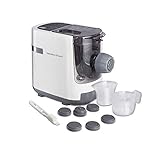
Hamilton Beach aims this machine at weeknight cooking: it mixes, kneads and extrudes two to three servings in about fifteen minutes, and the fresh noodles can go straight into the pot with no drying step first. Seven discs cover thick spaghetti, spaghetti, angel hair, wide noodles, penne, fettuccine and lasagna, and they store in a drawer built into the machine so the parts stay together between uses. At about 12 by 7 inches on the counter and under ten pounds, it is easier to lift in and out of a cabinet than the full-size Philips models. The batch size is the limit to keep in mind — up to about a pound and a half of pasta suits a small household, but cooking for a crowd means running a second cycle. A good fit for singles, couples and small families.
5. Philips Compact Pasta and Noodle Maker (HR2370/05) — Best for small kitchens
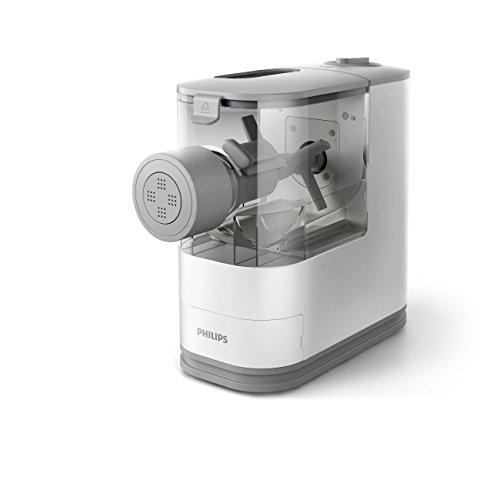
The Viva Collection compact model shrinks the Philips formula down for small kitchens. It is fully automatic — mixing, kneading and extruding — and produces about a pound of fresh pasta, roughly two to three servings, in around eighteen minutes. Three discs come with it for the classic strand and tube shapes, and they store inside the machine. The body measures roughly 13.8 by 5.3 by 11.3 inches, so it fits counters and cabinets that rule out the bigger extruders, and the 150-watt motor matches the larger Philips 7000 Series on paper. You give up the wider disc selection and batch size of the full-size models, and extra discs are a separate purchase. Pick it if storage space is your deciding factor and most pasta nights are for two or three people.

View Philips Compact Pasta and Noodle Maker (HR2370/05) on Amazon
What to Look For
| Factor | Why it matters | What to check |
|---|---|---|
| Dough capacity | A small bowl limits how many servings you make per batch. | Compare the maker flour amount with your household size. |
| Shape discs | The included discs decide which pasta shapes you can make. | Check which shapes come in the box and which are sold extra. |
| Mixing action | Good mixing gives an even, workable dough without dry patches. | Read how the maker describes the paddle and the mixing cycle. |
| Cleanup | Dried dough is stubborn, so easy-to-remove parts matter. | Look for detachable pieces and the maker cleaning tools. |
| Noise and motor | A strong motor is needed for stiff dough, but can be loud. | Check the power figure and read the maker sound details. |
| Footprint | The machine takes up counter and cabinet space. | Measure your storage spot against the maker dimensions. |
Setup and Care Tips
- Measure flour and liquid carefully, following the ratio in the manual.
- Add liquid slowly so the mix looks like coarse crumbs, not a paste.
- Let the extruded pasta dry briefly or cook it right away.
- Let leftover dough dry before brushing it out of the discs.
- Avoid soaking motor parts and wash only what the maker says is washable.
Mistakes to Avoid
- Adding too much liquid and ending up with a sticky mess.
- Choosing a model with few shapes when you want variety.
- Ignoring the cleanup routine until the dough hardens.
- Buying a large machine for a one-person household.
- Using flour types the maker does not mention without checking.
Extruder Machines Versus Roller Machines
Electric pasta makers usually fall into two designs, and knowing which one you are looking at saves confusion. An extruder-style machine mixes flour and liquid in a chamber, then pushes the dough through interchangeable discs to form shapes such as spaghetti, penne or fettuccine. It handles mixing and shaping in one step and suits cooks who want short, quick batches with minimal handling. A roller-style machine, often called a sheeter, flattens dough into sheets and cuts it into ribbons or sheets for lasagna. Some electric versions motorize the rolling, but you usually make the dough separately.
The choice depends on the pasta you enjoy. If you like extruded shapes with ridges and holes, an extruder offers variety. If you prefer wide sheets, filled pasta or noodles with a delicate texture, a roller may suit better. Some cooks use both, or begin with one and add the other later. Check that the machine you are considering describes which method it uses, since the product name does not always make it clear.
- Extruder: mixes and shapes in one machine, good for short batches.
- Roller or sheeter: makes flat sheets and cut noodles, dough prepared separately.
Think about how much hands-on work you want, and whether you enjoy kneading by hand.
Dough, Flour Types and Getting Good Results
An electric machine does not remove the need for the right dough. Most extruders work best with a fairly dry mixture that looks like coarse crumbs or wet sand, not a smooth ball. Follow the recipe in the manual for the ratio of flour to liquid, because small changes can alter the texture a lot. Add liquid gradually while the paddle turns, and give the dough a minute or two to come together. If the mix looks too dry, add small amounts of liquid, and if it looks sticky, add a little flour.
Flour choice matters. Wheat flours with higher protein tend to give firmer, chewier pasta, while softer flours give a tender result. Semolina is commonly used for dried-style pasta, and eggs add richness and color. Alternative flours such as whole wheat, spelt or gluten-free blends may behave differently and may need adjustments. Many manufacturers include recipes for different types, but treat results as variable and expect to experiment.
Humidity and temperature in your kitchen can also affect dough. On a humid day, you may need slightly less liquid, while dry air can call for more. Keep notes of what you used and how the pasta turned out, and you will quickly build your own reliable recipes. Resting the dough briefly before extruding can help some recipes, but follow the machine’s instructions.
Shapes, Discs and Drying or Cooking Fresh Pasta
The discs, also called dies, determine which shapes you can make. Check how many come with the machine and which shapes they cover, and whether additional discs are sold separately. Think about the shapes you actually cook. If you mostly make spaghetti and short tubes, a basic set may be enough. If you like specialty shapes, look for a machine with a wide range of discs and a clear way to buy more.
Disc materials differ. Some are plastic and some are metal, and the maker may describe differences in how the pasta surface looks or how the disc wears. Check how securely they lock into place, and how easy they are to remove and clean. Cutters or blades that trim the pasta to a chosen length should be adjustable.
Fresh pasta cooks quickly, usually in just a few minutes, so have your sauce and boiling water ready before you start extruding. To store extra, you can dust the strands lightly with flour and spread them out, or let them dry on a rack for later use. Drying times and storage methods depend on the recipe and shape, and refrigerated or frozen storage has its own guidance. Follow food safety advice for fresh pasta, especially if it contains eggs, and see the maker’s recipe booklet.
Cleaning Routines That Prevent Stuck Dough
Cleanup is the part that most often decides whether a pasta maker gets used. Wet dough sticks and hardens, so the best technique is to let leftover dough dry out, then remove it. Take the discs and parts apart as the manual describes, and use the brush or pick tool the maker supplies to clear dried dough from the holes. Avoid using metal tools on plastic parts, which can scratch or crack them.
Wash only the parts the manufacturer says are washable. Many motor housings must never be immersed in water, and some discs and screws should be hand washed instead of going in a dishwasher. Dry all parts fully before reassembly to avoid mold and rust. Wipe the exterior with a damp cloth.
- Clean soon after use, but let leftover dough dry first.
- Use the supplied cleaning tool for tiny holes.
- Do not soak plastic parts for long periods.
- Store discs together in a labeled container so none go missing.
Check the paddle and shaft for wear, and replace damaged parts as the maker allows. Keep the manual and recipe booklet handy for guidance on ratios and cleaning.
Space, Noise and Whether It Suits Your Kitchen
Before buying, think about practical fit. Electric pasta makers can be bulky, and you need counter space to operate them plus storage space for the base, discs and accessories. Measure the spot where it will live and any cabinet where you plan to store it. A machine you must lift from a high shelf each time may end up unused. Note the cord length and make sure it reaches an outlet comfortably.
Noise varies. Motors that push stiff dough can be loud, and noise may bother other people in the home. Maker descriptions rarely tell the full story, so read them carefully and think about when you will use the machine. Weight and stability matter, too. A machine with grippy feet stays put on the counter as it works, while a light, unstable one may move.
Finally, be honest about your habits. If you cook fresh pasta a few times a month and enjoy the process, a machine can be a rewarding addition. If you only occasionally want fresh pasta, a manual roller or hand rolling might be enough. Signs it is time to replace the machine include a motor that strains or overheats, cracked housing or chamber, a paddle that no longer turns, discs that no longer lock in, or a power cord that is damaged. Check whether replacement parts are sold before deciding to discard the unit.
Extruder or Roller: Which Style Makes Which Pasta
Electric pasta makers fall into two main groups. Extruder machines mix the dough and push it through a shaping disc, which makes shapes such as spaghetti, penne and fettuccine. Roller machines flatten dough into sheets and cut them into noodles, which suits lasagna sheets, tagliatelle and similar flat pasta. Some appliances combine both approaches. Think about the shapes you cook most often, because a machine that does not offer them may end up unused.
| You mostly make | Look for |
|---|---|
| Spaghetti, penne and short shapes | Extruder with several shaping discs |
| Flat sheets and ribbons | Roller or sheet attachment |
| Filled pasta such as ravioli | Sheet maker plus a filling tool or mold |
| Both noodles and bread dough | Machine with a kneading mode, as the maker describes |
Dough Basics for Reliable Results
Most machines work best with a dough that is crumbly instead of smooth at the mixing stage. The manual usually gives a flour to liquid ratio, and following it closely matters, because a wet dough can clog the machine and a dry one can leave floury streaks. Measure flour by weight if you can, and add liquid slowly while the paddle turns. Different flours, such as semolina or all purpose, behave differently, so keep notes on what worked. Let pasta rest or dry briefly after cutting, so strands do not stick together.
Cleaning and Storage Habits
Pasta dough hardens as it dries, so cleaning right after use can be a hassle. A common tip from makers is to let leftover dough dry fully, then remove it with a brush or a plastic tool that comes with the machine. Avoid soaking parts that the manual says should stay dry, and do not use sharp metal tools on shaping discs. Wash removable parts as the maker advises, dry them thoroughly and store them together in a container so no disc goes missing.
Counter Space and Capacity
Machines differ in how much dough they handle at once. A small household may be content with a batch for two to four servings, while hosts who cook for guests may want a larger bowl. Measure your cabinet and counter first, since these appliances are often tall.
Flavors, Add-Ins and Flour Choices
Once you have the basic dough working, you can experiment. Many cooks add spinach, tomato paste or beet puree for color, but extra moisture changes the dough, so reduce the liquid slightly and follow the maker’s recipe notes for guidance. Whole grain flours absorb more water than white flour, and gluten-free blends behave differently again, so check whether the machine supports them. Eggs, oil and salt are common additions, and recipes in the manual show how much to use. Keep a small notebook of ratios that worked, the type of flour and the shape you made. That record saves guesswork on busy evenings and helps you repeat a favorite batch for guests. Always check ingredient labels if anyone in your household has food allergies.
Reading the Shortlist Again: What Really Separates One Electric Pasta Maker From Another
Once you have read the individual reviews above, the differences between electric pasta makers can look smaller than they really are. Listings tend to lead with the same handful of headline claims, and every model is described as powerful, durable or easy to use. The more reliable way to choose is to work backwards from your own situation: where the electric pasta maker will live, how often it will be used, and which frustrations you are trying to leave behind. A choice that suits a neighbour’s household perfectly can be the wrong one for yours, simply because the daily routine around it is different.
Start with fit, in every sense of the word. For this category that means checking the counter space for mixing and extruding or rolling, the storage room for discs, rollers and attachments, and how much pasta your household eats at one sitting. Numbers on a listing only become useful once they are compared with your own measurements, so take them before you fall in love with any particular model. Allow a little margin where the guide above suggests it, because a electric pasta maker that only just fits, only just reaches or only just copes will annoy you every single time you use it, while one with comfortable headroom tends to disappear into the background of the day.
Next, think about the work itself rather than the product. The main jobs here are making fresh spaghetti for a weeknight dinner, rolling sheets for lasagne, and experimenting with shapes for a family cooking afternoon. Be honest about which of those you will do weekly and which you might do once a year. Features that support your weekly jobs deserve far more weight than impressive extras aimed at rare tasks. Many buyers overspend on capability they use twice and underspend on the handling, controls or build details they touch every day, and that imbalance is the most common cause of quiet disappointment with an otherwise good electric pasta maker.
Finally, consider the ownership side that listings rarely mention: the cleaning, the consumables, the storage footprint and the small habits a electric pasta maker asks of you. Typical owners here include a home cook who makes pasta weekly, a family that cooks together, or a keen baker branching into fresh noodles and sheets, and the right answer differs for each of them. If a model needs attention you know you will not give it, a simpler alternative that asks less of you will usually serve you better over the years, even if it looks less exciting on paper.
Planning the Purchase Around Your Space and Routine
Good planning prevents most returns. Before ordering any electric pasta maker, walk the space where it will be used or installed and note the obstacles that photographs never show: tight corners, uneven surfaces, doors that swing into the working area, and the route the product has to travel from the front door to its final position. Measure twice and write the figures down. If the electric pasta maker is replacing an older one, note what you liked and disliked about the old unit, because those specifics are a better brief than any generic wish list.
Think, too, about timing and the people around the purchase. Work such as making fresh spaghetti for a weeknight dinner, rolling sheets for lasagne, and experimenting with shapes for a family cooking afternoon is easier when you are not racing a deadline, a houseful of guests or the worst of the weather. If other people in the household will use the electric pasta maker, ask what matters to them before you buy rather than after it arrives. A short conversation now can surface a deal-breaker — a control style someone struggles with, a size that will not work for them — while it is still free to act on.
Budget planning deserves the same realism. The purchase itself is only part of the cost of owning electric pasta makers; installation help where it is needed, basic accessories the maker recommends, and routine consumables all belong in the picture. None of that argues for buying the most expensive option. It argues for comparing the whole picture rather than a single headline figure, and for leaving a little room in the budget so a sensible extra does not become a painful one.
When the electric pasta maker arrives, resist the urge to judge it in the first ten minutes. Unpack it fully, keep the packaging until you are sure it is staying, and read the manual properly — not as a formality, but because the setup order, safety notes and care instructions in it are written for the exact model you bought. Many early problems with electric pasta makers trace back to a skipped setup step or a warning that was skimmed, and they are much easier to prevent than to undo.
How the Picks Compare When You Match Them to Real Jobs
The picks above were chosen for different buyers, and comparing them by job rather than by specification sheet makes the shortlist much easier to use. Read each model’s positioning below against the jobs you listed for yourself, and notice where the guide’s emphasis changes: some picks are there for capacity or reach, some for simplicity, and some because they suit a particular space or user. That spread is deliberate, and it is the fastest route to a confident decision.
Philips 7000 Series Pasta Maker (HR2660/03) earns its place as best for larger batches. Treat that positioning as a promise about who it suits best rather than a claim that it beats the others at everything. If the description matches your situation — your space, your routine and the jobs you actually do — it deserves to be at the top of your list. If it reads like someone else’s household, one of the neighbouring picks will almost certainly serve you better, and choosing it instead is not settling for less; it is matching the tool to the task.
Philips Pasta and Noodle Maker Plus (HR2375/06) earns its place as best proven all-rounder. Treat that positioning as a promise about who it suits best rather than a claim that it beats the others at everything. If the description matches your situation — your space, your routine and the jobs you actually do — it deserves to be at the top of your list. If it reads like someone else’s household, one of the neighbouring picks will almost certainly serve you better, and choosing it instead is not settling for less; it is matching the tool to the task.
Cuisinart Pastafecto Pasta & Bread Dough Maker (PM-1) earns its place as best if you also knead bread dough. Treat that positioning as a promise about who it suits best rather than a claim that it beats the others at everything. If the description matches your situation — your space, your routine and the jobs you actually do — it deserves to be at the top of your list. If it reads like someone else’s household, one of the neighbouring picks will almost certainly serve you better, and choosing it instead is not settling for less; it is matching the tool to the task.
Hamilton Beach Electric Pasta Maker (86650) earns its place as best for quick small batches. Treat that positioning as a promise about who it suits best rather than a claim that it beats the others at everything. If the description matches your situation — your space, your routine and the jobs you actually do — it deserves to be at the top of your list. If it reads like someone else’s household, one of the neighbouring picks will almost certainly serve you better, and choosing it instead is not settling for less; it is matching the tool to the task.
Philips Compact Pasta and Noodle Maker (HR2370/05) earns its place as best for small kitchens. Treat that positioning as a promise about who it suits best rather than a claim that it beats the others at everything. If the description matches your situation — your space, your routine and the jobs you actually do — it deserves to be at the top of your list. If it reads like someone else’s household, one of the neighbouring picks will almost certainly serve you better, and choosing it instead is not settling for less; it is matching the tool to the task.
A useful final exercise is to pick your top two electric pasta makers and write down, in one sentence each, why each would suit you. If one sentence comes easily and the other feels like a stretch, you have your answer. If both feel strong, decide on the ownership details: which will be easier to clean, store, service or live with in your particular space. Those everyday factors, repeated hundreds of times, are what separate a purchase you are pleased with from one you merely accept.
From First Setup to Confident Everyday Use
The first session with a new electric pasta maker sets the tone for everything after it. Set it up in good light, with the manual open and no time pressure, and work through the maker’s steps in order even if some of them look obvious. Check that everything supplied is present, that moving parts move as described, and that you understand the controls before the first real job. This slow first pass is where you learn the small things — how it sounds when it is working normally, how the controls feel, where your hands naturally go — that make later use relaxed instead of tentative.
Start with an easy version of the job. If your main tasks are making fresh spaghetti for a weeknight dinner, rolling sheets for lasagne, and experimenting with shapes for a family cooking afternoon, begin with the simplest of them and pay attention to how the electric pasta maker behaves rather than how fast you can finish. Small adjustments early — to position, settings or technique — pay off every time afterwards. It is also worth noting anything that surprises you, good or bad, while the purchase is recent; surprises often point to a setting or accessory that resolves them, and makers’ support teams are far more helpful in the first weeks than months later.
Build your routine gradually. Most people develop a personal rhythm with electric pasta makers: a preferred order of steps, a place where the product lives between uses, and a quick check they run through before starting. Let that rhythm form over the first few uses rather than forcing it on day one. If other people will share the electric pasta maker, show them the basics in person instead of assuming the manual will be read; five minutes of demonstration prevents most of the misuse that leads to damage, frustration or avoidable safety worries.
Safety deserves a plain word here. Follow the maker’s warnings for this exact model, use the protective equipment or precautions the manual names, and stop and reassess if something feels wrong rather than pushing through. Where a job involves fixed wiring, fuel lines, structural work or anything your local rules reserve for licensed trades, bring in a professional for that part. Doing so is not a failure of DIY spirit; it is how experienced homeowners handle the edges of a project, and it protects both the warranty on the electric pasta maker and the people around it.
Care, Cleaning and Storage: The Routine That Keeps It Performing
Electric pasta makers rarely fail all at once; they decline gradually, usually because small care tasks were skipped until they became big ones. The routine that protects yours is unglamorous: brushing dried dough from discs and rollers before it hardens, washing parts only as the maker allows, and storing attachments together so nothing goes missing. None of those tasks takes long on its own. The trick is attaching them to moments that already exist — the end of a job, the start of a season, a regular weekend tidy — so they happen automatically rather than relying on memory or good intentions.
Cleaning deserves care of its own. Use the methods and products the maker approves for your model, because finishes, seals and working surfaces on electric pasta makers can be damaged by harsh chemicals, abrasive pads or pressure applied in the wrong place. Work gently and often rather than aggressively and rarely: light, regular cleaning keeps grime from hardening into the kind of buildup that tempts people into damaging scrubbing. Let everything dry fully before storage or reassembly, since trapped moisture is behind a large share of odours, corrosion and mildew problems in stored equipment.
Storage matters more than most buyers expect. Keep the electric pasta maker in a dry place out of extremes of temperature where you can, with cords, hoses, attachments or accessories kept together so the next use does not start with a search. If it will sit unused for a season, follow the maker’s storage guidance — some products want a particular preparation before a long rest, and skipping it is a common reason for a disappointing first use months later. A photograph of how it was packed or assembled can be surprisingly helpful when you return to it.
Finally, keep the paperwork. The manual, proof of purchase and any warranty details for your electric pasta maker should live somewhere you can find them, because the first question any support line or repairer asks concerns the exact model and its purchase date. A quick note of when you performed major care tasks helps too. It turns guesswork into a record, makes seasonal servicing easier to schedule, and gives a future buyer or family member a clear picture of how the product has been looked after.
Judgement Calls: Trade-Offs Honest Buyers Should Weigh
Every electric pasta maker involves trade-offs, and naming them plainly leads to better choices than hunting for a model that claims to have none. Bigger usually means heavier or harder to store. More features usually mean more to learn, clean and eventually maintain. A lower purchase cost can mean simpler construction that is perfectly adequate for light use, or it can mean compromises you will feel every day. The guide above positions each pick so you can see which side of these trade-offs it sits on; your job is simply to decide which compromises you mind least.
Consider how your needs may change. A electric pasta maker bought for one household, one home or one stage of life may be asked to serve another. Flexibility — adjustability, compatibility with common accessories, a design that copes with more than one job — is worth something if change is likely, and worth very little if your situation is stable. Buying for a hypothetical future is as wasteful as buying too narrowly for the present, so weigh the changes you genuinely expect rather than every possibility you can imagine.
And if you are replacing an existing electric pasta maker, let the old one teach you. What wore out, what annoyed you, what did you never use? A replacement chosen to fix two specific frustrations will satisfy you far more than one chosen from a generic list of virtues. Where the old unit still works, passing it on, selling it or keeping it as a backup for lighter duties can also soften the cost of upgrading, and keeps a serviceable product in use rather than in landfill.
If you are still torn between two electric pasta makers after all of this, sleep on the decision and re-read the two relevant reviews in the morning with your measurements beside you. Purchases in this category are kept for years, and the model that still makes sense when the excitement of comparing has faded — the one that fits your space, your routine and your willingness to maintain it — is almost always the one that owners remain happy with. Choosing slowly, once, beats choosing quickly twice.
FAQ
Can I make gluten-free pasta in one?
Some makers mention recipes for alternative flours, but results vary. Check the product details and recipe booklet for what the manufacturer says about it. Doughs made with other flours can behave differently, so expect some trial and adjustment.
Is fresh pasta quicker than boxed?
Making dough takes a few minutes in the machine, and fresh pasta usually cooks faster once it is shaped. Overall effort depends on your recipe and cleanup habits. Many cooks enjoy the freedom to choose flour, add herbs or vary the thickness, which is hard to get from packaged noodles.
Do I need special flour for an electric pasta maker?
Not always, but follow the maker's recipes. Semolina and higher-protein flours are common choices, while other flours may need adjustments.
Why is my dough too crumbly?
It may need a little more liquid, added slowly. Check the ratio in the manual, and allow the mix to come together before extruding.
Why is my pasta sticky?
The dough may have too much liquid. Add a small amount of flour and mix again, or dust the extruded pasta lightly.
How long does fresh pasta take to cook?
Usually only a few minutes, depending on shape and thickness. Taste a piece to check.
Can I freeze fresh pasta?
Many people do, after drying slightly or portioning it. Follow food safety guidance and any storage notes from the maker.
Can I wash the discs in the dishwasher?
Only if the care instructions allow it. Many makers recommend hand washing and letting dough dry before removing it.
Are electric pasta makers good for small households?
They can be, if the batch size is suitable and the machine is easy to clean. Look at the minimum amount of flour the maker lists.
Can I make filled pasta in one?
Extruders do not usually make filled pasta, but sheets from a roller-style machine can be used for it. Check what the maker describes.
How do I know which electric pasta maker on this list fits my home?
Start from your own measurements and routine rather than from the products. Check the counter space for mixing and extruding or rolling, the storage room for discs, rollers and attachments, and how much pasta your household eats at one sitting, then read the picks again and match each model’s positioning to those facts. The right choice is the one whose strengths line up with your most frequent jobs, not necessarily the largest or most fully featured option.
What should I check in the first week of owning a new electric pasta maker?
Confirm that everything supplied is present, that setup matches the manual, and that the electric pasta maker behaves as described on an easy first job such as making fresh spaghetti for a weeknight dinner. Note anything that seems off while the purchase is recent, keep the packaging until you are sure it is staying, and register the warranty if the maker offers one.
How often does a electric pasta maker need cleaning or maintenance?
It depends on how hard and how often it works, and the maker’s schedule for your exact model is the authority. As a habit, build the routine around brushing dried dough from discs and rollers before it hardens, washing parts only as the maker allows, and storing attachments together so nothing goes missing. Light, regular attention almost always beats occasional deep rescue, both for performance and for how long the product lasts.
Is it worth paying more for a higher-positioned pick?
Only if the extra capability maps to your real jobs. If a premium pick’s positioning describes your household — heavier use, a bigger space, more demanding tasks — the step up can be money well spent. If it describes someone else’s life, a mid-list pick matched to your actual routine will usually satisfy you just as much.
What is the most common mistake people make with electric pasta makers?
Buying from the headline claims alone, without measuring or thinking through daily use. Skipping the checks around the counter space for mixing and extruding or rolling, the storage room for discs, rollers and attachments, and how much pasta your household eats at one sitting leads to poor fit, and skipping the maker’s setup and care guidance leads to most early problems. Both mistakes are easy to avoid with an hour of preparation.
When should I repair a electric pasta maker and when should I replace it?
Repair makes sense when the fault is isolated, parts are available, and the rest of the product is sound. Replacement makes more sense when problems repeat, when wear is general rather than local, or when your needs have genuinely changed since you bought it. A reputable repairer’s assessment, based on the exact model, is the best guide for anything beyond simple maintenance.
The Short Version
Pick a capacity that suits your household, check the shapes included, and look at how simple the machine is to clean. Those points shape whether it earns a place on your counter. Think honestly about how often you will cook from scratch, since a machine that is quick to use and quick to wash is the one most likely to stay in regular rotation.
Related Guides
- How to Cook Pasta Chips in an Air Fryer: A Crunchy Snack
- 6 Best Churro Makers: Electric Plates and Piping Guns (2026)
- 6 Best Egg Bite Makers: Electric, Multi-Use and Molds (2026)
- 6 Best Cold Brew Coffee Makers: Jars, Pitchers, Electric (2026)
- 6 Best Pancake Makers: Electric and Flip Pans (2026)


