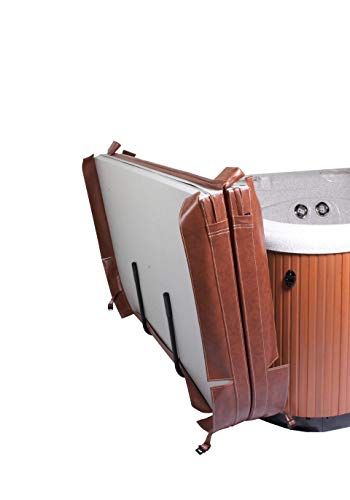
A hot tub runs on heat, so how well it holds that heat decides most of what it costs to own. The features that matter are a thick insulated cabinet, a fitted cover, a quiet circulation pump and a well-sealed shell. A tub built that way loses less warmth overnight and works less to climb back to temperature.
The six tubs below are full-size spas from established makers, ranging from well-known acrylic models to insulated all-season builds. They are sold through dealers and online, and configurations vary by seller. We have not used these products ourselves, so confirm size, voltage, seating and insulation details on the current listing before buying. Real running costs depend on your climate, your power rates and how you use the tub.
As an Amazon Associate we earn from qualifying purchases. Links below are affiliate links, and they do not change the product information we give.
What to Look For
| Feature | Why it matters |
|---|---|
| Insulation | Full-foam or perimeter insulation slows heat loss, which matters most in winter |
| Cover | A tight, thick, tapered cover is the single biggest saver of heat |
| Pump type | Low-speed circulation pumps use less power than running the jet pumps |
| Voltage | Plug-in models are simpler to place; 240V tubs need an electrician and heat faster |
| Cabinet | Synthetic panels resist moisture and hold up through seasons |
In this guide
Specs at a Glance
| Tub | Shell | Insulation approach | Notes |
|---|---|---|---|
| Hot Spring Highlife Collection | Acrylic | Insulated cabinet and cover | Sold through dealers; many sizes |
| Bullfrog Spas R Series | Acrylic | Insulated cabinet | Modular jet layout |
| Master Spas Michael Phelps Legend Series | Acrylic | Insulated cabinet | Swim-spa maker; 240V |
| Jacuzzi J-300 Collection | Acrylic | Insulated cabinet and cover | Large brand network |
| Sundance Spas 880 Series | Acrylic | Insulated cabinet | Several seating layouts |
| Cal Spas Platinum Series | Acrylic | Insulated cabinet | Wide range of sizes |
The 6 Best Energy Efficient Hot Tubs
Top pickBest for year-round use in cool climates
1. Hot Spring Highlife Collection
A long-running line from one of the best-known spa makers in North America. The tubs use an acrylic shell inside an insulated cabinet and are built around keeping heat in during cold weather. Seating counts and sizes vary by model.
Suits: year-round use in cool climates. Strengths: a proven name and an insulated build. Weaknesses: sold through dealers, so details vary. Skip it if you want a low-cost plug-in tub.
View Hot Spring Highlife on Amazon
Best for buyers who want tailored hydrotherapy
2. Bullfrog Spas R Series
A line of acrylic hot tubs known for its JetPak system, which lets you choose the jet type at each seat. The cabinet is insulated, and the range includes several sizes.
Suits: buyers who want tailored hydrotherapy. Strengths: flexible jet choices and a solid reputation. Weaknesses: the price tends to sit above entry-level tubs. Skip it if you only want a simple soak.
View Bullfrog Spas R Series on Amazon

Best for cold regions and heavy use
3. Master Spas Michael Phelps Legend Series
A hot tub line from Master Spas, a company also known for swim spas. It is marketed on a sturdy frame and a well-insulated, weather-resistant cabinet suited to cold seasons.
Suits: cold regions and heavy use. Strengths: a robust cabinet. Weaknesses: needs hardwired power and delivery. Skip it if you rent or may move soon.


Best for buyers who want a familiar brand
4. Jacuzzi J-300 Collection
Jacuzzi is among the most recognised names in spas. The J-300 line is a mid-range collection of acrylic tubs with insulated cabinets and a range of seating styles.
Suits: buyers who want a familiar brand. Strengths: broad dealer support and several layouts. Weaknesses: options and features vary by model. Skip it if you want a very small tub.

Best for families and mixed seating needs
5. Sundance Spas 880 Series
A long-standing series of acrylic spas from Sundance, with a mix of seating layouts and an insulated cabinet. The brand has been selling hot tubs for decades.
Suits: families and mixed seating needs. Strengths: a variety of layouts. Weaknesses: sold mainly through dealers. Skip it if you need to buy online and ship fast.
View Sundance Spas 880 Series on Amazon
Best for buyers who want many size choices
6. Cal Spas Platinum Series
Cal Spas builds a wide range of tubs, and the Platinum Series is its higher-end acrylic collection. Expect an insulated cabinet and a long option list, with sizes from compact to large.
Suits: buyers who want many size choices. Strengths: a big catalog. Weaknesses: options make comparison harder. Skip it if you want one fixed configuration.
View Cal Spas Platinum Series on Amazon
Care and Setup
- Set a firm, level base before delivery, such as a concrete pad.
- Keep the cover closed whenever the tub is not in use.
- Clean or replace the filter on the maker’s schedule.
- Use a wind break in exposed spots to cut heat loss.
Mistakes to Avoid
- Choosing by jet count alone and ignoring insulation.
- Skipping a quality cover or leaving it off.
- Placing the tub in a windy corner.
- Forgetting to confirm the electrical supply before ordering.
How Hot Tubs Lose Heat
Understanding where heat escapes makes it easier to judge what is worth paying for. A hot tub loses heat in four main ways: through the surface of the water, through the cabinet walls and floor, through the plumbing and equipment area, and by evaporation, which carries heat away with the vapor. The surface is the biggest single route when the cover is off, which is why the cover matters so much.
Insulation addresses the second route. Designs differ: some fill the cabinet cavity with foam that surrounds the plumbing and shell, others insulate the cabinet walls and leave the shell and pipes lightly covered, and others use a reflective barrier or a combination. Full-foam designs generally keep heat in better but make plumbing repairs harder, because the pipes are embedded. Perimeter or partial insulation is easier to service but may lose more heat in cold weather. Ask the dealer to explain exactly what is used in the model you are considering.
Equipment also leaks heat. Pumps generate warmth while they run, and a cabinet that traps that heat can recycle it back into the water, which is one benefit of an enclosed equipment bay. Poor seals around the cabinet and gaps at the base let cold air in.
Climate and use change the picture. A tub in a mild region with a fitted cover loses less than the same tub in a windy, freezing garden. Frequent use also matters: reheating water after each use costs more than keeping a steady temperature. Think about your local winter, your usage pattern and the shelter available when you compare insulation claims.
Covers, Lids and Wind Protection
The cover is the most important efficiency accessory. A good one is thick, tapered from the center to the edges so water runs off, and covered with a durable skin. The core is a foam of a given density, and denser foam generally insulates better but can be heavier. Check the thickness and taper listed, and whether a vapor barrier surrounds the foam to resist waterlogging. A cover that absorbs water becomes heavy and loses its insulating value.
Fit matters as much as thickness. Gaps along the seam in a folding cover and around the edges let heat out. A hinge with a seal along the fold, and straps or locks that pull the cover tight, make a difference. A cover that sags or does not sit square needs adjusting or replacing.
Lifters and covers should be easy to use, or you will be tempted to leave the cover off. A heavy cover that is hard to remove tends to be left open. Consider a lift system if your space allows, and check that the cover is sized to your tub model.
Additional measures can help. A floating thermal blanket under the cover reduces evaporation and heat loss at the surface. A wind break such as a fence, a hedge or a screen reduces convective loss from the cover and cabinet, but keep it clear of the equipment so that vents can breathe, and follow clearance rules. Position the tub in a sheltered spot where possible, within access and safety rules.
Pumps, Heaters and Electrical Setup
Pumps use a large share of operating power. A hot tub typically has a circulation pump that runs at low speed to filter and heat the water, and one or more jet pumps that run only during use. Efficient designs use a low-power circulation pump for the main filtering and heating job, so look for that detail in the listing or ask the dealer. Variable-speed pumps can adjust to the demand, which may save power, but check the details for the model.
The heater warms the water to the set temperature. Its capacity affects how fast the tub heats up, while its control and thermostat affect how steady the temperature is. Look at the controls for eco or economy modes, which may lower the set point or reduce heating during idle times, and a programmable schedule if you use the tub at regular times.
Voltage matters for installation. Plug-in tubs run on a standard household supply and are easier to place, but they may heat slowly and limit the pumps that can run at once. Tubs on a higher voltage supply typically need hardwiring by a qualified electrician with the correct breaker and a safety disconnect, but they can heat faster and run jets while heating. Get the electrical requirements in writing from the dealer before you order.
Because hot tubs combine water and electricity, always use a licensed electrician for the supply and follow local code, including ground-fault protection. Do not use an extension cord. Make sure the installation includes a disconnect at the required distance. These requirements are not optional, and they may add to the cost of getting set up.
Running Costs and Everyday Habits
Real running cost depends on your electricity rate, your climate, your tub and your habits. Rather than trusting a single number, ask the dealer for the stated power use, the insulation approach and the cover specifications, and consider your own conditions. A tub in a cold region that is heated and used daily will cost more than the same tub in a mild region used weekly.
Habits can reduce cost significantly. Keep the cover on whenever the tub is not in use, and lock it down. Keep the temperature steady instead of letting it drop and reheating, unless you will be away for a long time. Lowering the set point by a few degrees in cold weather can reduce heating needs. Some owners lower the temperature when on vacation and reheat before returning, but follow the maker’s advice on minimum temperatures in freezing weather to avoid damage.
Keep the filter clean so the pumps do not work harder than needed. Water chemistry plays a part, too: scale and poor balance reduce heater efficiency and can damage equipment. Test and adjust water regularly. Check that jets and valves are set as the manual directs.
Think about total ownership, not just energy. Water treatment, filters, covers, electricity, maintenance and eventual replacement parts all add up. A better insulated tub with a good cover often justifies a higher purchase cost through lower running costs, but only if you will use it enough for that to matter. Check the warranty terms for the shell, equipment and cabinet, and ask what is covered and for how long.
Placement, Base and Service Access
Where you put the tub affects efficiency, safety and maintenance. A firm, level base, such as a reinforced concrete pad or a purpose-built platform, is essential since a filled tub is very heavy. Ask the dealer for the filled weight and get a qualified person to confirm the base can take it. Poor support can crack the shell and void the warranty.
Shelter helps. A site that blocks the wind, such as beside a wall or a fence, reduces heat loss, but keep to the clearance distances in the manual so that you can reach the equipment and so that vents are not blocked. Avoid placing the tub under overhanging branches, which drop leaves and debris, or too close to the house wall where moisture could cause damage.
Think about access for delivery. Measure gates, paths and steps, and check whether the tub must be lifted by crane. Plan the route from the house to the tub, since a long, cold walk discourages use. Consider privacy, lighting and non-slip surfaces around the tub, and the safety of steps, rails and a lockable cover where children are present.
Leave room around the cabinet for service access. Technicians need to reach the equipment bay, and panels must be removable. Check where the drain will go and how you will empty the tub for cleaning, following local rules on water disposal. A well-planned site pays off every season in efficiency and in ease of maintenance.
Where Heat Escapes and How Makers Address It
A hot tub loses warmth through several routes, and understanding them helps you read listings with a critical eye. The cover is the largest, since warm water gives off heat through the top. Next comes the shell and cabinet, which lose heat through the sides and floor. Pipes and the pump also add to the picture. Makers address these with thick covers, foam insulation, thermal barriers and efficient pumps.
| Area | What helps |
|---|---|
| Cover | Thick, tight-fitting insulated cover with a good seal |
| Shell and cabinet | Full foam or other insulation described by the maker |
| Pump and heater | Variable speed or low-energy pumps |
| Base | Insulated floor or a thermal barrier |
What to Look for in a Listing
Look past marketing words and find the actual details. Insulation type, cover thickness, pump type and heater size all matter. Ask the maker for typical running figures if they are not published, and keep in mind that results vary with climate, use and settings.
- Check the cover description and whether it locks down.
- Look for a note on pump efficiency.
- Compare water capacity, since a smaller volume heats with less energy.
- Confirm that the electrical requirements suit your home.
Habits That Reduce Energy Use
Keep the cover on when the tub is idle, and consider a lower standby temperature during times you will not use it. A windbreak, such as a fence or hedge, can reduce heat loss outdoors. Clean filters often so the pump does not work harder than needed. Have a licensed electrician handle any wiring, and follow the maker’s guidance for maintenance and draining.
Sizing for Energy Sense
Bigger is not always better when it comes to heating water. A tub that seats more people holds more water and demands more energy to warm and keep warm. Think about how many people will really use it, and how often. A smaller tub with good insulation may meet your needs while using less electricity.
- Count the regular users, not the occasional guests.
- Check the water volume in the listing.
- Look at the heater wattage and the stated heat-up time.
- Consider a model with a lid lifter, so you will always replace the cover.
Consider how local climate affects heating needs. A mild region asks less from a heater than a place with long, freezing winters. Ask the maker or a local dealer about performance in conditions like yours.
Finally, ask about warranty terms for the shell, the cover and the heater, and keep a record of maintenance. A tub that is looked after properly keeps its efficiency for longer, and clear service records help if you ever need support from the maker or a local dealer.
How to Choose an Energy Efficient Hot tub: Criteria That Matter Most
Efficiency in a hot tub is not a single feature; it is the combined effect of insulation, cover quality, pump behaviour and how the tub holds heat between soaks. The collections above approach it in different ways, so use the criteria below to see which approach fits the way you will actually use the water.
Full-foam and cabinet insulation
Full-foam and cabinet insulation. Insulation is where efficiency is won or lost. Look for what the guide says about how each collection insulates the shell and cabinet, because a tub that holds heat overnight asks far less of its heater the next day. When you compare options side by side, this is one of the first points to pin down, because it shapes how the hot tub feels in daily use rather than just how it looks in a listing photograph. Go back through the picks above and ask how each one answers this point in its own review section, and be cautious with any listing that leaves the question vague. Shoppers often skip this check when a headline feature catches their eye, then meet the compromise only after the hot tub is in regular use. A few minutes spent thinking it through now, in the context of your home, your routine and the people who will share it, is what turns a good-looking choice into one you stay pleased with season after season.
Cover quality and fit
Cover quality and fit. The cover is the tub’s main defence against heat escaping upwards. A thick, well-sealed cover that is easy to lift gets used every time; a heavy, ill-fitting one gets left off, and efficiency goes with it. It helps to treat this as a practical test rather than a box-ticking exercise. Picture the hot tub in the exact spot where it will live, at the busiest time of day, being used by the person who will use it most. If the answer still works in that picture, the point is probably covered; if it raises doubts, look again at how the different picks in this guide handle it. The reviews above describe each option in its own terms, so use them as the reference instead of relying on a single headline claim. Small mismatches here are the ones that quietly decide whether a purchase feels easy or becomes a chore.
Heating and circulation efficiency
Heating and circulation efficiency. Efficient circulation keeps water filtered and warm without long, thirsty heating cycles. Consider how each pick is described as moving and heating its water, especially if you plan to keep the tub ready at all times. This point matters more than it first appears, because it tends to affect every session rather than just the first one. A hot tub can impress on day one and still disappoint if this side of it does not suit your habits. As you read the individual reviews, note which picks speak directly to this concern and which leave you guessing, and let that guide your shortlist. Where the guide describes a trade-off, take it seriously rather than assuming you will adapt to it later. Most returns and regrets in this category come from exactly this kind of overlooked detail, not from the headline features people spend longest comparing.
Size matched to real use
Size matched to real use. Heating water nobody sits in is the purest waste. A collection with a size that honestly matches your household will usually beat a larger, nominally efficient model on real running costs. A useful way to judge this is to ask what happens on an ordinary, unremarkable day rather than on the best day. Routines are where a hot tub earns its keep, and this is the point that decides whether using it stays effortless. Compare the picks with your own routine in mind: who is involved, how much time is available, and how much patience there is for extra steps. If one option clearly fits that picture better than the others, that is a strong signal, even when the listings look similar at first glance. The sections above give you the material to make that call without guessing.
Controls that support efficient habits
Controls that support efficient habits. Timers, economy modes and clear temperature controls help you heat for when you soak rather than all day. Look for controls you will genuinely use, described plainly, rather than a long list of programmes you will never open. Finally, do not treat this point in isolation. It interacts with the other criteria in this section, and the right balance depends on your priorities rather than on any single winner. Read the pick reviews as a set, mark the option that handles this point in the way you prefer, and check whether it also holds up on the points you care about most. If two picks seem close, this is often the deciding factor that separates them in real use. Writing down your own answer before you order, even in a sentence or two, makes the final choice calmer and far less likely to be second-guessed later.
Hot tub in Real Life: Matching a Pick to Your Situation
Efficiency means different things depending on how a tub is used. These common patterns show where the savings really come from for each kind of owner.
Keeping the tub ready every day
Keeping the tub ready every day. If you soak daily and want the water always ready, standby losses dominate your bill, so insulation and cover fit matter most. Favour the collection the guide describes as best sealed against heat loss. In this situation the priorities shift a little, and it is worth re-reading the pick reviews with this exact scenario in mind. Ask which option the guide presents as suiting this kind of use, and whether its described strengths line up with what the moment actually demands. It also helps to think about frequency: something used this way every week needs to be convenient enough that nobody starts avoiding it. The best choice here is rarely the most elaborate one; it is the one whose everyday behaviour matches the routine with the least friction, so the hot tub gets used as intended instead of becoming an occasional novelty.
Weekend-only soaking
Weekend-only soaking. For weekend use, the ability to drop the temperature between sessions and reheat predictably matters more than standby perfection. Look for controls that make that rhythm easy rather than fighting it. For this kind of use, small practical details carry more weight than headline appeal. Think through where the hot tub will be, who else is around, and what happens immediately before and after. The reviews above are most useful when you read them against a concrete picture like this one, because a strength that sounds minor in a listing can become the thing you appreciate most in this setting. Equally, a limitation the guide mentions honestly may not matter here at all. Matching the pick to the situation, rather than chasing the option that tries to do everything, is what leads to a purchase that keeps making sense.
A cold-climate garden
A cold-climate garden. In a cold spot, wind exposure quietly steals heat. Pair an efficient tub with a sheltered position and a good cover, and weigh the guide’s comments on cabinet insulation heavily. This scenario is a good stress test for any shortlist. If a pick still looks right when you imagine this use, week in and week out, it is probably a sound choice; if it only works when everything goes perfectly, keep looking. Pay attention to how much setup, supervision or tidying the situation involves, since those hidden minutes decide whether the hot tub fits your life. The guide’s per-pick sections describe who each option suits, so let those descriptions do the work here. Choosing for the life you actually lead, rather than an idealised version of it, is the simplest way to avoid disappointment.
A household watching every bill
A household watching every bill. When running cost is the deciding factor, be honest about size first. The most efficient tub for you is the smallest one that seats your regular soakers comfortably, kept covered and at a sensible temperature. When this is your main reason for buying, let it lead the decision instead of treating it as an afterthought. Start from the pick whose review speaks most directly to this situation, then check it against the criteria earlier in this guide to make sure nothing important has been traded away. It is also worth planning the practical side in advance, from where things will be kept to who is responsible for upkeep, so the routine is settled before the hot tub arrives. A choice made this way tends to settle quickly, because every part of it has already been thought through against a real need.
How the Picks in This Guide Compare With Each Other
No two picks in this guide are trying to do exactly the same job, and that is deliberate. The reviews above present each hot tub in its own terms, with its own intended user, strengths and honest limitations. The fairest way to compare them is not to hunt for a single winner, but to hold each one against the criteria and situations set out in this guide and ask which description sounds most like your home, your routine and your priorities. The notes below walk through the shortlist in the same order as the reviews, to help you do exactly that.
Hot Spring Highlife Collection. In its review section above you will find who it suits, where it is strongest and where its limits lie, and those are the points to weigh here. Set them against the criteria earlier in this guide: if this pick handles the points you care about most, and its stated limitations fall in areas you can live with, it deserves its place on your shortlist. If its strengths aim at a situation that is not yours, a simpler or different pick further down the list may serve you better, however impressive this one looks in isolation.
Bullfrog Spas R Series. In its review section above you will find who it suits, where it is strongest and where its limits lie, and those are the points to weigh here. Set them against the criteria earlier in this guide: if this pick handles the points you care about most, and its stated limitations fall in areas you can live with, it deserves its place on your shortlist. If its strengths aim at a situation that is not yours, a simpler or different pick further down the list may serve you better, however impressive this one looks in isolation.
Master Spas Michael Phelps Legend Series. In its review section above you will find who it suits, where it is strongest and where its limits lie, and those are the points to weigh here. Set them against the criteria earlier in this guide: if this pick handles the points you care about most, and its stated limitations fall in areas you can live with, it deserves its place on your shortlist. If its strengths aim at a situation that is not yours, a simpler or different pick further down the list may serve you better, however impressive this one looks in isolation.
Jacuzzi J-300 Collection. In its review section above you will find who it suits, where it is strongest and where its limits lie, and those are the points to weigh here. Set them against the criteria earlier in this guide: if this pick handles the points you care about most, and its stated limitations fall in areas you can live with, it deserves its place on your shortlist. If its strengths aim at a situation that is not yours, a simpler or different pick further down the list may serve you better, however impressive this one looks in isolation.
Sundance Spas 880 Series. In its review section above you will find who it suits, where it is strongest and where its limits lie, and those are the points to weigh here. Set them against the criteria earlier in this guide: if this pick handles the points you care about most, and its stated limitations fall in areas you can live with, it deserves its place on your shortlist. If its strengths aim at a situation that is not yours, a simpler or different pick further down the list may serve you better, however impressive this one looks in isolation.
Cal Spas Platinum Series. In its review section above you will find who it suits, where it is strongest and where its limits lie, and those are the points to weigh here. Set them against the criteria earlier in this guide: if this pick handles the points you care about most, and its stated limitations fall in areas you can live with, it deserves its place on your shortlist. If its strengths aim at a situation that is not yours, a simpler or different pick further down the list may serve you better, however impressive this one looks in isolation.
Read as a set, the picks form a ladder of priorities rather than a ranking from best to worst. One end of the list will suit readers who want the straightforward option described at the top of the guide, while other picks trade simplicity for a particular strength the reviews call out. Your job is simply to find the rung that matches your situation. When two picks still seem close after that, choose the one whose limitations you mind least, because strengths are enjoyed occasionally while limitations are met every single time the hot tub is used.
Using, Cleaning and Looking After Your Hot tub
An efficient tub stays efficient only if it is looked after. Neglected filters, a waterlogged cover and tired seals all force the heater to work harder, so the care routine below is really an efficiency routine too.
Keep the cover clean, dry and sound
Keep the cover clean, dry and sound. A cover that has absorbed water grows heavy and insulates poorly. Clean it as the maker directs, let it dry, protect it from harsh weather, and replace it when it becomes waterlogged rather than asking the heater to make up the difference. Build this into a short, repeatable routine rather than treating it as an occasional big job. Little and often is what keeps a hot tub pleasant to use and helps it last, and it is far easier to keep up than a rare deep session that everyone dreads. Follow the maker’s own instructions where they differ from general advice, since materials and mechanisms vary between models. If you share the hot tub with others, agree who does what, so the routine does not quietly fall to one person or get skipped altogether. A few steady minutes of care protect the money you spent far better than any accessory.
Maintain filters so circulation stays easy
Maintain filters so circulation stays easy. A clogged filter makes the pump labour and circulation suffer. Rinse and rotate filters on schedule, and the water stays clear with shorter, easier filtration cycles. This step is easy to overlook because the hot tub usually keeps working while it is neglected, right up until it does not. Treat the guide’s care notes and the manufacturer’s manual as your starting point, and keep any products or tools the maker recommends within easy reach of where the hot tub lives. Convenience is what makes care happen. While you are at it, give the hot tub a quick visual once-over for wear, looseness or damage, because small issues are cheapest and simplest to deal with when they are caught early. That habit, repeated calmly over months, is what separates items that age gracefully from those that fail early.
Check seals, jets and the cabinet for leaks
Check seals, jets and the cabinet for leaks. Warm water escaping is energy escaping. Look for damp patches, drips and falling levels, and deal with small leaks promptly using the maker’s guidance or a professional where plumbing is involved. Think of this as part of using the hot tub, not as a separate chore bolted onto it. The few minutes it takes are repaid in reliability, comfort and safety every time the hot tub is used afterwards. If several people share the job, a simple shared note of what was done and when prevents both duplication and neglect. Avoid improvised shortcuts that the manual does not sanction, however tempting they seem, because finishes, seals and moving parts often react badly to the wrong treatment. Gentle, regular attention in line with the maker’s guidance is almost always the approach that keeps things working as they should.
Keep the water balanced
Keep the water balanced. Balanced water protects the heater and pump from scale and corrosion, which helps them run efficiently for longer. Test regularly and adjust gently, following the water-care guidance supplied with your tub. Where you keep the hot tub between uses matters as much as how you treat it during use. A sensible, consistent home for it protects it from knocks, damp, dust and curious hands, and makes the next use quicker to start. The storage advice in the maker’s instructions is worth following closely here, particularly anything about position, covering or preparation before a longer break. Before putting the hot tub away after a longer gap in use, run through the same checks you would before its first use. That small discipline keeps surprises away and means the hot tub is ready whenever it is wanted.
Review your temperature habit seasonally
Review your temperature habit seasonally. The right setting in summer may be wasteful in winter and the reverse. Revisit your temperature and timer habits as seasons change, and use the tub’s economy settings as the maker intends rather than leaving everything at maximum readiness. Finally, keep a light record of anything you notice: a change in sound, feel, fit or behaviour is often the earliest sign that something needs attention. Comparing what you notice with the troubleshooting notes in the manual usually tells you whether it is a simple fix or a job for the maker or a professional. Do not force anything that resists, and do not keep using the hot tub in a way that feels unsafe while you hope a problem will pass. Prompt, calm attention at this stage protects both the hot tub and the people using it, and it preserves any warranty options you may need.
Before You Order: A Final Check
Efficiency claims are easy to print and harder to live. These checks help you choose the tub that will genuinely sip rather than gulp in your garden.
Compare how each collection is insulated, including the cabinet and base, and favour construction you can verify over vague efficiency language in a listing. Write the answer down before you order rather than trusting memory, because this is exactly the sort of detail that gets mixed up between similar listings. If the listing does not state it clearly, treat that silence as information in itself and look at a pick whose details are set out more openly in the guide above.
Energy Efficient Hot Tubs FAQ
What are the best insulated hot tubs for winter?
Look for full or perimeter foam, a thick cover and a sealed cabinet. The best insulated hot tubs for winter climates keep heat even when the air drops well below freezing.
Are electric hot tubs cheaper to run than other types?
Most modern tubs are electric. Cost depends on insulation, cover quality, local power rates and how often you heat and use the water.
How can I cut running costs?
Use the cover, add a wind break, keep the filter clean and avoid large temperature swings. Check the current listing or dealer for the maker’s efficiency details.
Is full-foam insulation always better?
It usually retains heat well, but it makes plumbing repairs harder because the pipes are embedded. Perimeter or partial insulation is easier to service. Ask the dealer which suits your climate and budget.
How important is the cover?
Very. Much of the heat loss happens at the water surface, so a thick, well-fitted cover that is used every time makes a major difference.
Should I leave the tub heated all the time?
Most owners keep it at a steady temperature if they use it often, since reheating from cold takes energy. If you will be away for long, follow the maker's guidance on lowering the temperature safely.
Do plug-in tubs cost less to run?
Not necessarily. Running cost depends on insulation, cover, climate and use. Plug-in tubs are simpler to install but may heat more slowly.
Do I need an electrician?
Yes for hardwired tubs, and recommended in all cases. Water and electricity require a correct supply, ground-fault protection and a disconnect, in line with local code.
What base does a hot tub need?
A firm, level base that can support the filled weight, often reinforced concrete or a purpose-built platform. Ask the dealer for the filled weight and have a qualified person check it.
Does a wind break really help?
It can, by reducing heat loss from the cover and cabinet in exposed spots. Keep it clear of vents and service panels.
How often should I replace the cover?
When it becomes waterlogged, heavy, cracked or no longer seals. A damaged cover loses much of its insulating value.
Does turning a hot tub down between uses save energy?
It can, especially if you soak on a predictable schedule with gaps of several days, because holding water at full heat around the clock is what costs most. For daily soakers the saving shrinks, since reheating from cold takes energy too. The maker’s guidance for your model, plus its economy settings, will show the rhythm it was designed for, so follow that rather than switching the tub fully off and on.
What temperature is most efficient for a hot tub?
The most efficient temperature is the lowest one you and your household find genuinely comfortable, set steadily rather than adjusted up and down for every soak. Small reductions held consistently save more than dramatic changes, and comfort matters, because a tub kept too cool simply stops being used. Stay within the temperature guidance in your manual and any health advice that applies to your household.
Does a hot tub cover really make much difference?
Yes, a large share of heat escapes through the water surface, so a well-fitting, sound cover is one of the most effective efficiency measures you can own. It also keeps debris and rain out, which reduces filtration work. Keep the cover on whenever the tub is not in use, keep it clean and dry, and replace it when it becomes heavy with absorbed water.
Are more jets less energy efficient?
Jets are only part of the picture. What matters more is insulation, cover fit and how the tub circulates and heats its water overall. A tub can offer a lively jet experience and still be efficient if it holds heat well between soaks. Judge each pick on the whole efficiency story the guide describes, not on a single feature counted up or down.
The Short Version
For a proven name, the Hot Spring Highlife. For custom jets, the Bullfrog R Series. For a rugged cabinet, the Master Spas Legend Series. For a familiar brand, the Jacuzzi J-300. For varied seating, the Sundance 880. For many sizes, the Cal Spas Platinum.