A soaking tub is a bathtub made to be deep rather than long, so the water reaches your shoulders and stays warm longer. It has no jets or air system, just a roomy basin. Some are freestanding sculptural shapes, others slip into an alcove, and Japanese style tubs are especially deep and short.
The six tubs below mix freestanding, alcove and clawfoot styles in different materials, including acrylic and cast iron. We have not used any of them ourselves, and bathtubs vary in drain location and size, so confirm the dimensions, drain setup and weight on the current listing before you plan your bathroom around one.
As an Amazon Associate we earn from qualifying purchases. Links below are affiliate links, and they do not change the product information we give.
What to Look For
| Feature | Why it matters |
|---|---|
| Style | Freestanding tubs need floor space; alcove tubs fit between three walls |
| Material | Acrylic is light and warms fast; cast iron is heavy and holds heat |
| Depth | A deeper basin means a fuller soak, but steeper climbs in and out |
| Drain | Check whether the drain is included and where it sits |
| Floor load | A filled cast iron tub is very heavy, so check your floor |
In this guide
Specs at a Glance
| Tub | Style | Material | Notes |
|---|---|---|---|
| Kohler Villager | Alcove | Cast iron | Classic, heavy |
| Woodbridge freestanding tub | Freestanding | Acrylic | Modern oval shape |
| Empava freestanding tub | Freestanding | Acrylic | Contemporary lines |
| Kingston Brass Aqua Eden | Clawfoot | Cast iron | Traditional look |
| American Standard Evolution | Alcove or drop-in | Acrylic or porcelain | Deep soak profile |
| Ariel Platinum | Freestanding | Acrylic | Smaller, compact |
The 6 Best Soaking Tubs

Top pickBest for a replacement in a standard alcove
1. Kohler Villager Alcove Bath
A long-running cast iron alcove bath from a bathroom specialist. It is plain, durable and designed for a standard alcove, with a deep basin by traditional tub standards.
Suits: a replacement in a standard alcove. Strengths: cast iron holds heat. Weaknesses: very heavy. Skip it if your floor cannot take the load.


Best for a master bath
2. Woodbridge Freestanding Acrylic Soaking Tub
A modern freestanding oval in acrylic, built for a standalone look. Acrylic is lighter than cast iron and warms up quickly.
Suits: a master bath. Strengths: clean shape. Weaknesses: needs floor space. Skip it if the room is tight.


Best for a modern bathroom
3. Empava Freestanding Acrylic Bathtub
A contemporary freestanding tub with sleek lines and a roomy basin. Check the listing for the overflow and drain details.
Suits: a modern bathroom. Strengths: a stylish profile. Weaknesses: drain parts vary. Skip it if you want an all-in-one kit.


Best for a period-style bathroom
4. Kingston Brass Aqua Eden Clawfoot Tub
A traditional clawfoot tub for people who like a vintage look. It is a classic freestanding shape, with a rolled rim and four feet.
Suits: a period-style bathroom. Strengths: timeless design. Weaknesses: plumbing needs planning. Skip it if you want a modern shape.

Best for a standard alcove with extra depth
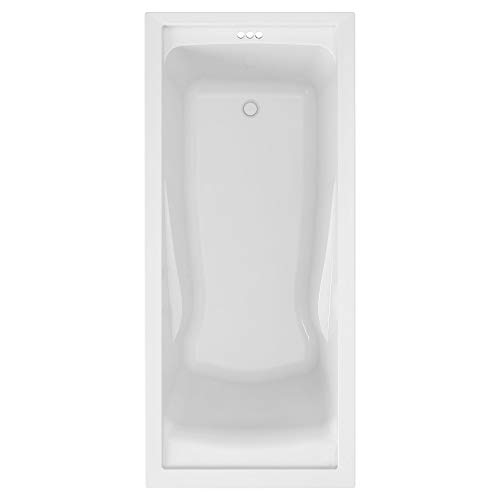
5. American Standard Evolution Deep Soaking Tub
A deep soaking tub from a large plumbing brand. It is intended for people who want more water depth than a standard bath.
Suits: a standard alcove with extra depth. Strengths: a roomy interior. Weaknesses: high sides. Skip it if climbing in is a problem.
Best for small bathrooms
6. Ariel Platinum Freestanding Soaking Tub
A smaller freestanding tub for compact bathrooms, closer in spirit to a Japanese style short, deep soaker than a long lounger.
Suits: small bathrooms. Strengths: a tighter footprint. Weaknesses: less leg room. Skip it if you want to stretch out.
View Ariel Platinum Soaking Tub on Amazon
Care and Setup
- Measure the room, door and stairs before ordering a tub.
- Check the subfloor, since a full tub with water and bathers is heavy.
- Clean acrylic with a non-abrasive cleaner.
- Dry the surface to help prevent mineral spots.
Mistakes to Avoid
- Forgetting to plan for the drain and overflow.
- Choosing size by looks only.
- Skipping a floor check for cast iron.
- Using abrasive pads on acrylic.
Interior Dimensions and Real Soak Comfort
The outside measurements of a tub tell you what fits in the room, but the inside measurements decide how it feels to use. Two tubs with the same footprint can offer very different soaking space, because wall thickness, a sloped back and a rolled rim all take up room. Look for the interior length at the bottom, the interior width, and the water depth at the overflow, which is the real fill level. A tub can be deep on paper yet have an overflow set low, so the water never reaches your shoulders.
Think about the people who will use it. A taller person may prefer a longer tub, where a shorter, deeper design could feel cramped at the legs. If you like to recline, check the shape of the back slope and whether the headrest area is comfortable. Some freestanding tubs have an inner shape that tapers toward the feet, which saves space but reduces room to stretch. If two people will share it, compare interior dimensions rather than relying on marketing words.
- Check the waterline depth and not just the rim height.
- Look at the shape of the inside, such as a sloped or straight back, since it affects comfort.
- Consider the height of the rim for getting in and out, especially if anyone has limited mobility.
- If possible, sit in a similar tub at a showroom to test the feel.
A deep soak is relaxing, but a very high rim can make entry harder, so balance depth with the ease of getting in and out.
Floor Structure and Weight Planning
A filled tub with a person in it is heavy, and the floor has to carry it. Cast iron is the heaviest material, and a full cast iron tub places a large concentrated load on a small area, particularly for clawfoot designs that rest on four feet. Acrylic tubs weigh far less, but they still hold a lot of water, which weighs a great deal. Ask a contractor or structural professional to check the subfloor and joists, especially in an upstairs bathroom or an older home.
Find the weight and capacity details on the listing, and use them in the assessment. In some cases the floor may need reinforcing, such as extra blocking or a stronger subfloor. Freestanding tubs need a level, solid base, and acrylic tubs often need full support under the shell so that the bottom does not flex over time. Follow the manufacturer’s installation guide for the supports and any mortar or foam bed recommended.
- Check the manual for any load-spreading or support requirements.
- Level the tub carefully so water drains properly and the shell is not stressed.
- Plan how the tub will reach the room, since cast iron may need several people and a clear route.
- Think about the floor finish too, since heavy feet can mark soft flooring.
Do not assume that a standard bathroom floor can handle any tub. A quick professional check beforehand is far cheaper than repairs afterward.
Drain, Overflow and Faucet Planning
Plumbing is where many tub projects stall. Check the listing carefully for whether the drain and overflow are included, and for the type and size of the opening. Some tubs are sold without any drain parts, others include a drain kit, and styles differ, such as pop-up, toe-touch and lift-and-turn. A mismatch between the tub and the drain can mean a return trip to the store. Also check the position of the drain, which may be at one end or in the center, and whether the tub has a built-in overflow, since some freestanding tubs rely on an external or integrated design.
Faucet choices depend on the tub style. Alcove and drop-in tubs usually take a wall-mounted or deck-mounted faucet, while freestanding tubs need either a floor-mounted filler or a wall-mounted one placed within reach. Clawfoot tubs may use an exposed supply line or a wall-mounted faucet. Measure from the faucet to the tub’s interior so the spout reaches over the rim and is not too far from the water.
- Plan where the supply lines and drain will sit before the tub arrives.
- Check whether the tub has pre-drilled faucet holes or none at all.
- Confirm the drain size matches the trap and pipe in the floor.
- Have a licensed plumber review the plan if you are unsure.
Access matters too. If the drain connection ends up under a sealed tub, make sure it is leak-tested before the room is finished.
Heat Retention, Water Use and Water Heater Capacity
A big appeal of a soaking tub is staying warm for the length of the bath. Materials differ in how they hold heat. Cast iron stores a great deal of heat and cools slowly, though it takes time to warm up at the start. Acrylic warms quickly to the touch and generally feels warm, although it may lose heat to the room faster, especially if the tub is freestanding and exposed on all sides. A tub surrounded by walls in an alcove often keeps its heat better than a freestanding one in an open room.
Deep tubs hold a lot of water, so think about the supply side. Check the stated capacity on the listing and compare it with your water heater’s tank size and recovery rate. A small tank may run out before the tub is full, leaving you with a lukewarm bath. A larger faucet flow can fill the tub faster, but it also needs adequate supply pressure and pipe sizing. If you are building or remodeling, ask your plumber about these questions.
- Pre-warm the room and the tub with a little hot water to help retain heat.
- Consider a tub lid or cover if the maker offers one, or keep the room door closed to hold warmth.
- Avoid overfilling beyond the overflow level.
- Expect higher water use than a standard tub, and plan accordingly.
If you often take long soaks, choose the combination of material, location and water heater that keeps the water comfortable the longest.
Cleaning, Finish Care and Safe Use
Different finishes call for different care, so follow the maker’s cleaning instructions. Acrylic surfaces scratch more easily than porcelain or enamel, so use a soft cloth and a non-abrasive cleaner, as the post advises, and avoid harsh solvents. Porcelain over cast iron is tough, but it can chip if a heavy object is dropped, and a chip should be repaired to prevent rust. Rinse and dry after use to limit soap film and mineral spots, particularly in hard water areas. A squeegee or soft towel can make quick work of this.
Think about safety, because a deep tub with slippery surfaces is a risk. A non-slip mat or textured base helps, and a grab bar installed securely into the wall structure can make getting in and out safer. Freestanding tubs may need a nearby place to put a towel and a stable spot to sit while getting in. Keep the bathroom floor dry, and never leave young children alone in or near a filled tub.
- Check the finish warranty and what cleaners it allows.
- Look for signs of wear, such as cracks, loose fittings or leaks around the drain.
- Re-caulk joints between the tub and walls when the sealant looks worn.
- Replace slippery or worn mats regularly.
As for budget tiers, simpler acrylic or steel designs cost less and are lighter, while cast iron and designer freestanding models cost more and need more planning. Decide on the size, material and style first, then compare the details and the warranty on the listing.
Measuring Your Bathroom Before Browsing
A tub looks different in a showroom or photo than it does in a real room. Before you compare models, draw a rough floor plan of your bathroom and mark the door swing, window, vanity, toilet and any fixed obstacles. For an alcove tub, measure the exact width, length and wall-to-wall space; for a freestanding one, add generous clearance around it for cleaning and movement.
Bring the measurements to the listing and compare them with the outside dimensions, not just the interior size. Also check the route into the house, because a large tub can be hard to maneuver through narrow halls and stair turns. Take photos of the plumbing and floor so you can share them with a plumber or contractor when planning.
Alcove, Freestanding or Clawfoot: Choosing by Situation
| Style | Fits best when | Be ready for |
|---|---|---|
| Alcove | You are replacing a tub in a three-wall space | Fixed size that must match the opening |
| Freestanding | The room has open floor and you want a centerpiece | Extra cleaning around the base and more demanding plumbing |
| Clawfoot | You like a traditional look | Exposed plumbing and a need to check floor support |
Pick the style that matches the room first, then look at materials and finishes. Pursuing a look that your bathroom cannot support leads to expensive changes later.
When to Call a Professional
Installing a tub involves water, drainage and structure, so this is a job where the maker’s instructions and a licensed professional matter. Ask a plumber to confirm the drain position, supply lines and venting. Have a contractor or structural expert assess the floor if you are placing a heavy tub on an upper level or an older house.
Check local building codes and permit rules before work begins. Also confirm that your water heater and supply suit a large tub; a plumber can advise on capacity and any necessary upgrades. Keep the paperwork, model number and care sheet in one folder. They are useful for later repairs or if something arrives damaged. Inspect the tub carefully on delivery, before it is moved indoors, and note any chips or cracks with photos while the delivery team is still present.
Comparing Tub Materials in Everyday Terms
Material shapes the feel, the weight and the upkeep of a tub. There is no single winner, so match the material to your habits and your building.
| Material | Everyday feel | Considerations |
|---|---|---|
| Acrylic | Warm to the touch and lighter | Needs gentle cleaners to protect the surface |
| Cast iron | Solid and heavy, with a glossy enamel finish | Very heavy, so floor support matters |
| Stone resin | Smooth, substantial feel | Weight and handling during delivery |
| Steel enamel | Firm and crisp surface | Can feel cooler and may need care around chips |
Whichever you choose, read the maker’s care instructions before the first soak. Harsh cleaners and abrasive pads can dull a finish quickly.
Comfort Points You Can Check at Home
Measure your own height and sit on the floor with your legs stretched out to get a sense of the length you need. Think about whether you prefer to recline against a sloped back or sit upright with the water at shoulder level. Look at the shape of the rim: a wide, flat edge is nice for a book or a cup, but a narrow one makes a tub feel more compact.
Also think about getting in and out. A tall side looks elegant, but it is harder to climb over, especially for children or older family members. A non-slip mat helps, and a grab bar installed by a qualified person adds extra stability. Always follow the maker’s guidance on safe use.
Choosing soaking tubs With Confidence: A Deeper Look
Start with the job, not the product. Before comparing any soaking tubs, write down what yours actually has to do in a normal week: who uses it, how often, for how long at a stretch, and what has frustrated you about the option you are replacing. That short list becomes the filter for everything else in this guide. Features that do not serve your list are decoration, while the two or three things on it deserve most of your attention and most of your budget. Readers who skip this step usually end up with an soaking tub that is impressive on paper and slightly wrong in daily life, which is the most common reason good products get returned.
Next, audit the space and the routine it has to fit. Measure where the soaking tub will live and where it will be stored, note the surfaces, light, moisture, heat or traffic it will face in the bathroom, and think about who else will handle it. A choice that fits the room but fights the routine still fails, so picture the busiest, messiest, most rushed version of your day rather than the tidiest one. If other people in the household will use it, their habits count too: the best soaking tub for people who treat a bath as a daily ritual rather than an occasional luxury is the one everyone can use correctly without a lesson every time.
Soaking depth over headline length
What makes a tub a soaker is the depth of water it holds over your body, not the longest dimension on the listing. Look at the interior well and how high the water can sit before reaching the overflow, and picture your shoulders and knees. A shorter, deeper tub often soaks better than a long, shallow one that leaves your chest in the cold air.
Interior shape and the back angle
A gently sloped back lets you recline without sliding, while a steep back keeps you upright like a chair. Lumbar support moulded into the shell, a slightly textured floor and enough width at the shoulders decide whether a long soak feels restful or like a negotiation. If you can sit in a display model dry, do it.
Material, heat and upkeep
Different shell materials hold heat differently, feel different against the skin and ask for different cleaning habits. Heavier materials tend to feel solid and keep water warm longer; lighter ones are easier to install and kinder during a remodel. Match the material to your hot water supply and your tolerance for careful cleaning products.
Fit in the room, not just the footprint
A tub needs working room around it: space to get in and out safely, to clean behind and beside it, and for the door and other fixtures to move freely. Freestanding styles show every side, so the floor and wall finishes around them matter. Measure doorways and turns for delivery as carefully as the final position.
Drain, filler and hardware planning
Decide early where the drain falls, how the tub fills and whether you want a hand shower for rinsing and cleaning. Retrofitting plumbing after the tub is chosen gets expensive quickly. A filler that pours without splashing, and controls you can reach before getting in, make every soak simpler and safer.
Compatibility is the quiet deal-breaker. Check the requirements that sit around the soaking tub itself: the fittings, power, mounting points, accessories, consumables or companion pieces it assumes, and whether your current setup already provides them. Confirming these details before ordering is dull and decisive in equal measure. It is far cheaper to discover a mismatch on a listing page than on the floor with the packaging open. Keep the product manual or listing open while you check, and measure twice wherever a dimension decides whether something fits, connects or closes properly.
Soaking tubs in Real Life: Common Situations
The nightly wind-down soak
For a daily ritual, fast filling, comfortable recline and water that stays warm matter most. Keep salts, a towel and a drink within dry reach so you are not climbing out mid-soak, and run the bathroom fan afterwards to clear humidity. A tub that is easy to rinse makes the habit sustainable on busy weeknights.
Aching muscles after training or physical work
Deeper immersion is the point here, so a well that covers shoulders and knees earns its place. Warm water and time do the work; keep sessions sensible, hydrate, and step out slowly because warm muscles and wet floors are a slippery combination. A grab point or a nearby stable surface helps on tired legs.
Shared family bathroom duty
When the same tub serves kids, guests and your own soaking, durability, easy cleaning and a shape that works for quick baths as well as long ones matter most. A rim wide enough for a seated child wash and a floor texture that is not slippery will serve the household better than the most sculptural silhouette.
A small bathroom that still wants a soak
Compact bathrooms reward deep, space-efficient designs and honest measuring. Consider how the tub reads visually too: a lighter footprint and a shape that leaves visible floor can make the room feel bigger. Do not sacrifice safe entry space to win a few extra centimetres of tub.
How the Picks in This Guide Compare
Use the picks in this guide as a shortlist, not a ranking to obey blindly. Read the review of each option with your own list beside it, and notice which pick keeps answering your specific frustrations. The first pick in a list is rarely the right pick for every reader; it is simply a strong starting point. Cross off options that miss a requirement entirely, however appealing their other qualities are, then compare what remains on the two or three criteria you care about most. That process usually leaves one obvious candidate and one sensible runner-up, which is exactly where a buying decision should end up.
The shortlist above, Kohler Villager Alcove Bath, Woodbridge Freestanding Acrylic Soaking Tub, Empava Freestanding Acrylic Bathtub, Kingston Brass Aqua Eden Clawfoot Tub, American Standard Evolution Deep Soaking Tub, and Ariel Platinum Freestanding Soaking Tub, covers the main directions a buyer in this category usually faces. Rather than treating them as a ladder from best to worst, treat them as answers to different priorities. Work through them in the order of your own list: find the pick whose review speaks to your biggest frustration first, then check whether its trade-offs touch anything you care about. A trade-off that lands on something you never do is free; a trade-off that lands on your daily routine is a reason to move to the next pick, whatever its position in the list.
Who should start with the Kohler Villager Alcove Bath
Start with the Kohler Villager Alcove Bath if its review above matches the way you actually live with soaking tubs: the setting it suits, the routine it fits and the compromises it makes. Read its limitations as carefully as its strengths, because every pick in this guide gives something up to be good at something else. If its limitation sits in an area you barely use, it may be your best value in the list. If its strength duplicates something you already own or never need, keep moving, since the right pick is the one whose strengths land on your week, not the one with the longest feature list.
Who should start with the Woodbridge Freestanding Acrylic Soaking Tub
Start with the Woodbridge Freestanding Acrylic Soaking Tub if its review above matches the way you actually live with soaking tubs: the setting it suits, the routine it fits and the compromises it makes. Read its limitations as carefully as its strengths, because every pick in this guide gives something up to be good at something else. If its limitation sits in an area you barely use, it may be your best value in the list. If its strength duplicates something you already own or never need, keep moving, since the right pick is the one whose strengths land on your week, not the one with the longest feature list.
Who should start with the Empava Freestanding Acrylic Bathtub
Start with the Empava Freestanding Acrylic Bathtub if its review above matches the way you actually live with soaking tubs: the setting it suits, the routine it fits and the compromises it makes. Read its limitations as carefully as its strengths, because every pick in this guide gives something up to be good at something else. If its limitation sits in an area you barely use, it may be your best value in the list. If its strength duplicates something you already own or never need, keep moving, since the right pick is the one whose strengths land on your week, not the one with the longest feature list.
Who should start with the Kingston Brass Aqua Eden Clawfoot Tub
Start with the Kingston Brass Aqua Eden Clawfoot Tub if its review above matches the way you actually live with soaking tubs: the setting it suits, the routine it fits and the compromises it makes. Read its limitations as carefully as its strengths, because every pick in this guide gives something up to be good at something else. If its limitation sits in an area you barely use, it may be your best value in the list. If its strength duplicates something you already own or never need, keep moving, since the right pick is the one whose strengths land on your week, not the one with the longest feature list.
Who should start with the American Standard Evolution Deep Soaking Tub
Start with the American Standard Evolution Deep Soaking Tub if its review above matches the way you actually live with soaking tubs: the setting it suits, the routine it fits and the compromises it makes. Read its limitations as carefully as its strengths, because every pick in this guide gives something up to be good at something else. If its limitation sits in an area you barely use, it may be your best value in the list. If its strength duplicates something you already own or never need, keep moving, since the right pick is the one whose strengths land on your week, not the one with the longest feature list.
Who should start with the Ariel Platinum Freestanding Soaking Tub
Start with the Ariel Platinum Freestanding Soaking Tub if its review above matches the way you actually live with soaking tubs: the setting it suits, the routine it fits and the compromises it makes. Read its limitations as carefully as its strengths, because every pick in this guide gives something up to be good at something else. If its limitation sits in an area you barely use, it may be your best value in the list. If its strength duplicates something you already own or never need, keep moving, since the right pick is the one whose strengths land on your week, not the one with the longest feature list.
Setup, First Use and Everyday Technique
The first days with a new soaking tub tell you most of what you need to know, so treat them as a test period rather than a honeymoon. Set it up properly, use it for its real jobs instead of gentle trials, and notice where you hesitate, adjust or work around it. Small annoyances in week one rarely shrink with familiarity; they usually grow. If something feels wrong, check fit, setup and technique before blaming the product, because a surprising share of disappointments trace back to one skipped step in the instructions or one assumption carried over from the old one.
Care, Cleaning and Storage That Protect Your Soaking tub
Rinse after every soak
Bath oils, salts and soap leave a film that dulls the surface and gets slippery. A quick rinse and a wipe with a soft cloth while the tub is still warm takes a minute and prevents the weekend scrub. Pay attention to the waterline, where residue concentrates.
Clean with surface-safe products
Use cleaners the maker approves for your tub material, soft cloths and non-scratch pads only. Abrasive powders and harsh solvents can cloud or weaken finishes, and damage often shows up gradually. When in doubt, warm water, a mild cleaner and patience beat aggressive scrubbing every time.
Keep the drain and overflow clear
Hair and soap build up quietly and slow drainage until a soak ends in a lukewarm puddle that will not empty. Clear the drain regularly, check that the stopper seals properly before filling, and run hot water through after hair-heavy family baths to move residue along.
Protect the finish day to day
Avoid standing in the tub in outdoor shoes, dropping heavy bottles onto the floor of the well, or leaving metal cans sitting on the rim where rust marks can form. Dry the rim and fittings after use in hard-water areas to slow mineral spotting, and descale gently on a schedule.
Ventilate the room properly
Long soaks load the bathroom with moisture. Run extraction during and after bathing, wipe condensation from cold surfaces, and let the tub dry fully between uses. Good ventilation protects grout, paint and cabinetry far beyond the tub itself, and keeps the room smelling fresh.
Keep a simple ownership rhythm. A quick wipe, check or tidy after use, a slightly deeper clean on a regular cycle, and a periodic inspection for wear will keep most soaking tubs performing the way they did when they arrived. Problems caught early, a loose fitting, a fraying edge, a strange noise, a part that no longer moves freely, are almost always cheaper and easier to fix than the same problems discovered months later. Tie the routine to something you already do, like a weekly clean or a seasonal clear-out, so it actually happens instead of living on a list of good intentions.
Storage is part of ownership, not an afterthought. Where an soaking tub rests between uses decides how fast it ages: damp, heat, crushing weight and direct sun quietly undo good materials, while a clean, dry, sensible spot preserves them. Keep the parts that belong together actually together, including the small accessories that vanish into junk drawers and are only missed mid-task. If the original packaging or a simple labelled container suits the shape, use it. Future you, searching at the moment of need, will be grateful for every boring storage decision you make now.
Mistakes That Quietly Ruin a Good Choice
Ordering before checking the floor and access
A beautiful tub that cannot pass the stair turn, or that overwhelms a floor not built for the filled weight, becomes an expensive problem. Confirm delivery access, floor condition and plumbing positions before committing, and involve your installer at the measuring stage rather than after the crate arrives.
Choosing by exterior style alone
Sculptural looks photograph well, but the interior is where you spend the time. A steep back, a narrow well or an awkward rim height will annoy you every single soak. Prioritise the sitting experience, then choose the prettiest exterior among the comfortable options.
Forgetting the hot water supply
A deep tub asks a lot of a water heater. If the household already runs short during showers, a larger soak may arrive lukewarm. Discuss capacity with your plumber before upsizing the tub, because the fix is much cheaper planned than improvised.
Skipping a hand shower
Rinsing hair, washing the tub and bathing kids or pets are all clumsy without one. Adding a hand shower at installation is simple; adding it later rarely is. It is the small fitting owners most often wish they had included.
Problems, Safety and Getting Years of Use
When something goes wrong, troubleshoot in a ladder instead of jumping to replacement. First, check the obvious: correct setup, correct supplies, nothing blocked, worn or installed backwards. Second, return to the manual section for that symptom, because makers document the common failures for their own designs. Third, change one thing at a time so you know what fixed it. If a problem affects safety, involves damage you cannot explain, or keeps returning after honest troubleshooting, stop and get professional help or contact the maker rather than improvising around it.
Safety deserves a deliberate pass with any soaking tub. Read the warnings that apply to your household, especially where children, older relatives, pets, water, heat or heights are involved, and set the soaking tub up so the safe way is also the easy way. Store accessories and any sharp, hot or heavy parts out of casual reach, and never defeat a guard, lock or limit because it slows you down. Most accidents with household gear happen during rushed, familiar routines, not during careful first uses, so build the habit while you are still paying attention.
Finally, know what finished looks like. An soaking tub has done its job when it fades into your routine: it works, it is maintained without drama, and it no longer asks for thought. Replace or upgrade when wear changes performance, when your needs genuinely change, or when repairs stop making sense, not simply because a newer version exists. Keeping notes on what you bought, when, and what you liked or disliked about it turns the next purchase into a five-minute decision instead of a fresh research project, and that, more than any single feature, is what a good guide is for.
One More Round of Practical Checks
A useful extra test is the two-week question: imagine living with this choice on an ordinary, slightly chaotic day a fortnight from now, not on the day it arrives. Novelty hides flaws; routine exposes them. Picture the cleaning, the storage, the other people involved and the moment something small goes wrong. If the choice still looks easy under those conditions, it is probably right. If your imagination keeps adding workarounds, believe it, and look again at the pick you crossed off earlier, because the runner-up often wins once daily reality gets a vote.
Budget thinking works better in reverse. Instead of asking what the cheapest acceptable version costs, ask what failure would cost you: a replacement within the year, a repair, damage to something the product touches, or simply a chore you stop doing because the tool makes it unpleasant. Spending a little more to avoid a likely failure is usually the economical move, while spending more on features your routine never touches is not. The picks in this guide sit at different levels for a reason, and matching the level to your actual frequency of use is the whole game.
Soaking Tub FAQ
What makes a tub a soaking tub?
A deeper basin with no jets. The aim is a fuller soak rather than a long reclined bath.
Can two people share one?
Some larger models are marketed for two. Compare the interior dimensions on the listing.
Are Japanese soaking tubs good for small bathrooms?
Their short length and deep basin save floor space, though the climb in is steeper.
Is acrylic or cast iron better for a soaking tub?
Acrylic is lighter, easier to install and warms quickly. Cast iron is heavy and holds heat for longer but needs a strong floor. Many buyers choose acrylic for ease and cast iron for the classic feel.
How much water does a soaking tub use?
Deeper tubs hold more water than standard baths, so expect a longer fill and a larger load on your water heater. Check the listing for the stated capacity before you decide.
How deep is a typical soaking tub?
Depth varies a lot by design, so check the listing for the interior depth and the water level at the overflow. The usable depth is what matters for a soak. Japanese style tubs are usually the deepest.
Can I put a soaking tub in an upstairs bathroom?
Often yes, but the floor structure has to support the weight of the filled tub. Have a contractor check the joists and subfloor first. Acrylic is usually easier than cast iron for this.
Do I need a special faucet for a freestanding tub?
Freestanding tubs generally need a floor-mounted or wall-mounted filler that suits the tub's position. Check whether the tub has faucet holes. Choose a filler that reaches over the rim and is easy to use.
What is the difference between a soaking tub and a whirlpool?
A soaking tub has no jets or air system and is designed for deep, quiet bathing. A whirlpool or air tub includes jets and a pump. Soaking tubs are simpler to clean and maintain.
How do I stop acrylic from scratching?
Use soft cloths and non-abrasive cleaners, and avoid metal tools and rough pads. Rinse sand and grit from the surface. Minor scratches may be polished out, so check the maker's guidance.
Can a clawfoot tub go against a wall?
Many can, but allow room for the feet, plumbing and cleaning behind and under the tub. Some designs are made to sit against a wall, while others are meant to be freestanding. Check the installation guide.
How long does a tub take to fill?
It depends on the volume, the faucet flow and the water pressure. A larger tub with a modest faucet can take a long time. Check the stated capacity, and ask your plumber about flow rates.
Do soaking tubs need a special water heater?
Not special, but the tank size and recovery rate should suit the tub's volume if you want a hot, full bath. A small heater may run out of hot water before the tub is full.
How long does a soaking tub take to fill?
It depends on the tub volume and your home water pressure and filler size, and larger freestanding tubs are the slowest. Filling while the room warms and towels are laid out makes the wait feel shorter. If slow filling frustrates you, raise it with your plumber before choosing the final tub and fittings.
Can a soaking tub replace a shower?
In a bathroom with a separate shower, easily. As the only bathing option, think honestly about rushed mornings, washing hair and accessibility for everyone in the house. Many households pair a soaking tub with an over-bath or separate shower so nobody has to choose between a quick wash and a long soak.
What water temperature is comfortable for a long soak?
Comfort is personal, but water that feels hot rather than scalding lets you stay in longer without overheating. Fill slightly warmer than your target if the tub or room is cold, since the water settles as it fills. Step out if you feel dizzy, and never leave children unattended in deep water.
Do freestanding tubs need special floor care?
They show the floor around them, so expect to clean and dry around the base regularly, especially after splashy family baths. Check the seal and connections if the tub ever shifts. A freestanding tub on a well-finished, water-tolerant floor is straightforward; on delicate timber it needs more vigilance.
How do I keep bath water warmer for longer?
Start with a warm room and a pre-warmed tub by running hot water briefly before filling, keep the door closed, and top up with hot water as needed rather than starting scalding. Materials and room temperature both play a part. A simple bath pillow and a covered shoulders trick, like a warm wet towel, help more than expected.
Is a soaking tub practical with limited mobility?
It depends on the person and the design: entry height, rim width, nearby support and floor grip all matter. Some households add properly installed grab rails and a hand shower to make bathing safer. Discuss individual needs with an occupational therapist or experienced installer rather than guessing from a showroom sit.
The Short Version
For cast iron in an alcove, the Kohler Villager. For a modern freestanding look, the Woodbridge or Empava. For a vintage feel, the Kingston Brass clawfoot. For extra depth, the American Standard Evolution. For a small room, the Ariel Platinum.