A plug and play hot tub runs off an ordinary household outlet instead of a dedicated 240 volt circuit. That means no electrician visit in most cases, and it is why small portable tubs are so popular with renters and first-time owners. In return, the heater is gentler and the tub warms up more slowly than a hardwired model.
The six picks below are all sold to run on regular home power, in compact sizes suited to a patio or a small yard. We have not used them ourselves, so confirm the voltage, plug and any recommended outlet protection on the current listing before buying.
As an Amazon Associate we earn from qualifying purchases. Links below are affiliate links, and they do not change the product information we give.
What to Look For
| Feature | Why it matters |
|---|---|
| Voltage | A 110v or 120v tub fits a household outlet, but a shared circuit can trip if other devices are running |
| Outlet protection | A grounded, protected outlet matters near water; follow the maker’s instructions |
| Heat-up time | Low-power heaters raise water temperature slowly, so plan ahead |
| Size | Smaller tubs warm faster and cost less to run |
| Cord length | Short cords limit where the tub can sit |
In this guide
Specs at a Glance
| Tub | Style | Size class | Notes |
|---|---|---|---|
| Lay-Z-Spa Helsinki AirJet | Soft sided | Two to four person | Compact; bubble massage |
| Lay-Z-Spa Miami AirJet | Soft sided | Two to four person | Small footprint |
| MSpa Starry | Framed inflatable | Larger, family size | Sold as a complete set |
| MSpa Aurora | Framed inflatable | Four person class | Firm wall |
| Lay-Z-Spa Paris AirJet | Soft sided | Four to six person class | Quilted style |
| MSpa Bergen | Framed inflatable | Larger, group size | Plug-in operation |
The 6 Best Plug and Play Hot Tubs
Top pickBest for small patios
1. Lay-Z-Spa Helsinki AirJet
A smaller round tub that suits two adults well and a third at a squeeze. Because the water volume is modest, it tends to heat faster than the bigger ones.
Suits: small patios. Strengths: a lighter water load. Weaknesses: limited room. Skip it if you host friends often.
View Lay-Z-Spa Helsinki on Amazon
Best for a first spa
2. Lay-Z-Spa Miami AirJet
Another compact member of the family, built around a plain, easy-to-learn control panel. It is meant to be set up and filled in an afternoon.
Suits: a first spa. Strengths: a simple layout. Weaknesses: slow to heat on cold nights. Skip it if you want a big soak.
View Lay-Z-Spa Miami on Amazon
Best for a family that plans ahead
3. MSpa Starry
A larger framed model that stays on a standard outlet. The extra water volume means a longer wait for heat, but the walls are firmer than a plain air ring.
Suits: a family that plans ahead. Strengths: spacious. Weaknesses: long heat-up. Skip it if you want warm water on short notice.

Best for two to four adults
4. MSpa Aurora
A mid-size framed tub that sits between the compact and the group-size ranges. The frame helps the wall stay upright when you lean on it.
Suits: two to four adults. Strengths: a stable wall. Weaknesses: more setup steps. Skip it if you want to pack it away often.

Best for small groups
5. Lay-Z-Spa Paris AirJet
A larger soft sided tub that still plugs into a standard outlet. It gives up some speed for more room, so give it a full day to warm.
Suits: small groups. Strengths: comfortable space. Weaknesses: a slow warm-up. Skip it if you have a tight balcony.
View Lay-Z-Spa Paris on Amazon
Best for larger households
6. MSpa Bergen
A big framed tub for people who want a group-size soak without hiring an electrician. As with all of these, confirm the circuit load before turning it on.
Suits: larger households. Strengths: generous room. Weaknesses: takes space and patience. Skip it if you want quick heating.
Care and Setup
- Use a dedicated outlet where you can, and avoid running other heavy appliances on the same circuit.
- Keep the lid on while the water heats to cut the wait.
- Start warming the tub well ahead of when you want to use it.
- Check the cord and plug for damage before every season.
Mistakes to Avoid
- Using an ordinary extension cord, which is unsafe near water.
- Ignoring the tub’s own electrical instructions.
- Expecting a 120 volt tub to heat as fast as a hardwired one.
- Skipping a protected outlet.
What Plug and Play Really Means for Your Home
The phrase plug and play describes how a hot tub connects to power, not how easy the whole project is. A tub that uses a standard household plug still needs a suitable location, a safe outlet, a flat base and water. Before you shop, find out what outlet you would use, where it is, how far it is from the spot you want, and whether it is protected. The maker’s manual will say what kind of outlet and protection is required, and local rules may add to that.
It also helps to understand the trade-off in power. A standard outlet can supply only so much energy, so the heater and pump are designed to share a limited budget. Many plug-in tubs warm the water slowly and may pause the heater while the jets or air blower run. That is normal for the design, but it explains why these tubs are often slow to heat, and why a lid, a ground cloth and a sheltered spot matter so much.
Check whether the tub is intended for year-round use or for milder seasons. Some soft-sided and framed models are built mainly for warm weather, while others claim cold-weather operation within a range given in the listing. Read the stated ambient range and treat it as a limit. If you live somewhere cold, plan for much longer heating times and higher energy use, or consider another type of tub. If you are unsure about wiring, ask a licensed electrician before you buy rather than after the tub is full.
Power, Circuits and Outlet Safety
Water and electricity demand care, and this is the area where it pays to be strict. A hot tub should be plugged into a properly grounded outlet with the type of shock protection the maker specifies, and it should be placed according to the manual’s distance rules. Many tubs come with a cord that has a built-in protective device, but you should still check that the outlet is suitable and that the cord is in good condition. Never use a damaged cord, and never modify the plug.
Avoid extension cords unless the maker explicitly allows a specific type. In general, a longer or thinner cord can overheat, and a connection near wet ground is a risk. If the outlet is too far away, the right fix is to have an electrician add one in a suitable place, not to string cords across the lawn.
Think about what else shares the circuit. A hairdryer, a microwave, a space heater or a power tool on the same circuit can trip the breaker when the tub heater runs. If your breaker keeps tripping, do not bypass it. Instead, move other loads or arrange for a dedicated circuit. Check the listing for the tub’s rated power draw, and compare it with the circuit rating in your home. Place the cord where it will not be stepped on or run over, and keep it out of standing water. Let the tub’s own instructions override general tips.
Siting, the Base and the Water Load
A filled tub is much heavier than it looks, because water is heavy and the tub holds a lot of it plus people. Choose a base that is flat, firm and able to carry that load. A concrete pad, a well-built deck rated for the weight or a prepared surface of compacted material can work, while soft lawn or thin paving can sink or crack. Check the maker’s guidance on the base, and if you plan to use a deck, have its capacity checked by a professional.
Use a ground cloth or a protective mat under the tub to keep sharp objects from damaging the floor, and keep the area free of stones and sticks. Level matters because uneven ground stresses the walls and can cause the tub to lean. Check the surface again after the tub is full, since it can settle.
Think about where water will go. You will need to drain the tub from time to time, and you should know where the water flows so it does not flood a neighbor, a basement window or a flower bed. Wind exposure, privacy, distance from the house and access to a garden hose are also practical points. A sheltered corner with a windbreak will cut heat loss and shorten heating time. Keep trees away to limit leaves, and avoid placing the tub under power lines or low branches. Make sure you have a clear path for walking in and out safely at night.
Water Care and Keeping Running Costs Sensible
A small tub still needs proper water care. Filters collect debris and need regular cleaning or replacement according to the maker’s schedule, and water needs sanitizer and balance checks. Use test strips or a test kit and follow the product instructions, since too little sanitizer can lead to cloudy water and too much can irritate skin. Never mix chemicals, store them out of reach of children and keep them away from heat and sunlight.
Water does not last forever. Over time, minerals and residues build up, and the water needs to be drained and replaced. How often depends on usage, water quality and the maker’s guidance, so read the manual rather than guessing. Keep the cover on whenever the tub is not in use, since this reduces debris, evaporation and heat loss.
Running costs depend on climate, tub size, cover quality, temperature setting and how often you use the tub. Small tubs take less energy to heat but still add to a bill, especially in cold weather. A good cover, a windbreak, a clean filter and a steady setting are better than raising and lowering the temperature repeatedly. If you only use the tub occasionally, plan to warm it early and keep it covered. Compare the energy details in the listing if they are given, and keep a note of your actual usage to see what it costs in your home.
Choosing by Budget, Questions to Ask and Signs to Replace
At the lower tier, plug-in tubs are usually soft-sided or lightly framed with a simple control panel, a basic heater and fewer jets. Mid-tier models add stronger walls, better insulation, more controls or a sturdier cover. Higher tiers add more capacity, stronger materials and extra features, but a higher tier does not change the basic limits of a standard outlet. Choose based on the number of people, the space and the climate.
Before you buy, ask a few questions. What outlet and protection does the maker require? How long does heating take in my climate? What is the actual size when full, and does it fit my space? What is the weight when filled, and can my base handle it? What does the warranty cover, and are the pump, heater and cover included? Are replacement filters and parts easy to find? Does the maker recommend a particular chemical routine?
Signs that a tub needs repair or replacement include a pump that is loud or fails to start, a heater that no longer raises the temperature, leaks at seams or valves, a cover that is waterlogged or cracked, a damaged cord or plug, rust on fittings and constant breaker trips. Turn off the power before any inspection. For any electrical fault, stop using the tub and have it checked by a qualified person before using it again.
A Planning Checklist for First-Time Hot Tub Buyers
A hot tub is a bigger commitment than most household purchases, so planning pays off. Use this list to organize your thinking before you compare the six models above, and keep notes on anything that needs a professional opinion.
- Choose a location and measure it, including the clearance needed around the tub.
- Check how the water will be filled and drained, and how far the hose must reach.
- Find out what kind of outlet the tub requires and whether your home can supply it.
- Think about how many people will use it at once and how often.
- Look at what comes in the box, such as a cover, a pump and filter cartridges.
- Plan where you will keep chemicals and spare filters, away from children and pets.
Where electricity is involved, always follow the maker instructions and local rules, and ask a licensed electrician if you are unsure about the outlet or protection devices. This is one area where guesswork is not worth the risk, and a short visit from a professional can settle the question for good.
Inflatable and Rigid-Shell Tubs: A Side-by-Side Look
The models in this guide include inflatable designs and sturdier shells, and the two behave quite differently over a season. Comparing them directly makes the trade-offs easier to see.
| Feature | Inflatable style | Rigid-shell style |
|---|---|---|
| Storage | Deflates and packs away | Stays in place year round |
| Setup | Inflate, level, fill | Heavier to position |
| Feel | Soft walls, simple controls | Firmer seats, more built-in features |
| Maintenance | Inspect seams and valves | Inspect cover and shell |
| Best for | Seasonal or occasional use | Regular use in one spot |
People who rent, move often or have limited space often lean toward an inflatable tub. Those with a permanent spot and a wish for extra seating and jets may prefer a rigid model. Neither choice is wrong; it depends on how you live and how much effort you want to spend on setup and storage.
Everyday Habits That Keep the Water Pleasant
Day-to-day care is mostly small chores done on a regular schedule. Keeping a simple routine prevents cloudy water and extends the life of the equipment.
- Rinse off before getting in to reduce what ends up in the water.
- Keep the cover on when the tub is not in use to hold in warmth and keep out leaves.
- Rinse or swap filter cartridges on the schedule the maker suggests.
- Test and balance the water using the products and steps recommended in the manual.
- Drain and refresh the water on the interval given by the manufacturer.
Cold weather asks for extra thought, so read the maker guidance on winter use before temperatures drop. A calendar reminder for filter changes and water refreshes helps the routine stick. If something sounds unusual, such as a pump that rattles or a heater that does not respond, turn the tub off and consult the manual or the support team rather than trying a workaround. Careful habits keep the tub ready whenever you want it.
Questions to Ask Yourself Before You Commit
Excitement can push a purchase along faster than the practical side deserves. Pause on these points before placing an order, and be honest about the answers.
- Will I use it often enough to justify the space and the upkeep?
- Is the chosen spot level, firm and sheltered, according to the maker guidance?
- Do I know how to drain and store the tub when the season ends?
- Have I checked local rules, landlord permission or homeowner association requirements?
If most answers are comfortable, you are probably ready. If several raise doubts, a smaller or simpler model, or a delay while you sort out the details, may be wiser.
Choosing With More Care: The Details That Decide Satisfaction
Choosing among plug and play hot tubs is really choosing a routine you will live with for years, so start with placement and power before falling for any particular model. Walk the spot you have in mind and think about access for delivery, a level and suitable base, privacy, the route you will walk in cold or wet weather, and how water will be filled and drained. A tub that fits its setting gets used constantly; one that fights its setting becomes an expensive garden ornament, however impressive its features looked in the listing.
Next, be honest about how you will use it. A soak for two most evenings is a different purchase from regular social use by a crowd, and features that serve one pattern can be wasted on the other. Consider who will climb in and out, whether anyone will struggle with high sides or slippery surroundings, and how much maintenance time you genuinely have each week. The reviews in this guide are most useful when read against your own answers to those questions.
Matching Your Choice to Real Life
For households picturing quiet evening soaks, warmth, comfort and low running fuss matter most, along with a cover routine that keeps the water ready without constant attention. For social households, think about how people will gather around the tub as much as in it: seating nearby, somewhere for towels and drinks away from the water, lighting for safe movement, and steps everyone can manage. Planning the scene around the tub is what turns a purchase into a habit the whole household enjoys.
Renters, movers and first-time owners have another scenario to weigh: how easily the tub can be emptied, moved or resold if life changes. A model that suits a first home may not suit the next garden, and installation choices that are hard to reverse deserve extra thought. If this is your first spa, favour simplicity while you learn your own habits. You will know far more about what you value after a season of real use than any amount of listing research can teach you now.
Using It Well From the First Day
Getting the most from a spa is mostly about rhythm. Keep the water cared for on a regular schedule so the tub is ready when the moment appears, rather than needing a rescue session before every soak. Warm the tub with enough time in hand, keep towels and robes somewhere dry and close, and agree simple house rules: a quick rinse before getting in keeps the water cleaner, and food and glassware stay away from the water for obvious reasons.
During the soak itself, follow the maker guidance on temperature and session length, and take extra care with children, who should always be supervised and whose time in hot water should be limited in line with professional advice. Anyone who is pregnant, unwell or managing a health condition should check with their doctor about hot water soaking before making it a habit. Comfort is the point of owning a spa, and comfort includes knowing when to get out, cool down and call it a night.
Care, Cleaning and Keeping It at Its Best
Care divides into the weekly rhythm and the seasonal jobs. Weekly, the water gets tested and corrected as needed, the filter gets attention as the maker directs, and the waterline and cover get a wipe before grime builds up. Seasonally, plan for a deeper clean, a full water change as your routine calls for, an inspection of the cover and seals, and a check of the base and surroundings for settling, debris or damp. Written into a calendar, none of it is onerous; left to memory, all of it slips.
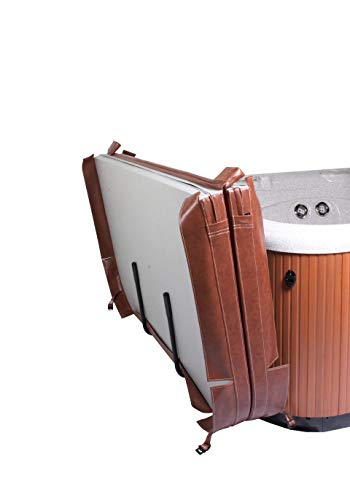
The cover deserves care of its own, because it protects the water, the heat and the tub itself. Keep it clean, handle it with a lifter or a second pair of hands rather than dragging it, and never let anyone sit or stand on it. Check its weight and condition over time: a cover that becomes heavy, damaged or ill-fitting stops doing its job and makes every soak a little harder to start. Replacing a tired cover promptly protects the larger investment underneath it.
How the Picks in This Guide Compare
The picks in this guide, Lay-Z-Spa Helsinki AirJet, Lay-Z-Spa Miami AirJet, MSpa Starry, MSpa Aurora, Lay-Z-Spa Paris AirJet and MSpa Bergen, were chosen to cover the situations most buyers actually face rather than to repeat the same idea several times over. Read their individual reviews above side by side and you will notice that each one leans towards a different strength: a different balance of comfort, practicality, ease of care and suitability for a particular setting. That spread is deliberate, and it means the best choice for you depends less on which pick is strongest in the abstract and more on which strength matches the job waiting for it in your home.
A useful way to compare them is to hold your main scenario steady and test each pick against it. Picture the same ordinary day, the same room, the same people and the same weather, and ask of each option in turn how it would cope. The pick that handles your ordinary day gracefully will almost always serve you better than the one that shines only in an ideal scenario. Where two picks seem close, let the care routine decide: the one whose cleaning, storage and upkeep fit your real habits is the one that will still please you in a year.
It also helps to decide in advance what would make you return or replace a purchase, because that reveals your real priorities. If the answer is about fit, measure twice and order once. If it is about upkeep, re-read the care sections of the reviews above before choosing. If it is about how the pick suits a particular person, involve that person in the decision now rather than after delivery. Clear priorities turn a long shortlist into a short decision, and they protect you from being swayed by whichever listing you happened to read last.
Reading Listings and Product Pages Critically
Listings for plug and play hot tubs lead with the enjoyable parts, so train yourself to look for the practical lines: how the tub is delivered and installed, what it needs electrically and structurally, what the maker says about water care, and what is and is not included. Steps, covers and lifters are sometimes part of the package and sometimes extras you will need straight away. A fair comparison between two models counts everything required to be soaking safely, not just the headline item.
Treat dramatic claims about running costs, silence or effortlessness with calm scepticism, since your climate, usage and electricity arrangements will shape your experience more than any laboratory figure. Look instead for clear documentation, a maker you can contact, and directions written in plain language. If a listing cannot tell you how the tub is filled, drained and cleaned, keep looking: those weekly realities matter far more than one extra feature you may use twice a year.
Mistakes That Only Appear After a Few Weeks
The most expensive mistake is buying before preparing the site. Tubs have been delivered to gardens with no suitable base, no safe electrical arrangement and no realistic route from the gate to the spot, turning an exciting day into a scramble. Walk the whole journey, confirm the practical requirements with the maker or a qualified professional, and have the groundwork done first. The second mistake is the opposite rush: filling and heating before reading the manual and understanding the water-care basics for your specific model.
Another common mistake is treating the first month as the whole story. New owners soak daily, then life resumes and the tub sits while the water quietly goes neglected. A spa rewards a modest, sustainable routine over an intense start: decide the weekly care rhythm before the tub arrives, share the jobs if you can, and keep supplies together near the tub. Owners who plan for month six, not just week one, are the ones still soaking happily years later.
Building a Routine That Lasts
In the first weeks, keep notes. Record how long heating took, what the water needed, which settings everyone preferred and anything that annoyed you, from a slippery step to a cover that fights back. Small fixes made early, a mat here, a hook for towels there, a better spot for supplies, compound into a setup that feels effortless later. This is also the time to learn your water properly, testing on schedule and correcting gently rather than rescuing dramatically.
As seasons change, adjust the routine rather than abandoning it. Colder weather makes soaks more appealing and heating more deliberate, so plan warm-up time and keep paths to the tub safe and lit. In busy or hot periods when the tub is used less, do not let water care lapse entirely; a resting spa still needs its rhythm, or a proper drain and clean if the maker recommends that for longer breaks. A tub that is looked after through its quiet months is ready the moment you want it again.
When to Repair, Replace or Rethink
A spa rarely fails all at once; it drifts. Heating grows slower, pumps grow noisier, the cover grows heavier and small leaks or error messages appear. Keep a simple record of these changes and address them promptly with the maker or a qualified technician rather than working around them, especially anything involving electrics or persistent leaks. Attending to small faults early is usually what separates a long-lived tub from one that declines into disuse.
If you eventually replace or upgrade, let your own history lead. Your notes will show how many seats were actually used, which features earned their keep, how your site handled the seasons and what maintenance you truly did. Buy the next tub for that proven pattern. Many owners discover they want either much simpler or much more social than their first guess, and either discovery is valuable, because the second purchase is the informed one.
A Practical Decision Worksheet
Start by writing your requirements down before you look at another listing. Divide a page into three short lists: what the purchase must do, what would be nice, and what you know you do not need. Be specific in the first list, because vague wishes produce vague purchases. Include the room or situation, the people involved, the surfaces and conditions it will face, and the care effort you can honestly sustain. Then read the reviews in this guide once more, scoring each pick only against your first list. Picks that fail a must-have leave the shortlist immediately, however appealing their extras, and what remains is usually a choice between two or three genuinely suitable options.
Now test that shortlist against the least convenient day, not the best one. Imagine the purchase in use when you are tired, rushed, short of space or dealing with guests, bad weather or a spill, because that is when design weaknesses stop being theoretical. Ask where it will be stored on that day, who else will handle it, and what could go wrong that a little planning would prevent. This unglamorous exercise is where experienced buyers earn their reputation: they do not buy for the photograph, they buy for the Tuesday evening when everything else is going wrong as well.
Planning Around Seasons and Household Changes
Seasons change what a home asks of its contents, and a wise purchase anticipates the change rather than discovering it. Think about the wettest, hottest, busiest and quietest times of your year and how this choice behaves in each. Some purchases work hardest in one season and rest in another, which is fine as long as storage and care for the resting months are planned. Others are asked to perform identically all year, which raises the bar for durability and for a care routine you can keep up when motivation dips in the middle of winter.
Households change too, sometimes gradually and sometimes overnight. Children grow, relatives visit or move in, pets arrive, jobs change the shape of the day, and a purchase that fits this year may be tested by next year circumstances. You cannot plan for everything, and you should not try, but favouring adaptable, forgiving choices over narrow, precious ones gives your home room to evolve. When you read the picks above, give a quiet bonus to the option that would still make sense if your household looked a little different in two years time.
Troubleshooting and the Long View
When something disappoints after purchase, troubleshoot before you replace. Most disappointments have a simple layer underneath: the wrong position, the wrong routine, the wrong pairing with another item, or expectations set by a photograph rather than by the job at hand. Change one variable at a time and live with the change for a few days before judging it, because several changes at once teach you nothing. Keep notes if the problem is subtle. A surprising share of purchases are rescued by a mat, a hook, a different wash, a moved shelf or a clearer house rule.
Finally, keep the long view. The purchases that serve a home best are rarely the most exciting ones; they are the ones still quietly working years later, maintained by habits so small they feel like nothing. Judge your shortlist by asking which option you would be happiest to clean, repair, store and rely on in three years, with its novelty long gone and its usefulness proven daily. That question cuts through presentation faster than any other, and it is the question this guide was written to help you answer well.
Plug and Play Hot Tub FAQ
Do I need an electrician for a 110v hot tub?
Often not, but your outlet and local rules still matter. Read the maker’s manual and ask a licensed electrician if unsure.
Are plug and play hot tubs cheap to run?
The heater is low-powered, but heating takes a long time, so running costs depend on climate and cover use.
Can a small hot tub be affordable and good?
Yes, within limits. Smaller tubs cost less up front and heat faster, at the cost of room.
What is the difference between plug and play and hardwired?
A hardwired tub is connected to a dedicated higher-voltage circuit and heats faster. A plug and play tub uses a regular cord and outlet with lower power, trading speed for easier installation.
Can I run a plug and play hot tub all winter?
Some listings describe cold-weather use within a stated temperature range, but heating takes longer and costs more in the cold. Read the maker's guidance, use a good cover and windbreak, and do not leave water to freeze in the pump or plumbing.
Why does my tub stop heating when the jets are on?
Many plug-in tubs share limited power between the heater and the pump or blower, so the heater may pause while others run. Check the manual to see how your model behaves, and warm the water before you turn on the jets.
How long should I wait before using a new tub?
Heating time depends on the tub, the starting water temperature and the weather, and it can take many hours or even a day. Check the listing and plan ahead, and use a thermometer to confirm the temperature.
Is it safe to use a power strip with a hot tub?
In general, do not. Connect the tub to a suitable outlet as described in its manual, and avoid power strips and extension cords unless the maker allows them.
Do I need to cover the tub every time?
Yes, whenever it is not in use. A cover keeps out debris, cuts heat loss and reduces the work your heater does. Check that the cover fits and that it is in good condition.
How often should I change the water?
It depends on usage, water quality and the maker's advice. Many owners drain and refill on a regular schedule, and cloudy or odorous water that does not respond to treatment is a sign it is time.
Can children use these tubs?
Follow the manual's guidance on age, temperature and supervision, and ask a healthcare provider if you are unsure. Keep the cover locked or secured when the tub is not in use.
One More Consideration Before You Decide
The value question deserves a calm answer, because the most expensive option is rarely the one with the highest ticket and the cheapest is rarely the one bought twice. Think in terms of cost per year of good service: how long this purchase will realistically last in your home, how much effort it asks of you each week, and how likely you are to still be pleased with it once the novelty has gone. A choice that fits your routine so well that you stop thinking about it has usually earned whatever it cost, while a bargain that fights your habits charges you a small toll of annoyance every single day.
Accessibility is easy to overlook until it matters. Consider everyone who will use this purchase, including visitors, older relatives and anyone recovering from an injury or managing tired joints, and ask whether the choice works for them as well as for you. Height, weight, grip, balance and the amount of bending or reaching involved all change the experience for different bodies. A purchase that the whole household can use confidently is worth more than a slightly finer one that quietly excludes somebody.
Keep the paperwork and the proof. Save the maker instructions, the care guidance and your order details somewhere you can find them in a year, because the moment you need them is never the moment you expect. A note of when you bought the item, what you chose it for and any lesson from the first weeks turns future decisions, replacements, spare parts, cleaning questions and warranty conversations into simple lookups instead of guesswork. Households that keep this small record rarely repeat a buying mistake, because the evidence of the last one is sitting in the drawer.
Share what you learn with the people who share your home. A purchase used by several people succeeds when everyone knows the simple rules around it: where it lives, how it is cleaned, what it should never be asked to do and who to tell when something seems wrong. Two minutes of explanation at the start prevents the slow damage done by well-meaning misuse, and it turns care from one person burden into a household habit. Write the essentials on a card kept nearby if the routine has more than a couple of steps.
Give the decision a night to settle if you can. A shortlist that still looks right the next morning, checked once more against your must-have list and your least convenient day, is very unlikely to disappoint you. Urgency is usually a property of the listing, not of your life, and the few purchases that genuinely cannot wait are obvious. Calm, measured choosing is the whole method behind this guide, and it works just as well for the next purchase as it does for this one.
Finally, think about the footprint of the choice in your home and beyond it. Prefer the option you will keep for years over the one you will replace quickly, keep packaging only until you are sure the purchase is right, and pass on or recycle what you retire where you can. Durable, well-matched purchases are the simplest form of sustainability available to a household: fewer deliveries, fewer returns, less clutter, and a home filled with things that were chosen once and chosen well.
More Questions Buyers Ask
What should I prepare before the tub arrives?
A suitable, level base, a safe electrical arrangement confirmed with a qualified professional where required, clear access along the delivery route, and a plan for filling and draining. Read the maker requirements for your specific model well in advance, since they differ. Having water-care supplies and a cover routine ready means you can start correctly from the first fill instead of improvising.
How often will I actually need to maintain the water?
Expect a light weekly rhythm of testing and small corrections, attention to the filter as directed, and periodic deeper cleans and water changes on the schedule your routine and maker guidance set out. It is a modest commitment, but it is not optional: neglected water quickly becomes uninviting. Most owners find the routine takes little time once it is a habit tied to a fixed day.
Can children use the spa with us?
Children should always be supervised closely in and around a spa, and their time in hot water should be limited, following professional guidance and the maker instructions. Secure the cover whenever the tub is not in use, and treat the area like any other water hazard in the home. If young children are part of your household, factor locks, barriers and supervision into your setup from the start.
What is the best way to keep running effort down?
Keep the cover on and in good condition whenever the tub is idle, maintain the water so it never needs rescue treatment, and keep the filter clean so the system works as designed. Use the tub regularly rather than heating it for rare occasions, and follow the maker guidance on standby settings. Steady, ordinary care beats any single gadget or trick for keeping ownership easy.
Do I need a professional for installation?
For anything involving fixed electrical work, structural questions or plumbing, yes: use a qualified professional and follow local rules. Even for simpler self-install styles, read the maker requirements carefully and do not improvise around electricity and water. A short professional visit at the start is a small part of the overall purchase and protects both the tub and the household.
How do I stop the area around the tub getting slippery?
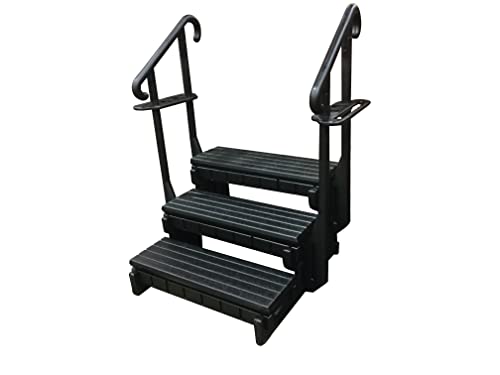
Plan drainage so water from bathers and splashes goes somewhere sensible, use outdoor mats or textured surfaces on the main walking route, and keep towels at the edge so people dry their feet as they climb out. Good lighting for evening use and steps or rails where the maker offers them complete the picture. Most slips happen in the few steps between tub and towel, so design that short journey carefully.
The Short Version
For a compact tub, the Lay-Z-Spa Helsinki or Miami. For a framed mid-size, the MSpa Aurora. For more space, the Lay-Z-Spa Paris. For a family-size soak, the MSpa Starry or the MSpa Bergen.