Air fryers come in more shapes than most shoppers expect. Some are simple baskets, others are ovens with racks, and a few double as pressure cookers. The best type of air fryer depends on how many people you cook for, what you cook and how much counter space you can spare.
Rather than ranking one model above all others, the six picks below each stand for a different type. We have not used these products ourselves, so confirm size, features and accessories on the current listing before buying. Capacity naming differs between brands, so compare quarts and interior dimensions carefully.
As an Amazon Associate we earn from qualifying purchases. Links below are affiliate links, and they do not change the product information we give.
What to Look For
| Feature | Why it matters |
|---|---|
| Basket style | The classic design is simple and fast, and it suits snacks, wings and sides |
| Dual zone | Two baskets let you cook two foods with different settings at once |
| Oven style | Racks and trays handle bigger batches, baking and roasting |
| Combo cookers | A pressure cooker lid adds air frying to a multi-cooker |
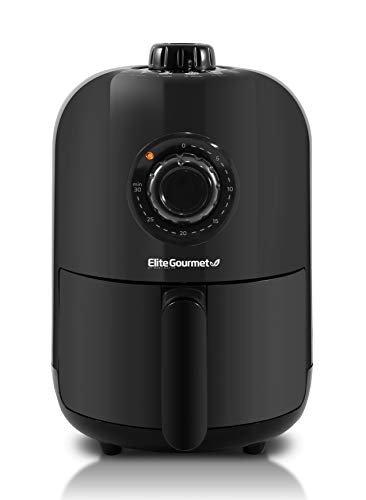
| Compact size | A small unit is easier to store but holds less food |
| Noise and heat | Larger fans and oven-style bodies can run louder and warmer than small baskets |
In this guide
Specs at a Glance
| Model | Type | Size class | Notes |
|---|---|---|---|
| COSORI Pro II | Basket | Mid-size | Digital controls |
| Ninja Foodi DZ201 | Dual basket | Large | Two zones |
| Instant Vortex Plus Air Fryer Oven | Oven style | Large | Racks and rotisserie option |
| Ninja Foodi Pressure Cooker Air Fryer | Combo cooker | Large | Pressure and crisp lid |
| Philips Premium Airfryer | Basket | Mid-size | Rapid air design |
| Dash Compact Air Fryer | Compact basket | Small | Easy storage |
The 6 Best Types of Air Fryers
Top pickBest for couples and small families
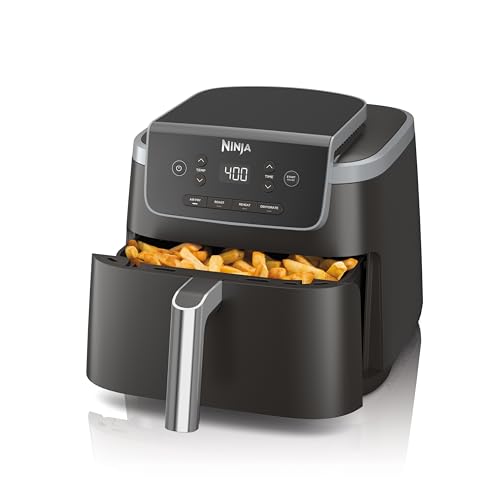
1. COSORI Pro II Air Fryer
A basket-style air fryer with digital presets and a nonstick basket. It represents the most common type, suited to snacks, fries and weeknight meals.
Suits: couples and small families. Strengths: a straightforward basket with presets. Weaknesses: a single zone means one setting at a time. Skip it if you cook several foods at once.
View COSORI Pro II Air Fryer on Amazon
Best for families and meal preppers
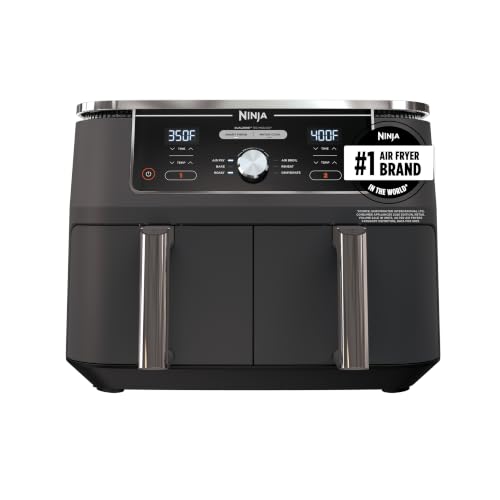
2. Ninja Foodi 2-Basket Air Fryer (DZ201)
A dual-zone air fryer with two separate baskets and a sync function so two foods finish together. It is the type to pick if you cook mains and sides at once.
Suits: families and meal preppers. Strengths: two baskets and matched finishing. Weaknesses: a wide body on the counter. Skip it if you cook for one.
View Ninja Foodi 2-Basket Air Fryer (DZ201) on Amazon
Best for large batches and roasts
3. Instant Vortex Plus Air Fryer Oven
An oven-style air fryer with racks and, on some versions, a rotisserie option. It is the type that suits larger batches, baking and roasting.
Suits: large batches and roasts. Strengths: rack space and multi-use cooking. Weaknesses: it needs more room than a basket. Skip it if you want the smallest option.
View Instant Vortex Plus Air Fryer Oven on Amazon
Best for small kitchens that want one appliance
4. Ninja Foodi Pressure Cooker and Air Fryer
A multi-cooker with a pressure lid and a separate crisping lid. It is the combo type that replaces more than one appliance.
Suits: small kitchens that want one appliance. Strengths: pressure cooking and crisping in one pot. Weaknesses: a heavier body and a learning curve. Skip it if you want a basic air fryer.
View Ninja Foodi Pressure Cooker and Air Fryer on Amazon

Best for those who value brand pedigree
5. Philips Premium Airfryer
A basket-style air fryer from a brand that helped bring the technology to home kitchens. It focuses on even cooking with a polished build.
Suits: those who value brand pedigree. Strengths: even air flow and a refined body. Weaknesses: it is a premium-feel basket model. Skip it if you want an oven-type unit.

Best for single servings and small spaces
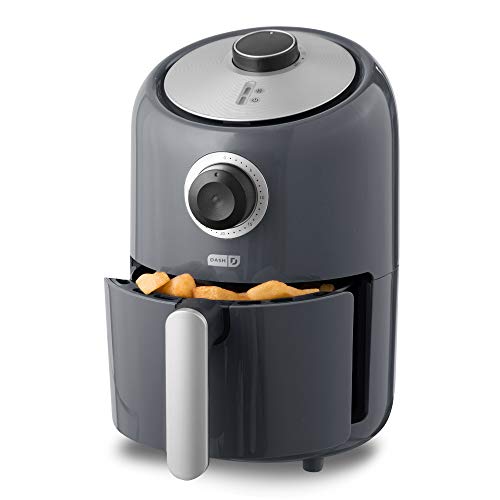
6. Dash Compact Air Fryer
A small basket air fryer for one or two people. It heats quickly and tucks away easily, which suits dorms and small flats.
Suits: single servings and small spaces. Strengths: a tiny footprint and light body. Weaknesses: limited capacity. Skip it if you cook for a household.

Care and Setup
- Wash baskets and trays after use, following the nonstick care in the manual.
- Keep air vents clear of walls and cabinets.
- Shake or flip food halfway for even browning.
- Do not overfill the basket, since food crisps best in a single layer.
- Wipe the heating area on the schedule the manual recommends, since grease can build up over time.
Mistakes to Avoid
- Choosing a size based on quarts alone.
- Overcrowding the basket.
- Using aerosol cooking sprays on nonstick coatings.
- Skipping preheat when the manual recommends it.
- Forgetting that a deep basket may still need shaking to avoid pale spots.
Match the Type to Your Menu
Before comparing designs, write down the five or six foods you expect to cook most often. The right air fryer type follows from that list far more than from a feature checklist. Frozen snacks, wings, vegetables and reheated leftovers do well in nearly every design, because they are small, spread out easily and crisp quickly in moving hot air. If that is most of your menu, a basket model is usually enough and keeps cost, size and cleanup to a minimum.
Menus that include whole chicken pieces, sheet-pan dinners, toast, dehydrated snacks or baked goods point toward an oven-style unit. Racks and trays give you more surface area, and a door you can open to see the food makes it easier to judge doneness. If you regularly cook a main dish and a side at the same time, a dual-basket design saves you from cooking in rounds and keeping the first batch warm.
A combo cooker with a pressure lid suits people who want stews, rice or braises as well as crisping. It is a multi-cooker first, so think about whether you would really use both functions or whether one will gather dust. The air frying lid on these units is usually a separate attachment, which you need to store somewhere.
- Mostly snacks and sides: basket or compact basket.
- Two foods at once: dual basket.
- Batches, baking, roasting: oven style.
- Soups, grains and crisping: combo cooker.
If your list spans several categories, choose the type that covers your most frequent meal rather than your most unusual one.
What to Expect from Each Design
All air fryers work by moving heated air around food, but the shape of the cooking space changes the result. In a basket, food sits in a shallow pile or single layer, and the air passes over and through it. Shaking or turning halfway helps because pieces at the bottom get less airflow. A crowded basket gives pale, uneven results, so cooking in two smaller rounds often beats one overloaded batch.
Oven-style units spread food across flat racks, which tends to give more even exposure when you leave space between pieces. Some people find the results closer to a small convection oven, which suits roasting and baking. Rack position can matter, so read the manual for guidance on where to place food and whether to rotate trays.
Dual-basket models give each compartment its own timer and temperature in many designs, and some offer a mode that syncs the finish time of both. Check the listing for which modes are included, since names and behavior differ between brands.
Combo cookers can crisp food under their lid, but the cooking space is shaped by the inner pot. That can mean a smaller crisping area than the pot capacity suggests. Look at the interior dimensions and any notes about how much food fits in a single layer.
No type will give deep-fried texture with batter that is wet and unset. Wet batters tend to drip through baskets and make a mess, so choose products designed for air frying, such as breaded or pre-set items.
Counter Space, Power and Placement
Air fryers need breathing room. Most manuals ask you to leave open space behind and around the unit so hot exhaust air can escape, and to keep it away from walls, cabinets and anything that could warp from heat. Measure the spot you plan to use, including the height under upper cabinets, and add room for opening a door or pulling out a basket fully.
Oven-style and dual-basket models are wider and deeper than a typical basket unit. If counter space is tight, think about whether you are willing to store the appliance in a cabinet and lift it out each time. A heavy unit you dislike moving tends to end up unused.
Check the power requirements on the listing and the label. Air fryers draw a lot of current for a small appliance, so plug them straight into a wall outlet instead of an extension cord or power strip unless the manual explicitly allows it. Avoid running one on the same circuit as other high-draw appliances such as a kettle or microwave, which can trip a breaker.
Surface matters too. Place the unit on a stable, heat-tolerant, level surface. Some finishes and stone countertops can be marked or stressed by heat from underneath, so a trivet or the manufacturer’s guidance on feet and clearance is worth checking.
Finally, consider noise. Fan sizes and housings differ, and a larger oven-style body may sound different from a small basket. If you have an open-plan home, read user comments on the listing for sound descriptions, treating them as opinions rather than measurements.
Accessories, Coatings and Cleanup
Ease of cleaning often decides whether an air fryer gets used daily. Look at what comes apart: removable baskets, trays and racks should be easy to lift out and wash. The listing or manual should say whether parts are dishwasher-safe, and if it does not say, assume hand washing is the safer choice.
Most baskets and trays have a nonstick coating. Metal utensils, abrasive pads and harsh scouring can damage it, so use silicone or wooden tools and a soft sponge. A damaged coating can flake, which is a sign the part may need replacing. Contact the maker for replacement parts rather than improvising.
Oven-style units have more surfaces to wipe, including the door glass, racks and the crumb tray. Wipe the interior after it cools, and clean grease from heating elements only as the manual describes. Dual-basket models need a check for crumbs in the gap around the baskets.
Think about which accessories are included and which you would buy separately. Common extras are racks, skewers, baking pans and silicone liners. Anything you add must fit the interior and be rated for the temperatures your air fryer reaches, so check dimensions and heat limits before buying. Parchment made for air fryers should be weighted down by food, as loose paper can lift into the heating element.
A quick wipe after each use prevents baked-on residue and smoke on the next cook, which is far easier than a deep scrub later.
Budget Tiers and When to Replace
Air fryer budgets can be described in broad tiers. Entry-level models typically offer a basket, a dial or simple digital controls and a handful of preset modes. They are fine for snacks and sides and for learning whether you enjoy air frying. Mid-range units usually add digital controls, more presets, larger capacity or a better-built basket. Higher tiers generally bring oven-style cavities, dual zones, multi-cooker functions or extra accessories.
Paying more does not guarantee better food. It buys capacity, features or build, so spend on what matches your menu. A larger machine you use half-empty can be less efficient than a smaller one filled sensibly.
Warranty and support are worth a look. Check the listing for the warranty length and how to claim it, and whether replacement baskets or racks are sold. A product with available parts is easier to keep running.
Signs it may be time to replace your air fryer include:
- Coating that is peeling or flaking from baskets or trays.
- A fan that rattles, grinds or struggles to start.
- Food that cooks unevenly or slowly even after cleaning.
- A damaged cord, plug or housing.
- A burning smell that persists after a thorough clean.
If you notice electrical or smoke problems, unplug the unit and contact the manufacturer instead of continuing to use it.
A Quick Checklist Before You Choose a Type
With so many shapes available, a short checklist keeps the decision simple. Work through it before comparing the six picks above.
- Decide how many people eat at a typical meal.
- Note whether you cook one item at a time or several at once.
- Measure the counter space, including room above and behind the unit for airflow.
- Check your outlet and the maker’s guidance on power use.
- Think about cleanup, and whether parts are removable and dishwasher friendly.
- Consider whether you also want to bake, roast or pressure cook.
Reading Terms in a Listing
Capacity is stated in quarts, but quarts can hide the real cooking surface. A tall, narrow basket and a wide, shallow tray may hold the same volume yet suit different foods. Look for photos with food in the basket to judge scale.
Words like dual zone, sync finish and match cook describe features on two-basket models that help different foods finish together. Oven style listings mention racks and a door, while combo cookers describe a pressure lid and a crisping lid. The COSORI Pro II, Ninja Foodi, Instant Vortex Plus, Philips Premium and Dash Compact listings all use their own wording, so compare features rather than names.
Types Compared by Everyday Use
| Type | Strength | Consideration |
|---|---|---|
| Single basket | Simple, compact, easy to learn | One food at a time |
| Dual basket | Two foods with separate settings | Takes more counter room |
| Oven style | Racks for several trays | Larger and more to clean |
| Pressure combo | Many cooking methods in one | Heavy with more parts |
| Mini model | Fits a small kitchen or dorm | Limited capacity |
Following the Manual for Placement and Power
Air fryers draw considerable power and need space for hot air to leave, so follow the maker’s manual on clearance, outlet use and extension cords. Plug the unit straight into a wall outlet where the instructions advise, and keep it away from walls, cabinets and anything that could be affected by heat or steam.
If you are unsure whether your wiring can handle a high-power appliance alongside others on the same circuit, ask a licensed electrician. Pressure cooking functions need extra care, so read the pressure release and lid instructions before the first use.
Air Fryer Terms in Plain Words
- Dual zone: two separate cooking compartments.
- Convection: a fan that moves hot air around the food.
- Preset: a stored program for a common food.
- Crisper plate: the tray with holes that lifts food off the base.
Knowing these words helps you see why two machines with similar capacity may behave differently.
Questions to Ask Yourself First
Picture a normal weeknight. Do you cook a single protein with a side, or do you juggle several dishes for a crowd? Do you tend to bake as well as crisp? Is your counter already crowded with a toaster and a coffee maker? Honest answers to these three questions usually point to the right type faster than any chart, and they stop you from paying for capacity or features you will never touch.
How to Choose in Practice: A Step-by-Step Decision Sequence
Most shoppers start with a shortlist of models and a handful of features, but a more reliable way to choose an air fryer type is to work through a short sequence of practical decisions in order. The sequence below is built around the choice between basket, dual-basket, oven-style, combo and compact designs. Each step removes some options from contention, so by the end you are comparing a small number of genuinely suitable picks from the reviews above rather than trying to rank everything at once.
Step one: start with the space, not the product
Measure first and shop second. For this category, that means checking the counter footprint, the height under your upper cabinets, the clearance behind and beside the unit, and the interior space compared with the pans and foods you cook most often. Write the numbers down and keep them beside you while you read listings, because nominal sizes in product names are rounded and do not always match the space a unit actually needs once doors, handles and baskets pulled fully open are accounted for. Allow for the way the product opens and the way you stand in front of it: a unit that technically fits but is awkward to load, empty or clean will frustrate you long after the novelty has worn off. If your space is between sizes, favour the option that leaves the clearances the manual asks for rather than the one that fills every gap.
Step two: list your three most common uses
Next, be honest about what the air fryer will do most weeks. In this category the everyday work usually includes weeknight dinners, reheating leftovers, frozen snacks, vegetables, and small batches of baking. Write down your own three most frequent tasks, in order, and judge every pick against those three first. Features that help with a task you do twice a year are worth far less than handling, capacity or controls that make a daily task quicker and easier. This single habit prevents the most expensive buying error in the category: paying for capability you rarely use while compromising on something you touch every day.
Step three: match handling to the people who will use it
Consider who else will use the air fryer: a partner, older children, grandparents, guests or housemates. Controls should be readable, baskets, doors or lids should be manageable, and hot parts should be understandable without a lesson each time. If one person in the household does most of the cooking and cleaning, their routine should carry extra weight in the decision. A product that only one person can operate confidently tends to become that one person’s burden, and a product everyone can use safely and simply gets far more value from the same purchase.
Step four: plan the upkeep and the power before you buy
Every option in this guide asks for some routine care, and the differences matter. In general that means letting baskets, racks and trays cool before washing, soaking stuck-on residue instead of scraping coatings, drying parts fully before reassembling, and wiping the exterior and the area around the heating element as the manual directs. Ask yourself where you will keep the cleaning items it needs and how easily removable parts come out. Before you commit, also confirm what the unit needs from your home: a suitable outlet, room for hot air to escape, a level and heat-tolerant surface, and safe distances as the manual describes. Checking early lets you prepare the space and clear access before the box arrives.
Real Households, Real Use Cases
The same air fryer type can be an excellent buy for one household and a poor one for another. The scenarios below describe how the choice plays out in common situations, so you can find the one closest to your own life and borrow its priorities.
Busy weeknights
When time is short, the priorities are speed of setup, predictable results and quick cleanup. For the choice between basket, dual-basket, oven-style, combo and compact designs, that usually means favouring straightforward controls, easy access and a layout you can use without thinking. It also means keeping the unit ready to use: cleared, clean and on the counter, rather than stored in a cupboard you have to empty first. If weeknights are your main use, judge the picks in this guide by how they behave on an ordinary weekday, not on a special occasion.
Weekends, guests and larger batches
Occasional larger tasks test capacity and organisation rather than basic performance. Think about how the unit handles a full load: whether you can see the food, shake or turn it easily, cook a main and a side without one going cold, and keep different foods separated where that matters. Planning helps more than raw size here — preparing ingredients in advance, grouping foods by how long they take, and knowing where finished food will go. If you entertain often, weigh these batch-handling qualities heavily; if you rarely do, do not let them override daily convenience.
Small homes and shared spaces
In a compact kitchen, flat, shared house or dorm, placement matters as much as performance. An air fryer lives on a countertop where hot air can circulate freely, and in a small home that spot is also working space for everything else. Look for a footprint you can live with permanently, because a product that must be moved before every use soon stops being used at all. Consider sound, heat and steam too, especially in open-plan spaces, and choose the option whose daily footprint — including the space needed to pull the basket out or open the door — your room can genuinely absorb.
Getting the Best from It Day to Day
Good results with an air fryer depend as much on small habits as on the model you choose. The guidance here is general good practice for the category; always follow the manual for your specific product where the two differ.
Start with the basics of operation: preheating only when the manual or recipe calls for it, arranging food in a single layer with space between pieces, shaking or turning food partway through, and checking doneness early the first few times you try a new food. The first few uses are a learning period. Keep notes if it helps — which settings suited which foods, how full a basket worked best, and what you would change next time. Most disappointment in this category comes not from faulty products but from baskets that are too full, settings chosen by habit rather than by the food, or expectations set by a deep fryer altogether.
Think about load and layout. Hot air needs room to move, and pieces packed tightly together rarely crisp as well as pieces given a little space. Arrange food so you can see it and reach it, put items that need turning where they are easiest to get to, and avoid blocking vents with whatever you have loaded. If a meal has several stages, set out everything you need before you start, so the basket or door stays open for the shortest possible time and the cooking stays even.
Finally, keep safety habits automatic. Keep the area around the unit clear while it is in use, supervise it as the manual requires, keep children and pets away from hot parts, and never use the product for a purpose it was not designed for. If it behaves unusually — a new noise, a smell that is not normal for it, damage to a cord or basket — stop, let it cool, and consult the manual or the maker rather than pushing on.
Cleaning, Care and Storage: Keeping It Working Well
Regular care is the cheapest performance upgrade available for any air fryer. The core routine is: letting baskets, racks and trays cool before washing, soaking stuck-on residue instead of scraping coatings, drying parts fully before reassembling, and wiping the exterior and the area around the heating element as the manual directs. Done little and often, these jobs take minutes. Left for months, the same jobs become slow and unpleasant, because grease and baked-on residue harden and begin to smoke and smell on every cook.
Set a rhythm that matches how often you use the product: a quick wash or wipe after use, a slightly deeper clean weekly or after a messy cook, and a periodic check of the basket coating, crisper plate and exterior vents on the schedule the manual suggests. Tie the routine to something you already do — clearing up after dinner, a weekly shop — so it happens without willpower, and keep the soft sponge and washing items you need near the unit rather than in another room.
Be careful with coatings and finishes. Use the cleaning products and tools the maker allows, and avoid abrasive pads, metal utensils or harsh chemicals on nonstick surfaces unless the manual specifically permits them. Wash removable parts separately where the design allows, dry everything fully before reassembling, and never immerse parts the manual says must stay dry. Keep accessories together where you use them, and keep the manual and purchase details in one place. If the unit will sit unused for a while, clean and dry it thoroughly first, so it returns to service without odours or surprises.
Signs it is time for attention
Learn the early warning signs in this category: food browning unevenly, smoke from fatty foods or residue, soggy coatings from overcrowding, and dried-out lean foods from cooking too long without checking. Any of these is a prompt to clean, check the manual’s troubleshooting section, and confirm you are using the product as directed. Persistent problems after basic checks are a reason to contact the maker or a qualified service provider, especially while the product is still within its warranty period. A short note of when a problem started and what you tried will make any support conversation far more productive.
Comparing the Picks in This Guide, Side by Side in Words
The reviews above present each pick for a slightly different household, and the fairest comparison is not to declare one winner for everyone. It is to match the description, the stated strengths and the stated limits of each option to your own priorities for the choice between basket, dual-basket, oven-style, combo and compact designs. Read the notes below together with the detailed reviews earlier in this guide, and use them to narrow the list to one or two finalists before you check a current listing.
COSORI Pro II Air Fryer: who it fits in this line-up
As the guide describes it, this is a basket-style air fryer with digital presets and a nonstick basket, suited to snacks, fries and weeknight meals, and it suits couples and small families. Its stated strength is a straightforward basket with presets; its stated weakness is that a single zone means one setting at a time, so the guide suggests skipping it if you cook several foods at once. In practice, that makes it worth shortlisting if your routine is one food at a time and you value simplicity, because a strength you use daily matters more than a feature you will try once.
Ninja Foodi 2-Basket Air Fryer (DZ201): who it fits in this line-up
As the guide describes it, this is a dual-zone air fryer with two separate baskets and a sync function so two foods finish together, and it suits families and meal preppers. Its stated strengths are two baskets and matched finishing; its stated weakness is a wide body on the counter, so the guide suggests skipping it if you cook for one. In practice, it earns its extra counter width only if cooking a main and a side at the same time is a regular event in your kitchen rather than an occasional one.
Instant Vortex Plus Air Fryer Oven: who it fits in this line-up
As the guide describes it, this is an oven-style air fryer with racks and, on some versions, a rotisserie option, suited to larger batches, baking and roasting. Its stated strengths are rack space and multi-use cooking; its stated weakness is that it needs more room than a basket, so the guide suggests skipping it if you want the smallest option. In practice, it fits households whose menu regularly includes trays, bakes and roasts, and who can give it a permanent, roomy home on the counter.
Ninja Foodi Pressure Cooker and Air Fryer: who it fits in this line-up
As the guide describes it, this is a multi-cooker with a pressure lid and a separate crisping lid — the combo type that replaces more than one appliance — and it suits small kitchens that want one appliance. Its stated strengths are pressure cooking and crisping in one pot; its stated weaknesses are a heavier body and a learning curve, so the guide suggests skipping it if you want a basic air fryer. In practice, it is the pick to shortlist only if you will genuinely use both cooking methods, because an unused second function is just extra weight and storage.
Philips Premium Airfryer: who it fits in this line-up
As the guide describes it, this is a basket-style air fryer from a brand that helped bring the technology to home kitchens, focusing on even cooking with a polished build, and it suits those who value brand pedigree. Its stated strengths are even air flow and a refined body; its stated weakness is that it is a premium-feel basket model, so the guide suggests skipping it if you want an oven-type unit. In practice, it competes directly with the classic basket pick above: choose between them on the basket handling, controls and build you prefer for everyday single-zone cooking.
Dash Compact Air Fryer: who it fits in this line-up
As the guide describes it, this is a small basket air fryer for one or two people that heats quickly and tucks away easily, suiting dorms and small flats and single servings in small spaces. Its stated strengths are a tiny footprint and light body; its stated weakness is limited capacity, so the guide suggests skipping it if you cook for a household. In practice, it is the honest choice when space is the deciding factor and portions are small — and the wrong choice if you regularly cook for more than two.
Compare the finalists on total fit rather than on a single headline feature. The right air fryer type is the one that fits your counter, matches your most common meals, and asks for a level of cleaning you will genuinely keep up. A well-matched simpler option usually serves a household better than a more elaborate one bought for occasional use.
Mistakes to Avoid, Expanded
Measuring once, casually
A single quick measurement is how units end up returned. Measure the space twice, at its narrowest points, and include the height under cabinets, the room needed to pull a basket fully out or open a door, and nearby appliances in your thinking. For an air fryer, the critical dimensions are the ones listed earlier: the counter footprint, the height under your upper cabinets, the clearance behind and beside the unit, and the interior space compared with the pans and foods you cook most often. If your numbers are close to a product’s stated size, treat that as a warning, not a pass.
Choosing by headline feature alone
A single impressive feature can hide ordinary handling. Judge the whole routine — opening, loading, shaking, emptying, cleaning and storing — because you will perform that routine hundreds of times. A feature you love should survive contact with that routine; if it makes daily handling slower or cleaning harder, its value falls quickly. The same applies to the manual: read at least the safety, placement and care sections before first use, even if you have owned an air fryer before, because designs differ in small but important ways.
Overloading, rushing and neglecting the small parts
Most air fryers perform best within the load and timing the maker describes. Overfilling the basket, stacking food or rushing usually produces uneven, pale results and extra wear, and it can mask whether the unit itself is working well. Work in two comfortable batches rather than one strained one, and give a new food a trial run before the day it really matters. At the same time, inspect the small parts — basket coating, crisper plate, seals and handles — when you clean. They do much of the real work, they are usually the first things to wear, and a damaged coating or loose part is far cheaper to deal with early than late.
More Questions Buyers Ask
How do I know if an air fryer type is the right size for my home?
Start with how you will use it rather than with the largest option available. Think about the counter footprint, the height under your upper cabinets, the clearance behind and beside the unit, and the interior space compared with the pans and foods you cook most often. Then compare that with what you cook in a typical week. A size that covers your normal routine comfortably, with a little room to spare, is usually a better daily fit than the biggest model you can squeeze in, especially when a larger unit is harder to place, clean or move.
What should I check in my home before I order?
Check the exact place it will live — a countertop where hot air can circulate freely — and walk the delivery route from your door to that spot, noting tight corners, steps and doorways. Confirm power needs and clearances from the manual or listing for the specific model, and write the measurements down so you can compare them directly with the product dimensions given by the seller. Doing this before ordering avoids most returns and installation surprises.
How much upkeep does an air fryer need in normal use?
Expect a light routine rather than occasional deep rescue jobs: letting baskets, racks and trays cool before washing, soaking stuck-on residue instead of scraping coatings, drying parts fully before reassembling, and wiping the exterior and the area around the heating element as the manual directs. Small, regular care keeps results steady, prevents smoke and odours, and makes faults easier to spot early. Follow the manual for your exact model, because cleaning products, removable parts and care intervals differ between designs.
Can I set up a new air fryer myself?
Placement, unpacking and first cleaning are usually manageable at home if the manual describes them for the owner, and most air fryers simply need a suitable outlet and the clearances the manual asks for. Anything involving changes to your home’s electrical circuits should be handled by a qualified professional, both for safety and to protect your warranty. When in doubt, ask the retailer or an electrician before the unit arrives, not on delivery day.
What should I do in the first week with a new air fryer?
Use the first week to learn its habits on familiar foods. Try your most common uses first — for this category, that means weeknight dinners, reheating leftovers, frozen snacks, vegetables, and small batches of baking — and note what settings and basket loads work best. Check for rattles, uneven cooking or anything that differs from the manual, while returning or exchanging is still straightforward. Write useful settings and cleaning dates on a note kept with the manual, so the routine is easy for everyone in the household to follow.
Types of Air Fryers FAQ
Which air fryer type is best for beginners?
A basket model is the simplest. A dual-zone unit is the next step if you cook several items.
Are oven-style air fryers better?
They handle larger batches and baking, but they take more space and can be harder to clean.
Is a combo cooker worth buying?
It makes sense if you want a pressure cooker and an air fryer but have limited storage.
How big should my air fryer be?
Match it to the number of people you cook for and compare the listing for capacity and interior size.
Can I put aluminum foil in an air fryer?
Many manuals allow small amounts of foil if it does not block airflow or touch the heating element, but rules differ. Check your manual before using it. Never cover the whole basket or tray, since that stops air from circulating.
Do air fryers need preheating?
It depends on the model. Some manuals recommend a short preheat and others say it is not needed. Follow your manual, and extend cook time slightly if you skip preheating where it is advised.
Can I cook frozen food straight from the freezer?
Most air fryers handle frozen snacks well, and package directions often include air fryer times. Spread food in a single layer and shake or turn partway through for even results.
Why does my air fryer smoke?
Fat and crumbs left from earlier cooks, or very fatty foods dripping onto a hot surface, are common causes. Clean the basket, tray and any drip area thoroughly. If smoke continues, stop using it and check the manual.
Is an air fryer cheaper to run than an oven?
Air fryers have a smaller cooking space, so they may heat up faster for small portions. Actual running cost depends on your model, your electricity rates and how much you cook, so we cannot give a figure.
Can I bake in an air fryer?
Many oven-style and some basket models can handle small bakes using suitable pans. Check the listing for baking functions and the interior dimensions before buying, and use only cookware rated for the temperatures involved.
How do I stop food from drying out?
Avoid overcooking by checking early, since air fryers can cook faster than ovens. A light coat of oil on some foods helps, and cutting pieces to similar sizes gives more even results.
Are air fryer liners safe to use?
Liners made for air fryers are widely sold, but they must not block airflow or touch the heating element. Follow the instructions on the liner and your manual, and make sure they stay weighed down by food.
The Short Version
For a classic basket, the COSORI Pro II. For two foods at once, the Ninja Foodi DZ201. For oven-style cooking, the Instant Vortex Plus. For a combo cooker, the Ninja Foodi Pressure Cooker. For a trusted basket design, the Philips Premium. For a tiny unit, the Dash Compact.