A quality pressure cooker is defined by its lid and its safety systems more than its capacity. A good gasket, a reliable pressure valve and a sturdy pot body make the difference between a tool you trust every week and one that sits in the cabinet after a few months.
The six cookers below include stovetop pots and electric multi-cookers from established brands. We have not used these products ourselves, so confirm the capacity, base type and included accessories on the current listing before you buy, and check that a stovetop pot suits your cooktop.
As an Amazon Associate we earn from qualifying purchases. Links below are affiliate links, and they do not change the product information we give.
What to Look For
| Feature | Why it matters |
|---|---|
| Type | Stovetop pots heat faster; electric cookers are more hands-off |
| Lid system | A smooth locking lid and clear pressure indicator help you cook safely |
| Material | Stainless steel resists scratching; aluminum heats quickly |
| Spare parts | Easy-to-find gaskets and valves extend the cooker’s life |
In this guide
Specs at a Glance
| Cooker | Type | Size | Notes |
|---|---|---|---|
| Fissler Vitaquick | Stovetop pressure cooker | Several size classes | Stainless steel; premium build |
| Breville Fast Slow Pro | Electric multi-cooker | Mid-size class | Pressure and slow cooking |
| Instant Pot Pro | Electric multi-cooker | Mid to large class | Many cooking modes |
| Presto 01370 | Stovetop pressure cooker | Mid-size class | Familiar American brand |
| T-fal Clipso Minute | Stovetop pressure cooker | Mid-size class | One-hand lid operation |
| Zavor Duo | Stovetop pressure cooker | Mid to large class | Dual pressure settings |
The 6 Best Quality Pressure Cookers

Top pickBest for serious home cooks
1. Fissler Vitaquick Pressure Cooker
A German-made stainless steel stovetop pressure cooker from a brand known for premium cookware. It is built around a sturdy lid and a clear pressure indicator, and it suits cooks who want a long-lived pot rather than a gadget.
Suits: serious home cooks. Strengths: a premium build and a trusted maker. Weaknesses: it sits at the higher end. Skip it if you prefer push-button cooking.


Best for hands-off pressure cooking
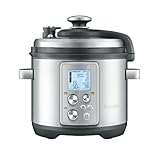
2. Breville Fast Slow Pro Multi-Cooker
An electric multi-cooker that handles pressure cooking and slow cooking in one pot, with a screen that makes settings easy to read. It is a good fit for cooks who want precision in a countertop appliance.
Suits: hands-off pressure cooking. Strengths: clear controls and two cooking modes. Weaknesses: it takes up counter space. Skip it if you want a stovetop pot.

Best for all-purpose electric use
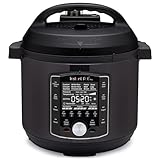
3. Instant Pot Pro
A feature-rich member of the Instant Pot family, with many cooking modes and a stainless steel inner pot. The Pro line aims at cooks who want the usual presets plus a few more refinements, so read the listing for the exact size.
Suits: all-purpose electric use. Strengths: a well-known brand and many modes. Weaknesses: the control panel has a learning curve. Skip it if you only need a basic pot.
Best for traditional stovetop cooking
4. Presto Stovetop Pressure Cooker (01370)
A classic stovetop pressure cooker from a long-running American maker. It is simple and sturdy, and it appeals to people who like a no-electronics design, though you should confirm the base material and stove compatibility.
Suits: traditional stovetop cooking. Strengths: a straightforward, time-tested design. Weaknesses: base type varies, so check induction needs. Skip it if you want programmable settings.
View Presto Stovetop Pressure Cooker (01370) on Amazon
Best for easy lid handling
5. T-fal Clipso Minute Pressure Cooker
A stovetop pressure cooker with a one-hand lid mechanism and a pressure indicator, from a brand with decades of cookware experience. It is built to make opening and closing less fiddly.
Suits: easy lid handling. Strengths: a simple one-hand lid. Weaknesses: size options vary. Skip it if you cook for a very large crowd.
View T-fal Clipso Minute Pressure Cooker on Amazon

Best for flexible pressure choices
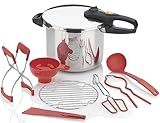
6. Zavor Duo Pressure Cooker
A stovetop pressure cooker with two pressure settings, aimed at cooks who want gentler pressure for delicate foods and higher pressure for tougher cuts. Check the listing for the exact capacity and the lid details.
Suits: flexible pressure choices. Strengths: dual pressure levels. Weaknesses: a lid with more parts to clean. Skip it if you want a basic single-setting pot.
Care and Setup
- Wash the lid and gasket by hand after each use.
- Check the vent pipe is clear before closing the lid.
- Replace the gasket when it hardens or cracks.
- Store the lid inverted so the gasket does not flatten.
Mistakes to Avoid
- Filling the pot beyond the maker’s line.
- Forcing a lid open before pressure drops.
- Cooking foods that foam without following the manual.
- Ignoring stove compatibility for induction tops.
Pressure Levels and Release Methods
Pressure cookers raise the boiling point of water by trapping steam, which is why food cooks faster. How much pressure a cooker reaches differs by model, and some offer more than one setting. A lower setting is gentler for delicate foods such as fish and vegetables, while a higher setting suits beans, tough cuts and stock. The listing and manual give the stated pressure levels, so compare those rather than assuming all cookers behave alike.
Release methods matter as much as the pressure itself. Natural release means letting the pot cool and the pressure drop on its own, which is gentle on foods that foam or splash and keeps meat juicy. Quick release means opening the valve to vent steam, which stops the cooking fast and suits vegetables and quick recipes. Some recipes call for a combination, with a short natural release followed by a quick release.
Whichever method you use, keep your hands and face clear of the steam and use the tool or handle the manual describes. Never force the lid. A good cooker will not open while pressure remains inside, and if the lid resists, that is the design working. Learn how your model signals that pressure is gone, whether by a pin that drops, a gauge or an indicator.
Cooktop Compatibility for Stovetop Pots
A stovetop pressure cooker has to work with the heat source you own. Gas and electric coil tops accept nearly any flat-bottomed pot, but induction needs a magnetic base. Some stainless pots include a layered or encapsulated base made for induction, while others, especially plain aluminum ones, do not work at all. Check the base description on the listing and look for a clear statement about induction.
The base diameter also matters. A pot that is much wider than the burner heats unevenly, and a pot that is much narrower wastes energy. Glass-top ranges call for a smooth, flat base that will not scratch the surface, and the range maker may have weight limits for heavy pots. Check your range manual if you are unsure.
An encapsulated base spreads heat more evenly, which reduces scorching when you sauté before pressure cooking. If you plan to brown meat in the pot, favor a thicker base. Remember, too, that a heavy stainless pot full of food is difficult to lift, so make sure the handles feel secure and you have a clear path from the stove to the sink.
Capacity and Fill-Line Rules
A pressure cooker cannot be filled to the brim. The stated capacity is the total volume, and the usable amount is smaller because steam needs space to build. Makers mark a maximum fill line, and many recipes call for less than that. Foods that expand or foam, such as beans, grains, pasta and some stocks, need an even lower fill level. Overfilling can clog the vent, spray hot liquid and trip safety features.
When choosing a size, think about your usual meal and your occasional large cook. A mid-size pot handles weeknight dinners for a typical household. Larger pots suit batch cooking, canning-style projects the manual explicitly approves, and big stocks. Do not use a pressure cooker for pressure canning unless the maker says it is designed for that purpose.
- Always include the minimum liquid the manual requires.
- Do not fill beyond the marked line.
- Use less filling for foods that foam.
- Check the vent each time before closing the lid.
Safety Features and Routine Checks
Modern cookers combine several safeguards, such as a lid that locks under pressure, a main release valve and a backup vent. Look in the listing for what the maker describes, and read the manual before the first cook. Doing a first test with plain water is a common recommendation, since it lets you learn the sounds and signals without risking dinner.
Make a habit of quick checks before each use. Look at the gasket for cracks, flattening or stiffness, and make sure it sits fully in the lid groove. Confirm the vent pipe is open by holding the lid up to the light. Check that the valve moves freely and that the lid is clean. After cooking, wash the lid, gasket and valve by hand as the manual advises.
Electric models add sensors and electronics, so keep the heating base dry and the cord undamaged. Do not use damaged parts, and avoid generic replacements that do not match the model. If a safety feature seems to have failed, stop using the cooker and contact the maker or retailer rather than trying a workaround.
When to Repair or Replace
Pressure cookers are long-lived, but several parts wear out. Gaskets harden, crack or stretch over time and are cheap to replace when spares are sold. Valves and vent parts can clog or lose their spring. These are maintenance items, and a model with easy-to-find spares tends to be a better long-term buy.
Replace the whole cooker when the pot body is warped, dented or cracked, when the lid is bent or no longer locks smoothly, when the base no longer sits flat, or when electronics fail repeatedly. A cooker that leaks steam around the lid even after a new gasket, or that cannot hold pressure, should be retired.
Before buying, ask about warranty length, the availability of replacement gaskets and valves, how the lid is cleaned, and whether the maker publishes a clear manual with recipes and timing charts. A cooker you understand is a cooker you will use, so favor clear instructions and sturdy build over a long list of presets you may never touch.
Pressure Cooker Terms in Plain English
Pressure cooking comes with its own vocabulary, and listings often assume you already know it. This short glossary covers words you will meet while comparing models.
- Gasket: the flexible sealing ring in the lid that helps the pot hold pressure.
- Pressure regulator or weight: the part that controls how much pressure builds inside a stovetop pot.
- Release valve: the opening used to let steam out, either gradually or quickly.
- Natural release: letting pressure fall on its own after cooking ends.
- Quick release: letting steam out through the valve according to the maker’s directions.
- Minimum liquid: the amount of thin liquid the manual says must be in the pot for it to build steam.
- Fill line: the mark showing the most the pot should hold for each food type.
- Locking lid: a design where the lid cannot open while pressure remains inside.
Whenever a term in this list is used in your manual in a slightly different way, follow the manual. Different makers describe their systems differently, and it is the pot in your hands that matters.
Stovetop or Electric: Choosing by Habit
| Consideration | Stovetop pot | Electric multi-cooker |
|---|---|---|
| Heat source | Your own burner or cooktop | Built-in element, plugs in |
| Control | You manage heat to hold pressure | Preset programs and timers |
| Counter space | Stores in a cabinet | Often lives on the counter |
| Extra functions | Usually none | Often slow cook, saute, steam |
| Learning curve | Moderate; needs attention | Gentle; more hands-off |
People who enjoy cooking on a burner and like a simple tool tend to enjoy a stovetop pot. People who want to set a program and walk away often lean electric. Neither is automatically the better product; it comes down to how you cook.
Slips to Avoid With Any Pressure Cooker
Many frustrunning results come from a few repeated slips, and most are easy to prevent when you know them.
- Filling the pot past the maker’s fill line, especially with foods that foam or expand.
- Forgetting the minimum liquid and then wondering why the pot never builds pressure.
- Placing the gasket badly, or using a worn or stretched one.
- Ignoring a blocked valve; always check that vents are clear before you cook.
- Forcing a lid open. If it resists, wait and follow the manual.
- Using the wrong release method for the food, which can cause spitting or uneven results.
- Skipping the pre-use read of the safety instructions.
For anything involving safe pressure handling, follow the maker’s instructions exactly, and contact the maker if a part looks damaged. Never modify a lid, valve or gasket.
Routine Checks and Ownership Habits
Quality pressure cookers reward a little housekeeping. After each wash, inspect the gasket for cracks, stiffness or stretch, and make sure the valve passages are clean. Rinse small parts under running water and let them air dry before storing. Store the lid upside down or loosely seated if the manual suggests it, since a tightly closed lid can trap odors.
Keep the manual and the part numbers for the gasket, valve and any replaceable seals. Replacement schedules vary by maker, so rely on the guidance supplied with your model rather than a general rule. If steam leaks from an unexpected place, or the lid does not lock the way it used to, stop using the cooker and contact the maker or an authorized service point.
Fit With Your Cooktop and Cabinet
Stovetop buyers should check base compatibility: induction cooktops need a magnetic base, and the product page or manual should say so. Match the pot size to your burner so heat reaches the base evenly. Electric buyers should measure the shelf where the unit will rest and the clearance above for the lid to open and steam to escape. Whichever you choose, make sure the handles are comfortable to grip with your usual oven mitts, since awkward handles make a heavy, hot pot harder to manage.
Questions to Ask Before You Pick a Size
Capacity is one of the easiest things to get wrong, because the number on the box is the total volume and not the amount of food you can actually cook. Most makers ask you to leave empty space for steam, and some foods need even more room. Read the manual to see how full the pot may be for grains, beans and foods that foam.
- How many people do you usually cook for on a normal weeknight?
- Do you batch cook and freeze portions, or cook fresh each time?
- Do you want to fit a whole chicken or a large joint, or mostly stews and grains?
- How tall is the cupboard where it will be stored, and can you lift it comfortably?
- Would a smaller second pot be more convenient than one very large cooker?
A very large cooker is slower to heat and harder to wash in a standard sink, while a very small one can be annoying when guests visit. Many households find a middle size covers most meals. Whatever you choose, check that the lid and base fit your sink so you can wash every part without struggling.
Think too about whether you will use accessories such as steamer baskets, trivets or inserts, and confirm that they are made for the exact model in the listing. Using parts from another maker can interfere with sealing, so stay with accessories the maker supports.
Choosing a quality pressure cooker With Your Eyes Open
The shortlist above gives you six starting points, but the right quality pressure cooker is the one that fits your space, your routine and your patience for upkeep. This section slows the decision down and works through it in the order experienced buyers use: how you will actually use the appliance, whether it fits where it has to live, what it asks of you week to week, and how to tell a well-matched model from a merely impressive listing. None of that requires insider knowledge. It requires being honest about your own habits before you spend anything.
Start with the week you actually live
Write down, in plain words, what an ordinary week looks like for this appliance. How many people are you serving, how often will it run, and what is the biggest, most demanding job you will ask of it in a normal month rather than on a holiday? A quality pressure cooker that is perfect for the biggest job of the year can be clumsy, slow to set up or expensive to run for the small jobs that make up most of the year. The picks above are described honestly in terms of who they suit, so match those descriptions to your ordinary week first and let the special occasions come second.
It also helps to name the frustration you are trying to escape. If your current setup is too small, too slow, too loud, too fiddly to clean or too unreliable, that frustration is your best buying criterion, because it tells you exactly what the replacement must fix. Buyers who shop from a clear frustration usually end up satisfied. Buyers who shop from a feature list often end up with an appliance that does many things they never asked for and still leaves the original problem untouched.
Fit, placement and the unglamorous measurements
Measure the space twice and write the numbers down, including the awkward ones: doorways the appliance must pass through, the depth once doors or handles are counted, and the clearance around it that the manual will ask for. Check the supply it needs as well, whether that is an outlet within reach, a fuel connection, ventilation or simply a level, heat-safe surface. Most returns and most installation headaches trace back to a measurement nobody took. Ten minutes with a tape measure is the cheapest insurance in the whole purchase.
Then stand in the space and act out using it. Where will you stand, where will hot or heavy things be set down, and who else needs to move through the room while it is running? A quality pressure cooker lives in a working room, not in a photograph, and the layout questions are far easier to answer before delivery than after. If the honest answer is that the space fights the appliance, a smaller or differently shaped pick from the list above will serve you better than the largest one forced into place.
Running costs and upkeep are part of the price
The purchase is the beginning of the spending, not the end of it. Fuel, filters, replacement parts, accessories and the cleaning products a surface prefers all add up across years of ownership, and they differ more between models than most listings admit. As you compare the picks above, ask what each one will need from you every month and every year, and whether those needs are easy to meet where you live. An appliance whose consumables are simple to find locally is a calmer thing to own than one that depends on a part you have to hunt for.
Upkeep is also time. Some designs wipe clean in a minute and forgive neglect; others reward careful cleaning and punish shortcuts with stains, smells or worn finishes. Neither approach is wrong, but they suit different people. Be honest about which owner you are on a tired weekday evening, because the quality pressure cooker you will still be happy with in its third year is the one whose care routine you never started resenting.
Build quality shows itself in the parts you touch every day: hinges that close without a wobble, dials and buttons that respond the same way every time, handles fixed firmly enough that they never work loose, and surfaces that clean without special products or ceremony. When you compare the picks above, give weight to those everyday details in the descriptions. They are a better guide to living with an appliance for years than any single headline feature.
Support matters as much as construction. Before you buy, check that the brand publishes a real manual you can download, that spare parts and accessories for the model are easy to find, and that warranty terms are written plainly enough to understand without a lawyer. An appliance you can maintain and repair is a different long-term proposition from one that has to be replaced the first time a small part fails, and that difference rarely appears in a product title.
It also helps to buy for the household you actually have. The largest, most feature-heavy model in a category is often the one that fits worst, costs the most to run and spends its life half empty or half used. The descriptions above note honestly who each pick suits and who should skip it; take those notes seriously, because matching the appliance to your routine is most of what satisfaction means a year later.
The Six Picks, Compared Side by Side in Words
Tables are good at specifications and poor at judgement, so here is the same shortlist talked through the way a knowledgeable friend would. Each pick below is summarised using only what this guide already says about it, and each summary ends with the buyer it fits best. Read the whole set before you decide, because the differences between these six are mostly about fit and emphasis rather than a simple ladder from worst to best.
Fissler Vitaquick Pressure Cooker
A German-made stainless steel stovetop pressure cooker from a brand known for premium cookware. It is built around a sturdy lid and a clear pressure indicator, and it suits cooks who want a long-lived pot rather than a gadget. As this guide puts it, it suits serious home cooks. In practical terms, that makes this pick the natural candidate for the buyer who wants the most rounded starting point and would rather decide by fit than by novelty. If that description sounds like you, this is where to spend your closest reading; if it does not, the honest weaknesses noted above are doing you a favour, and one of the neighbouring picks will almost certainly match your routine better.
Breville Fast Slow Pro Multi-Cooker
An electric multi-cooker that handles pressure cooking and slow cooking in one pot, with a screen that makes settings easy to read. It is a good fit for cooks who want precision in a countertop appliance. As this guide puts it, it suits hands-off pressure cooking. In practical terms, that makes this pick the natural candidate for the buyer who values a familiar, straightforward design and an easy setup over extra features. If that description sounds like you, this is where to spend your closest reading; if it does not, the honest weaknesses noted above are doing you a favour, and one of the neighbouring picks will almost certainly match your routine better.
Instant Pot Pro
A feature-rich member of the Instant Pot family, with many cooking modes and a stainless steel inner pot. The Pro line aims at cooks who want the usual presets plus a few more refinements, so read the listing for the exact size. As this guide puts it, it suits all-purpose electric use. In practical terms, that makes this pick the natural candidate for the buyer whose needs are narrower and who benefits most from a focused, simpler option. If that description sounds like you, this is where to spend your closest reading; if it does not, the honest weaknesses noted above are doing you a favour, and one of the neighbouring picks will almost certainly match your routine better.
Presto Stovetop Pressure Cooker (01370)
A classic stovetop pressure cooker from a long-running American maker. It is simple and sturdy, and it appeals to people who like a no-electronics design, though you should confirm the base material and stove compatibility. As this guide puts it, it suits traditional stovetop cooking. In practical terms, that makes this pick the natural candidate for the buyer who wants a balance of size, control and everyday convenience in the middle of the range. If that description sounds like you, this is where to spend your closest reading; if it does not, the honest weaknesses noted above are doing you a favour, and one of the neighbouring picks will almost certainly match your routine better.
T-fal Clipso Minute Pressure Cooker
A stovetop pressure cooker with a one-hand lid mechanism and a pressure indicator, from a brand with decades of cookware experience. It is built to make opening and closing less fiddly. As this guide puts it, it suits easy lid handling. In practical terms, that makes this pick the natural candidate for the buyer who prefers a traditional approach and proven simplicity to the newest design ideas. If that description sounds like you, this is where to spend your closest reading; if it does not, the honest weaknesses noted above are doing you a favour, and one of the neighbouring picks will almost certainly match your routine better.
Zavor Duo Pressure Cooker
A stovetop pressure cooker with two pressure settings, aimed at cooks who want gentler pressure for delicate foods and higher pressure for tougher cuts. Check the listing for the exact capacity and the lid details. As this guide puts it, it suits flexible pressure choices. In practical terms, that makes this pick the natural candidate for the buyer with the heaviest or most specialised job on the list, who needs the option built for it. If that description sounds like you, this is where to spend your closest reading; if it does not, the honest weaknesses noted above are doing you a favour, and one of the neighbouring picks will almost certainly match your routine better.
Notice what this comparison does not do: it does not crown a single winner for everyone. That is deliberate. The six picks were chosen because they serve six slightly different households well, and the most useful thing a guide can do is help you recognise which household is yours. If two picks still feel tied after this read-through, decide on the practical grounds covered earlier: fit in your space, ease of cleaning, and how simply each one can be maintained and supported where you live.
Getting the Most From It, Day to Day
The first week sets the pattern
Read the manual before the first use, not after the first problem. Manuals for appliances like a quality pressure cooker are short on entertainment and long on the few warnings that genuinely matter, and ten minutes with one will tell you the clearances, the cleaning products to avoid and the small checks to make before each use. Keep the manual somewhere you can find it again, along with a note of the model name exactly as it appears on the appliance itself, because that is the information every spare part, accessory and support conversation will start with.
Start with simple jobs while you learn the appliance’s character. Every quality pressure cooker has its own habits: how quickly it responds, where its hot or cold spots are, which settings you will actually use and which you will ignore. A few easy, low-stakes sessions teach you those habits without an audience or a deadline. By the time you attempt the ambitious job, you will be adjusting from experience rather than guessing, and the results will show it.
Cleaning little and often beats cleaning rarely and hard
Almost every care problem with an appliance like this begins as a small one that was left alone. Wipe spills while they are fresh and the surface is safe to touch, empty and wash the removable parts before residue has a chance to harden or sour, and let everything dry fully before it is put away or closed up. Stored damp, parts and interiors develop smells that are far harder to remove than the original mess was. Stored clean and dry, the same appliance greets you ready for work.
Match your cleaning products to the surfaces you actually have, and be suspicious of anything abrasive near coated, enamelled or polished finishes. Warm water, a soft cloth and ordinary washing-up liquid handle the great majority of everyday cleaning, and they never strip a finish or leave a residue that affects the next use. Save stronger products for the specific problems the manual names, used exactly as it describes, and never mix cleaning chemicals together in search of a stronger effect.
Storing it so it stays ready
Where a quality pressure cooker waits between uses shapes how long it lasts. It wants a dry place, out of direct sun and away from anything that can fall on it, leak onto it or be stacked on top of it. Cords should be looped loosely rather than wound tightly or left dangling where they can be caught. If the appliance will sit unused for a long stretch, clean it thoroughly first, check it over before you put it away, and check it again before you rely on it when it comes back out. Appliances rarely fail in storage; they fail from being stored dirty, damp or damaged and then trusted without a look.
When Something Seems Wrong
Most problems announce themselves early and quietly: a new sound, a smell that was not there before, a result that is suddenly worse than it was last month, or a control that feels different under your hand. Treat those changes as information rather than annoyances. Stop, let the appliance cool or settle as its design requires, and work through the simple causes first: supply, placement, cleanliness and whether anything has been reassembled slightly wrong after cleaning. A remarkable share of faults are one of those four wearing a disguise.
Know where your competence ends. Anything involving gas fittings, internal electrical work, sealed systems or safety devices belongs to a qualified professional, and the manual will usually say so in plain language. There is no saving in a repair that leaves an appliance unsafe, and no embarrassment in calling for help with the parts of a machine that were never meant to be opened at home. Keep receipts and a note of any work done; a simple record makes warranty conversations and future servicing far easier.
One more habit separates satisfied owners from frustrated ones: keep a few honest notes. After the first several uses of your quality pressure cooker, jot down what worked, what took longer than expected and what you would do differently. Appliances reward familiarity, and familiarity fades between uses that are weeks apart. A short note on the inside of a cupboard door or in a phone turns your own experience into a manual written for exactly your kitchen, your ingredients and your schedule, which no manufacturer can write for you.
Think, too, about who else will use this appliance. A quality pressure cooker that only one person in the household understands is a fragile arrangement. Show anyone who will use it the basic routine: how it starts, what never to do, how it should be left when finished and where the manual lives. Five minutes of showing beats a season of small misunderstandings, and it protects the appliance from the well-meant mistakes that cause a surprising share of damage and disappointing results.
Quality Pressure Cooker FAQ
Is a stovetop or electric pressure cooker better?
Stovetop pots heat quickly and last long. Electric cookers add convenience, with timers and presets that hold pressure for you.
Are pressure cookers safe?
Modern designs have multiple safety features, but you still need to follow the manual on fill lines, venting and release methods.
Do I need to replace parts?
The gasket and valve are wear items. Buy a model with spares that are easy to find.
What size should I choose?
A mid-size pot suits most households. Larger ones help with batch cooking, but check the listing for the usable capacity.
What is the difference between natural and quick release?
Natural release lets pressure fall on its own as the pot cools, which suits meats and foods that foam. Quick release vents steam through the valve and stops cooking sooner, which suits vegetables. Follow the recipe and the manual.
Can I use a stovetop pressure cooker on an induction cooktop?
Only if the base is magnetic and the maker says it suits induction. Check the listing for a clear statement, because many aluminum pots will not work on induction.
Why does my pressure cooker take a long time to come to pressure?
Heating time depends on the amount of food and liquid, the starting temperature and the heat source. A pot that is more full or has cold ingredients takes longer. If it never builds pressure, check the gasket, the lid seal and the minimum liquid.
Is it safe to cook beans or oatmeal under pressure?
Foods that foam can block the vent, so follow the manual and the recipe for fill levels and release method. Using too much can cause spattering.
How often should I replace the gasket?
There is no single schedule. Replace it when it hardens, cracks, stretches or no longer seals. The maker may suggest a time frame, so check the manual.
Can I cook frozen meat in a pressure cooker?
Some makers allow it with longer cook times, while others advise thawing. Follow the manual and use a thermometer to check doneness.
Do I need to season or break in a new cooker?
Usually you only need to wash the parts and do a water test as the manual suggests. Stainless pots do not need seasoning like cast iron.
How long should a quality pressure cooker last?
There is no honest single answer, because lifespan follows use and care far more than it follows the badge on the front. An appliance that is cleaned regularly, stored properly, used within the limits its manual describes and repaired promptly when small faults appear will outlast a neglected one by years. When you compare picks, treat build quality, available spare parts and clear support as lifespan features, because in practice that is exactly what they are.
What should I check before I order?
Confirm the measurements of your space against the listing, the supply the appliance needs, what is and is not included in the box, and the returns process if it arrives unsuitable. Photograph your space and keep the listing details until the appliance is installed and working. Most disappointment in this category is not about performance at all; it is about a size, a connection or an included accessory that was assumed rather than checked.
Is the most expensive pick always the best one?
No. Higher prices usually buy size, extra features, heavier construction or a quieter, more refined experience, and only some of those will matter to you. The best value in this list is the pick whose strengths line up with your ordinary week. Spending more on capacity or features you will rarely use is not buying quality; it is buying unused potential, and the guides above note plainly where a simpler pick serves just as well.
What should I do on the first day it arrives?
Unpack it where you have room, check it over for damage before anything is thrown away, and keep the packaging until you are sure it is staying. Read the manual, wash or wipe the parts the manual tells you to prepare, and run the simplest possible first job to learn how it behaves. Note the model name and keep the receipt with the manual. That unglamorous first hour prevents most of the problems owners meet later.
How often does a quality pressure cooker need cleaning?
Light cleaning belongs after every use, while residues are fresh and easy to remove; deeper cleaning belongs whenever results, smells or sounds start to change, and before any long period in storage. Exact intervals in the manual outrank any general advice, including this. The pattern that works for most owners is simple: little and often, with stronger cleaning reserved for the specific problems the manual describes.
Can I buy accessories later, or do I need them now?
Start with what the appliance includes and live with it briefly before adding anything. A short period of real use tells you which accessories would solve an actual problem and which would only fill a drawer or a shelf. When you do buy, match accessories to the exact model name, because near-enough fits are a common source of disappointment, and keep the same rule as with the appliance itself: buy for your routine, not for an imaginary one.
When is it worth repairing rather than replacing?
Repair makes sense when the fault is specific, the rest of the appliance is sound, parts are available and the work can be done safely by you or at sensible cost by a professional. Replacement makes sense when faults multiply, when a safety-related part is involved and cannot be put right, or when the appliance no longer fits how you live. Anything involving gas, sealed systems or internal electrics belongs to a professional either way.
Where should I keep the manual and receipts?
Together, in one predictable place, ideally with a photograph of the model label stored on your phone as a backup. That small habit turns every future question about parts, accessories, warranty or servicing from an excavation into a two-minute job. It also helps the next owner if the appliance is ever passed on, which is a kindness that costs you nothing.
The Short Version
For a premium stovetop pot, the Fissler Vitaquick. For pressure plus slow cooking, the Breville Fast Slow Pro. For many modes, the Instant Pot Pro. For a classic design, the Presto 01370. For easy lid handling, the T-fal Clipso Minute. For dual pressure levels, the Zavor Duo.
Related Guides
- 6 Best Small Pressure Cookers: Electric and Stovetop (2026)
- 6 Best Instant Pressure Cookers: Electric and Stovetop (2026)
- 6 Best Stovetop Pressure Cookers: Aluminum and Anodized (2026)
- 6 Best Stainless Steel Pressure Cookers for Stovetop Use (2026)
- 6 Best Stovetop Pressure Cookers: Steel and Aluminum (2026)