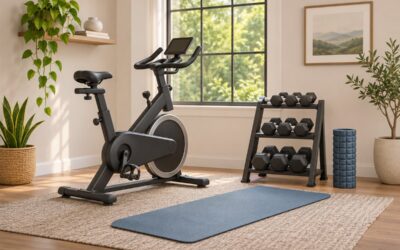
A power rack is a four-post steel frame used for squats, presses and pull-ups in a home gym. Models differ in upright height, steel gauge, hole spacing, footprint and the attachments they accept, so the right frame depends on your ceiling, floor space and training plans.
This guide is for home gym builders who want to understand the options before buying. We have not used these products ourselves; we compare the information in each listing, so confirm dimensions and load figures with the maker. Use the table below to line up the factors against your room and the equipment you already own. A sketch of the room with the bar, bench and plates marked out will show how much space you really have, and it helps you judge a frame before you order.
As an Amazon Associate we earn from qualifying purchases. Links on this site are affiliate links, and they do not change the information we give.
What to Look For
| Factor | Why it matters | What to check |
|---|---|---|
| Upright height | Taller frames allow more pull-up room but need more ceiling clearance. | Measure your ceiling and compare it with the listed height. |
| Steel and gauge | Thicker tubing tends to feel more rigid. | Read the tube size, gauge and finish the maker lists. |
| Hole spacing | Closer holes allow finer bar height changes. | Look at the hole pattern and spacing. |
| Footprint | A deeper frame has more working room but takes more floor. | Measure the space for the rack, the bar and loading area. |
| Load figure | Makers state a load figure for the frame. | Compare it with the heaviest load you expect to use. |
| Attachment system | Hole size sets which add-ons fit. | Check the upright hole size and compatible accessories. |
| Anchoring | Some frames bolt down, while others rely on weight and base plates. | Read the maker’s notes on floor fitting. |
Setup and Care Tips
- Measure the ceiling, door and room before you order.
- Follow the maker’s assembly steps and tighten all bolts as listed.
- Place the frame on a flat, solid floor and use a mat if the maker suggests one.
- Wipe the frame down after workouts to limit sweat on the finish.
- Recheck bolts and pins from time to time.
Mistakes to Avoid
- Ordering without checking the ceiling height.
- Leaving no room to load and move around the bar.
- Ignoring hole size and then finding accessories do not fit.
- Choosing a frame by looks alone and skipping the load figure.
- Skipping the maker’s assembly notes.
FAQ
Do I need a full rack or a half rack?
A full four-post rack offers more working room and attachment options, while a half rack or squat stand takes less space. Think about the exercises you plan to do, and the room you can give the frame.
What accessories are commonly added?
Owners often add pull-up bars, spotter arms, band pegs and storage for plates. Check that the accessories you want fit the frame’s hole size and spacing.
The Short Version
Power racks differ by height, steel, hole spacing and footprint. Measure your room, read the maker’s load figure, and choose a frame whose attachments suit your training plans.