Gozney builds high-heat outdoor ovens for pizza, bread, roasts and more, and its range runs from compact portable units to large garden ovens. Each one cooks well beyond pizza, from flatbreads to roast vegetables. Choosing among them comes down to how often you cook, how many people you feed and whether you want gas, wood or both.
The picks below cover the main Gozney outdoor ovens plus a cover to protect one. Gozney updates and renames models, so we keep the details general. We have not used these products ourselves, so confirm fuel type, size and included accessories on the current listing before buying.
As an Amazon Associate we earn from qualifying purchases. Links below are affiliate links, and they do not change the product information we give.
What to Look For
| Feature | Why it matters |
|---|---|
| Fuel | Gas is quick and tidy, while wood adds flavor and takes more tending |
| Portability | A light oven with folding legs can travel, while a large dome stays put |
| Cooking space | Larger floors fit bigger pizzas, flatbreads and roasting pans |
| Weather care | An outdoor oven lasts longer with a fitted cover when not in use |
In this guide
Specs at a Glance
| Product | Fuel | Size class | Notes |
|---|---|---|---|
| Gozney Roccbox | Gas, wood burner sold separately | Portable | Insulated shell |
| Gozney Dome | Gas or wood | Large | Stays in one place |
| Gozney Tread | Gas | Compact portable | Folding design |
| Gozney Arc | Gas | Compact | Easy to set up |
| Gozney Arc XL | Gas | Larger | More cooking room |
| Gozney Roccbox Cover | Fabric cover | Fits the Roccbox | Protects between uses |
The 6 Best Gozney Outdoor Ovens

Top pickBest for patios and trips
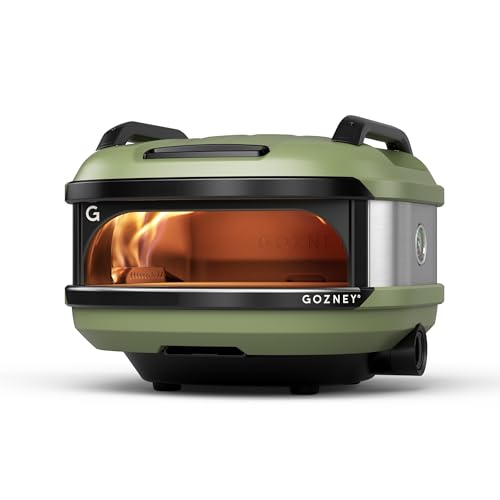
1. Gozney Roccbox Portable Outdoor Pizza Oven
The model that made the brand famous, a portable oven with an insulated body and a stone floor. It runs on gas, with a wood burner offered separately.
Suits: patios and trips. Strengths: a proven design and portability. Weaknesses: the cooking floor is modest. Skip it if you want a large family oven.

Best for serious home cooks
2. Gozney Dome Outdoor Oven
A larger dual-fuel oven built for a fixed spot in the garden. Its bigger cavity suits roasts, bread and pizzas for a crowd, and it can burn wood or gas.
Suits: serious home cooks. Strengths: dual fuel and a big cavity. Weaknesses: it is heavy and takes space. Skip it if you want a travel oven.
View Gozney Dome Outdoor Oven on Amazon
Best for small groups on the move
3. Gozney Tread Portable Gas Outdoor Oven
A compact gas oven with a folding design, aimed at people who want to move an oven to the table or the road. Check the listing for the current size and weight.
Suits: small groups on the move. Strengths: a light, foldable shape. Weaknesses: gas only. Skip it if you want to burn wood.

Best for first-time oven owners
4. Gozney Arc Gas Outdoor Oven
A smaller gas oven aimed at beginners, with simple setup and fast heating. Check the listing for exact size before ordering.
Suits: first-time oven owners. Strengths: an easy start and gas convenience. Weaknesses: limited space for large cooks. Skip it if you want wood flavor.
View Gozney Arc Gas Outdoor Oven on Amazon
Best for families and guests
5. Gozney Arc XL Gas Outdoor Oven
A larger version of the Arc with a bigger cooking floor for bigger pizzas and more food at a time. Confirm the dimensions on the current listing.
Suits: families and guests. Strengths: more space and gas control. Weaknesses: it takes more room. Skip it if you cook for one or two.
View Gozney Arc XL Gas Outdoor Oven on Amazon

Best for protecting a Roccbox
6. Gozney Roccbox Cover
A fitted cover meant to shield a Roccbox from rain, dust and sun between cooks. Confirm the current fit for your oven on the listing.
Suits: protecting a Roccbox. Strengths: a fitted shape. Weaknesses: it only fits specific models. Skip it if you own a different oven.

Care and Setup
- Let the oven cool fully before covering it.
- Brush the stone with a dry brush instead of using water.
- Keep gas connections clear and check hoses before each cook.
- Store a portable oven in a dry space if rain is expected.
- Check the stone and burner each time you light up.
Mistakes to Avoid
- Cooking on a cold stone and getting a soggy base.
- Using water or soap on the baking stone.
- Placing the oven under a low roof or near flammable items.
- Skipping a cover and leaving the oven wet.
Portable Versus Larger Garden Ovens
Gozney’s lineup runs from compact units you can carry to larger ovens meant to live on a patio. The portable end suits people who want to cook pizza on a small deck, take the oven to a friend’s house or store it in a garage between uses. Lighter ovens heat quickly and use less fuel, but their chambers are smaller, so you cook one or two items at a time. That is fine for pizza nights with a few people, and less comfortable for a crowd.
Larger ovens offer more floor space for a stone and room to cook several pizzas in quick succession, or to roast larger cuts and bake bread. They also tend to retain heat better once up to temperature. They are heavier and need a sturdy stand or table, and they take up more space. Think about where the oven will live and whether you will move it. A larger model that stays in one place can feel like a permanent outdoor kitchen feature.
Ask yourself how many people you usually cook for and how often. For a couple or small family, a compact oven may be all you need. If you host often, look at larger chambers or dual-fuel designs that give flexibility. Also consider the size of your outdoor surface and whether you have a table or stand that can bear the oven’s weight and heat. Check the listing for dimensions and weight before you commit.
Fuel Choices: Gas, Wood or Both
Fuel shapes how the oven cooks and how much work it takes. Gas ovens light quickly, hold a steady temperature and need little tending, which suits weeknight meals. They run on propane, and some models can connect to natural gas, so check the listing for the supported fuel. A gas oven is also easier for beginners, since you adjust a dial instead of managing a fire.
Wood-fired ovens offer a distinctive flavor and a more hands-on experience. You build and tend a fire, add small pieces of dry wood and manage the flame to keep heat steady. It takes longer to heat and requires practice, plus space to store dry wood and a way to handle ash. Many enthusiasts enjoy the ritual, while others find it a chore.
Some designs support both gas and wood, giving you flexibility. You may use gas for quick cooks and wood when you want smoke and ceremony. Check what accessories are needed for each fuel and whether the burner or wood tray comes included or must be purchased separately. Pay attention to the safety requirements for each fuel, such as ventilation, clearance and hose inspection. If you are unsure, start with the fuel that fits your routine, not the one that looks most romantic.
Heat-Up Technique and First Cooks
High-heat ovens reward patience. Let the oven preheat fully, following the manual, so the stone absorbs enough heat to cook the base properly. A pizza placed on an under-heated stone will be pale and soggy. Many cooks use an infrared thermometer to check the stone surface, since the dome air temperature can be misleading.
Prepare before you light the oven, because cooking time is short. Have dough stretched, toppings ready, a peel dusted with flour or semolina and a turning peel at hand. Keep toppings modest, as heavy loads cool the dough and cook unevenly. Launch the pizza with a confident slide, and turn it regularly to cook evenly, since the flame or fire side runs hotter.
Beyond pizza, an outdoor oven can roast vegetables, bake flatbreads, cook fish or sear steaks in a cast iron pan. These items usually need different heat levels and times, so lower the flame or let the stone cool slightly. Use cookware rated for high heat. Start with simple recipes and learn how your oven behaves, taking note of hot spots and the effect of weather. Cold or windy days may need a longer preheat. Practice makes the first dozen pizzas better than the first.
Tools and Accessories to Consider
The oven is only part of the setup. A good pizza peel makes launching easier, and a smaller turning peel lets you rotate the pizza without removing it. Metal peels slide well under cooked pizzas, while wooden peels are good for launching raw dough. An infrared thermometer helps you check the stone, and heat-resistant gloves and long tongs protect your hands.
Cast iron cookware expands what you can do. A skillet or small roasting pan can handle vegetables, meats and desserts. Check that any pan is safe for high heat, and know that handles can get hot. A stand or table designed for the oven offers stability and workspace, which is more convenient than improvising on a patio table. Make sure whatever it sits on can handle heat and weight.
Protective gear matters too. The cover mentioned in this guide keeps rain and dust off a portable oven, but it should only go on after the oven is fully cool. A carry bag or case may help if you move the oven. Consider a gas hose inspection kit or soapy water for leak checks. Resist buying every accessory at once; add tools as you identify what your cooking needs, and check that they fit your specific oven model.
Siting, Safety and Weather
Where you place the oven affects safety and results. Choose a flat, stable, non-combustible surface, away from overhangs, fences, plants and flammable materials. The manual gives minimum clearances, and you should follow them. Do not use an outdoor oven under a covered porch, in a garage or indoors, because gas and wood fires produce carbon monoxide and require open air.
Wind can affect gas flame and heat distribution, so a sheltered but open location helps. Rain can damage electronics and cool the stone, and wet stones can crack if heated too quickly. If the stone gets wet, let it dry thoroughly following the manual before firing. Avoid sudden temperature changes, such as pouring cold water on a hot stone.
Keep children and pets away from the hot oven, and remember that outside surfaces stay hot after the fire is out. Keep a fire extinguisher or a bucket of sand nearby, and never leave a lit oven unattended. If you use gas, check the hose and connections before each cook. After use, let everything cool fully before covering. In cold climates, store the oven in a dry place if the manufacturer recommends it. Plan your siting around real use, not just looks, so cooking is convenient and safe.
Gozney Oven Choices Explained: Fuel, Size and Portability
Outdoor pizza ovens from this maker come in different formats, and the right choice begins with how and where you cook. Some models are compact and designed to travel to a patio table or a campsite, while others are larger and meant to stay in one spot. Fuel is another dividing line: some run on gas, some on wood or charcoal, and some offer a way to use more than one.
Think about your normal gathering. If you cook for a couple and want a quick weeknight pizza, a smaller portable unit may be plenty. If you host large groups and want to make several pizzas back to back, a roomier oven with a wider floor will keep the queue moving. Consider also whether you want an oven that can handle breads, roasts or vegetables in addition to pizza.
| Priority | What to lean toward |
|---|---|
| Carrying it around | A compact, lighter body with folding legs |
| Easy, fast lighting | Gas fuel with simple ignition |
| Wood-fired flavor | A model designed to burn wood or charcoal |
| Large gatherings | A larger cooking floor and wider opening |
Accessories and Add-Ons: What Is Worth Having
Owners often discover that a few well-chosen tools make the oven more pleasant to use. A peel for launching pizzas, a turning peel for rotating them in the heat, a cover to protect the oven, and a stand or table to put it at a comfortable height all top the list. A good infrared thermometer is a popular extra for checking the stone surface before you bake.
- A launching peel with a thin edge for sliding dough in.
- A smaller turning peel for rotating pizzas inside the oven.
- A fitted cover to protect against weather between uses.
- A stable table or stand the maker approves for the oven weight.
- Heat-resistant gloves for handling hot parts.
Check that any accessory is made for your specific model, because sizes and fittings vary between ovens.
Placement Safety: Maker Instructions and Local Rules First
Where you place a hot outdoor oven matters. Follow the instructions for clearances from walls, fences, overhangs and anything flammable, and place the oven on a stable, level, heat-resistant surface. Never use a wood or gas oven in an enclosed space or under a covered area unless the maker clearly says it is allowed.
For gas models, use only the regulator and hose the manufacturer specifies and follow their leak-check steps. If you have concerns about the gas supply, ask a qualified professional. Local fire rules may also affect where you can place a wood-burning oven, so check official guidance.
Seasonal Care and Storage Between Cooks
Let the oven cool completely before moving or covering it. Brush loose ash and debris from the stone with a tool made for it, and avoid soap or water on a pizza stone, which can absorb moisture. Wipe the exterior with a damp cloth once cool, following the maker’s advice for the finish.
If you live where winters are harsh, check whether the maker recommends storing the oven indoors or using a cover in the cold months. Keep fuel dry, and check hoses and fittings before each season. A little attention at the end of summer saves trouble next spring.
Learning Curve Tips for New Owners
Expect a few practice pizzas before the timing feels natural, since high-heat ovens cook quickly. Rotate often, keep the dough lightly floured and have toppings ready before the oven reaches temperature. Small adjustments to stone heat and dough hydration go a long way.
Questions to Ask Before You Pick a Model
Ovens in this range look alike at first glance, so a short list of questions will sort them out. Where will it live, and how often will you move it? Do you prefer the convenience of gas or the ritual of building a fire? How much counter or table space is available, and how heavy is the oven once it is on the stand? Each answer narrows the field quickly.
Next, think about what you want to cook. Pizza is the obvious headliner, yet many owners also roast vegetables, bake flatbreads and sear meats in a hot oven. Read the maker’s notes on accessories such as a roasting pan or a griddle, and check whether those tools are included or sold separately. Also consider how much fuel you will need and how you plan to store it safely.
- How wide is the cooking floor, and will your usual pizza size fit?
- Does the oven need a special stand or surface?
- Are replacement parts such as stones and igniters available from the maker?
- What is the warranty coverage, and what does it exclude?
- Does the maker offer guidance for first use and seasoning?
Write your answers down and compare each model with the same questions. It turns a confusing shopping session into a calm checklist, and it keeps you from buying more oven than you will ever use.
Cooking With Very High Heat, Safely and Calmly
Ovens in this class are built around very high heat and a cooking stone or floor that stores that heat and gives it back to the base of a pizza. That intensity is the appeal, and it also sets the habits that make cooking enjoyable rather than stressful. Everything should be ready before the first pizza goes in: toppings portioned, dough stretched, tools within reach and a clear landing spot for the finished pie. High heat leaves little time to search for a forgotten ingredient while a base is already cooking. Work in a calm order, launch with confidence, watch the crust rather than the clock, and turn the pizza as the side nearest the flame colours. Those small disciplines, repeated over a few sessions, are what turn an impressive oven into reliable results.
Dough, Toppings and the Balance on the Stone
The oven can only cook what you put into it, so dough and topping choices decide much of the result. Dough that is stretched evenly, without a thick rim where you do not want one and without thin spots that tear, cooks more predictably and launches more easily from the peel. Toppings should be kept in sensible amounts, because a heavily loaded pizza releases moisture onto the base and softens the crust you worked to crisp. Wetter ingredients benefit from being prepared so they do not flood the surface, and cheese and sauce should support the base rather than bury it. If early pizzas disappoint, change one variable at a time, such as hydration, topping amount or how long the oven preheats, and note the result. That steady, one change at a time approach teaches you your own oven faster than any general advice.
Where an Outdoor Oven Lives
Placement shapes how often an outdoor oven gets used. A portable model that travels to gatherings, campsites or a friend’s garden earns its keep through flexibility, while a larger oven that stays in one place becomes part of the garden and invites bigger, more relaxed sessions. Either way, the spot needs a stable, heat safe surface, sensible clearance from anything that should not get hot, and shelter from the worst of the wind without enclosing the oven in a way its maker warns against. Think about where people will stand, where hot pizzas will land, and where fuel will be stored dry and tidy. When the setup feels easy and safe, the oven comes out more often, and frequent use is what builds real skill.
Comparing the Picks in This Guide, Side by Side in Practice
Specifications alone do not tell you how the choices in this guide to gozney outdoor ovens differ in a real kitchen or on a real patio. The notes above already record, for each pick, who it suits, where it is strong and where it falls short. The most useful comparison is to lay those judgements against your own routine, one pick at a time, and notice which strengths keep mattering to the meals you actually cook. The paragraphs below walk through the list in that spirit, without adding claims beyond what the guide has already set out.
Consider Gozney Roccbox Portable Outdoor Pizza Oven through the lens of how it fits the space and equipment you already own. Go back to its entry above and read the suits, strengths and weaknesses lines as a short verdict, then ask whether that verdict describes your household. If the strength speaks to your weekly cooking and the weakness concerns an occasional case, it is a strong candidate. If the reverse is true, keep moving down the list, because another pick in this same guide was included precisely to cover a different kind of cook, kitchen or budget of effort.
Consider Gozney Dome Outdoor Oven through the lens of how much setup and cleanup it asks of you on an ordinary day. Go back to its entry above and read the suits, strengths and weaknesses lines as a short verdict, then ask whether that verdict describes your household. If the strength speaks to your weekly cooking and the weakness concerns an occasional case, it is a strong candidate. If the reverse is true, keep moving down the list, because another pick in this same guide was included precisely to cover a different kind of cook, kitchen or budget of effort.
Consider Gozney Tread Portable Gas Outdoor Oven through the lens of how well its strengths match the meals you repeat most often. Go back to its entry above and read the suits, strengths and weaknesses lines as a short verdict, then ask whether that verdict describes your household. If the strength speaks to your weekly cooking and the weakness concerns an occasional case, it is a strong candidate. If the reverse is true, keep moving down the list, because another pick in this same guide was included precisely to cover a different kind of cook, kitchen or budget of effort.
Consider Gozney Arc Gas Outdoor Oven through the lens of whether its noted limitation touches something you care about or something you rarely do. Go back to its entry above and read the suits, strengths and weaknesses lines as a short verdict, then ask whether that verdict describes your household. If the strength speaks to your weekly cooking and the weakness concerns an occasional case, it is a strong candidate. If the reverse is true, keep moving down the list, because another pick in this same guide was included precisely to cover a different kind of cook, kitchen or budget of effort.
Consider Gozney Arc XL Gas Outdoor Oven through the lens of how naturally it would slot into the routine you already have. Go back to its entry above and read the suits, strengths and weaknesses lines as a short verdict, then ask whether that verdict describes your household. If the strength speaks to your weekly cooking and the weakness concerns an occasional case, it is a strong candidate. If the reverse is true, keep moving down the list, because another pick in this same guide was included precisely to cover a different kind of cook, kitchen or budget of effort.
Consider Gozney Roccbox Cover through the lens of how it fits the space and equipment you already own. Go back to its entry above and read the suits, strengths and weaknesses lines as a short verdict, then ask whether that verdict describes your household. If the strength speaks to your weekly cooking and the weakness concerns an occasional case, it is a strong candidate. If the reverse is true, keep moving down the list, because another pick in this same guide was included precisely to cover a different kind of cook, kitchen or budget of effort.
Putting It to Work: Three Everyday Situations
First, the ordinary weeknight. Time is short, ingredients are whatever is on hand, and the best equipment is the equipment that is already set up, heats or prepares without fuss and cleans down quickly afterwards. Judge every pick for gozney outdoor ovens against that tired Tuesday test, because that is where most cooking actually happens. Second, the weekend session, when there is time to try a new recipe, cook for a few more people and enjoy the process itself. Here, capacity, control and comfort matter more than raw speed, and a choice that feels slightly large on a weeknight may come into its own. Third, the gathering, when timing and flow decide whether the cook enjoys the day. Equipment that lets you prepare ahead, cook in calm batches and serve without a last minute scramble earns its place in that third situation, even if it is not the one you reach for daily. A pick that handles two of these three situations well is usually a better buy than one that excels at a single rare occasion.
There is also a fourth, quieter situation worth considering: teaching and sharing. If children, partners or friends join you in the kitchen or at the patio, clear controls, forgiving behaviour and simple cleanup make the experience welcoming rather than stressful. Equipment that a second person can understand at a glance gets shared, and shared equipment gets used more, maintained better and enjoyed longer. Keep that in mind if your cooking is social, because the best choice for a household is not always the best choice for a solo specialist.
Making Cleanup Part of the Cook
Cleanup goes better when it is planned as the last stage of cooking rather than discovered afterwards. While food rests or is being served, deal with the surfaces and tools that are easiest to clean while still warm, following the maker’s care guidance for the materials involved. Keep a dedicated spot for used utensils, a way to carry hot or greasy items safely, and a routine for cooling, washing, drying and putting things away dry. Drying matters as much as washing for metal tools and cooking surfaces, because stored moisture is what invites rust and stale smells. A tidy reset also means the next cook starts calmly, with everything findable and ready, which is a quiet but real part of enjoying outdoor and countertop cooking alike.
Adapting the Same Equipment to Different Seasons
Cooking equipment earns more of its keep when it adapts across the year. In warmer months, outdoor setups invite larger gatherings, longer sessions and foods that benefit from open air and generous space. In cooler months, the same habits shift toward smaller, quicker cooks, sheltered spots and meals that make the most of stored heat and covered cooking. Storage and protection matter more in the off season, when equipment may sit for weeks between uses, so a clean, dry, covered rest is part of seasonal care. Planning a few dishes for each season, rather than repeating one menu, keeps skills fresh and spreads use across the year, which is the simplest way to get full value from a considered purchase.
Checking Details on the Listing Before You Decide
Listings change, bundles change and included extras change, so the final check before buying should always be the current product page for the exact option you intend to order. Confirm what is included, the size or version, the materials where they are stated, any care instructions the maker gives, and what is not included that you might have assumed. Look at the questions and answers section for practical points about fit and compatibility, and treat photographs as a guide to shape rather than proof of scale. This habit takes a few minutes and prevents most mismatches, whether the item is for your own kitchen or a gift for someone else. If a detail that matters to you is not stated clearly, choose the option whose details you can confirm.
How to Judge Value Without Chasing Numbers
Value in this category rarely comes from the longest feature list. It comes from how often the item is used, how well it fits the equipment and space you already have, and how gracefully it handles ordinary wear. A simple, well made choice that suits your routine will outlast and outperform a complicated one that fights your habits. Think about cost of ownership in practical terms: replacement parts, consumables, storage, and the time each cook takes to set up and clean down. When two picks in the guide seem close, choose the one whose strengths match your most common meals and whose weaknesses fall on the things you do least, because that alignment is what you will feel every time you cook.
Teaching a Beginner on Your Setup
If someone new will use this equipment, a short, friendly introduction prevents most accidents and most disappointing results. Show them where the heat is strongest, how to tell when a surface is ready, which tools belong with which surface, and how cleaning is done while things are still warm. Let them handle a forgiving food first, something with clear visual cues for doneness, and stay nearby without taking over. Beginners often press, poke and move food too much, so explain the value of leaving things alone to develop colour. A good first experience builds a second cook who wants to help again, which over a season is worth more than any single accessory.
A Simple Routine for the First Few Cooks
The first few sessions with anything in this guide set the habits that follow, so keep them deliberately simple. Choose familiar food, allow more time than you think you need, and pay attention to how the equipment behaves rather than chasing a perfect result. Notice where heat gathers, how controls respond, how cleaning feels while things are still warm, and what you wish you had within reach. Write nothing down if that feels like a chore, but do repeat the same meal once or twice, because repetition is what turns first impressions into reliable judgement. By the third or fourth cook, the setup, timing and cleanup will already feel more natural, and you will know which accessories or adjustments would genuinely help, rather than buying solutions to problems you do not have.
Cooking for a Crowd Without Losing Your Calm
Feeding more people is mostly a logistics problem, and the equipment in this guide helps when you plan the flow before the first item hits the heat. Prepare ingredients in the order they will cook, group portions so they can go on and come off together, and keep a clear landing area for finished food that is separate from raw ingredients. Cook in relaxed batches rather than filling every space at once, because crowded surfaces cook unevenly and create a backlog of half finished items. Hold finished food warm in a low oven or a covered spot as the maker of your equipment allows, and communicate simply with anyone helping. A calm sequence, even a slower one, serves better food than a rush, and it leaves the cook able to enjoy the gathering too.
Keeping Records That Actually Help
A few brief notes after notable cooks will improve your results faster than memory alone. Record what you cooked, the setup you used, anything you changed, and one thing you would do differently, in whatever notebook or phone note you will actually keep. Over time those notes reveal your own patterns: the portions your household really eats, the settings you return to, the timing that works in your space with your equipment. They also stop you repeating an experiment that already failed and help you repeat a success on purpose for guests. Keep the habit light, a line or two at a time, because a simple record kept consistently beats a detailed log abandoned after a week.
One More Consideration for Gozney Outdoor Ovens
It is worth pausing on how a choice for gozney outdoor ovens will feel after the novelty has worn off, because that settled, everyday feeling is the true measure of a purchase. In the first week, almost anything new is interesting. By the second month, what matters is whether it has found a natural home in your space, whether its care routine has become automatic, and whether you reach for it without thinking twice. Choices that demand a special effort every time slowly drift to the back of a cupboard or the corner of a patio, whatever their merits on paper. Choices that fit your habits disappear into the routine in the best possible way, doing their job quietly each time. As you make a final decision among the picks above, trust the option you can most easily picture yourself using on an ordinary day, in your own kitchen or outdoor space, with the people you usually cook for. That picture, more than any feature comparison, predicts whether you will still be glad of the decision a year from now, and it is the standard this guide’s notes on who each pick suits were written to help you apply.
Gozney Oven FAQ
Which Gozney oven is best for beginners?
The Arc is a straightforward gas option, while the Roccbox is the long-running portable favorite. Both are simple once you learn the preheat time.
Can these ovens cook more than pizza?
Yes. Many cooks use them for flatbreads, roasts, vegetables and skillet dishes, with a pan that fits the cavity.
Do I need a cover?
A cover is wise for any outdoor oven that stays outside, since it protects against moisture and dust.
How much space does an outdoor oven need?
Plan for clear space around the oven, a stable heat-safe surface and room to use a peel. Follow the maker clearance guidance, and keep the oven away from walls, fences and overhead branches.
How long does a Gozney oven take to heat up?
Heat-up time depends on the model and the fuel, so check the listing and the manual. Gas models generally heat faster than wood-fired ones, and a longer preheat helps the stone.
What kind of wood should I use?
Use small pieces of dry, seasoned hardwood intended for cooking. Avoid treated or painted wood, and keep your supply dry.
Can I use a regular pizza stone?
Use the stone that comes with the oven or one recommended by the maker. Different stones handle heat differently and may crack.
Do I need a gas hose or regulator?
Gas models need a suitable regulator and hose, which may or may not come included. Check the listing and use only approved parts.
Can I cook in cold weather?
Many people do, but cold and wind lengthen preheating and can affect results. Shelter the oven from gusts and allow extra time.
Why is my pizza burnt on the bottom but raw on top?
The stone may be too hot compared with the dome, or the toppings may be too heavy. Let the heat settle, turn the pizza and use lighter toppings.
How do I clean the stone?
Brush it with a dry brush once it is cool and avoid water or soap. Dark marks are normal and do not affect cooking.
How do I choose between the picks in this guide?
Start with the meal or job you repeat most often, then read the strengths and limitations noted for each pick against that routine. The right choice is usually the one whose strengths serve your common cooks and whose weaknesses affect only things you rarely do. Confirm size, version and included items on the current listing, and favour the option that fits the space and equipment you already have, because a good fit gets used far more than a theoretically better option that is awkward to store or set up.
What should I check before the first use?
Read the maker’s instructions that come with the item, wash or prepare parts exactly as directed, and check that everything included is present and undamaged. Do a gentle first use with familiar food rather than an ambitious meal for guests, and pay attention to heat, fit and cleanup. If anything smells, fits or behaves in a way the manual does not describe, stop and check the maker’s guidance rather than improvising, because early care sets up both safety and the life of the product.
How do I clean and store this properly?
Follow the maker’s care instructions for the specific materials, clean while residue is easiest to remove, and dry everything thoroughly before storage. Store pieces where air can circulate and where they will not be knocked, stacked under heavy items or left damp. Metal cooking surfaces generally benefit from the light protective care their makers describe, while fabrics and covers should be clean and fully dry before they are put away. A consistent five minute routine after each use prevents most of the rust, odours and damage that shorten a product’s life.
What is the most common mistake buyers make?
The most common mistake is choosing by headline size or bundle count instead of by fit for real routines. Buyers picture the biggest gathering of the year and end up with equipment that is heavy, awkward or oversized for ordinary weeks, so it gets used less. Picture your typical cook first, then check how the item stores, cleans and works with what you already own. That order of thinking, routine first and features second, leads to purchases that feel right long after the first use.
How do I know whether it will work with my existing setup?
Compare the details stated on the listing with your own equipment: dimensions, fuel or power type, materials and any compatibility notes the maker gives. Measure your space rather than estimating it, including clearance and storage, and look at what you already use successfully, because similar shapes and materials usually behave similarly. If a compatibility point is not stated clearly, treat it as unconfirmed and choose an option whose fit you can verify, rather than hoping a mismatch will work out in practice.
When does it make sense to replace rather than keep using an older item?
Replace when wear affects safety, performance or hygiene in ways cleaning and simple care cannot restore: damaged surfaces, unreliable parts, warped fits or materials that no longer clean properly. Cosmetic marks from honest use are not a reason by themselves. If an older item still does its job safely and you enjoy using it, keeping it and adding one missing piece from a guide like this one is often the sensible path. When you do replace, pass on, recycle or dispose of the old item responsibly as local guidance allows.
Can I use this for cooking beyond the obvious dishes?
Usually yes, within the maker’s intended use. Equipment in this category tends to be more versatile than its headline dish suggests, because the underlying skills, heat control, spacing, timing and resting, transfer across many foods. Start with foods that have clear doneness cues, keep portions modest while you learn how a new dish behaves, and adjust one variable at a time. Stay within the fuels, temperatures and placements the maker describes, and let your own notes from each attempt guide the next one.
How can I get more consistent results over time?
Consistency comes from controlling the few variables that matter most: preparation done before cooking starts, even portions, a properly heated surface, sensible spacing, and the same cleanup and storage routine afterwards. Change one thing at a time when you experiment, and keep brief notes on what worked. Most disappointing results trace back to rushing one of those basics, such as starting before the surface is ready or crowding too much food on at once, rather than to the equipment itself.
The Short Version
For a portable classic, the Roccbox. For a large garden oven, the Dome. For a folding gas oven, the Tread. For an easy start, the Arc. For more space, the Arc XL. To protect your oven, the Roccbox cover.