A bathtub for tall people comes down to one thing: how much of you ends up under the water. Standard 60 inch alcove tubs leave long legs bent and shoulders cold. Longer tubs, deeper soaking tubs and freestanding models let you stretch out instead. If you have been searching for the best bath tubs for big people, length, depth and interior shape all matter more than looks.
The six tubs below cover alcove, deep soaking and freestanding styles from established makers. We have not used these products ourselves. Tub lengths, depths and capacities vary by model and size option, so confirm the exact dimensions and fit on the current listing before buying, and measure your bathroom twice.
As an Amazon Associate we earn from qualifying purchases. Links below are affiliate links, and they do not change the product information we give.
What to Look For
| Feature | Why it matters |
|---|---|
| Inside length | Look at the interior length, not just the outside size, since sloped ends cut usable room |
| Depth | Deep bathtubs cover more of the body; check the overflow height too |
| Style | Alcove tubs fit a three-wall space; freestanding tubs need floor room and plumbing access |
| Material | Acrylic holds heat well and is light; cast iron is heavy and very durable |
| Floor support | A full tub holds a lot of weight, so check the floor before you order |
In this guide
Specs at a Glance
| Tub | Style | Material | Notes |
|---|---|---|---|
| Kohler Archer | Alcove | Acrylic or cast iron, by version | Longer sizes are offered; check the listing |
| Kohler Underscore | Alcove | Acrylic | Deep, rectangular interior |
| American Standard Evolution | Alcove | Acrylic | Deep soaking design |
| Woodbridge freestanding tub | Freestanding | Acrylic | Long oval shapes in the line |
| Empava freestanding tub | Freestanding | Acrylic | Sold in several lengths |
| Vanity Art freestanding tub | Freestanding | Acrylic | Several sizes; check each listing |
The 6 Best Bath Tubs for Tall People
Top pickBest for a standard three-wall alcove
1. Kohler Archer Alcove Bathtub
The Archer is a long-running alcove design from a major maker, sold in several lengths. The sloped back suits leaning and the rim is wide enough to sit on. Pick one of the longer size options if you are tall, and confirm the length on the listing.
Suits: a standard three-wall alcove. Strengths: a trusted brand and a comfortable back slope. Weaknesses: longer sizes cost more and ship heavy. Skip it if you want a freestanding tub.
View Kohler Archer Alcove Bathtub on Amazon

Best for people who want a roomy, simple interior
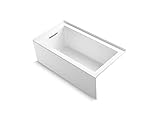
2. Kohler Underscore Alcove Bathtub
The Underscore has a clean, rectangular interior that gives a flat bottom and straighter sides. That shape tends to leave more usable room than a heavily sloped tub of the same outside size. It is offered in more than one length.
Suits: people who want a roomy, simple interior. Strengths: a flat floor and straight sides. Weaknesses: less decorative than a freestanding tub. Skip it if you want a sculpted look.
Best for deep soaks in an alcove
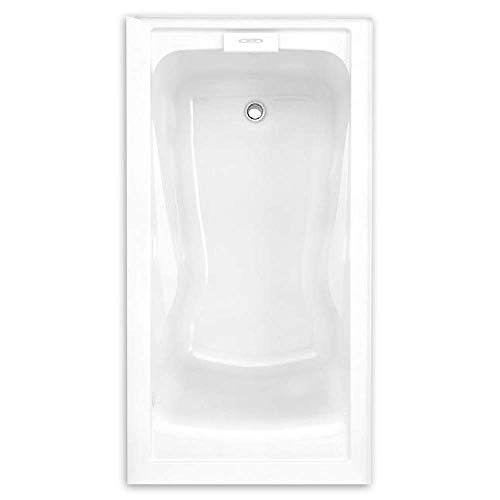
3. American Standard Evolution Deep Soaking Bathtub
This acrylic alcove tub is built for soaking, with a deeper basin than a basic builder tub. It is a fit for anyone searching for the best deep bathtubs without moving to a freestanding model. Check the listing for the size and drain position you need.
Suits: deep soaks in an alcove. Strengths: an established brand and a deep basin. Weaknesses: drain side must match your plumbing. Skip it if you need a freestanding style.


Best for larger bathrooms
4. Woodbridge Acrylic Freestanding Bathtub
Woodbridge sells a range of freestanding acrylic tubs, including long oval models with a sloped back at each end. A freestanding tub lets you pick the longest size that fits the room. Compare the inside length across sizes before choosing.
Suits: larger bathrooms. Strengths: several sizes and a polished look. Weaknesses: needs floor space and often a separate faucet. Skip it if your bathroom is small.


Best for a modern freestanding setup
5. Empava Freestanding Acrylic Bathtub
Empava offers freestanding soaking tubs in several lengths, often with a simple overflow and drain set. Some listings run longer than 67 inches, so this brand is worth checking when you want a 72 inch bathtub style, but verify the exact size.
Suits: a modern freestanding setup. Strengths: a range of lengths. Weaknesses: sizes differ by listing. Skip it if you prefer a classic brand name.


Best for shoppers comparing several long tubs
6. Vanity Art Freestanding Acrylic Bathtub
Vanity Art sells freestanding acrylic tubs in a spread of shapes and sizes, from oval to slipper styles. It gives you another option when comparing long freestanding models side by side.
Suits: shoppers comparing several long tubs. Strengths: many styles. Weaknesses: details vary between listings. Skip it if you want one firm spec sheet.

Care and Setup
- Measure the room, the doorway and the stairs before ordering, since large tubs are hard to move.
- Have a plumber confirm the drain location and floor strength.
- Clean acrylic with a mild, non-abrasive cleaner to avoid scratches.
Mistakes to Avoid
- Comparing outside length instead of inside length.
- Forgetting that sloped ends reduce usable room.
- Ordering the wrong drain side for an alcove tub.
- Skipping the floor load check for a large freestanding tub.
Measuring Your Body Against the Tub
The only reliable way to find out whether a tub is long enough is to compare your body with its inside dimensions. Outside length includes the walls and rim, and it can be several inches more than the space where you lie. Start by finding the inside length at the bottom and at the waterline, which the listing may or may not state.
A practical test is to mark the inside length on the floor with tape or a tape measure, then lie down in that space with your knees as bent as you would like them to be. Many tall bathers find that a tub feels comfortable when they can lean back with their feet near the far end without pressing against it. Others prefer to stretch out entirely, which calls for a much longer tub.
Measure these too:
- Your seated height, which affects whether your shoulders can stay under water.
- The width of your shoulders and hips, so you do not feel wedged in.
- The depth you want. Depth to the overflow decides how much water you can hold.
Sloped backs and sloped ends reduce the usable flat length, even if the outside size is large. Check photos and diagrams for the slope. If the listing only gives outside dimensions, ask the seller for inside measurements or a specification sheet. For a shared bath, consider each person’s size.
Finally, think about the way you use the tub. Soaking while reading is different from showering, and a deep tub may not suit someone who finds it hard to step over the rim.
Overflow Height and Real Water Depth
A deep tub is not necessarily one that holds deep water. The overflow drain, which stops water from spilling over the rim, sets the highest level you can fill. A tub might be listed as deep but have an overflow set low, leaving less water than you expect. For tall bathers, the water depth above the bottom is what keeps shoulders and knees warm.
Questions to check:
- How high is the overflow above the tub floor? Listings do not always say.
- Is the stated depth measured to the rim or to the overflow?
- Does the tub have a sloped back that holds you in place and reduces the effective water depth?
- How much water does it hold at the overflow line, and can your water heater supply it?
A bigger tub means more water to heat. Check the capacity listed by the maker, and compare it with your water heater’s size. A tub can take a long time to fill if your supply is slow. Heat loss is another factor, since a large body of water cools over time. Some tubs retain warmth better than others, depending on the material and insulation, but results vary and are the makers’ claims.
If you want to be submerged to your shoulders, look for a tub whose overflow sits high and whose inside shape allows you to lean back comfortably. Try to confirm this with the maker or by visiting a showroom and sitting in a similar model.
Alcove Versus Freestanding for Tall Bathers
The installation type affects the sizes you can choose. An alcove tub sits in a space bounded by walls on three sides, so its length is fixed by the room, and standard lengths are shorter than many tall people want. Some makers offer longer alcove sizes, and others include deeper soaking models. They suit bathrooms where the plumbing is already in place and floor space is limited.
A freestanding tub stands apart from walls, so you can choose longer lengths if the room permits. It needs space around it for cleaning and for access, and the plumbing can be more involved. Floor strength is a serious consideration, since a large tub full of water and a bather is heavy.
- Alcove: usually less costly to install, can include a shower, easier to fit in an existing space; length is limited by the alcove.
- Freestanding: more freedom on size and placement, a strong visual feature; needs room, careful plumbing and floor support.
There are also drop-in and corner tubs, which have their own shapes and may offer more length on a diagonal. Consider whether a combined shower and tub matters to you, since a freestanding tub generally needs separate shower arrangements.
Whichever type you prefer, measure the room, doorways and stairs, and check the weight and delivery requirements. A professional can advise on structural limits and plumbing. Your choice may come down to what fits the room and the budget as much as the bath itself.
Materials, Comfort and Heat Retention
Tubs are made from several materials, and each feels different. Acrylic is common and is a lightweight molded plastic with a smooth surface that is comfortable and warms quickly, according to makers. Enameled steel and cast iron are heavier and may feel more solid, with their own heat-holding qualities. Stone resin and other composites appear in some freestanding designs.
For a tall bather, comfort often depends on shape rather than material:
- A gently sloped back supports your spine and neck.
- A rim wide enough to rest your head or arms makes soaking more comfortable.
- A flat bottom gives stable footing for showering.
- Smooth edges and a surface that is not too slick improve safety.
Heat retention varies. A thicker wall or an insulated shell may hold warmth longer, but makers differ in what they claim, so treat it as a rough indicator. A bath in a cold room will cool faster than one in a warm room.
Think about cleaning and care too. Acrylic can be scratched by abrasive cleaners, so use a gentle product. Check the manufacturer’s warranty and the care instructions. If you plan to use bath products or jets, make sure the tub is suitable.
Ask whether the tub comes with a drain and overflow set, or whether you must buy them separately. That detail catches many buyers by surprise, as does the position of the drain, which may be at one end or in the center.
Access, Safety and Installation Planning
A long, deep tub is great for soaking, but it can be harder to get in and out of. The height of the rim and the depth of the basin determine how high you must lift your legs. People with limited mobility, joint pain or balance issues should think about this before buying.
Safety steps worth considering:
- Install grab bars at suitable points, fixed into the wall structure.
- Use a non-slip mat or a textured base if the surface is slick, ensuring it suits the tub material.
- Keep the floor around the tub dry and free of clutter.
- Set the water heater temperature to a safe level, especially if children are at home.
Plan the installation carefully. Measure the doorway, hallway and stairs, since many tubs are bulky and need to be carried in. Confirm the drain location and whether it matches the plumbing. Ask a plumber about the floor’s load capacity, as the full weight of a filled tub can be considerable. Check the water supply, valves and any requirements for permits.
Allow for the unexpected, such as the need to cut openings in walls or floors. Get a clear quote and a written scope of work. After installation, test the tub by filling it, checking for leaks, and watching the drain and overflow work. Keep documents, including warranty information and model numbers, in case you need service later.
How to Read a Bathtub Listing for Tall Bathers
Bathtub listings contain a lot of numbers, and for a tall person the details matter more than the style. Before you fall for a photo, look carefully at the dimensions section and compare each figure with your own measurements and your bathroom layout.
- Outside length and width. This tells you whether the tub fits your alcove or floor space, including clearance for walls and trim.
- Interior length at the bottom. Inside space is shorter than the outside figure because of the rim and the curve of the ends.
- Interior depth to the overflow. A deeper bath gives more coverage, but it also changes how high you must step to get in.
- Backrest angle. A gentle slope supports the back, while a steep end can push the knees up.
- Tub weight when full. Water, the bather and the tub add up quickly, so check the floor requirements.
If a listing does not give the interior length, look for the product guide or contact the seller for it. It is the number that matters most for a long frame.
Comparing Soaking Shapes
Shape changes how a tub feels once you are in it. The table below summarizes the common forms and what each one offers a taller bather.
| Shape | Strength | Consideration |
|---|---|---|
| Freestanding oval | Room to stretch out and flexible placement | Needs open floor space and a compatible drain setup |
| Rectangular alcove | Fits standard wall-to-wall openings | Check interior length, which may be shorter than expected |
| Deep soaking tub | More water coverage for shoulders and knees | Higher step-over height |
| Corner tub | Diagonal length for stretching legs | Needs a large corner footprint |
When to Follow the Manual and When to Call a Professional
A bathtub is heavy, and it connects to plumbing and sometimes to electrical parts such as pumps or lighting. Installation steps, floor support requirements and drain connections should come from the maker’s instructions, local building rules and a licensed plumber or contractor. Do not attempt to modify structural framing or supply lines yourself.
Before ordering, confirm the doorway and stair path can carry the tub into the room. Many people measure the route first and discover that a long tub only fits with help. Ask a contractor about floor strength if you are placing a large tub on an upper floor.
Setup and Care Notes
Once installed, follow the surface care guidance in the manual. Acrylic, enamel and stone resin each prefer different cleaners, and abrasive pads can dull the finish. Wipe the tub after use and let it dry, and rinse away soap film to keep the surface looking fresh. A non-slip mat, if the maker allows one, can add traction. Keep towels and a stool within reach so getting in and out feels steady.
Sizing and Fit Questions Before You Order
Measure yourself lying back with your knees slightly bent, then compare that with the interior length in the listing. Ask whether a second person will share the space, and whether you want the water to cover your shoulders. Check the tub rim width too, since a wide rim can force you to sit farther from the wall.
Tall Bathtub FAQ
How long should a bathtub be for a tall person?
There is no single number. Lie in a similar space on the floor or use a tape measure, then compare it with the inside length of the tub, not the outside.
Are deeper tubs better for big people?
Often yes, since more of the body sits below the water line. Check the overflow height, because that sets the real water level.
Do freestanding tubs offer more room?
They can, because you choose the size that fits the room. They also need more floor space and a plumber who knows the setup.
How long should a tub be for someone over six feet tall?
There is no single answer. Compare your seated and reclined measurements with the tub's inside length and depth, and consider whether you want to stretch out or lean back.
Does a deeper tub always mean more water?
Not always. The overflow height sets the maximum water level, so check where the overflow sits rather than relying on the stated depth.
Will my water heater fill a large tub?
It depends on the tub's capacity and your heater's size and recovery. Compare the capacity on the listing with your heater and expect a long fill if the supply is slow.
Can I replace a standard alcove tub with a longer one?
Only if the space allows. The alcove length is set by the walls, so you may need to alter the room or choose a freestanding model.
Are freestanding tubs harder to install?
They often need more planning for plumbing, floor strength and clearance. A plumber can advise on your situation.
Does the tub come with a drain?
It varies. Some listings include a drain and overflow and others do not, so check before ordering.
How do I keep an acrylic tub looking good?
Use a mild, non-abrasive cleaner and a soft cloth. Follow the maker's directions and avoid harsh chemicals that can scratch the surface.
Choosing Bathtubs for tall people With Fresh Eyes: The Criteria That Matter Most
Measure twice and write everything down: the alcove or opening in three places, the drain position, the wall condition and the route the new piece must travel through the house. A beautiful fixture that cannot turn a hallway corner or match the existing plumbing turns a weekend project into a renovation. After fit, judge comfort in person where you can: sit, step over, reach the controls, and imagine the same movements on a tired evening, with wet hands, or while helping a child or an older relative.
It also helps to think about the full cost of ownership in time and effort, not just the purchase itself. Some bathtubs for tall people ask for regular consumables, replacement parts or a weekly routine, while others mostly ask to be left alone. Neither style is automatically better. The right match is the one whose upkeep fits the time you genuinely have, in the bathroom you genuinely have, across a normal busy month rather than an idealised free weekend. When two picks in this guide look close, that upkeep difference is often the honest tie breaker.
Finally, read the reviews above in a particular order: start with the limitations, not the highlights. Every pick here involves a trade off, and the limitation sections tell you which compromise you would be living with. If a stated drawback touches something you care about daily, such as space, noise, cleaning effort or the size of the people using it, treat that as decisive even when everything else about the pick appeals. If the drawback concerns a situation you will rarely meet, the pick may still be the best fit on this page for you.
Real Situations: Matching Bathtubs for tall people to How You Live
For smaller spaces and tighter rooms
Compact homes expose weak choices quickly. A bathtub that fits on paper can still dominate a room, block a door swing or leave nowhere sensible for the accessories it needs. Before ordering, mark the footprint on the floor with tape, walk the route it must travel from the front door, and check where you will stand, sit or reach while using it. Readers in apartments and older houses should also think about floors, neighbours and storage: where does it live between uses, and can you move it alone when cleaning day comes?
For families and shared households
Shared use changes the brief. More people means more wear, more varied heights and habits, and more opinions about what good looks like. Favour the pick whose routine is easiest to explain and repeat, because a system only works in a family home when everyone follows it the same way. Agree the basics early: who cleans what, where things are stored, and what happens when something is damaged or running low. The most successful purchases in busy households are rarely the most specialised; they are the ones that survive being used slightly imperfectly, every day, by everyone.
For occasional, seasonal or guest use
If your bathtub will work hard for a few weeks and then rest, your priorities shift again. Storage, protection while idle and a simple restart routine matter more than peak performance. Before the busy period, run a full trial: set it up, use it properly once, clean it and put it away. That rehearsal finds missing parts and unclear steps while there is still time to fix them calmly, and it turns the real occasion into a repeat performance instead of a first attempt under pressure.
Setup, Daily Use and Care: A Practical Routine
Plan the installation day like a small building project: protect floors, shut off water, confirm every part is present before the old unit comes out, and keep the instructions open at the relevant page rather than relying on memory. Level, seal and test in that order, and run water long enough to check every joint before walls or panels are closed. Photograph pipe runs and fixings before they are hidden, because those pictures are gold during any later repair.
Daily care is mostly about water and abrasives: squeegee or wipe wet surfaces, keep harsh scouring powders and metal tools away from coated and acrylic finishes, and re-check sealant lines each season. Small gaps in caulk or grout let water reach places it should never reach, and catching them early is far easier than repairing what hidden moisture does over a winter. Tighten loose handles and fittings gently and promptly, before movement wears the fixing.
Build a light rhythm around the product rather than relying on memory. A brief check while you are already in the bathroom catches most issues early: a quick look, a quick wipe, a note of anything that has changed. Once a season, go slightly deeper: inspect the parts you normally ignore, clear dust or debris from hidden edges, confirm fixings are firm, and review whether your storage and supplies still make sense. Write the dates on a note kept nearby; a simple record turns guesswork into evidence when you later wonder how long something has lasted or when a part was last replaced.
How the Picks in This Guide Compare With Each Other
This guide covers Kohler Archer Alcove Bathtub, Kohler Underscore Alcove Bathtub, American Standard Evolution Deep Soaking Bathtub, Woodbridge Acrylic Freestanding Bathtub, Empava Freestanding Acrylic Bathtub and Vanity Art Freestanding Acrylic Bathtub. They are not ranked copies of one another; each earned its place by suiting a different reader, and the reviews above describe those differences in detail. The most useful comparison you can make is therefore not a hunt for a single winner, but a shortlisting exercise: remove any pick whose stated limitation clashes with your non negotiables, then compare what remains on the two or three criteria that matter most in your home.
Consider Kohler Archer Alcove Bathtub and Kohler Underscore Alcove Bathtub as a useful contrast. Rather than asking which is better in the abstract, ask which set of compromises described in their reviews you would rather live with, and which routine fits your week. Then set American Standard Evolution Deep Soaking Bathtub beside the survivor and repeat the question. This simple knockout method, using only the strengths and honest limitations already set out in this guide, usually leaves one clear choice, and it protects you from being swayed by a single headline feature that your household may never use.
If you are still torn between two finalists, decide by picturing the worst ordinary day, not the best one: the rushed morning, the tired evening, the week when nobody has spare time. The pick that still works on that day, with its cleaning, storage and handling demands included, is almost always the one owners remain happy with. Satisfaction over years comes less from peak performance than from the absence of daily friction.
Mistakes Readers Make Most Often
The first common mistake is buying for an imagined household instead of the real one: guests who rarely come, hobbies that might start next year, children at a different age. Buy for the life you are living this season, with one eye on the change you know is actually coming. The second mistake is skipping the measuring and checking step because a listing looked standard. Sizes, fittings and requirements vary quietly between models that appear identical in a photograph, and ten minutes with a tape measure and the manual prevents most returns and most disappointments.
The third mistake is neglecting the unglamorous supplies and accessories until the moment they are needed. Whatever your chosen bathtub requires to work well and stay clean should be in the house before it is, not ordered in a hurry afterwards. And the final mistake is judging too early. Many products feel unfamiliar for the first week simply because they are new. Give the routine a fair trial, adjust the setup once with fresh eyes, and only then decide whether the product or the arrangement around it is the real problem.
More Questions About Bathtubs for tall people
How do I narrow this guide down to one choice?
Write down your three non negotiables first, such as the space available, who will use it and how much upkeep you accept. Cross out any pick whose review names a limitation that clashes with those three, then compare the survivors on daily convenience. Most readers find the decision makes itself once the honest limitations, rather than the highlights, do the filtering.
Should I prioritise size or features when choosing a bathtub?
Size and fit come first, because a product that crowds the bathroom or does not suit the user will frustrate you every single day, while a missing extra feature is usually noticed only occasionally. Once fit is settled, choose features that serve your most frequent use, not the most impressive sounding one. Features earn their keep through repetition.
How long should a good bathtub last?
Longevity depends far more on matching the product to its workload and caring for it as the maker directs than on any single material or brand claim. Correct setup, gentle routine cleaning, prompt attention to small wear and sensible storage are the habits that separate products retired early from products that serve quietly for years. Keep your proof of purchase and note the purchase date, so any later question starts from facts.
What should I check in the first week of ownership?
Check that everything in the box matches the listing, that all parts fit and move as described, and that the product performs its main job in your bathroom, not just in theory. Keep all packaging until that first week is over. If something is wrong, a missing part, damage or a function that does not match the description, contact the seller promptly while the details and photographs are fresh.
Is it worth buying accessories at the same time?
Only the accessories that the manual or the reviews above identify as necessary for safe, normal use are worth adding immediately. Everything else can wait until a few weeks of real use show you what your household actually reaches for. Buying add ons in advance often fills cupboards with solutions to problems you never turn out to have.
When is it time to replace rather than repair a bathtub?
Replace when safety, hygiene or core function is compromised, when parts are no longer available, or when you find yourself working around the same fault every week. Repair or adjust when the issue is isolated, the rest of the product remains sound and the maker still supports it. A simple test helps: if the product vanished tomorrow, would you buy the same one again? The honest answer usually settles the question.
Living With Your Choice: The First Season and Beyond
The first week with a new bathtub is about learning, not judging. Everything feels slightly unfamiliar, from where your hands naturally go to how long each step of the routine takes. Resist the urge to rearrange everything on day two. Instead, use the product as intended, notice where friction appears, and write those observations down while they are fresh. Most early complaints trace back to one adjustable detail, such as placement, storage or the order of a routine, rather than to the product itself, and a note made in week one is far more reliable than a memory reconstructed in month three.
By the end of the first month, patterns have usually settled. You know which features you reach for daily and which you have not touched since the unboxing, how long honest upkeep takes in your bathroom, and whether the product suits the people who actually use it. This is the right moment for one deliberate review: adjust the setup once, properly, based on evidence rather than first impressions. Move what needs moving, add the one accessory your notes keep asking for, and simplify any step that everyone in the household quietly skips. A single evidence based adjustment at this stage does more for long term satisfaction than weeks of tolerating a small daily annoyance.
Across a full season, the test becomes durability and consistency. Weather changes, routines change and households change, and a well chosen bathtub absorbs those shifts without drama. Keep the light maintenance rhythm described earlier, deal promptly with the first signs of wear rather than the last, and re-read the maker’s guidance once a year, because details you skimmed before purchase often make new sense once you have real experience. Owners who treat ownership as a calm routine, rather than a series of emergencies, consistently get the longest and happiest service from the products in guides like this one.
A Short Planning Checklist Before You Order
Before you commit, run through this plain checklist in order. First, measurements: confirm the space, the access route and any fitting or connection the product depends on, using a tape and the listing details rather than estimates. Second, people: confirm the product suits everyone who will use it, at their real sizes, ages and abilities, not at an average. Third, routine: name who will clean, check and store it, and how often, and be honest about whether that rhythm survives a busy month. Fourth, supplies: list what must be in the house on day one for safe, normal use, and order those items alongside rather than afterwards.
Fifth, paperwork: decide where the manual, warranty details and proof of purchase will live, and put them there the day the product arrives. Sixth, the trial: plan the first proper use for a calm day, keep the packaging until that trial is complete, and photograph the setup before anything is covered, fixed or hidden. None of these steps is exciting, and together they prevent nearly every regret readers report with bathtubs for tall people: the wrong size, the missing part, the routine nobody kept and the fault discovered one day after the packaging went out. Ten quiet minutes of planning, done in this order, is the cheapest upgrade any purchase in this guide can receive.
One more habit separates satisfied owners from frustrated ones: they revisit their setup after the first month. By then the novelty has faded and the real patterns are visible, including where things actually get stored, which step in the routine everyone skips, and which small annoyance keeps recurring. A single deliberate adjustment at that point, moving an item, changing a storage spot or simplifying a step, often improves daily life more than the original choice between two close products did. Treat the first month as a trial you are allowed to learn from, not a verdict you must live with unchanged.
It is also worth thinking about who else will encounter this purchase: partners, children, parents, guests, cleaners and tradespeople all interact with household products differently. A choice that depends on one person remembering a special sequence or a delicate touch tends to fail in real homes. Favour arrangements that are obvious to a newcomer, label anything that is not obvious, and keep instructions where the product is used rather than filed away. The goal is a home that works kindly for everyone in it, including on the days when you are not there to explain it.
When you read any guide, including this one, keep a small sense of proportion about conflicting advice. Households differ in water, weather, space, budget and patience, so a method that delights one owner can annoy another without either of them being wrong. Use the reviews and criteria here to form a shortlist and a set of questions, then let your own measurements and a trial period have the final word. Your home is the test laboratory that matters, and its results outrank every general recommendation, ours included.
Planning for the end of a product’s life is part of buying well, even though it is rarely discussed. Keep major packaging only while a return is plausible, then recycle it rather than storing empty boxes for years. When the product eventually wears out, check whether parts, materials or the whole item can be recycled or passed on locally before sending it to landfill. And note what you learned from it in a sentence or two; that small record makes the next purchase in this category faster and wiser, because it is based on your experience rather than on memory alone.
Seasonal changes deserve a place in your thinking too. Heat, cold, humidity, daylight and household routines all shift across the year, and many products behave slightly differently in August than in January. The routine that works in one season may need a small adjustment in another, from ventilation and drying to storage and inspection frequency. A twice yearly review, timed with the clocks changing or another date you already remember, is an easy way to make those adjustments before small seasonal stresses become visible wear.
Another quiet advantage goes to readers who keep expectations anchored in their own brief rather than in marketing language. Words like premium, professional and heavy duty describe positioning, not performance in your home, and they appear on products at every quality level. Translate every claim into a question you can test: heavier in the hand, easier to clean, simpler to store, kinder to the people using it daily? If a claim cannot be turned into such a test, set it gently aside and return to the criteria and limitations set out in the reviews above, which were written to be tested in exactly that way.
Do not underestimate the value of asking one practical question of the seller or maker before you order, especially when a detail in the listing is ambiguous. Ask about the exact dimension, fitting, material or requirement that your home depends on, and keep the reply with your paperwork. Vague listings are common in crowded categories, and a single written answer prevents the most frustrating kind of return: the product that was almost right. If the answer never comes, treat that silence as information too, and favour the pick whose details are stated clearly enough that you did not need to ask.
Finally, remember that the best outcome is rarely a perfect product; it is a good product, well matched, properly set up and calmly maintained. Readers who approach the choice that way tend to stop researching at the right moment, enjoy what they bought and replace it years later without drama. If you have measured honestly, read the limitations with care and chosen the routine your household will actually keep, you have done the real work of buying well, whatever badge appears on the box.
One last small practice is worth adopting: photograph the installed or assembled result, together with any labels, model plates and settings you chose. Those pictures, saved with your paperwork, answer future questions instantly, whether you are ordering a part, asking for advice or selling the item on. Memory blurs details within months; a dated photograph never does.
And if this purchase is part of a larger project, sequence it kindly: finish the dusty, wet or heavy work first, and let this product arrive into a clean, ready space. Rushed installations into unfinished rooms are where scratches, lost parts and early damage usually happen.
A Final Word Before You Decide
Every home asks something slightly different of the products in it, which is why this guide presents a field of strong options rather than a single command. Trust the measurements you took, the limitations you read carefully and the routine you know your household will keep. A bathtub chosen on those honest grounds rarely disappoints, because it was selected for your rooms, your people and your week, not for an advertisement. Take your time at this final step, compare the two finalists one last time against your written brief, and then commit with confidence and keep the paperwork somewhere sensible.
The Short Version
For a trusted alcove tub, the Kohler Archer. For a roomy flat interior, the Kohler Underscore. For a deep alcove soak, the American Standard Evolution. For a freestanding look, the Woodbridge. For long sizes, the Empava. For many shapes to compare, the Vanity Art.


